How to Create an Encroachment Agreement Effectively
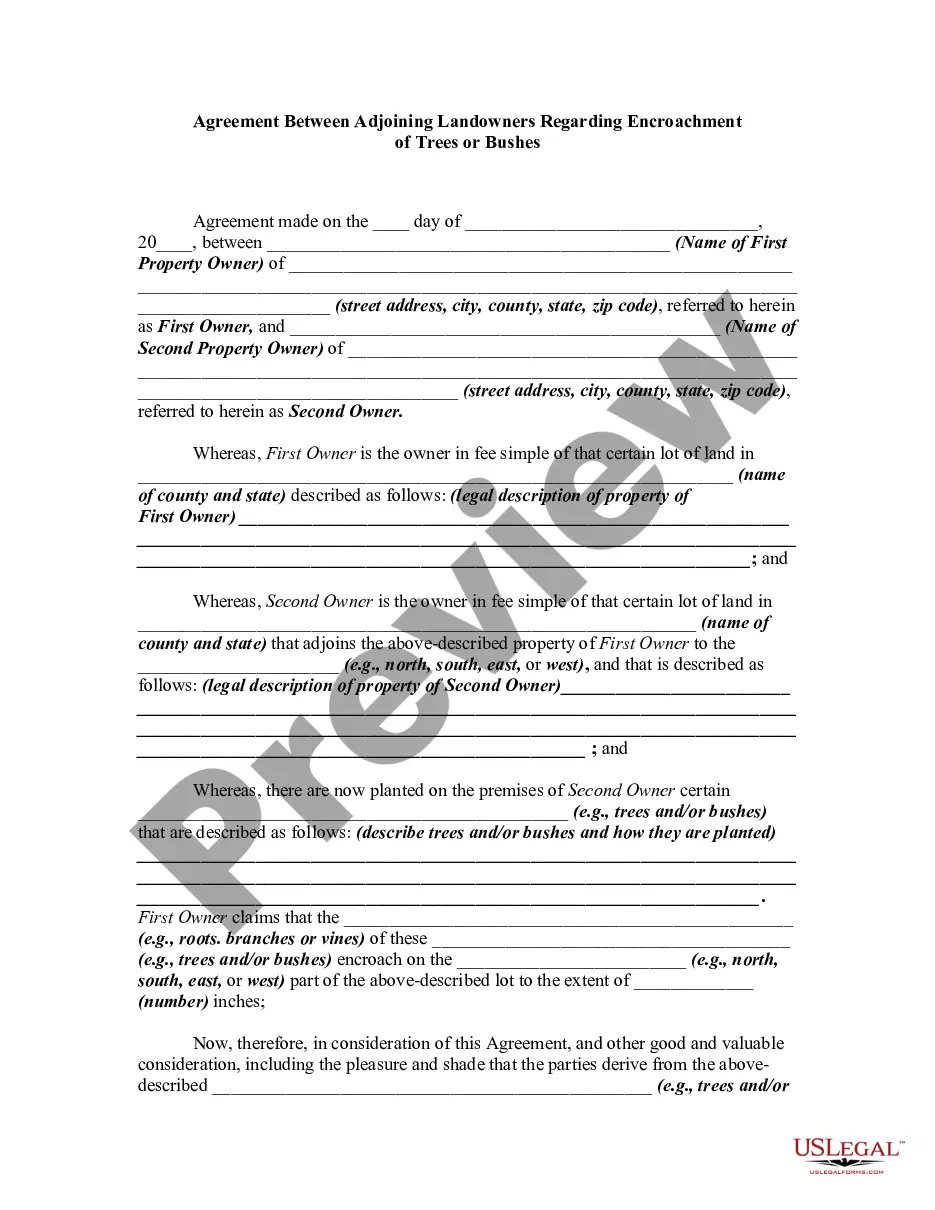
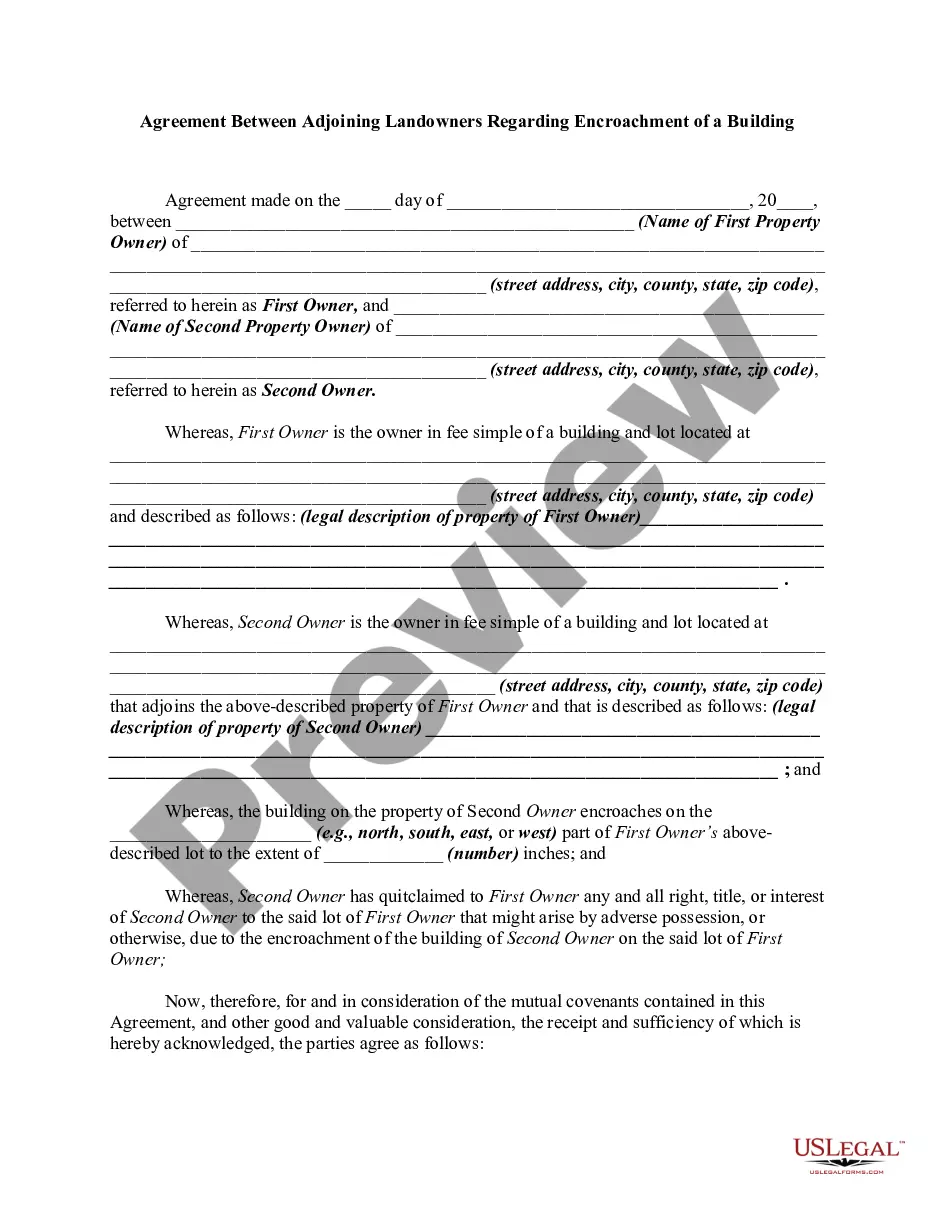
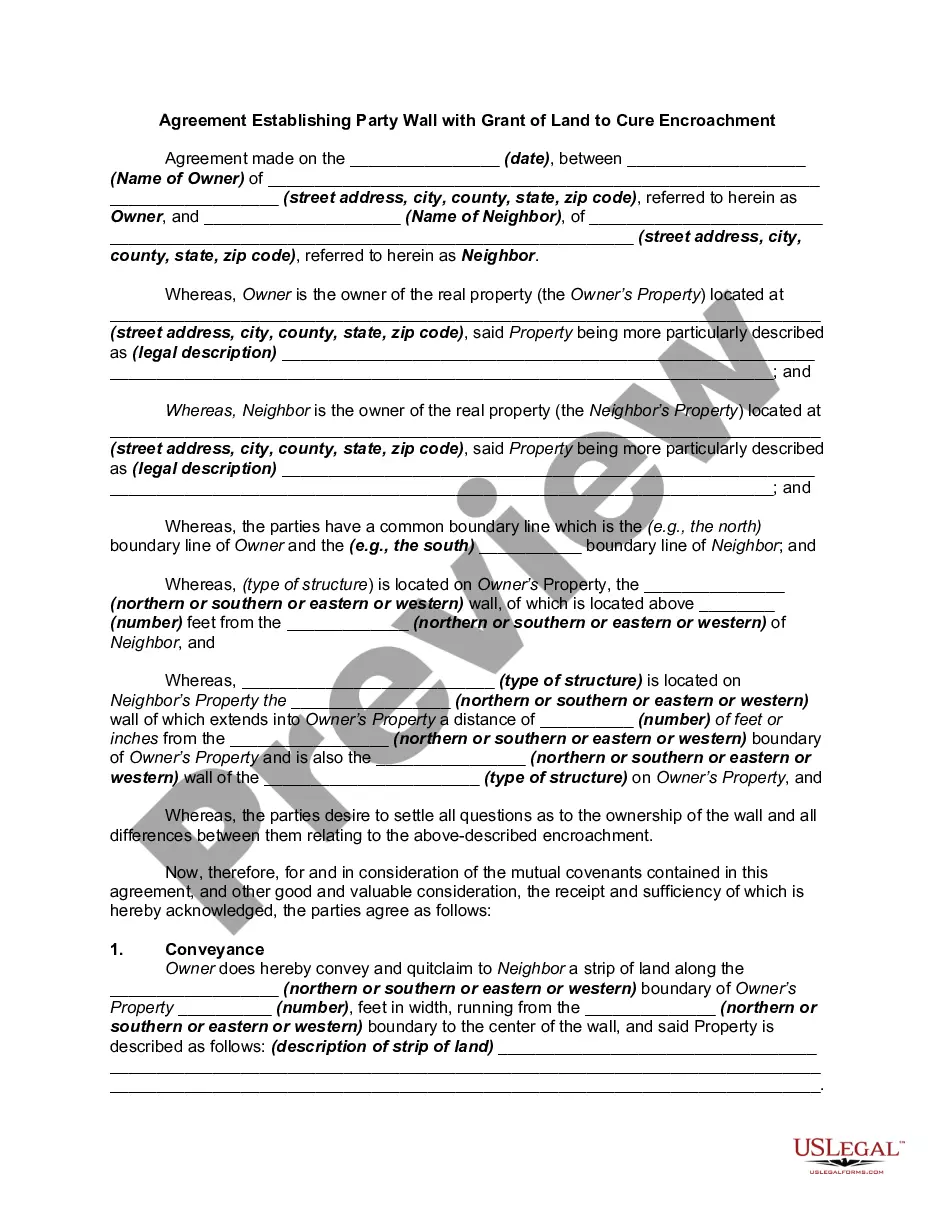
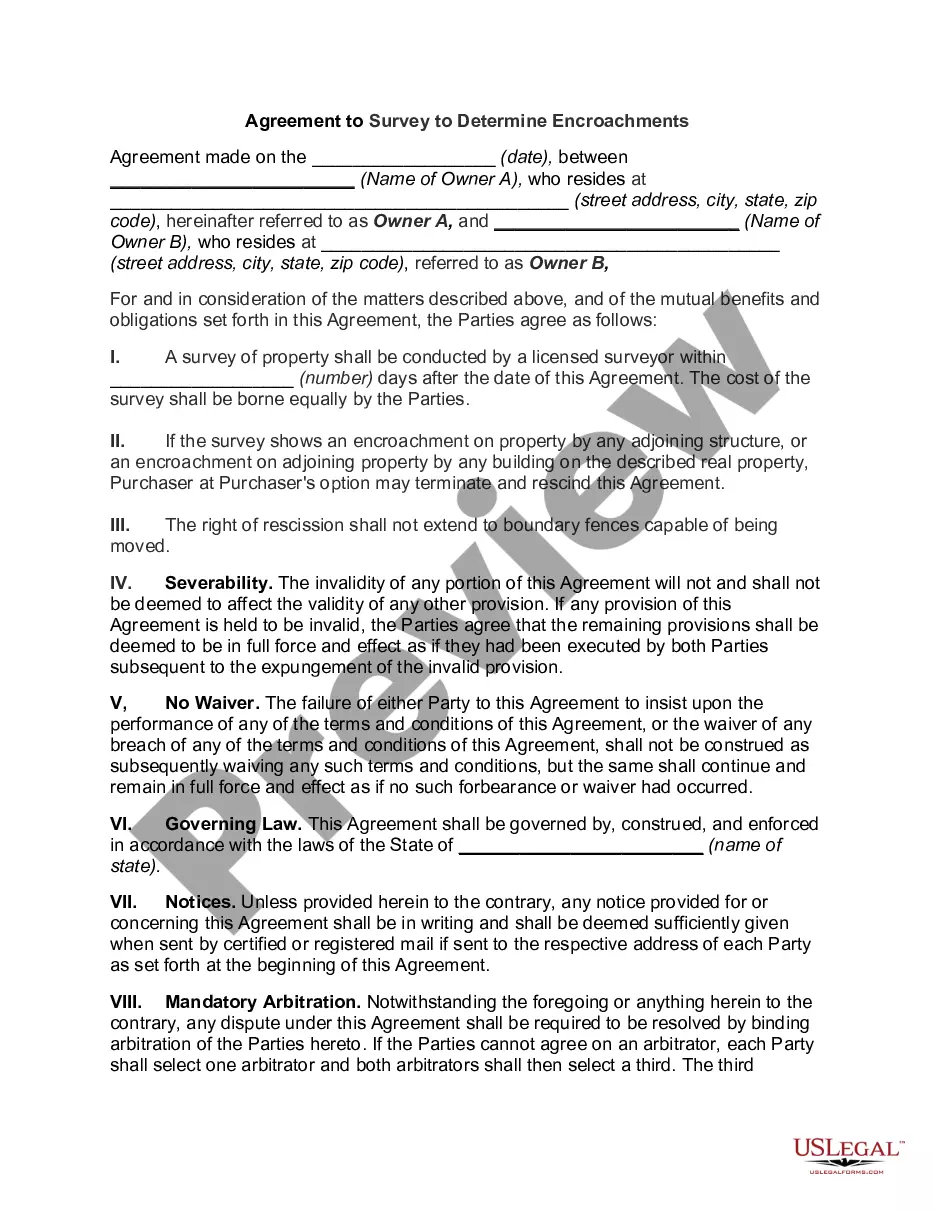
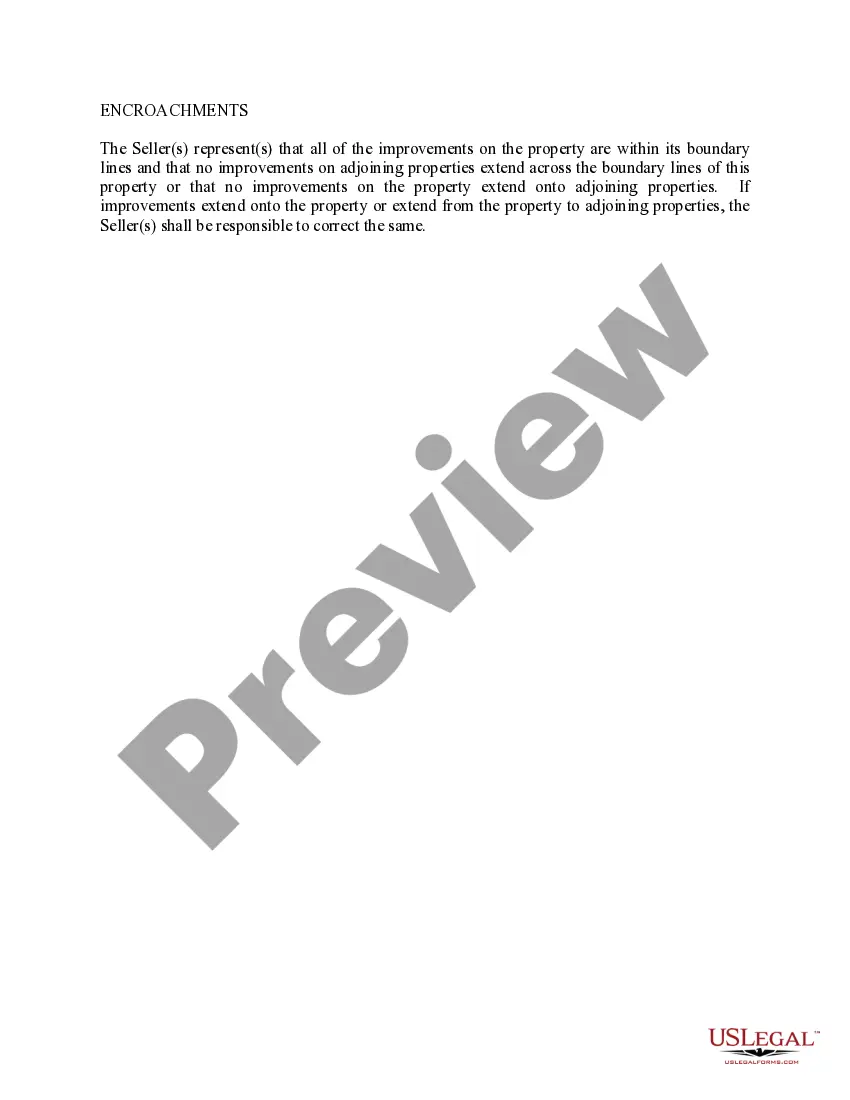
An encroachment agreement is a legal document that outlines the rights and responsibilities of property owners when one party's property intrudes upon the land of another. In this context, an encroachment typically refers to a physical object, like a fence or building, that crosses a property line. This agreement establishes the terms under which the encroachment will be acknowledged and maintained.
Key components of the form
When creating an encroachment agreement, several key components must be included to ensure clarity and enforceability:
- Identification of parties: Clearly state the names and addresses of the involved parties.
- Description of properties: Provide detailed descriptions of both properties involved, including legal descriptions and any relevant exhibits.
- Encroachment description: Specify what the encroachment is, such as a fence or structure, and include any surveys or diagrams.
- Liability and maintenance clauses: Outline who is responsible for the maintenance and any liabilities related to the encroachment.
- Notarization requirements: Include provisions for notarization to ensure the agreement is legally binding.
Who should use this form
This form is essential for property owners who are facing an encroachment issue. If you find that your neighbor has built a structure that crosses onto your property or you yourself have encroached upon a neighbor's property, an encroachment agreement can help clarify the rights and responsibilities of each party. It is advisable to use this form to prevent future disputes and to outline the terms of the ongoing relationship pertaining to the encroachment.
Common mistakes to avoid when using this form
When drafting or signing an encroachment agreement, it is crucial to avoid common pitfalls to ensure legal protection:
- Omitting property descriptions: Ensure that both properties are described precisely to avoid confusion.
- Neglecting to define responsibilities: Clearly outline who is responsible for maintenance and liability associated with the encroachment.
- Failing to notarize: Notarization is often required to validate the agreement; ensure this step is not missed.
- Avoiding legal advice: Consult with a legal professional to ensure the agreement meets local regulations and adequately addresses the interests of both parties.
What to expect during notarization or witnessing
Notarization is a key part of finalizing an encroachment agreement. During the process:
- Identification: You will need to present valid identification to the notary public.
- Signing: All parties must sign the document in the presence of the notary.
- Notary's role: The notary will confirm the identities of the signers, witness the signing event, and then affix their seal.
- Finalization: After notarization, both parties should retain copies of the signed agreement for their records.
How to complete a form
Completing an encroachment agreement involves several steps:
- Gather necessary information: Collect all relevant information about the properties and the nature of the encroachment.
- Fill in the form: Start by clearly identifying the parties involved and describing the properties accurately.
- Specify terms: Clearly outline the terms regarding liability, maintenance, and any other relevant issues.
- Review: Thoroughly review the entire agreement for accuracy and completeness.
- Notarization: Arrange for notarization after all parties have signed.