How to fill out a writ of garnishment effectively
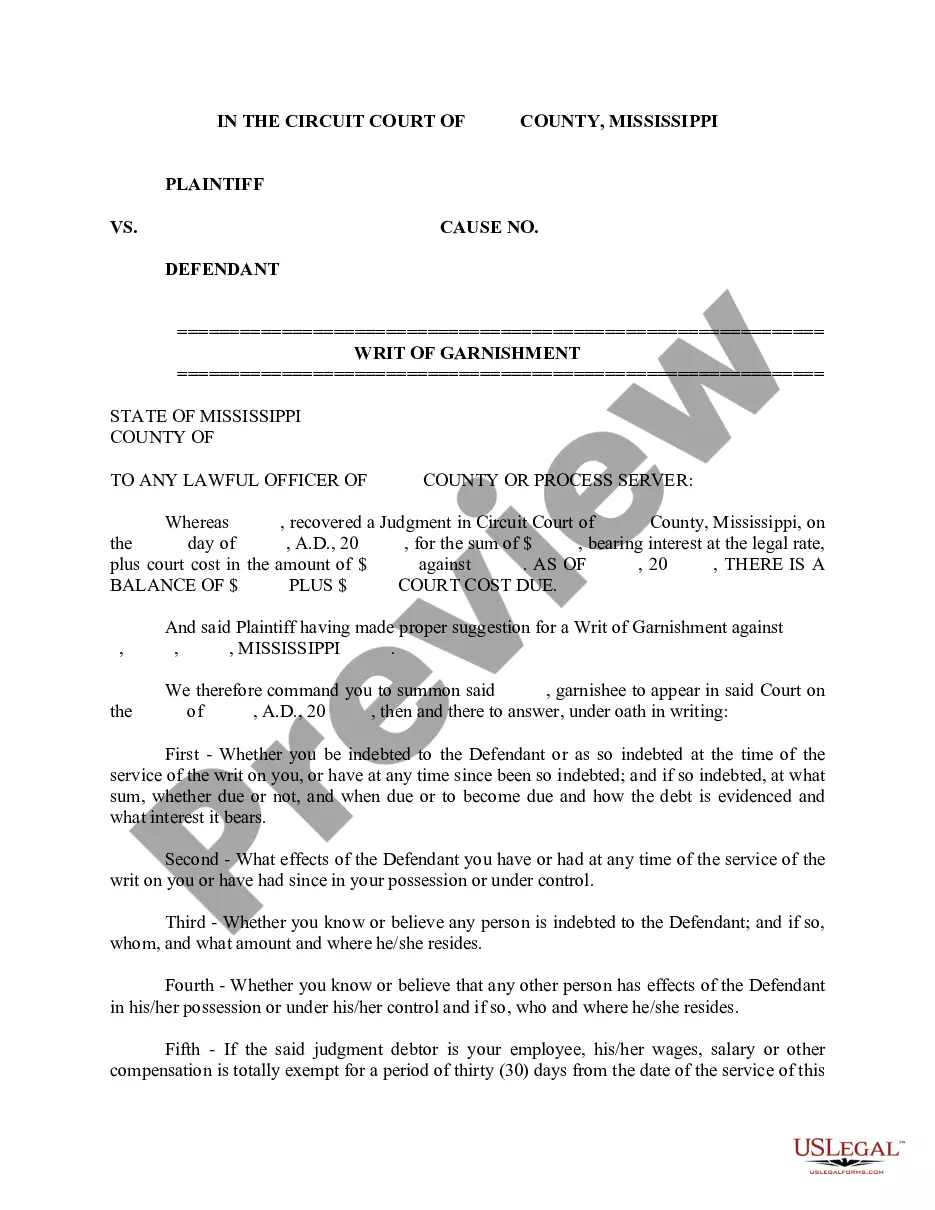
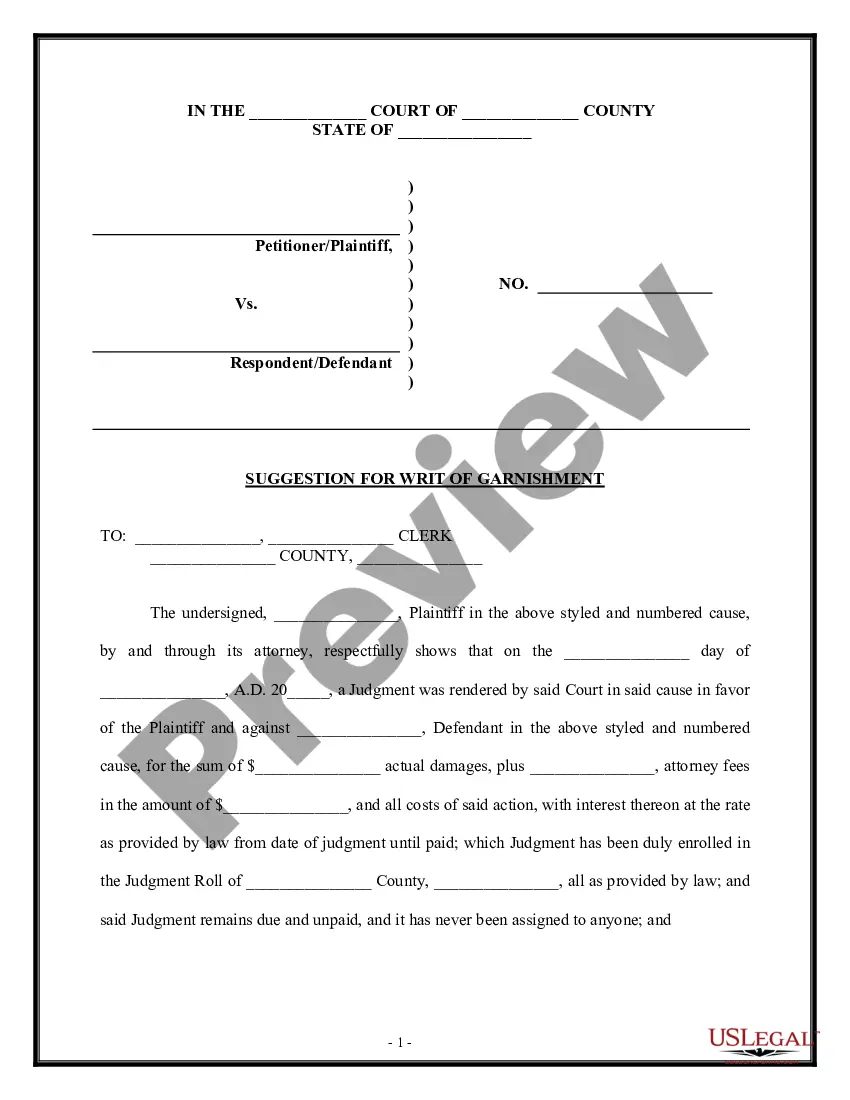
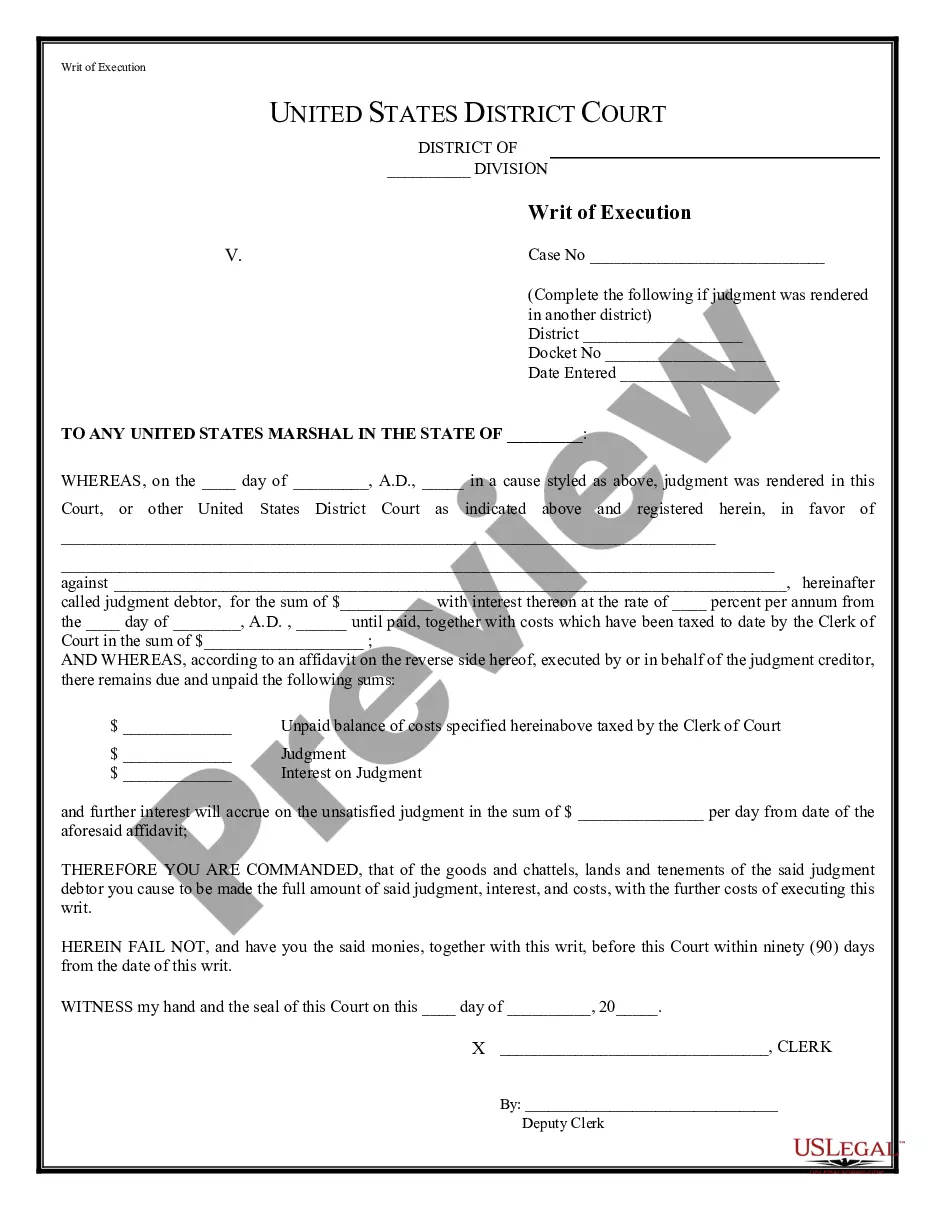
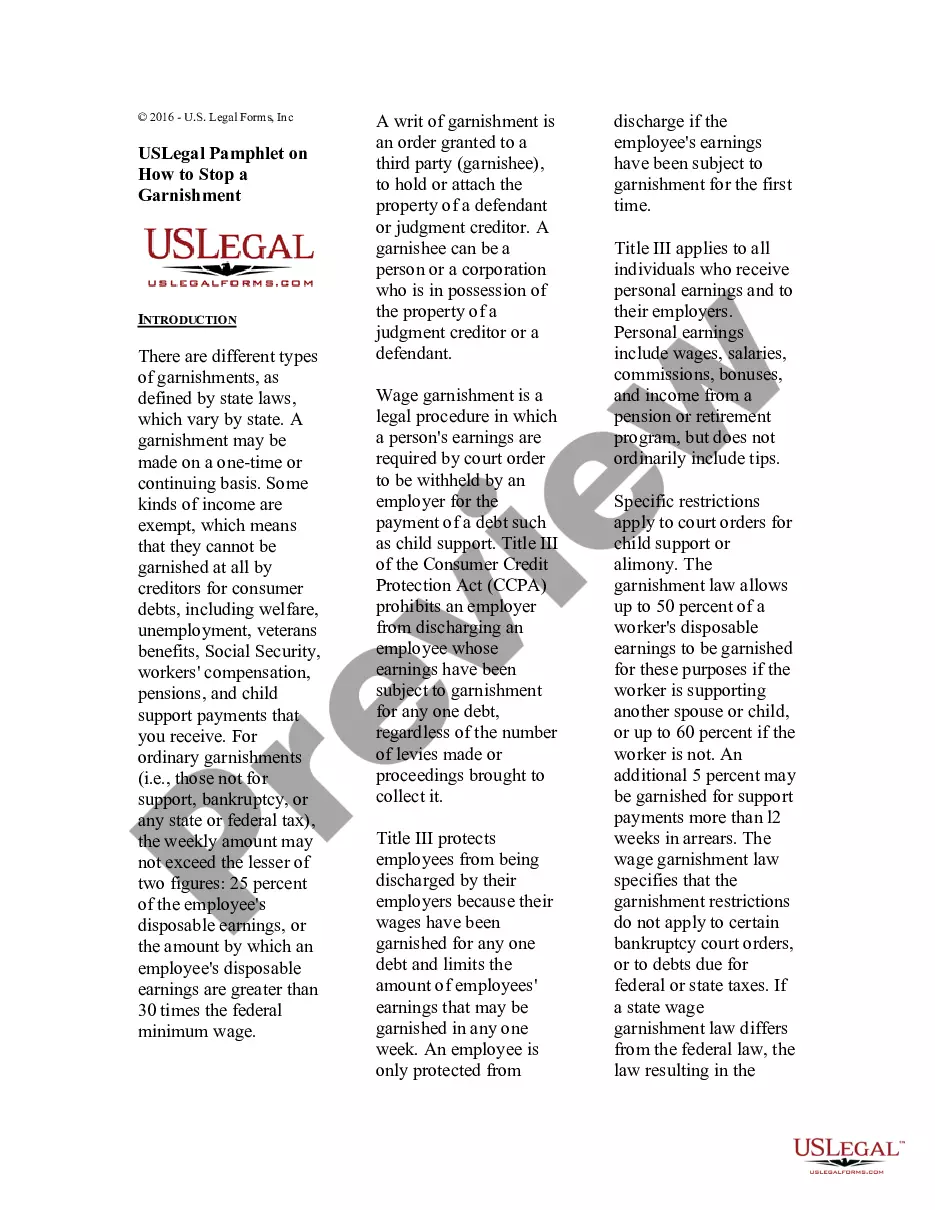
A writ of garnishment is a legal order issued by a court which directs a third party, known as the garnishee, to withhold funds or property that is owed to a debtor. It allows creditors to collect debts by reaching the debtor's assets held by a third party, typically in cases where the debtor has failed to pay what they owe. This process is particularly important in enforcing court judgments.
How to complete a form
Filling out a writ of garnishment requires careful attention to detail. Here are the steps:
- Begin with the court name at the top of the form.
- Identify the plaintiff and defendant by including their names and relevant details.
- Fill in the cause number as provided in the judgment.
- Indicate the date the judgment was issued and the total amount due.
- Specify any additional costs or interest applied.
- Provide information about the garnishee, including their name and address.
- Complete the sections regarding the debtor’s employment status, if applicable.
Make sure to double-check all entries for accuracy, and sign the form at the bottom to affirm its validity.
Who should use this form
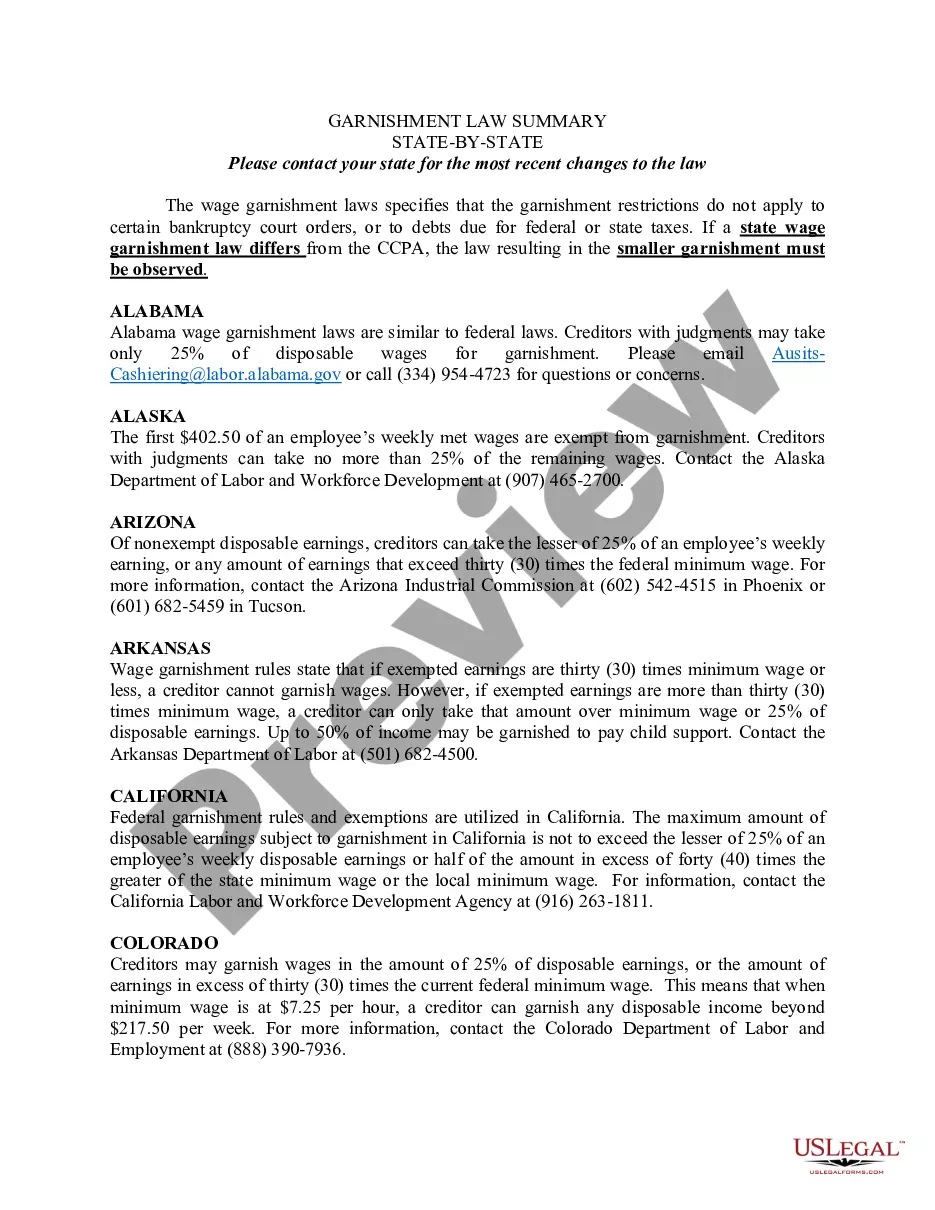
A writ of garnishment can be utilized by any creditor who has obtained a court judgment against a debtor and wishes to collect the owed amount. This includes individuals, businesses, or other entities that have legal grounds for garnishing wages or bank accounts. It is essential for creditors to understand their rights and confirm that they have a valid judgment before utilizing this form.
Key components of the form
The writ of garnishment includes several critical components:
- Court Information: Details about the court where the judgment was obtained.
- Plaintiff and Defendant Information: Names and addresses of both parties involved.
- Judgment Details: The cause number and the amount awarded, including additional costs.
- Garnishee Details: The name and address where the garnishee can be served.
- Employment Status: Information specifying if the debtor is employed and applicable exemptions.
Ensuring all these elements are included and accurate is crucial for the writ to be effective.
Common mistakes to avoid when using this form
When completing a writ of garnishment, avoid the following common errors:
- Failing to include all necessary information, such as the cause number or accurate amounts owed.
- Using outdated or incorrect garnishee information.
- Neglecting to sign or date the form properly.
- Overlooking the specific legal wording required for the writ.
- Not providing sufficient instructions for the garnishee on how to respond.
By being mindful of these mistakes, users can improve the chances of successfully executing the garnishment.