How to complete an affidavit of identity effectively
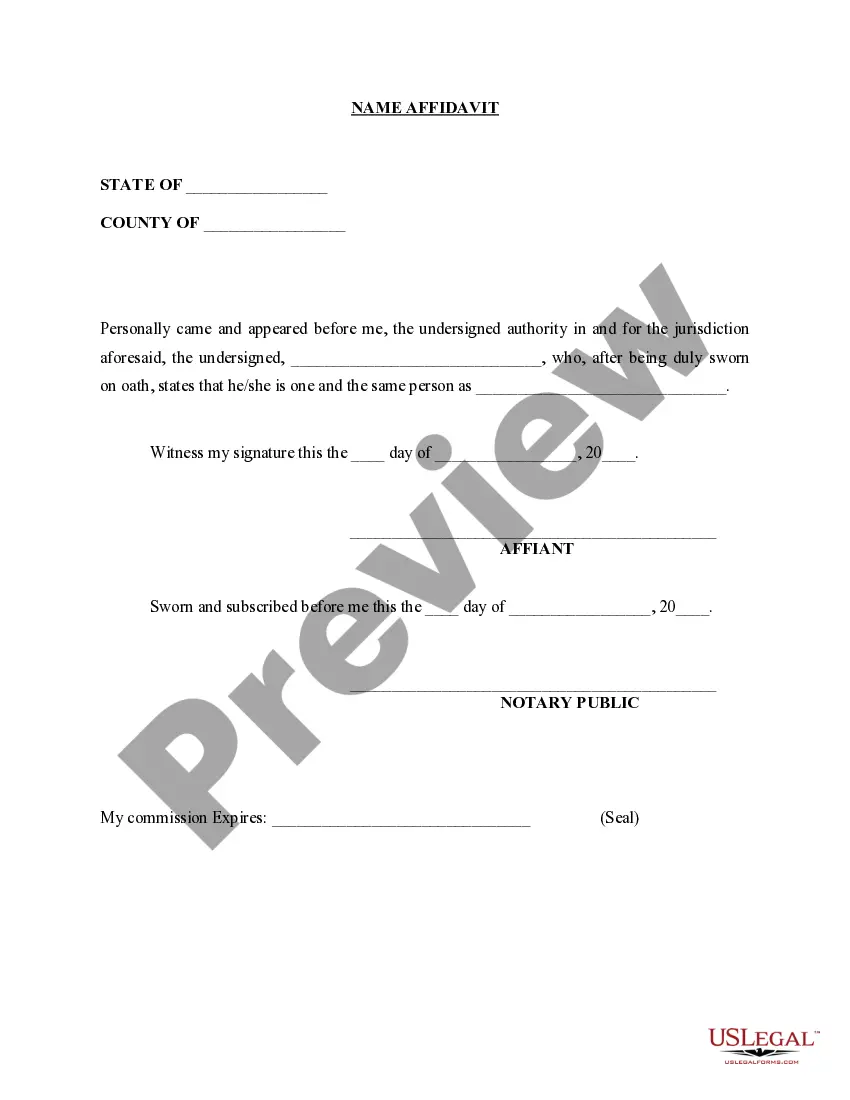
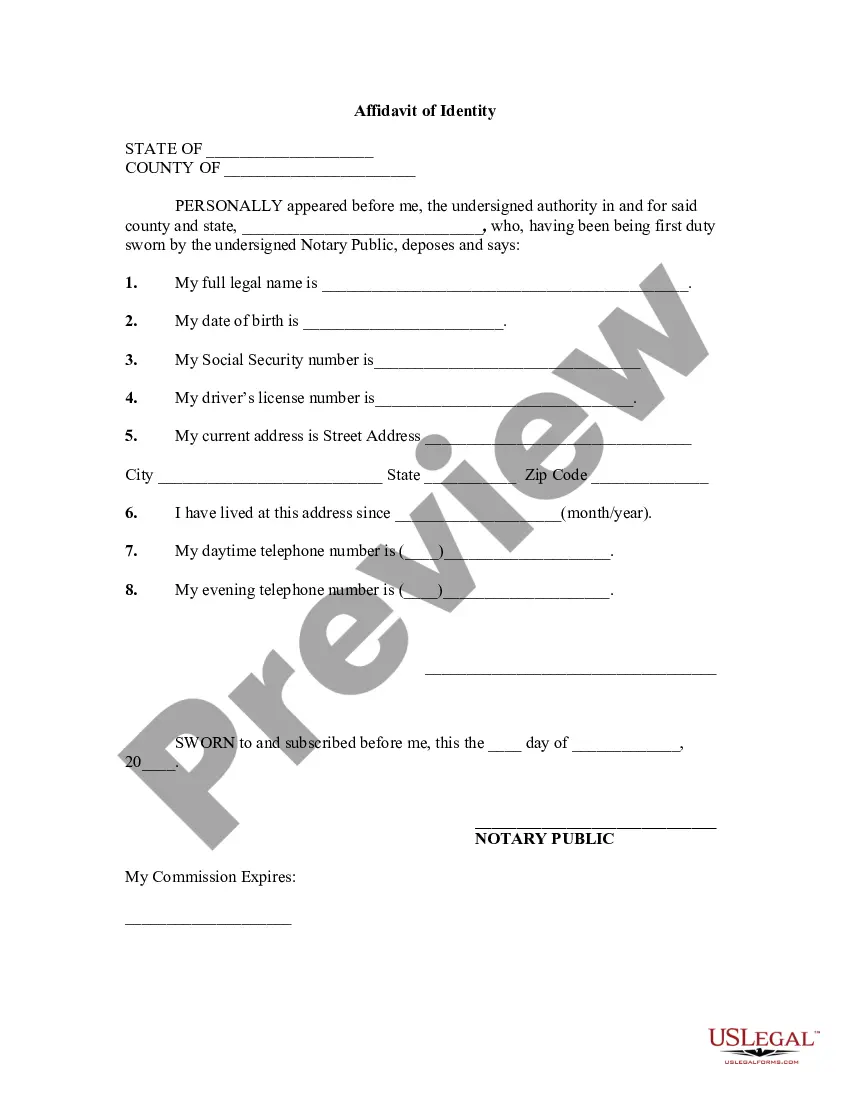
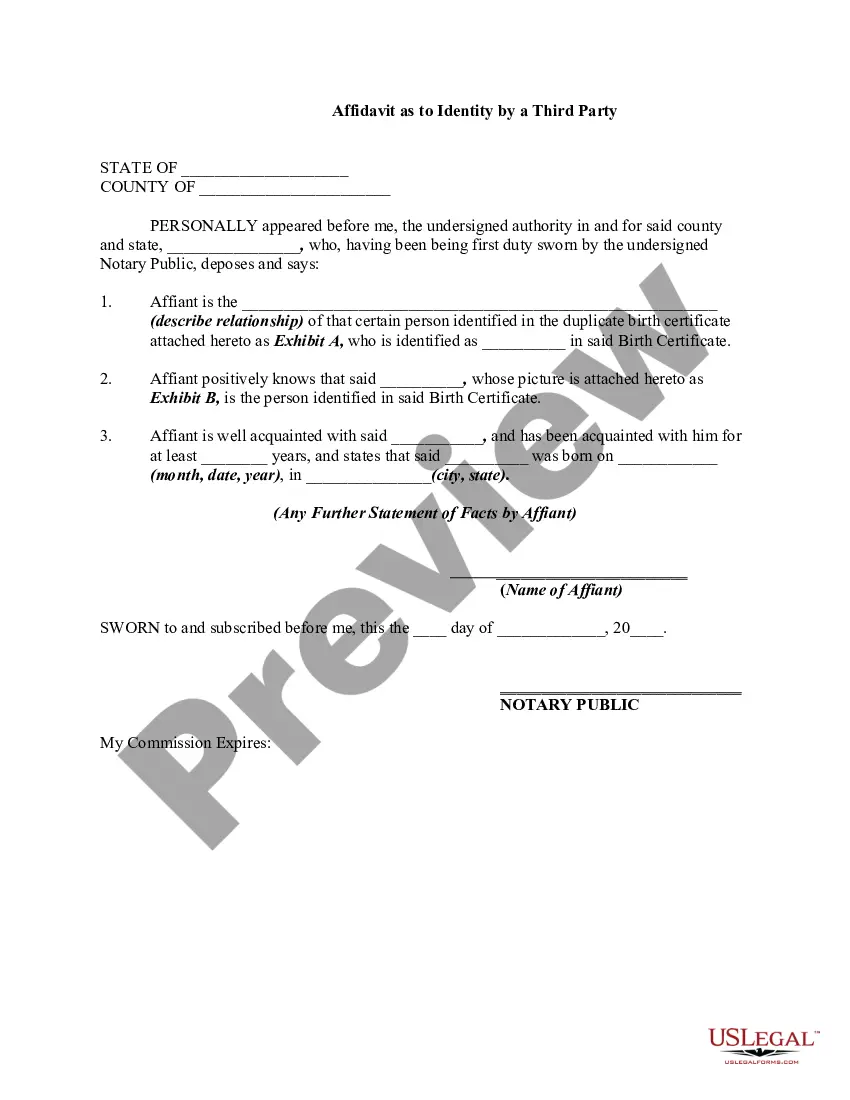
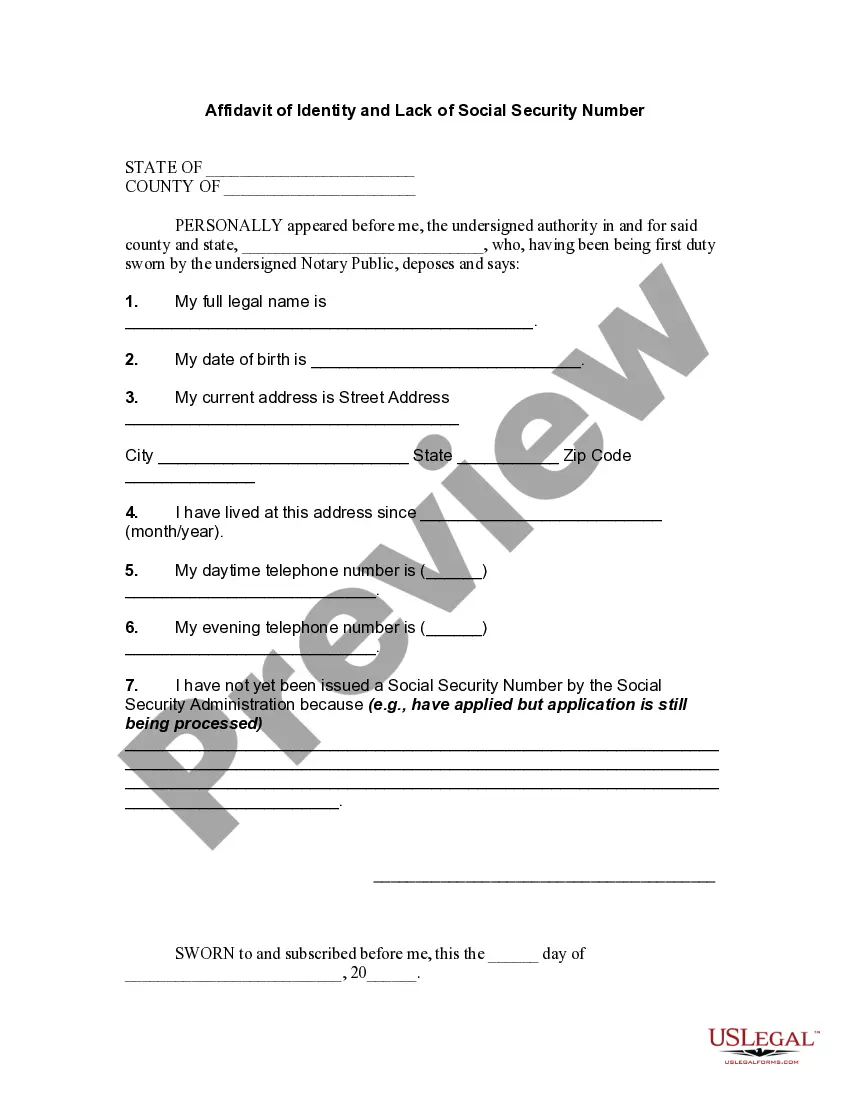
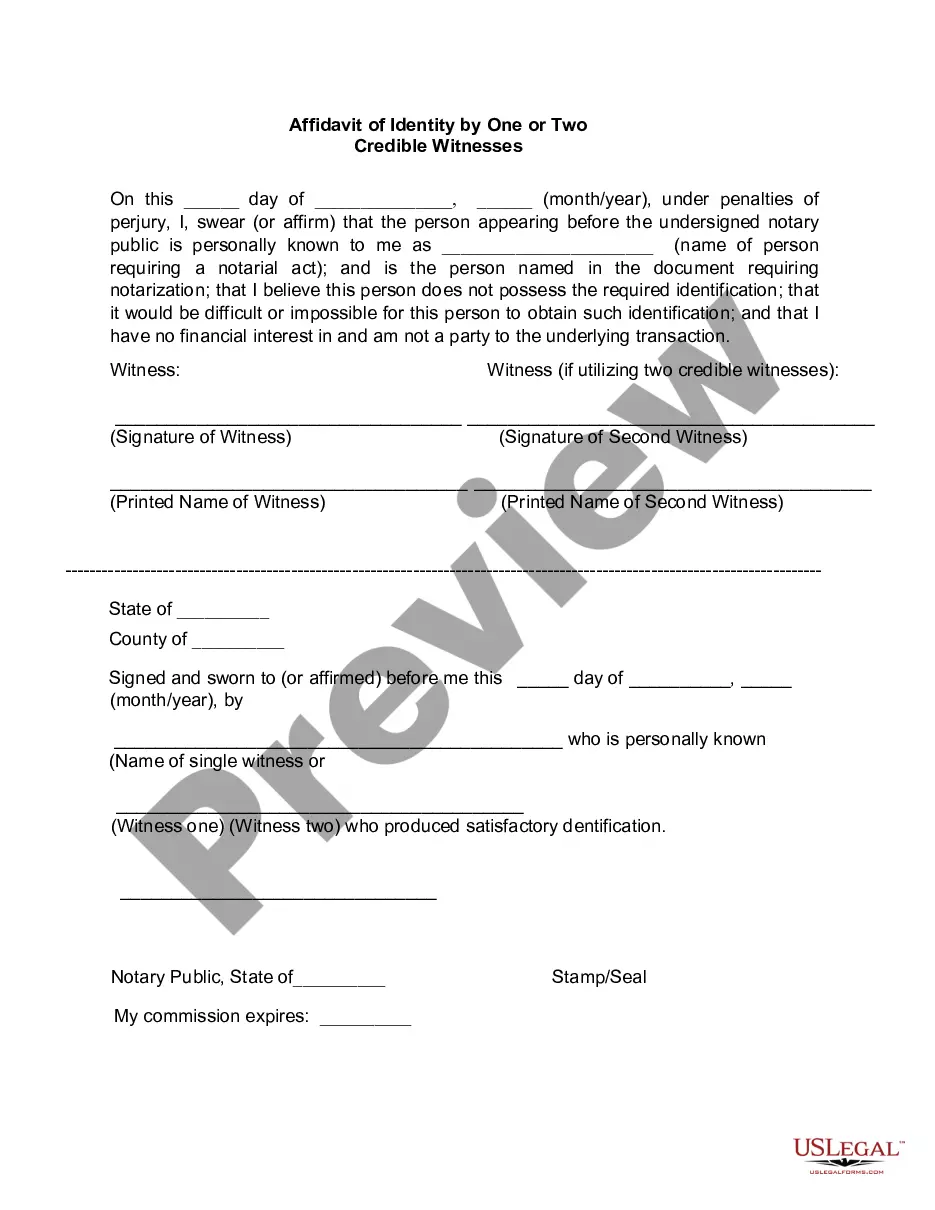
An Affidavit of Identity is a sworn document used to confirm the identity of an individual. It asserts that the affiant (the person making the affidavit) is not the same person as the individual named in any adverse judgments, liens, or other legal claims. This affidavit serves to protect the affiant’s property and personal status in the eyes of the law.
How to complete a form
Completing the Affidavit of Identity involves several clear steps:
- Personal Information: Provide your full name, date of birth, and address. Be truthful to avoid penalties for false information.
- Social Security Number: Include the last four digits of your Social Security number for identification purposes.
- Employment Data: List your current employer and position, along with previous addresses for the last ten years.
- Affirmations: Clearly state that you are not the individual associated with the listed debts or judgments.
- Mail Documentation: Indicate that you have sent a copy of the affidavit to the creditor, along with proof of mailing.
Who should use this form
The Affidavit of Identity is typically used by individuals who have been wrongly associated with debts or legal claims. If you have been mistakenly identified in legal documentation or are facing issues related to identity theft, this form is essential for clarifying your identity and protecting your legal rights.
Key components of the form
The Affidavit of Identity contains several important sections:
- Affiant Information: Personal details including name, address, and date of birth.
- Employment Details: Information regarding current and previous employment.
- Judgments and Liens: Specific declarations regarding the judgments against a name that is not the affiant’s.
- Verification: A section for the notarization of the document, affirming its legitimacy.
Common mistakes to avoid when using this form
When completing the Affidavit of Identity, be mindful of the following common errors:
- Failure to include all required personal details.
- Incorrectly identifying the debtor or the legal judgments.
- Not providing adequate proof of mailing to the creditor.
- Omitting notarization, which is essential for the affidavit's validity.
What to expect during notarization or witnessing
During the notarization process, you will need to present the completed Affidavit of Identity to a licensed notary public. They will verify your identity and witness your signature. Bring an official form of identification, such as a driver's license or passport. The notary will then sign and seal the document, making it legally binding.
Key takeaways
The Affidavit of Identity is a crucial document for individuals seeking to clarify their identity in legal matters. Be thorough in completing the form, adhere to all instructions, and ensure it is notarized to protect your rights and properties effectively.