What is an affidavit of expert and its significance?
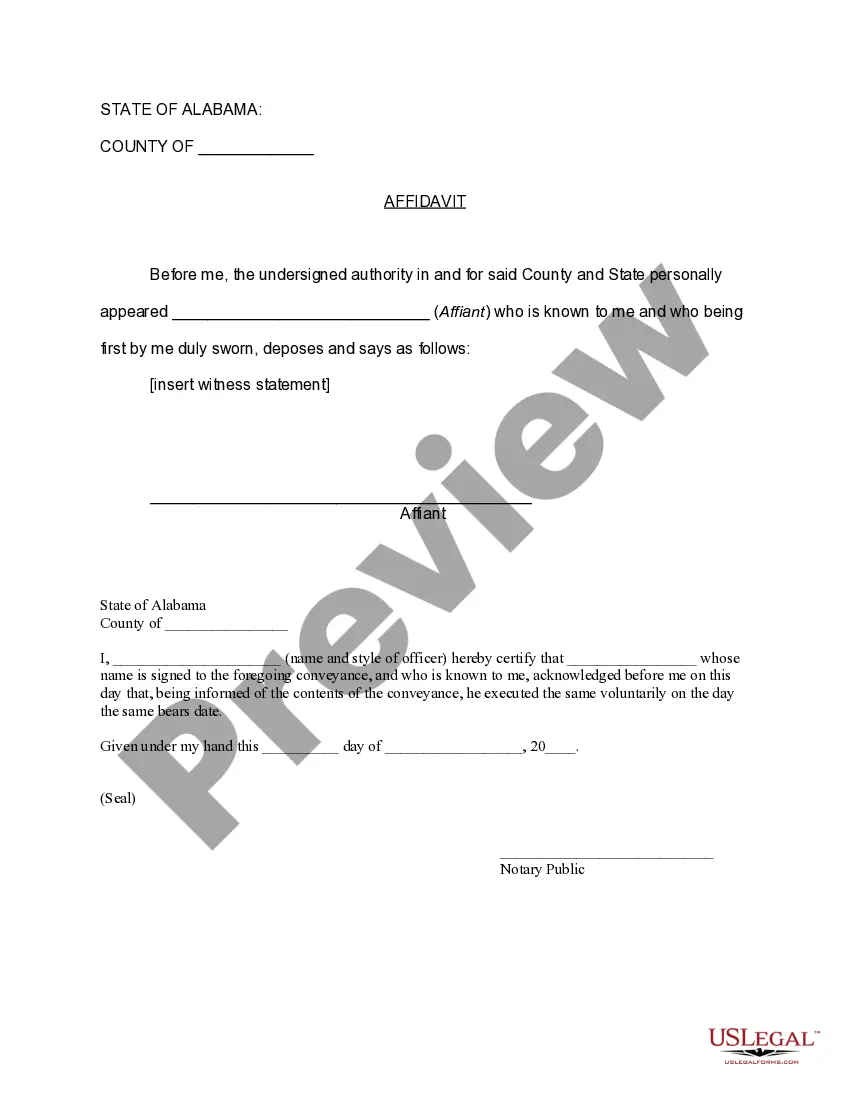
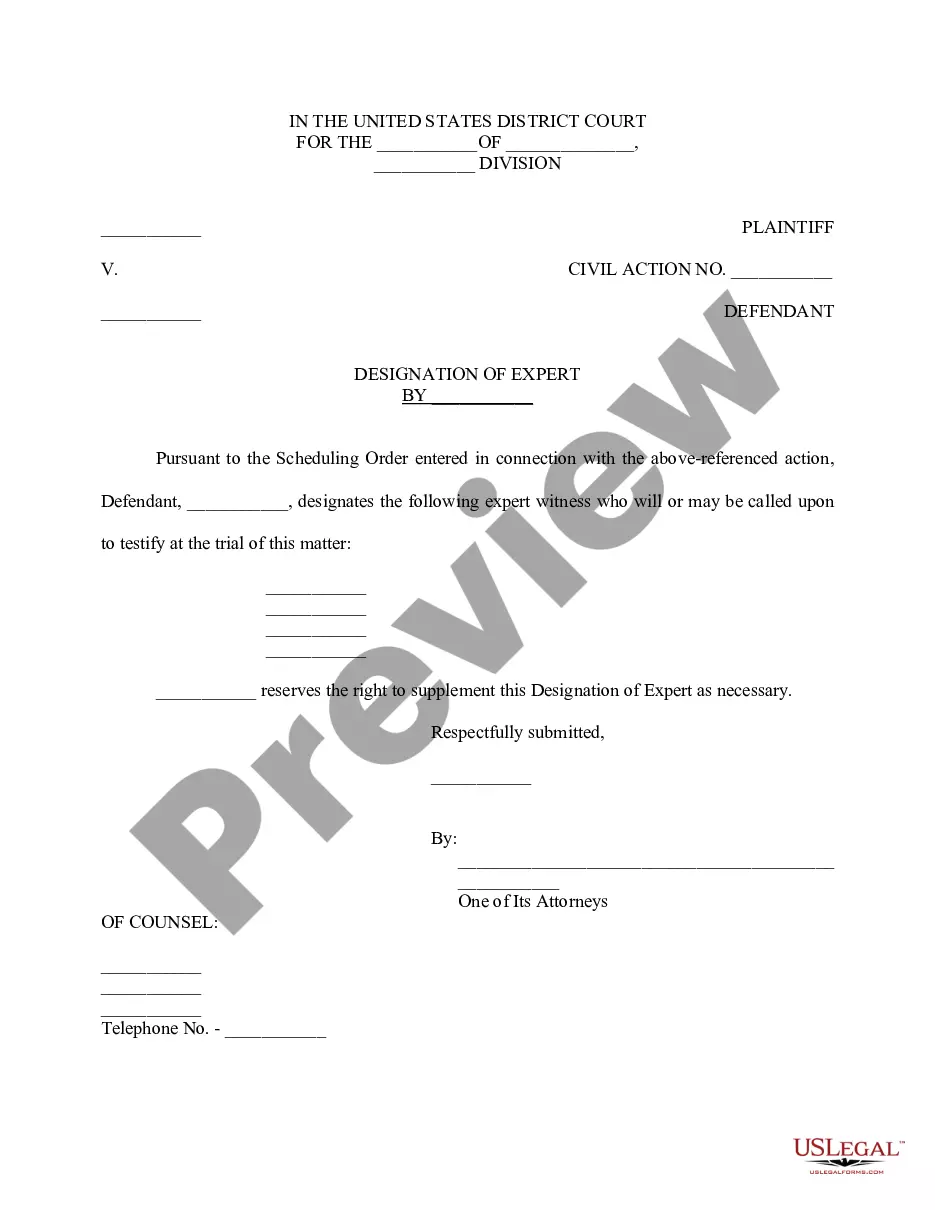
An Affidavit of Expert is a written statement made under oath by a qualified expert in a particular field. This document provides professional opinions or evidence regarding specific matters in legal cases. Typically prepared for court use, it must include the qualifications of the expert and the basis for their opinions. Such affidavits serve as critical pieces of evidence in civil litigation, helping to clarify complex issues for judges and juries.
Key components of the form
The Affidavit of Expert comprises several essential sections, including:
- Title and Jurisdiction: Clearly states the title of the document and the court's jurisdiction.
- Expert's Qualifications: Detailed information about the expert's educational background and professional experience.
- Statement of Personal Knowledge: A declaration that the expert has personal knowledge of the facts contained within the affidavit.
- Opinion Statements: A clear articulation of the expert's opinions and the facts supporting those opinions.
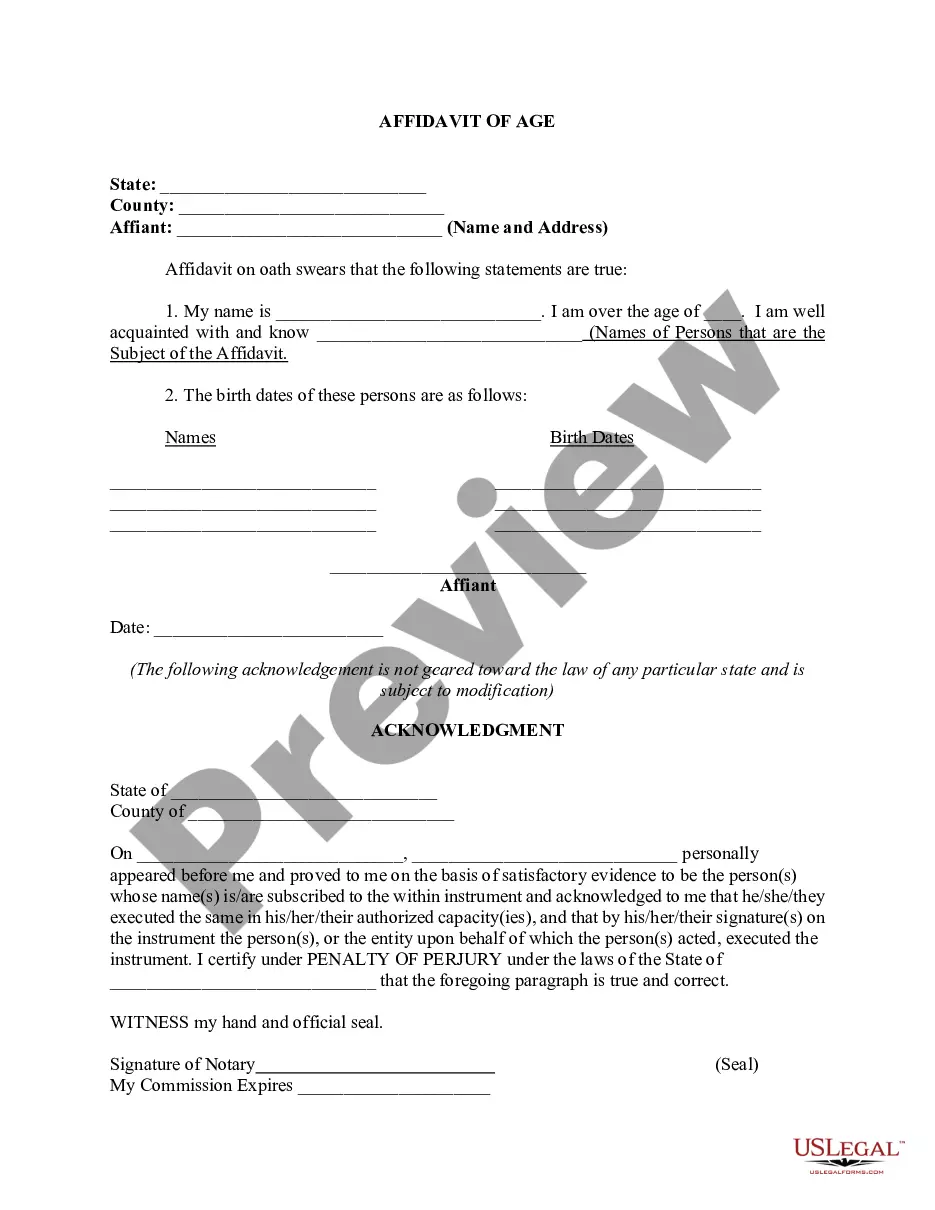
- Signature and Notarization: The affiant's signature, followed by notarization, verifies the authenticity of the affidavit.
Who should use this form
The Affidavit of Expert should be used by individuals or legal representatives involved in legal proceedings who need to present expert opinions. This may include lawyers seeking to support a case with expert testimony, individuals involved in civil cases, or any party requiring expert insights to substantiate claims. It is particularly common in cases involving specialized knowledge, such as medical, financial, or engineering matters.
Common mistakes to avoid when using this form
When completing an Affidavit of Expert, it is crucial to avoid several common mistakes, including:
- Failing to include the expert's qualifications and relevant experience, which can undermine the affidavit's credibility.
- Not clearly articulating the opinions and the basis for those opinions, making it difficult for readers to understand the expert's insights.
- Overlooking the notarization process, which is vital for the affidavit's legal standing.
- Submitting the form without proofreading, which may lead to inaccuracies and affect its validity.
Legal use and context
An Affidavit of Expert is commonly used in various legal contexts, particularly in civil litigation. It is essential in trials where expert testimony is required to support a claim or defense. Attorneys often use these affidavits to provide clarity on specialized topics that are crucial to the case. Courts may rely on this evidence to make informed decisions on complex issues, balancing the insights of experts against other presented evidence.
What to expect during notarization or witnessing
Notarization of an Affidavit of Expert requires the presence of a notary public. During this process:
- The expert must personally appear before the notary, presenting valid identification.
- The notary will confirm the expert's identity and willingness to sign the affidavit voluntarily.
- Once signed, the notary will complete their section, which certifies that the document was executed in their presence.
It is essential to ensure that the notarization is completed correctly, as an improperly notarized affidavit may challenge its enforceability.