What Is Acceptance of Service in Legal Proceedings?
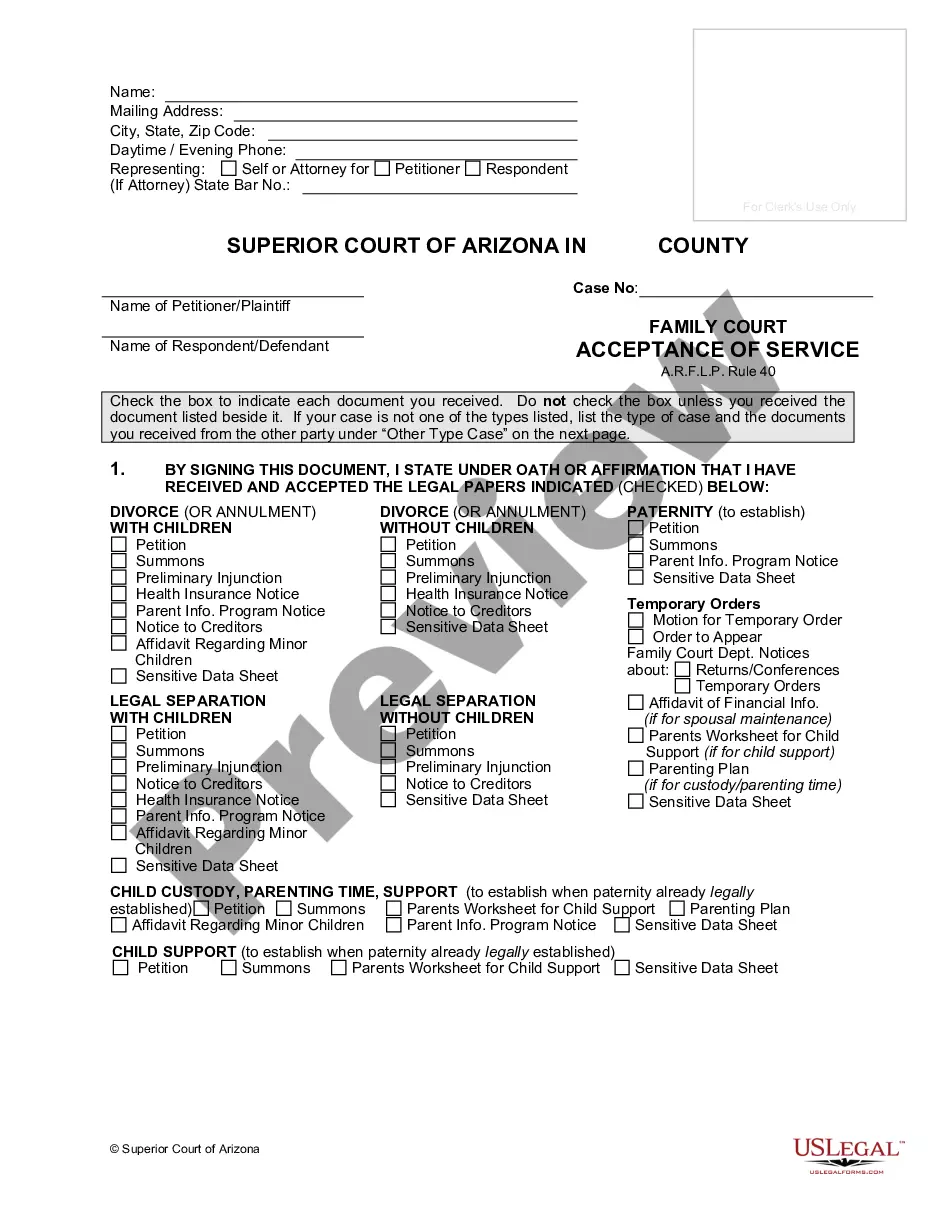
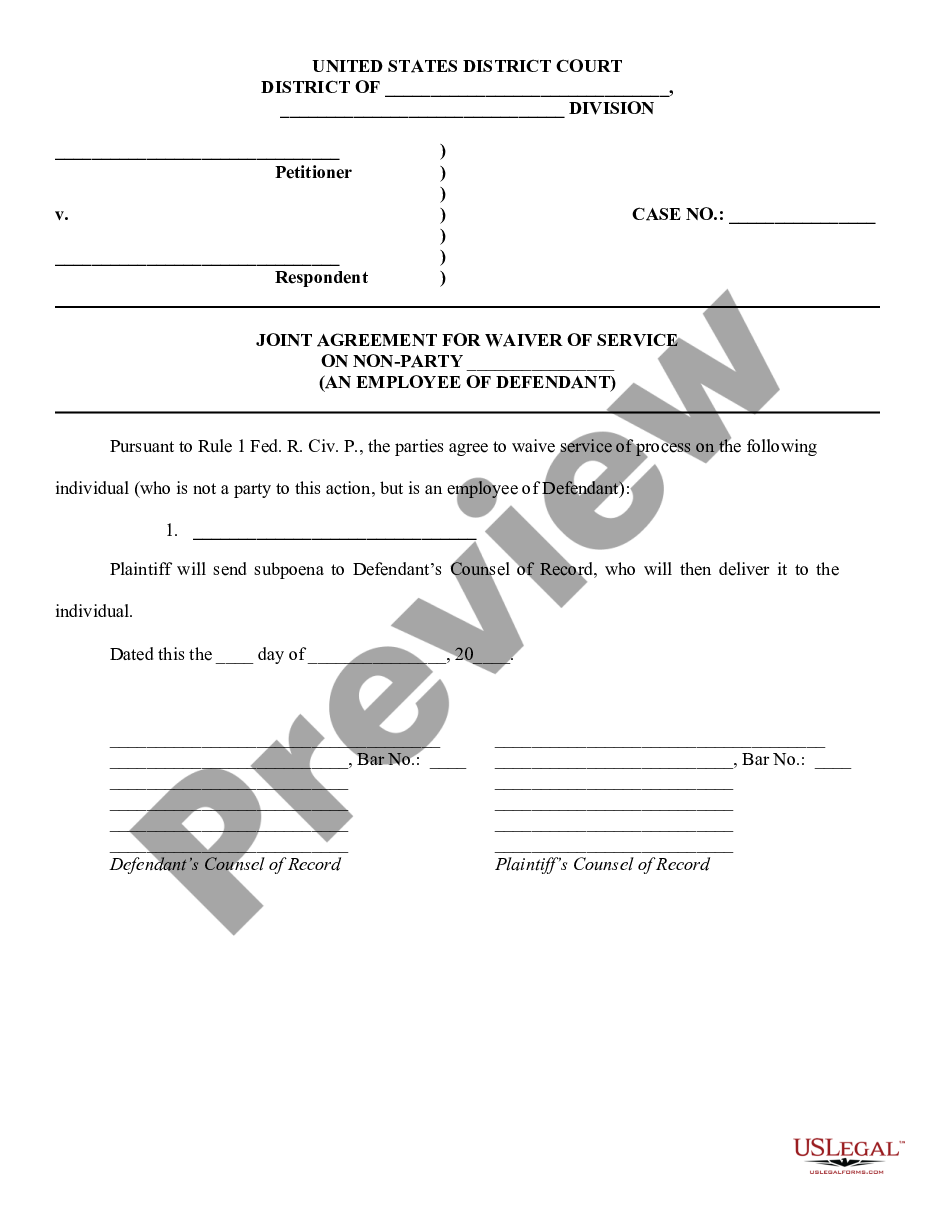
The Acceptance of Service is a legal document in which a person acknowledges that they have received court documents related to a legal proceeding. This document is crucial in confirming that the recipient is aware of the action being taken against them and is part of the procedural requirements set forth by the court.
By signing the Acceptance of Service, a person waives formal service, meaning they do not need to be served by a sheriff or process server, which can streamline the legal process.
How to complete a form
Completing the Acceptance of Service form involves the following steps:
- Identify yourself: Clearly state your name and your role in the action (Petitioner or Respondent).
- List the received documents: Acknowledge the specific documents you are accepting by clearly listing them.
- Sign and date: By signing the form, you confirm receipt of the documents and your understanding of the implications of this acceptance.
Make sure to provide accurate information, as this document will be used in court records.
Who should use this form
The Acceptance of Service form is relevant for individuals involved in a legal dispute. Generally, it is used by:
- The Respondent: This is the person being served with court documents, who acknowledges the receipt.
- The Petitioner: While primarily for Respondents, Petitioners may also complete this form if they wish to waive formal service in certain situations.
Understanding when to use this form can help maintain procedural efficiency in legal proceedings.
Legal use and context
The Acceptance of Service is utilized in various legal contexts, primarily during divorce and family law cases. Within the Arizona Rules of Civil Procedure (ARCP), this acceptance serves to establish that the recipient is fully informed about the ongoing proceedings against them.
This form is vital in ensuring compliance with legal timelines and requirements, preventing delays caused by improper service of documents.
Key components of the form
The main components of the Acceptance of Service form include:
- Name of the parties: Both the Petitioner and Respondent must be clearly identified.
- Documents acknowledged: A section to specify which documents are being accepted.
- Waiver of formal service: Language indicating the waiver of formal service by a judge or officer.
- Signing and notarization: The signature of the person accepting service along with a notary section to validate the authentic acknowledgment.
Each component is crucial for the form's legal standing and should be completed with care.
Common mistakes to avoid when using this form
While filling out the Acceptance of Service form, ensure to avoid these common pitfalls:
- Incomplete information: Provide all necessary details, including both parties' names.
- Failing to list documents: Clearly list all documents acknowledged to avoid complications.
- Not signing: Forgetting to sign the form invalidates its acceptance status.
- Not understanding your rights: Ensure you are aware of your legal rights regarding response time and default judgments.
Being aware of these mistakes can help ensure the acceptance is processed smoothly.