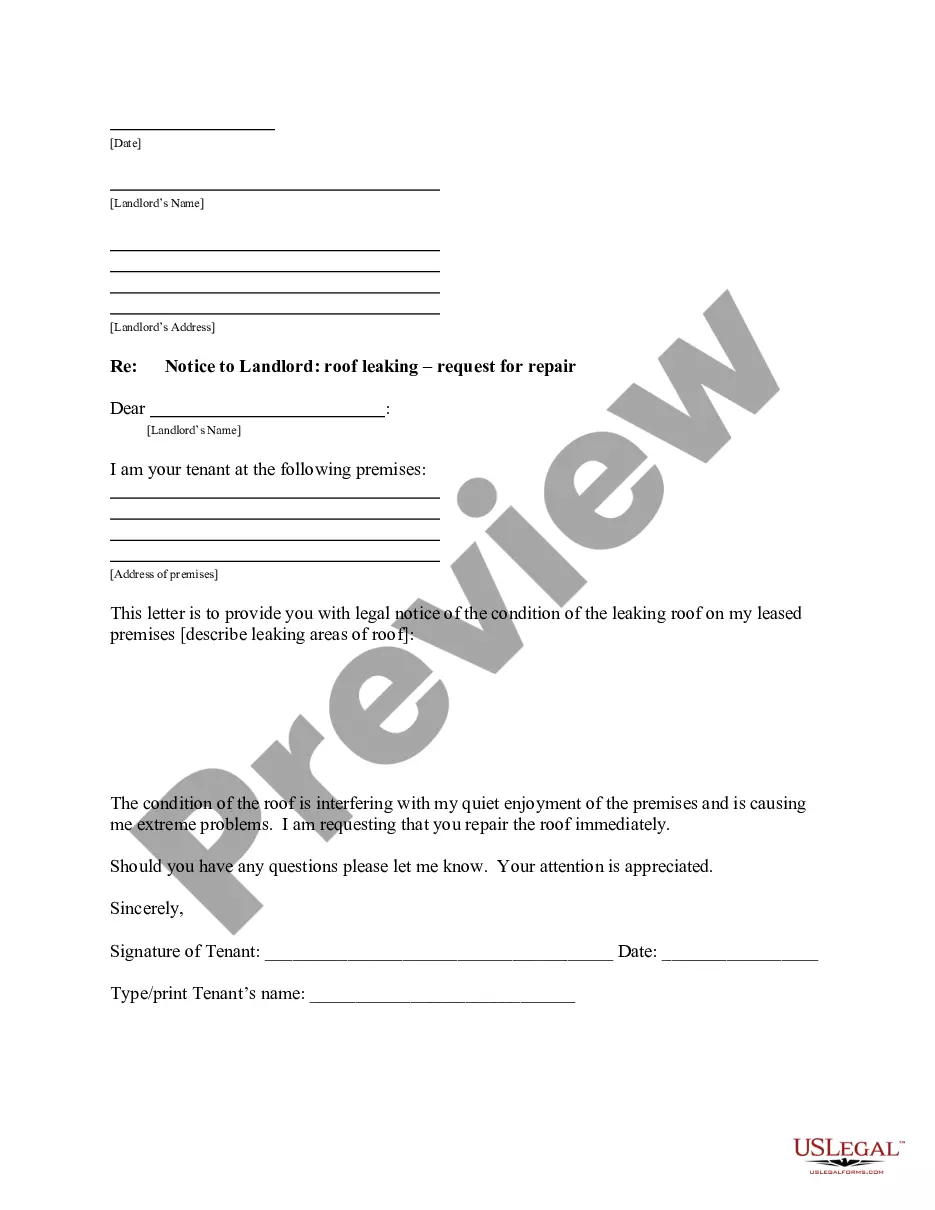
Indiana Letter from Tenant to Landlord containing Notice that premises leaks during rain and demand for repair
Understanding this form
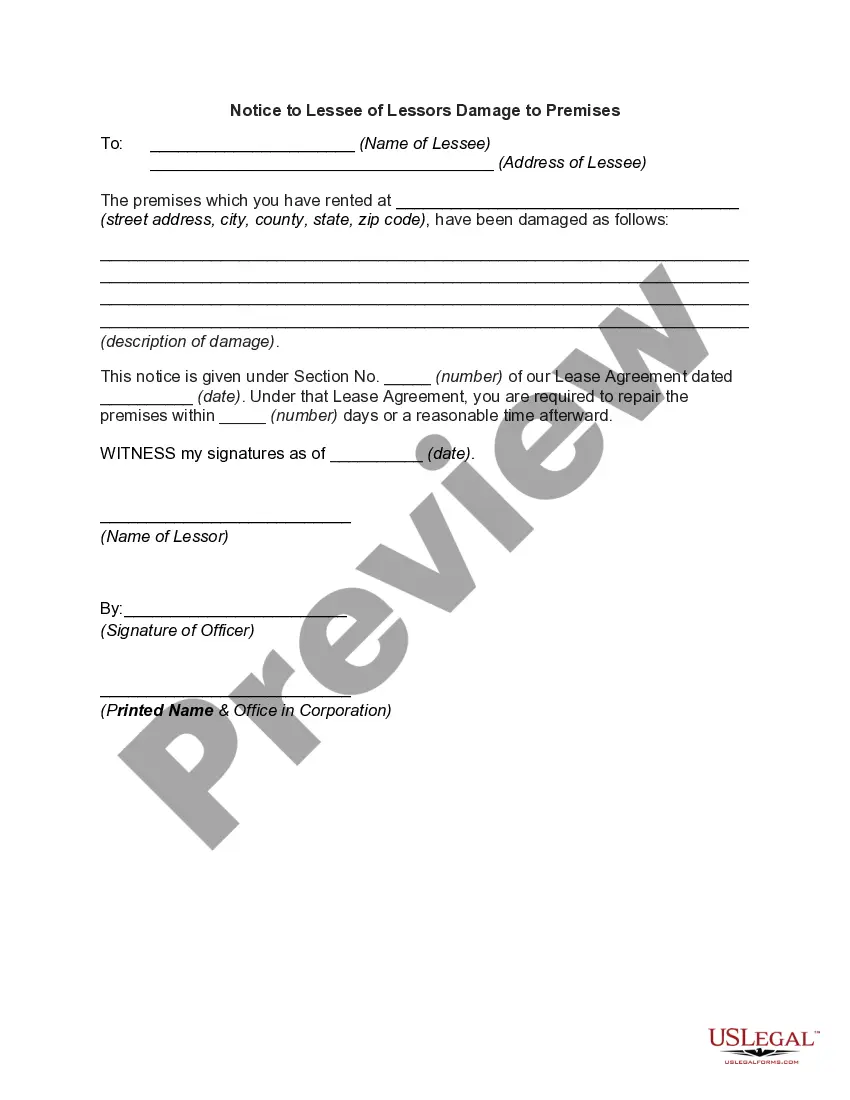
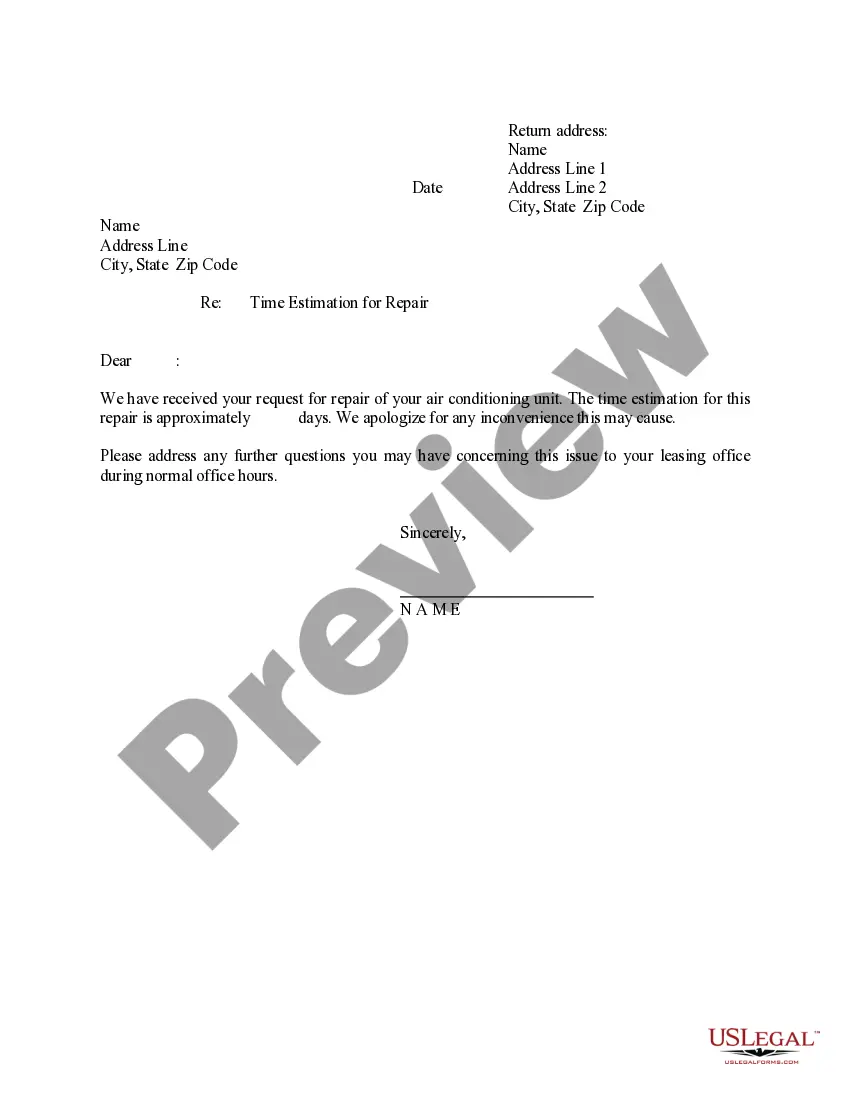
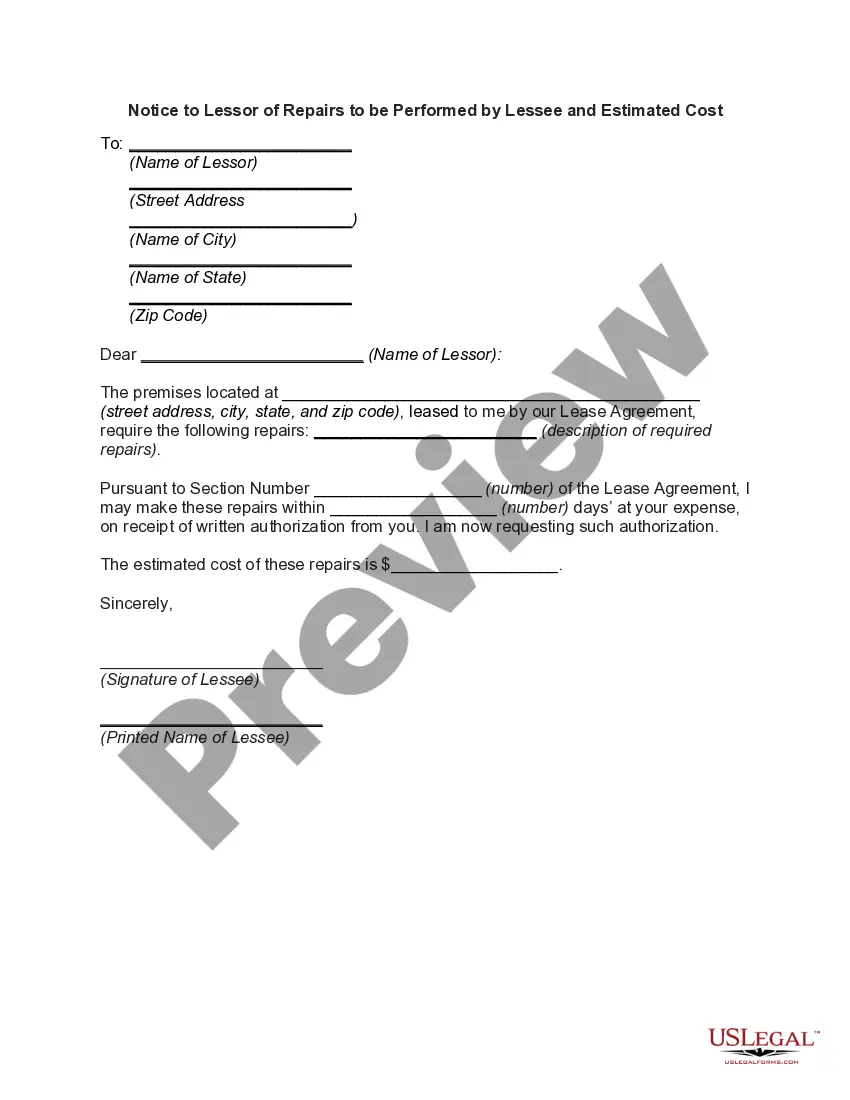
This letter from a tenant to a landlord serves as a formal notice regarding leaks in the rental premises that occur during rain. It outlines the landlord's obligation to repair the issue and ensures that the tenant makes a written demand for action. This document is crucial for tenants aiming to address maintenance problems while providing a record of their request, differing from informal communication such as emails or phone calls.
Form components explained
- Tenant's name and signature
- Date of the notice
- Description of the issue (leaks during rain)
- Demand for repair
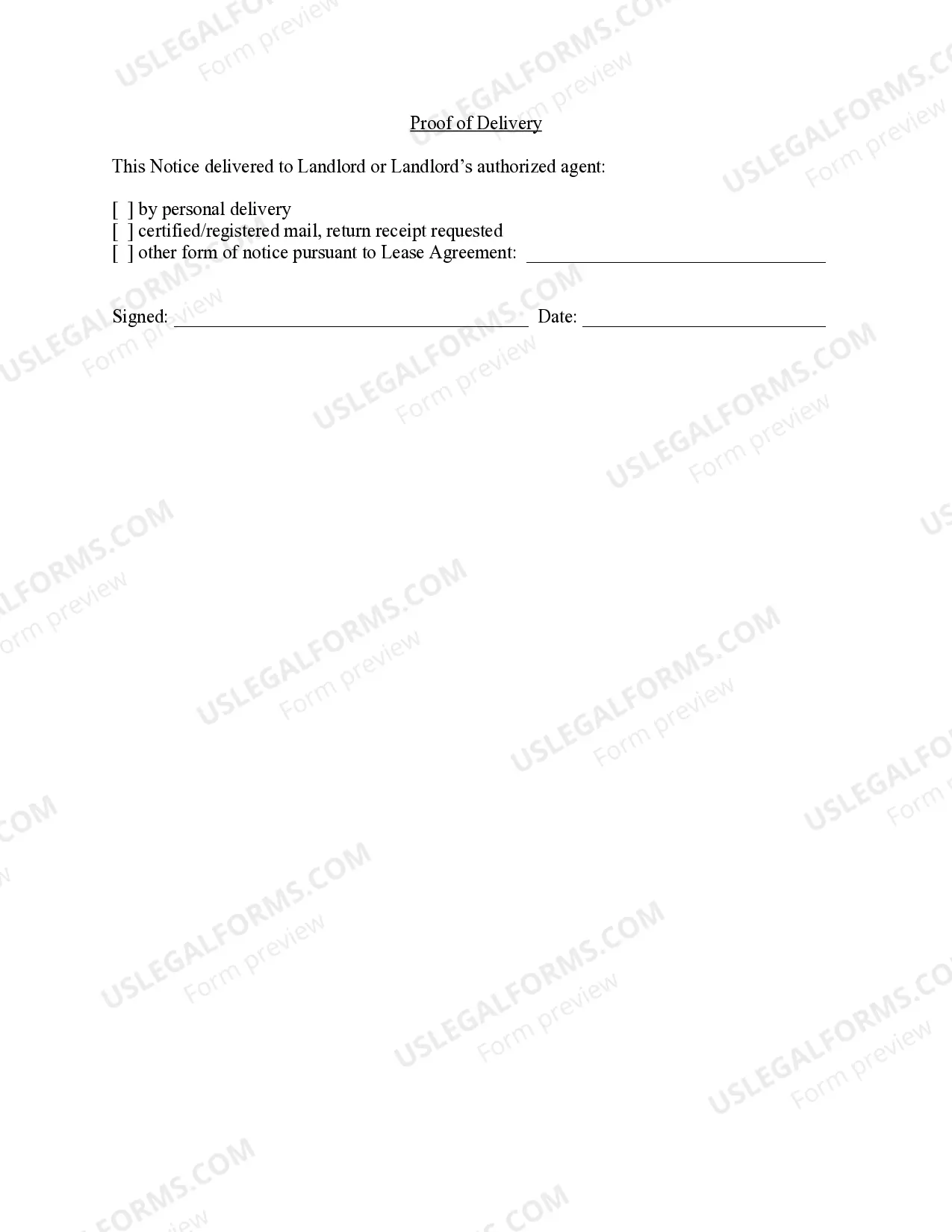
- Proof of delivery options

When to use this form
This form should be used when a tenant discovers leaks in their rental unit that occur during rainy weather. It is important for tenants to formally inform the landlord about these issues, especially if the landlord has not addressed maintenance requests. This document also serves to document the tenant's concerns, ensuring that the landlord is aware of the repair needs as specified in their rental agreement.
Who should use this form
- Tenants experiencing leaks during rain in their rental properties
- Individuals who want to formally notify their landlord of repair needs
- Renters seeking to document their requests for maintenance
Steps to complete this form
- Identify yourself as the tenant and enter your full name.
- Specify the date when you are submitting the notice.
- Clearly describe the nature of the leak occurring in the premises.
- Include a demand for prompt repair from the landlord.
- Select the method of delivery and complete the proof of delivery section.
Is notarization required?
In most cases, this form does not require notarization. However, some jurisdictions or signing circumstances might. US Legal Forms offers online notarization powered by Notarize, accessible 24/7 for a quick, remote process.
Get your form ready online
Our built-in tools help you complete, sign, share, and store your documents in one place.
Make edits, fill in missing information, and update formatting in US Legal Forms—just like you would in MS Word.
Download a copy, print it, send it by email, or mail it via USPS—whatever works best for your next step.
Sign and collect signatures with our SignNow integration. Send to multiple recipients, set reminders, and more. Go Premium to unlock E-Sign.
If this form requires notarization, complete it online through a secure video call—no need to meet a notary in person or wait for an appointment.
We protect your documents and personal data by following strict security and privacy standards.

Make edits, fill in missing information, and update formatting in US Legal Forms—just like you would in MS Word.

Download a copy, print it, send it by email, or mail it via USPS—whatever works best for your next step.

Sign and collect signatures with our SignNow integration. Send to multiple recipients, set reminders, and more. Go Premium to unlock E-Sign.

If this form requires notarization, complete it online through a secure video call—no need to meet a notary in person or wait for an appointment.

We protect your documents and personal data by following strict security and privacy standards.
Common mistakes to avoid
- Failing to provide a clear description of the leak.
- Not stating the desired timeframe for repairs.
- Ignoring to keep a copy of the notice for personal records.
Benefits of using this form online
- Easy access to a professionally drafted template.
- Directly download and customize the form to fit your needs.
- Convenience of filling out and storing documents electronically.
What to keep in mind
- This letter is essential for formalizing notice of repair issues to a landlord.
- Proper completion and delivery of this notice can help protect tenant rights.
- Using an online service for this form can streamline the process.
Looking for another form?

Form popularity
FAQ
ENTRY WITHOUT NOTICE The landlord may enter the residential premises without permission and without giving the tenant any notice for two reasons: If the landlord believes there is an emergency; 2022 If the landlord believes the tenant has abandoned the residential premises.
Dear (Name of landlord or manager), This letter constitutes my written (number of days' notice that you need to give based on your lease agreement)-day notice that I will be moving out of my apartment on (date), the end of my current lease. I am leaving because (new job, rent increase, etc.)
In all states, a landlord can enter the property in an emergency without notice or permission.Even if your landlord gives you notice, he or she must have a good reason to enter the property. In most cases, your landlord can enter your home: In an emergency.
To evict a tenant early (meaning, before the lease or rental agreement has expired), a landlord must have cause, or a legal reason. The most common causes of eviction are failure to pay rent or violation of the lease or rental agreement.Eviction Notices for Nonpayment of Rent in Indiana has more information.
For non-payment of rent evictions, you must first provide the 10-day notice to cure or quit. The next step is to go to the township court in the county in which your property is located. The Clerk of the Court will schedule a hearing. You must then arrange for the tenant to be formally served a notice of a lawsuit.
0 A landlord has the right to enter the rental unit, although he cannot enter any time he wishes. The landlord first gives reasonable notice to visit at reasonable hours. Neither instance of reasonable is defined in the Indiana code, but most landlords give 24-hour notice and enter during normal business hours.
Step 1: Mention the Reason for Giving a Notice. Step 2: Use Formal Language. Step 3: Mention the Date for Vacating. Step 4: Address the Formalities to Be Taken Care Of. Step 5: Proofread the Letter.
Be in writing, Say the full name of the tenant or tenants, Have the address the notice is about, Say everything that the tenant did to break the lease or deserve a 3 day notice to leave, and include details and dates, Say clearly that the tenant has to move out as soon as the 3 days are up, and.
The big take-away is that in most circumstances a landlord cannot enter a property without agreement from the tenant. And If the landlord ignores the law and enters the property without permission, the tenant may be able to claim damages or gain an injunction to prevent the landlord doing it again.