Illinois Last Will and Testament for a Widow or Widower with Adult and Minor Children
About this form
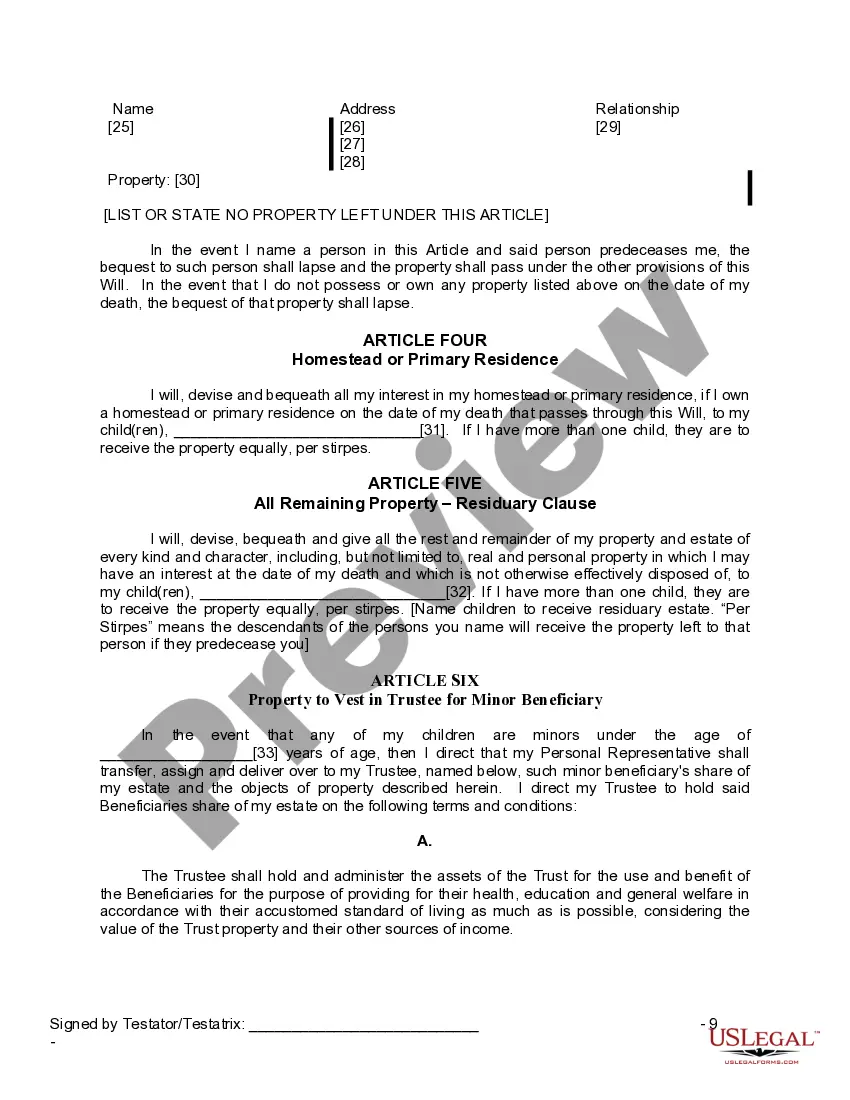
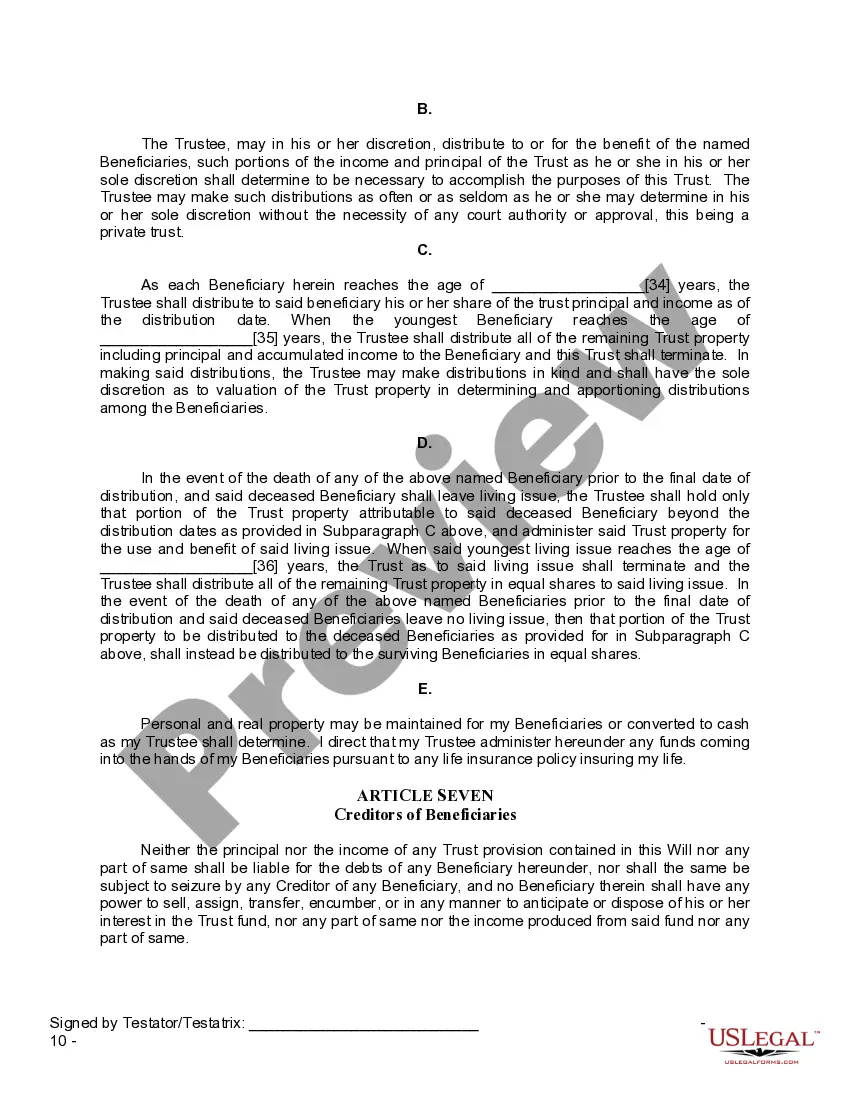
This Last Will and Testament for a Widow or Widower with Adult and Minor Children is a legal document that outlines how your assets will be distributed after your death. It is specifically designed for individuals who are widows or widowers and have both adult and minor children. This form allows you to appoint a personal representative or executor, determine who receives your property, and set up trusts for minor children to ensure their financial security. Unlike general wills, this form includes specific provisions for families with diverse needs and circumstances, making it an essential tool for those navigating estate planning as a single parent.
Key parts of this document
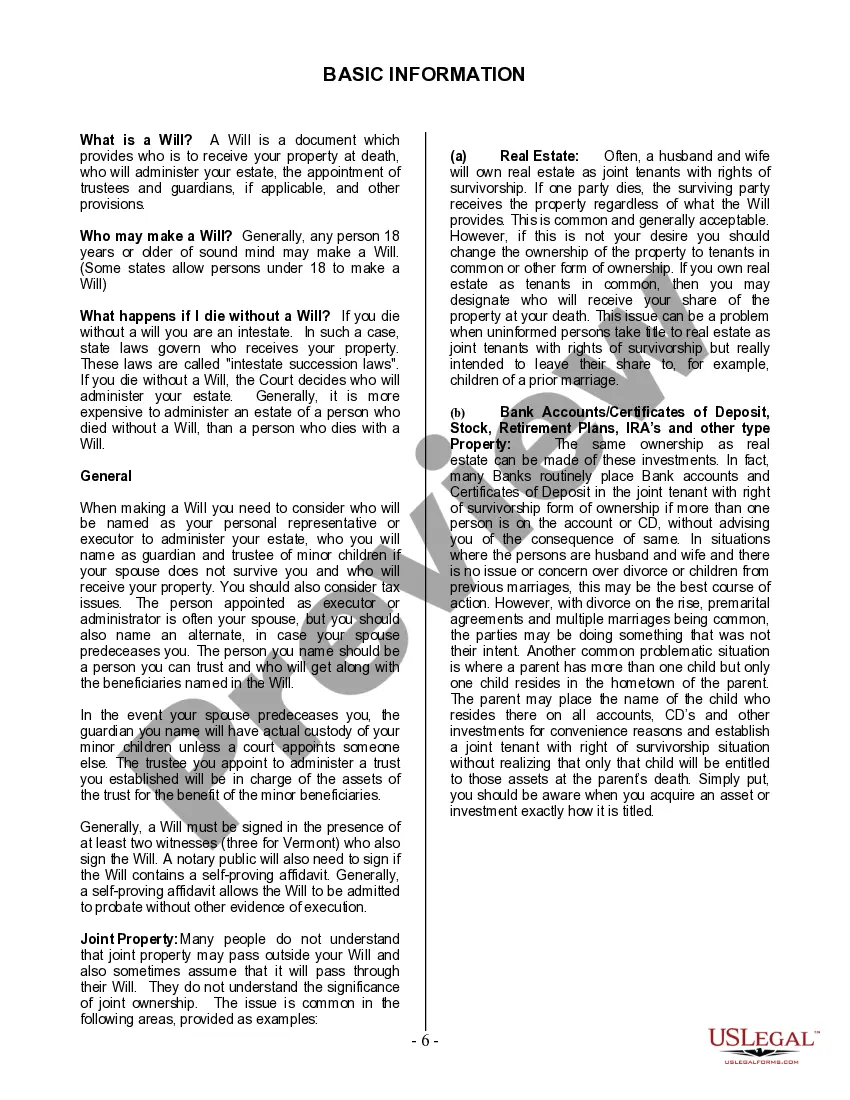
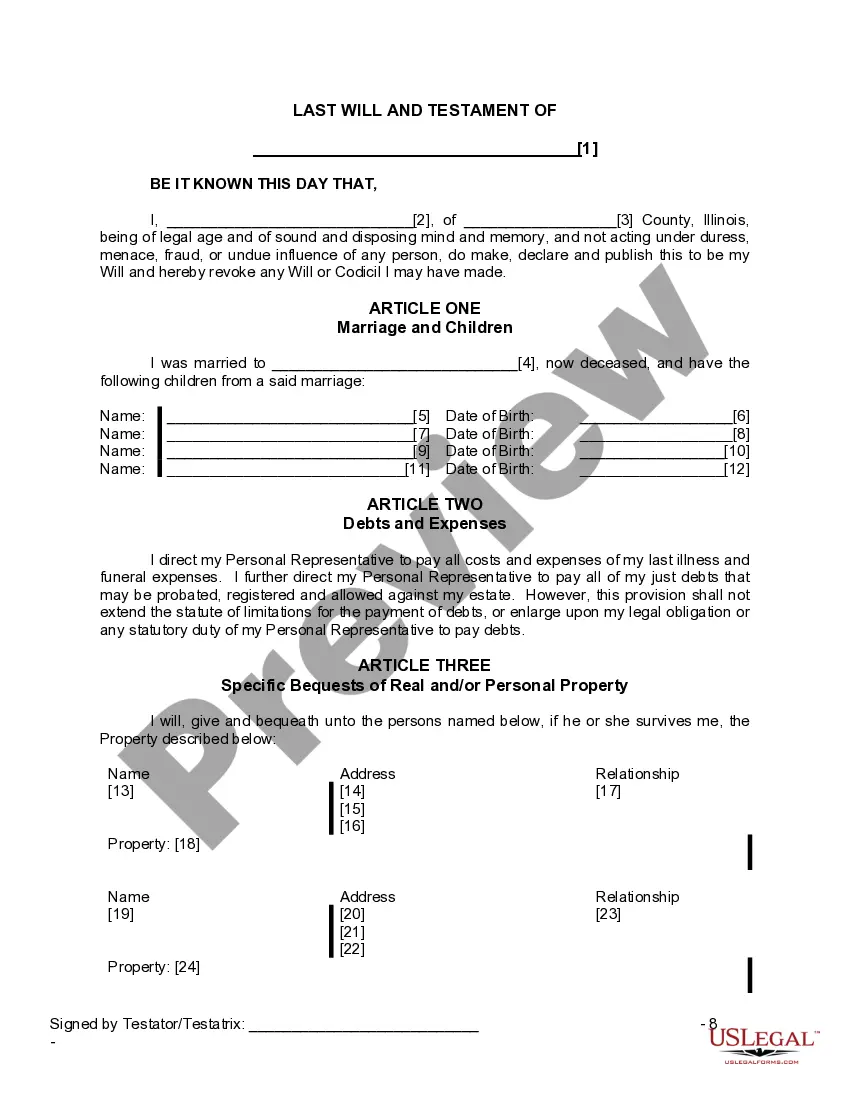
- Personal information fields for the testator and children, including names and birth dates.
- Provisions for specific bequests of property to named beneficiaries.
- Articles outlining the appointment of a personal representative and trustees.
- Guardian appointment clause for minor children.
- Clauses regarding debts, funeral expenses, and the management of estate duties.
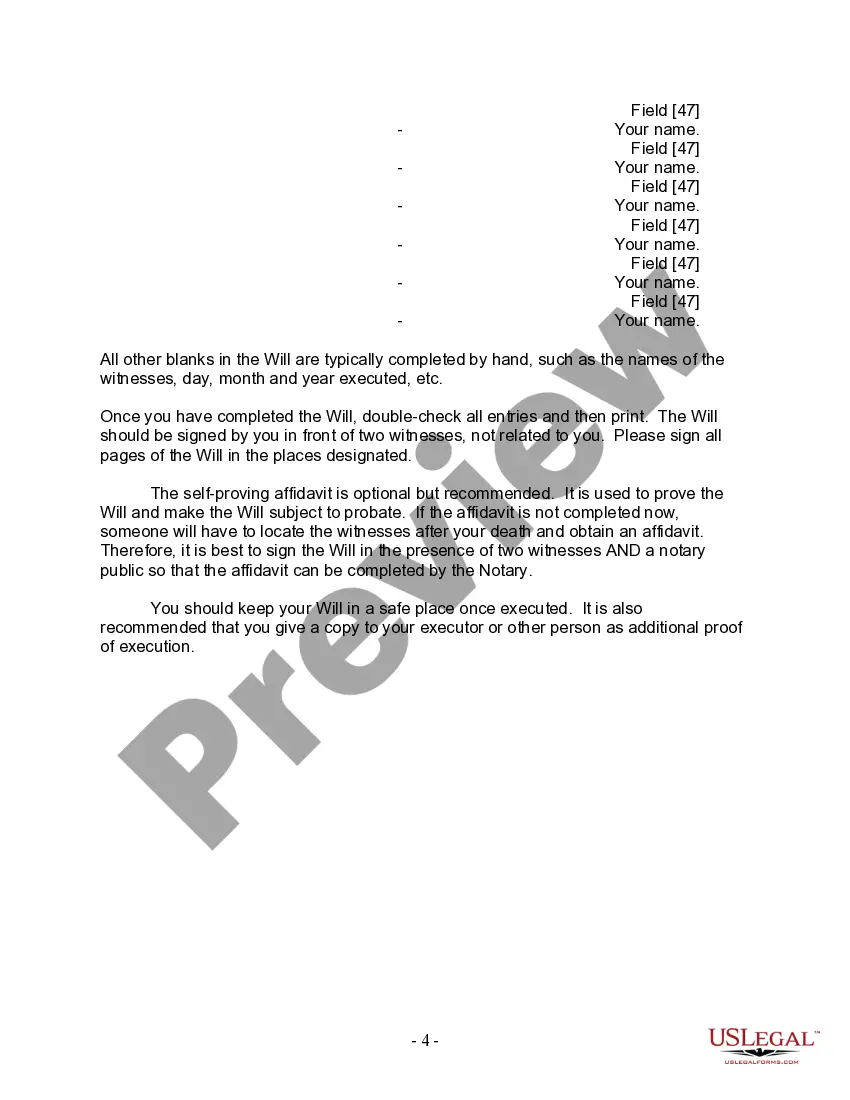
- Self-proving affidavit requirements if applicable by state law.




Situations where this form applies
This form is necessary when a widow or widower wants to ensure proper distribution of their estate, especially when there are minor children involved. Use this will if you want to specify guardianship for your children, establish trusts for their benefit, and clearly outline how your assets will be divided among your beneficiaries. It is particularly crucial if you wish to avoid intestate succession laws, which dictate how assets are distributed in the absence of a valid will.
Who can use this document
This form is intended for:
- Widows or widowers with minor and adult children.
- Individuals looking to define their wishes regarding the guardianship of their minor children.
- Anyone wishing to ensure specific distributions of property and set up trusts for minor beneficiaries.
Steps to complete this form
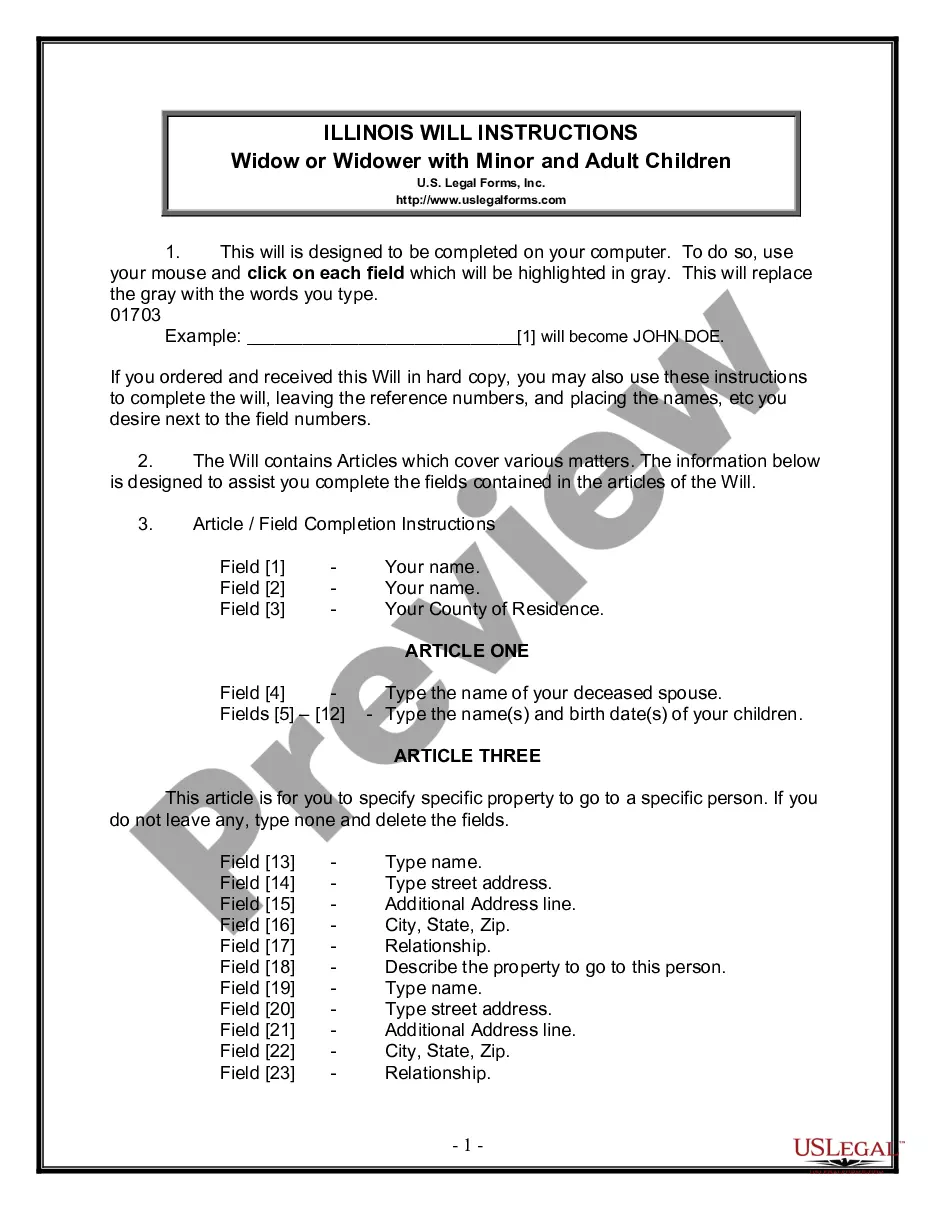
- Enter your name and county of residence in the designated fields.
- List your deceased spouse's name and your children's names along with their birth dates.
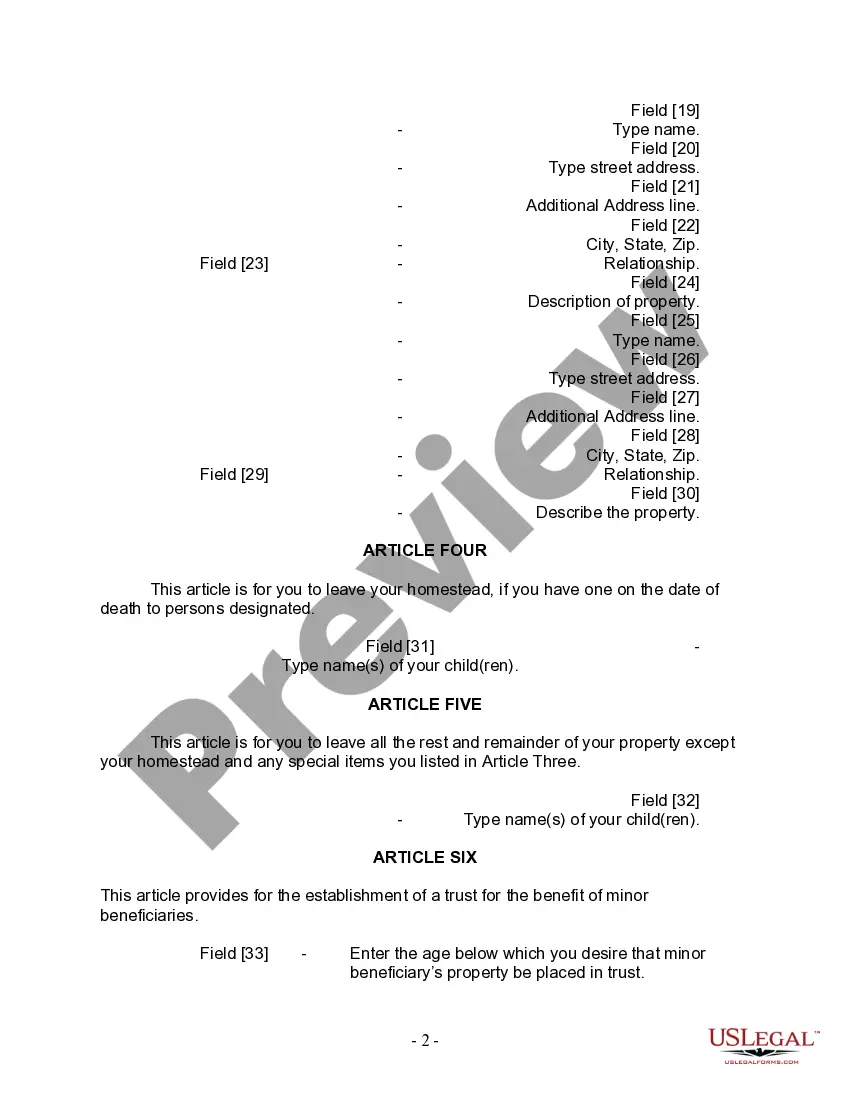
- Specify any specific property you want to bequeath and to whom, ensuring to fill in all address and relationship details.
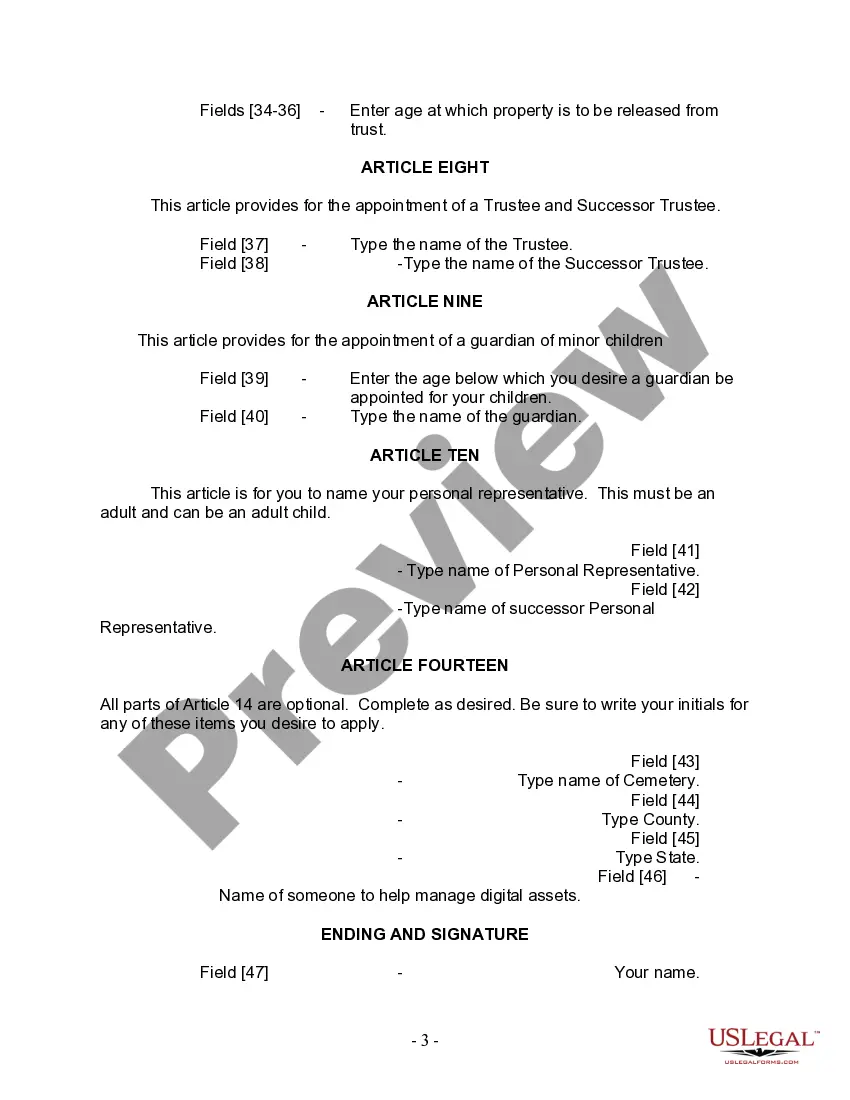
- Designate a personal representative and a successor personal representative.
- Include details for appointing guardians for your minor children and establish trusts as necessary.
- Sign the will in front of two witnesses and possibly a notary public if entering a self-proving affidavit.
Does this document require notarization?
Notarization is required for this form to take effect. Our online notarization service, powered by Notarize, lets you verify and sign documents remotely through an encrypted video session, available 24/7.
Get your form ready online
Our built-in tools help you complete, sign, share, and store your documents in one place.
Make edits, fill in missing information, and update formatting in US Legal Forms—just like you would in MS Word.
Download a copy, print it, send it by email, or mail it via USPS—whatever works best for your next step.
Sign and collect signatures with our SignNow integration. Send to multiple recipients, set reminders, and more. Go Premium to unlock E-Sign.
If this form requires notarization, complete it online through a secure video call—no need to meet a notary in person or wait for an appointment.
We protect your documents and personal data by following strict security and privacy standards.

Make edits, fill in missing information, and update formatting in US Legal Forms—just like you would in MS Word.

Download a copy, print it, send it by email, or mail it via USPS—whatever works best for your next step.

Sign and collect signatures with our SignNow integration. Send to multiple recipients, set reminders, and more. Go Premium to unlock E-Sign.

If this form requires notarization, complete it online through a secure video call—no need to meet a notary in person or wait for an appointment.

We protect your documents and personal data by following strict security and privacy standards.
Mistakes to watch out for
- Failing to sign the will in the presence of two witnesses.
- Not appointing a successor personal representative.
- Leaving unclear or incomplete bequests, which can lead to disputes.
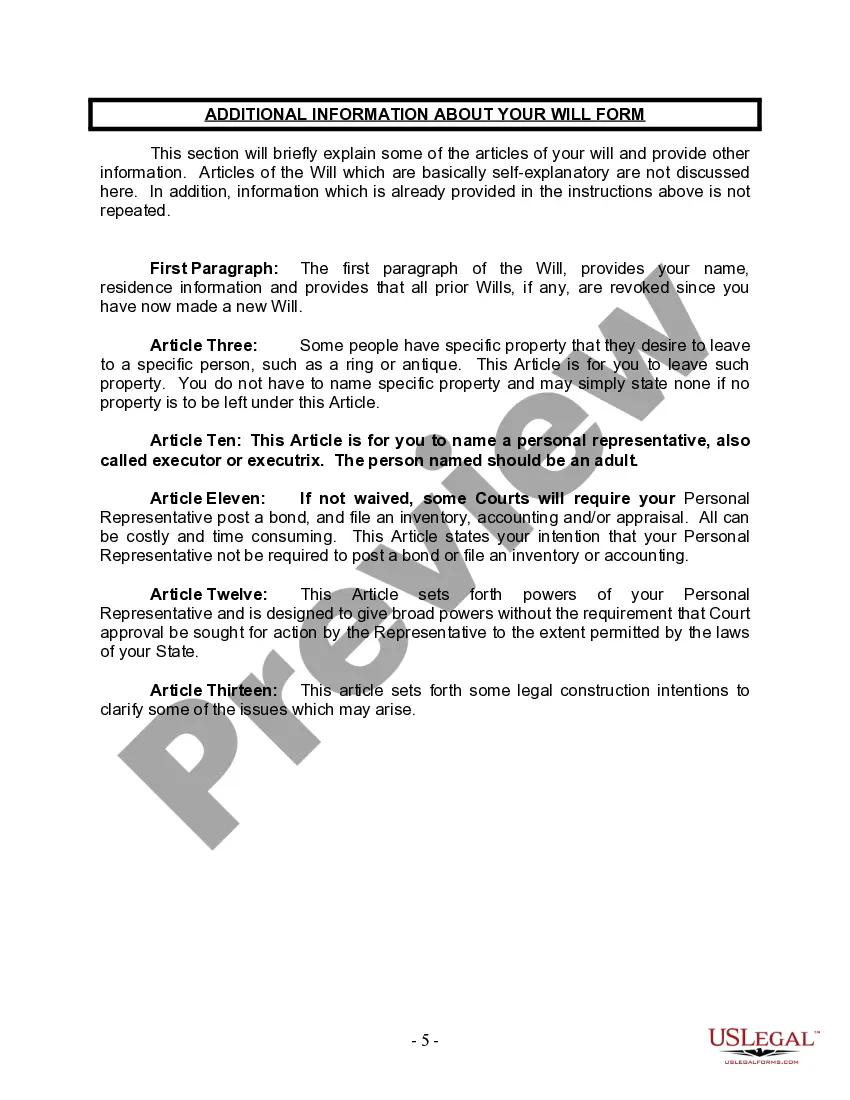
- Not considering the implications of property ownership types, such as joint tenancy.
- Neglecting to update the will after significant life events, like remarriage or changes in family structure.
Why use this form online
- Convenience of completing the form at your own pace.
- Editable PDF format allows for easy customization.
- Reliable legal language drafted by licensed attorneys.
- Immediate access to resources and instructions for proper completion.
Looking for another form?
Form popularity
FAQ
Do I Need to Have My Will Notarized? No, in Illinois, you do not need to notarize your will to make it legal.However, Illinois allows your will to be self-proved without a self-proving affidavit, as long as you sign and witness it correctly.
Do I Need to Have My Will Notarized? No, in Illinois, you do not need to notarize your will to make it legal.However, Illinois allows your will to be self-proved without a self-proving affidavit, as long as you sign and witness it correctly.
A widow's will must meet her state's standards in order to be considered legally valid. Typically, this means the will must be in writing and signed. States generally require the signatures of two neutral witnesses who watch the widow sign the document, and a notary may also be required.
A notarized will does not need to be probated.When a person dies leaving behind a will that is not notarized, the law requires that its validity be ascertained by a notary or by a court. Similarly, any non-notarized modification made to a will must be probated, whether the will is notarized or not.
Write an Introduction. Select an Executor. Identify Your Heirs and Beneficiaries. Nominate a Guardian for Your Minor or Dependent Children. Assess and Divide Your Property. State Your Funeral Wishes (If You Have Any) Sign and Notarize the Document.
In Illinois, to have a valid will it is required that two or more credible witnesses validate or attest the will. This means each witness must watch the testator (person making his or her will) sign or acknowledge the will, determine the testator is of sound mind, and sign the will in front of the testator.
It does not depend on whether or not there is a valid will. Generally, a formal probate court proceeding is necessary in Illinois only if: there are assets that the deceased person owned solely (not jointly), and. all of the probate assets, together, are worth more than $100,000.
Handwritten Wills in Illinois In the state of Illinois, holographic wills are not considered to be valid. Illinois does recognize, however, handwritten wills that are signed by two witnesses and satisfy all other requirements for wills as stated in the law.