Illinois Revocation of Statutory General Power of Attorney
Understanding this form
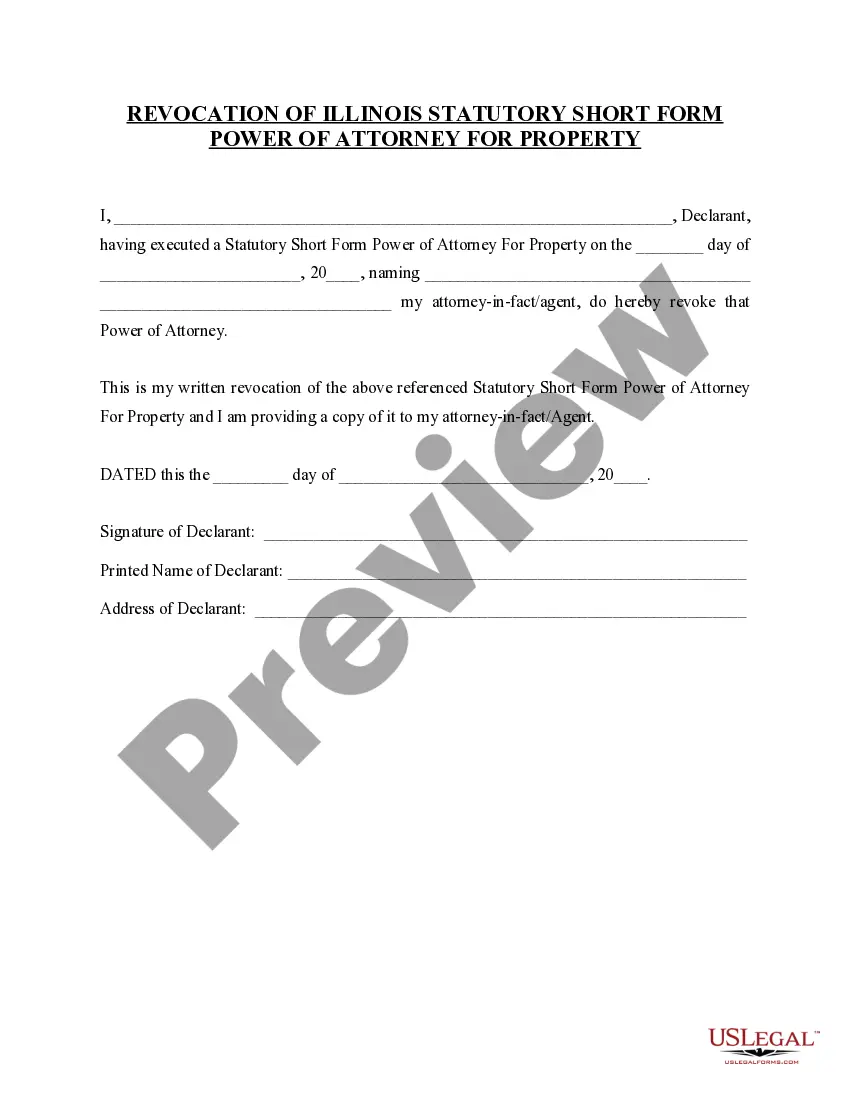
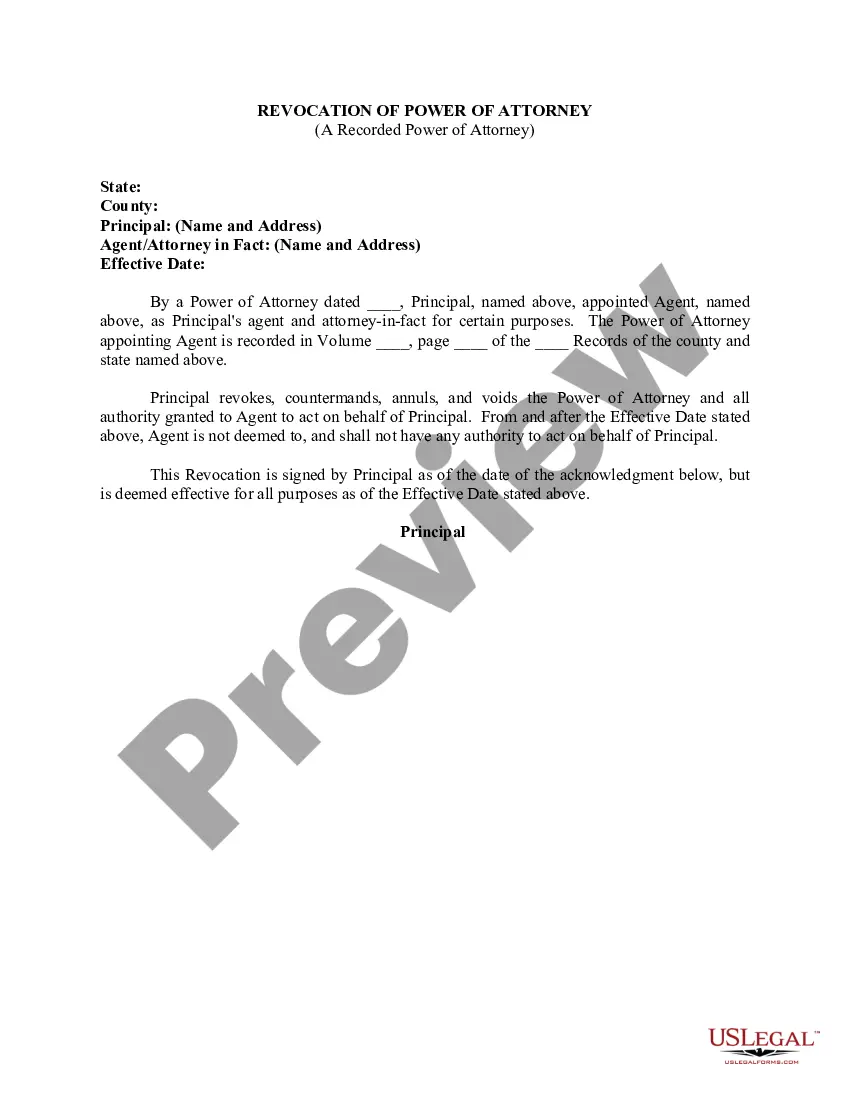
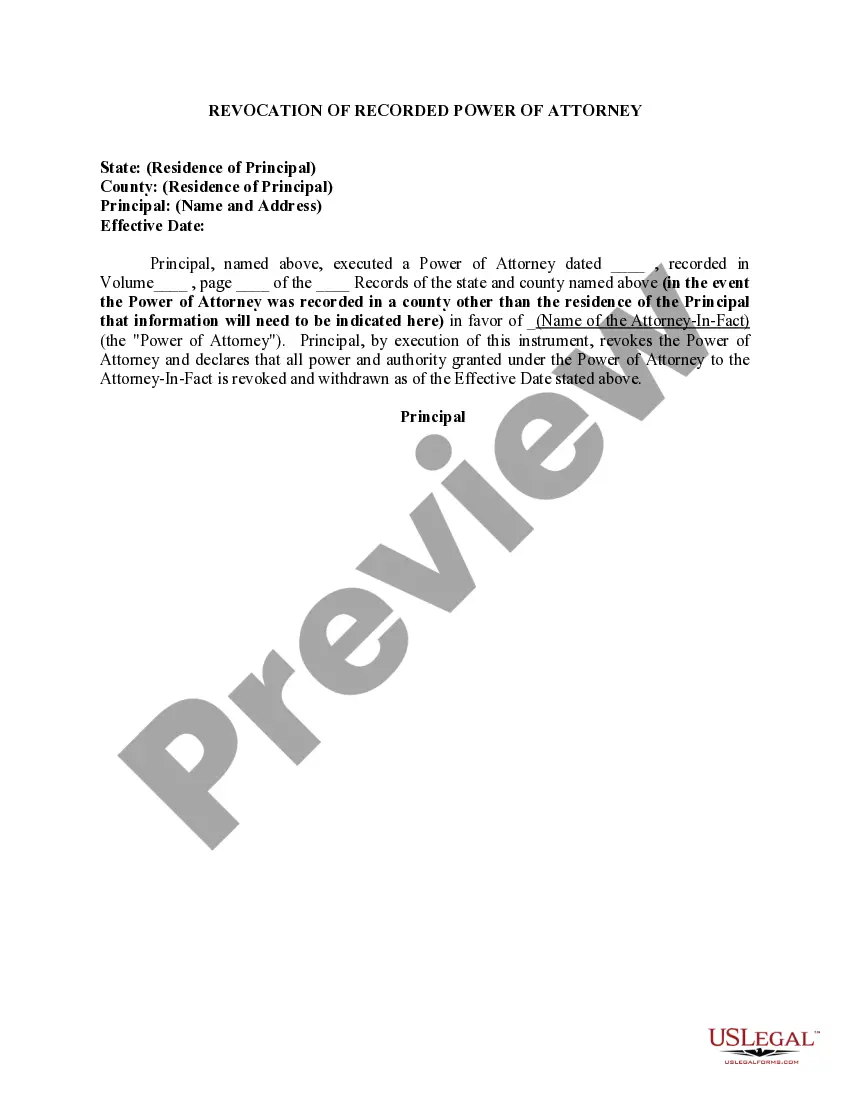
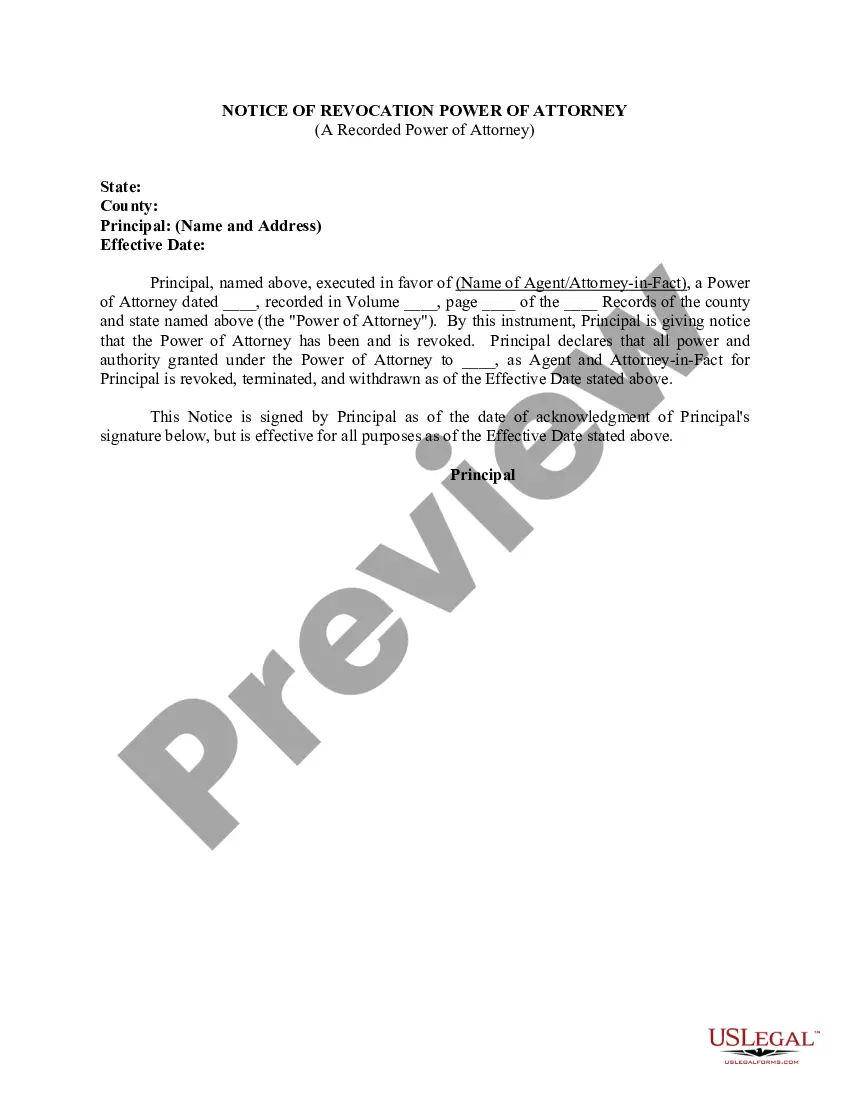
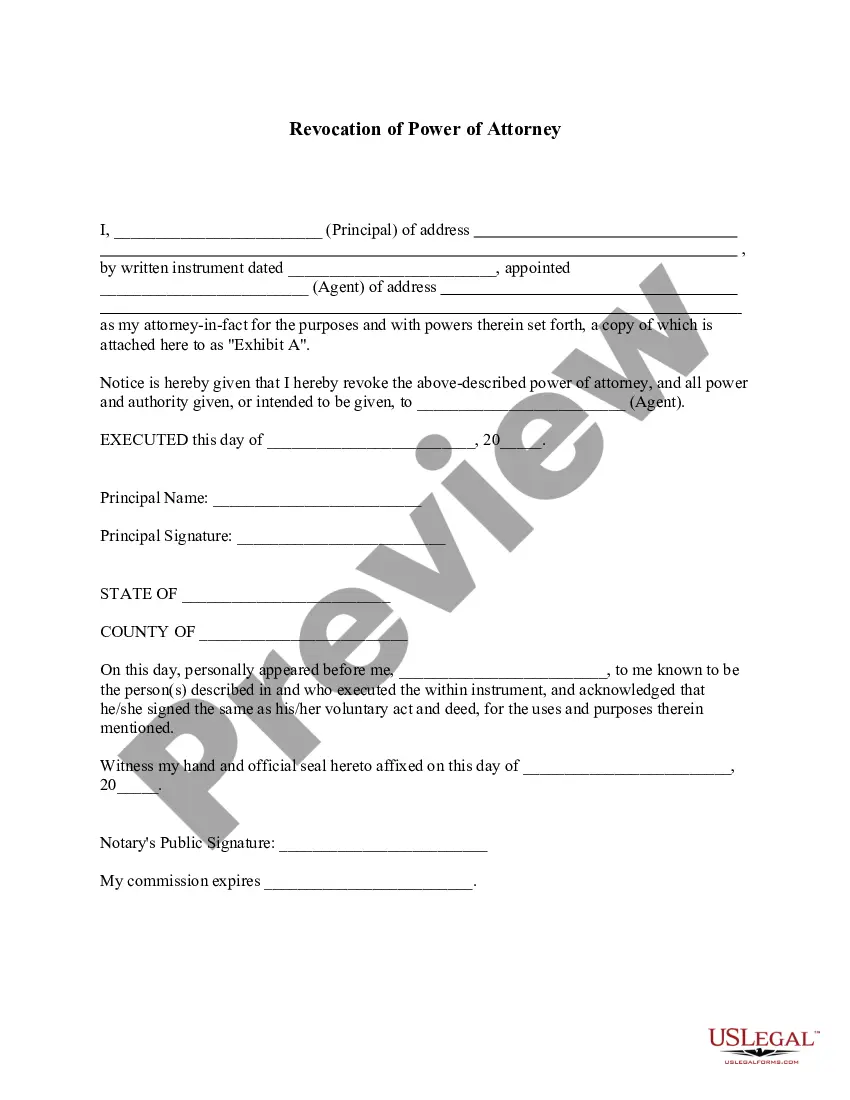
The Revocation of Statutory General Power of Attorney is a legal document that formally cancels the authority given to an attorney-in-fact as outlined in Form IL-P010. This form ensures that any powers granted for handling matters related to property, finances, and other legal affairs are no longer valid. It is essential for individuals looking to revoke previously designated powers of attorney and protects against unauthorized actions by the former attorney-in-fact.
Main sections of this form
- Identification of the individual revoking the power of attorney.
- Details of the attorney-in-fact whose authority is being revoked.
- Effective date of revocation.
- Signature of the individual revoking the power of attorney.
- Notarization section to validate the document.
When to use this form
This form is necessary when an individual wishes to terminate the authority granted to their attorney-in-fact. Scenarios include when the individual no longer trusts the attorney-in-fact, when significant changes in personal circumstances occur, or when a different person needs to be appointed for these responsibilities. It is crucial to use this form to prevent any potential misuse of power by the former attorney-in-fact.
Who this form is for
- Individuals who have previously granted statutory power of attorney.
- Persons who wish to revoke their attorney-in-fact's powers for personal, financial, or legal matters.
- Anyone seeking a secure method to ensure that their past designations are no longer valid.
Instructions for completing this form
- Identify yourself as the principal revoking the power of attorney.
- Provide the name and details of the attorney-in-fact being revoked.
- Specify the effective date of revocation to clarify when the authority ceases.
- Sign the form in the presence of a notary public for verification.
- Ensure the notary section is completed for the form to be legally binding.
Notarization requirements for this form
This form needs to be notarized to ensure legal validity. US Legal Forms provides secure online notarization powered by Notarize, allowing you to complete the process through a verified video call, available anytime.
Get your form ready online
Our built-in tools help you complete, sign, share, and store your documents in one place.
Make edits, fill in missing information, and update formatting in US Legal Forms—just like you would in MS Word.
Download a copy, print it, send it by email, or mail it via USPS—whatever works best for your next step.
Sign and collect signatures with our SignNow integration. Send to multiple recipients, set reminders, and more. Go Premium to unlock E-Sign.
If this form requires notarization, complete it online through a secure video call—no need to meet a notary in person or wait for an appointment.
We protect your documents and personal data by following strict security and privacy standards.

Make edits, fill in missing information, and update formatting in US Legal Forms—just like you would in MS Word.

Download a copy, print it, send it by email, or mail it via USPS—whatever works best for your next step.

Sign and collect signatures with our SignNow integration. Send to multiple recipients, set reminders, and more. Go Premium to unlock E-Sign.

If this form requires notarization, complete it online through a secure video call—no need to meet a notary in person or wait for an appointment.

We protect your documents and personal data by following strict security and privacy standards.
Typical mistakes to avoid
- Failing to include the effective date of revocation.
- Not having the signature notarized, which may invalidate the document.
- Omitting the full name of the attorney-in-fact being revoked.
Why use this form online
- Convenient access to legal forms at any time.
- Editable templates allow for easy customization based on specific needs.
- Forms are drafted by licensed attorneys, ensuring reliability and legal compliance.
Summary of main points
- The Revocation of Statutory General Power of Attorney officially nullifies any granted authority from a prior document.
- It must be signed by the principal and notarized for legal recognition.
- This form is vital in maintaining control over your legal and financial matters by ensuring that former representatives can no longer act on your behalf.
Looking for another form?
Form popularity
FAQ
As principal, you can revoke a power of attorney at any time as long as you have capacity. It's best to revoke in writing, but most states also allow you to revoke by another action that expresses your intent to terminate the power of attorney -- for example, your intentional destruction of the document.
The revocation should include your name, a statement that you are of sound mind, and your wish to revoke the power of attorney. You should also specify the date the original power of attorney was executed and the person selected as your agent.
Once you have filled out and printed the Power of Attorney Revocation or the Power of Attorney Agent Resignation, bring it to a notary to get it notarized. Make multiple copies of the document. If you are the principal, send a copy to the agent so they know that you ended the power of attorney.
Until an attorney-in-fact's powers are properly revoked, they can continue to legally act for the principal. To cancel a Power of Attorney, the principal can create a document called a Revocation of Power of Attorney or create a new Power of Attorney that indicates the previous Power of Attorney is revoked.
Revoke Your Current Power of Attorney. To change or cancel your current power of attorney, you should complete a formal, written revocation. Notify Your Power of Attorney. Once you complete your revocation, notify your agent of the cancellation in writing. Notify Relevant Third Parties. Execute a New Power of Attorney.
Unless the power of attorney states otherwise, and they usually don't, a revocation of a POA must be made in writing. A verbal revocation may not be enough.A revocation will reference the existing POA and the current attorney-in-fact and revoke the document and the powers granted.
A Power of Attorney shall not be deemed to be an irrevocable one merely because it states, in the clauses of the deed executed for grant of such Power of Attorney, of it being irrevocable. Such Power of Attorney may be revoked by the principal or the Power of Attorney holder by the procedure according to law.
Revoke Your Current Power of Attorney. To change or cancel your current power of attorney, you should complete a formal, written revocation. Notify Your Power of Attorney. Once you complete your revocation, notify your agent of the cancellation in writing. Notify Relevant Third Parties. Execute a New Power of Attorney.