Iowa Quitclaim Deed from Individual to Individual

What this document covers
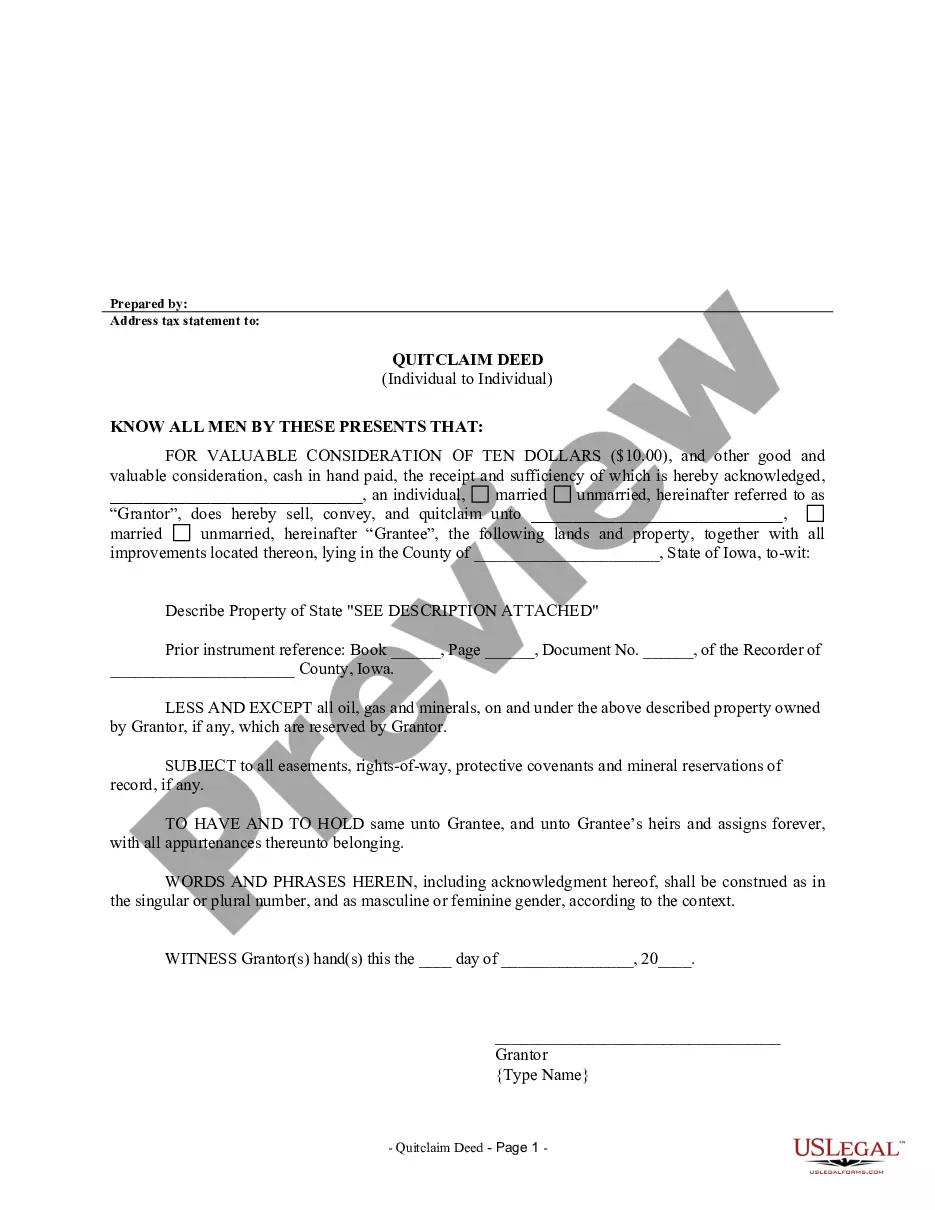
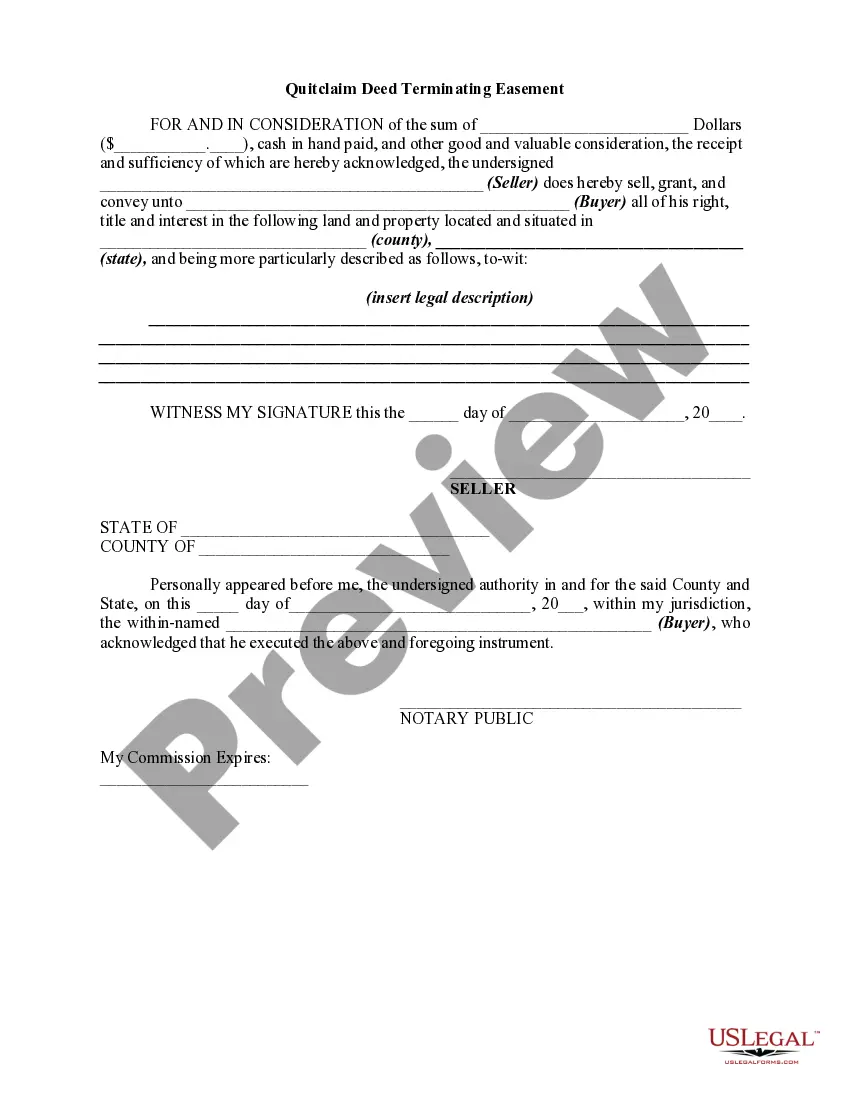
The Quitclaim Deed from Individual to Individual is a legal document used to transfer ownership of property from one individual (Grantor) to another individual (Grantee). Unlike a warranty deed, a quitclaim deed does not guarantee that the Grantor holds clear title to the property. This form is specifically designed for transferring property without selling it, making it distinct from similar deeds that may involve warranties or monetary transactions. It provides a straightforward method for individuals to relinquish their interests in a property.
Key parts of this document
- Identifying information of the Grantor and Grantee, including marital status.
- Description of the property being transferred.
- Reservation clause for any oil, gas, and minerals beneath the property.
- Acknowledgment of any easements or rights-of-way affecting the property.
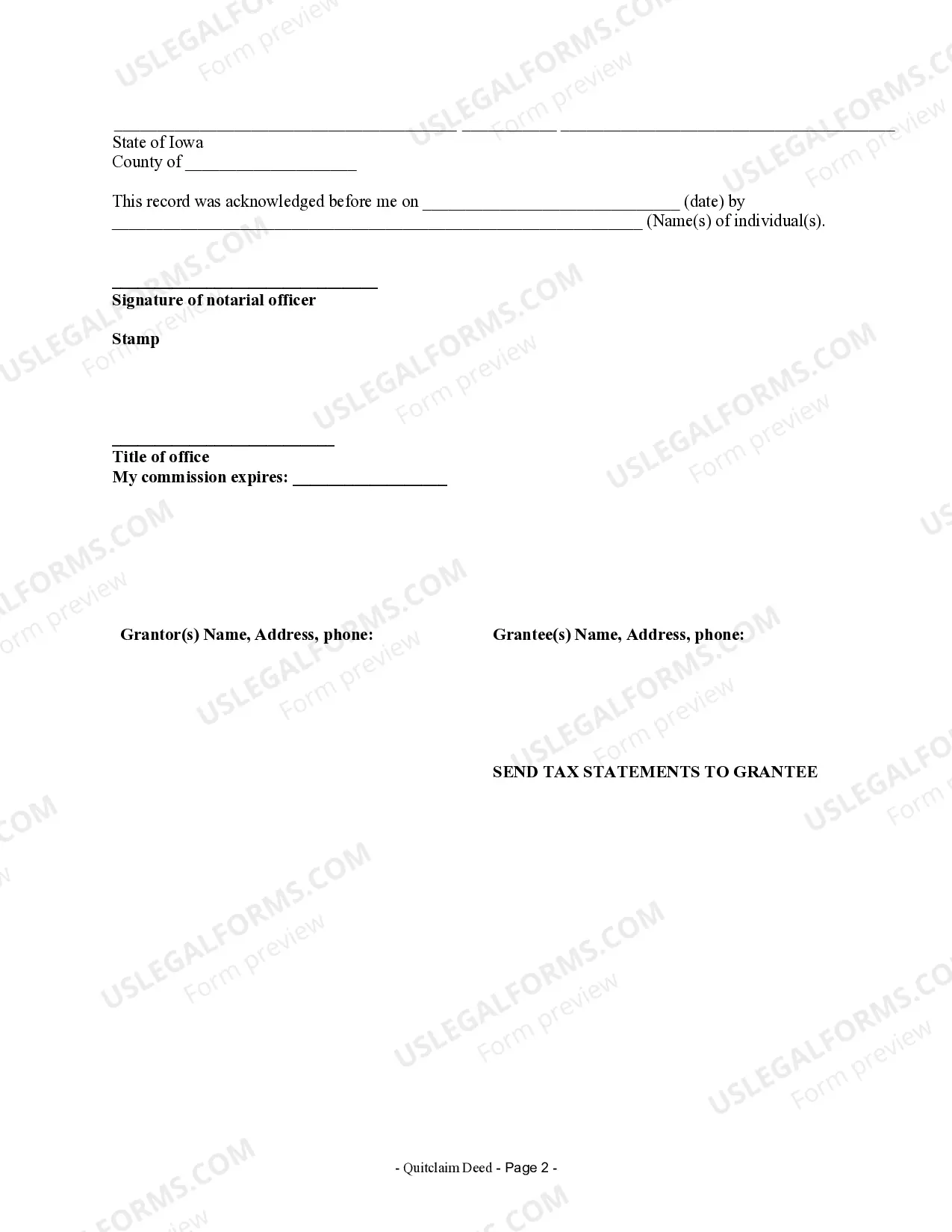
- Signatures of the Grantor and acknowledgment by a Notary Public.



Common use cases
This form is typically used when an individual wants to transfer property ownership to another individual without using a sale process. Common scenarios include transferring property between family members, such as a parent to child, or in the case of divorce or domestic arrangements where the property ownership needs clarification or adjustment.
Intended users of this form
- Individuals transferring property to another individual.
- Family members or friends who wish to give property without a financial exchange.
- Individuals involved in divorce proceedings wanting to clarify property ownership.
- Any person needing to quickly convey property rights without extensive legal requirements.
How to prepare this document
- Identify the parties involved: the Grantor and the Grantee.
- Describe the property clearly, including county and state details.
- Specify the marital status of both the Grantor and Grantee.
- Include any reservations regarding minerals, oil, or gas rights.
- Sign the form in the presence of a Notary Public and ensure it is dated.
Notarization guidance
To make this form legally binding, it must be notarized. Our online notarization service, powered by Notarize, lets you verify and sign documents remotely through an encrypted video session.
Get your form ready online
Our built-in tools help you complete, sign, share, and store your documents in one place.
Make edits, fill in missing information, and update formatting in US Legal Forms—just like you would in MS Word.
Download a copy, print it, send it by email, or mail it via USPS—whatever works best for your next step.
Sign and collect signatures with our SignNow integration. Send to multiple recipients, set reminders, and more. Go Premium to unlock E-Sign.
If this form requires notarization, complete it online through a secure video call—no need to meet a notary in person or wait for an appointment.
We protect your documents and personal data by following strict security and privacy standards.

Make edits, fill in missing information, and update formatting in US Legal Forms—just like you would in MS Word.

Download a copy, print it, send it by email, or mail it via USPS—whatever works best for your next step.

Sign and collect signatures with our SignNow integration. Send to multiple recipients, set reminders, and more. Go Premium to unlock E-Sign.

If this form requires notarization, complete it online through a secure video call—no need to meet a notary in person or wait for an appointment.

We protect your documents and personal data by following strict security and privacy standards.
Avoid these common issues
- Failing to provide a clear description of the property.
- Not signing in front of a Notary Public.
- Omitting to acknowledge any existing easements or reservations.
- Incorrectly indicating the marital status of parties involved.
Benefits of completing this form online
- Convenient access from home, allowing for quick completion.
- Editable format lets you input details without hassle.
- Drafted by licensed attorneys, ensuring legal compliance.
- Downloadable for immediate use and record-keeping.
Looking for another form?
Form popularity
FAQ
It is a legal document used to transfer ownership of property from one individual (the Grantor) to another individual (the Grantee) without guaranteeing clear title. The form is designed for transfers between people without a sale, making it distinct from warranty deeds or monetary transactions. It includes identifying information for both parties, a property description, a reservation clause for minerals, any easements, and signatures with a Notary acknowledgment.
Yes. A quitclaim deed can be challenged if questions arise about the grantor’s ownership, the grantor’s authority to transfer, or if the deed wasn’t properly executed or recorded. Because this form transfers only the grantor’s interest without warranties, undisclosed claims or liens can complicate title later; consult a licensed attorney for title issues.
Common mistakes include missing or incorrect identifying information for the Grantor and Grantee, an incomplete or inaccurate property description, omitting the minerals reservation clause, failing to acknowledge before a Notary, and not properly recording or delivering the deed. These issues relate directly to the form’s key components: parties, property description, mineral reservation, easements, and notarization.
The main downside is that it provides no warranty of title, so the recipient accepts the property with any defects or claims. It can leave hidden liens or disputes, and transfers between individuals may complicate future financing or resale. Understanding this helps avoid unintended title exposure in Iowa.
Yes, you can prepare and execute this form without an attorney, as it is designed for straightforward transfers between individuals. However, seek legal advice if ownership is disputed, multiple parties are involved, or potential title issues exist, and ensure proper execution with notary acknowledgment and any required recording.
The Iowa Quitclaim Deed From Individual To Individual transfers whatever interest the grantor has without any warranty of title, whereas a warranty deed promises the title is clear of defects. This form includes identifying information, a property description, a minerals reservation clause, easements, and Notary acknowledgment, but it does not guarantee title.