Iowa Verified Statement of Account by Individual
Overview of this form
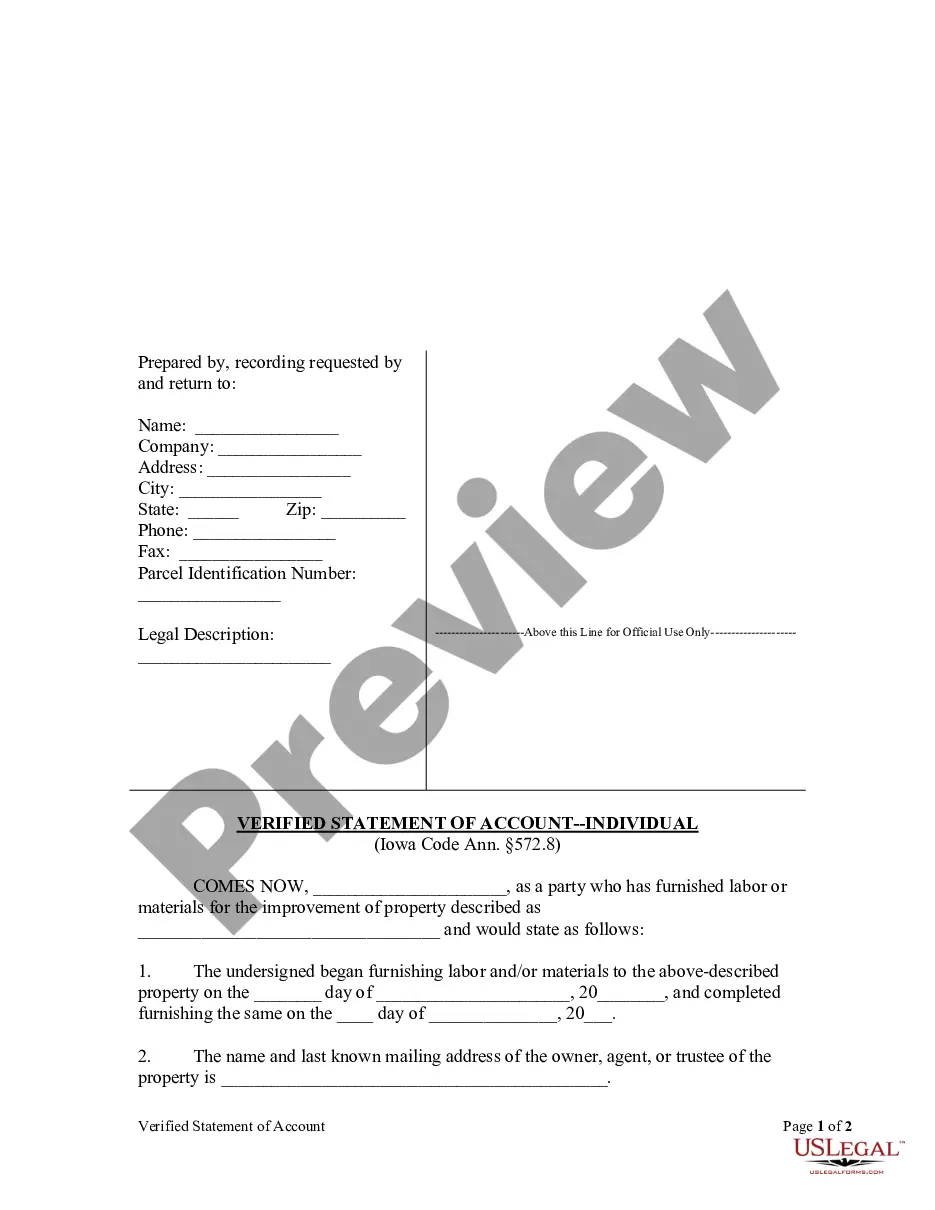
The Verified Statement of Account by Individual is a legal document required in Iowa when a party seeks to enforce a mechanic's lien. This form establishes that a party has provided labor or materials for property improvement and must be filed with the district court within ninety days of completion. It differs from other forms by specifically detailing the work done and the amount owed, allowing property owners and contractors to keep accurate records of payments and obligations.
Form components explained
- Identifying information of the party providing labor or materials
- Description of the property involved
- Details of when labor or materials were furnished
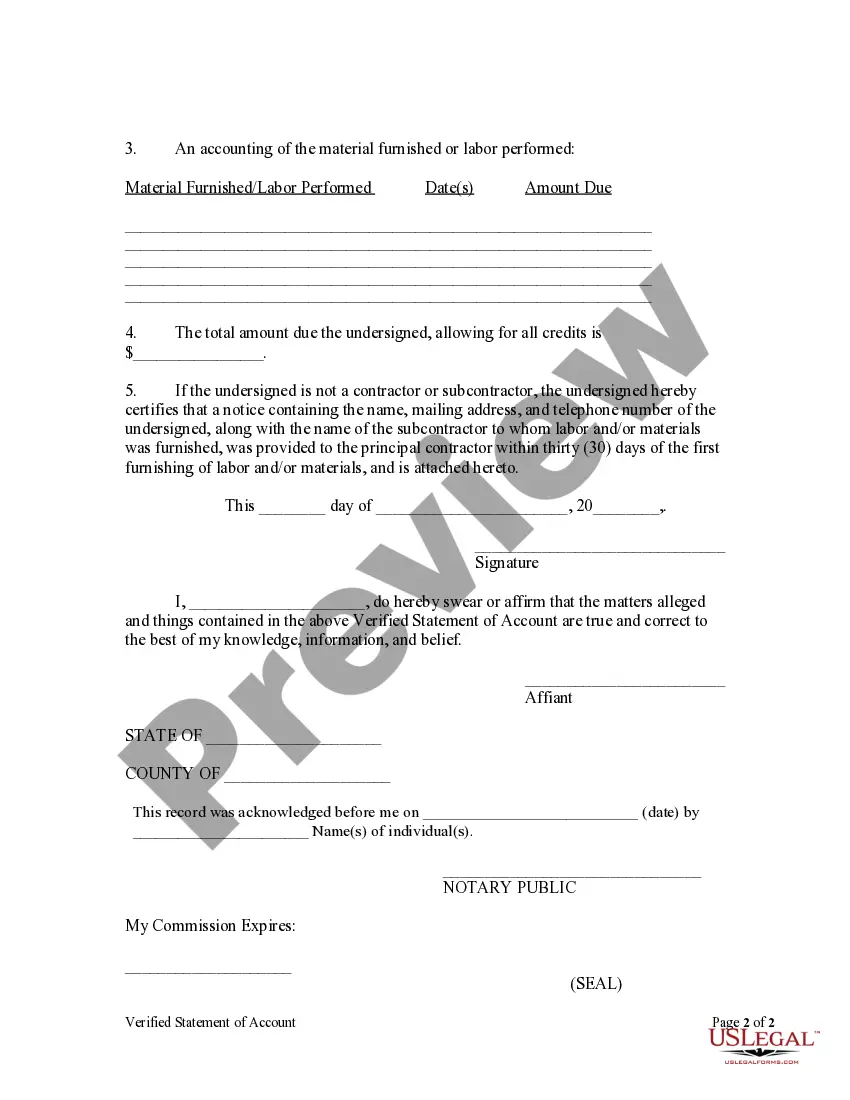
- Accounting of materials or labor performed
- Total amount due after credits
- Certification of notice provided to the principal contractor
- Space for notarization and affirmation of accuracy
Situations where this form applies
You should use the Verified Statement of Account when you have completed work or supplied materials for a property and need to secure your right to payment. This form is essential when a contractor or sub-contractor wants to perfect a mechanic's lien by specifying the work done, notifying the property owner about the outstanding balance, and ensuring compliance with Iowa law.
Who can use this document
- Contractors who have performed work on a property
- Sub-contractors supplying materials to a general contractor
- Individuals or entities requiring payment for labor or materials
- Property owners needing to document payment obligations
Instructions for completing this form
- Enter your name and relevant contact information at the top of the form.
- Provide a detailed description of the property where the labor or materials were supplied.
- Fill in the dates when you began and completed the work or supplied materials.
- List all materials and labor performed along with corresponding amounts due.
- Sign the form and affirm the accuracy of the information provided.
- Have your signature notarized to validate the document.
Notarization guidance
Yes, this form must be notarized to be legally valid. After completing the form, you will need to have your signature witnessed by a notary public, ensuring that the information provided is accurate and that the form is legally binding.
Get your form ready online
Our built-in tools help you complete, sign, share, and store your documents in one place.
Make edits, fill in missing information, and update formatting in US Legal Forms—just like you would in MS Word.
Download a copy, print it, send it by email, or mail it via USPS—whatever works best for your next step.
Sign and collect signatures with our SignNow integration. Send to multiple recipients, set reminders, and more. Go Premium to unlock E-Sign.
If this form requires notarization, complete it online through a secure video call—no need to meet a notary in person or wait for an appointment.
We protect your documents and personal data by following strict security and privacy standards.

Make edits, fill in missing information, and update formatting in US Legal Forms—just like you would in MS Word.

Download a copy, print it, send it by email, or mail it via USPS—whatever works best for your next step.

Sign and collect signatures with our SignNow integration. Send to multiple recipients, set reminders, and more. Go Premium to unlock E-Sign.

If this form requires notarization, complete it online through a secure video call—no need to meet a notary in person or wait for an appointment.

We protect your documents and personal data by following strict security and privacy standards.
Common mistakes to avoid
- Filing the form after the ninety-day deadline
- Inaccurate property descriptions or contact details
- Forgetting to include all relevant materials or labor performed
- Not obtaining a notarization before submission
Advantages of online completion
- Convenience of access from anywhere at any time
- Simplified completion process with structured fields
- Ability to edit the form until it's correctly filled out
- Instant download for quick filing with the court
Legal use & context
- This form plays a crucial role in establishing a legal claim for payment through a mechanic's lien.
- It is enforceable under Iowa law provided all requirements are fulfilled accurately and timely.
- Failure to file the verified statement correctly may result in losing the right to claim a lien on the property.
Summary of main points
- The Verified Statement of Account is essential for securing a mechanic's lien in Iowa.
- Timely filing and accuracy in the provided information are crucial for effectiveness.
- Notarization is mandatory for this document to hold legal weight.
Looking for another form?
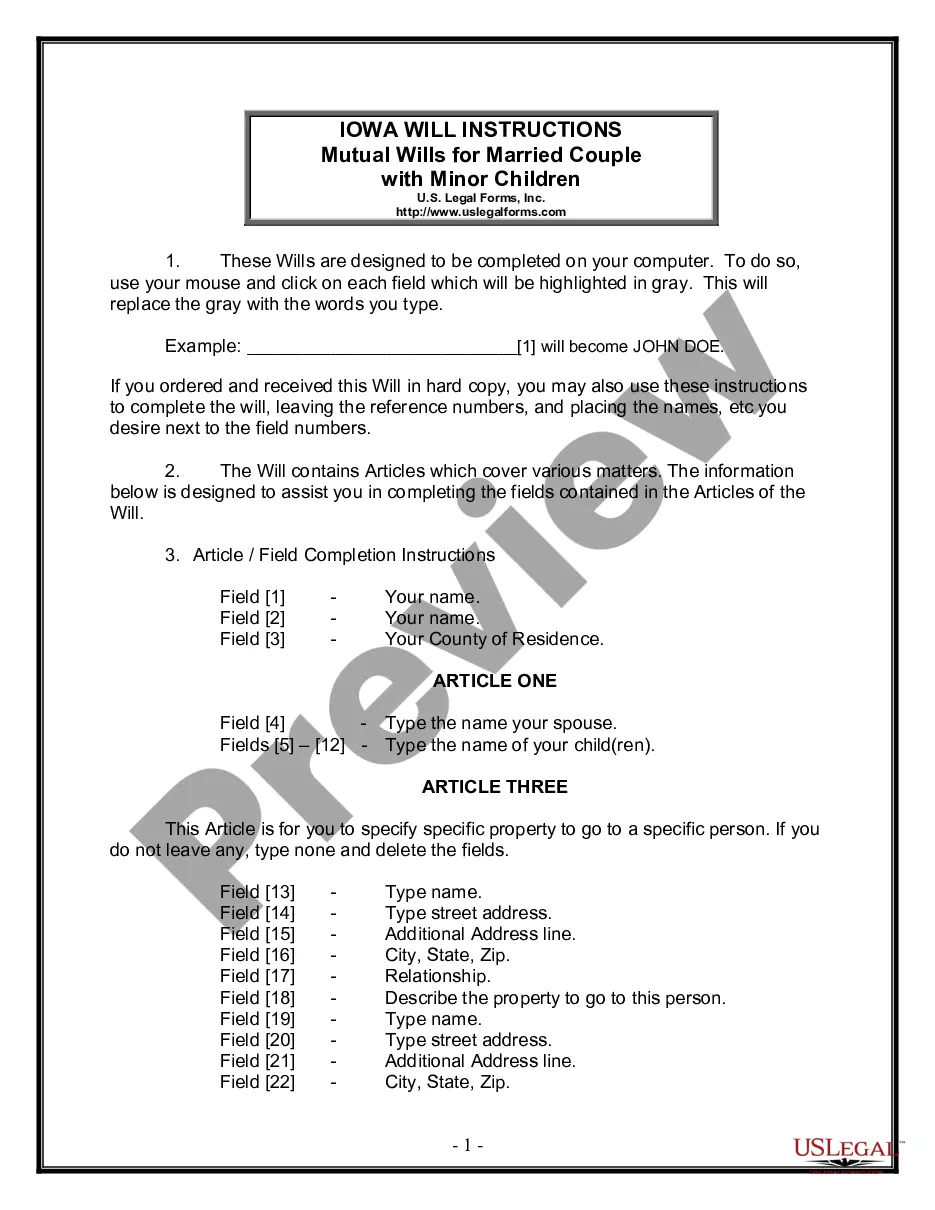
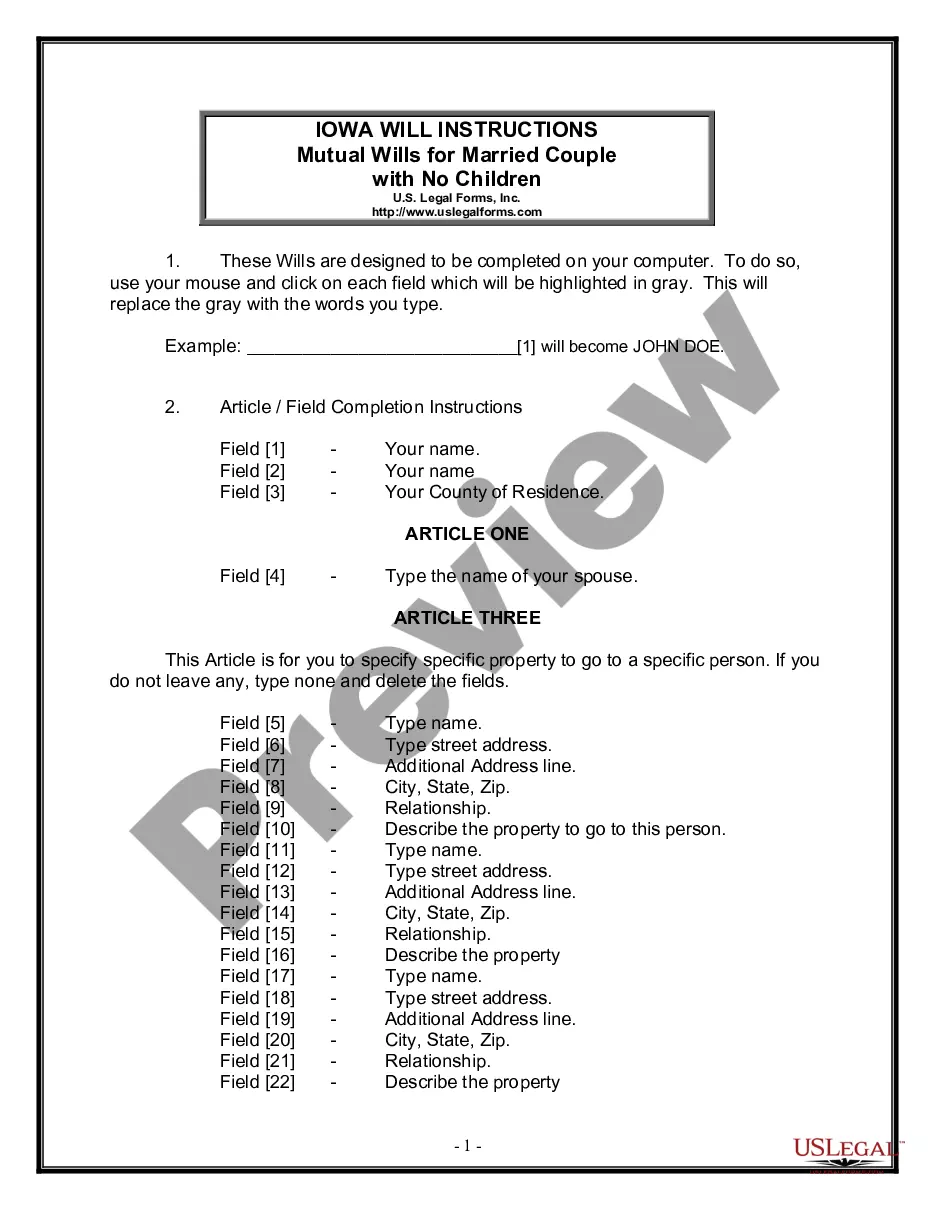
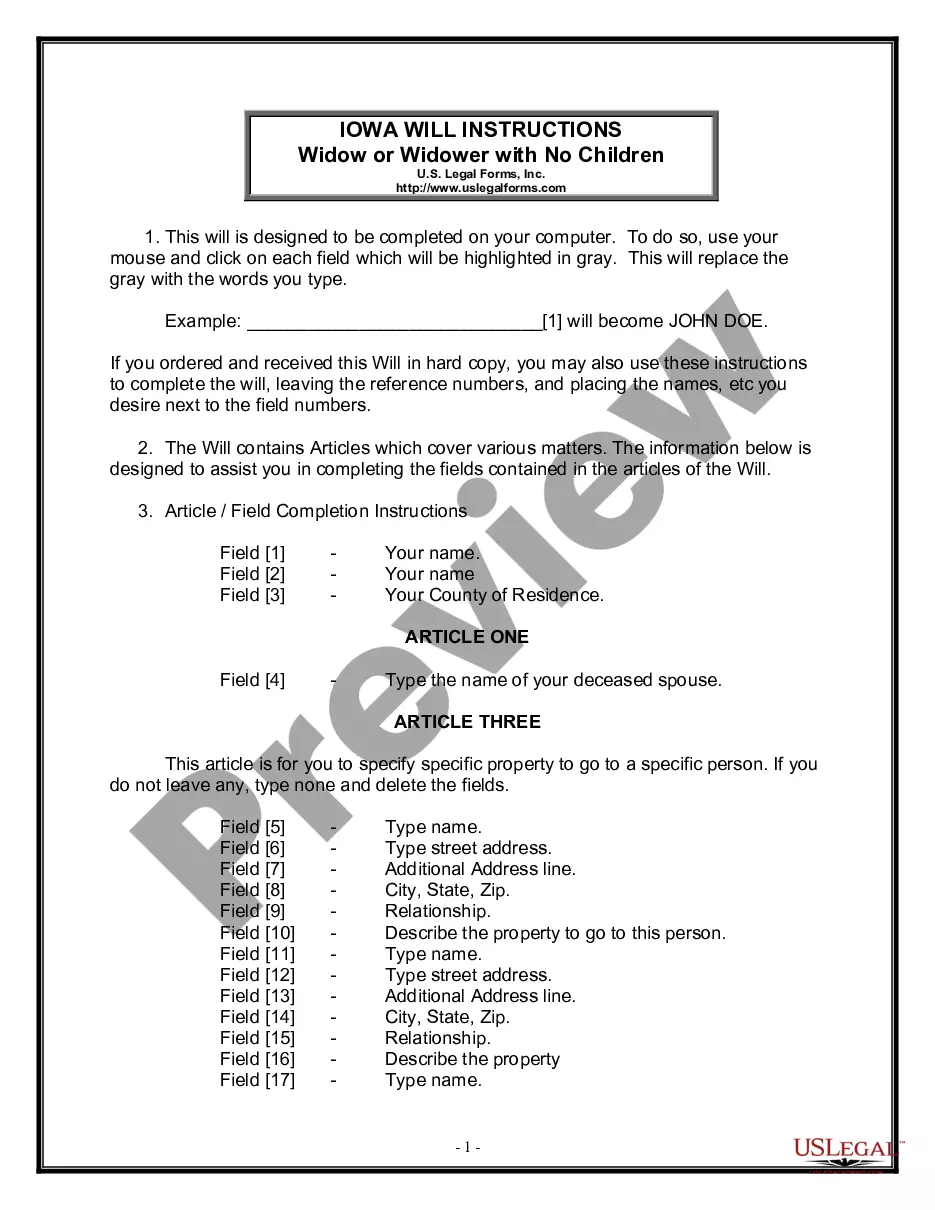
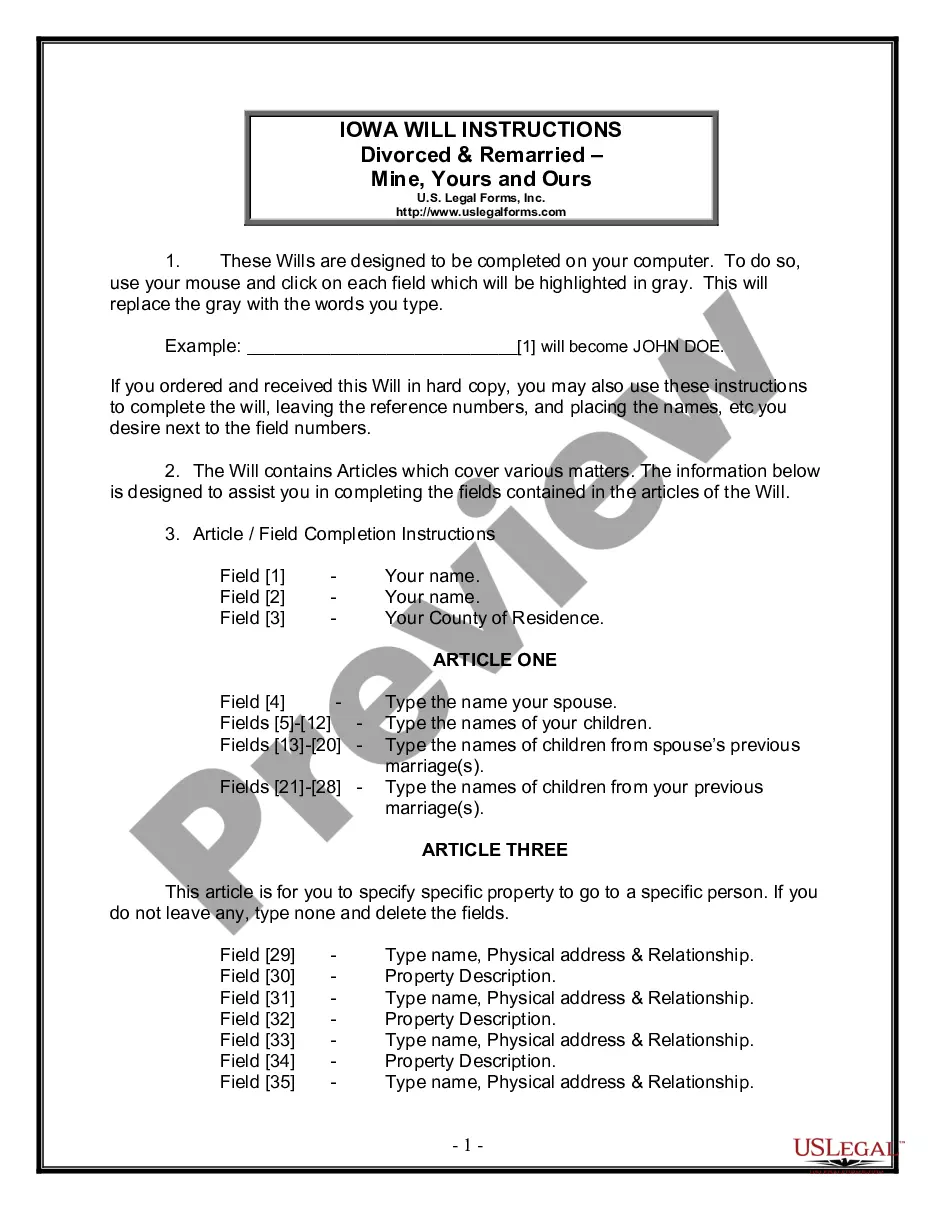
Form popularity
FAQ
Mechanic's liens create a cloud on title, meaning that they appear in public property records. Liens are sometimes said to travel with the land, meaning that anyone who buys your house would take the property subject to the contractor's lien (or, more likely, demand that you pay it off first).
Get free mechanics lien form A construction mechanics lien is claimed against real estate property, and the lien must be filed in the appropriate office in order to be valid.Additionally, construction liens have strict timing and notice requirements. Machinery mechanics liens are possessory liens.
A mechanics lien is a legal claim on the property for unpaid construction work or supplies. Once claimants file a mechanics lien in California, the owner's property turns into collateral, allowing claimants to secure the service they rendered or the supplies they provided.
In Texas, a mechanics lien expires after 1 or 2 years, depending on the type of project. A lien claimant will need to enforce their mechanics lien before the deadline. 1 year after termination, completion, or abandonment or the project.
To enforce the lien, the contractor must file a lawsuit within 90 days from the date of recording the lien. If this deadline is passed, the contractor may not be able to enforce the lien and may be required to remove the lien.
A mechanic's lien is a guarantee of payment to builders, contractors, and construction firms that build or repair structures. Mechanic's liens also extend to suppliers of materials and subcontractors and cover building repairs as well.
In order to put a lien on your property, the contractor will have to file with the registry. The contractor must file a statement of account, the date when material was furnished, legal description of the property, and name and address of the owner of the property and the tax parcel identification number.
A construction lien is a claim made against a property by a contractor or subcontractor who has not been paid for work done on that property. Construction liens are designed to protect professionals from the risk of not being paid for services rendered.
Mechanics Liens must be recorded by a "subcontractor" within 90 days of "completion" or "cessation of work" and a general contractor who has a direct contract with the owner must record within 90 days of completion or of cessation of labor, unless completion or cessation of labor has occurred.