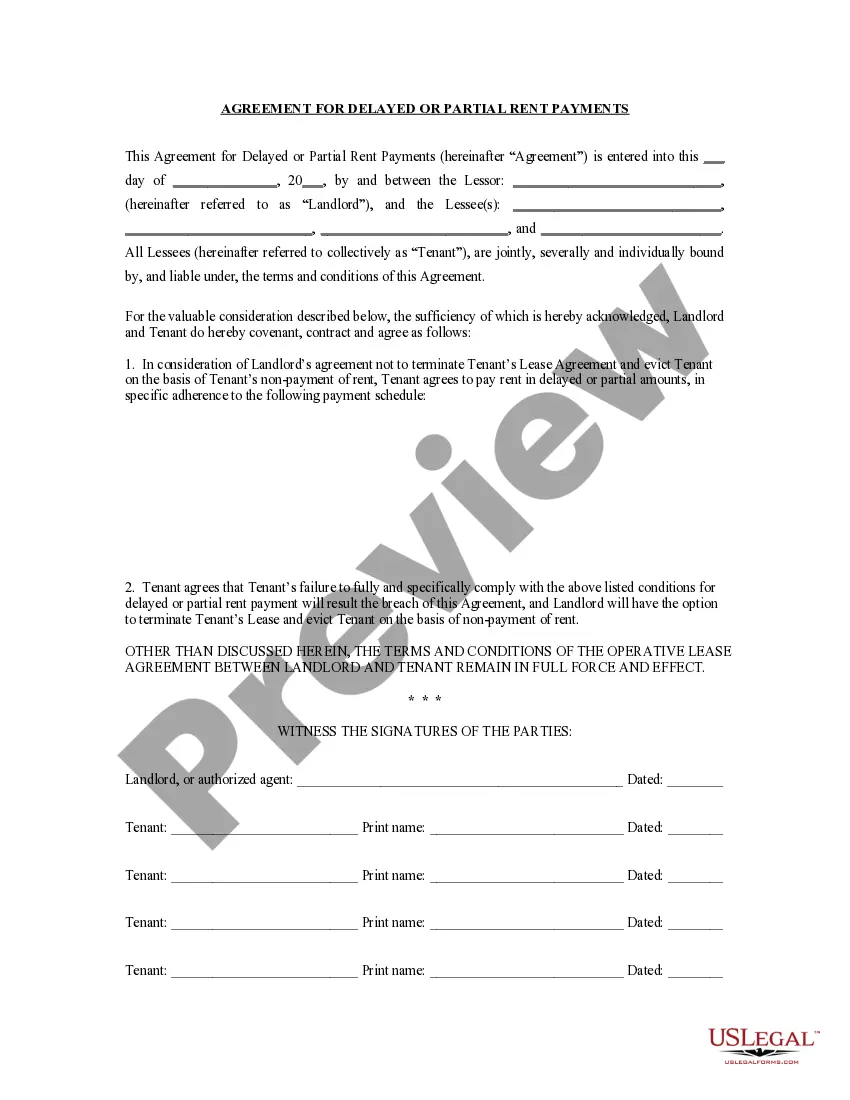
Hawaii Agreement for Delayed or Partial Rent Payments
Overview of this form
This Agreement for Delayed or Partial Rent Payments is a legal document that outlines the terms under which a tenant may delay or make partial rent payments to their landlord. It serves to protect both parties by clearly defining the conditions surrounding any modifications to the original lease agreement regarding payment. This form is distinct from a traditional rental agreement, as it specifically addresses changes to payment schedules rather than lease terms.
What’s included in this form
- Date of the agreement to be filled in.
- Names and contact details of the landlord and all tenants involved.
- Specific conditions for the delayed or partial payments.
- Signatures of both landlord and tenants, confirming their agreement.
- Reference to the original lease agreement, ensuring its terms remain intact.

When this form is needed
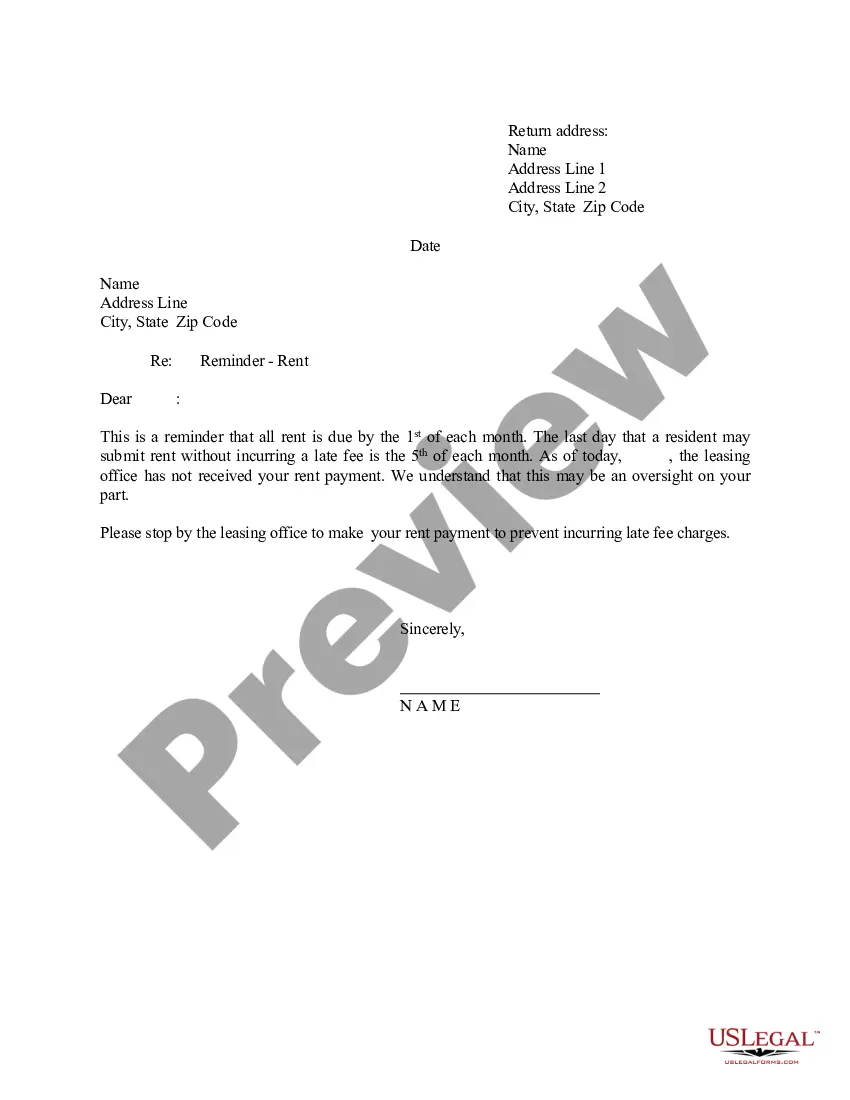
This form should be used in situations where a tenant is experiencing financial difficulties and needs to negotiate a delay or partial payment of rent. If a tenant anticipates being unable to make a full payment on time, both the landlord and tenant can benefit from this agreement to establish clear expectations and protect their respective interests.
Who can use this document
- Landlords seeking a clear understanding of delayed or partial payments.
- Tenants needing flexibility in their rent payment schedule due to financial hardships.
- Property management companies overseeing rental properties on behalf of landlords.
Instructions for completing this form
- Identify the parties by filling in the names of the landlord and all tenants.
- Fill in the date the agreement is being signed.
- Specify the conditions for delayed or partial rent payments.
- Ensure all parties sign and date the agreement to make it legally binding.
- Keep a signed copy for your records and provide copies to all involved parties.
Does this form need to be notarized?
Notarization is not commonly needed for this form. However, certain documents or local rules may make it necessary. Our notarization service, powered by Notarize, allows you to finalize it securely online anytime, day or night.
Get your form ready online
Our built-in tools help you complete, sign, share, and store your documents in one place.
Make edits, fill in missing information, and update formatting in US Legal Forms—just like you would in MS Word.
Download a copy, print it, send it by email, or mail it via USPS—whatever works best for your next step.
Sign and collect signatures with our SignNow integration. Send to multiple recipients, set reminders, and more. Go Premium to unlock E-Sign.
If this form requires notarization, complete it online through a secure video call—no need to meet a notary in person or wait for an appointment.
We protect your documents and personal data by following strict security and privacy standards.

Make edits, fill in missing information, and update formatting in US Legal Forms—just like you would in MS Word.

Download a copy, print it, send it by email, or mail it via USPS—whatever works best for your next step.

Sign and collect signatures with our SignNow integration. Send to multiple recipients, set reminders, and more. Go Premium to unlock E-Sign.

If this form requires notarization, complete it online through a secure video call—no need to meet a notary in person or wait for an appointment.

We protect your documents and personal data by following strict security and privacy standards.
Mistakes to watch out for
- Failing to clearly define payment terms and deadlines.
- Not having all parties sign the agreement.
- Using vague language that may lead to misunderstandings.
- Not referencing the original lease agreement sufficiently.
Advantages of online completion
- Convenient access: Download the form immediately from any location.
- Editability: Customize the agreement to fit your specific needs easily.
- Reliability: Use professionally drafted templates to ensure legal compliance.
Looking for another form?







Form popularity
FAQ
Rental laws in Hawaii cover various aspects of landlord-tenant relationships, including lease agreements, security deposits, and eviction procedures. It is essential for both parties to understand these laws to ensure fairness and compliance. These regulations help protect tenants from abrupt evictions and other issues. For more detailed guidance, consider utilizing resources like the Hawaii Agreement for Delayed or Partial Rent Payments, as it can facilitate clearer communication and agreements.
The Hawaii 30-day rental law requires landlords to provide a written notice to tenants before terminating a rental agreement. This notice must inform tenants of the reason for termination and give them at least 30 days to vacate the property. Being aware of this law can help tenants protect their rights. A Hawaii Agreement for Delayed or Partial Rent Payments may also offer alternative terms to avoid eviction and support stability.
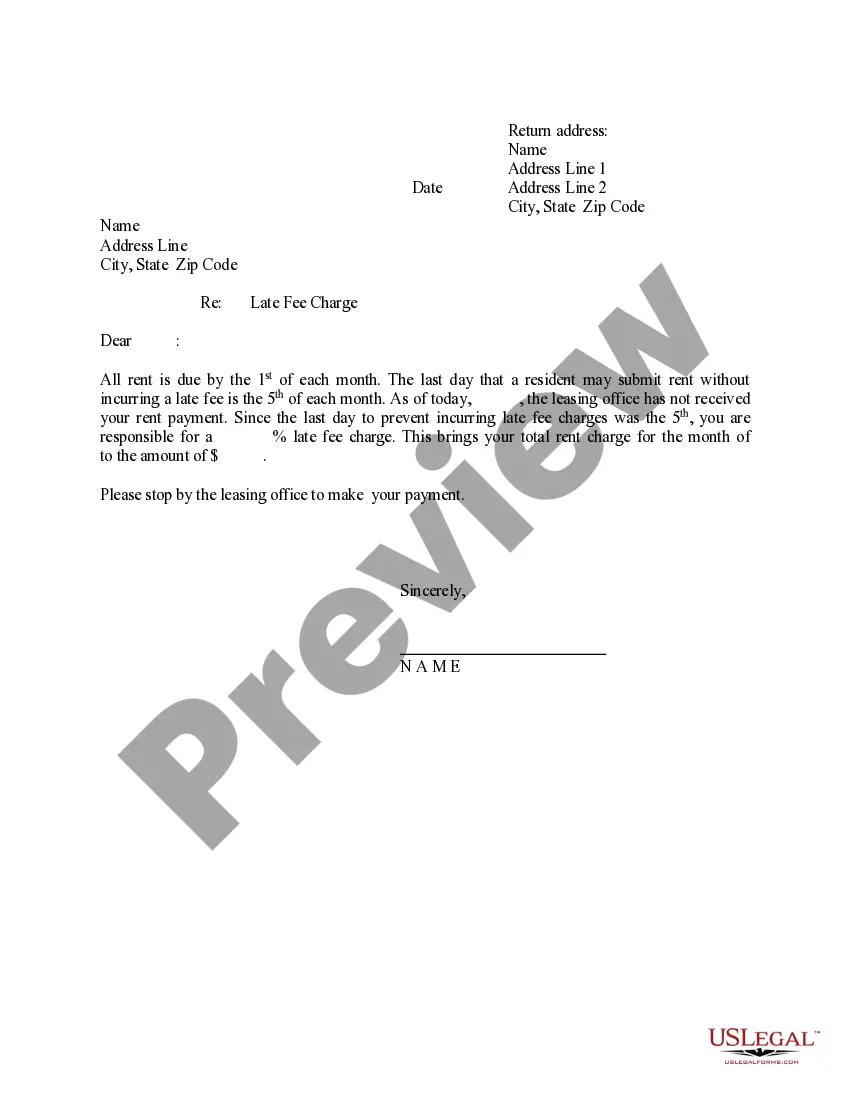
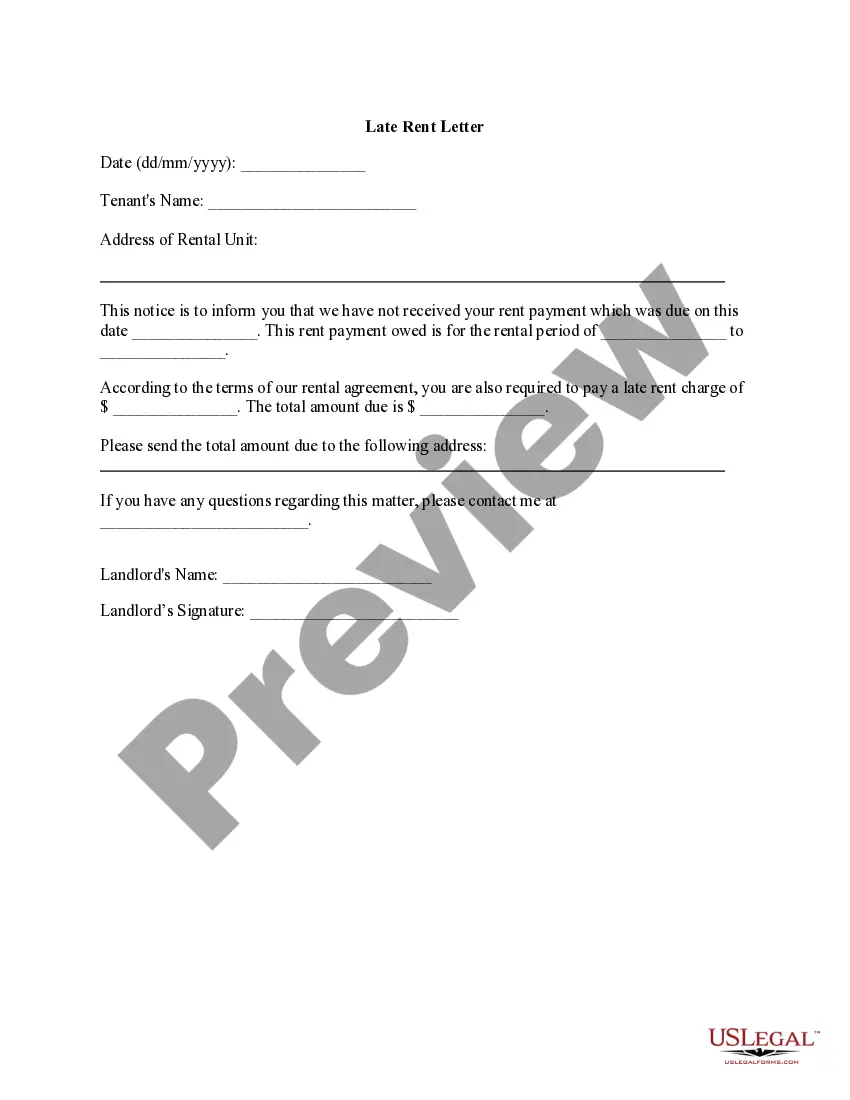
When writing a letter to a tenant regarding late payment, start with a clear subject line indicating the purpose of the letter. Include the tenant's name, the property address, and specific details about the unpaid rent. Clearly state the amount owed and encourage open communication to resolve the issue. Consider referencing the Hawaii Agreement for Delayed or Partial Rent Payments, as it provides a framework for discussing payment options.
In Hawaii, there is no legally mandated grace period for rent payments. However, landlords may choose to include a grace period in the lease agreement. It is important for tenants to review their rental contract to understand the terms regarding late payments. Utilizing a Hawaii Agreement for Delayed or Partial Rent Payments can help clarify expectations and provide options for both parties.
The amount of holdover rent in Hawaii varies based on the terms of the lease and the landlord’s policies. Typically, holdover rent may equal the regular rent or even a percentage increase. If you find yourself facing holdover charges, a Hawaii Agreement for Delayed or Partial Rent Payments may be very beneficial to negotiate a manageable payment plan.
A holdover tenant in Hawaii is someone who remains in a rental property after their lease has expired without the landlord's permission. This situation can lead to various legal implications, including potential eviction. If you find yourself in this predicament, consider discussing a Hawaii Agreement for Delayed or Partial Rent Payments with your landlord to explore your options and ensure clear communication.
The 90 day rule in Hawaii typically refers to the timeline landlords must adhere to when terminating a tenancy for a month-to-month rental agreement. If a tenant has lived in the property for more than 90 days, the landlord must provide a written notice at least 45 days before terminating the lease. A Hawaii Agreement for Delayed or Partial Rent Payments can provide further guidance on this timeframe and your options.
Landlords in Hawaii can raise rent, but it is limited by local regulations. Generally, if you have a fixed-term lease, your landlord cannot increase rent until the lease ends. For month-to-month agreements, the landlord must provide proper notice, typically 45 days. Utilizing a Hawaii Agreement for Delayed or Partial Rent Payments may also offer negotiation space during these changes.
In Hawaii, renters have the right to a safe and habitable living environment. This includes proper maintenance of facilities and respect for tenant privacy. When faced with financial difficulties, tenants can utilize a Hawaii Agreement for Delayed or Partial Rent Payments, which outlines their options during tough times. Understanding these rights is crucial for every renter in Hawaii.
Negotiating late payments effectively involves honesty and preparation. Start by clearly outlining your circumstances and expressing your willingness to make payments, potentially utilizing a Hawaii Agreement for Delayed or Partial Rent Payments as a reference. Offering specific solutions or payment deadlines can facilitate a more productive conversation with your landlord.