Hawaii Letter from Tenant to Landlord for Failure of Landlord to comply with building codes affecting health and safety or resulting in untenantable condition - demand for remedy
What is this form?
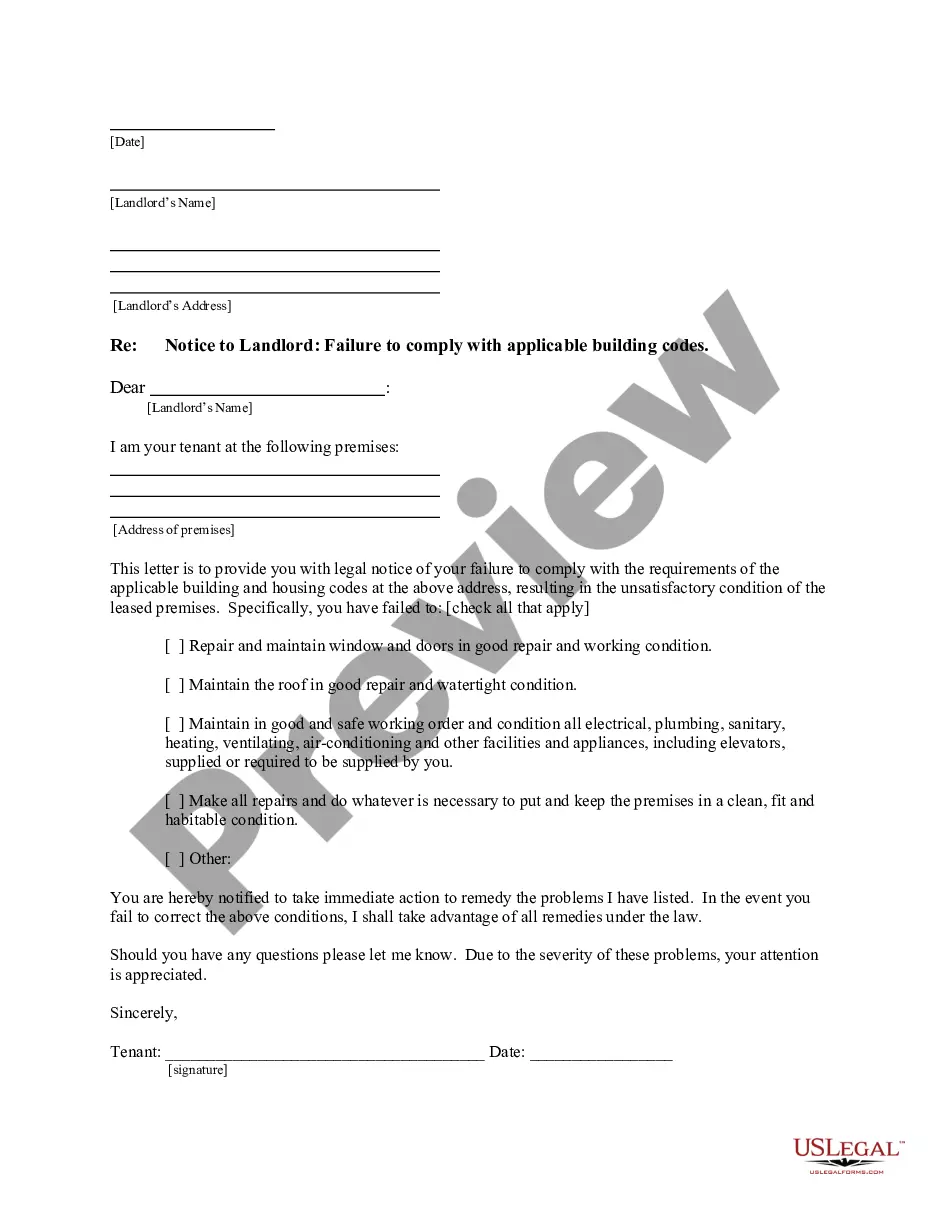
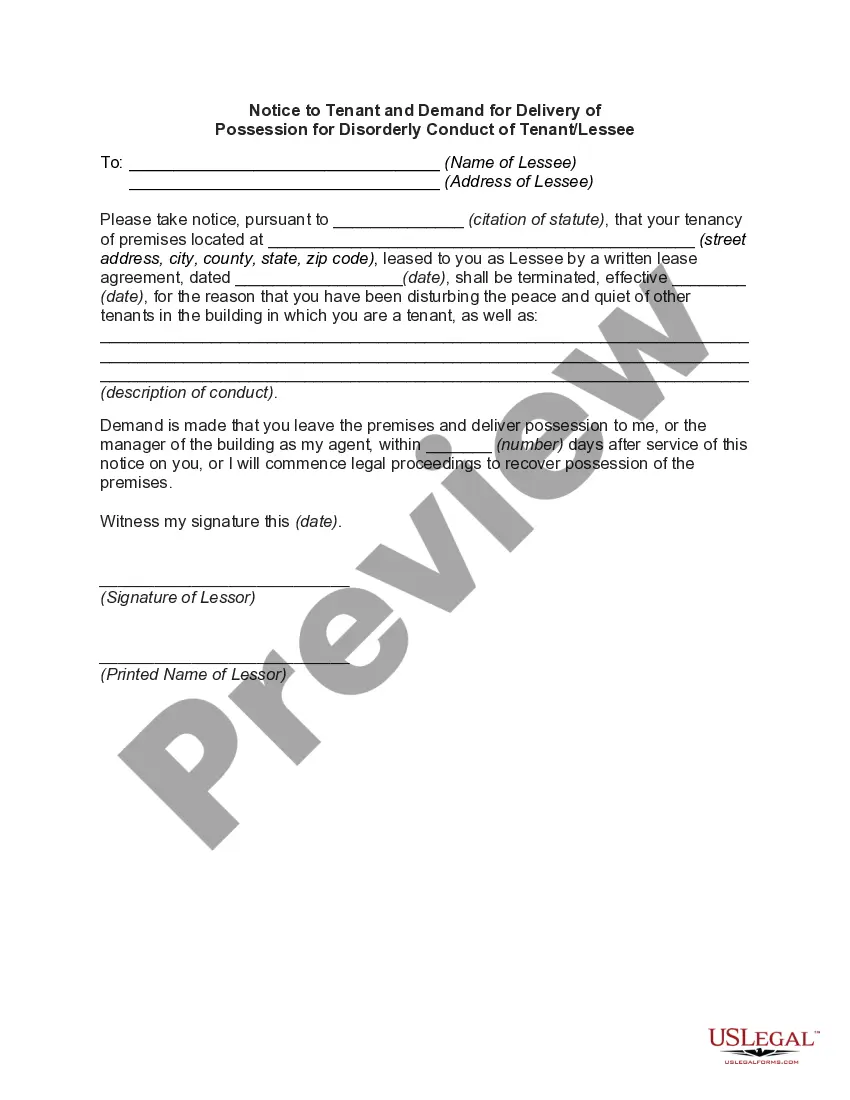
This Letter from Tenant to Landlord for Failure of Landlord to comply with building codes affecting health and safety is a formal notice. It alerts the landlord to their obligation to meet building codes and the consequences of failing to do so. The letter demands that the landlord remedy the situation within ten days before any legal action is pursued. This form differs from basic complaint letters as it specifies code violations affecting tenant safety and well-being.
What’s included in this form
- Identification of the tenant and landlord involved in the correspondence.
- A description of the specific building code violations affecting health and safety.
- A demand for remedial action, with a specified deadline of ten days.
- Notice of potential legal action if the violations are not addressed.
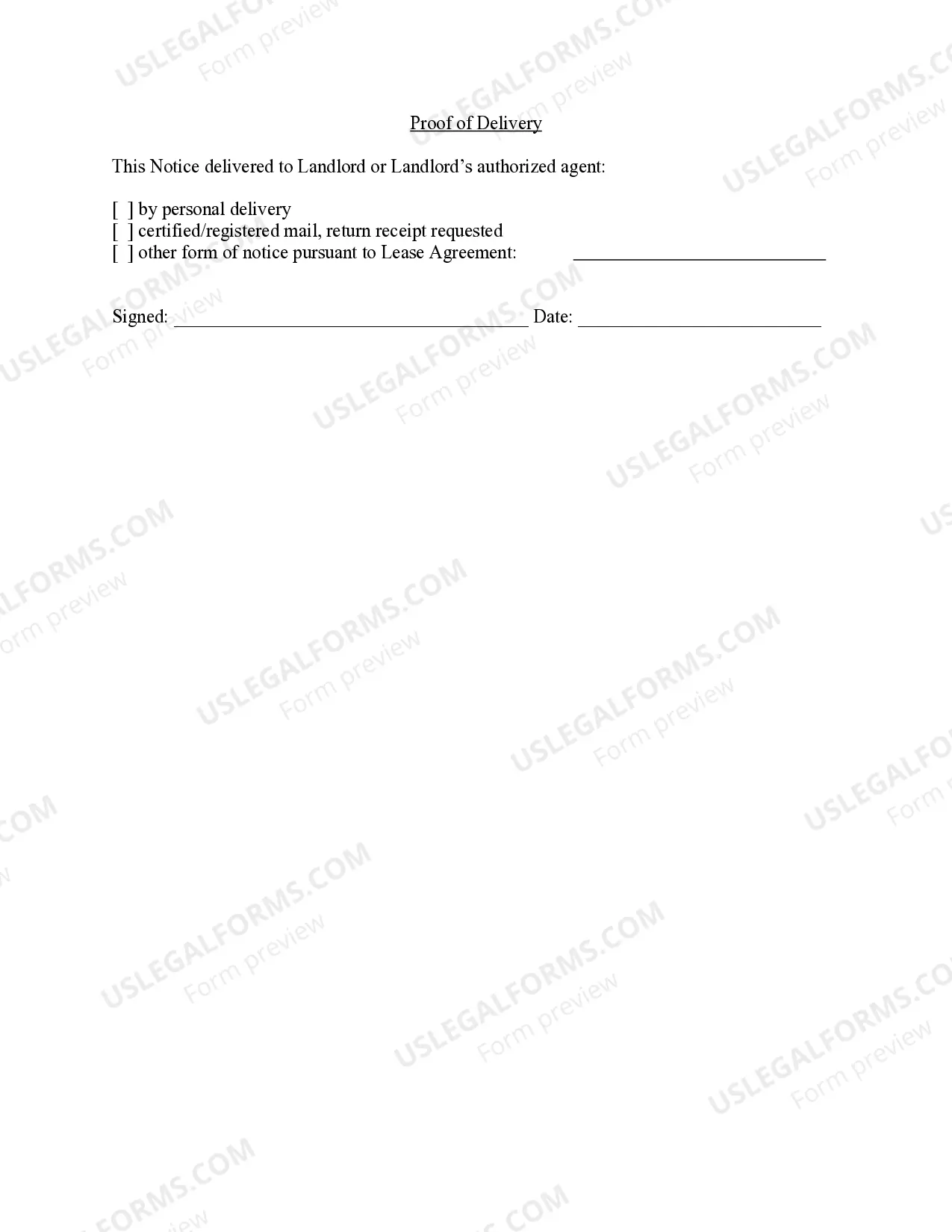
- A section for the tenant's signature and date for proof of delivery.


When this form is needed
This form is used when a tenant has identified serious building code violations that compromise their health and safety. It is particularly necessary to formally notify the landlord of these issues and to seek a remedy within a specified timeframe. Use this letter when informal requests to address the problems have failed or when the issues significantly impact the tenant's living conditions.
Who can use this document
- Tenants who are experiencing health and safety issues due to a landlord's failure to comply with building codes.
- Individuals seeking to document their communications for potential legal action in the event of non-compliance.
- Renters who wish to formally state their requests for repairs or improvements in their rental unit.
How to complete this form
- Identify the parties involved by writing the tenant's and landlord's names and addresses.
- Clearly describe the specific health and safety violations that require attention.
- Enter a reasonable deadline (typically ten days) for the landlord to make necessary repairs.
- Sign and date the letter for authenticity and to confirm delivery.
- Deliver the letter to the landlord or their authorized agent and keep proof of delivery.
Notarization requirements for this form
This form does not typically require notarization unless specified by local law. However, it is essential to follow all applicable rules in your jurisdiction to ensure that the form is enforceable.
Get your form ready online
Our built-in tools help you complete, sign, share, and store your documents in one place.
Make edits, fill in missing information, and update formatting in US Legal Forms—just like you would in MS Word.
Download a copy, print it, send it by email, or mail it via USPS—whatever works best for your next step.
Sign and collect signatures with our SignNow integration. Send to multiple recipients, set reminders, and more. Go Premium to unlock E-Sign.
If this form requires notarization, complete it online through a secure video call—no need to meet a notary in person or wait for an appointment.
We protect your documents and personal data by following strict security and privacy standards.

Make edits, fill in missing information, and update formatting in US Legal Forms—just like you would in MS Word.

Download a copy, print it, send it by email, or mail it via USPS—whatever works best for your next step.

Sign and collect signatures with our SignNow integration. Send to multiple recipients, set reminders, and more. Go Premium to unlock E-Sign.

If this form requires notarization, complete it online through a secure video call—no need to meet a notary in person or wait for an appointment.

We protect your documents and personal data by following strict security and privacy standards.
Typical mistakes to avoid
- Failing to provide specific details about the building code violations.
- Not including a clear deadline for remediation.
- Neglecting to sign and date the letter.
- Delivering the letter without proof of delivery, which may be needed for legal purposes.
Why complete this form online
- Quick and easy access to a professionally drafted form.
- Editable features allow you to customize the letter to your specific situation.
- Provides peace of mind with legally vetted content prepared by licensed attorneys.
- Convenient digital delivery options can help ensure timely communication with your landlord.
Legal use & context
This letter serves as a formal notice, which can play a crucial role in any potential legal proceedings. It establishes a documented communication trail that can be essential if the situation escalates to eviction or requires court intervention. Be aware that this letter does not guarantee immediate action from the landlord.
Summary of main points
- This form is essential for tenants facing health and safety issues related to building code violations.
- A clear and timely notice can hold landlords accountable for necessary repairs.
- Always provide detailed descriptions of violations and keep proof of delivery for your records.
Looking for another form?
Form popularity
FAQ
Compensation for landlord negligence can vary significantly based on the situation's severity and the damages incurred. In many cases, you may be entitled to recover costs for repairs, medical bills, or even emotional distress. For cases involving serious health hazards or untenantable conditions, a Hawaii Letter from Tenant to Landlord for Failure of Landlord to comply with building codes affecting health and safety or resulting in untenantable condition - demand for remedy can help establish your claim for adequate compensation.
The standard of proof for gross negligence is typically a higher threshold than ordinary negligence and requires clear evidence that a landlord acted with a severe disregard for tenant safety. This often involves demonstrating that the landlord knew about hazardous conditions and failed to address them. If you feel your situation meets this criteria, sending a Hawaii Letter from Tenant to Landlord for Failure of Landlord to comply with building codes affecting health and safety or resulting in untenantable condition - demand for remedy may be essential.
In Kansas, tenants can report landlords to the local housing authority or the city building department if they are not complying with health and safety building codes. Tenants may also seek assistance from legal aid organizations that specialize in tenant rights. A well-structured Hawaii Letter from Tenant to Landlord for Failure of Landlord to comply with building codes affecting health and safety or resulting in untenantable condition - demand for remedy can strengthen your case when bringing the issue to their attention.
To report a landlord in Hawaii, you can contact the local housing authority or the Department of Health if there are serious health concerns. It’s important to document all issues and communication with your landlord. Utilizing a Hawaii Letter from Tenant to Landlord for Failure of Landlord to comply with building codes affecting health and safety or resulting in untenantable condition - demand for remedy can serve as strong evidence when reporting.
Landlord negligence occurs when a landlord fails to maintain a property in a safe and healthy condition. This lack of care can lead to unsafe living environments or conditions that violate building codes. If you have sent a Hawaii Letter from Tenant to Landlord for Failure of Landlord to comply with building codes affecting health and safety or resulting in untenantable condition - demand for remedy, you are taking a necessary step by formally addressing these issues.
A notice of noncompliance is a formal communication from a landlord to a tenant, indicating that the tenant has violated the lease agreement terms. This notice details the specific issues and may outline a timeline for rectifying them. If you receive this type of notice, it is vital to respond appropriately, possibly utilizing a Hawaii Letter from Tenant to Landlord for Failure of Landlord to comply with building codes affecting health and safety or resulting in untenantable condition - demand for remedy to document any claims you may have.
Landlord negligence occurs when a landlord fails to fulfill their legal duties to maintain a rental property, leading to unsafe or uninhabitable living conditions. This can include ignoring necessary repairs or not complying with health and safety codes. If you are experiencing such issues, documenting them with a Hawaii Letter from Tenant to Landlord for Failure of Landlord to comply with building codes affecting health and safety or resulting in untenantable condition - demand for remedy can help assert your rights.
Section 521 53 of the Hawaii Revised Statutes outlines the rights and responsibilities of landlords and tenants regarding the conditions of rental properties. It emphasizes the landlord's duty to provide habitable premises. If landlords violate these conditions, tenants can issue a Hawaii Letter from Tenant to Landlord for Failure of Landlord to comply with building codes affecting health and safety or resulting in untenantable condition - demand for remedy to address such failures.
Landlords in Hawaii cannot engage in discriminatory practices, retaliate against tenants for reporting issues, or unlawfully evict a tenant. They must provide safe and habitable living conditions, complying with building codes. If they fail to do this, tenants have the right to utilize tools like a Hawaii Letter from Tenant to Landlord for Failure of Landlord to comply with building codes affecting health and safety or resulting in untenantable condition - demand for remedy.
In Hawaii, there is no specific limit on how much a landlord can raise rent. However, landlords must give tenants proper notice, typically at least 45 days for increases. It is important to keep in mind that excessive increases might lead to disputes. If you face issues like untenantable conditions that require remedy, a Hawaii Letter from Tenant to Landlord for Failure of Landlord to comply with building codes affecting health and safety or resulting in untenantable condition - demand for remedy can be a helpful tool.