Georgia Residential Lease or Rental Agreement for Month to Month
Understanding this form
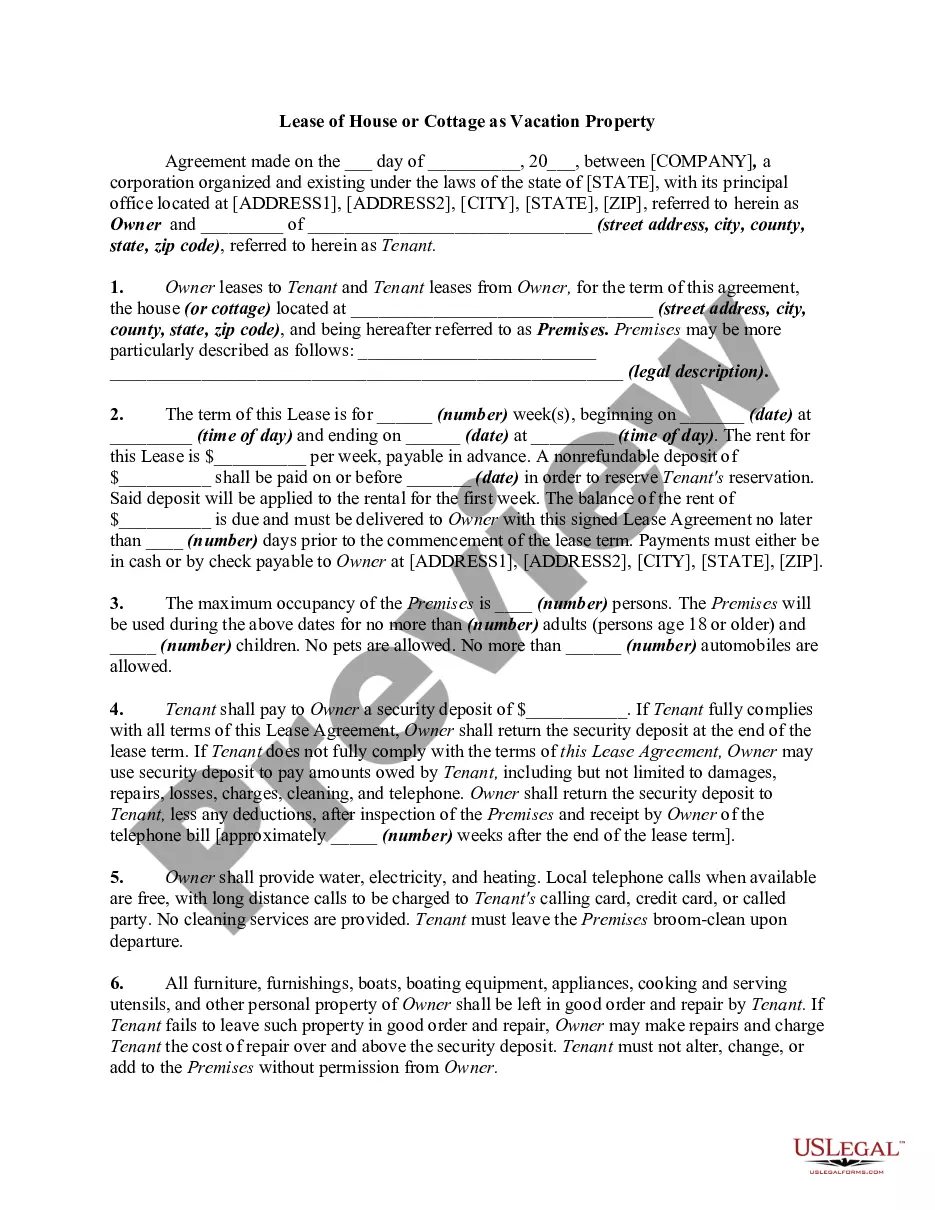
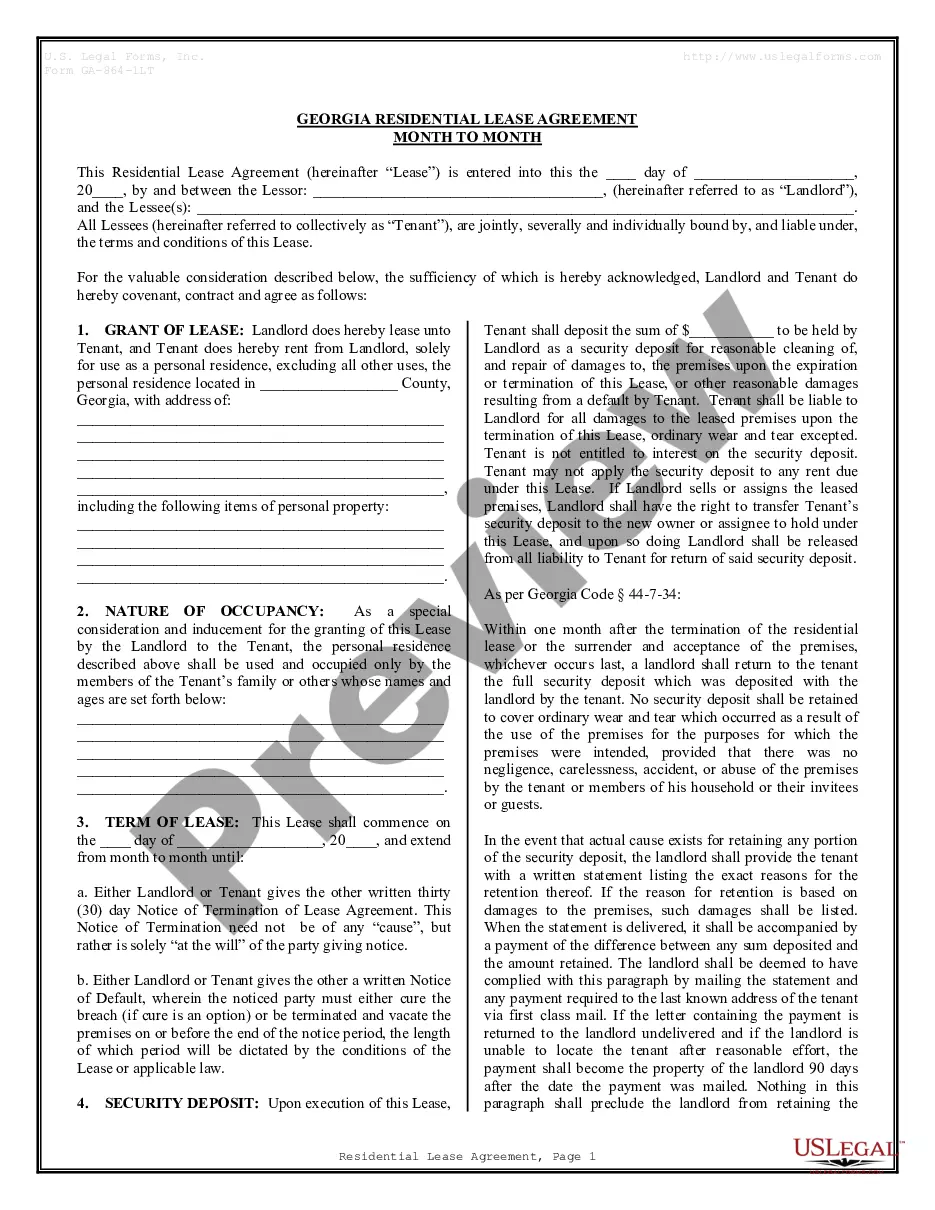
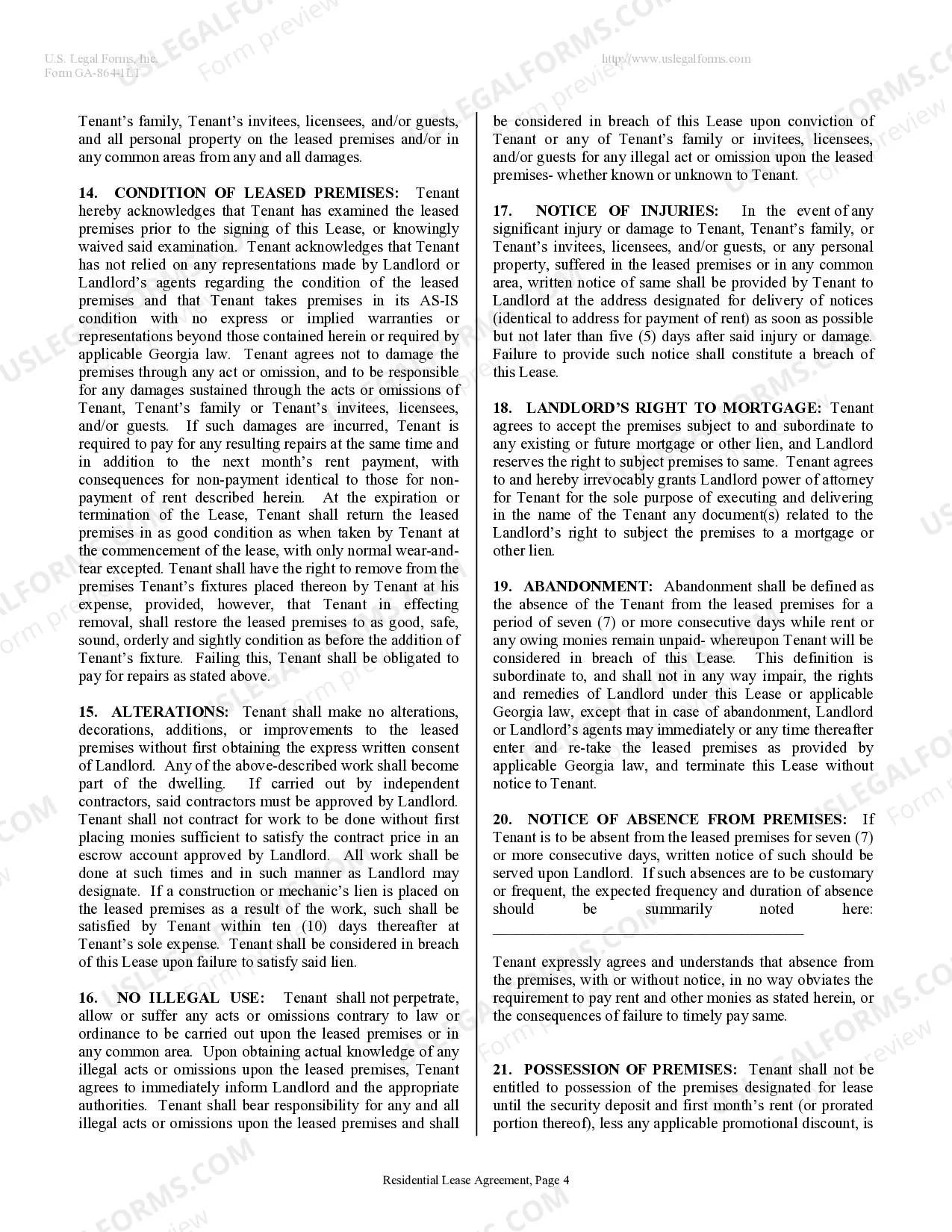
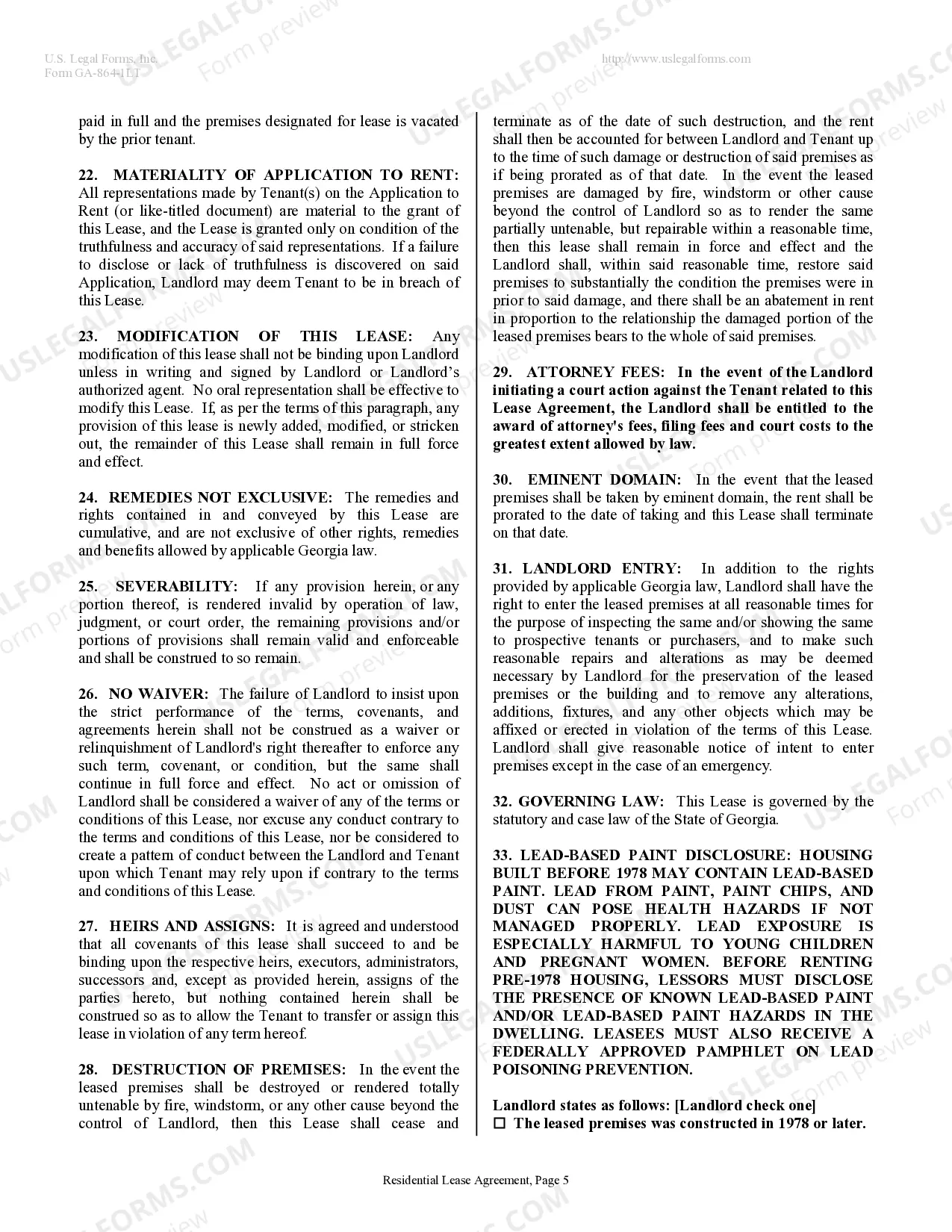
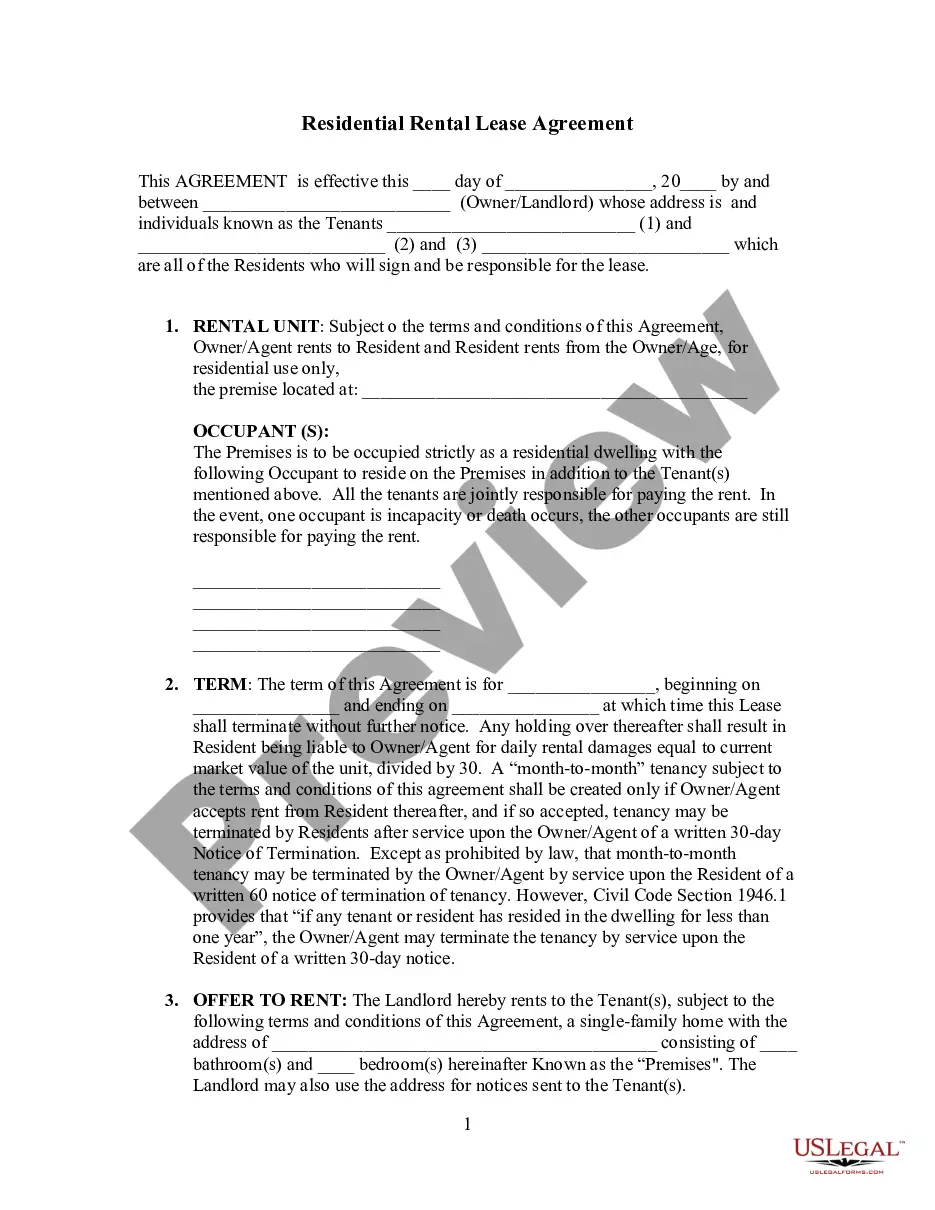
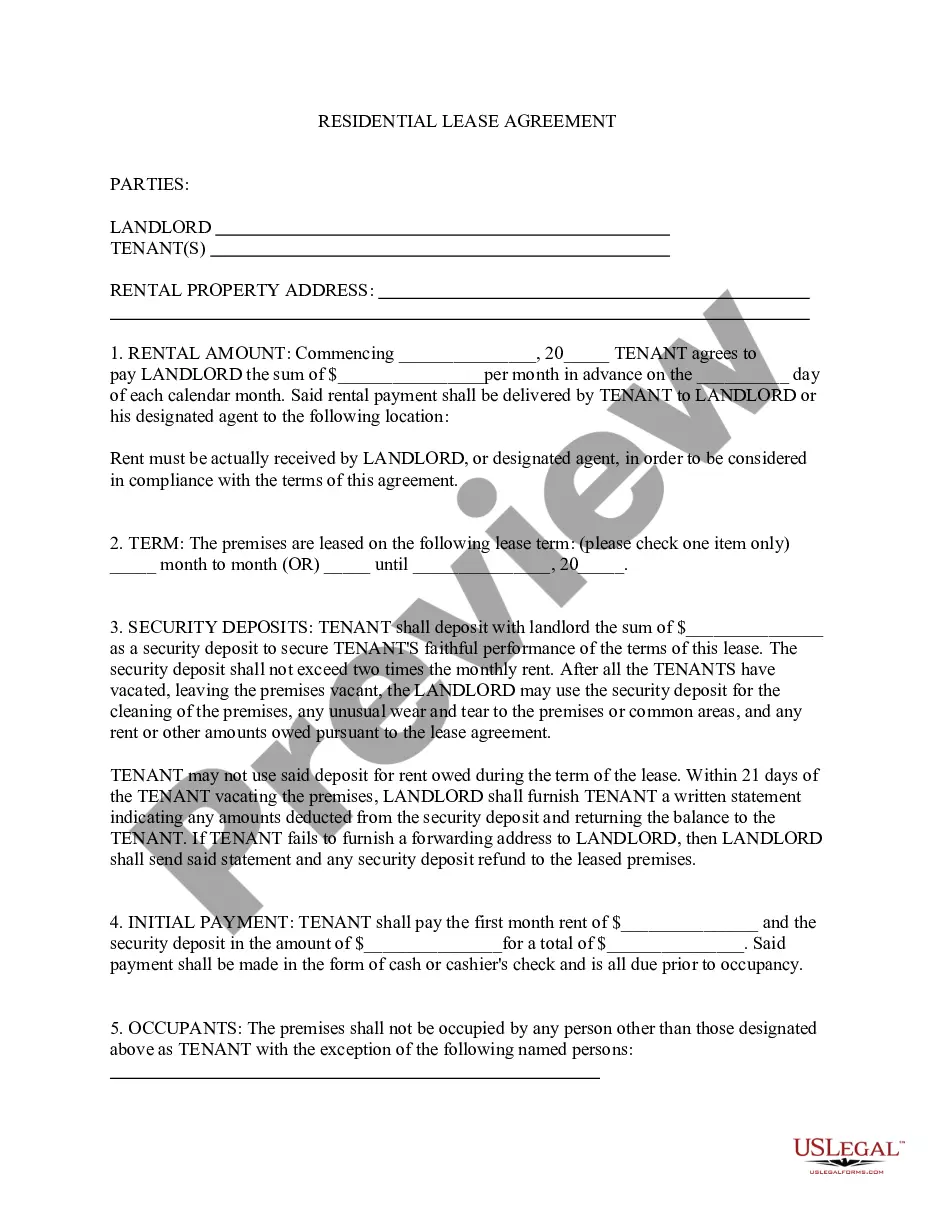
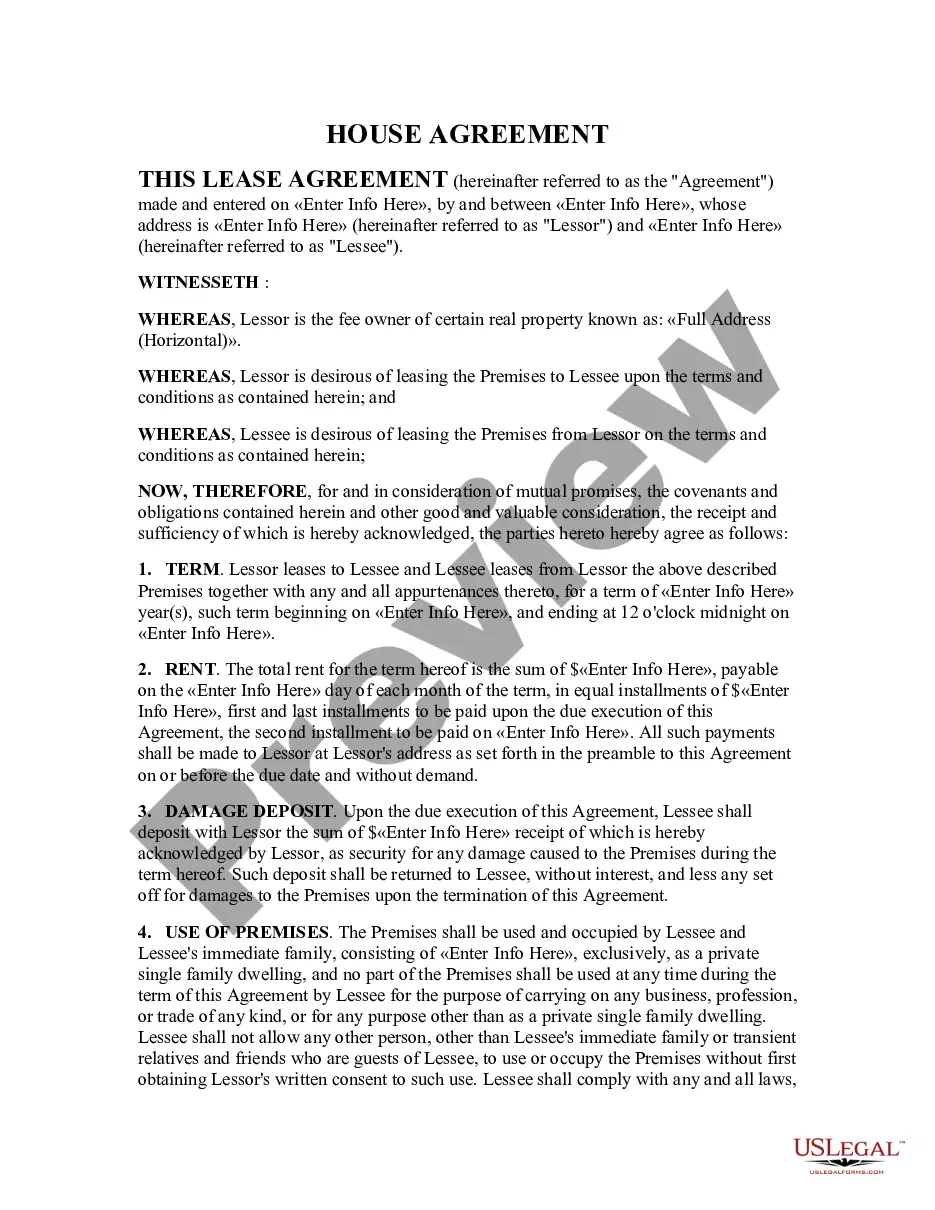
This Residential Lease or Rental Agreement for Month to Month is a legal document that establishes the terms under which a landlord rents residential property to a tenant on a month-to-month basis. Unlike fixed-term leases, this agreement allows either party to terminate the lease with a written notice, generally requiring a 30-day notice period. This flexibility is beneficial for renters who may plan to move in the near future and for landlords seeking adaptable rental agreements.
Key components of this form
- Date of lease commencement and month-to-month duration.
- Details about the property and allowable occupants.
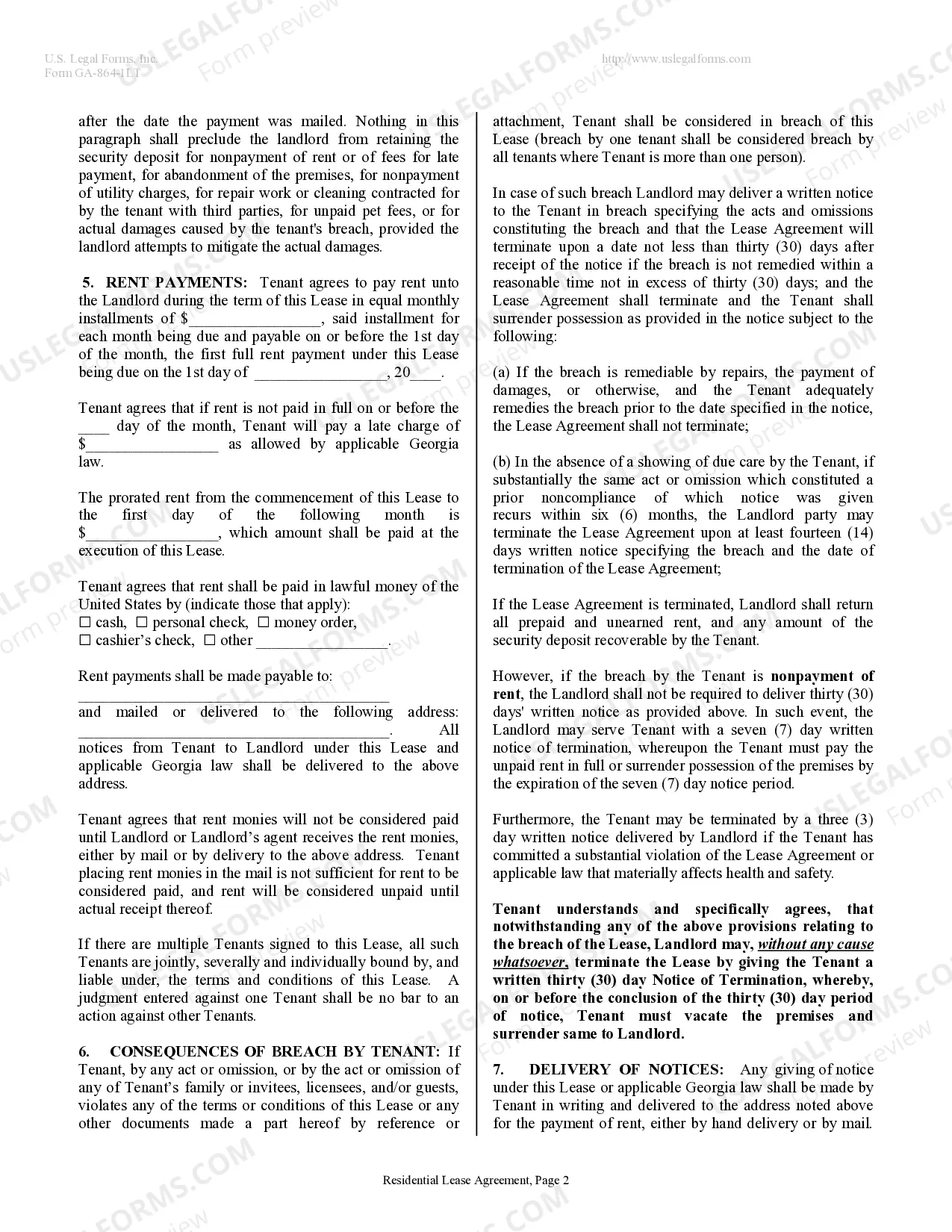
- Payment terms, including rent amount and due dates.
- Security deposit requirements and return conditions.
- Conditions for termination of the lease by either party.
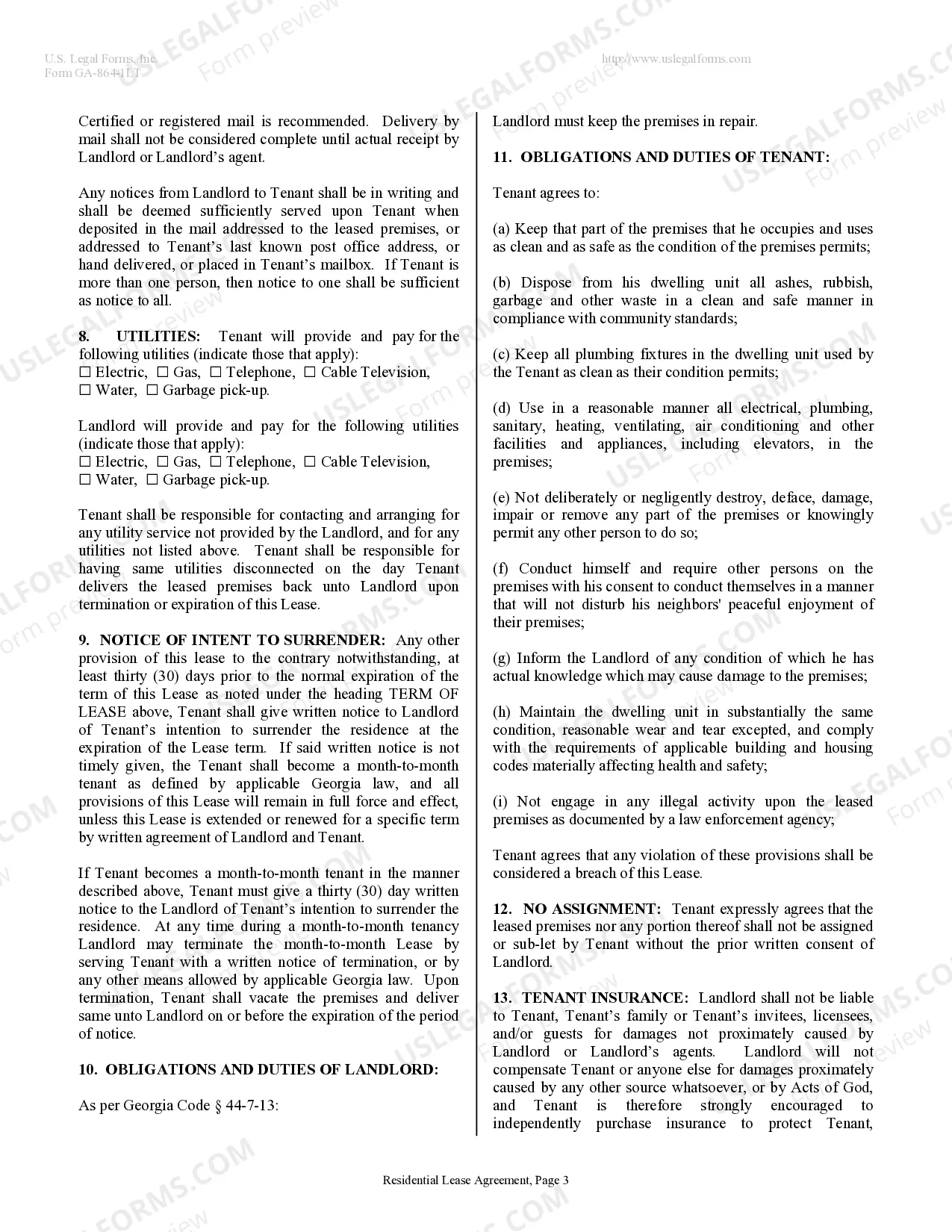
- Tenant responsibilities and landlord obligations.
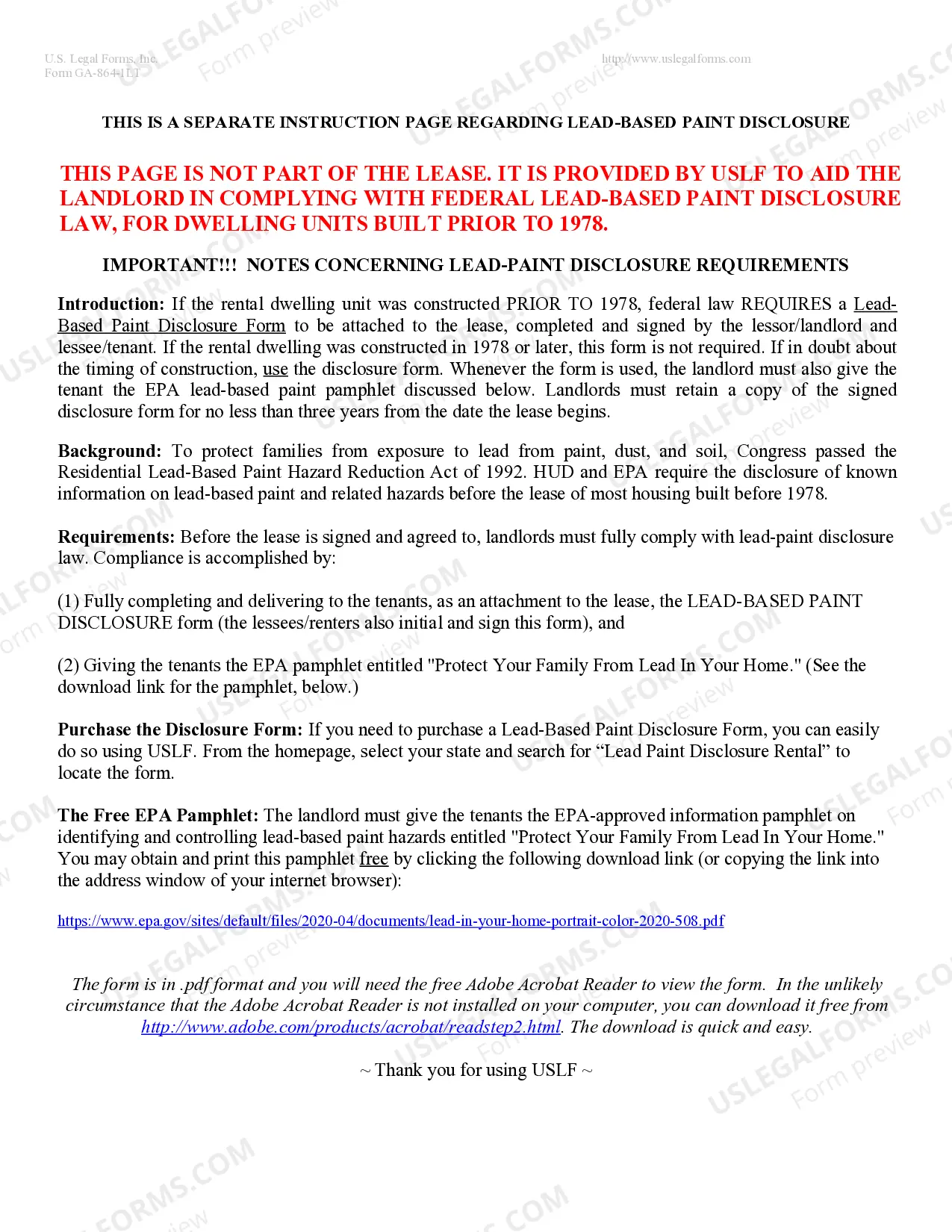
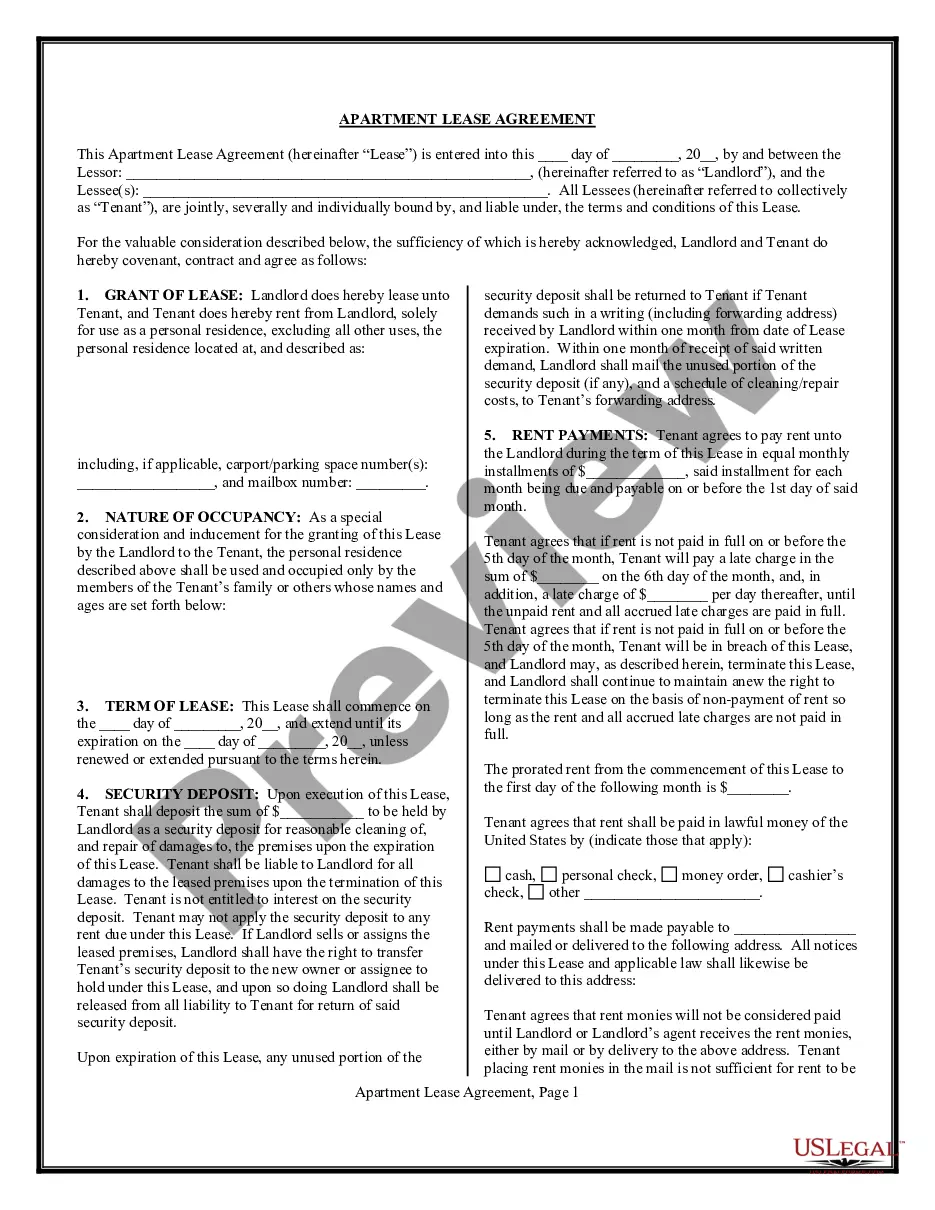
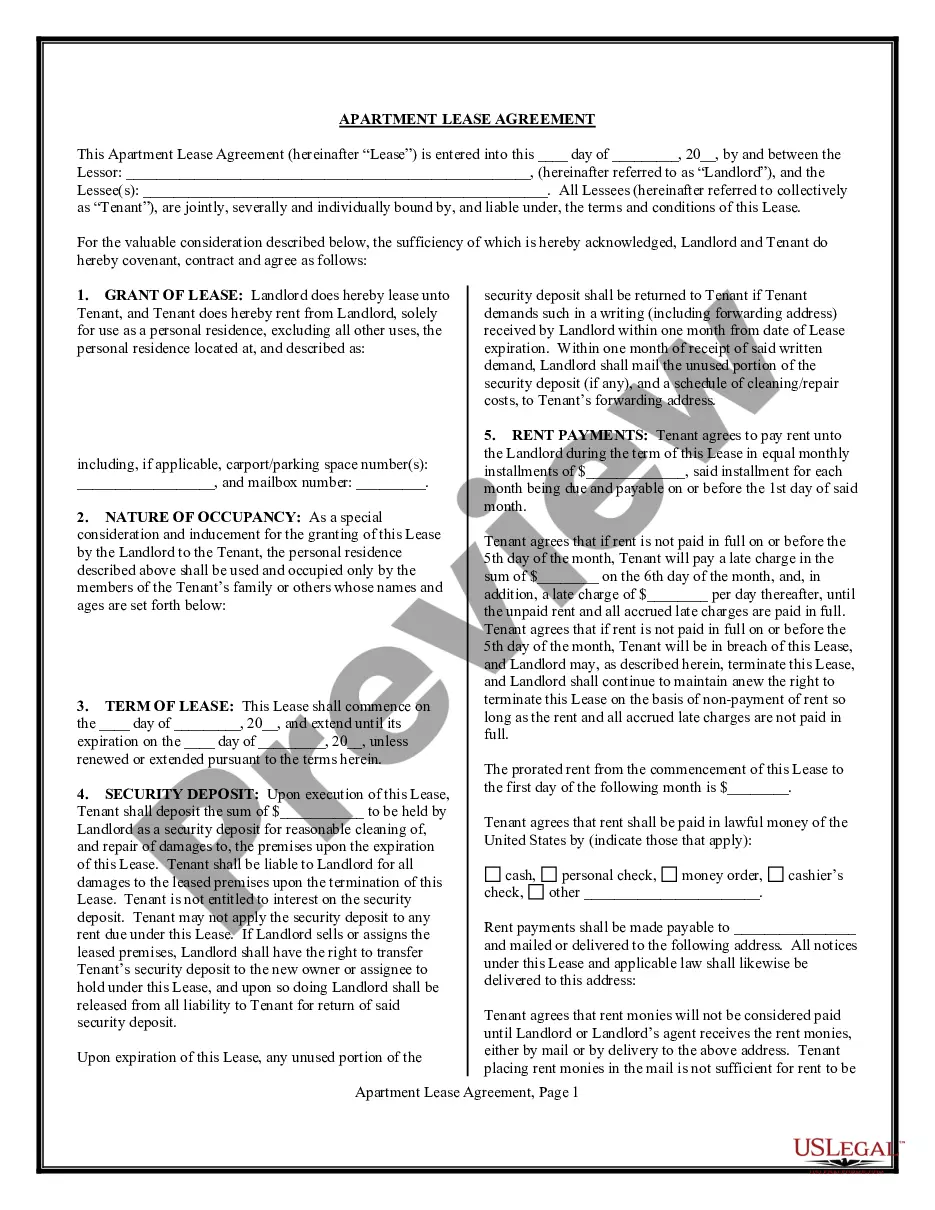
When this form is needed
This form is suitable for situations where landlords and tenants prefer a flexible rental arrangement without a long-term commitment. It is particularly useful for renters who may be relocating frequently, or for landlords who want to maintain the option to terminate leases easily. Real estate agents and property managers can also use this form for rental properties with fluctuating occupancy needs.
Who can use this document
- Landlords who wish to offer month-to-month rental agreements.
- Tenants looking for flexibility in rental arrangements.
- Real estate professionals managing rental properties.
- Individuals entering rental contracts for personal residences.
Steps to complete this form
- Identify the parties involved: Specify the landlord and tenant names.
- Specify the rental property: Include the address and any relevant details.
- Detail the rent amount: Enter the monthly rent and due date.
- Document the security deposit: State the amount and conditions for retention.
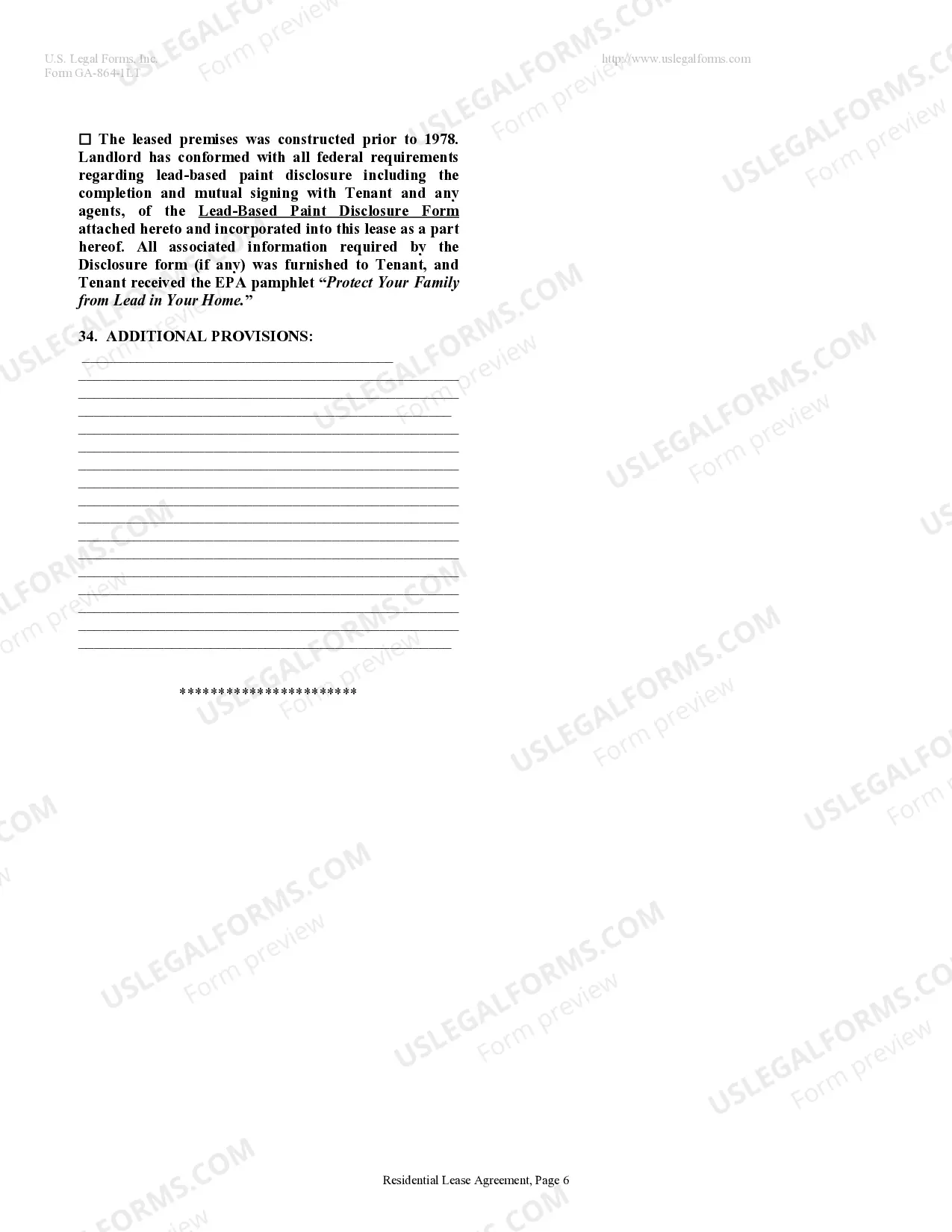
- Include any additional provisions: Outline any specific rules or regulations.
Notarization guidance
This form does not typically require notarization unless specified by local law.
Get your form ready online
Our built-in tools help you complete, sign, share, and store your documents in one place.
Make edits, fill in missing information, and update formatting in US Legal Forms—just like you would in MS Word.
Download a copy, print it, send it by email, or mail it via USPS—whatever works best for your next step.
Sign and collect signatures with our SignNow integration. Send to multiple recipients, set reminders, and more. Go Premium to unlock E-Sign.
If this form requires notarization, complete it online through a secure video call—no need to meet a notary in person or wait for an appointment.
We protect your documents and personal data by following strict security and privacy standards.

Make edits, fill in missing information, and update formatting in US Legal Forms—just like you would in MS Word.

Download a copy, print it, send it by email, or mail it via USPS—whatever works best for your next step.

Sign and collect signatures with our SignNow integration. Send to multiple recipients, set reminders, and more. Go Premium to unlock E-Sign.

If this form requires notarization, complete it online through a secure video call—no need to meet a notary in person or wait for an appointment.

We protect your documents and personal data by following strict security and privacy standards.
Avoid these common issues
- Failing to specify the payment methods for rent.
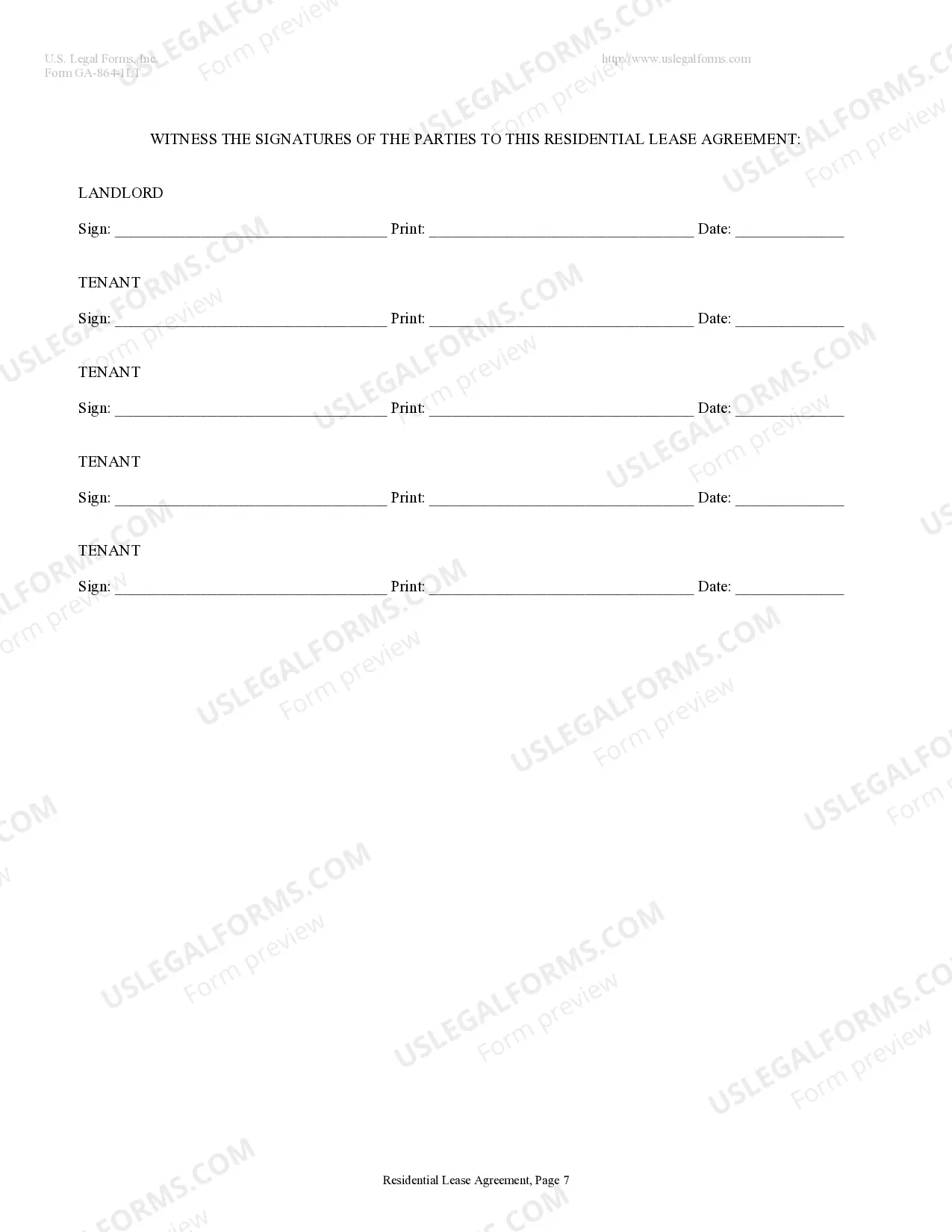
- Not including all signatories if there are multiple tenants.
- Neglecting to clarify responsibility for utilities.
- Overlooking the notice periods for termination.
Why use this form online
- Quick and easy access to a legally vetted template.
- Ability to customize the document to fit specific needs.
- Secure storage and easy retrieval of documents.
- Immediate download allows for prompt use and distribution.
Key takeaways
- This lease agreement provides flexibility for both landlords and tenants.
- It includes provisions for easy termination with notice.
- Proper completion ensures clarity and protection of both parties' interests.
- Utilizing an online platform for this form simplifies the process.
Looking for another form?


Form popularity
FAQ
tomonth lease, such as a Georgia Residential Lease or Rental Agreement for Month to Month, offers flexibility but comes with certain downsides. One primary concern is the lack of longterm security; landlords can increase rent or terminate the agreement with minimal notice. Additionally, tenants may face uncertainty regarding continuity, especially if housing demand increases. Understanding these factors can help you make informed decisions about your housing situation.
The law governing month-to-month leases in Georgia mandates that either party must give a minimum notice of 30 days to terminate the lease. This law aims to protect both tenants and landlords, ensuring a fair transition when changes occur. To stay compliant and informed, consult your Georgia Residential Lease or Rental Agreement for Month to Month for specifics.
In Georgia, month-to-month leases allow either party to terminate the agreement with proper notice, usually 30 days. These leases are subject to the same laws as standard rental agreements, including the requirement for fair housing practices. Understanding your rights and obligations is crucial, particularly as they relate to your Georgia Residential Lease or Rental Agreement for Month to Month.
Evicting a month-to-month tenant in Georgia requires you to follow specific legal procedures. Generally, you must provide written notice stating the reason for eviction, followed by a certain notification period, which is typically 30 days. Familiarize yourself with Georgia's landlord-tenant laws to navigate this process effectively, as outlined in your Georgia Residential Lease or Rental Agreement for Month to Month.
Yes, you can write your own lease agreement, but it's vital to ensure that it complies with state laws. Consider using resources like US Legal Forms for templates that are tailored to Georgia's regulations. This way, you can structure your Georgia Residential Lease or Rental Agreement for Month to Month correctly, safeguarding your rights and responsibilities.
To create a month-to-month lease, start by outlining the basic terms, including rent, duration, and conditions for termination. You can use templates available through platforms like US Legal Forms to ensure you include all essential elements. Then, both parties should read and sign the agreement to validate it. This approach helps establish a clear Georgia Residential Lease or Rental Agreement for Month to Month.
The verbiage in a month-to-month lease should clearly define the terms of the agreement, such as rental amount, payment due dates, and notice periods for termination. Typically, it will state that the tenancy continues on a month-to-month basis until either party provides written notice to terminate. Be sure your Georgia Residential Lease or Rental Agreement for Month to Month includes all necessary details to avoid confusion.
Whether a month-to-month lease is good or bad largely depends on your situation. This agreement type is ideal for those who may need to relocate soon, offering mobility. Nevertheless, it can also lead to instability in rental rates, as landlords can adjust rent based on market conditions. Carefully weigh the pros and cons before entering into a Georgia Residential Lease or Rental Agreement for Month to Month.
tomonth lease can be a practical choice for many renters and landlords. It offers flexibility, allowing tenants to move without longterm commitments. However, it’s essential to consider that this type of agreement can lead to unexpected rent increases. Ensure you review the terms laid out in your Georgia Residential Lease or Rental Agreement for Month to Month.
Yes, a landlord can extend a lease by a month, especially in a month-to-month rental arrangement. It’s important to agree on the terms for the extension, and having these terms documented in a Georgia Residential Lease or Rental Agreement for Month to Month can prevent confusion. Clear agreements benefit both parties and establish trust.