Compliance Survey
Understanding this form
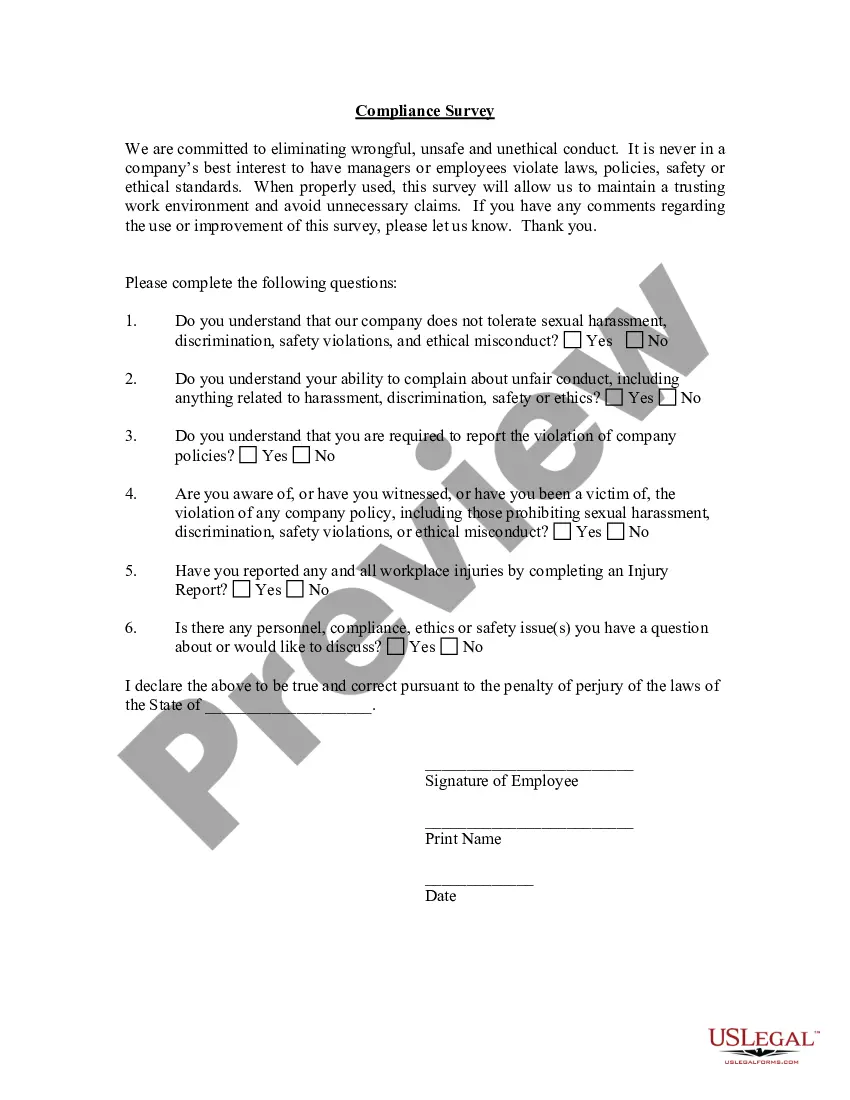
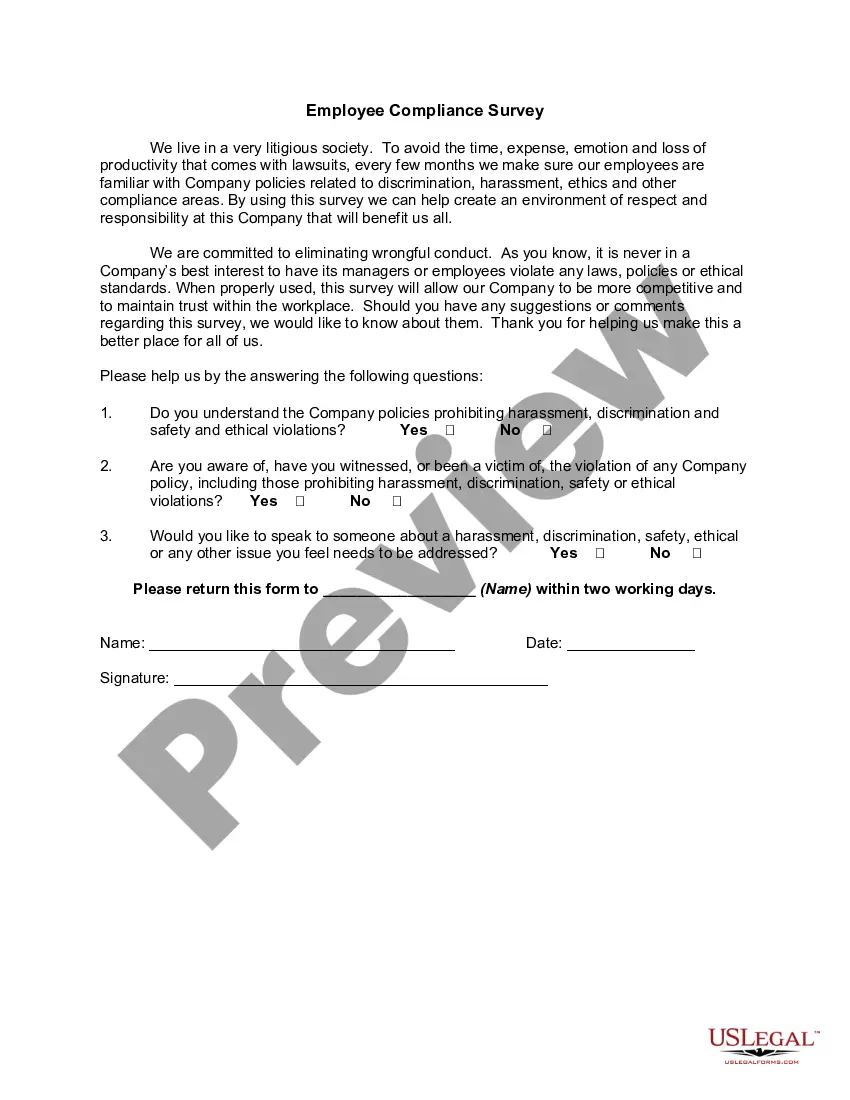
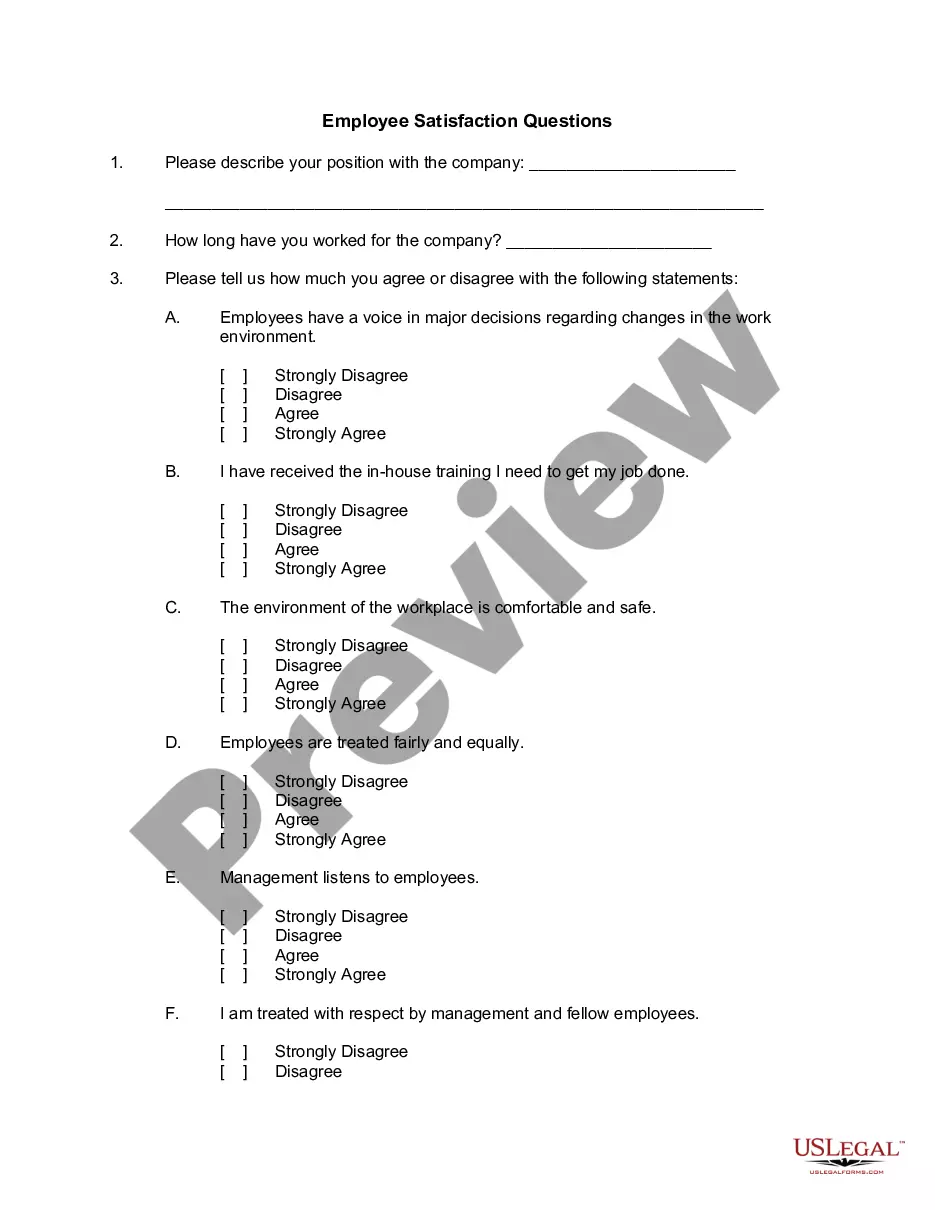
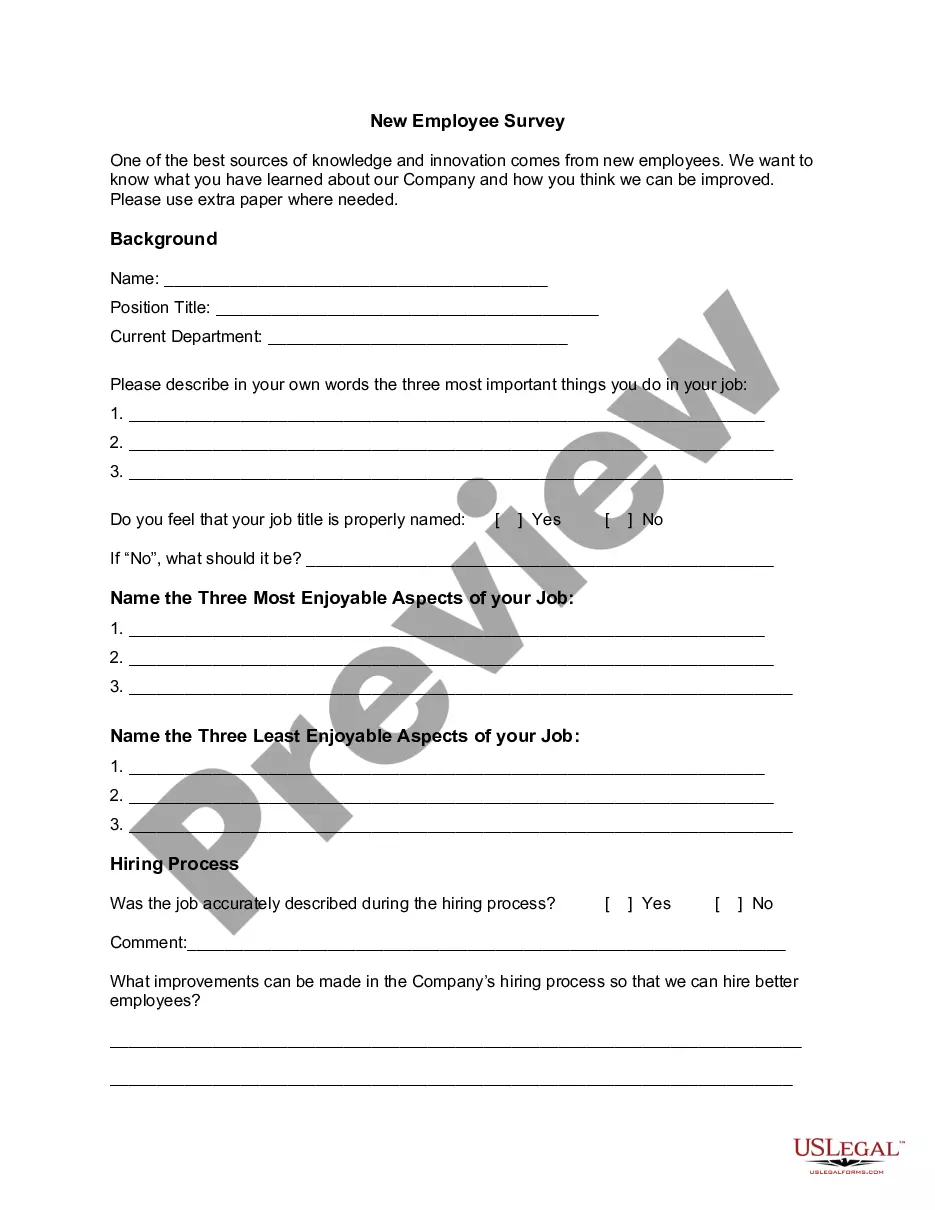
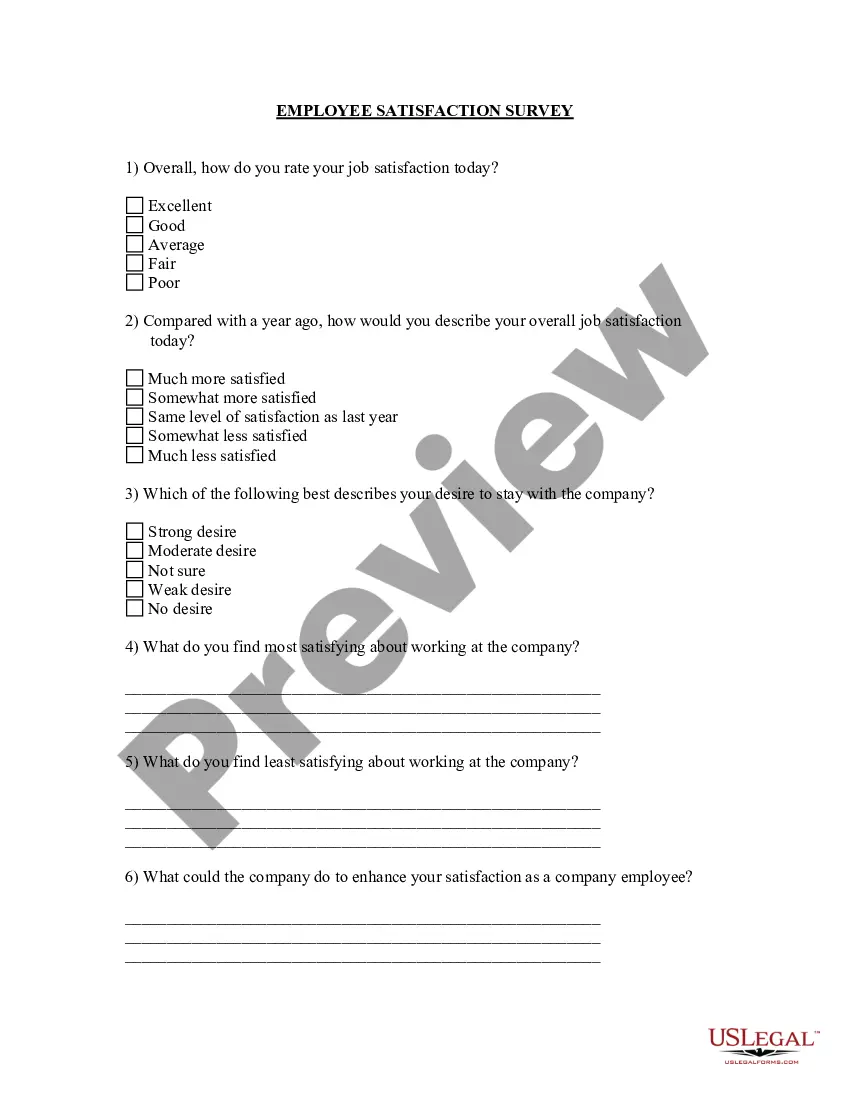
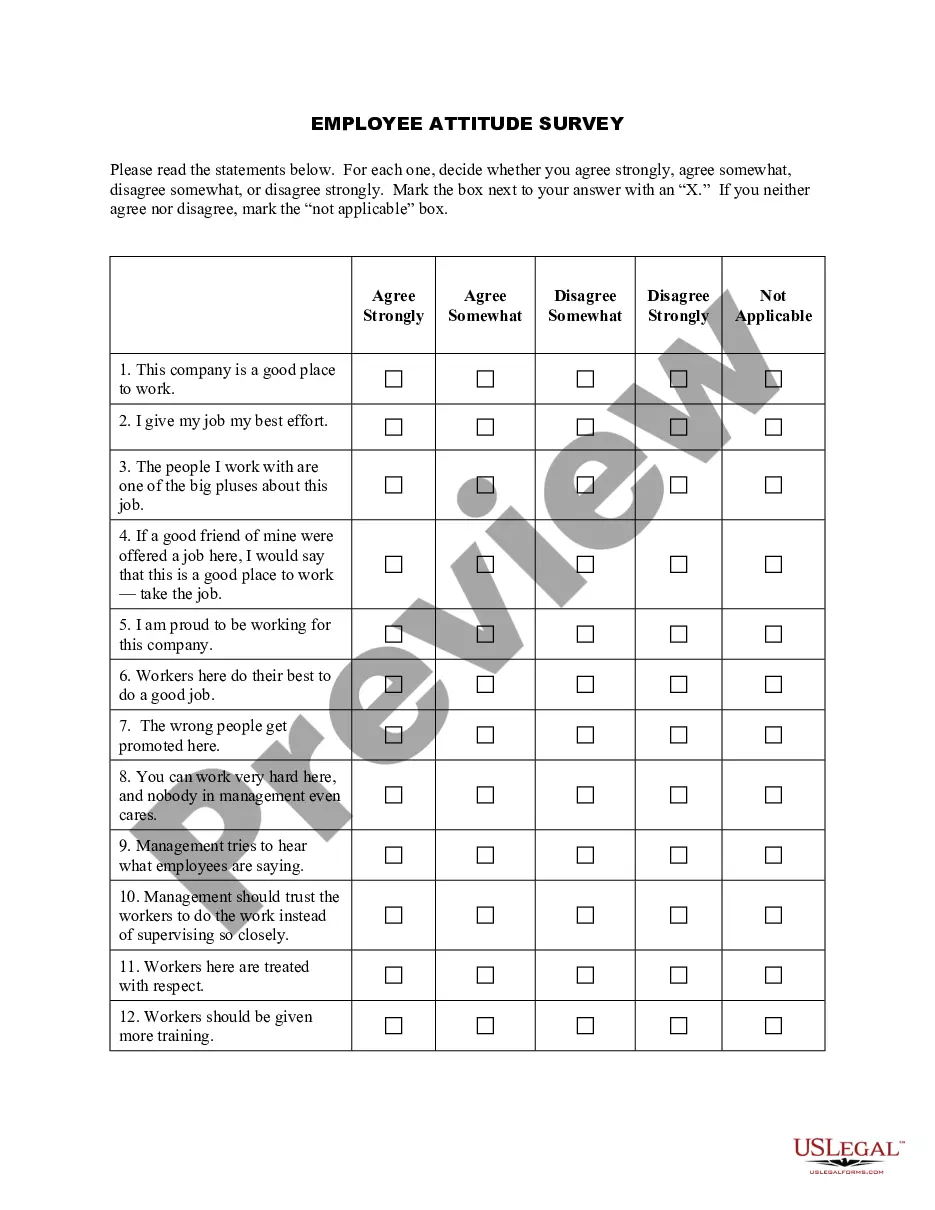
The Compliance Survey is a tool designed to gather feedback from employees regarding various aspects of workplace conduct, including ethical policies, safety measures, and the overall work environment. This survey helps ensure that a company maintains high standards of behavior and compliance, differentiating it from other standard feedback forms by focusing specifically on compliance and ethical issues in the workplace.
Key parts of this document
- A section to confirm understanding of the company's zero tolerance for issues like sexual harassment and discrimination.
- Questions addressing employees' ability to report violations of company policies.
- Inquiries about witnessing or experiencing policy violations.
- A step to declare the completeness and accuracy of the provided information.
- Employee signature, name, and date fields for validation.
Situations where this form applies
This Compliance Survey should be used regularly by companies to assess employee perceptions about workplace compliance and ethics. It is particularly beneficial during annual reviews, compliance training sessions, or following any reported incidents to identify areas for improvement and promote a culture of transparency.
Who should use this form
- Human resource professionals seeking to gather employee feedback on workplace policies.
- Managers and team leaders fostering a culture of safety and ethics within their teams.
- Employees wishing to express their views on compliance and ethical standards in their workplace.
How to prepare this document
- Read each question carefully to understand what is being asked.
- Select "Yes" or "No" in response to each question based on your knowledge and experience.
- If you have comments regarding the survey, include them where indicated.
- Sign and print your name at the end of the survey.
- Provide the date to validate your response.
Is notarization required?
In most cases, this form does not require notarization. However, some jurisdictions or signing circumstances might. US Legal Forms offers online notarization powered by Notarize, accessible 24/7 for a quick, remote process.
Get your form ready online
Our built-in tools help you complete, sign, share, and store your documents in one place.
Make edits, fill in missing information, and update formatting in US Legal Forms—just like you would in MS Word.
Download a copy, print it, send it by email, or mail it via USPS—whatever works best for your next step.
Sign and collect signatures with our SignNow integration. Send to multiple recipients, set reminders, and more. Go Premium to unlock E-Sign.
If this form requires notarization, complete it online through a secure video call—no need to meet a notary in person or wait for an appointment.
We protect your documents and personal data by following strict security and privacy standards.

Make edits, fill in missing information, and update formatting in US Legal Forms—just like you would in MS Word.

Download a copy, print it, send it by email, or mail it via USPS—whatever works best for your next step.

Sign and collect signatures with our SignNow integration. Send to multiple recipients, set reminders, and more. Go Premium to unlock E-Sign.

If this form requires notarization, complete it online through a secure video call—no need to meet a notary in person or wait for an appointment.

We protect your documents and personal data by following strict security and privacy standards.
Typical mistakes to avoid
- Failing to read the questions thoroughly before answering.
- Not signing or dating the form, which can render it invalid.
- Providing incomplete or unclear responses to the questions.
Why complete this form online
- Convenience of completing the form from any location at any time.
- Ability to save progress and return later if needed.
- Access to easily editable templates that can be tailored to fit specific needs.
Legal use & context
- This survey is a foundational tool for promoting workplace ethics and safety.
- Responses can provide crucial data to protect the company against liability claims.
- Employers are encouraged to use these surveys to establish compliance programs and address employee concerns promptly.
Main things to remember
- The Compliance Survey is essential for maintaining a safe and ethical workplace.
- Regular usage can help identify areas for improvement in corporate culture.
- Clear instructions assist employees in providing accurate feedback.
Looking for another form?


Form popularity
FAQ
A compliance survey captures statement of compliance on specific issues from various constituencies. Using an online survey to gather such declaration or representation makes the process extremely efficient.
Benchmarks can be used to justify your budget or other resource requests, to create a prioritized list of improvement opportunities and to inform the timeline for incorporating those improvements.benchmarking helps you understand whether your program is within the norms for your size and industry.
Organizations frequently use surveys to determine public opinions and satisfaction of services. I will be looking at the four elements of a survey; sample, questionnaire, interview, and analysis.
The features of a survey report include; a title page, table of contents, executive summary, background and objectives, methodology, results, conclusion and recommendations, and appendices. The content of the above-listed sections may, however, vary across the different types of survey reports.
Step one: create the questions. Step two: ask the questions. Step three: tally the results. Step four: present the results.
Compliance Questionnaire means the form for reporting upon compliance with Law and with Payment Program requirements completed by Seller and delivered to Buyer in connection with Buyer's due diligence.
The Main Message: Make Them Feel Special. Eye on the Prize: Provide Incentives. Don't Waste Their Time: Keep Surveys Relevant. Be Top-of-Mind: Offer Surveys in Multiple Channels.
Enforcing compliance helps your company prevent and detect violations of rules, which protects your organization from fines and lawsuits. The compliance process should be ongoing. Many organizations establish a program to consistently and accurately govern their compliance policies over time.
Use Simple, Direct Language. Avoid using big words, complicated words, and words that could have multiple meanings. Be Specific. Break Down Big Ideas into Multiple Questions. Avoid Leading Questions. Ask One Thing per Question. Use More Interval Questions.