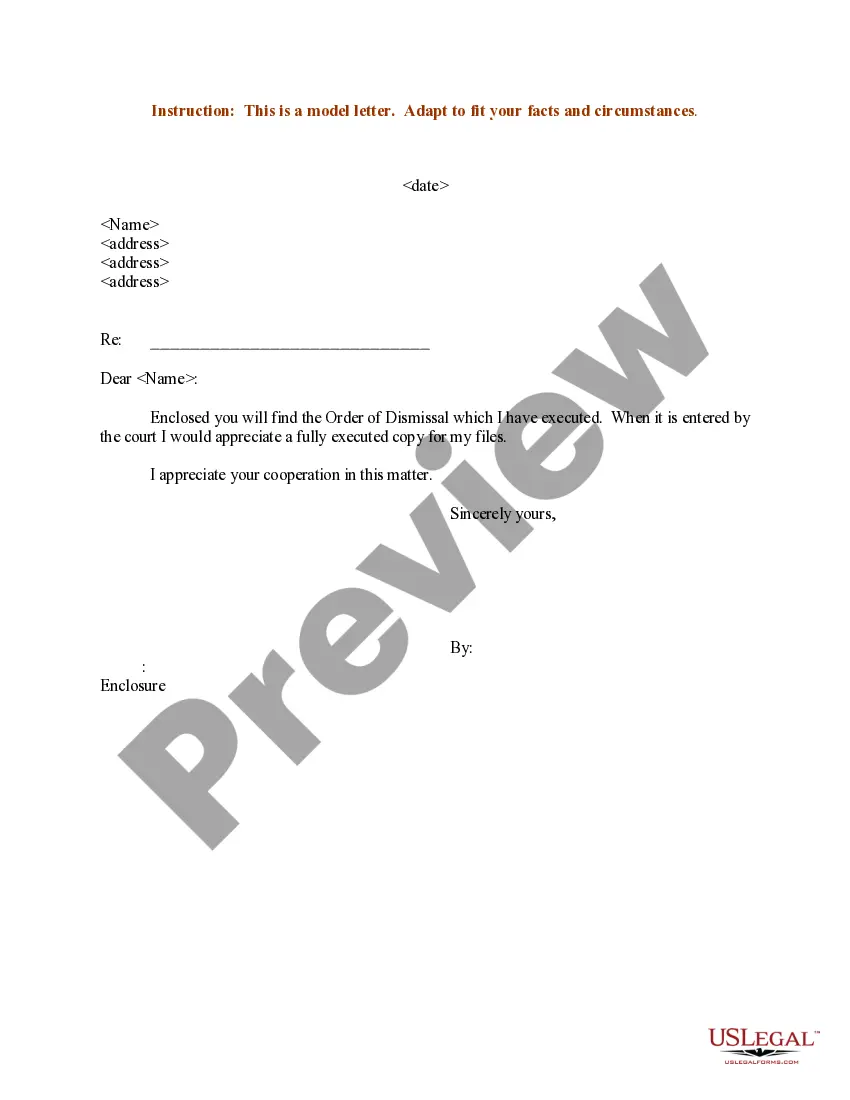
Georgia Prenuptial Premarital Agreement without Financial Statements
What is this form?
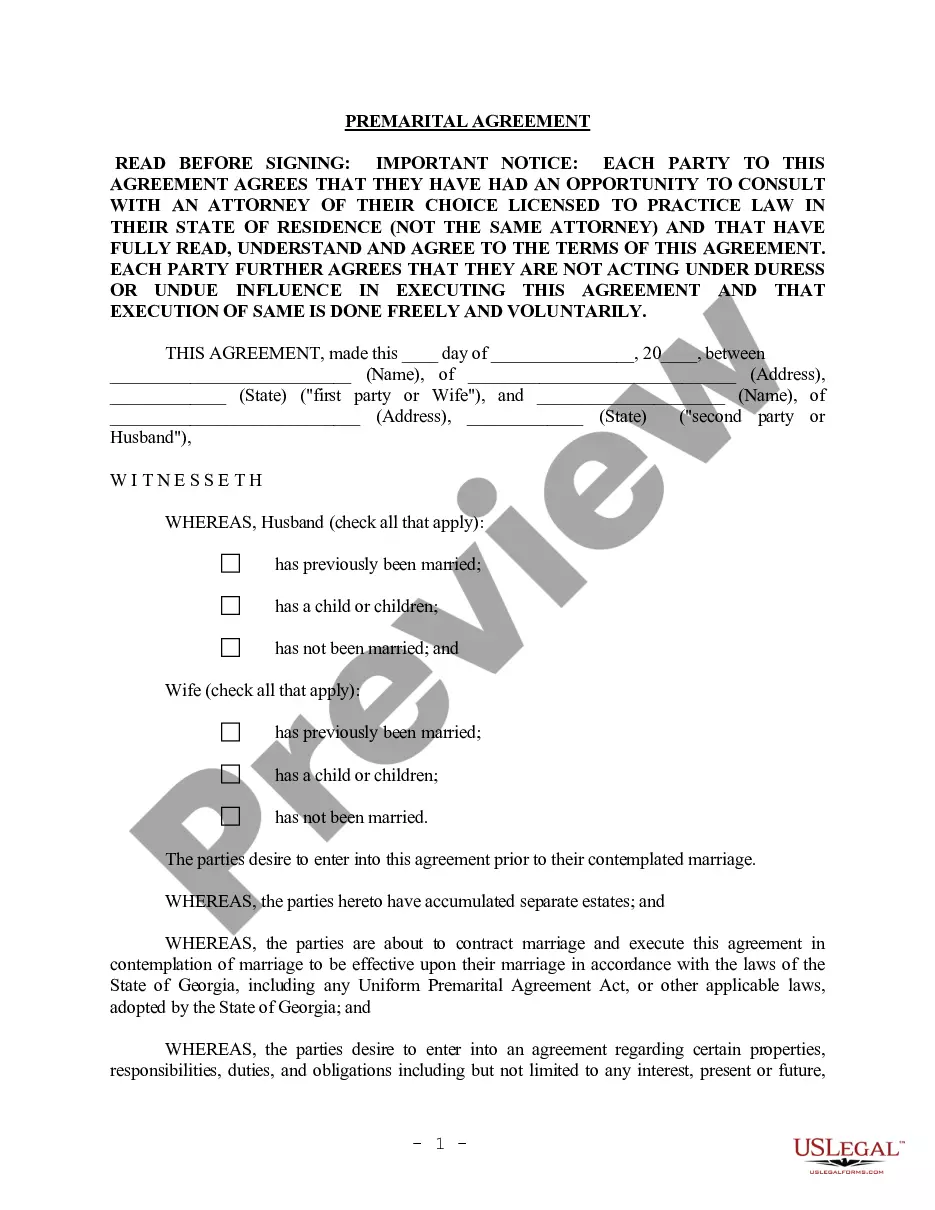
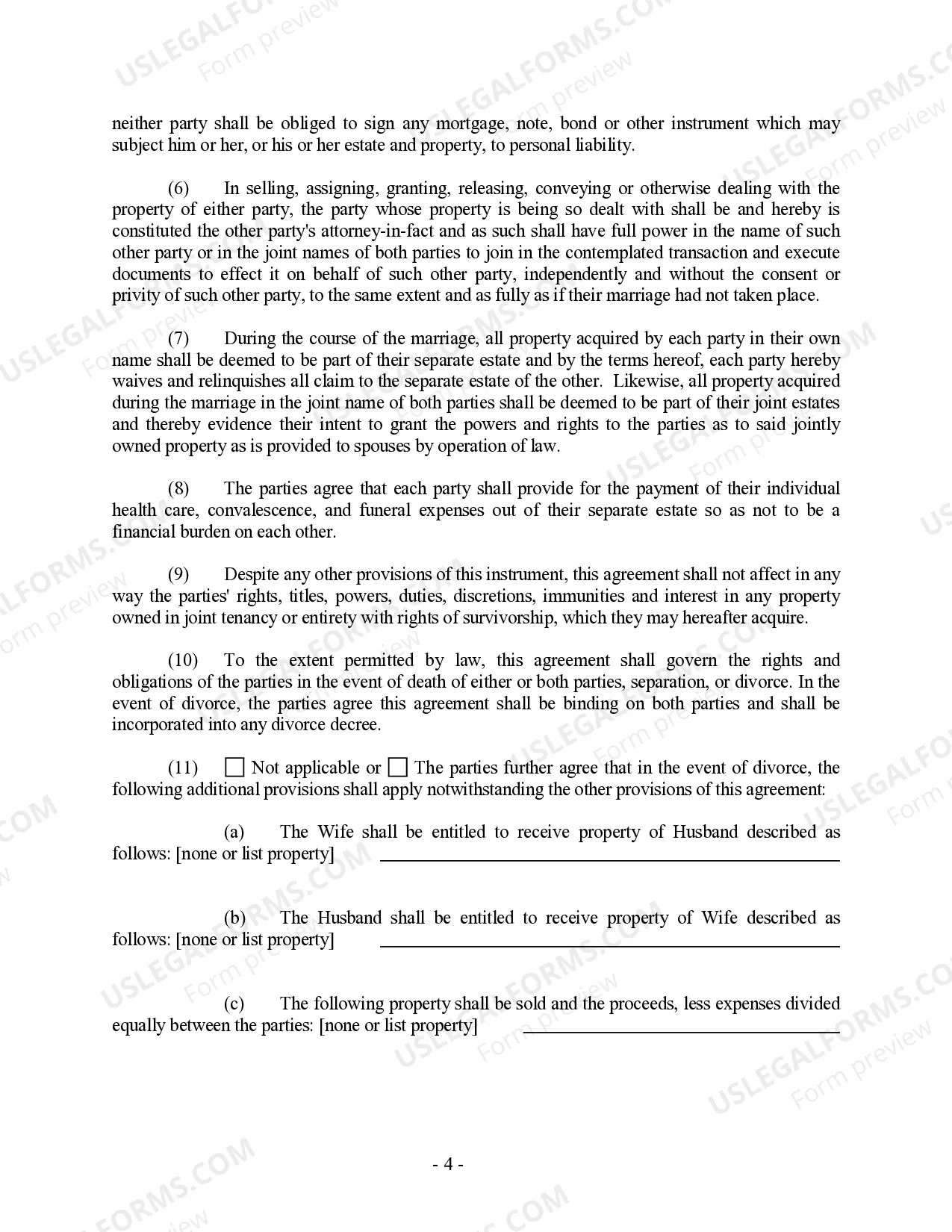
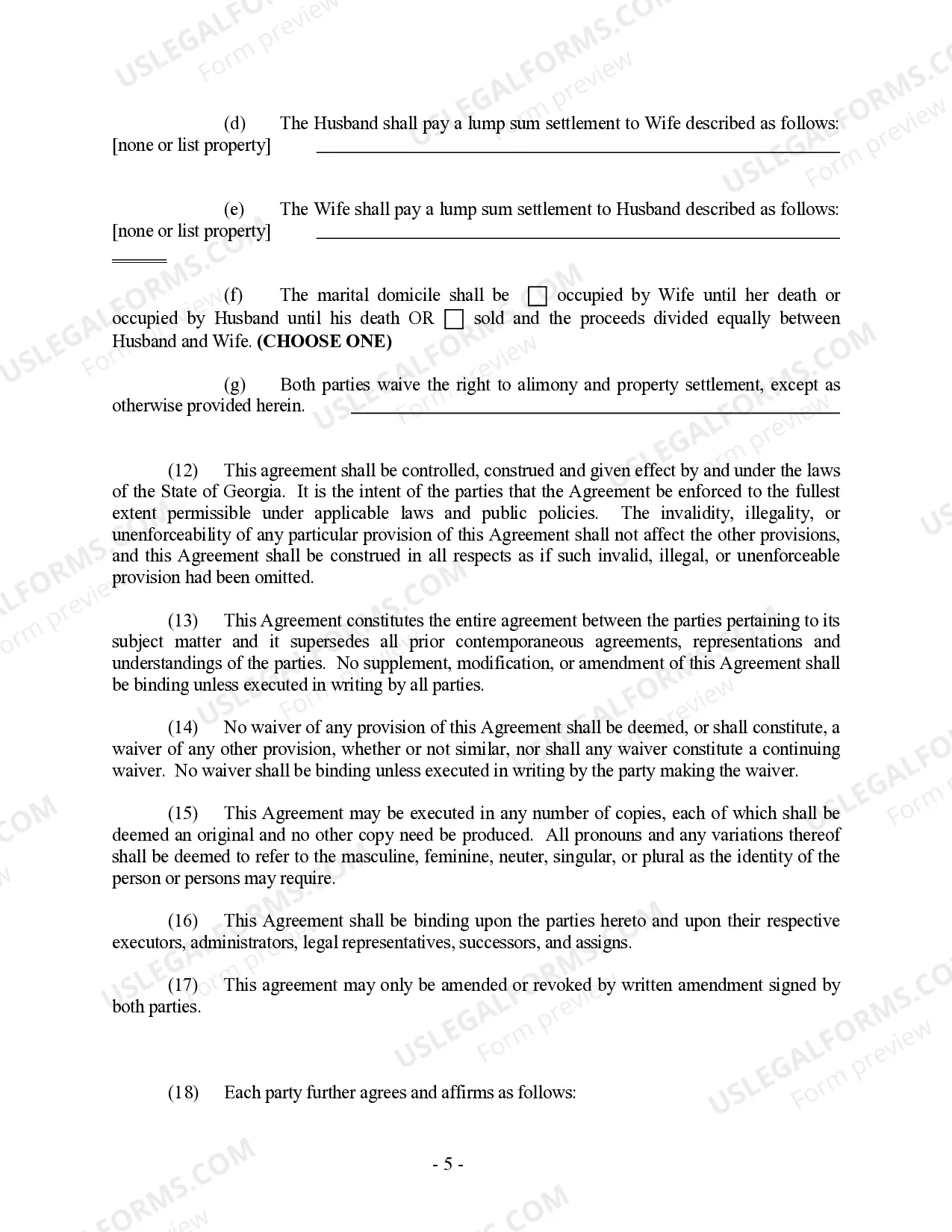
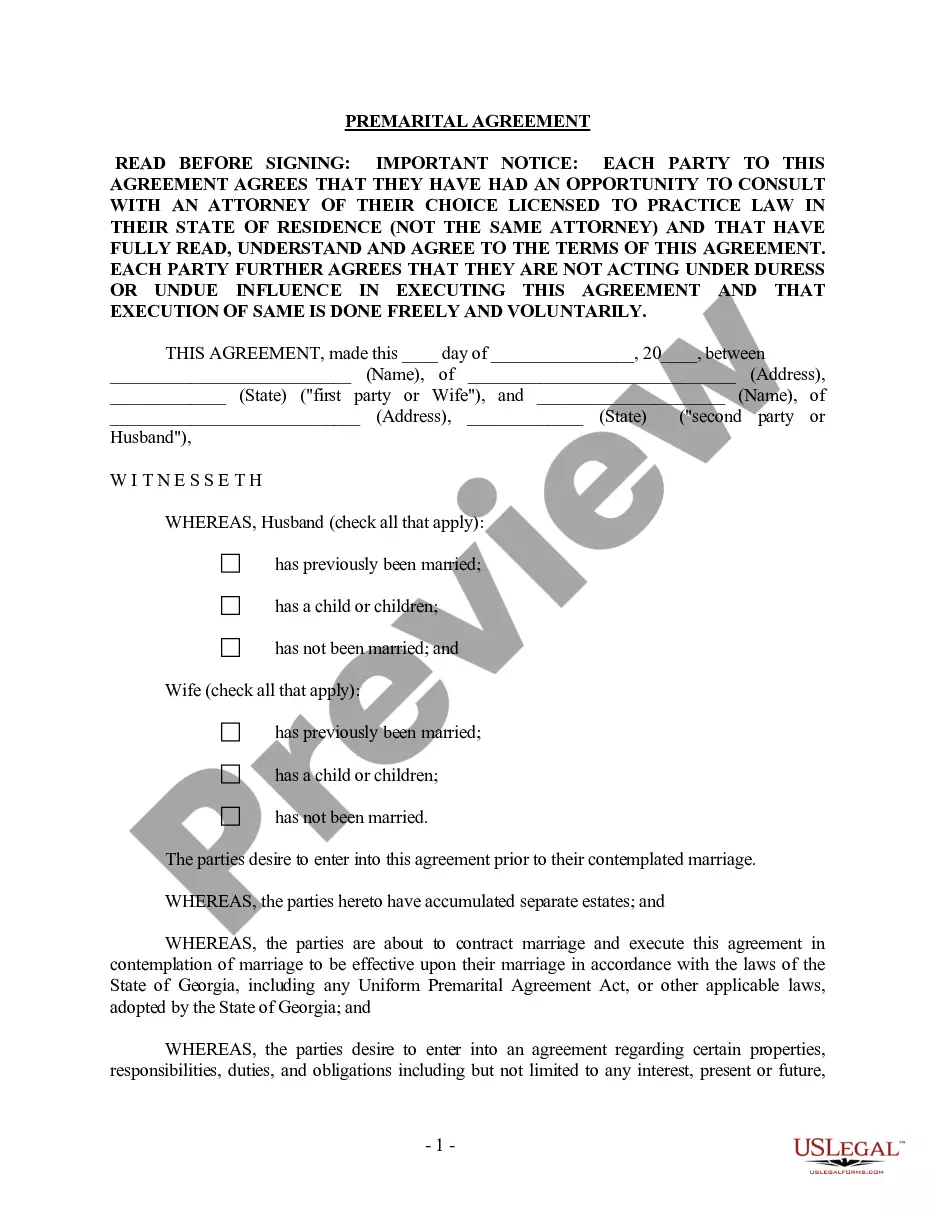
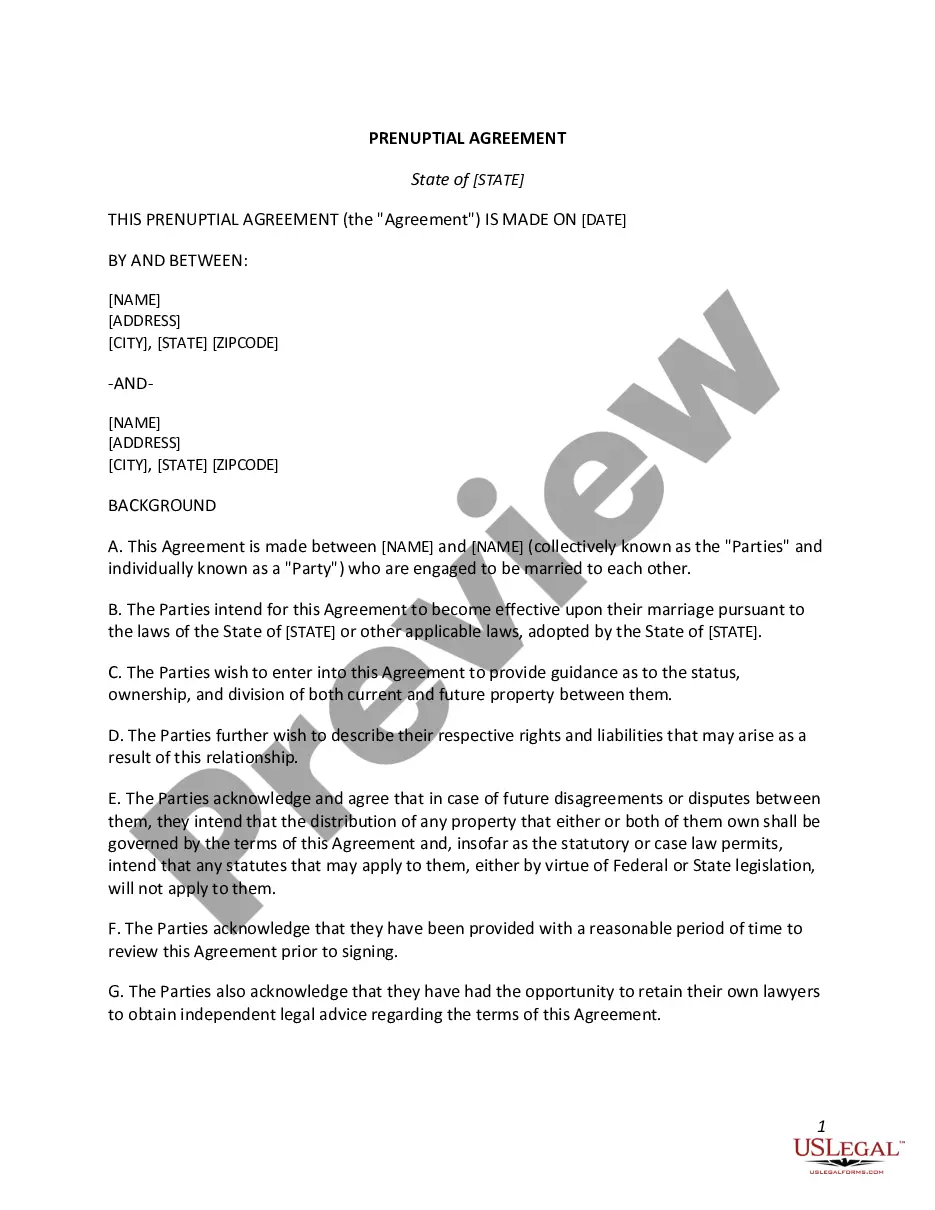
The Georgia Prenuptial Premarital Agreement without Financial Statements is a legal document that outlines the rights and responsibilities of individuals before entering into marriage. This agreement is unique as it can be utilized by individuals who have been previously married or those entering marriage for the first time. It sets forth provisions regarding each party's assets, debts, and property rights during and after the marriage, thereby avoiding potential disputes in case of separation, divorce, or death.
What’s included in this form
- Identification of the parties involved and their respective addresses.
- Disclosure of whether either party has been previously married or has children.
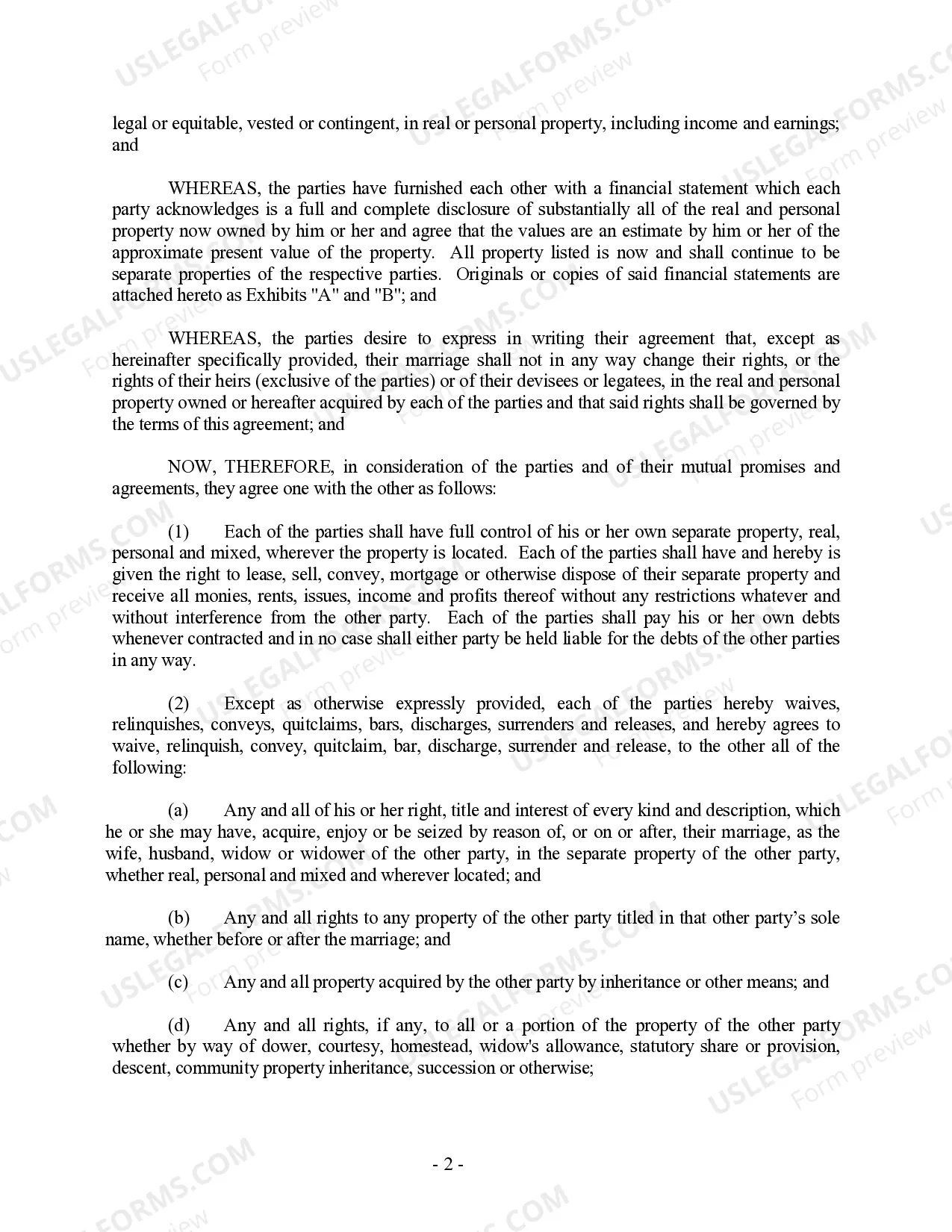
- Details about the separate property each party owns and how it will remain separate post-marriage.
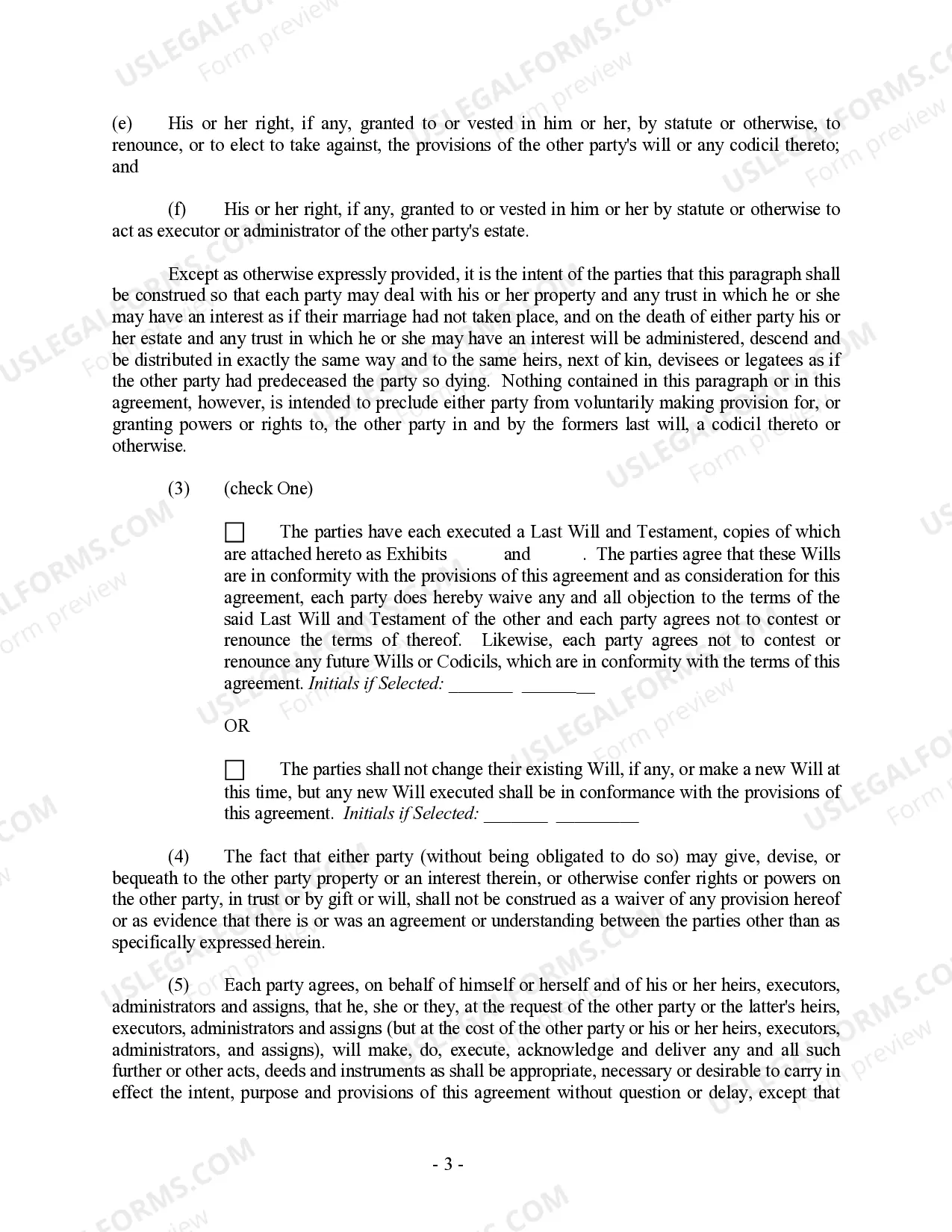
- Waivers of rights to each other's property, ensuring individual asset protection.
- Provisions for individual debts and responsibilities for healthcare and funeral expenses.
- Legal validity under the laws of Georgia and conditions for enforcement.

When to use this document
This form is particularly useful in situations where individuals wish to clarify their financial arrangements prior to marriage. It is beneficial for those with prior marriages, significant assets, or business interests, as well as for couples wanting to protect their individual property rights. Using this agreement can help minimize conflicts and streamline the divorce process if the marriage does not work out.
Who can use this document
- Couples planning to marry who want a clear understanding of their financial rights and responsibilities.
- Individuals who have substantial assets or liabilities they wish to keep separate from their spouse.
- People entering their second or subsequent marriage and seeking to protect their assets or heirs.
- Couples who desire a legally binding agreement to avoid potential disputes in the future.
How to complete this form
- Identify and list both parties' names and addresses at the beginning of the document.
- Select checkboxes to indicate whether either party has been previously married or has children.
- Provide details about each party's separate property and any disclosures made.
- Review and agree to the waivers of property rights and responsibilities as outlined in the form.
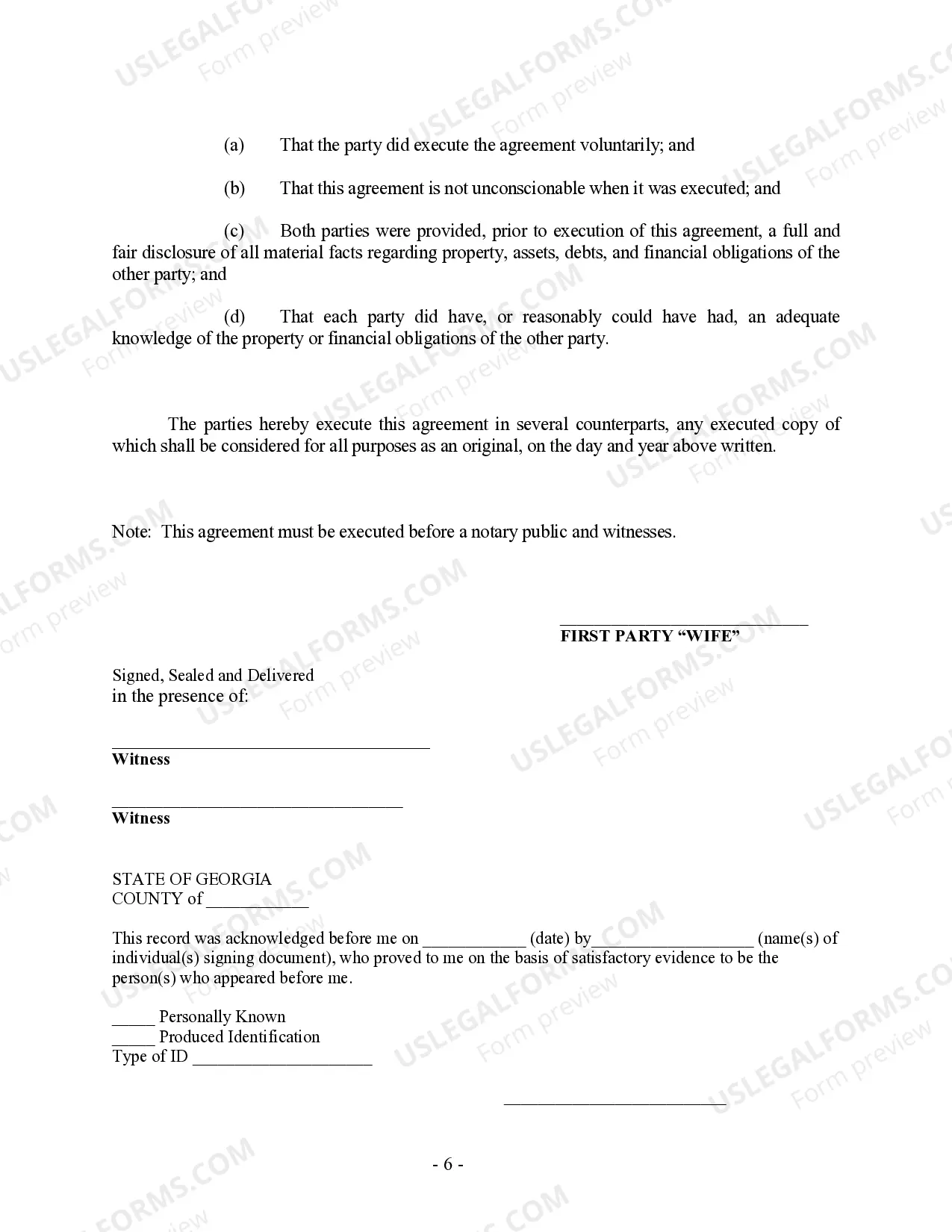
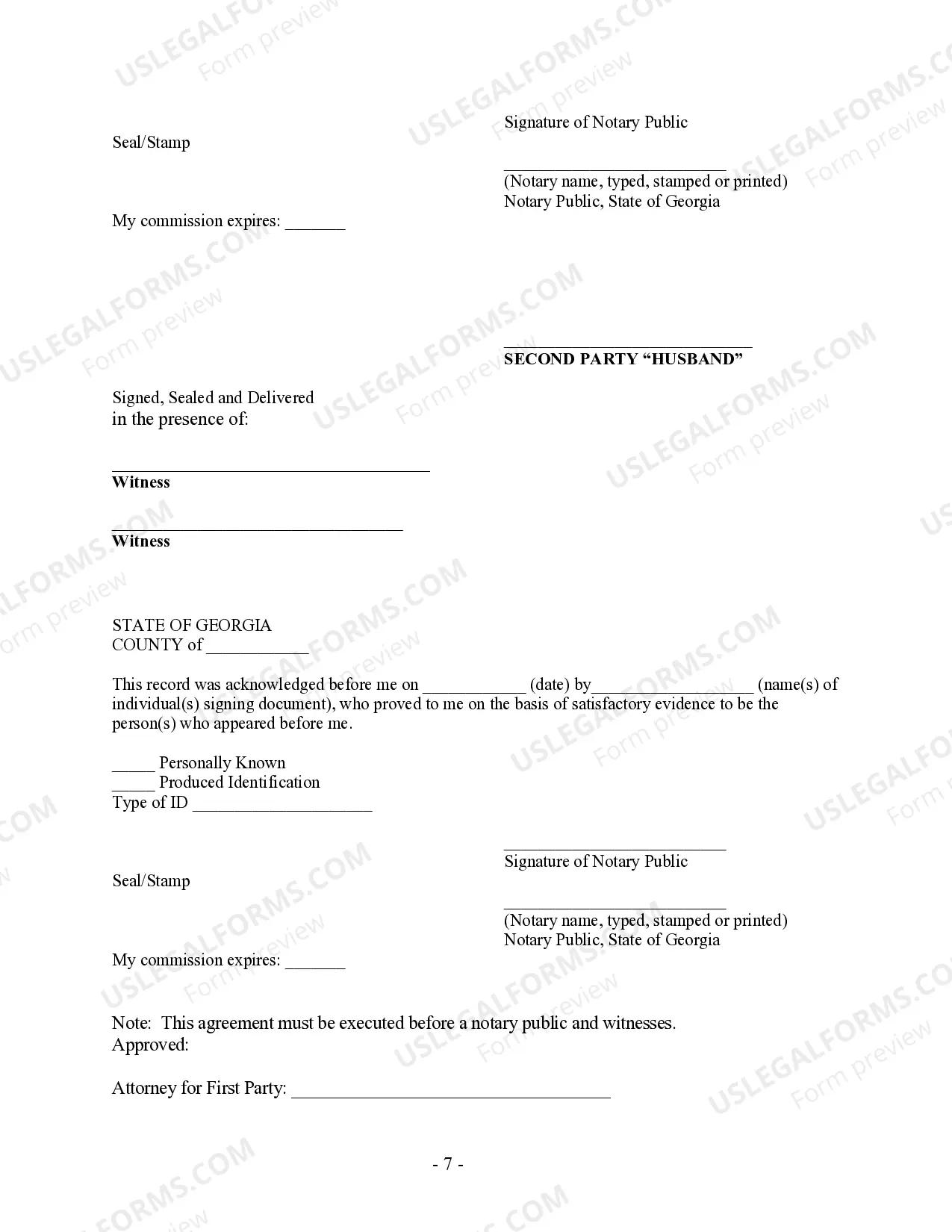
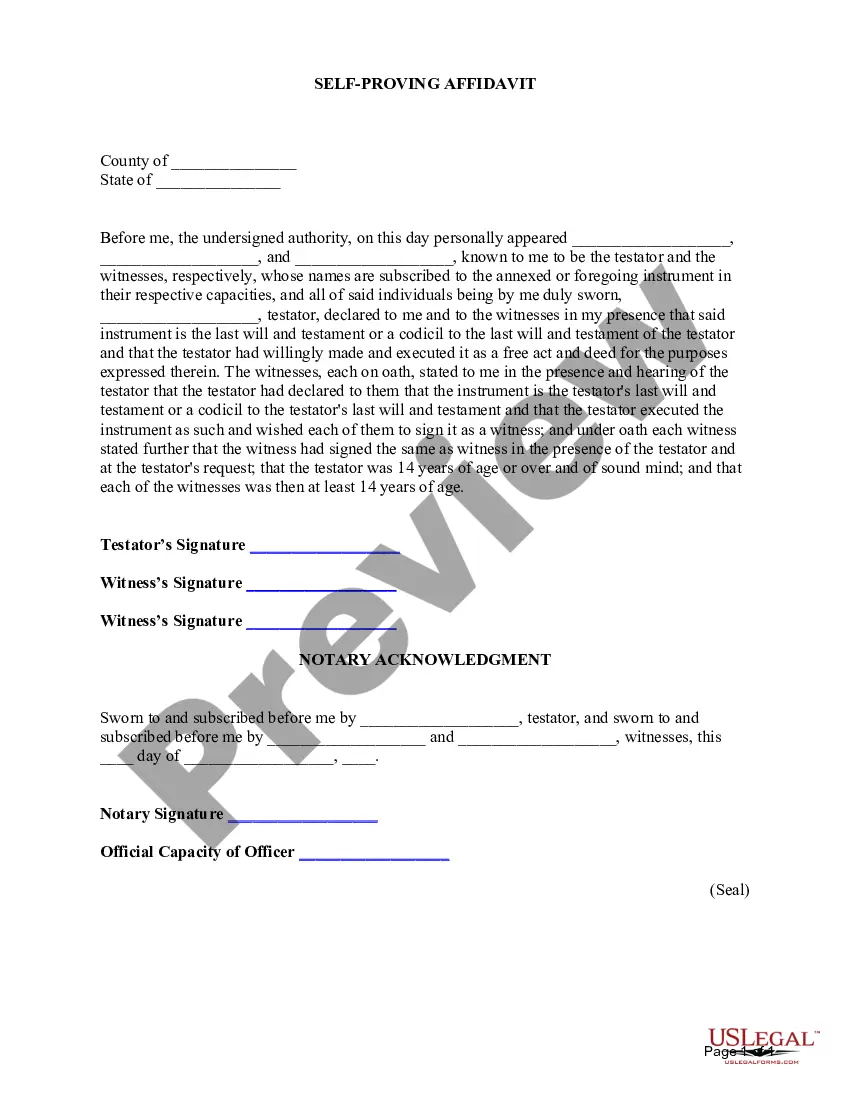
- Ensure both parties sign the document in front of a notary public and witnesses as required.
Does this form need to be notarized?
Yes, this form must be notarized to be legally valid. Having the agreement notarized ensures that both parties have signed willingly and can provide an additional layer of authenticity. US Legal Forms offers integrated online notarization services for added convenience.
Get your form ready online
Our built-in tools help you complete, sign, share, and store your documents in one place.
Make edits, fill in missing information, and update formatting in US Legal Forms—just like you would in MS Word.
Download a copy, print it, send it by email, or mail it via USPS—whatever works best for your next step.
Sign and collect signatures with our SignNow integration. Send to multiple recipients, set reminders, and more. Go Premium to unlock E-Sign.
If this form requires notarization, complete it online through a secure video call—no need to meet a notary in person or wait for an appointment.
We protect your documents and personal data by following strict security and privacy standards.

Make edits, fill in missing information, and update formatting in US Legal Forms—just like you would in MS Word.

Download a copy, print it, send it by email, or mail it via USPS—whatever works best for your next step.

Sign and collect signatures with our SignNow integration. Send to multiple recipients, set reminders, and more. Go Premium to unlock E-Sign.

If this form requires notarization, complete it online through a secure video call—no need to meet a notary in person or wait for an appointment.

We protect your documents and personal data by following strict security and privacy standards.
Mistakes to watch out for
- Failing to discuss financial disclosures thoroughly with each other before signing.
- Not having the agreement reviewed independently by legal counsel.
- Omitting witnesses or notary requirements during execution.
- Leaving sections incomplete or not initialing important provisions.
Benefits of using this form online
- Convenience of downloading and filling out the form at your own pace.
- Editability allows you to customize the agreement as necessary.
- Reliability of attorney-drafted templates that adhere to legal standards in Georgia.
Legal use & context
- This prenuptial agreement outlines the property rights of each party before marriage.
- It is enforceable in Georgia as it complies with state law requirements.
- Terms agreed upon may be referenced in divorce proceedings, ensuring clarity during asset division.
Key takeaways
- The agreement provides a framework for property rights and responsibilities in marriage.
- Both parties must fully disclose their financial standings before finalizing the agreement.
- Notarization is necessary for the agreement to be legally binding and enforceable.
- This form is particularly useful for individuals entering into second marriages or possessing significant assets.
Looking for another form?








Form popularity
FAQ
A prenup can become invalid in Georgia if it was signed under coercion or without proper understanding of its implications. Additionally, if the agreement is found to be unconscionable or if there is evidence of fraud, a court may deem it unenforceable. Therefore, it is critical to ensure fairness during the drafting process. Using a reliable platform like US Legal Forms can help streamline the process and safeguard against common pitfalls.
A prenup is considered valid in Georgia if it is in writing, signed by both parties, and executed voluntarily without fraud or duress. Interestingly, a Georgia Prenuptial Premarital Agreement without Financial Statements can be valid, but both parties should understand their rights and obligations fully. Establishing terms that are fair to both parties is essential, and legal advice strengthens the document's enforceability.
To ensure your prenup is valid in Georgia, both parties must sign it voluntarily, ideally after having consulted separate legal counsel. A Georgia Prenuptial Premarital Agreement without Financial Statements can still be enforceable if done correctly. Additionally, having the document notarized can provide extra assurance of its legitimacy. Clear communication about expectations also enhances the agreement's validity.
Yes, prenups generally hold up in Georgia as long as they meet necessary requirements. A Georgia Prenuptial Premarital Agreement without Financial Statements can also be enforceable if both parties willingly agreed to it. Courts typically uphold these agreements unless they find that the terms are unconscionable. It's advisable to have a legal professional evaluate your prenup for added security.
In Georgia, a prenup requires both parties to agree on its terms and sign the document voluntarily. Importantly, a Georgia Prenuptial Premarital Agreement without Financial Statements is valid even if no financial disclosures are made, as long as both parties consent to the agreement. It must also be in writing and not made under duress. Consulting a legal expert can help ensure that your prenup is crafted properly.
If your house is solely in your name and was acquired before marriage, your wife is generally not entitled to half of it. To further secure this arrangement, consider a Georgia Prenuptial Premarital Agreement without Financial Statements. This agreement can clearly state ownership and protect your interests in the property.
Premarital assets can be protected in Georgia, but it often requires clear documentation. Implementing a Georgia Prenuptial Premarital Agreement without Financial Statements can serve as an effective tool in this process. Such an agreement helps ensure that your assets remain yours, providing peace of mind for both parties.
Property owned before marriage in Georgia usually remains individual property unless you and your spouse agree otherwise. A Georgia Prenuptial Premarital Agreement without Financial Statements can safeguard your premarital assets through legally binding terms. It provides security and clarity concerning ownership in case of divorce.
Yes, premarital assets are generally protected in Georgia. However, to ensure this protection, a Georgia Prenuptial Premarital Agreement without Financial Statements is advisable. This type of agreement clearly outlines individual property rights and protects your assets from being considered marital property.
In Georgia, if you owned your house before marriage, it typically remains your separate property. A Georgia Prenuptial Premarital Agreement without Financial Statements can help clarify this arrangement and protect your assets. If properly structured, your wife cannot claim ownership of your house as marital property.