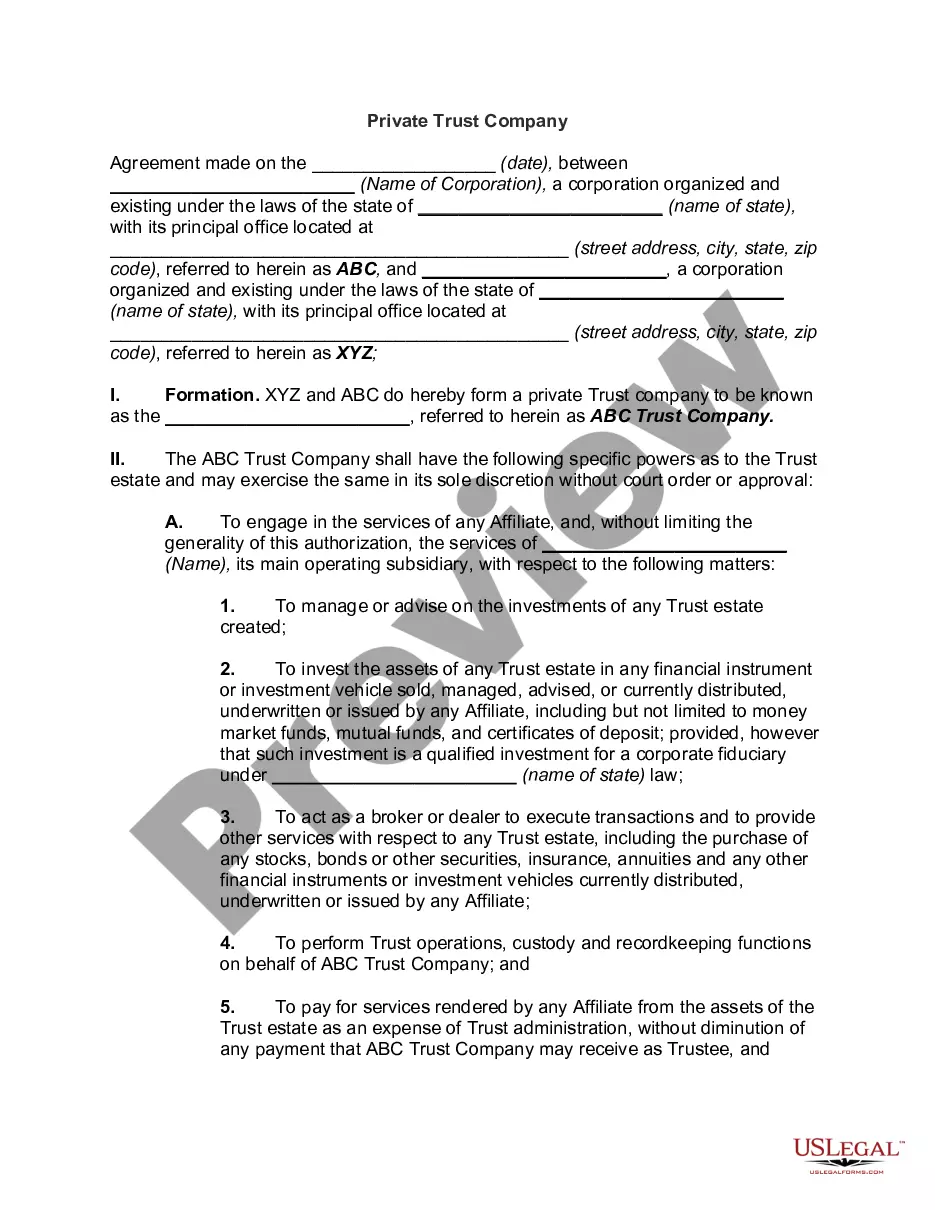
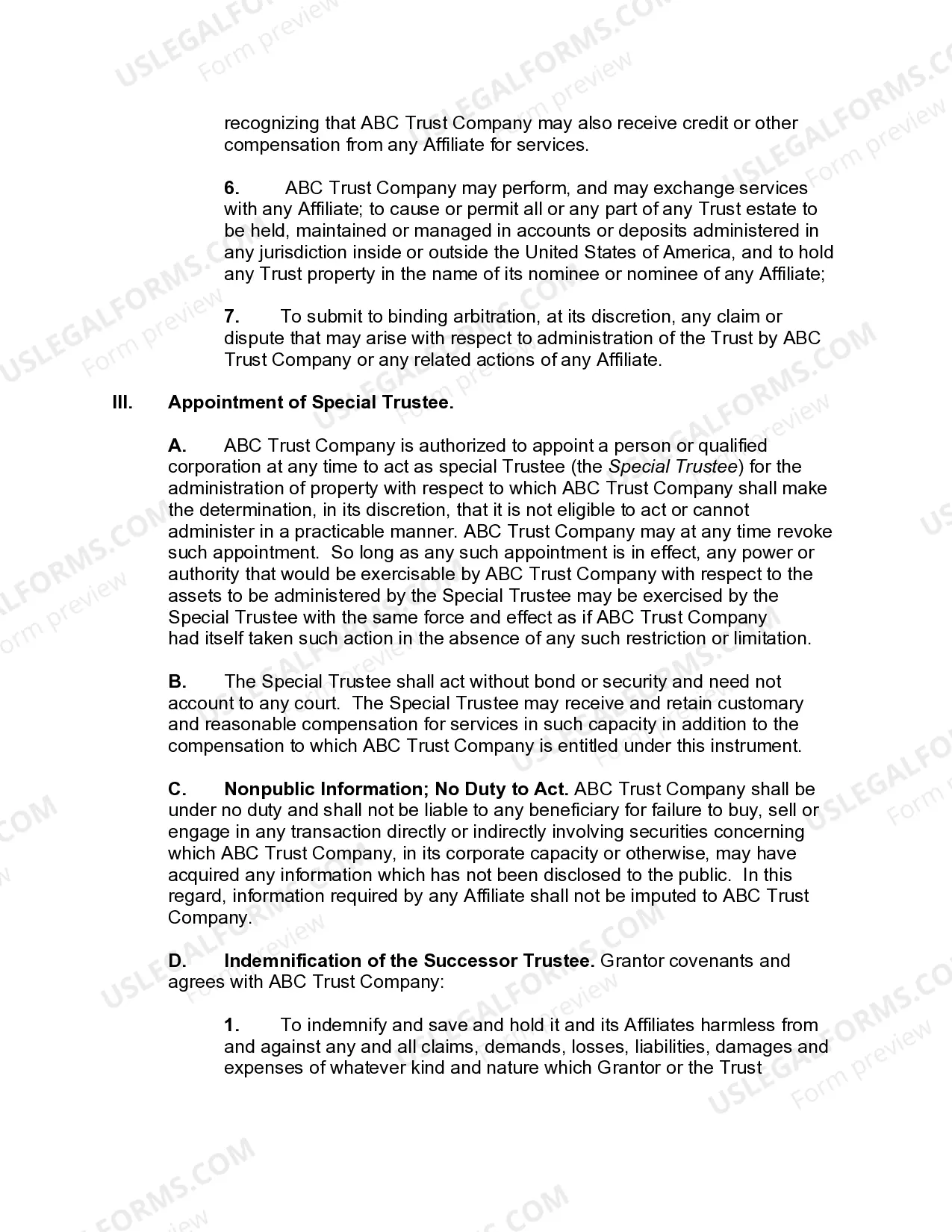
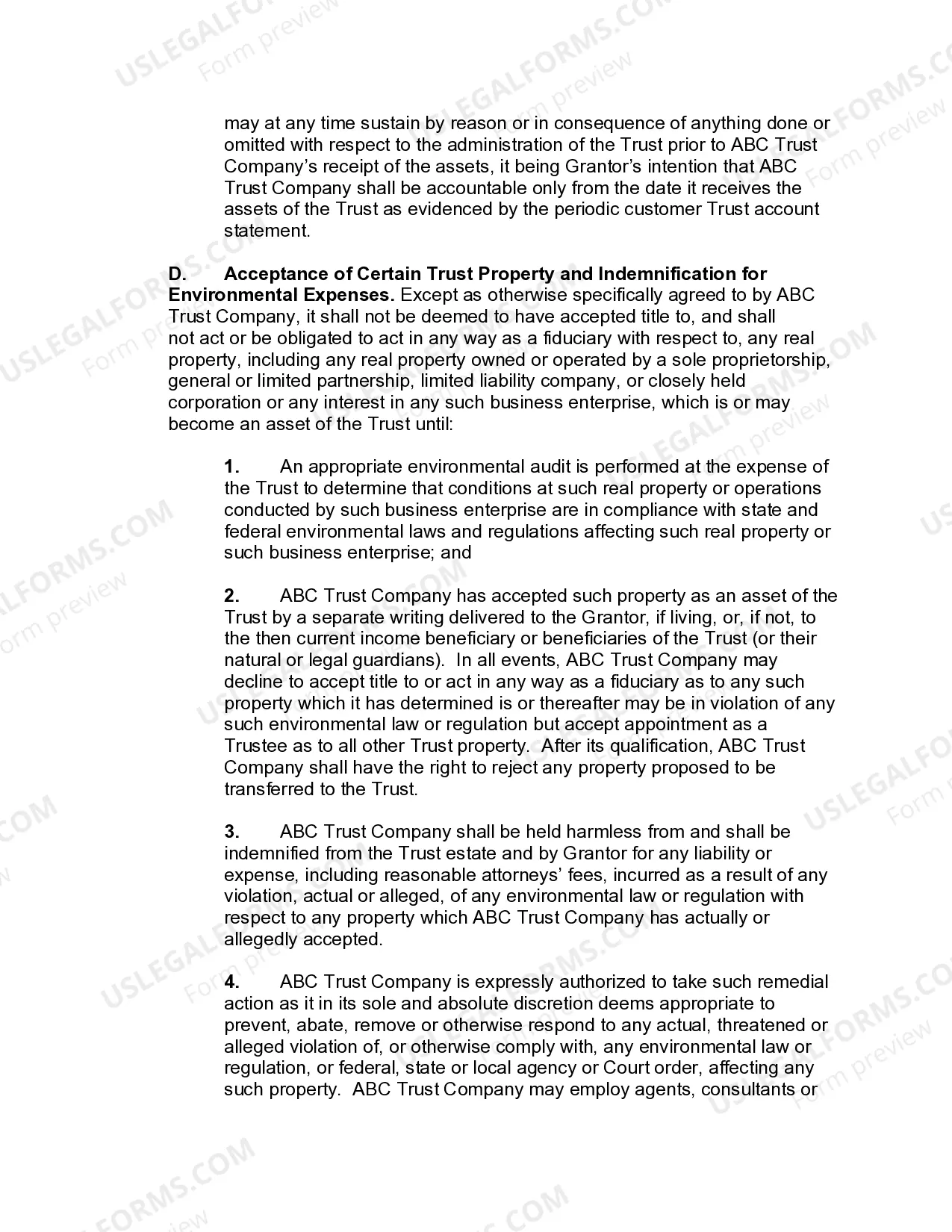
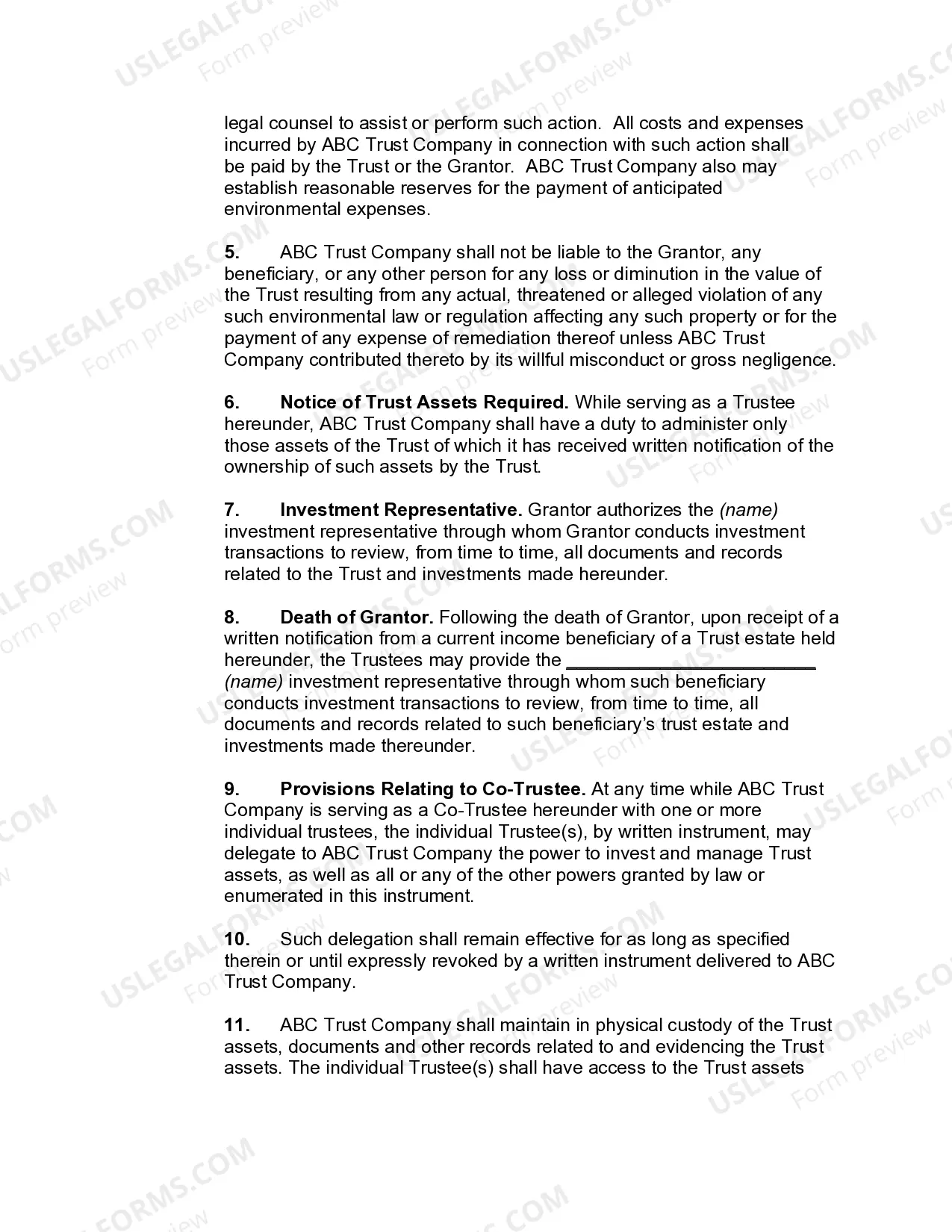
Wyoming Private Trust Company
Description
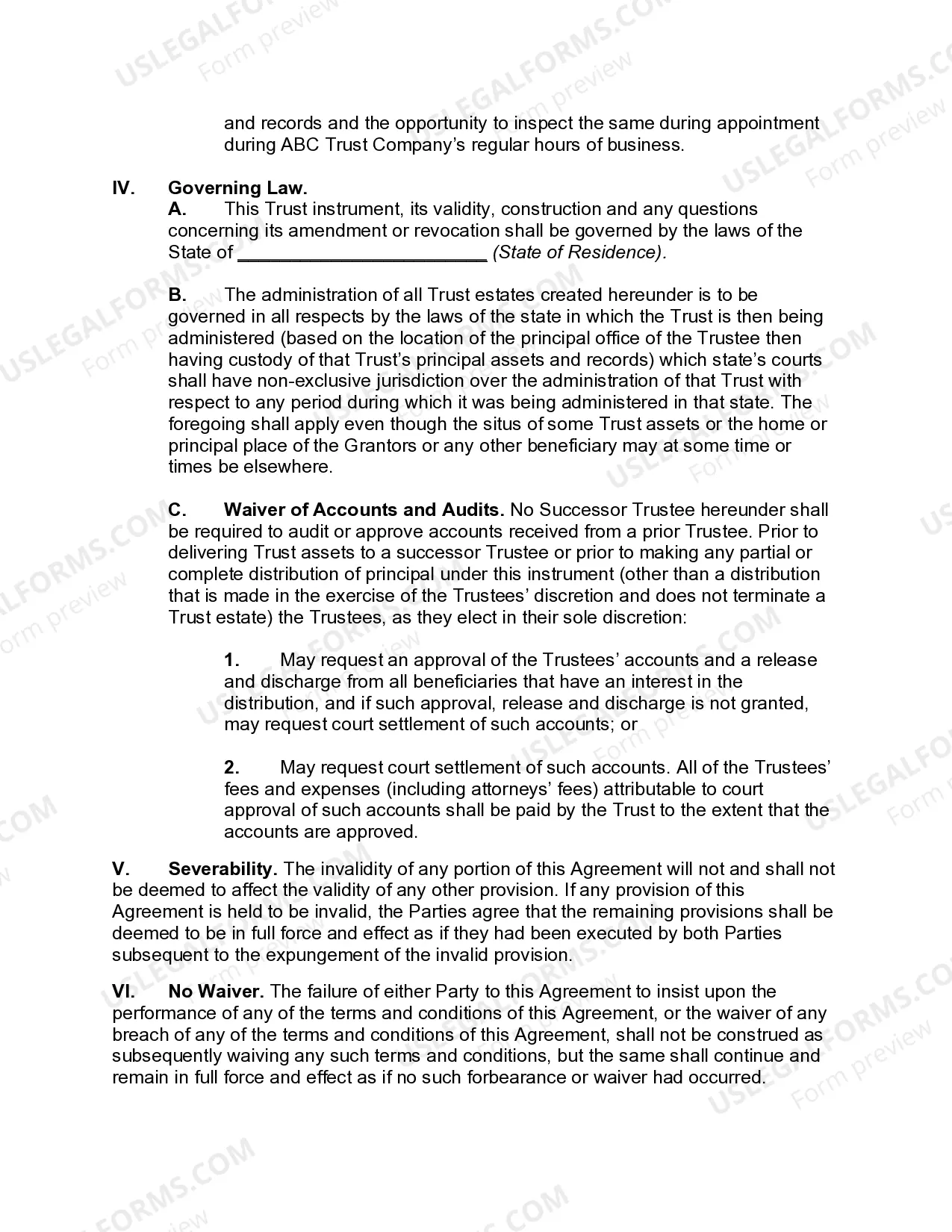
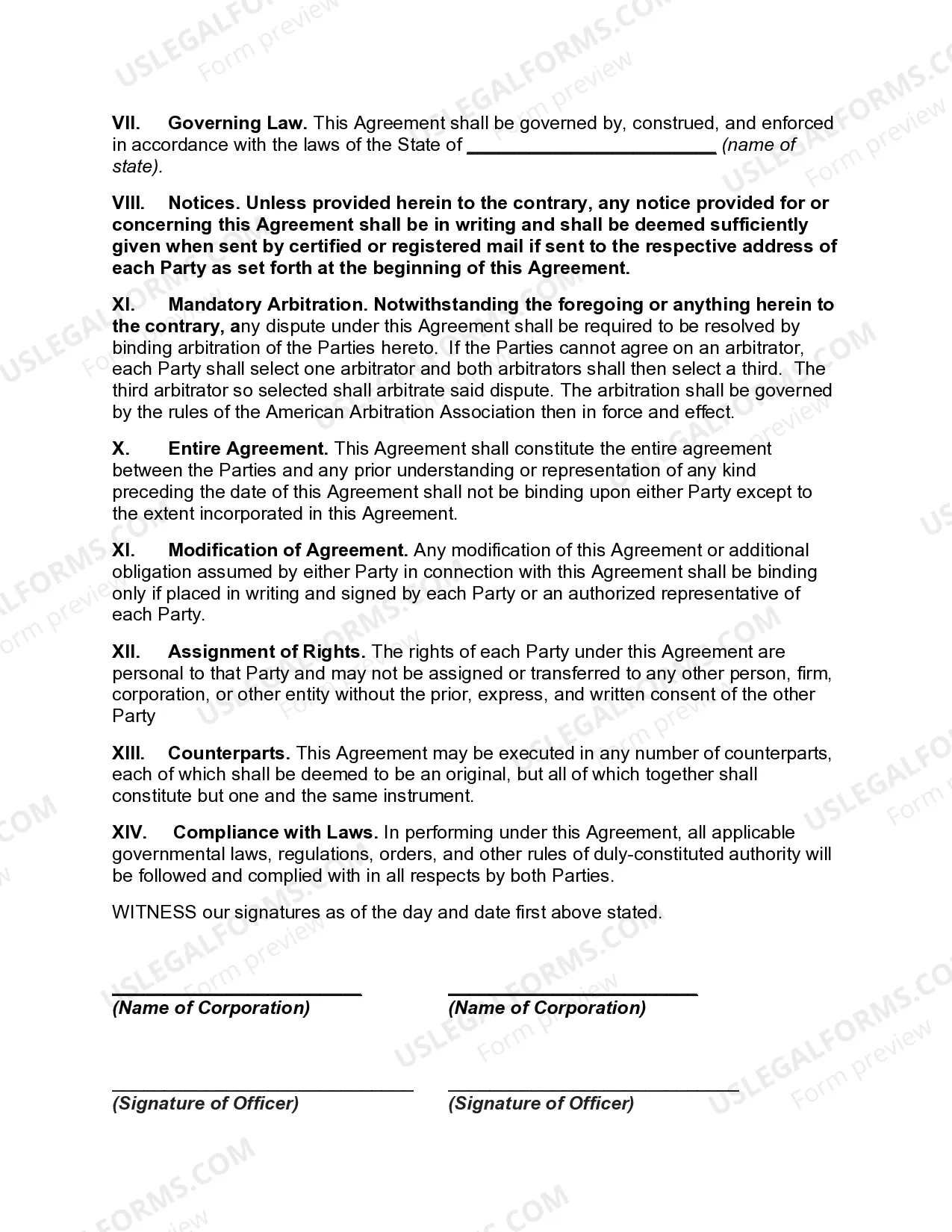

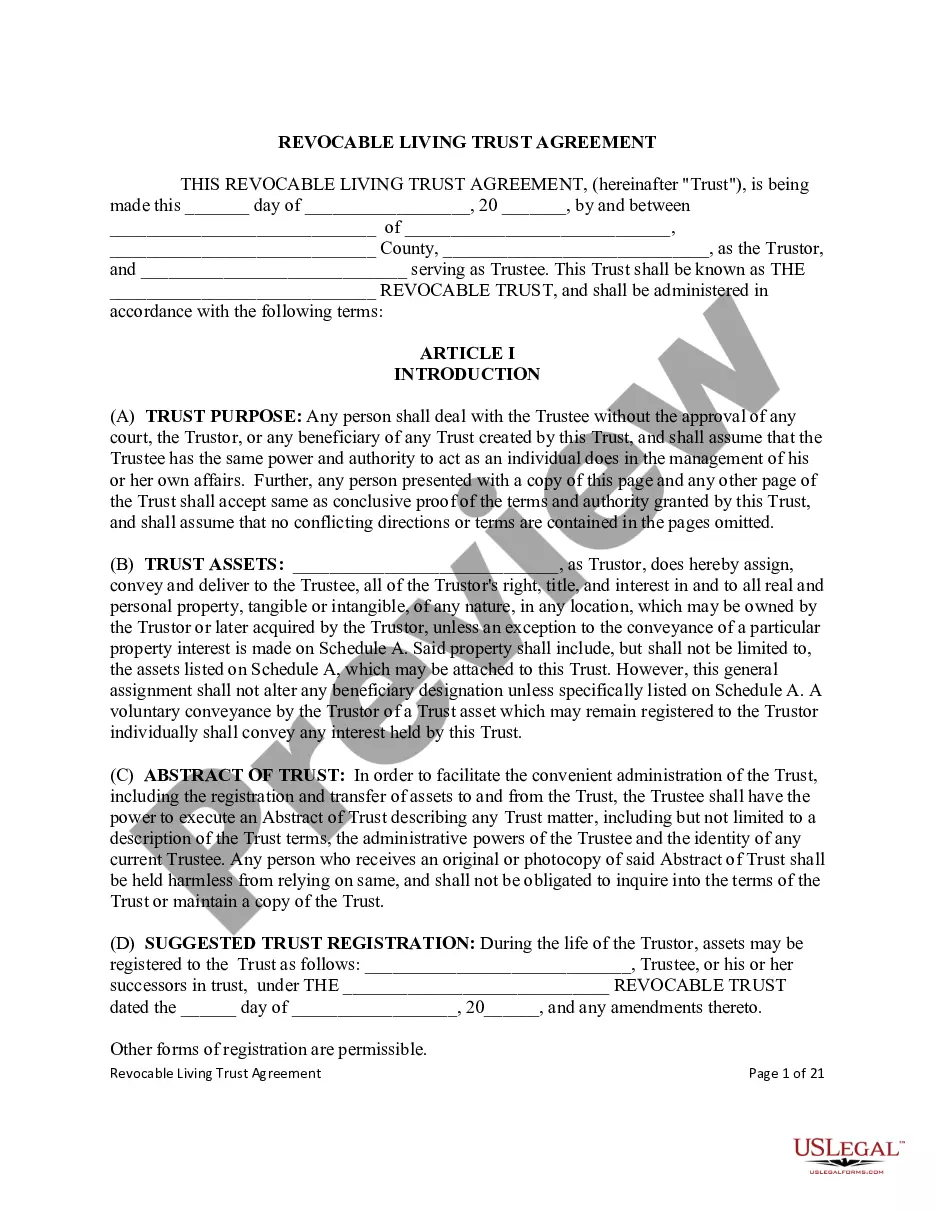
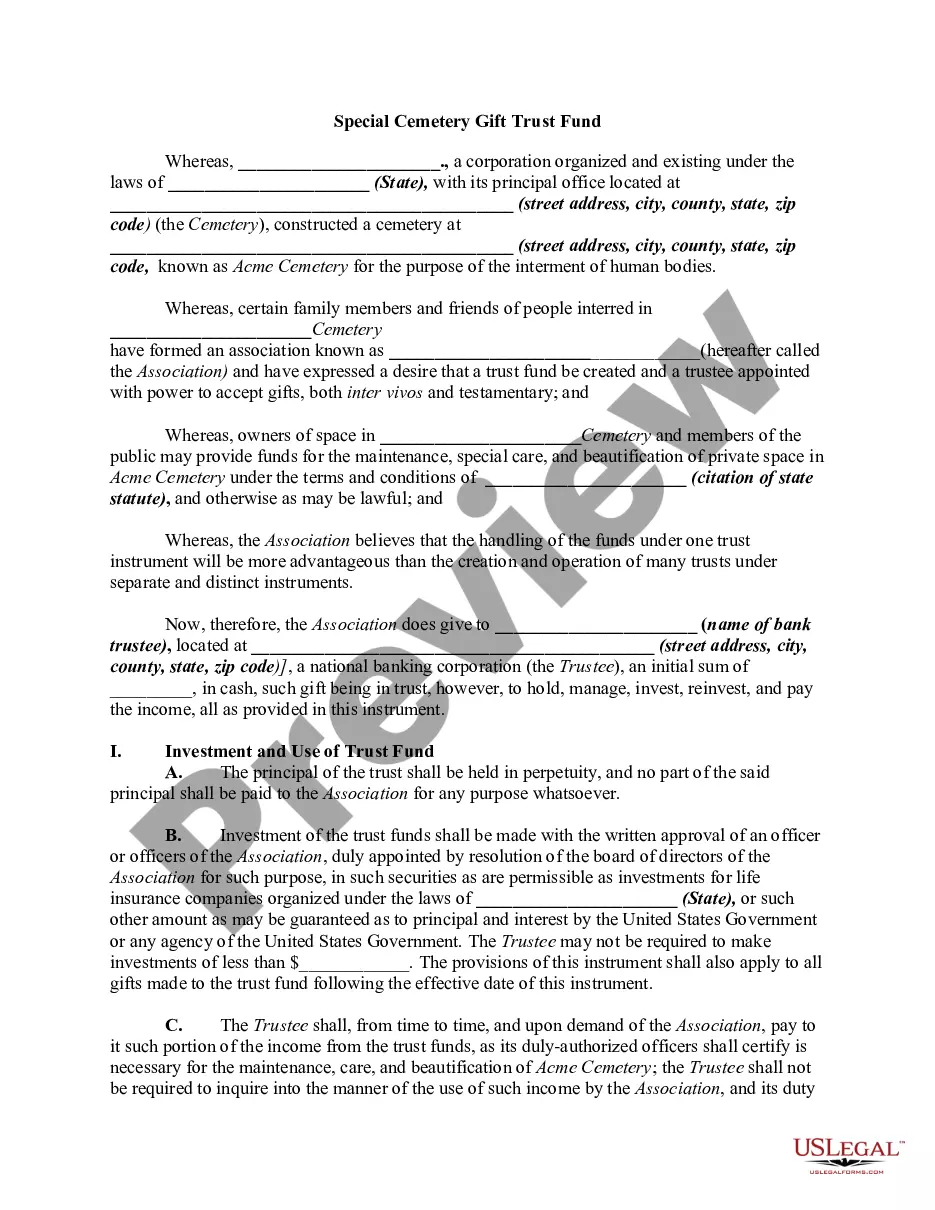
Get your form ready online
Our built-in tools help you complete, sign, share, and store your documents in one place.
Make edits, fill in missing information, and update formatting in US Legal Forms—just like you would in MS Word.
Download a copy, print it, send it by email, or mail it via USPS—whatever works best for your next step.
Sign and collect signatures with our SignNow integration. Send to multiple recipients, set reminders, and more. Go Premium to unlock E-Sign.
If this form requires notarization, complete it online through a secure video call—no need to meet a notary in person or wait for an appointment.
We protect your documents and personal data by following strict security and privacy standards.

Make edits, fill in missing information, and update formatting in US Legal Forms—just like you would in MS Word.

Download a copy, print it, send it by email, or mail it via USPS—whatever works best for your next step.

Sign and collect signatures with our SignNow integration. Send to multiple recipients, set reminders, and more. Go Premium to unlock E-Sign.

If this form requires notarization, complete it online through a secure video call—no need to meet a notary in person or wait for an appointment.

We protect your documents and personal data by following strict security and privacy standards.
Looking for another form?

How to fill out Private Trust Company?
You can devote hours online searching for the legal document format that meets the state and federal standards you require.
US Legal Forms offers thousands of legal templates that are reviewed by experts.
You can easily download or print the Wyoming Private Trust Company from their service.
If available, utilize the Preview button to view the document format as well.
- If you already possess a US Legal Forms account, you can Log In and click the Download button.
- Subsequently, you can complete, modify, print, or sign the Wyoming Private Trust Company.
- Every legal document format you purchase is yours indefinitely.
- To obtain another copy of a purchased form, go to the My documents tab and click the appropriate button.
- If this is your first time using the US Legal Forms website, follow the simple instructions below.
- First, confirm that you have selected the correct document format for the county/city you choose.
- Review the form description to ensure you have selected the right template.
Form popularity
FAQ
Setting up a private trust involves several clear steps. First, identify the trust’s purpose and define beneficiaries. Then, create a detailed trust document that explains the trust's terms, including how assets are to be managed. You can streamline this process further by utilizing uslegalforms, which provides essential templates and resources for establishing your Wyoming Private Trust Company.
If the funds from the private trust is used in the business, then the profit from the business becomes the property of the trust and the trustees (or author of the trust) cannot stake a claim. The whole income of the specific trust is then charged on the maximum marginal rate.
In legal terms, a Private Trust is a fiduciary relationship that grants a beneficiary the right to money or property. Private Trusts can survive the Grantor's death, and may also be created through direction in a Living Will. In the latter case, the Trust will be formed after the Grantor's death.
In terms of ownership structure, private trust companies may be held by the establishing family, another trust or a foundation. Private trust companies may be regulated or unregulated. A regulated private trust company offers trust services and is subject to state and/or federal laws.
The trustee is the legal owner of the property in trust, as fiduciary for the beneficiary or beneficiaries who is/are the equitable owner(s) of the trust property. Trustees thus have a fiduciary duty to manage the trust to the benefit of the equitable owners.
According to independent rankings, the top states with the best trust laws are South Dakota trust law and Nevada in the US.
Private trust companies are designed to preserve ownership of family wealth, which may include business assets, real estate, alternative assets such as hedge funds or private equity. These assets are managed by the trustee in accordance with the wishes of the family.
A Private Trust Company (PTC) is often created to be the trustee of one or more (typically) family trusts, but is not run as a commercial trust company. PTCs are popular with ultra-high net worth families who want to retain significant control over trustee decision-making.
States that recognize regulated private trust companies include:Alabama.Colorado.Delaware.Massachusetts.Nevada.New Hampshire.Pennsylvania.South Dakota.More items...
Plus, because trusts are private arrangements, they're a great way to plan the future ownership of any family business interests while keeping your financial affairs under wraps.