Wyoming Fiduciary Deed for use by Executors, Trustees, Trustors, Administrators and other Fiduciaries
Overview of this form
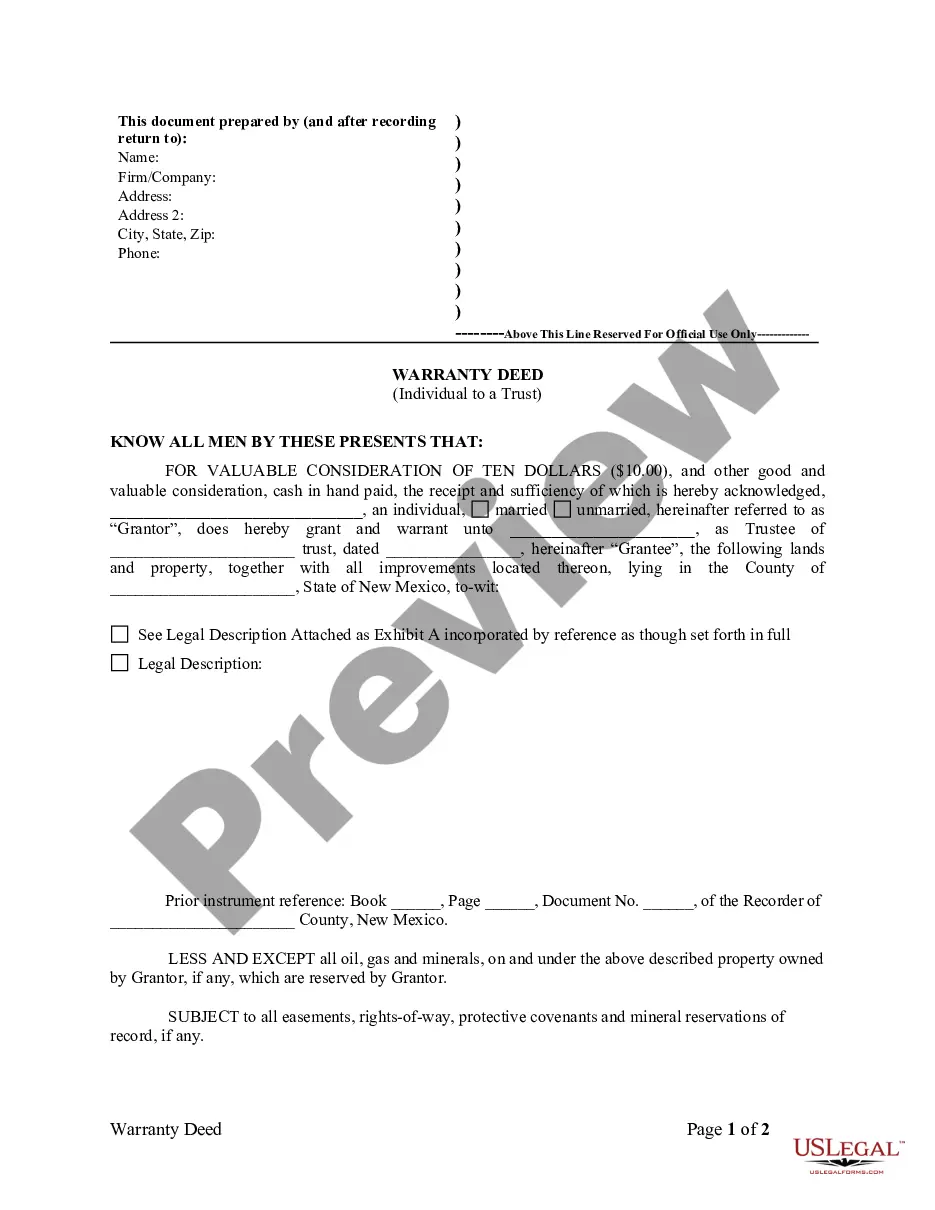
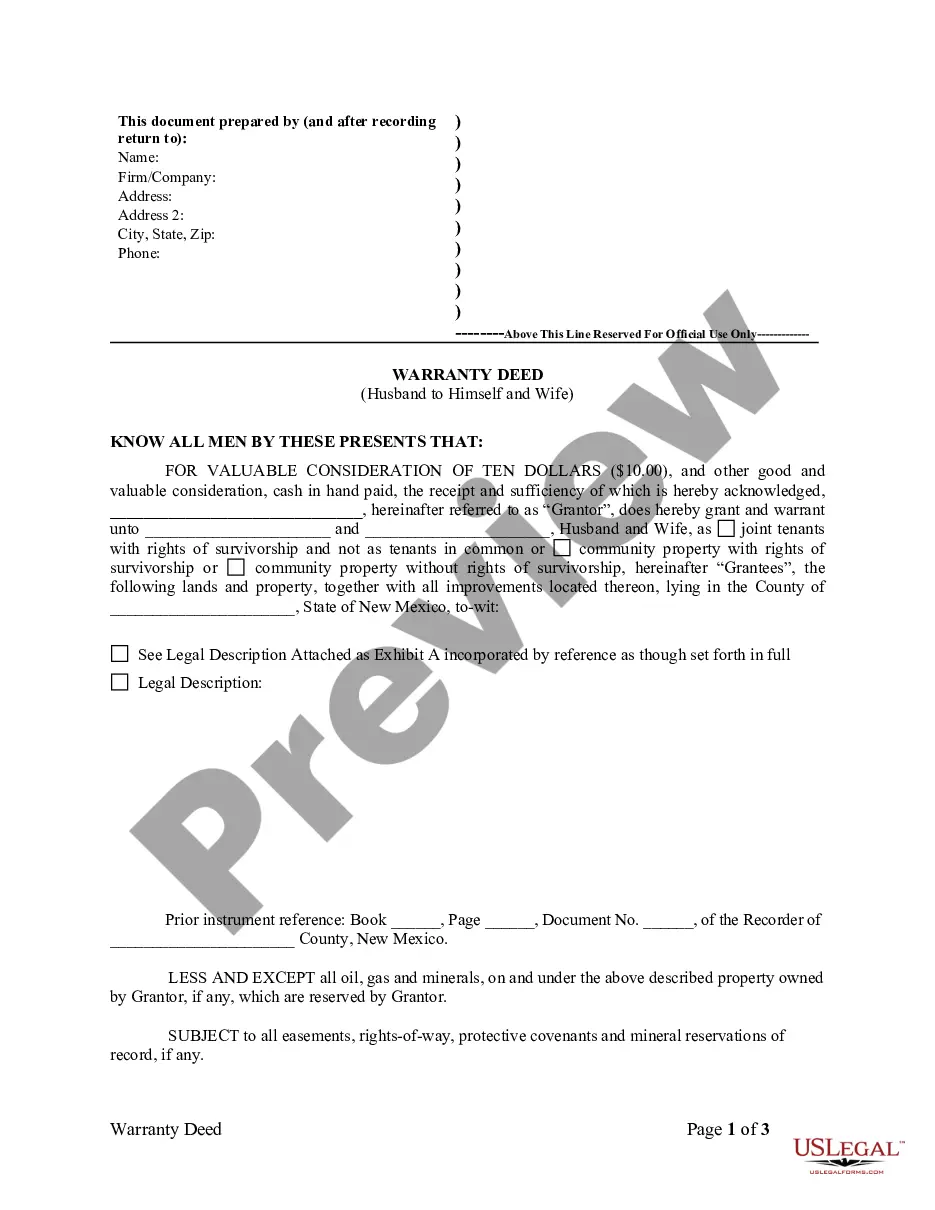
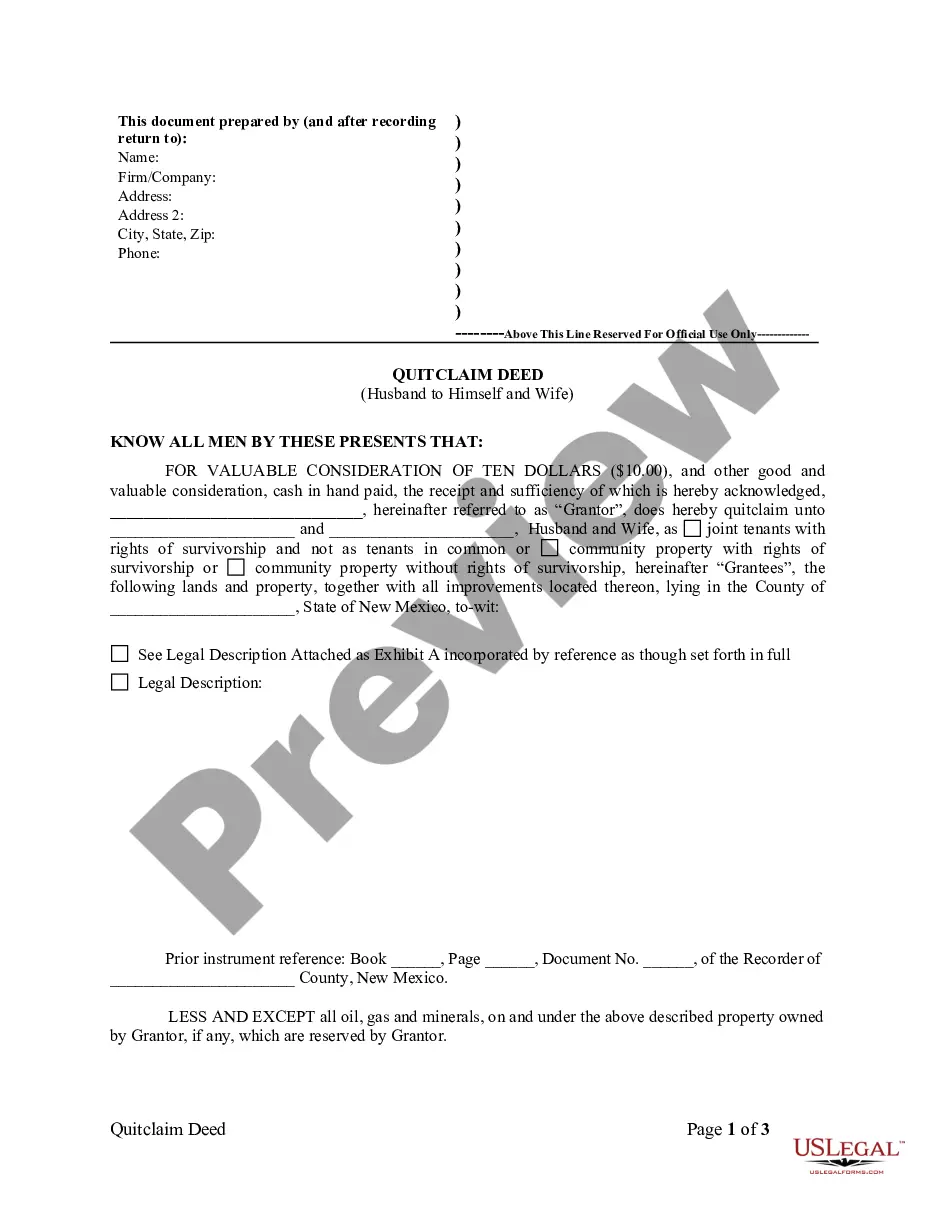
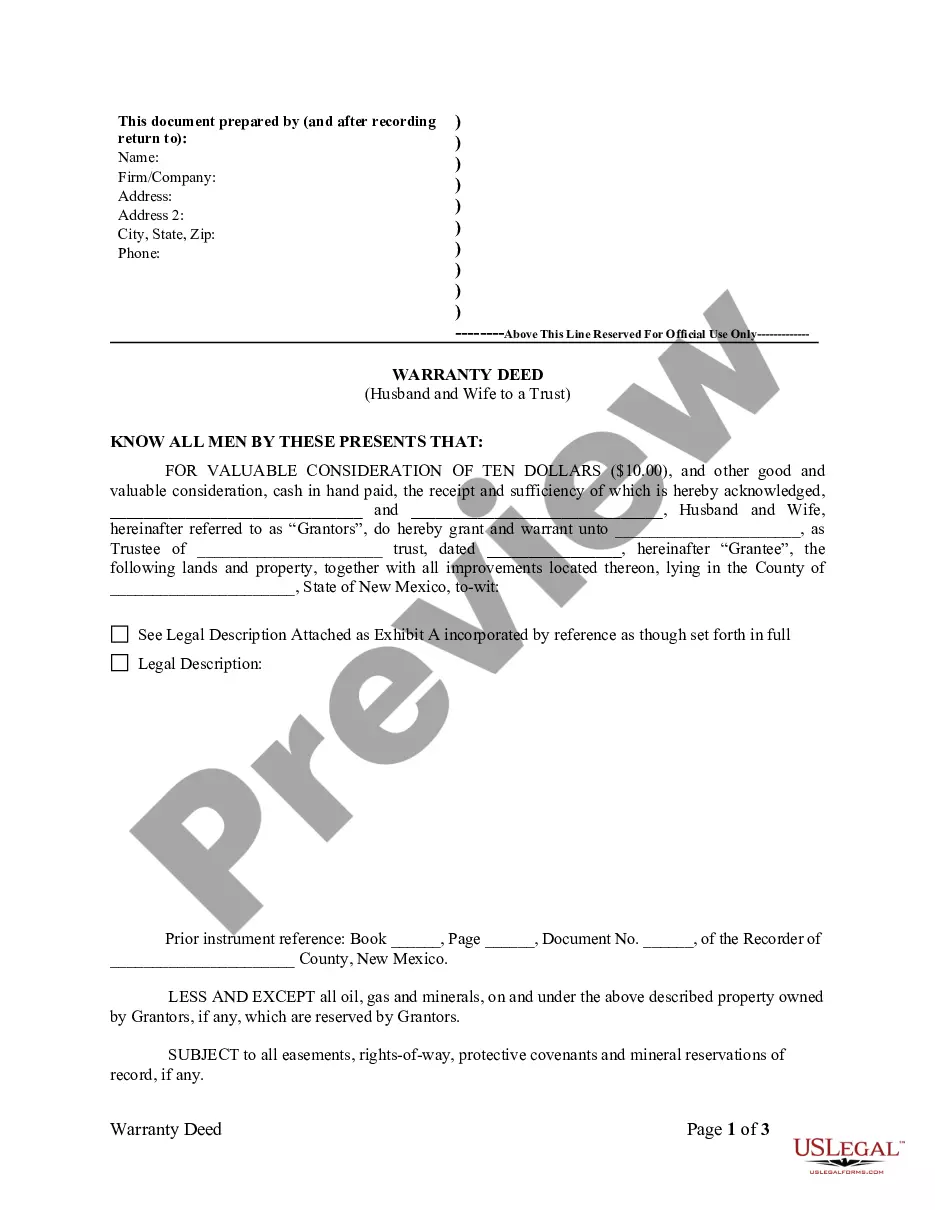
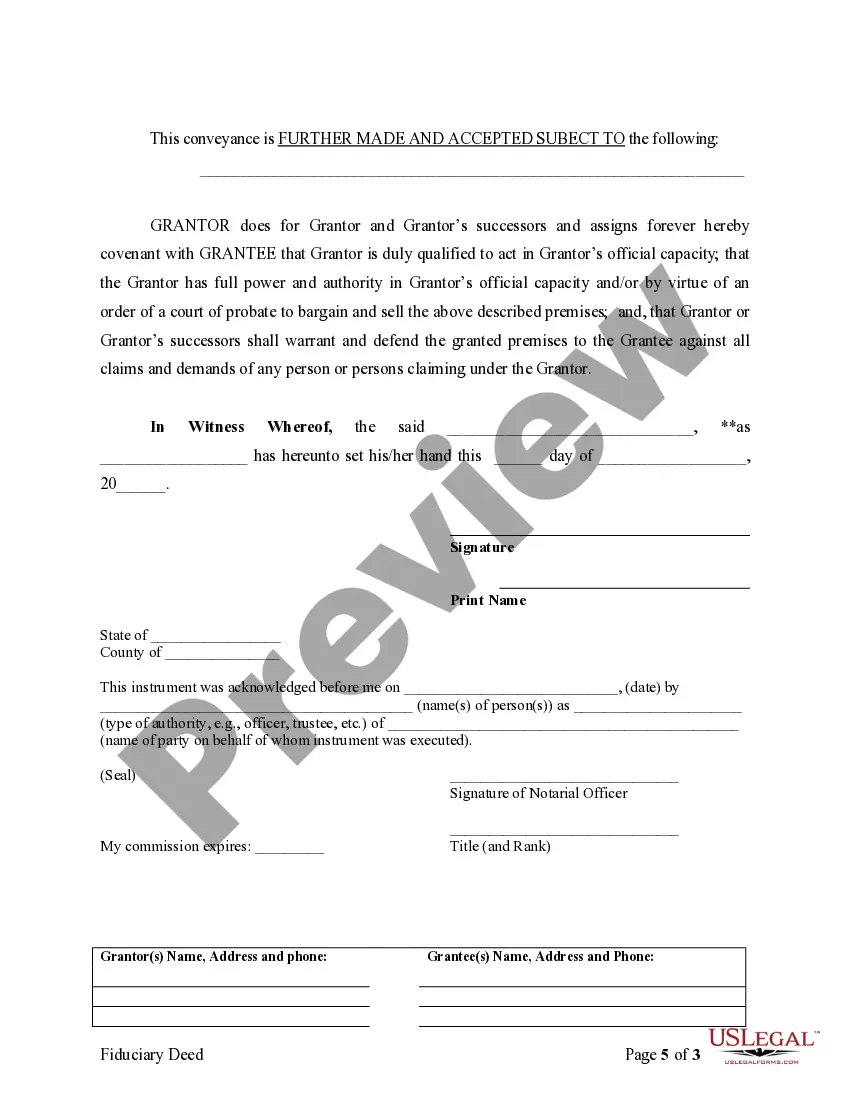
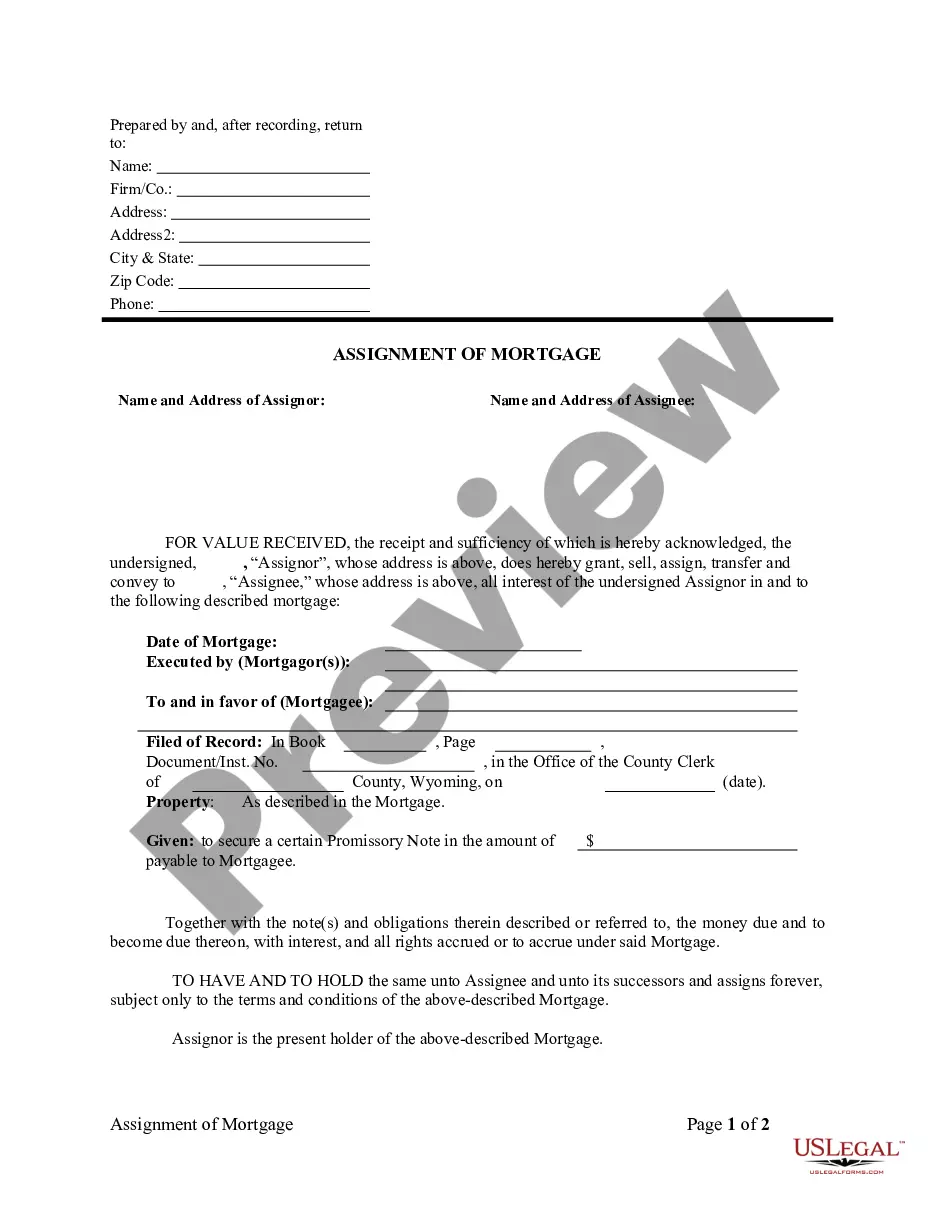
The Fiduciary Deed is a legal document used by fiduciaries such as executors, trustees, guardians, and conservators to transfer property. This form allows a fiduciary to convey real estate on behalf of a trust, estate, or another legal entity, distinguishing it from standard property deeds that do not involve fiduciaries. It is essential for ensuring that property transactions are executed legally and transparently under the authority granted to the fiduciary by law or court order.
Key parts of this document
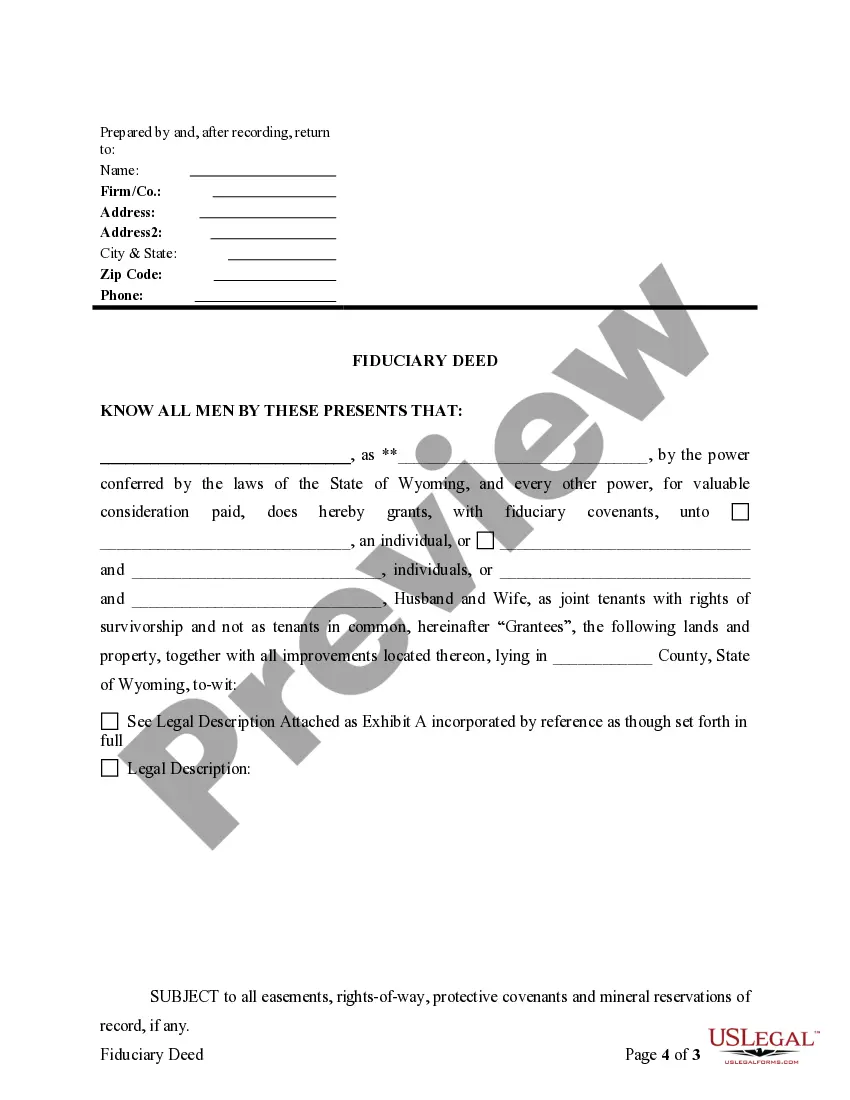
- Identification of the grantor (fiduciary) and grantees (recipients of the property)
- Legal description of the property being transferred
- Statement of authority affirming the grantor's ability to transfer the property
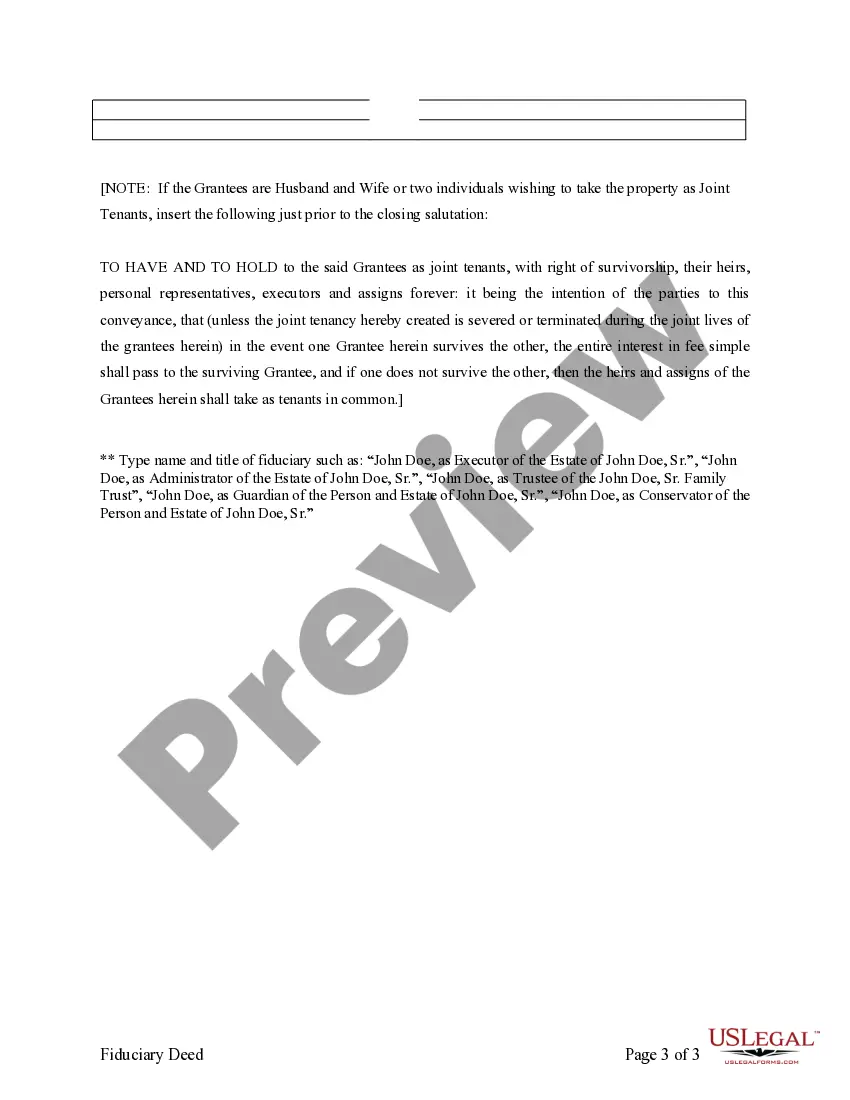
- Details on how the property ownership will be held (e.g., joint tenancy)
- Signature of the grantor confirming the transfer

Common use cases
This form is used in scenarios where a fiduciary needs to transfer property as part of managing an estate or trust. Typical situations include when an executor sells estate property to settle debts, when a trustee distributes property according to trust terms, or when a guardian manages property for a minor. Utilizing this form helps ensure compliance with applicable laws and protects all parties involved in the transaction.
Intended users of this form
This form is intended for:
- Executors of wills handling estate property
- Trustees managing and distributing trust assets
- Guardians or conservators acting on behalf of minors or incapacitated individuals
- Anyone designated by a court to handle property transfers related to an estate or trust
Instructions for completing this form
- Identify the parties involved by filling in the grantor's name and their official capacity.
- Specify the property by entering the legal description in the designated area.
- State the names of the grantees and how the ownership is held (joint tenants, etc.).
- Complete any required date fields and signatures of the grantor.
- Ensure the document is properly signed and, if necessary, notarized.
Notarization requirements for this form
To make this form legally binding, it must be notarized. Our online notarization service, powered by Notarize, lets you verify and sign documents remotely through an encrypted video session.
Get your form ready online
Our built-in tools help you complete, sign, share, and store your documents in one place.
Make edits, fill in missing information, and update formatting in US Legal Forms—just like you would in MS Word.
Download a copy, print it, send it by email, or mail it via USPS—whatever works best for your next step.
Sign and collect signatures with our SignNow integration. Send to multiple recipients, set reminders, and more. Go Premium to unlock E-Sign.
If this form requires notarization, complete it online through a secure video call—no need to meet a notary in person or wait for an appointment.
We protect your documents and personal data by following strict security and privacy standards.

Make edits, fill in missing information, and update formatting in US Legal Forms—just like you would in MS Word.

Download a copy, print it, send it by email, or mail it via USPS—whatever works best for your next step.

Sign and collect signatures with our SignNow integration. Send to multiple recipients, set reminders, and more. Go Premium to unlock E-Sign.

If this form requires notarization, complete it online through a secure video call—no need to meet a notary in person or wait for an appointment.

We protect your documents and personal data by following strict security and privacy standards.
Common mistakes
- Failing to accurately identify the legal description of the property.
- Not including all required signatures and dates.
- Using the form without confirming the fiduciary's authority to act.
- Neglecting to consider local laws that may impact the property's transfer.
Benefits of completing this form online
- Convenience of completing the form digitally at any time.
- Editability allows for easy updates and corrections before finalizing.
- Access to templates drafted by licensed attorneys ensures legal compliance.
Looking for another form?

Form popularity
FAQ
Three basic types of deeds commonly used are the grant deed, the quitclaim deed, and the warranty deed. A sample grant deed. the property he or she is transferring is implied from such language.
The words with fiduciary covenants means the seller promises to the buyer that he or she is duly appointed, qualified and acting in his or her fiduciary capacity, is duly authorized to make the sale and convey the property to buyer.
A fiduciary deed is for use by a fiduciary such as an executor or administrator of an estate or a trustee of a trust. In this type of deed there is a warranty, but only as a fiduciary. A fiduciary does not own the property, rather they essentially manage it for another.
The General Warranty Deed. A general warranty deed provides the highest level of protection for the buyer because it includes significant covenants or warranties conveyed by the grantor to the grantee. The Special Warranty Deed. The Bargain and Sale Deed. The Quitclaim Deed.