Wyoming Psychiatric Care Directive
Understanding this form
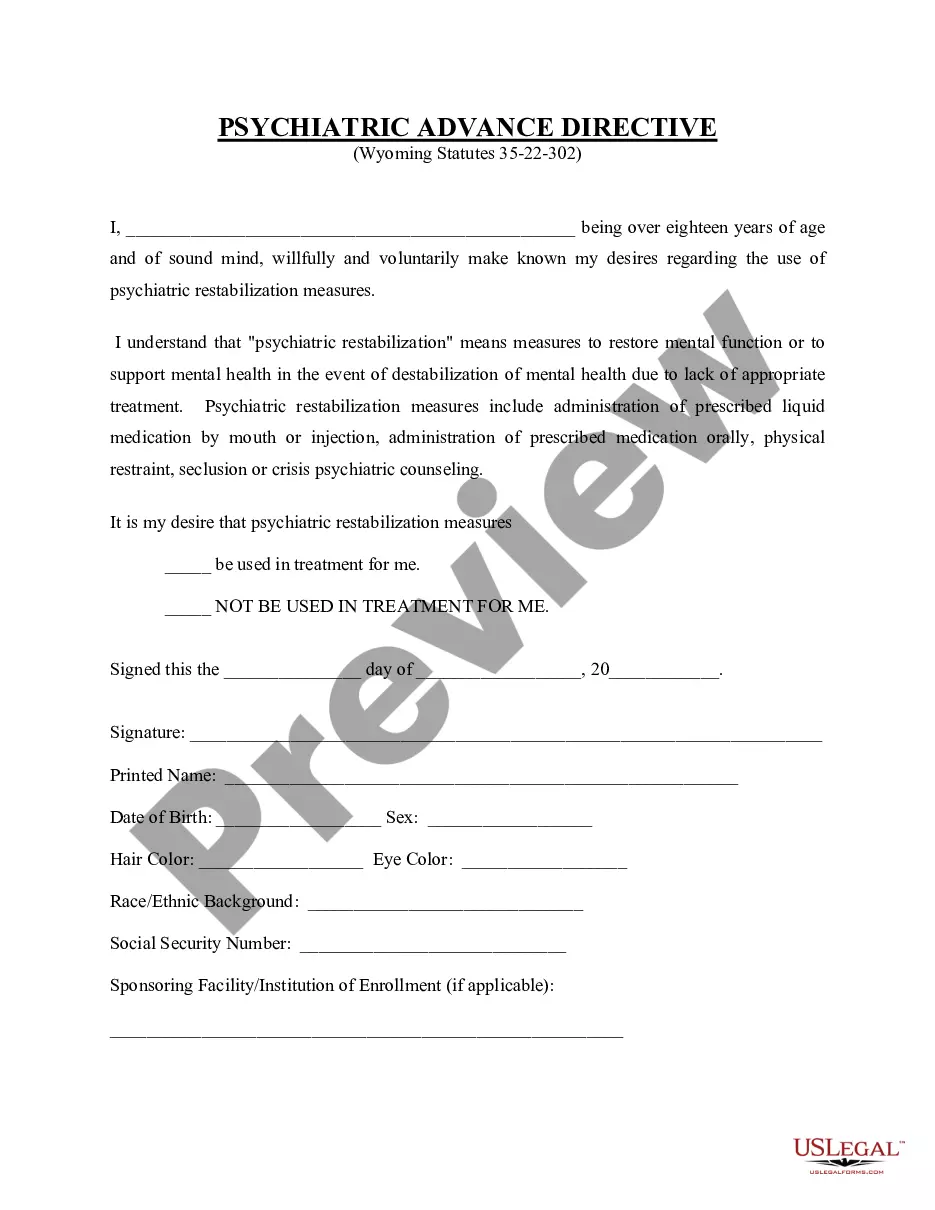
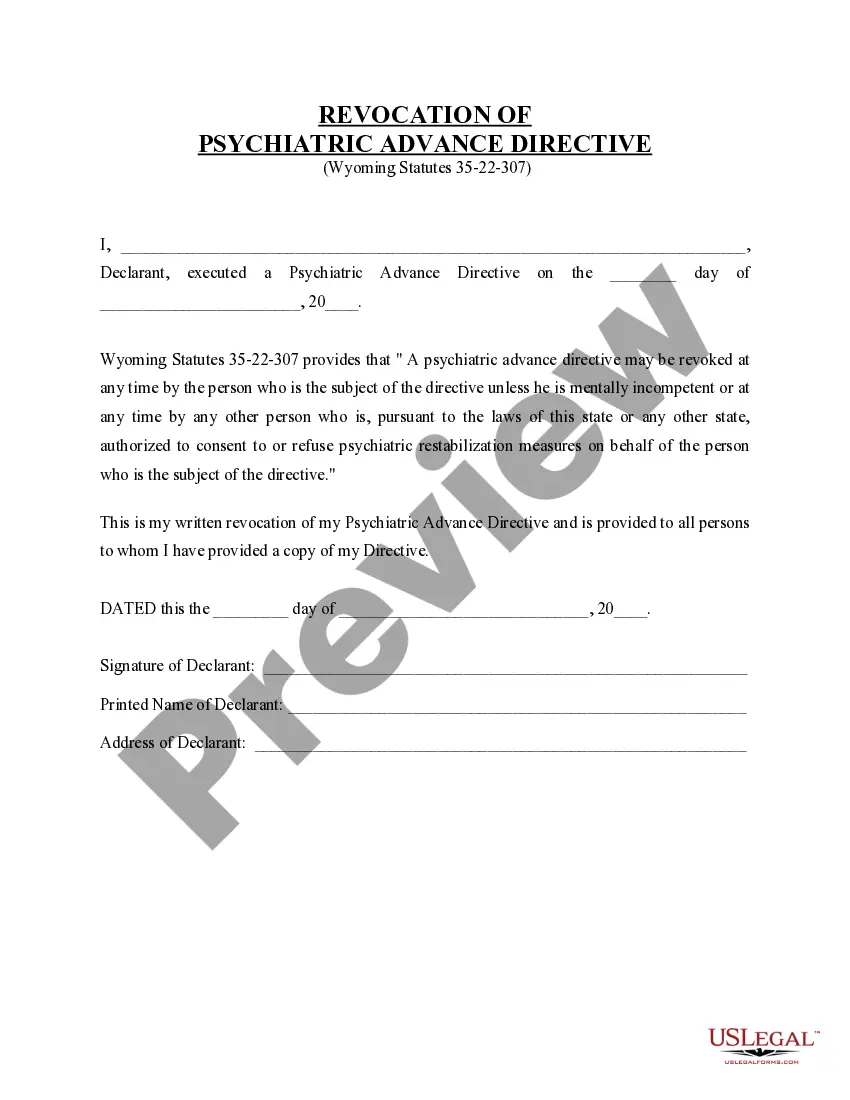
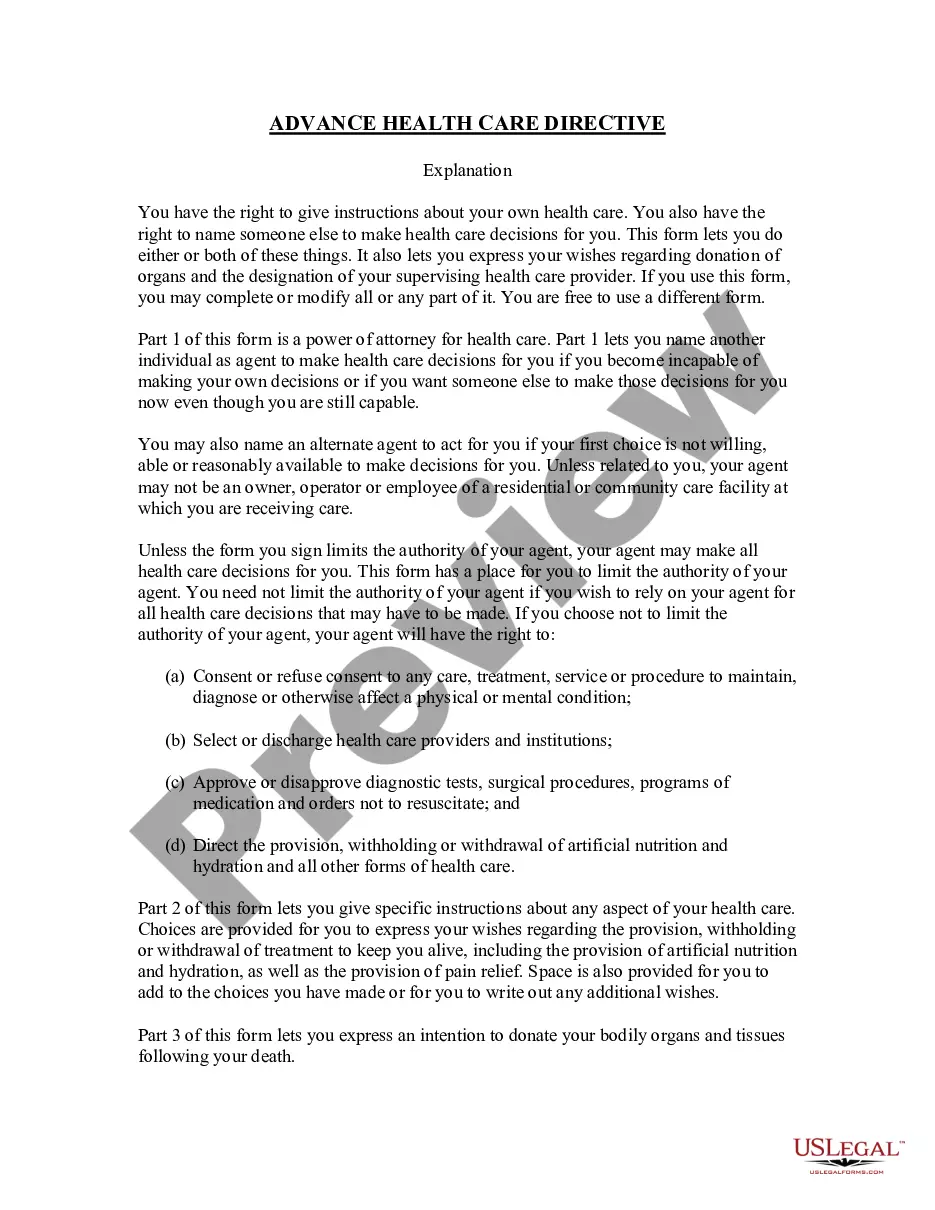
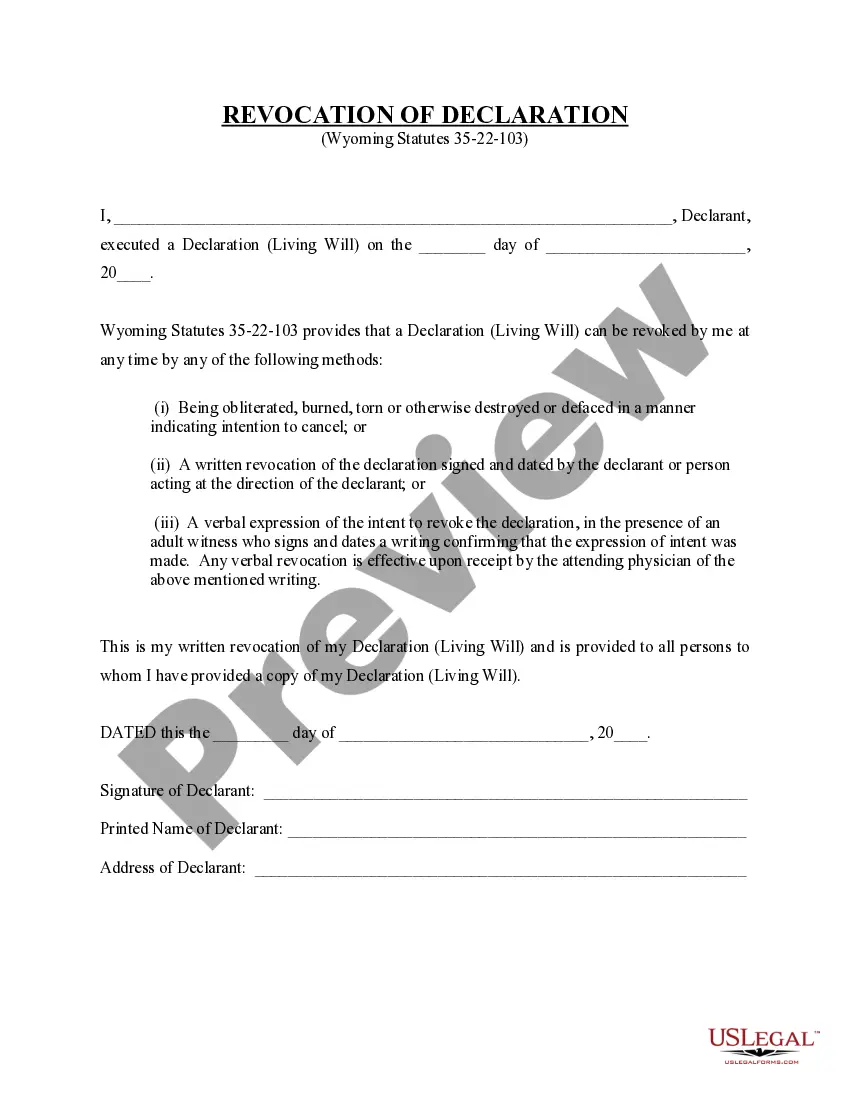
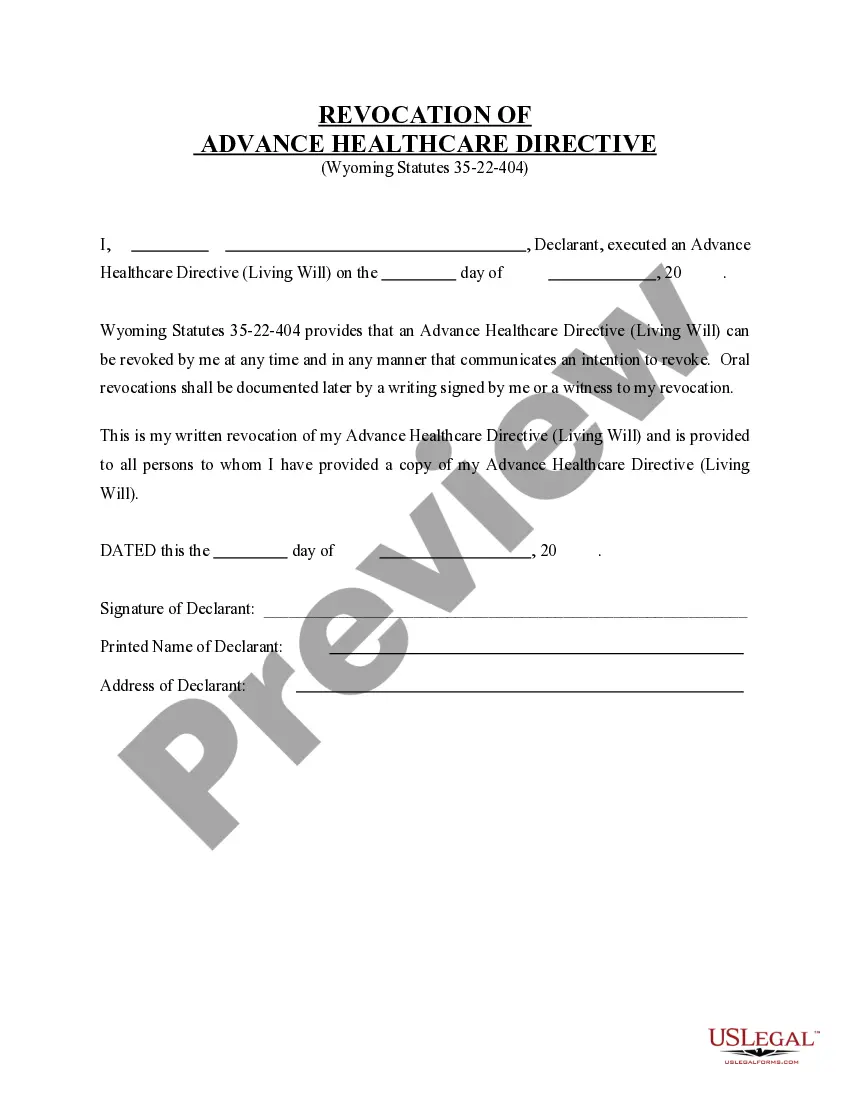
The Psychiatric Care Directive is a legal document that allows individuals to express their treatment preferences regarding psychiatric restabilization measures during periods of mental health instability. This directive empowers you to indicate whether you want such measures to be applied in your treatment, distinguishing it from other forms of medical directives that may not specifically address mental health care.
Key components of this form
- Patient name and identifying information
- Statement of desires regarding psychiatric restabilization measures
- Options to consent or refuse psychiatric treatment measures
- Signature and date fields for the patient
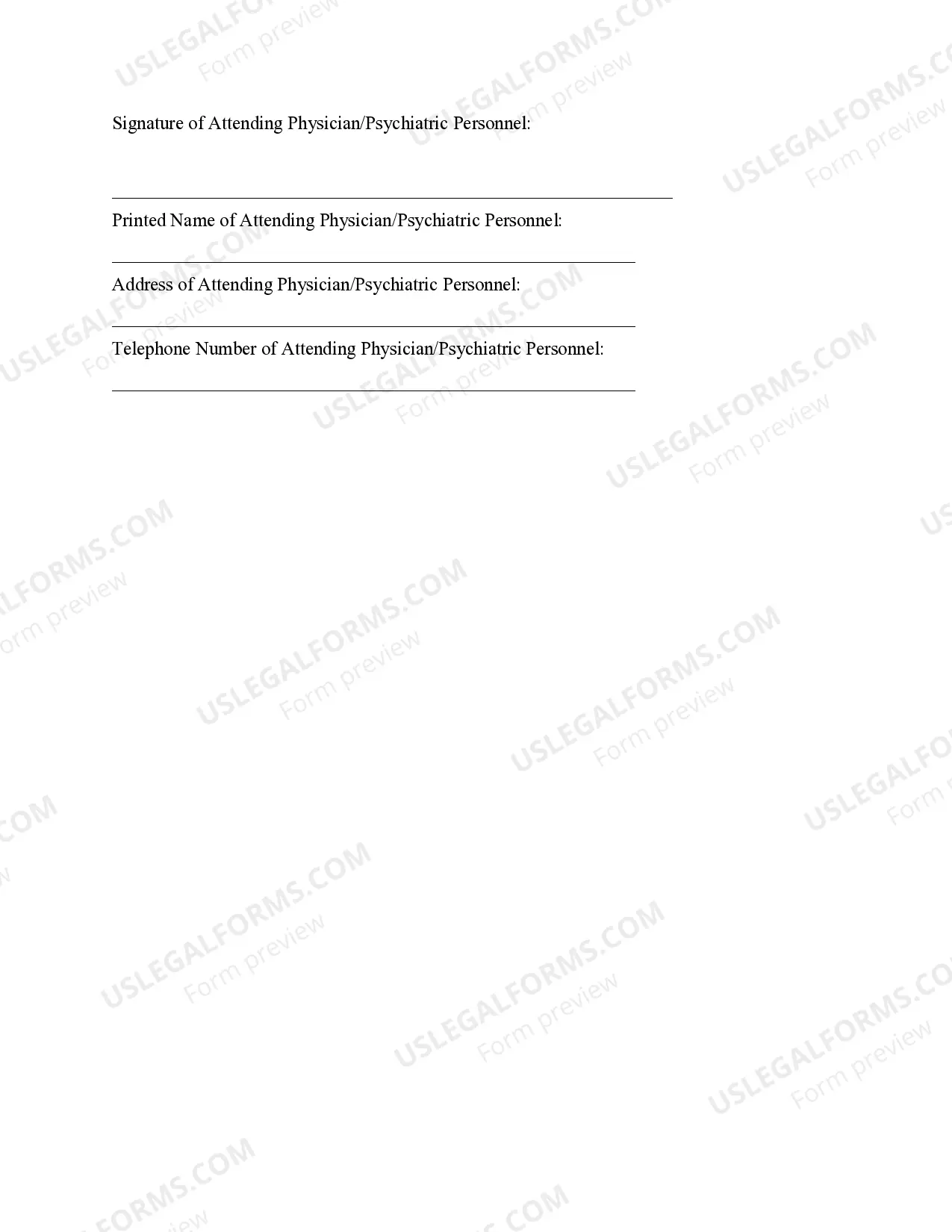
- Signature and contact information for the attending physician/psychiatric personnel
Situations where this form applies
This form is typically used when an individual wants to clearly communicate their wishes regarding psychiatric treatment, especially in situations where they may be unable to express those wishes due to mental health challenges. It is essential for ensuring that medical professionals understand the patient's preferences, enhancing the individual's autonomy in treatment decisions.
Who this form is for
- Adults over eighteen years of age who wish to outline their psychiatric treatment preferences
- Individuals experiencing mental health challenges and wanting to ensure their treatment wishes are honored
- Family members or caregivers looking to assist someone in making informed decisions about psychiatric care
Steps to complete this form
- Enter your full name and personal details at the top of the form.
- Clearly indicate your preferences regarding psychiatric restabilization measures.
- Sign and date the document to validate your directive.
- Provide your date of birth and other identifying information as required.
- Seek the signature and contact details of an attending physician or psychiatric personnel if relevant.
Is notarization required?
This form does not typically require notarization to be legally valid. However, some jurisdictions or document types may still require it. US Legal Forms provides secure online notarization powered by Notarize, available 24/7 for added convenience.
Get your form ready online
Our built-in tools help you complete, sign, share, and store your documents in one place.
Make edits, fill in missing information, and update formatting in US Legal Forms—just like you would in MS Word.
Download a copy, print it, send it by email, or mail it via USPS—whatever works best for your next step.
Sign and collect signatures with our SignNow integration. Send to multiple recipients, set reminders, and more. Go Premium to unlock E-Sign.
If this form requires notarization, complete it online through a secure video call—no need to meet a notary in person or wait for an appointment.
We protect your documents and personal data by following strict security and privacy standards.

Make edits, fill in missing information, and update formatting in US Legal Forms—just like you would in MS Word.

Download a copy, print it, send it by email, or mail it via USPS—whatever works best for your next step.

Sign and collect signatures with our SignNow integration. Send to multiple recipients, set reminders, and more. Go Premium to unlock E-Sign.

If this form requires notarization, complete it online through a secure video call—no need to meet a notary in person or wait for an appointment.

We protect your documents and personal data by following strict security and privacy standards.
Common mistakes to avoid
- Neglecting to include all necessary identifying information.
- Failing to sign and date the form, making it invalid.
- Not specifying preferences clearly, which can lead to confusion during treatment.
- Overlooking the need for a physician's signature when applicable.
Benefits of completing this form online
- Convenient download and access to professionally drafted templates.
- Editable fields to customize the form according to individual needs.
- Reliable and compliant with state laws, ensuring legal validity.
- Easy to update or revise as circumstances change.
Legal use & context
The Psychiatric Care Directive is legally enforceable as long as it is completed according to state laws and regulations. Its purpose is to inform healthcare providers of your mental health treatment preferences, ensuring that your decisions are respected even if you are unable to communicate them. It is important for individuals to review this directive regularly and update it as needed to reflect any changes in their mental health status or treatment desires.
Looking for another form?


Form popularity
FAQ
An advance directive is a set of instructions someone prepares in advance of ill health that determines his healthcare wishes. A living will is one type of advance directive that becomes effective when a person is terminally ill.
The name and contact information of your healthcare agent/proxy. Answers to specific questions about your preferences for care if you become unable to speak for yourself. Names and signatures of individuals who witness your signing your advance directive, if required.
Advance Directives They must be portable; they can be available wherever you are in the world. They must be available in a timely manner. They must be in a safe place, protected from theft, fire, flood or other natural disasters.
1Get the living will and medical power of attorney forms for your state, or use a universal form that has been approved by many states.2Choose a health care agent.3Fill out the forms, and have them witnessed as your state requires.Writing an Advance Directive Michigan Medicine\nwww.uofmhealth.org > health-library
An advance directive, alone, may not be sufficient to stop all forms of life-saving treatment. You may also need specific do not resuscitate, or DNR orders.You retain the right to override the decisions or your representative, change the terms of your living will or POA, or completely revoke an advance directive.
If a patient cannot make decisions and has created no advance directive, health care providers traditionally have turned to family members for treatment decisions. A close family member is allowed to exercise substituted judgment on behalf of the patient.
The living will. Durable power of attorney for health care/Medical power of attorney. POLST (Physician Orders for Life-Sustaining Treatment) Do not resuscitate (DNR) orders. Organ and tissue donation.
The living will.Durable power of attorney for health care/Medical power of attorney.POLST (Physician Orders for Life-Sustaining Treatment)Do not resuscitate (DNR) orders.Organ and tissue donation.