Wyoming Identity Theft Recovery Package
Understanding this form package
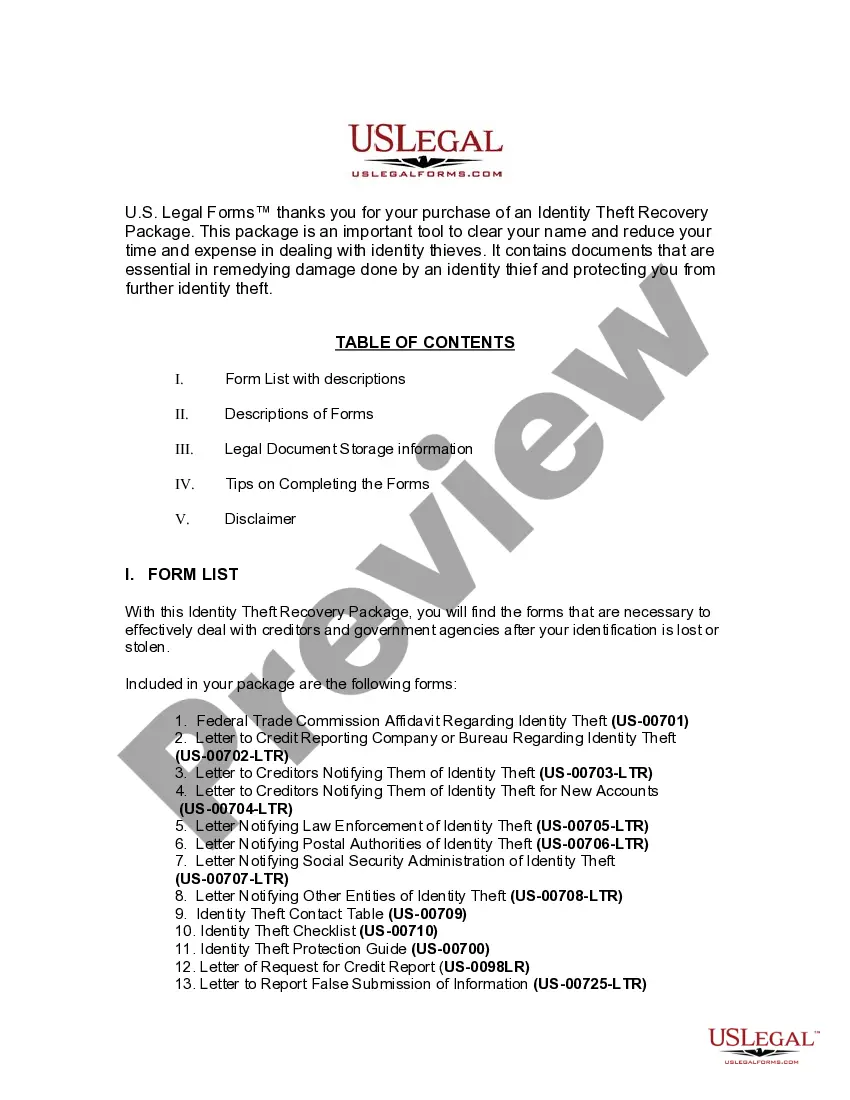
The Wyoming Identity Theft Recovery Package is a comprehensive collection of forms tailored for individuals who have experienced identity theft. This package empowers victims to effectively communicate with creditors and government agencies after their identification has been lost or stolen. It stands out from similar packages by providing a structured approach to restoring and protecting your credit, financial assets, and personal reputation. By utilizing this package, you can save time and potentially reduce expenses incurred while dealing with identity theft.
Forms included in this package
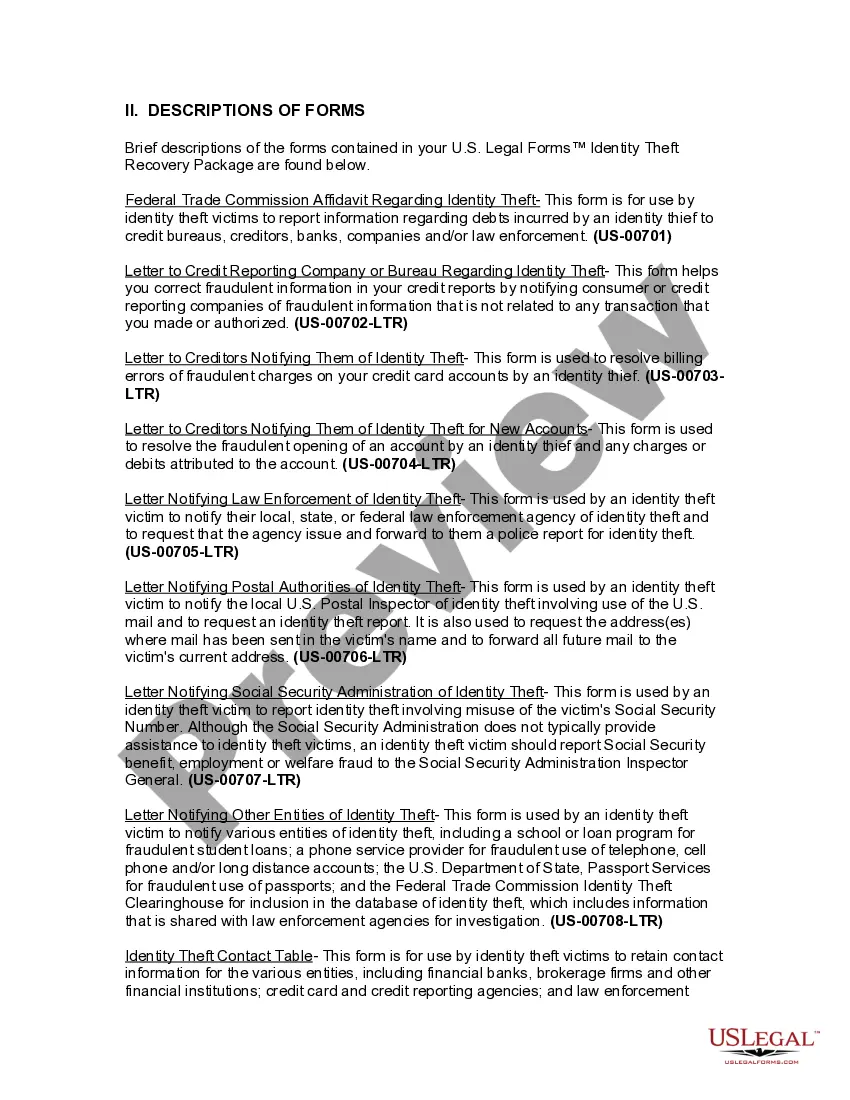
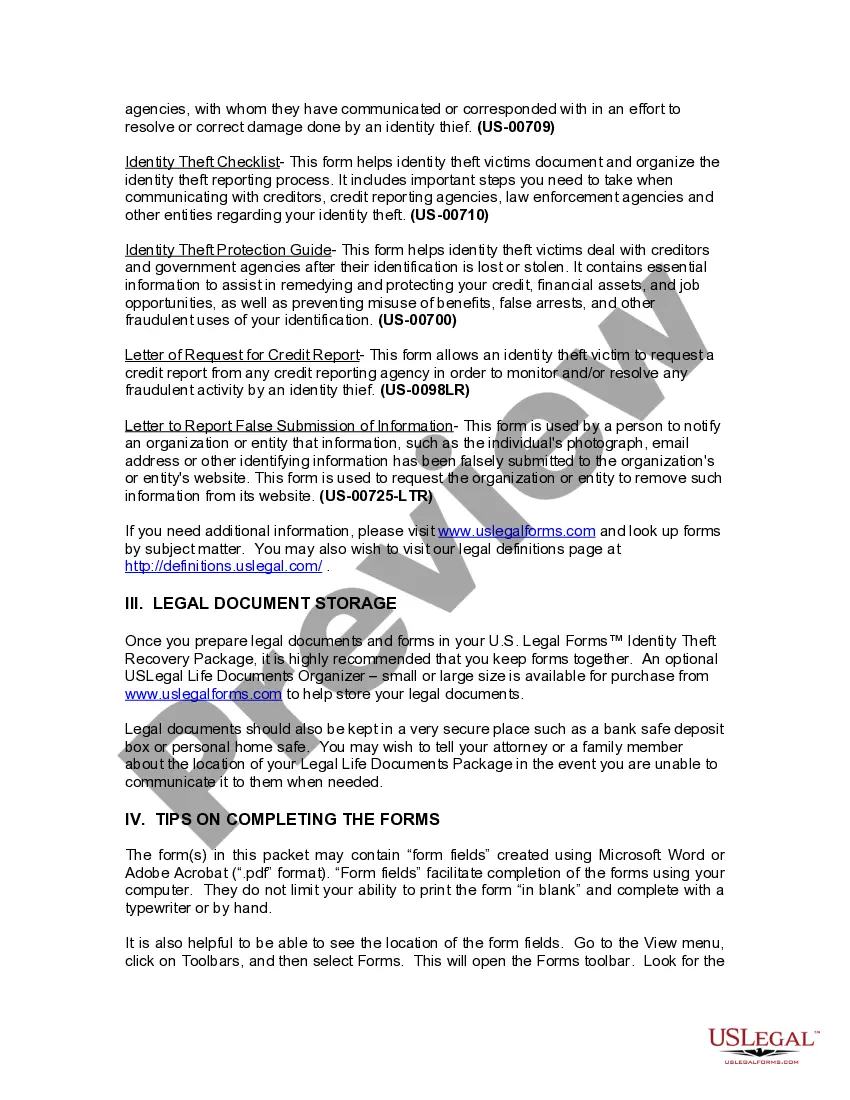
- Identity Theft Protection Guide
- Federal Trade Commission Affidavit regarding Identity Theft
- Letter to Credit Reporting Company or Bureau regarding Identity Theft
- Letter to Creditors notifying them of Identity Theft
- Letter to Creditors Notifying Them of Identity Theft for New Accounts
- Letter Notifying Law Enforcement of Identity Theft
- Letter Notifying Postal Authorities of Identity Theft
- Letter Notifying Social Security Administration of Identity Theft
- Letter to Other Entities Notifying Them of Identity Theft
- Identity Theft Contact Table
- Identity Theft Checklist
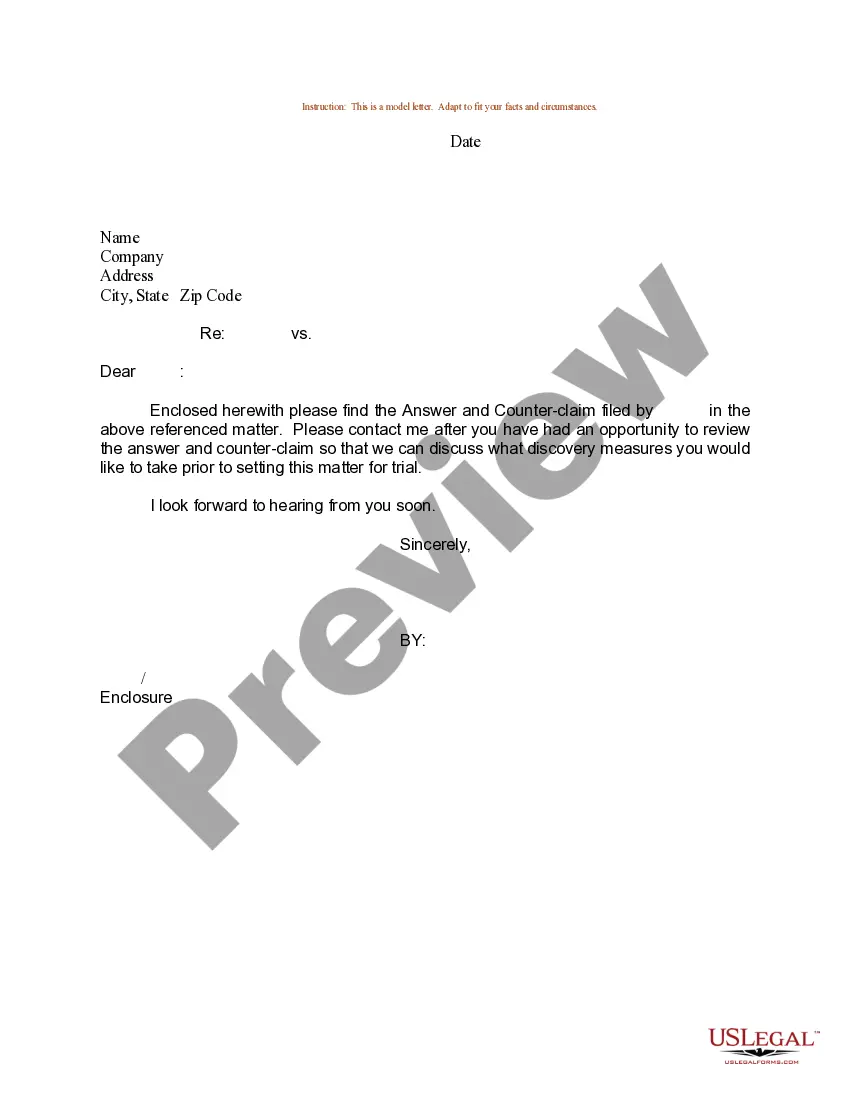
- Sample Letter to Report False Submission of Information
- Sample Letter for Request for Free Credit Report Allowed by Federal Law
Situations where these forms applies
This package is essential in various scenarios, including:
- If your identification has been lost or stolen, and you need to report it to relevant authorities.
- When your credit report reflects unauthorized charges due to identity theft.
- If you are a victim of fraud involving the misuse of your personal information, affecting your creditworthiness and job opportunities.
- When you need to prevent further misuse of your information or address existing scams.
Who can use this document
- Individuals who have been victims of identity theft.
- Anyone whose personal identification details have been compromised.
- People seeking to restore their credit and protect their financial assets.
- Individuals needing assistance when interacting with creditors and governmental agencies.
Steps to complete these forms
- Review each form included in the package to understand its purpose.
- Gather necessary information and documentation related to your identity theft case.
- Fill out each form carefully, ensuring that all required fields are completed accurately.
- Make copies of completed forms for your records and subsequent communications.
- Submit the completed forms to the appropriate agencies and creditors as instructed.
Notarization details for included forms
Notarization is generally not required for forms in this package. However, specific circumstances or local laws may require it. You can complete notarization remotely through US Legal Forms, powered by Notarize, with 24/7 availability.
Get your form ready online
Our built-in tools help you complete, sign, share, and store your documents in one place.
Make edits, fill in missing information, and update formatting in US Legal Forms—just like you would in MS Word.
Download a copy, print it, send it by email, or mail it via USPS—whatever works best for your next step.
Sign and collect signatures with our SignNow integration. Send to multiple recipients, set reminders, and more. Go Premium to unlock E-Sign.
If this form requires notarization, complete it online through a secure video call—no need to meet a notary in person or wait for an appointment.
We protect your documents and personal data by following strict security and privacy standards.

Make edits, fill in missing information, and update formatting in US Legal Forms—just like you would in MS Word.

Download a copy, print it, send it by email, or mail it via USPS—whatever works best for your next step.

Sign and collect signatures with our SignNow integration. Send to multiple recipients, set reminders, and more. Go Premium to unlock E-Sign.

If this form requires notarization, complete it online through a secure video call—no need to meet a notary in person or wait for an appointment.

We protect your documents and personal data by following strict security and privacy standards.
Common mistakes to avoid
- Failing to report the theft to law enforcement, which is crucial for a police report.
- Not keeping copies of all communications for future reference.
- Sending forms without double-checking for accuracy in personal information.
- Overlooking additional steps required by specific creditors or agencies.
Why complete this package online
- Convenience of downloading forms directly to your computer.
- Editability of forms allows you to tailor each document to your specific situation.
- Reliability of forms drafted by licensed attorneys to ensure legal compliance.
- Time-saving access to all necessary forms in one comprehensive package.
Legal use & context
- The forms in this package are structured to comply with Wyoming laws regarding identity theft recovery.
- Using these forms assists in legally documenting your claims of identity theft.
- They provide a formal method for notifying creditors and authorities, which is important for establishing your case.
- These documents can be used as evidence when disputing fraudulent transactions.
Key takeaways
- The Wyoming Identity Theft Recovery Package offers vital forms for victims of identity theft.
- It simplifies the process of dealing with creditors and government agencies.
- Using these professionally drafted forms ensures compliance with Wyoming law.
- By following the guidance provided, you can swiftly address identity theft issues and start reclaiming your identity.
Looking for another form?




Form popularity
FAQ
Committing identity theft can lead to significant incarceration. Aggravated identity theft is punishable by a mandatory minimum sentence of 2 years, which can increase based on the severity of the crimes. In rare cases, first-time offenders that didn't inflict major harm can avoid jail time for identity theft.
In short, they do provide a benefit, but it's worth noting that nearly everything an identity theft protection service offers, you can do on your own.For many people though, it's worth the cost simply knowing someone else is watching out for their sensitive information.
You have limited liability for fraudulent debts caused by identity theft. Under most state laws, you're not responsible for any debt incurred on fraudulent new accounts opened in your name without your permission. Under federal law, the amount you have to pay for unauthorized use of your credit card is limited to $50.
If prosecuted as a misdemeanor, the maximum punishment for identity theft in California is a year in county jail and a $1,000 fine. As a felony, the penalty can be as high as three years in jail and a $10,000 fine.
Identity theft in California can be charged as either a felony or a misdemeanor depending on (1) the defendant's criminal history, and (2) the specific facts of the case. A person convicted of misdemeanor identity theft faces up to one year in county jail, a fine of up to $1,000, or both.
Identity thieves can also obtain your personal information by stealing your wallet or purse. When this occurs, we recommend that you immediately contact credit card companies, bank, and credit bureaus to let them know of your situation.
Federal identity theft charges usually carry a maximum sentence of 15 years in federal prison, but ID theft cases often include additional charges that can add to prison time.
You may be able to have your identity theft charges dropped if: You didn't obtain use a person's information unlawfully If you did not obtain or use someone else's personal information unlawfully, you are not guilty of identity theft.