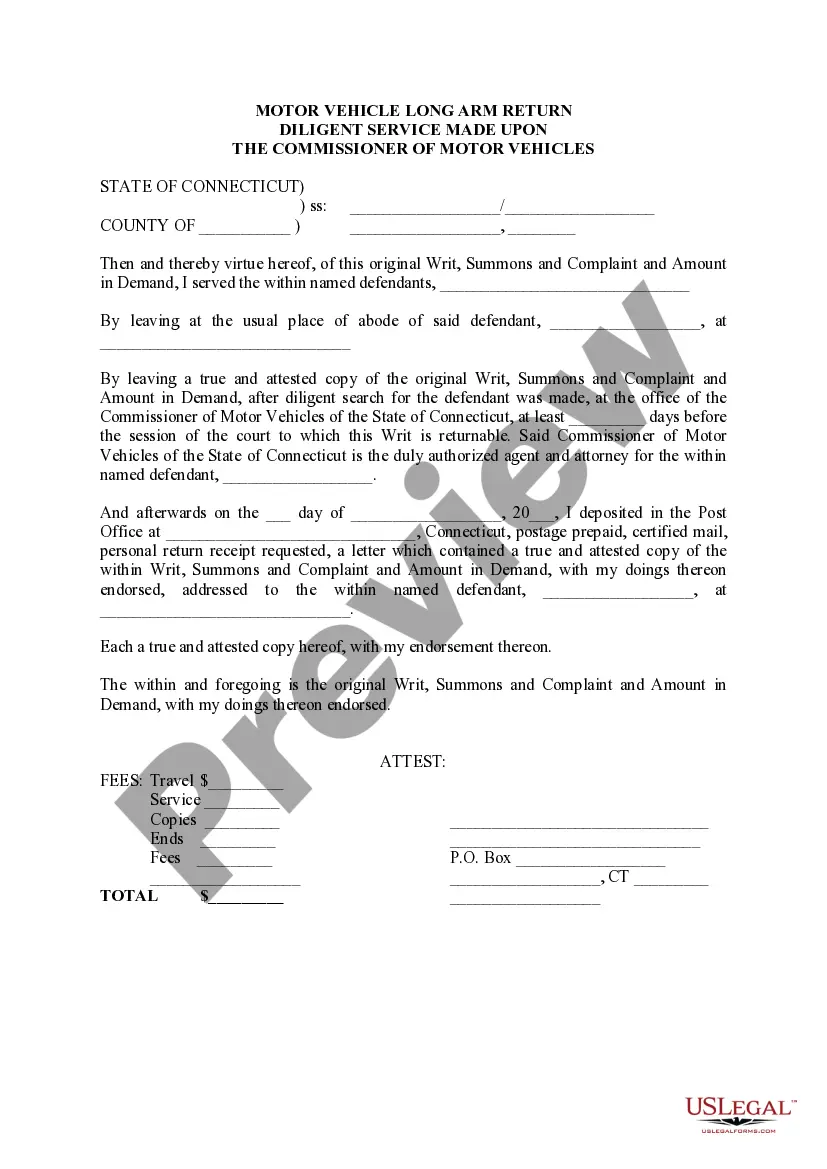
Wyoming Assignment of Trade Name Registration
What is this form?
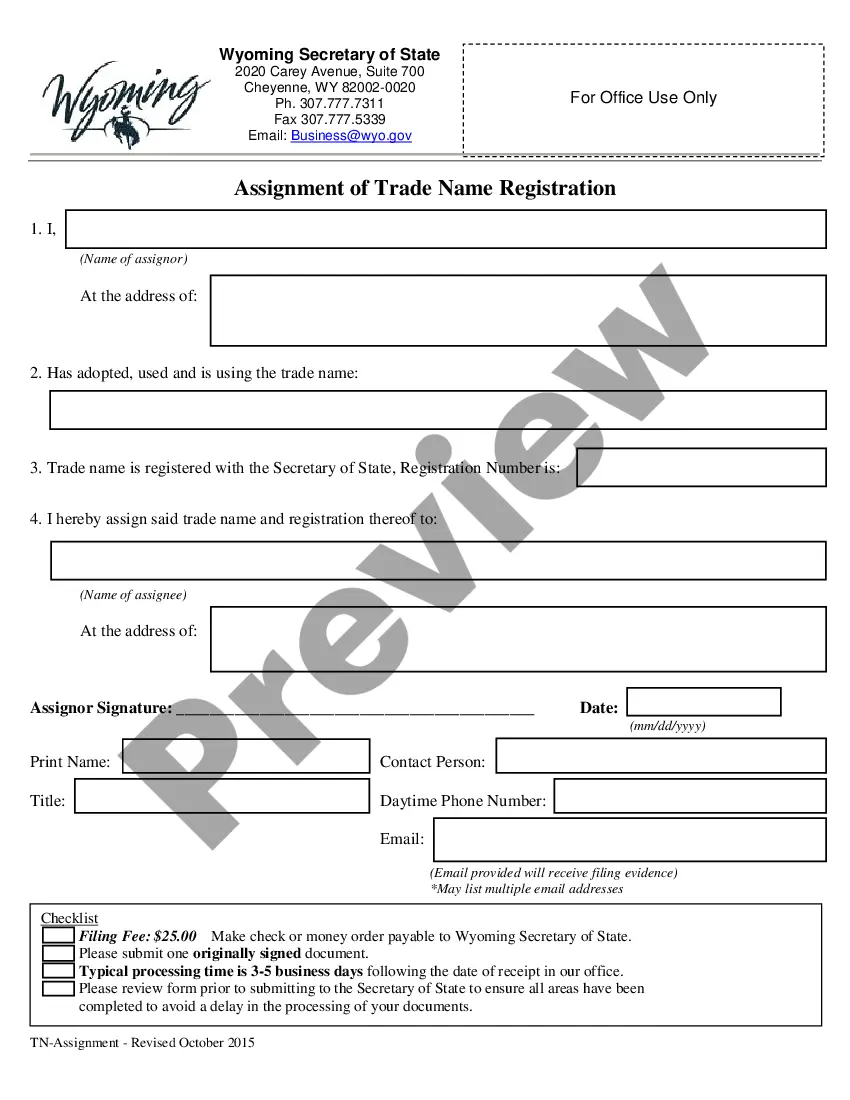
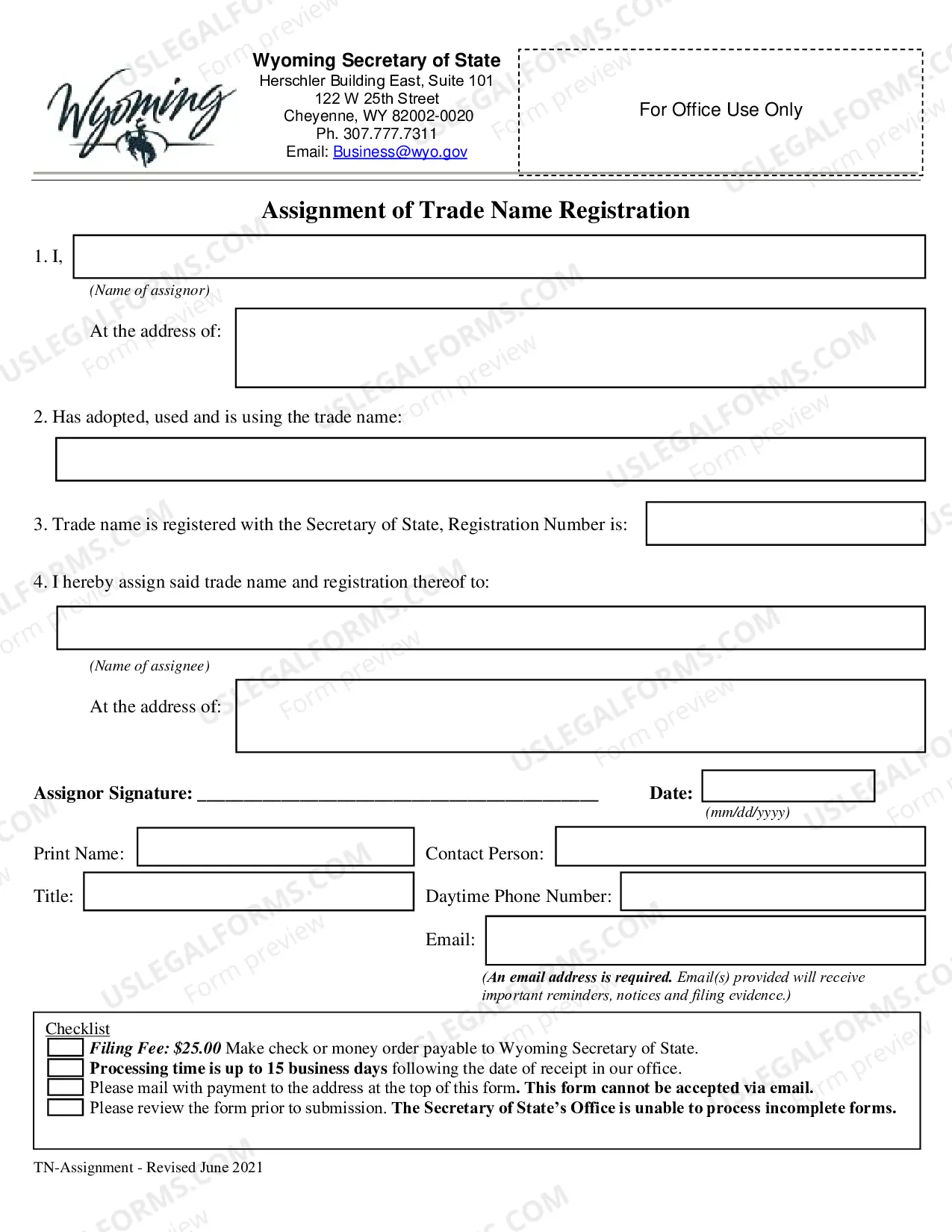
The Assignment of Trade Name Registration form is a legal document used to register a trade name that a business is currently using with the Secretary of State. This form allows the original owner (assignor) to transfer ownership of the trade name to another party (assignee). The purpose of this form is to protect the business's identity and reputation from unfair competition, distinguishing it from similar forms that simply establish a trade name without the intention of transferring ownership.
What’s included in this form
- Name and address of the assignor (the current owner of the trade name).
- Details of the trade name being assigned.
- Registration number of the trade name with the Secretary of State.
- Name and address of the assignee (the new owner of the trade name).
- Signature and printed name of the assignor, along with contact information.
- Checklist and filing fee information for submission.
When to use this document
This form should be used when a business owner decides to transfer the rights of their trade name to another individual or entity. Such circumstances may arise during the sale of a business, mergers, or when changing business structures. Itâs essential for ensuring that the new owner can legally use the trade name without infringing on the rights of the previous owner.
Intended users of this form
- Business owners looking to transfer ownership of their trade name.
- Individuals or entities acquiring a trade name from a current owner.
- Legal representatives assisting clients with trade name assignments.
Completing this form step by step
- Enter the name and address of the assignor in the designated fields.
- Provide the trade name being assigned, along with its registration number.
- Fill in the name and address of the assignee who will receive the trade name.
- The assignor must sign and date the form, ensuring all contact details are included.
- Attach a check or money order for the filing fee of $25.00, made payable to the Wyoming Secretary of State.
Notarization guidance
This form does not typically require notarization unless specified by local law. However, it is advisable to check specific requirements to ensure compliance.
Get your form ready online
Our built-in tools help you complete, sign, share, and store your documents in one place.
Make edits, fill in missing information, and update formatting in US Legal Forms—just like you would in MS Word.
Download a copy, print it, send it by email, or mail it via USPS—whatever works best for your next step.
Sign and collect signatures with our SignNow integration. Send to multiple recipients, set reminders, and more. Go Premium to unlock E-Sign.
If this form requires notarization, complete it online through a secure video call—no need to meet a notary in person or wait for an appointment.
We protect your documents and personal data by following strict security and privacy standards.

Make edits, fill in missing information, and update formatting in US Legal Forms—just like you would in MS Word.

Download a copy, print it, send it by email, or mail it via USPS—whatever works best for your next step.

Sign and collect signatures with our SignNow integration. Send to multiple recipients, set reminders, and more. Go Premium to unlock E-Sign.

If this form requires notarization, complete it online through a secure video call—no need to meet a notary in person or wait for an appointment.

We protect your documents and personal data by following strict security and privacy standards.
Typical mistakes to avoid
- Failing to provide complete contact information for both the assignor and assignee.
- Not including the registration number of the trade name.
- Submitting a form without the necessary signatures or dates.
- Forgetting to include the filing fee with the submission.
Advantages of online completion
- Convenience of downloading and completing the form from anywhere, at any time.
- Editable template allows for easy input of specific business information.
- Access to reliable legal templates drafted by licensed attorneys.
Looking for another form?

Form popularity
FAQ
There's no difference between a fictitious business name and a DBA. A fictitious business name is often referred to as a DBA, an "assumed business name" or a "trade name". can help you get a DBA for your business.
There are significant benefits to forming an LLC in Wyoming such as unparalleled limited liability protection, fewer corporate formalities, no state taxes, and privacy. Member and/or Manager names are never required on public record for an LLC in Wyoming.
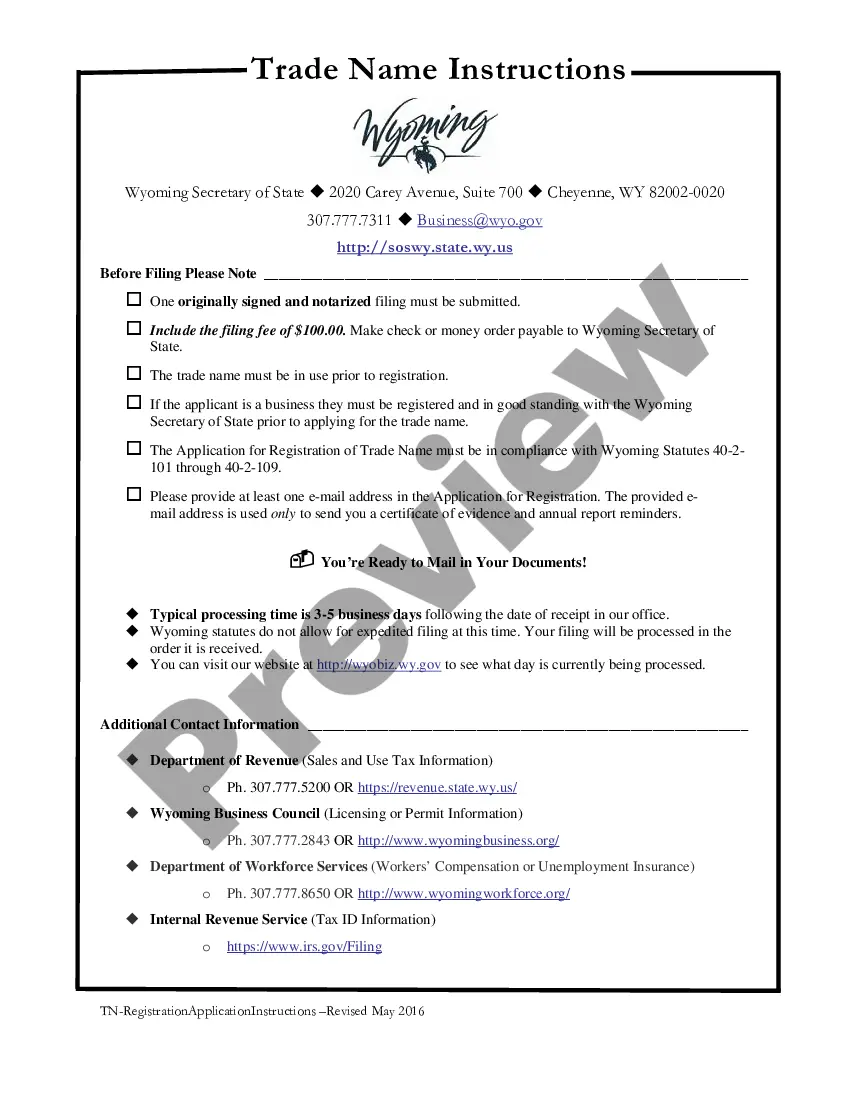
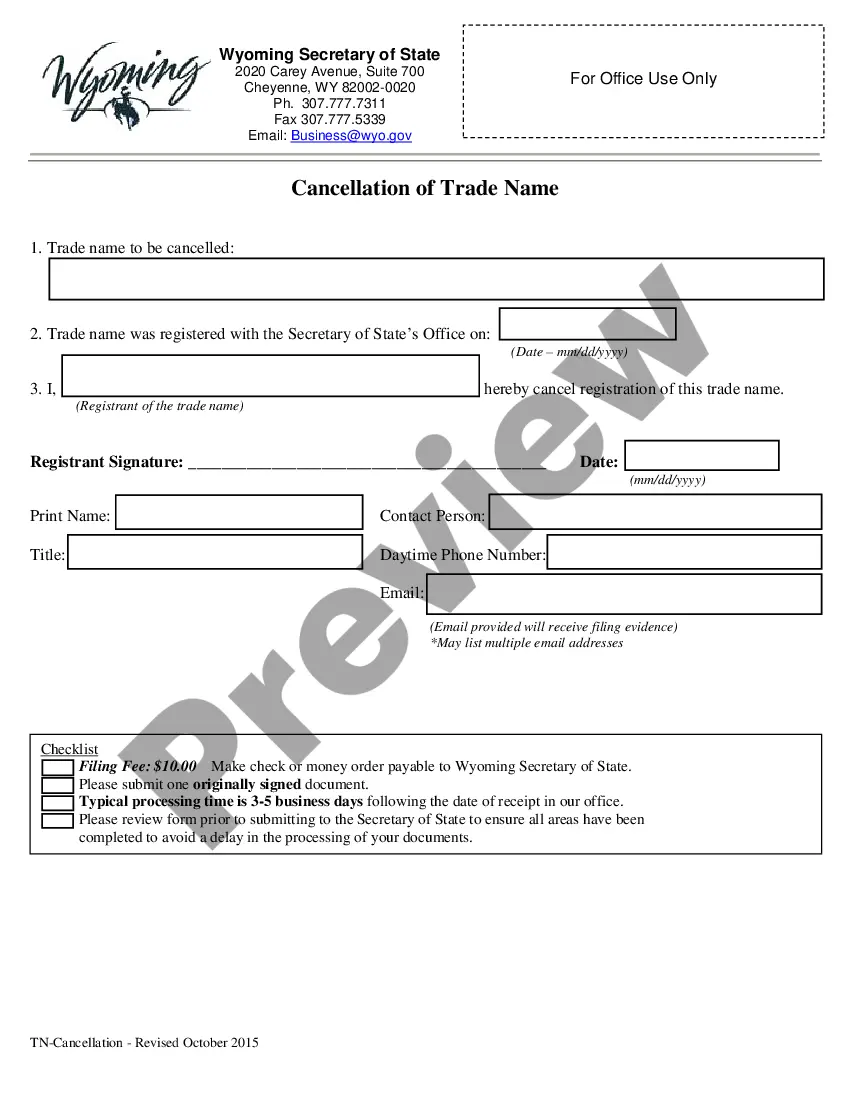
Mail. Wyoming Secretary of State. Fees. $100 Filing Fee. Manage Your Wyoming DBA. DBA Questions. Call the Wyoming Secretary of State: (307) 777-7311. Renew Your DBA with the State. Your Wyoming DBA needs to be renewed every ten years. Withdraw Your DBA.
States That Require Publication The seven states are: California, Florida, Georgia, Illinois, Minnesota, Nebraska, Pennsylvania.
Has 2 LLC filings to maintain (a Domestic Wyoming LLC and a Foreign California LLC) has 2 state filing fees. has to meet annual requirements and fees in both states. may have increased Registered Agent fees.
Mail. Wyoming Secretary of State. Fees. $100 Filing Fee. Manage Your Wyoming DBA. DBA Questions. Call the Wyoming Secretary of State: (307) 777-7311. Renew Your DBA with the State. Your Wyoming DBA needs to be renewed every ten years. Withdraw Your DBA.
Updated November 17, 2020: Business owners add a DBA to an LLC when they need to conduct business using a different name than their company's legal name. This could be necessary if your business expands to a new state where your original LLC name is already taken.
The DBA has to be filled out and notarized with no errors due to the fact that it is recorded with the County. Filing for a DBA allows you to do business under a different name.The name of your business is up to you, but it needs to be properly registered with the state of California.
Lack of tax benefits: A DBA is not a corporation, so merely filing a DBA that is not part of a corporate umbrella like an LLC will not give you any special tax benefits. If you are only doing business as a DBA, any money your business makes passes through to your individual tax return and is taxed accordingly.