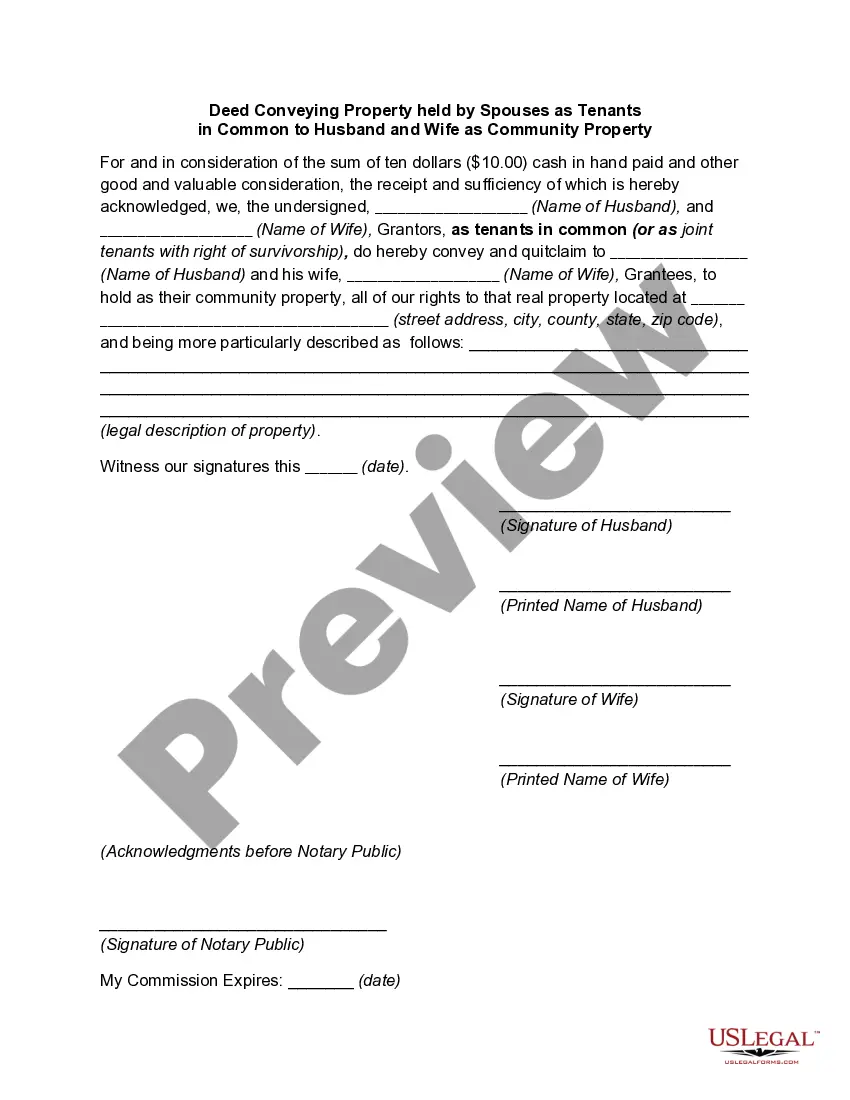
West Virginia Deed Conveying Property held by Spouses as Tenants in Common to Husband and Wife as Community Property
Description
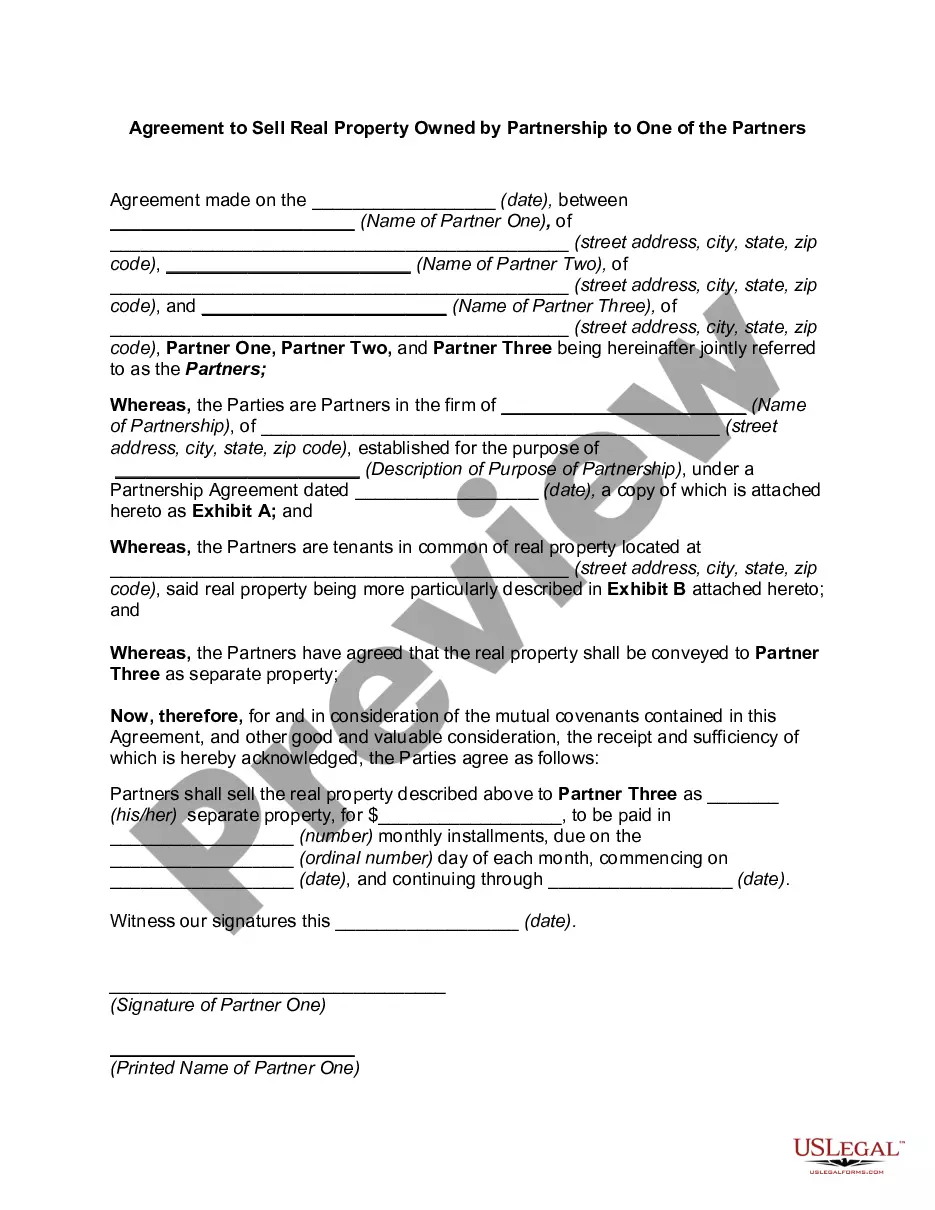
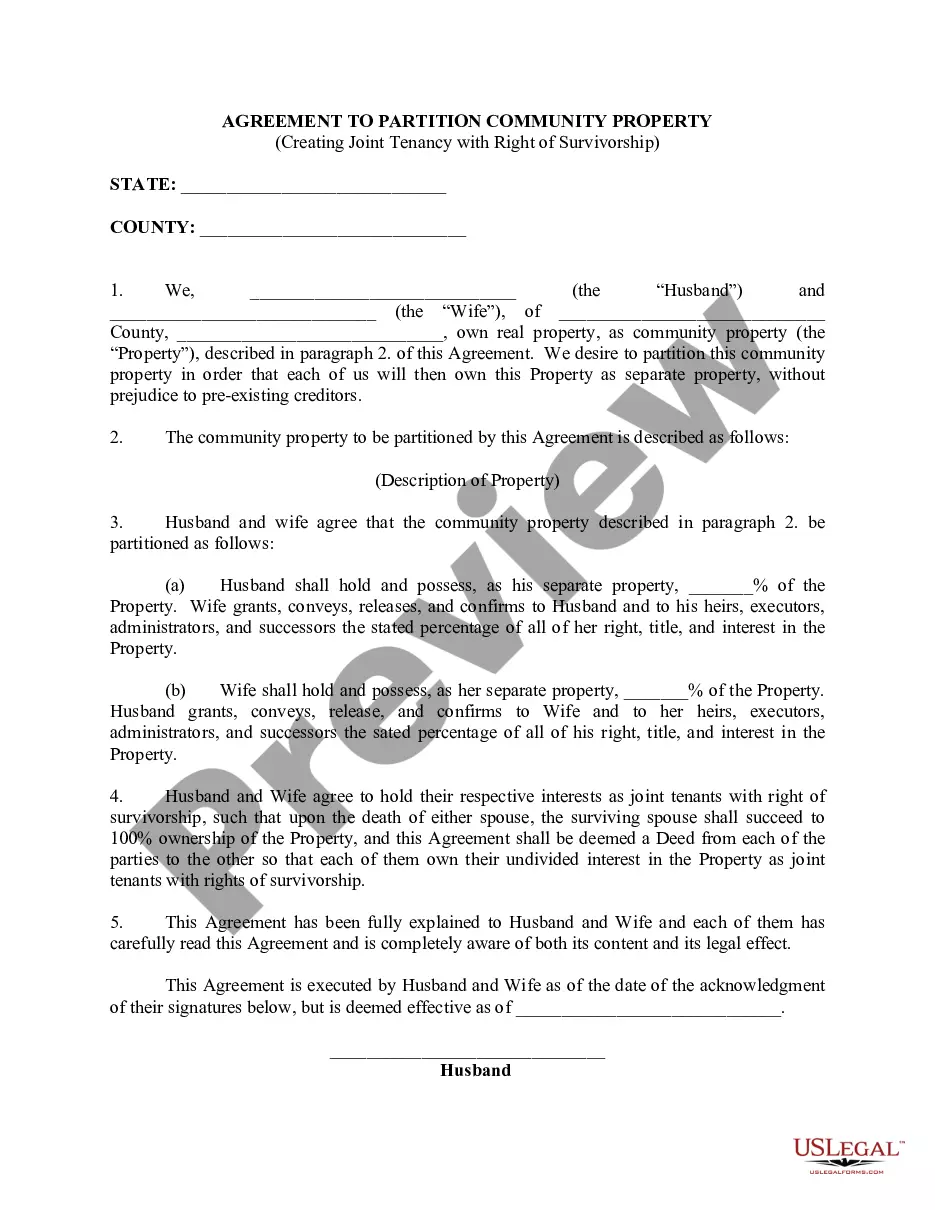
Get your form ready online
Our built-in tools help you complete, sign, share, and store your documents in one place.
Make edits, fill in missing information, and update formatting in US Legal Forms—just like you would in MS Word.
Download a copy, print it, send it by email, or mail it via USPS—whatever works best for your next step.
Sign and collect signatures with our SignNow integration. Send to multiple recipients, set reminders, and more. Go Premium to unlock E-Sign.
If this form requires notarization, complete it online through a secure video call—no need to meet a notary in person or wait for an appointment.
We protect your documents and personal data by following strict security and privacy standards.

Make edits, fill in missing information, and update formatting in US Legal Forms—just like you would in MS Word.

Download a copy, print it, send it by email, or mail it via USPS—whatever works best for your next step.

Sign and collect signatures with our SignNow integration. Send to multiple recipients, set reminders, and more. Go Premium to unlock E-Sign.

If this form requires notarization, complete it online through a secure video call—no need to meet a notary in person or wait for an appointment.

We protect your documents and personal data by following strict security and privacy standards.
Looking for another form?
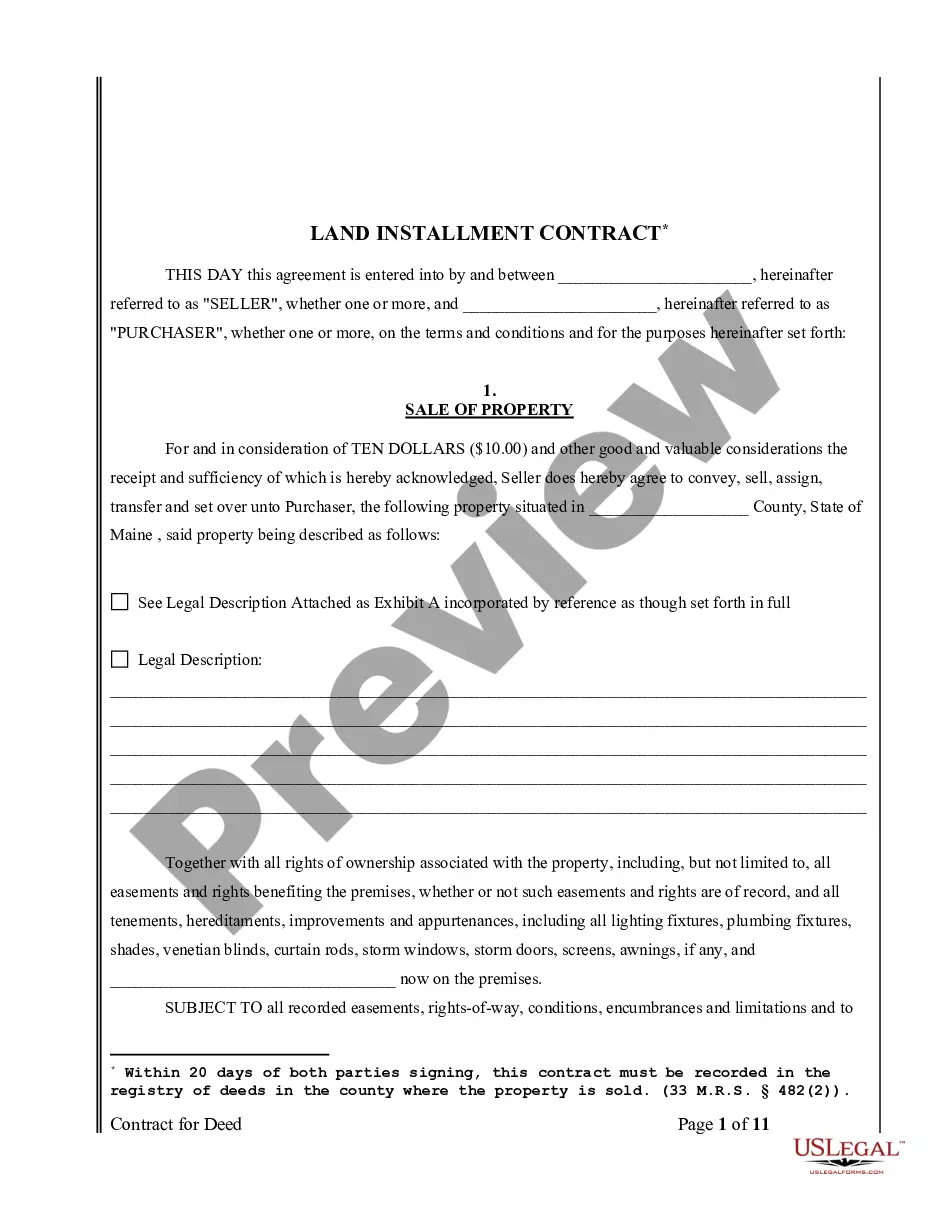
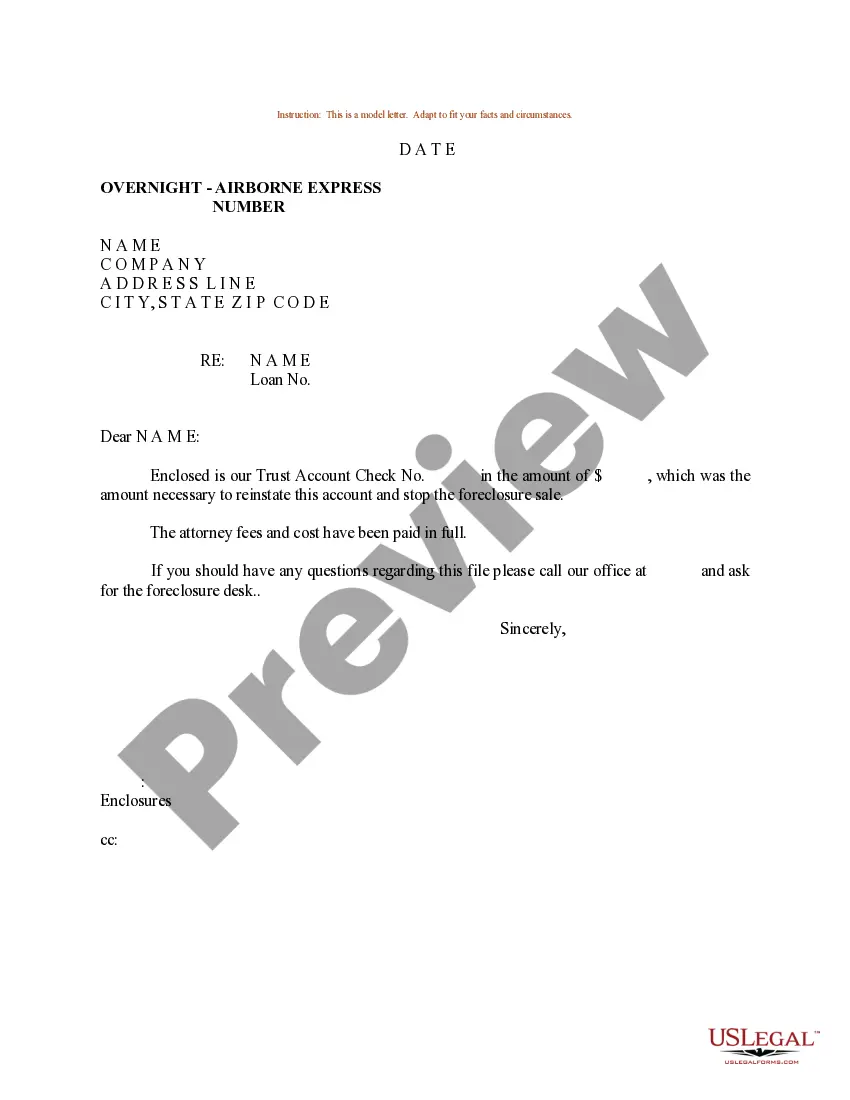
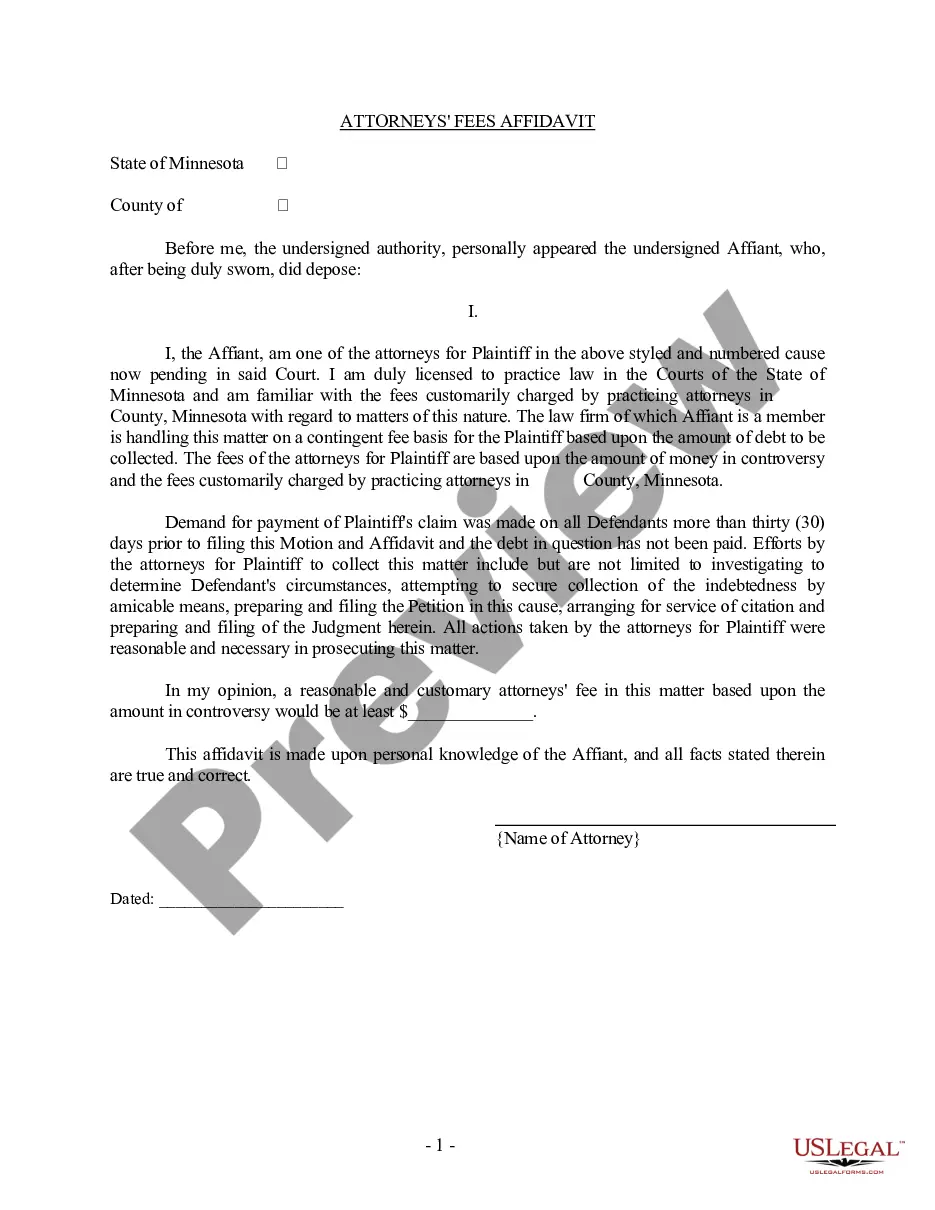

How to fill out Deed Conveying Property Held By Spouses As Tenants In Common To Husband And Wife As Community Property?
Choosing the right legitimate record template can be a have a problem. Of course, there are tons of templates available online, but how would you get the legitimate develop you want? Use the US Legal Forms site. The support provides a huge number of templates, like the West Virginia Deed Conveying Property held by Spouses as Tenants in Common to Husband and Wife as Community Property, that can be used for business and personal demands. Each of the forms are checked out by professionals and meet up with federal and state specifications.
Should you be already signed up, log in to your bank account and click the Down load button to get the West Virginia Deed Conveying Property held by Spouses as Tenants in Common to Husband and Wife as Community Property. Utilize your bank account to search with the legitimate forms you may have ordered formerly. Check out the My Forms tab of your bank account and have one more duplicate of your record you want.
Should you be a fresh consumer of US Legal Forms, here are straightforward directions for you to follow:
- Initial, make sure you have selected the correct develop for your metropolis/state. You may look through the shape making use of the Review button and browse the shape outline to guarantee this is basically the best for you.
- If the develop does not meet up with your expectations, use the Seach field to obtain the right develop.
- Once you are sure that the shape is acceptable, select the Get now button to get the develop.
- Pick the rates program you want and type in the required info. Build your bank account and pay money for an order utilizing your PayPal bank account or credit card.
- Opt for the file format and obtain the legitimate record template to your system.
- Comprehensive, change and print and sign the acquired West Virginia Deed Conveying Property held by Spouses as Tenants in Common to Husband and Wife as Community Property.
US Legal Forms may be the biggest library of legitimate forms in which you can see a variety of record templates. Use the company to obtain expertly-manufactured documents that follow state specifications.
Form popularity
FAQ
West Virginia is an equitable distribution state, not a community property state. This means that all marital property is subject to a fair, though not necessarily equal, division. Some couples can work out property division through negotiations.
Community property under California state law, such as real estate purchased during a marriage or domestic partnership, is a joint tenancy arrangement. Each of the owners shares equal interest in the property and are both named on the same deed.
However, for West Virginia State Tax purposes, the terms "spouse," "husband and wife," "husband," and "wife" do not include individuals (whether of the opposite sex or the same sex) who have entered into a registered domestic partnership, civil union, or other similar formal relationship recognized under the law of any ...
There are two common ways to co-own property in West Virginia: Joint tenancy (also called "joint tenancy with right of survivorship"). If you co-own real estate as joint tenants with right of survivorship, when one co-owner dies, that co-owner's share of the property will automatically go to the surviving co-owner(s).
In West Virginia, we do not have common-law marriages.
Ownership of real estate in the State of West Virginia by two or more persons automatically creates a tenancy in common. An exception may apply if they specify ?joint tenants with rights of survivorship? when creating the deed. A co-ownership property title is held by two or more individuals.
Equal division of marital property. Except as otherwise provided in this section, upon every judgment of annulment, divorce or separation, the court shall divide the marital property of the parties equally between the parties.
In West Virginia, any property that belonged to only one spouse before marriage is considered separate property, as is any gift or inheritance received by one spouse. Any property acquired or earned during the marriage is marital property, regardless of which spouse earned or acquired it.