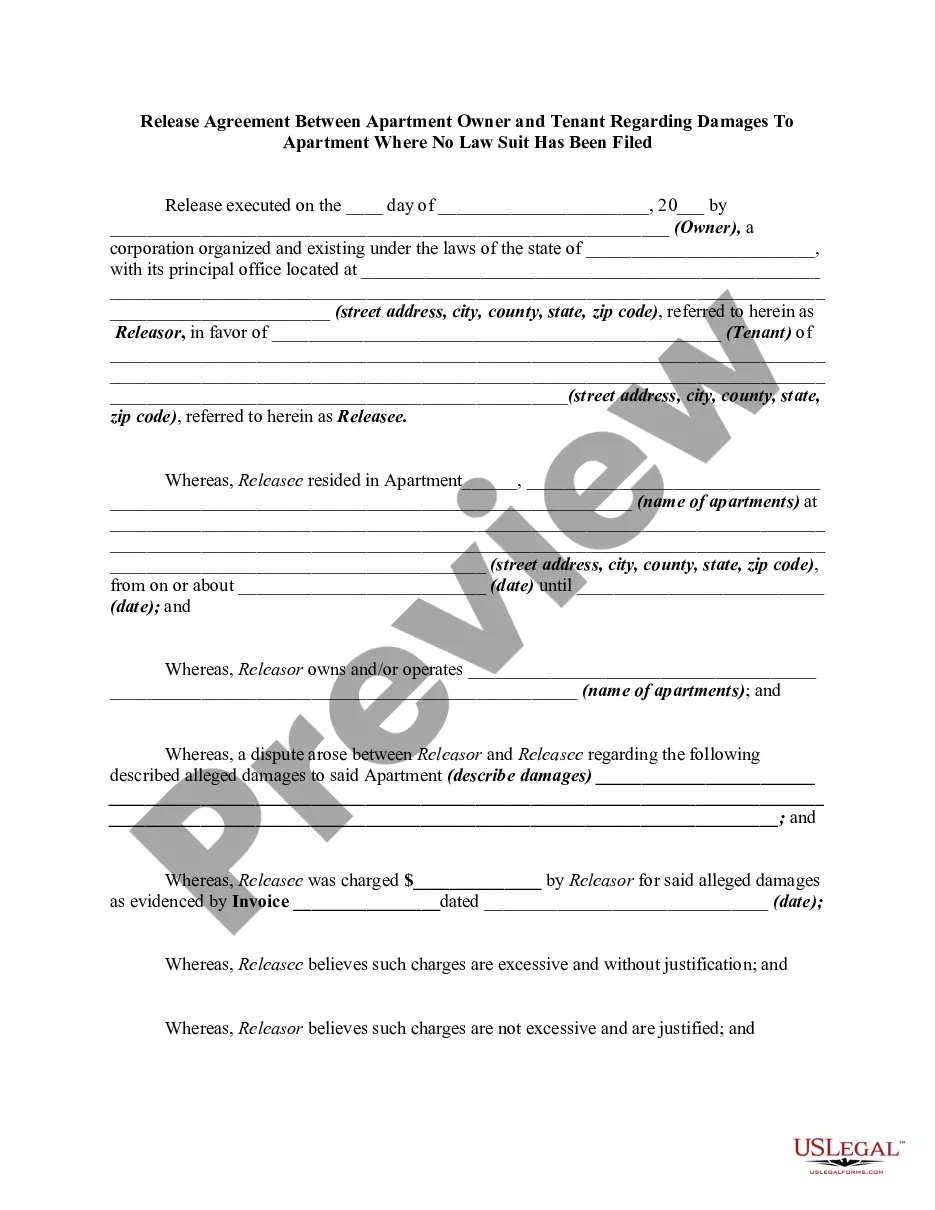
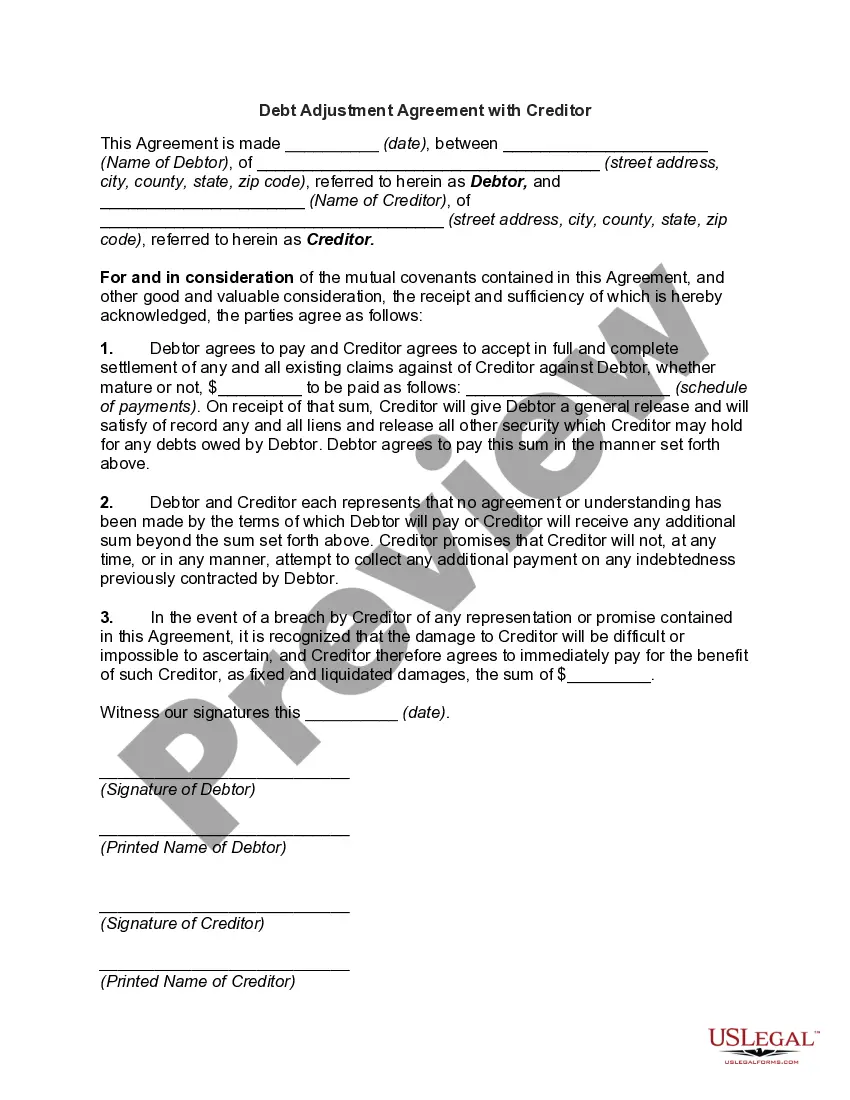
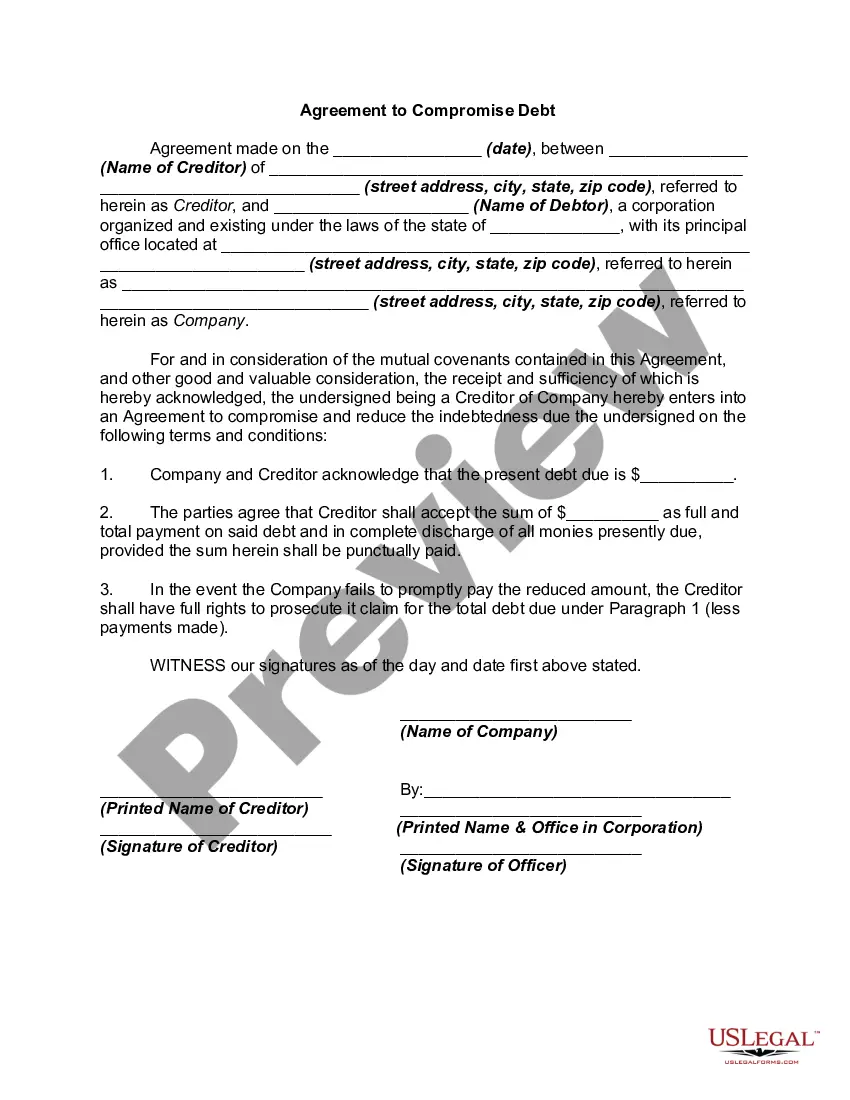
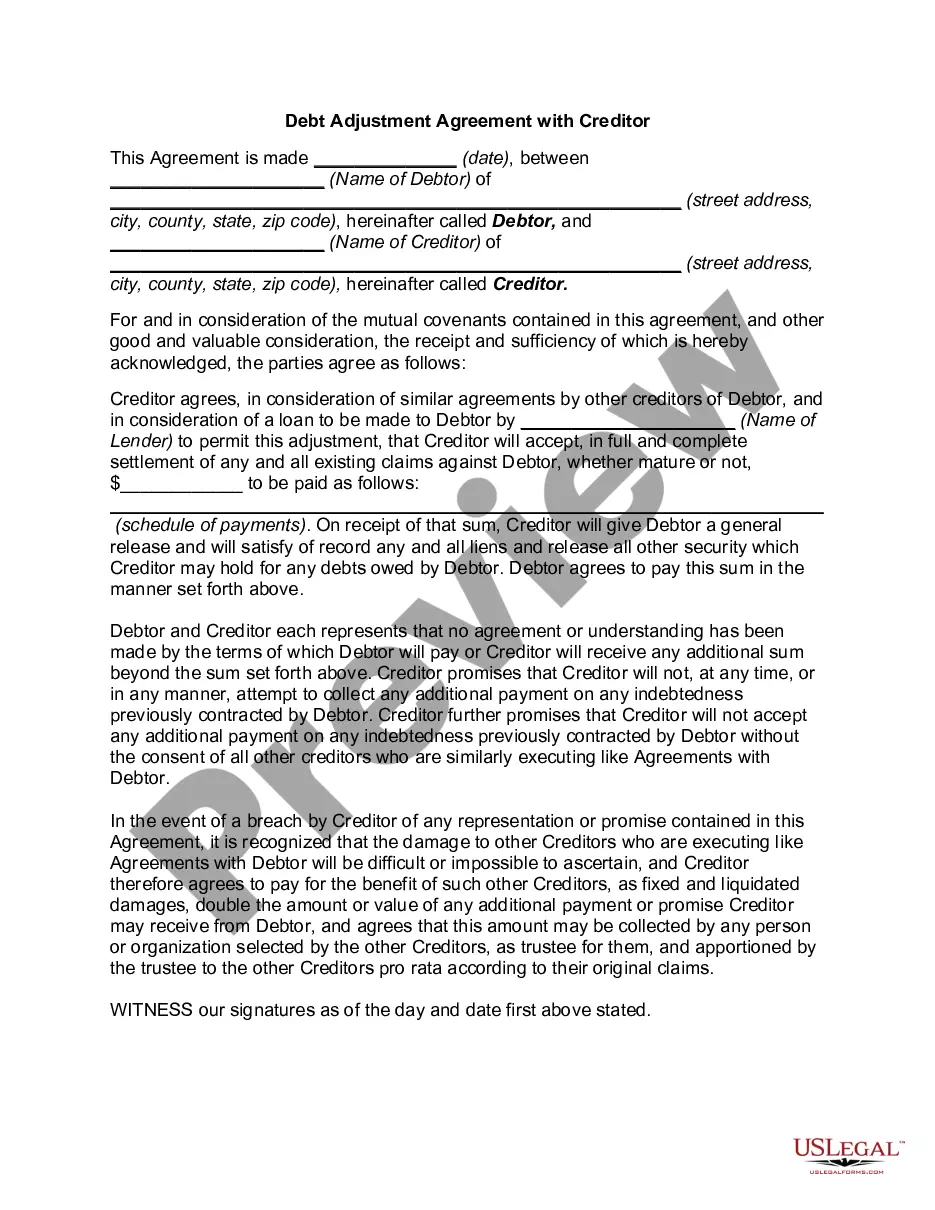
West Virginia Debt Adjustment Agreement with Creditor
Description
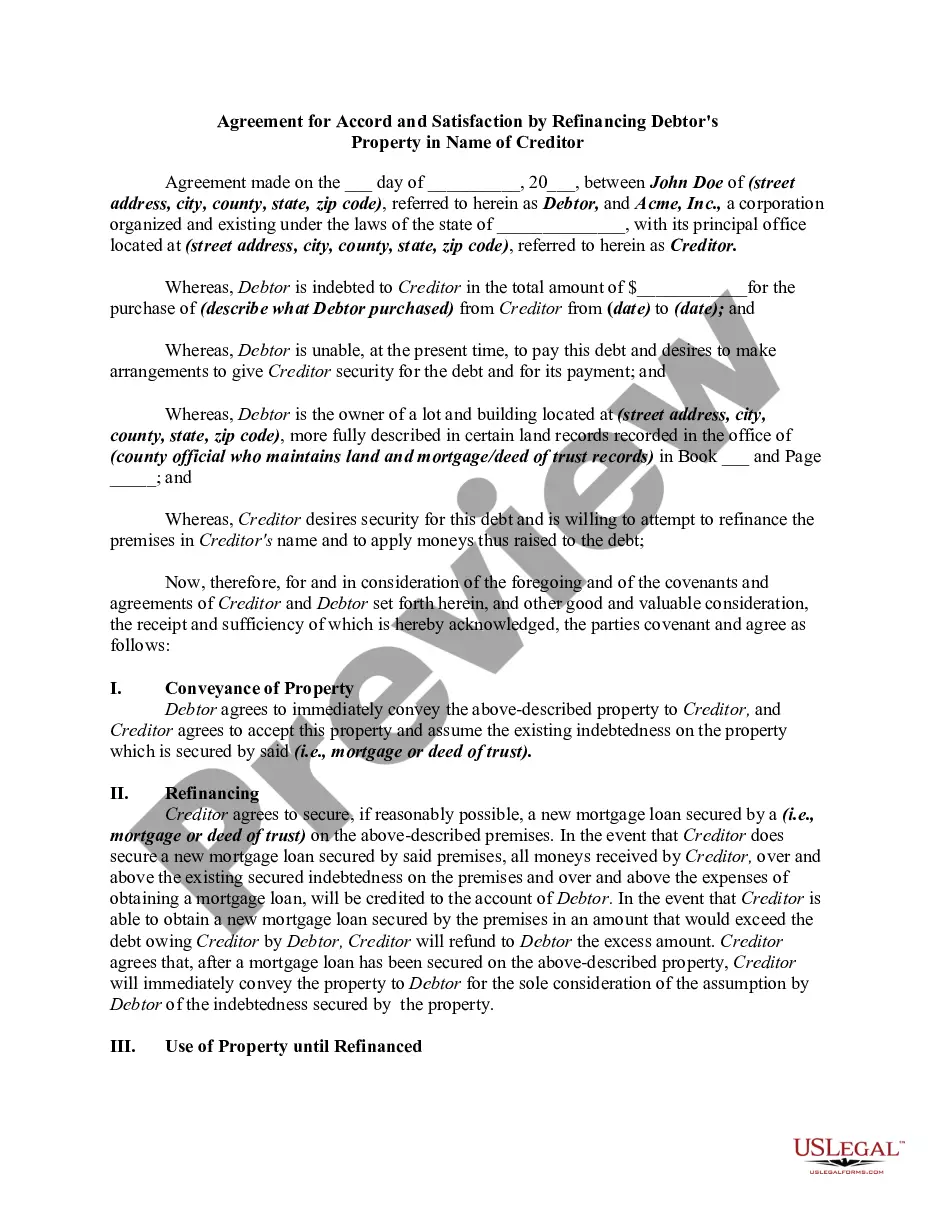
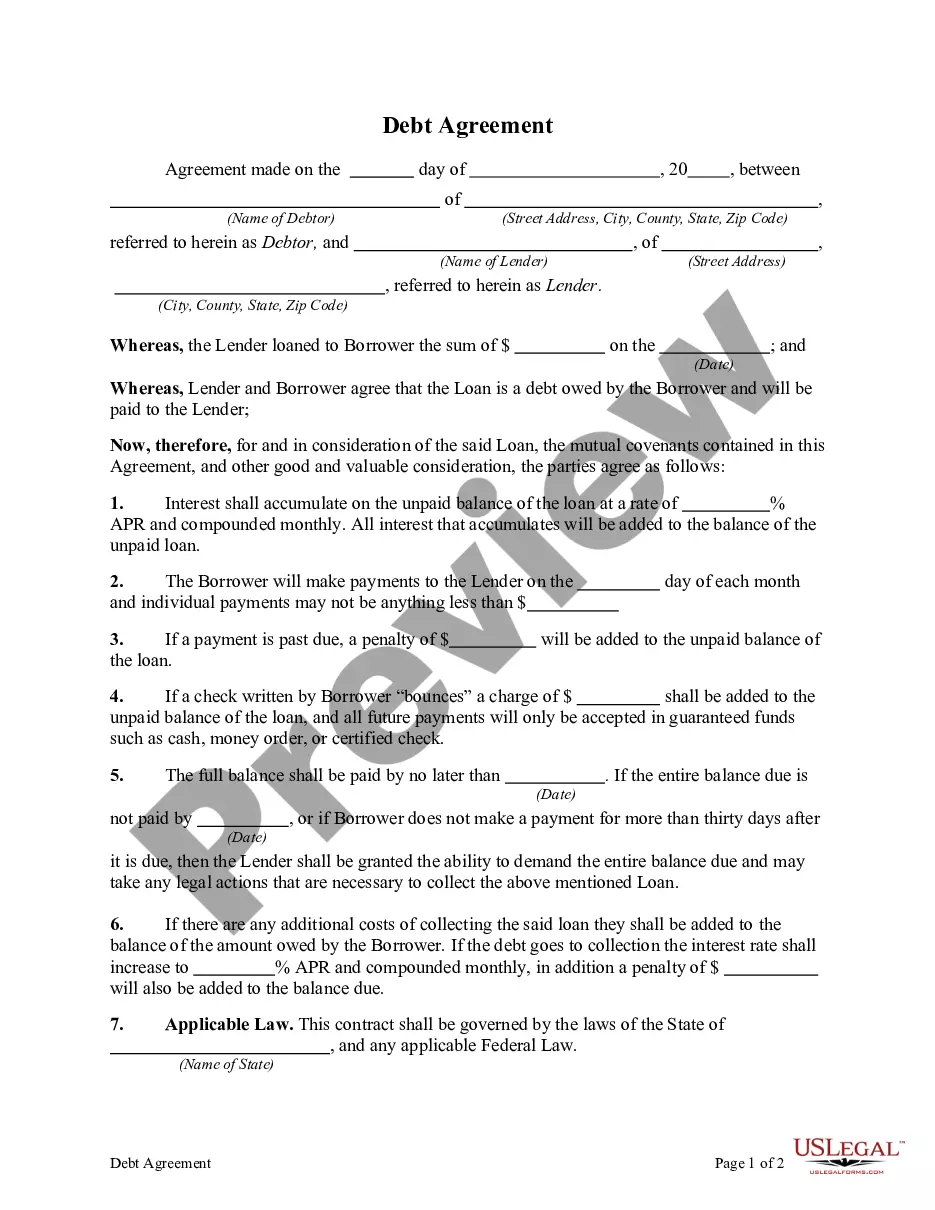
Get your form ready online
Our built-in tools help you complete, sign, share, and store your documents in one place.
Make edits, fill in missing information, and update formatting in US Legal Forms—just like you would in MS Word.
Download a copy, print it, send it by email, or mail it via USPS—whatever works best for your next step.
Sign and collect signatures with our SignNow integration. Send to multiple recipients, set reminders, and more. Go Premium to unlock E-Sign.
If this form requires notarization, complete it online through a secure video call—no need to meet a notary in person or wait for an appointment.
We protect your documents and personal data by following strict security and privacy standards.

Make edits, fill in missing information, and update formatting in US Legal Forms—just like you would in MS Word.

Download a copy, print it, send it by email, or mail it via USPS—whatever works best for your next step.

Sign and collect signatures with our SignNow integration. Send to multiple recipients, set reminders, and more. Go Premium to unlock E-Sign.

If this form requires notarization, complete it online through a secure video call—no need to meet a notary in person or wait for an appointment.

We protect your documents and personal data by following strict security and privacy standards.
Looking for another form?





How to fill out Debt Adjustment Agreement With Creditor?
Selecting the ideal authorized document template can be challenging.
Certainly, there are numerous templates accessible online, but how do you acquire the correct document you need.
Use the US Legal Forms website. This service offers a myriad of templates, including the West Virginia Debt Adjustment Agreement with Creditor, suitable for both business and personal purposes.
- All of the forms are reviewed by professionals and comply with federal and state regulations.
- If you are already registered, Log In to your account and click the Download button to retrieve the West Virginia Debt Adjustment Agreement with Creditor.
- Utilize your account to search for the legal forms you have previously purchased.
- Go to the My documents section of your account and download another copy of the document you need.
- If you are a new user of US Legal Forms, here are simple steps for you to follow.
- First, ensure you have chosen the correct document for your local area.
Form popularity
FAQ
A creditor's claim on assets is often referred to as a lien. This term describes the legal right a creditor has to claim certain assets if debts are unpaid. When entering a West Virginia Debt Adjustment Agreement with Creditor, understanding liens can help you identify which assets may be at risk and what protections you may need.
Within 60 days after the hearing, the Commissioner of Accounts will file a report of sufficiently proven debts and demands with the court. Creditors have 15 days from the filing to file exceptions.
In any event, where it is accepted that payment is due, the executor can seek to pay you (the creditor) from the deceased's estate. There is normally a six-month period from the deceased's death for creditors to advise the executor of any sums due to them from the estate.
Creditors have five (5) years to file their debt collection suit for the sum of money owed on an open account. If the debt is for the non-payment of an outstanding balance on a credit card, then the creditor has ten (10) years to file a collection lawsuit against the debtor.
There two ways to close the estate: (1) final settlement; or (2) waiver of final settlement. Generally, you must close the estate within 5 years of starting the probate process. W. Va.
In West Virginia, creditors have 60 days from the first publication of the Notice of Administration of the Estate to make any claims. This deadline does not apply to secured debt, such as a mortgage (see WV Code § 44-2-12).
The bill sets the medical debt statute of limitations at three years, unless it is for a payment plan that allows hospitals or health care providers more time to collect the debt.
Although medical debt is very common, Florida statutes do not provide a separate category for collection. A hospital or other medical provider will have five years to file a lawsuit for unpaid medical bills starting from the date of the unpaid invoice or bill.
If the debt is based on a written contract like medical debt, the creditor may file a collection lawsuit within ten (10) years from the time the debtor defaulted on their obligation.
In addition to the federal Fair Debt Collection Practices Act, Virginia law makes it illegal for debt collectors to communicate with you in a way that simulates a judicial. Because this is a criminal statute, debtors may report a violation but can't sue the collector for breaking the law.