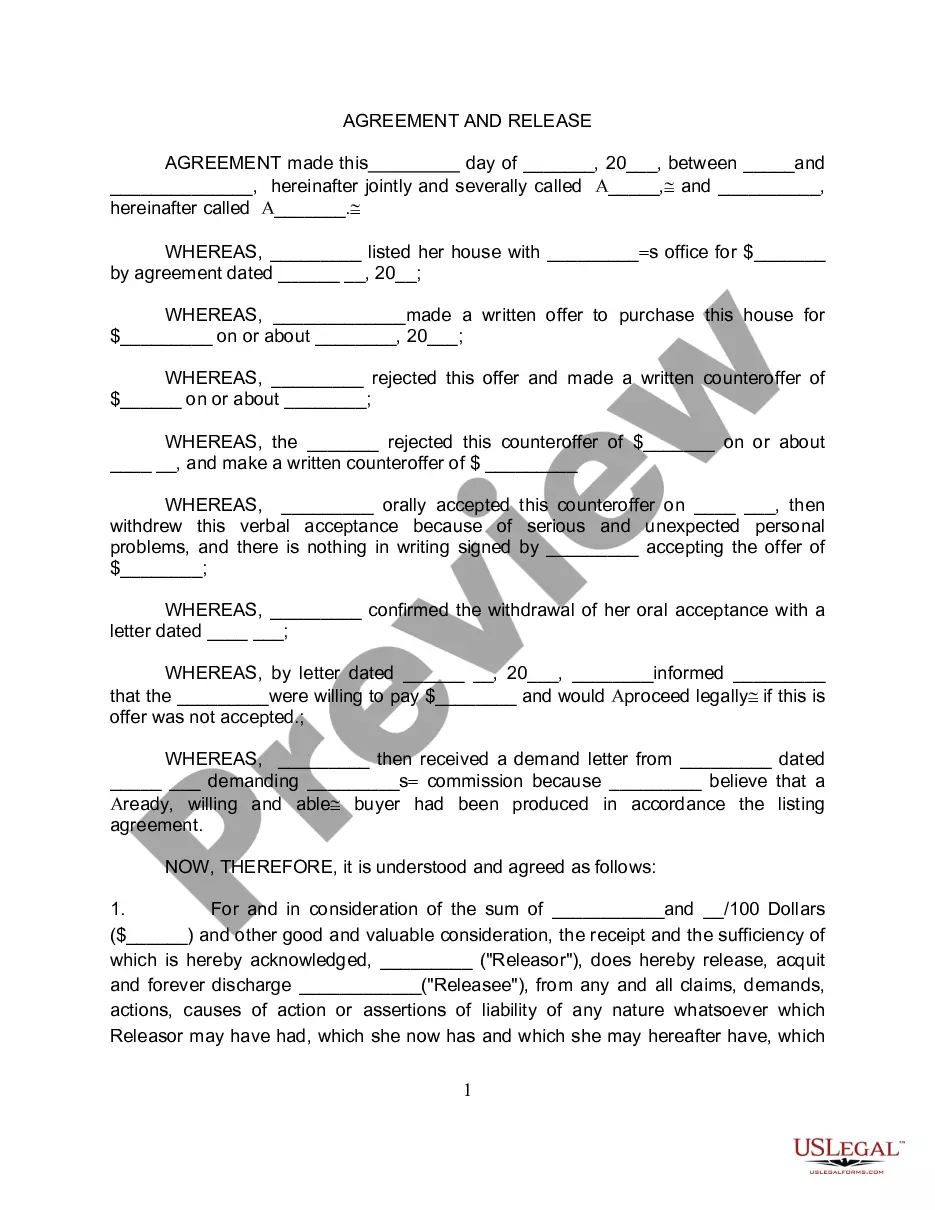
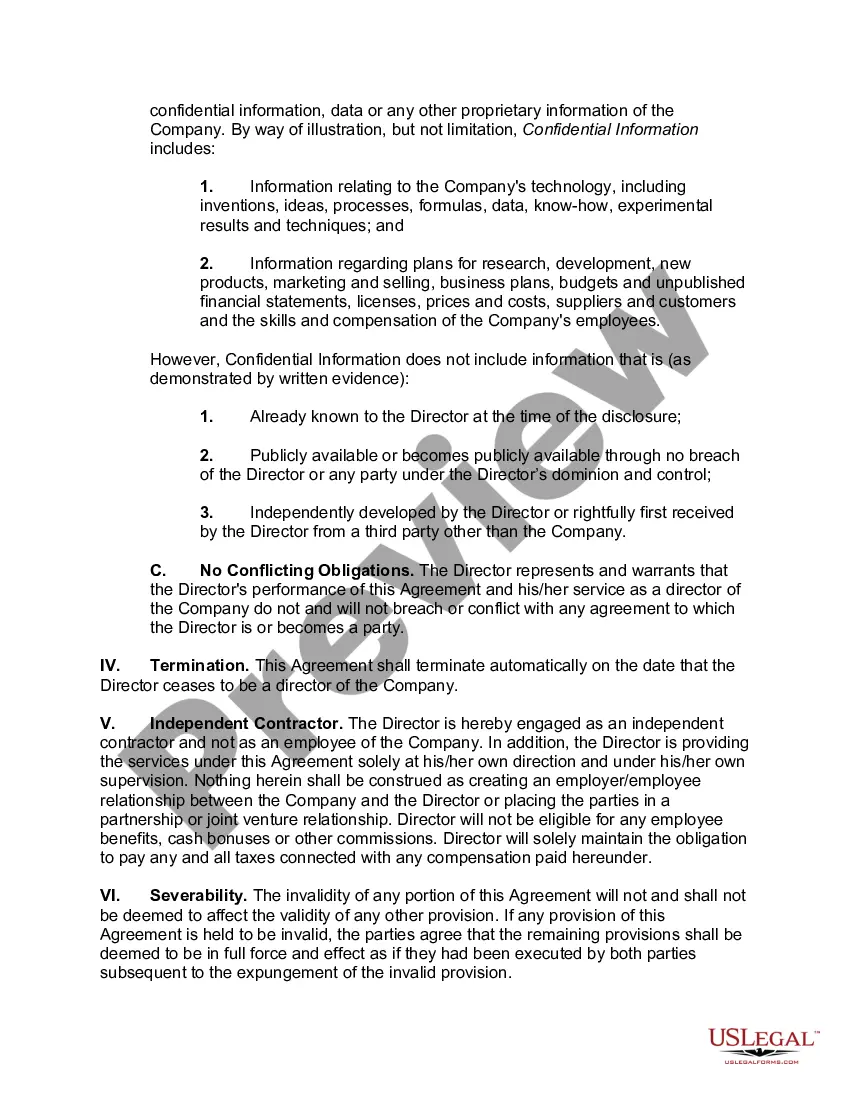
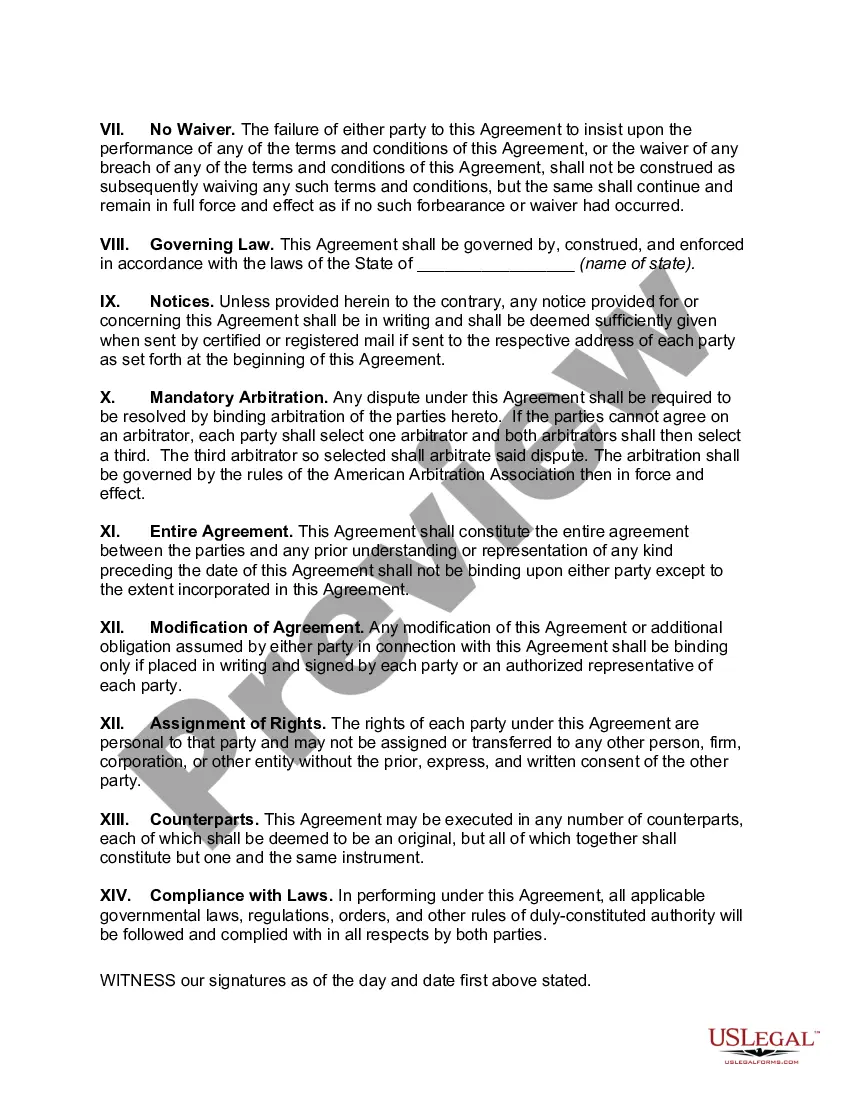
West Virginia Agreement Between Board Member and Close Corporation
Description

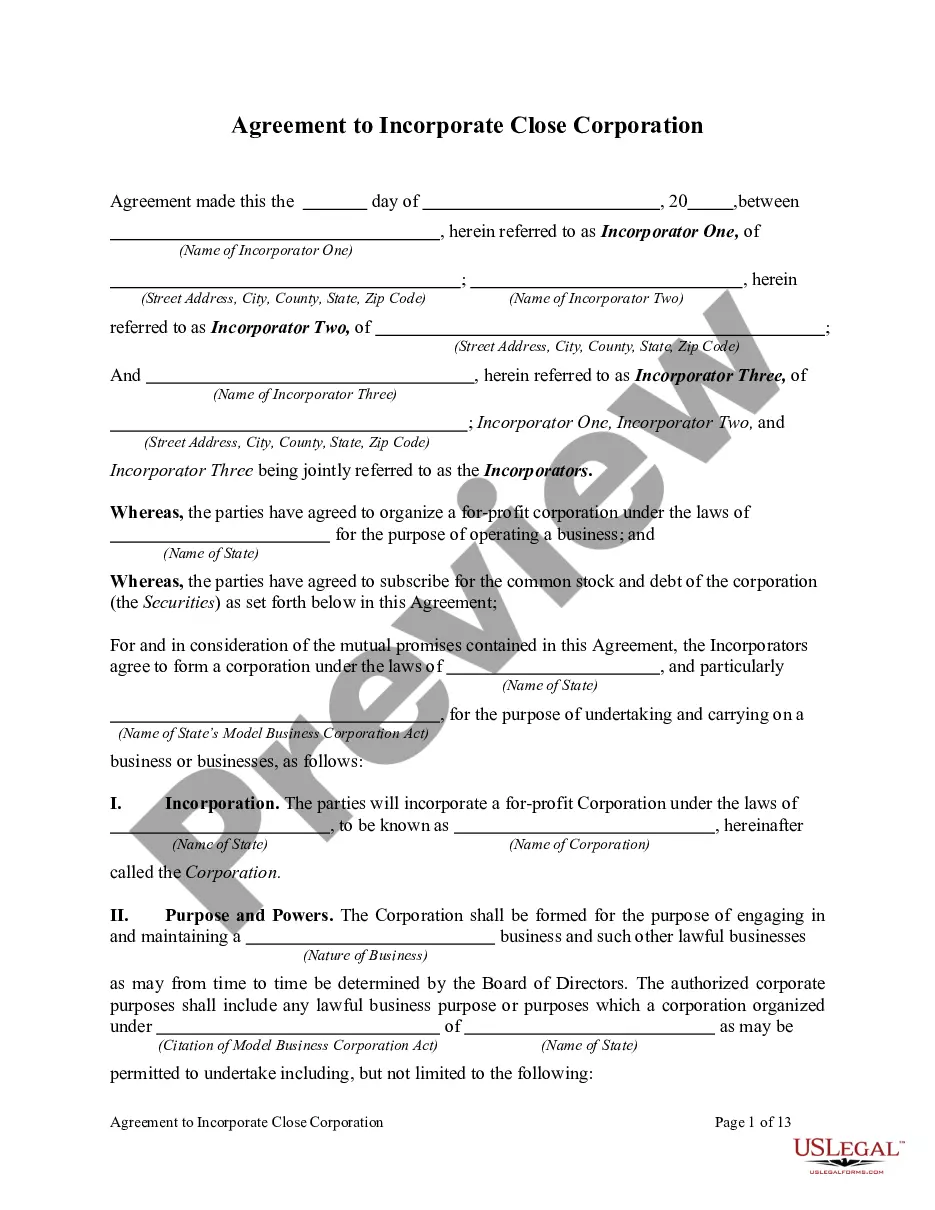
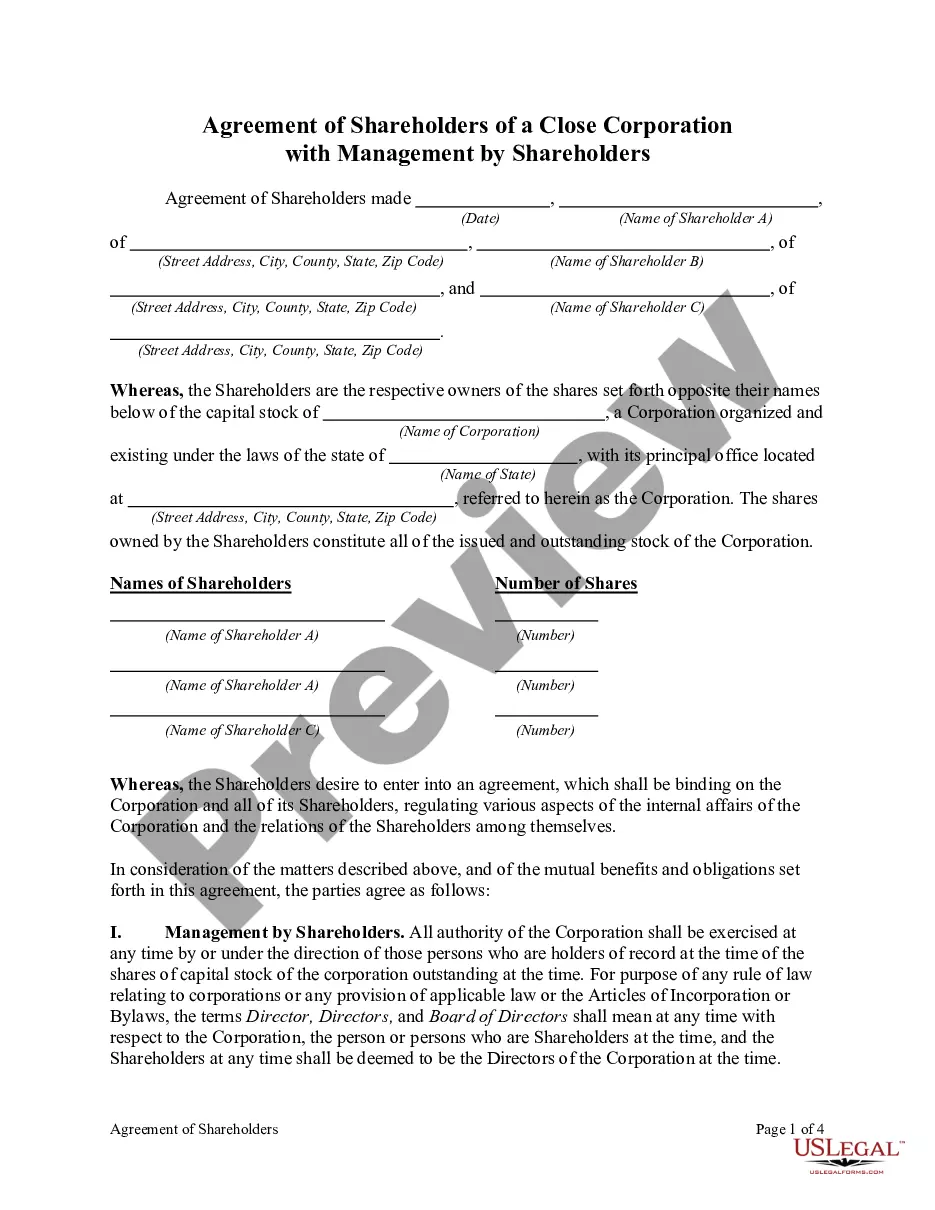
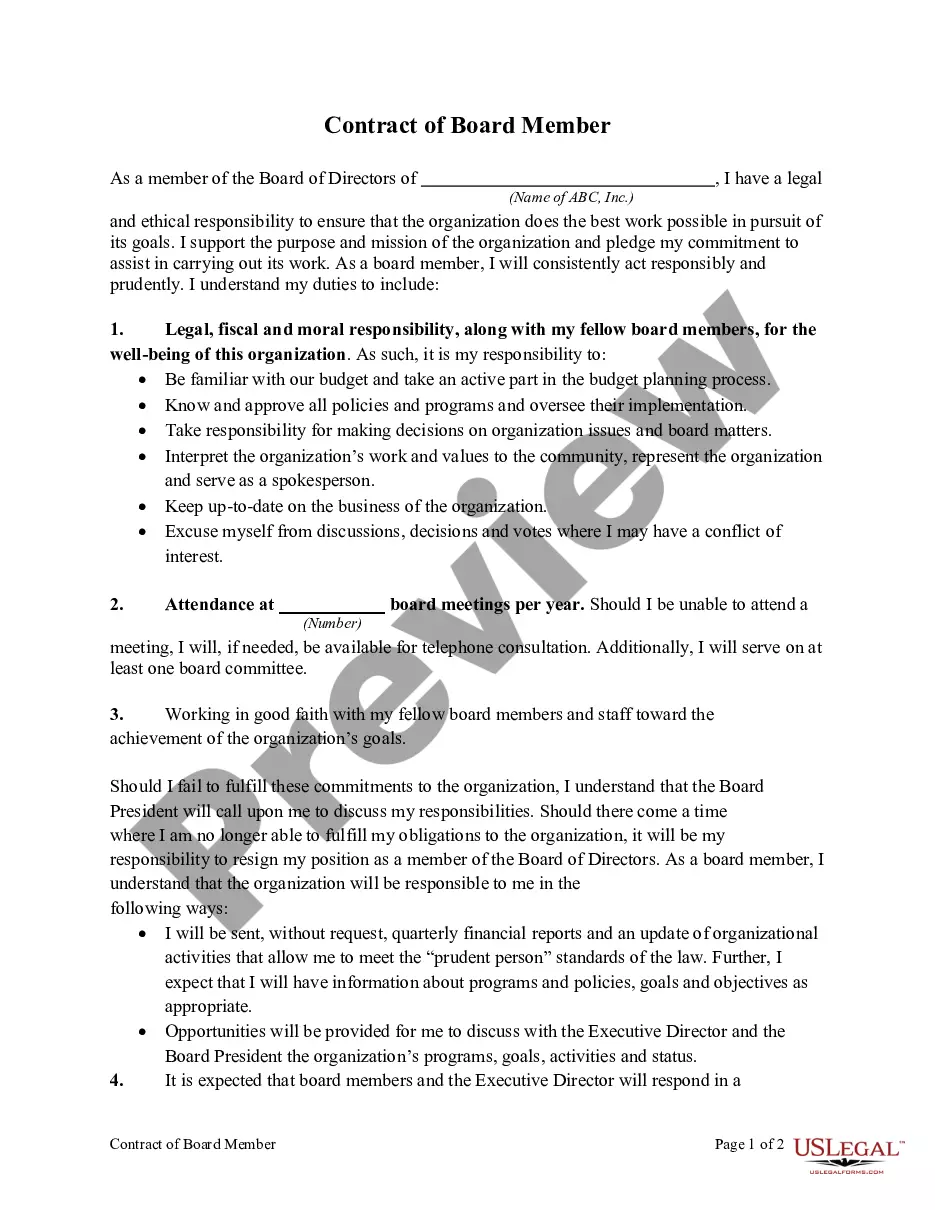
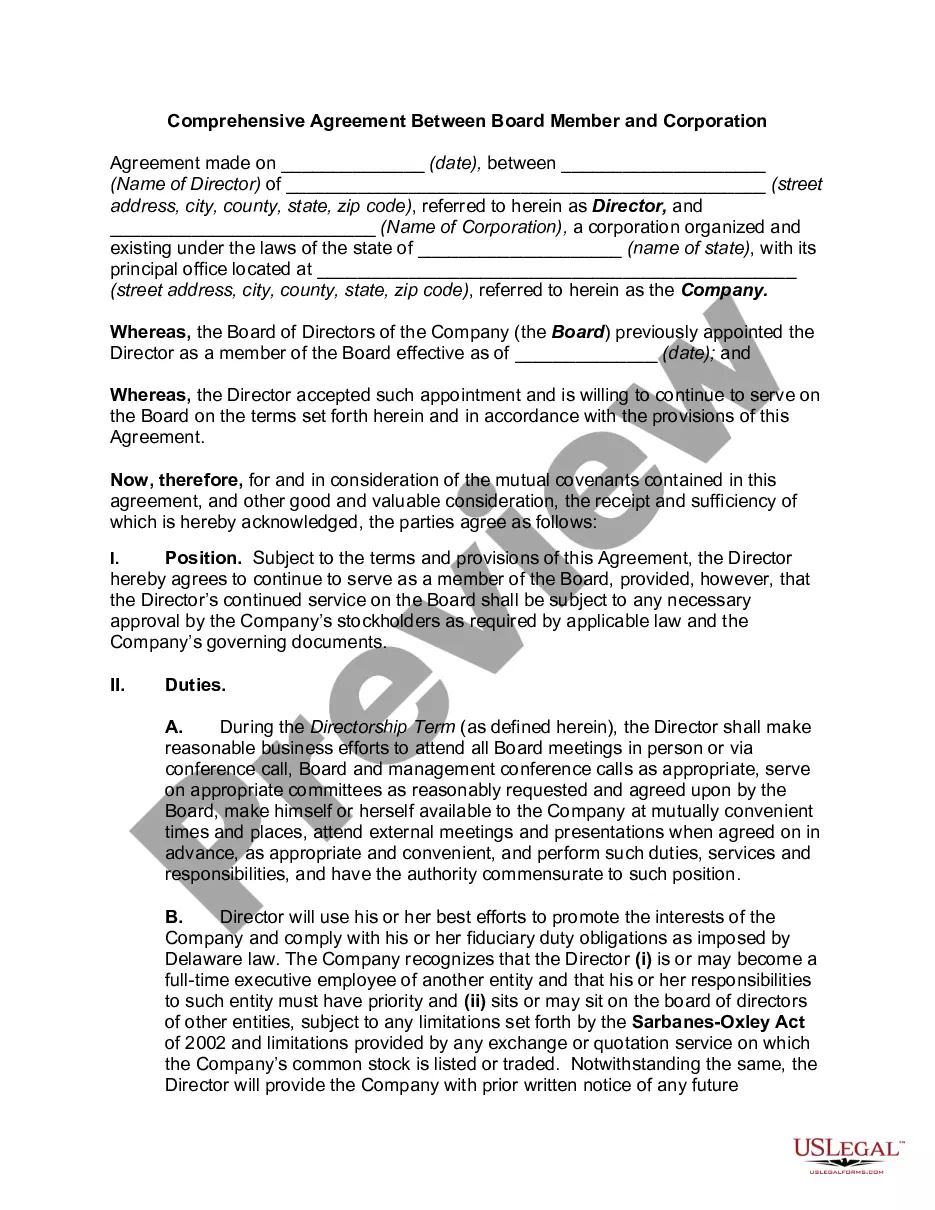
Get your form ready online
Our built-in tools help you complete, sign, share, and store your documents in one place.
Make edits, fill in missing information, and update formatting in US Legal Forms—just like you would in MS Word.
Download a copy, print it, send it by email, or mail it via USPS—whatever works best for your next step.
Sign and collect signatures with our SignNow integration. Send to multiple recipients, set reminders, and more. Go Premium to unlock E-Sign.
If this form requires notarization, complete it online through a secure video call—no need to meet a notary in person or wait for an appointment.
We protect your documents and personal data by following strict security and privacy standards.

Make edits, fill in missing information, and update formatting in US Legal Forms—just like you would in MS Word.

Download a copy, print it, send it by email, or mail it via USPS—whatever works best for your next step.

Sign and collect signatures with our SignNow integration. Send to multiple recipients, set reminders, and more. Go Premium to unlock E-Sign.

If this form requires notarization, complete it online through a secure video call—no need to meet a notary in person or wait for an appointment.

We protect your documents and personal data by following strict security and privacy standards.
Looking for another form?

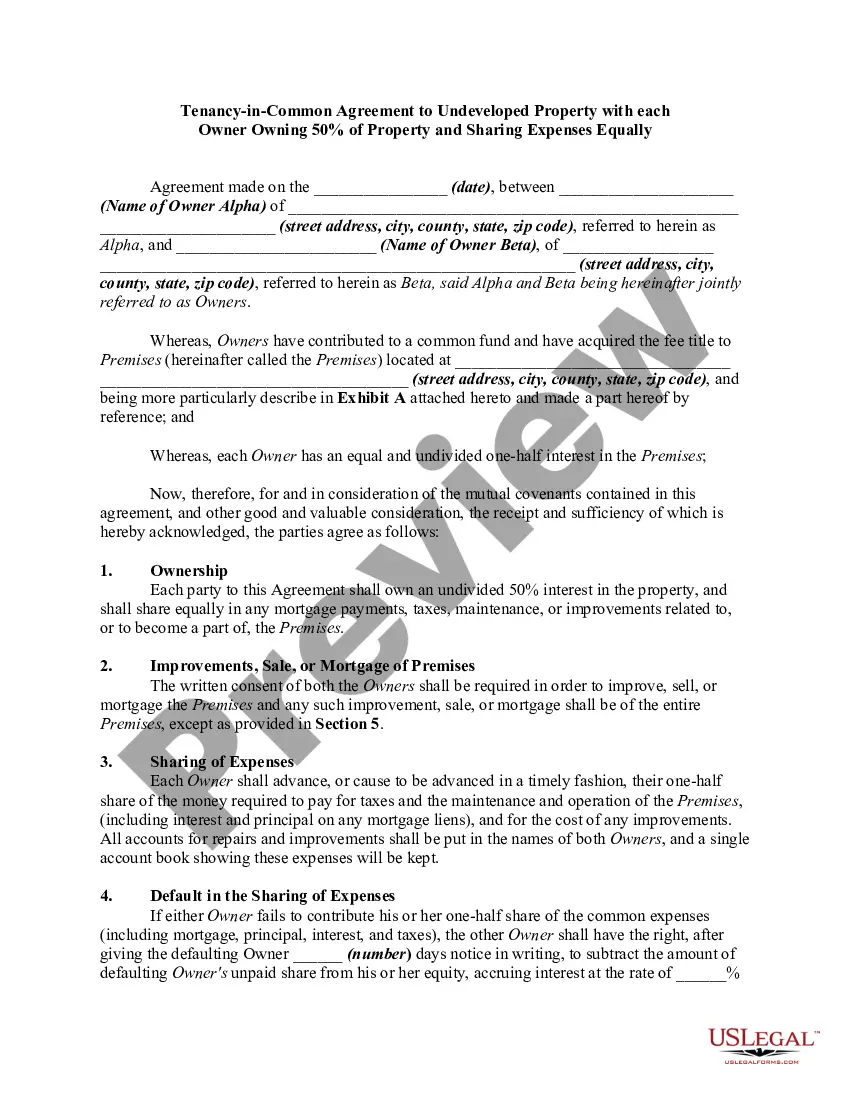

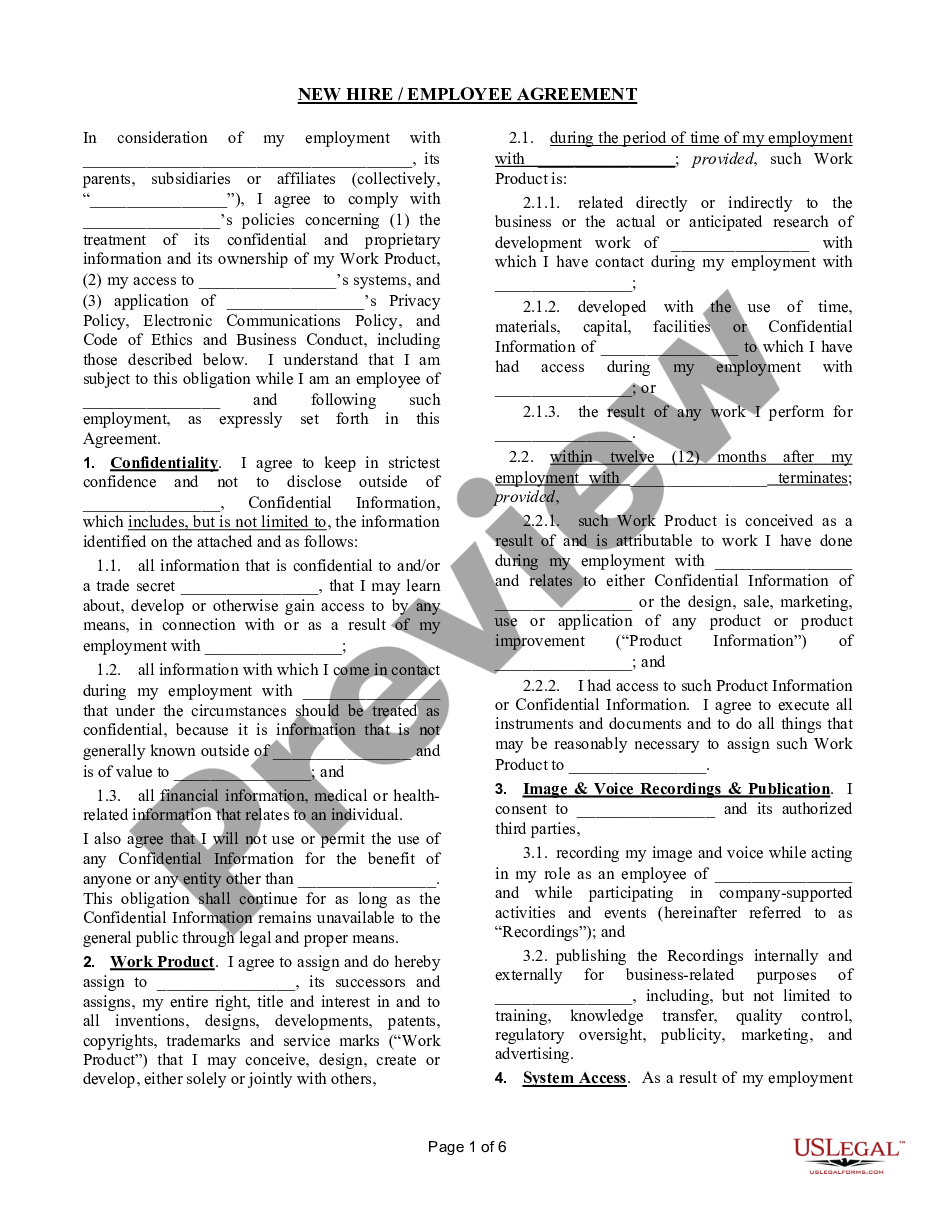
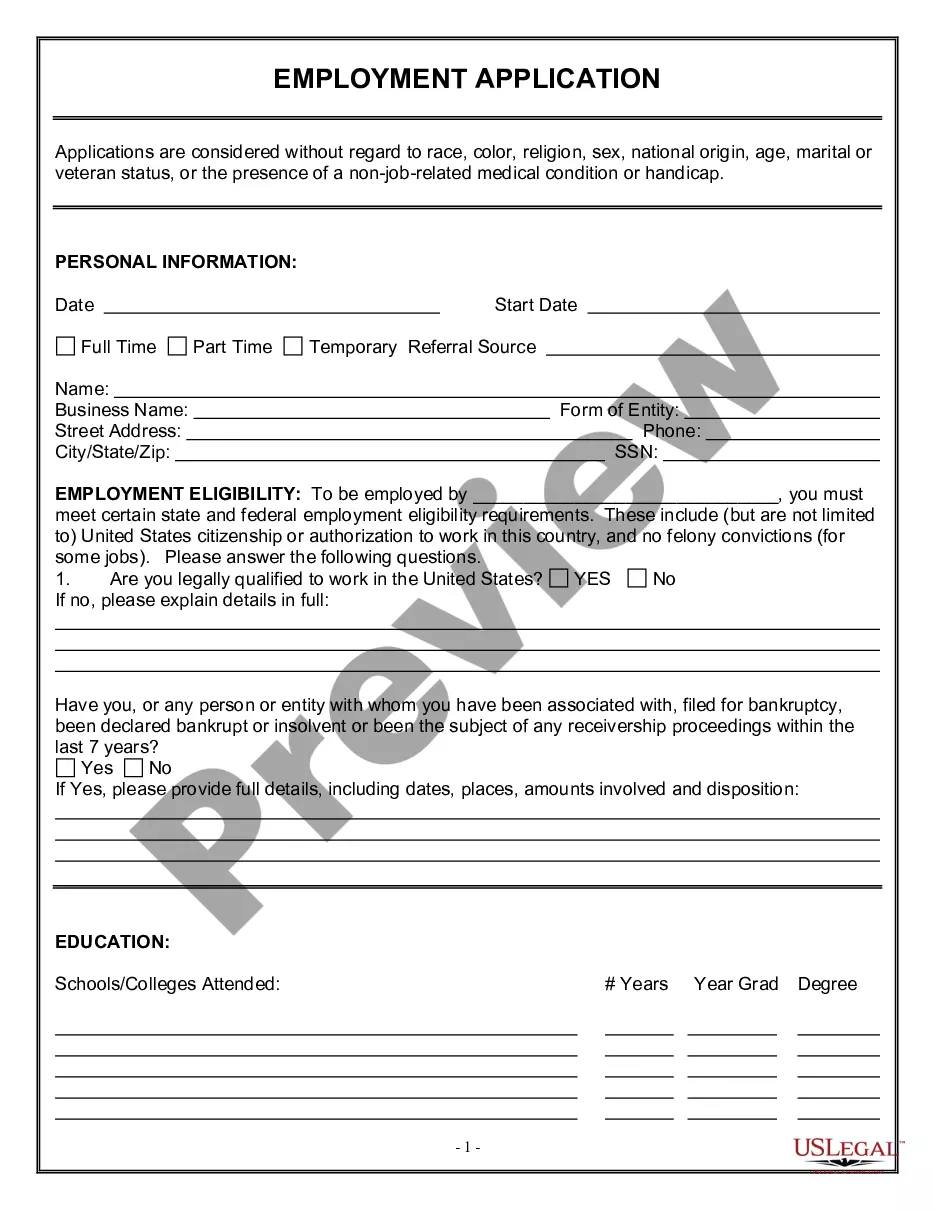

How to fill out Agreement Between Board Member And Close Corporation?
You could spend hours online attempting to locate the proper legal document format that satisfies the state and federal requirements you need.
US Legal Forms offers a vast array of legal templates that can be reviewed by experts.
You can download or print the West Virginia Agreement Between Board Member and Close Corporation from my platform.
To find another version of the form, use the Search area to locate the format that fulfills your needs and requirements.
- If you already have a US Legal Forms account, you can Log In and then click the Download option.
- After that, you can fill out, modify, print, or sign the West Virginia Agreement Between Board Member and Close Corporation.
- Every legal document format you purchase is yours indefinitely.
- To obtain another copy of a purchased form, navigate to the My documents tab and select the appropriate option.
- If you are using the US Legal Forms website for the first time, follow the simple instructions below.
- First, ensure that you have chosen the correct format for the region or area of your choice.
- Check the form details to confirm that you have selected the right one.
- If available, use the Review option to examine the format as well.
Form popularity
FAQ
Roles of Corporate OfficersCorporate officers are elected by the board of directors. Their job is to manage the daily activities of the corporation. Officers can sit on the board of directors. In fact, it is common for the CEO to also be a director.
The board of directors appoints corporate officers to handle daily operations. The corporate officers usually consist of a president, one or more vice presidents, the secretary, and a treasurer. You might be familiar with terms like CEO (chief executive officer) or CFO (chief financial officer).
Members are sometimes confused by the difference between officers and directors. Directors are elected by the membership, while officers are named by the board to keep minutes, oversee financials, etc. Officers are required by statute but being an officer does not give one the power to vote.
Generally, the board of directors is responsible for making major business and policy decisions and the officers are responsible for carrying out the board's policies and for making the day-to-day decisions.
Yes. All states allow a single shareholder to create and run a corporation. And all states allow it to have just one director as well. So you can be the sole shareholder, director and officer for your company.
The new member can be added to the board of directors if a majority of current members vote in support. Propose an amendment to the bylaws if the board is currently at the maximum number of members allowed. An amendment should be circulated in advance of a general board meeting, discussed at the meeting and voted upon.
Members are sometimes confused by the difference between officers and directors. Directors are elected by the membership, while officers are named by the board to keep minutes, oversee financials, etc.
Officers are usually appointed by the corporation's board of directors, and while specific positions may vary from one corporation to another, typical corporate officers include:Chief Executive Officer (CEO) or President.Chief Operating Officer (COO).Chief Financial Officer (CFO) or Treasurer.Secretary.
The Board of Directors appoints Corporate Officers. Corporate Officers handle day-to-day operations of the business, usually consisting of a president, one or more vice-presidents, the secretary, and a treasurer.
Generally, the board of directors is responsible for making major business and policy decisions and the officers are responsible for carrying out the board's policies and for making the day-to-day decisions.