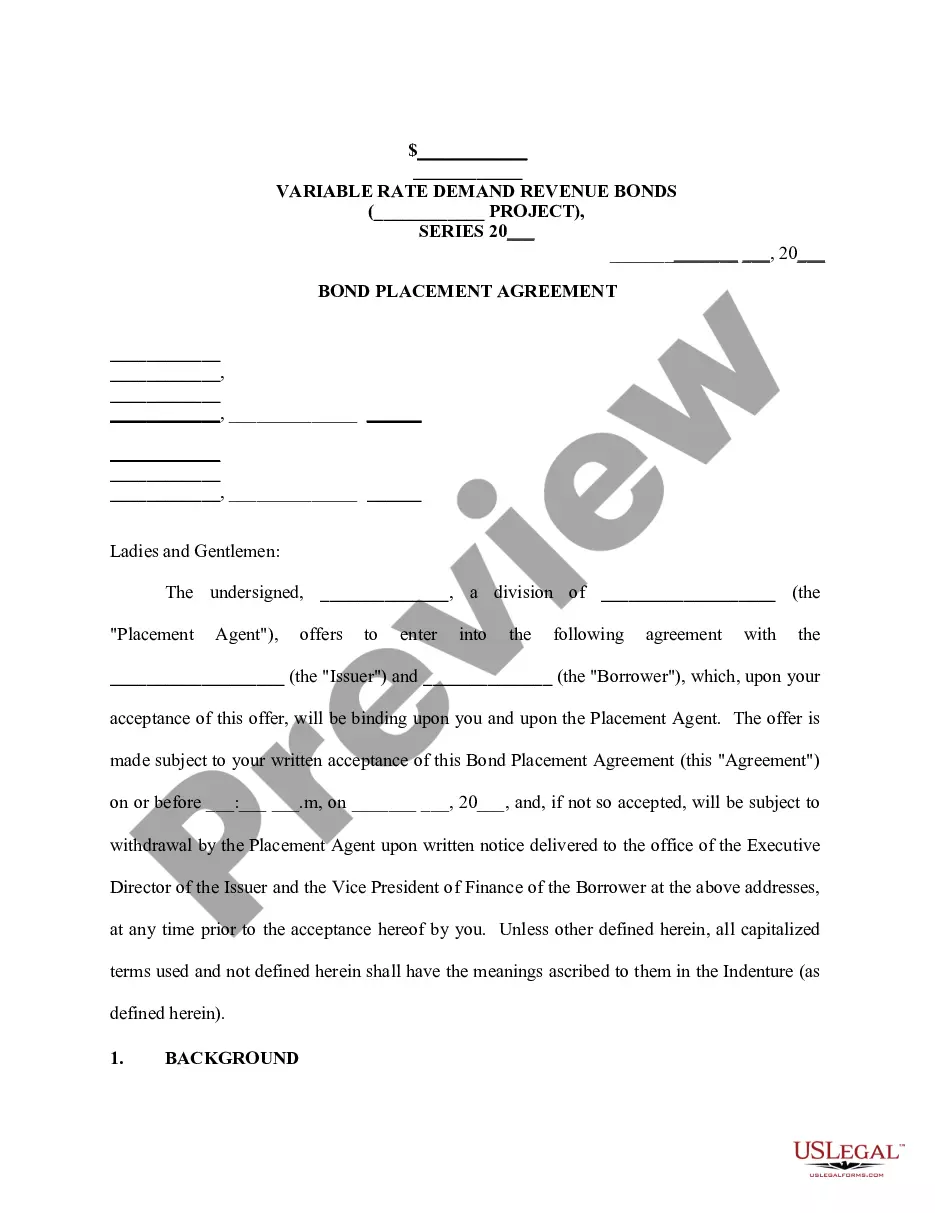
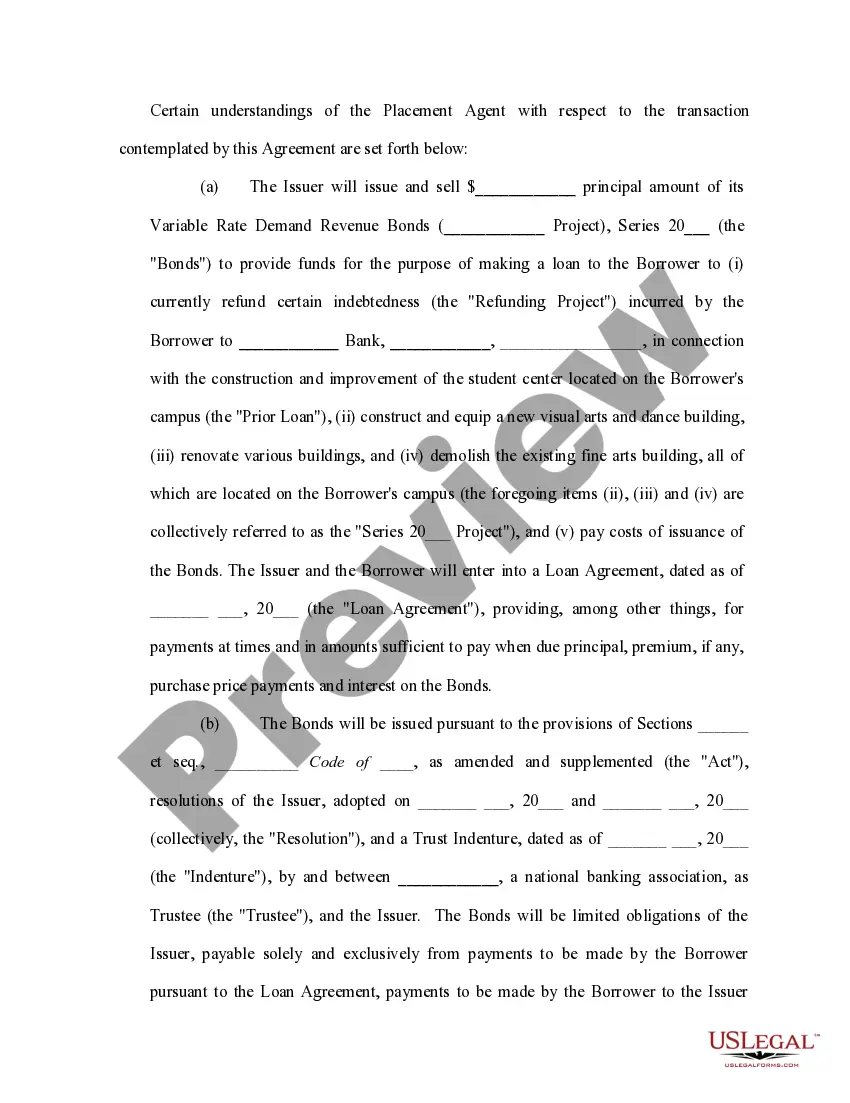
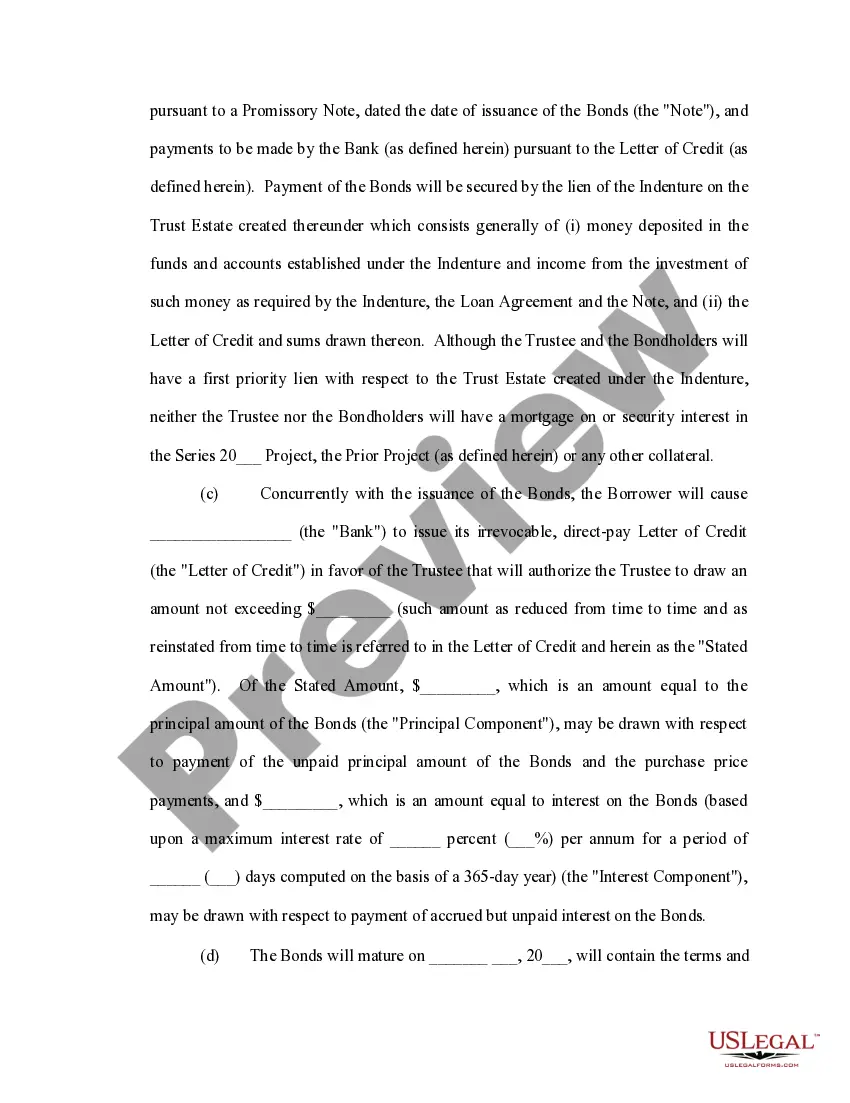
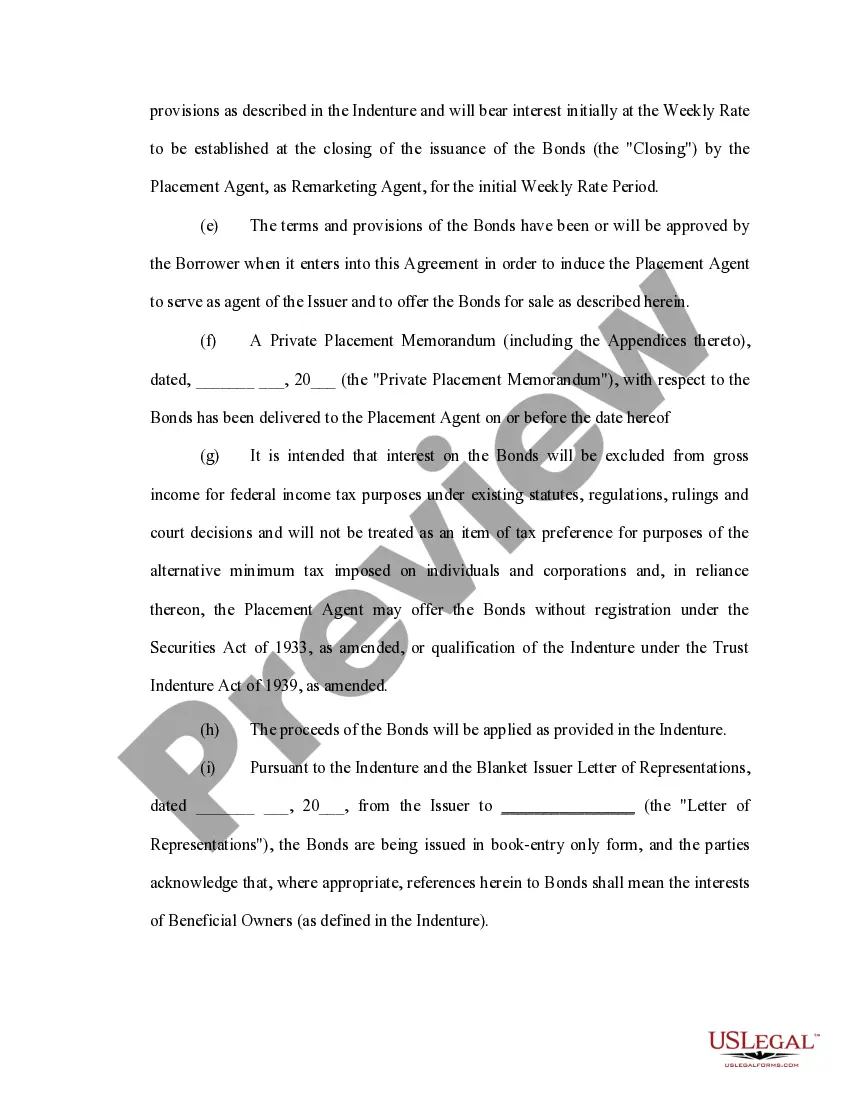
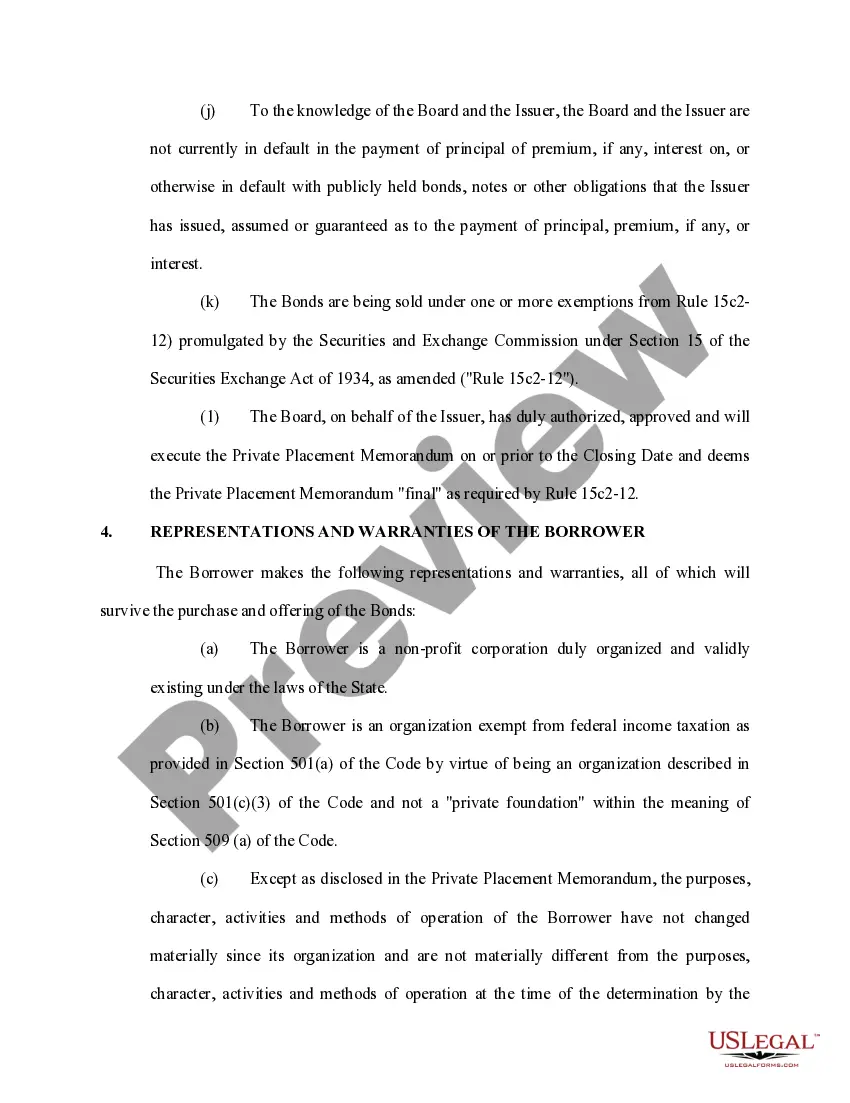
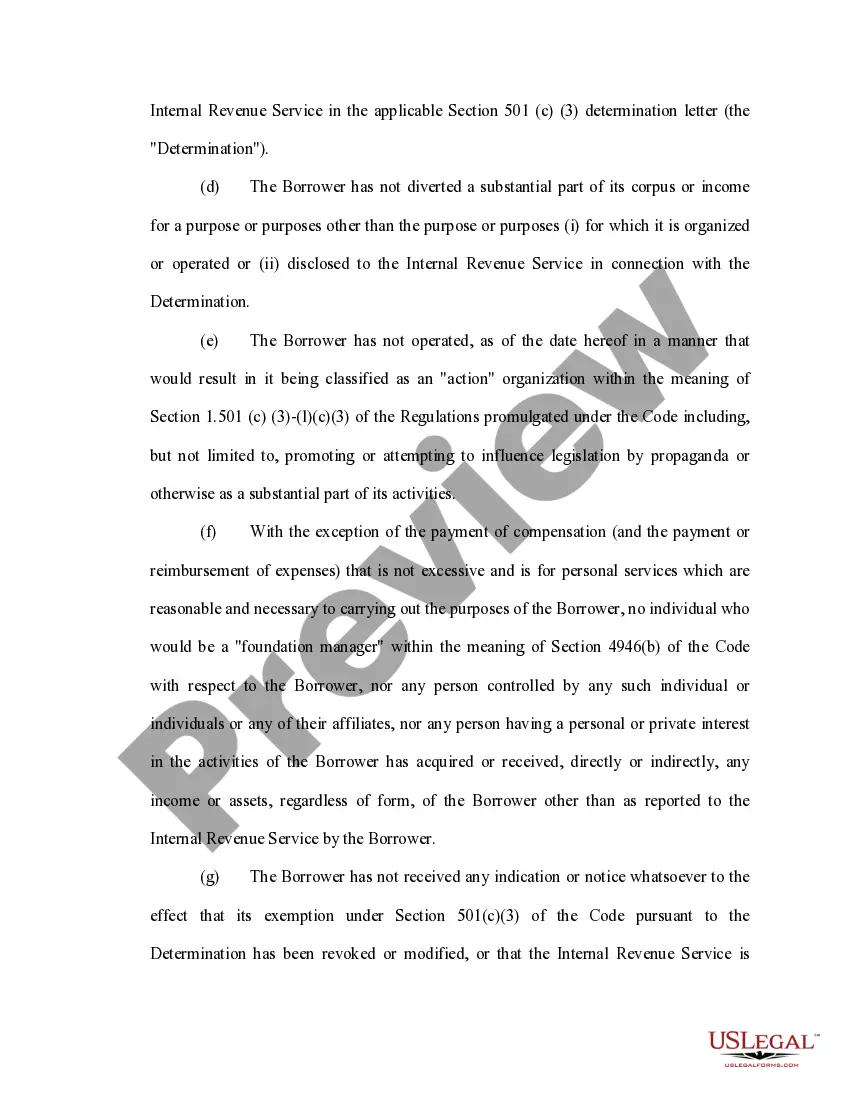
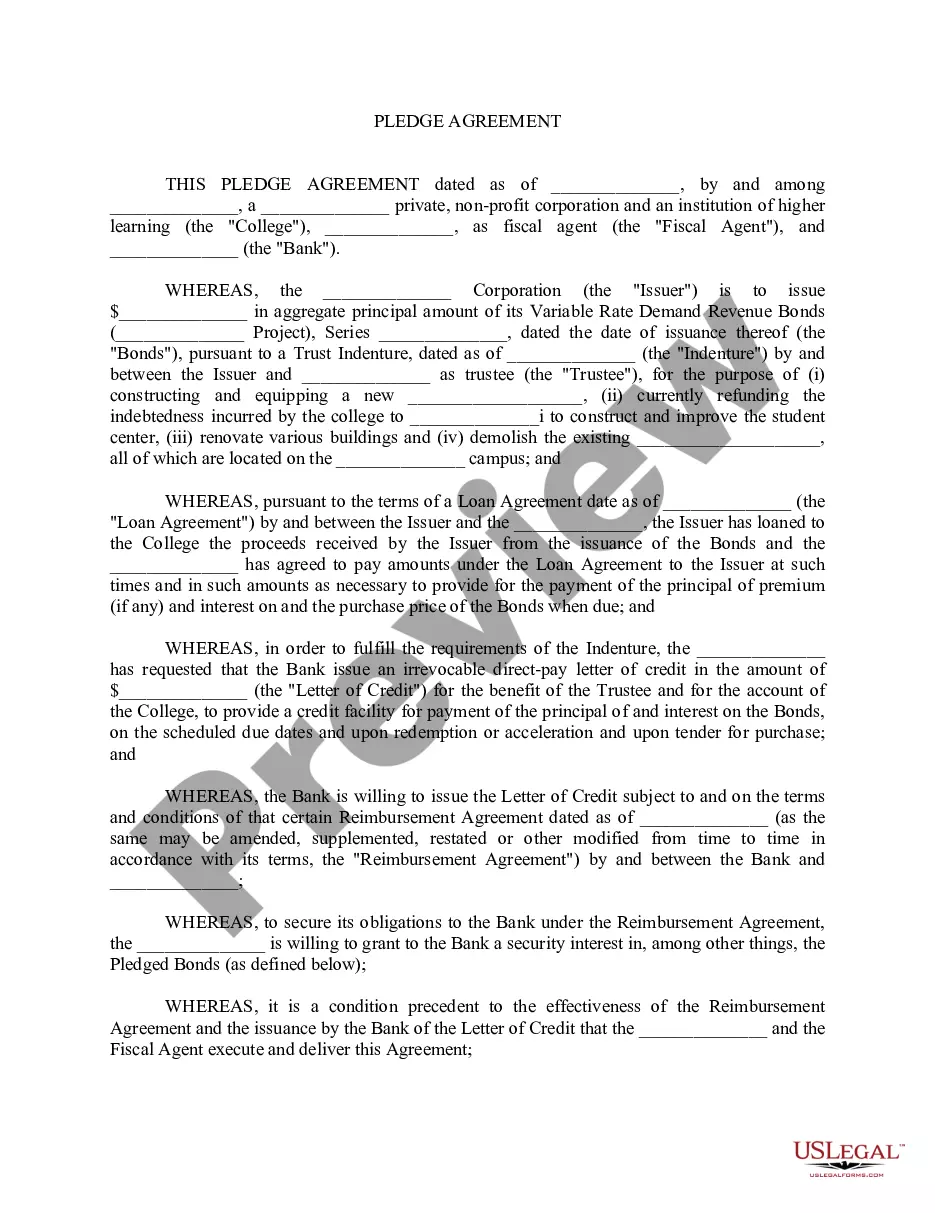
A bond placement is the process of selling a new bond issue often to an intitutional investor. For a company in need of financing, this a typical transaction arranged through an investment banker.
West Virginia Bond placement agreement
Instant download
Description
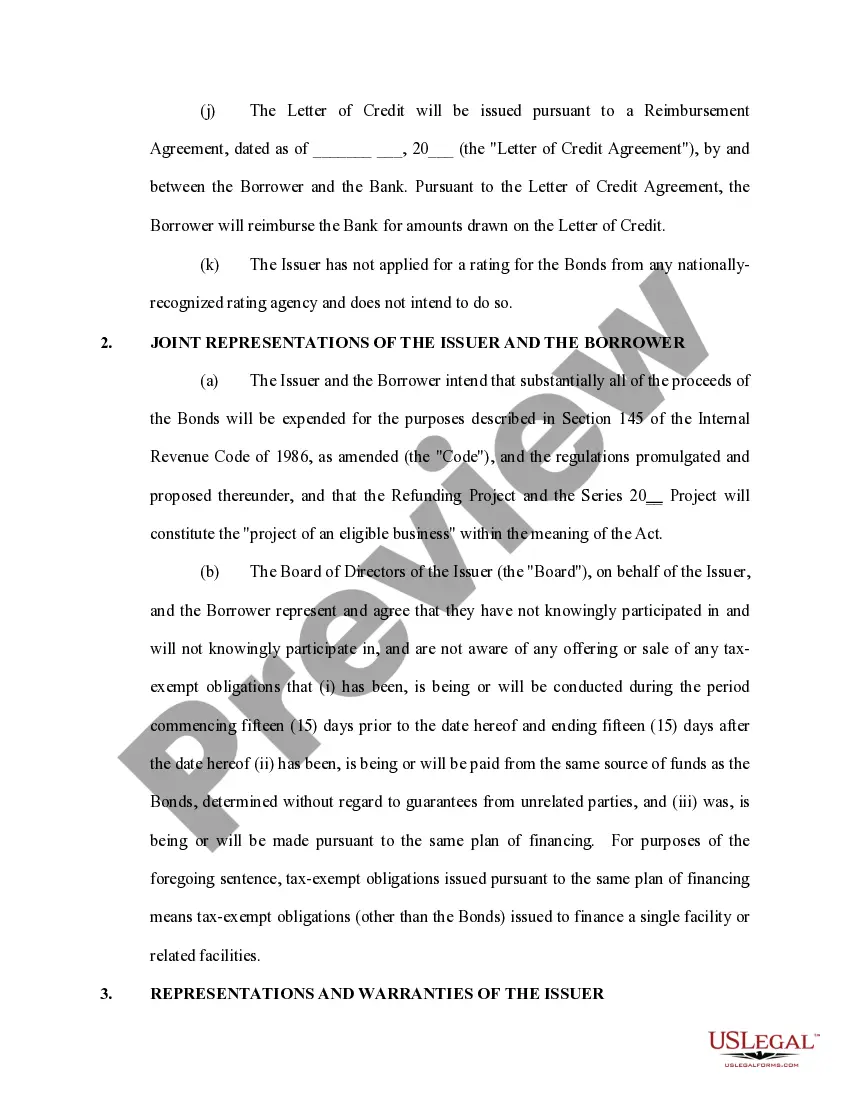
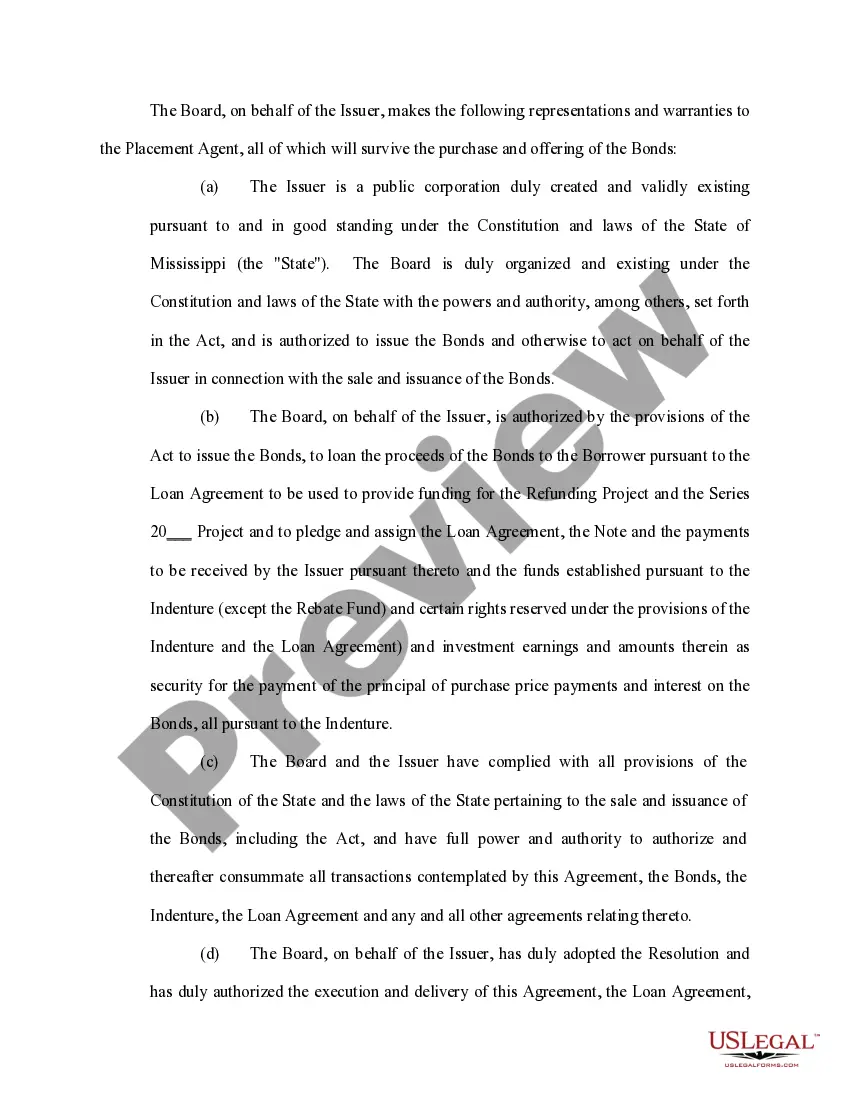
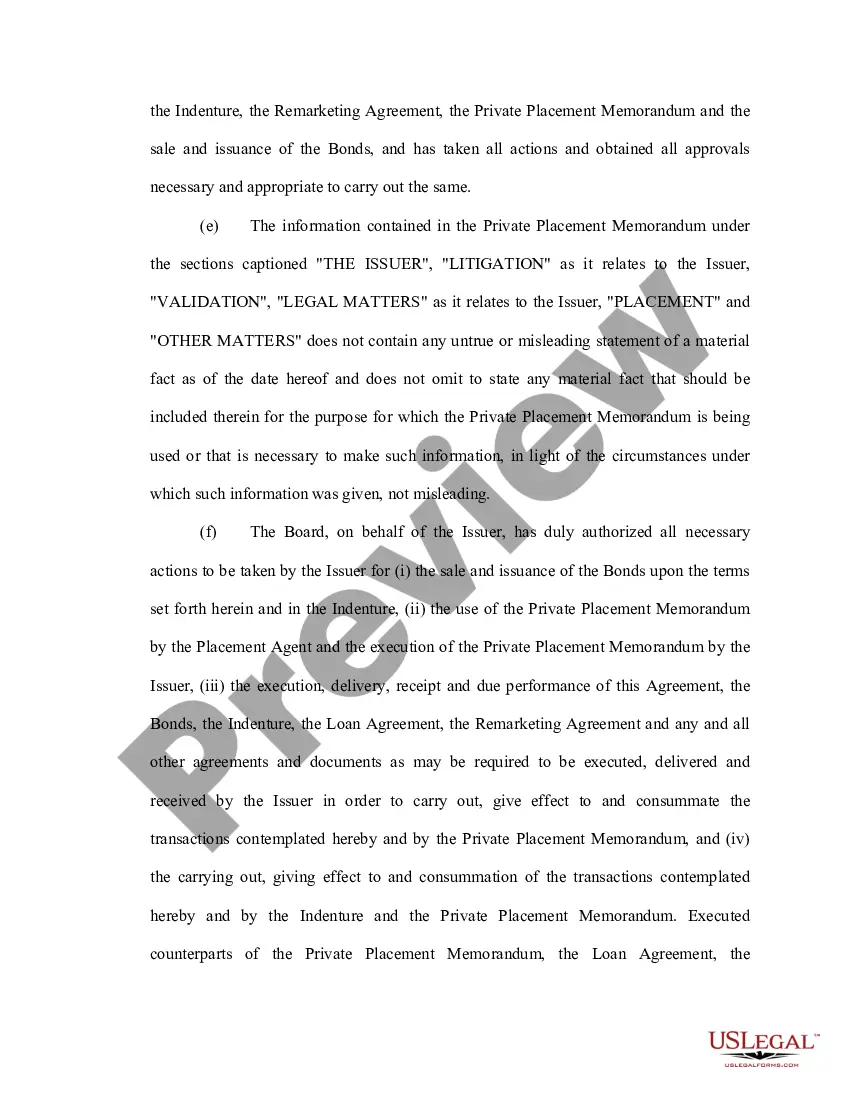
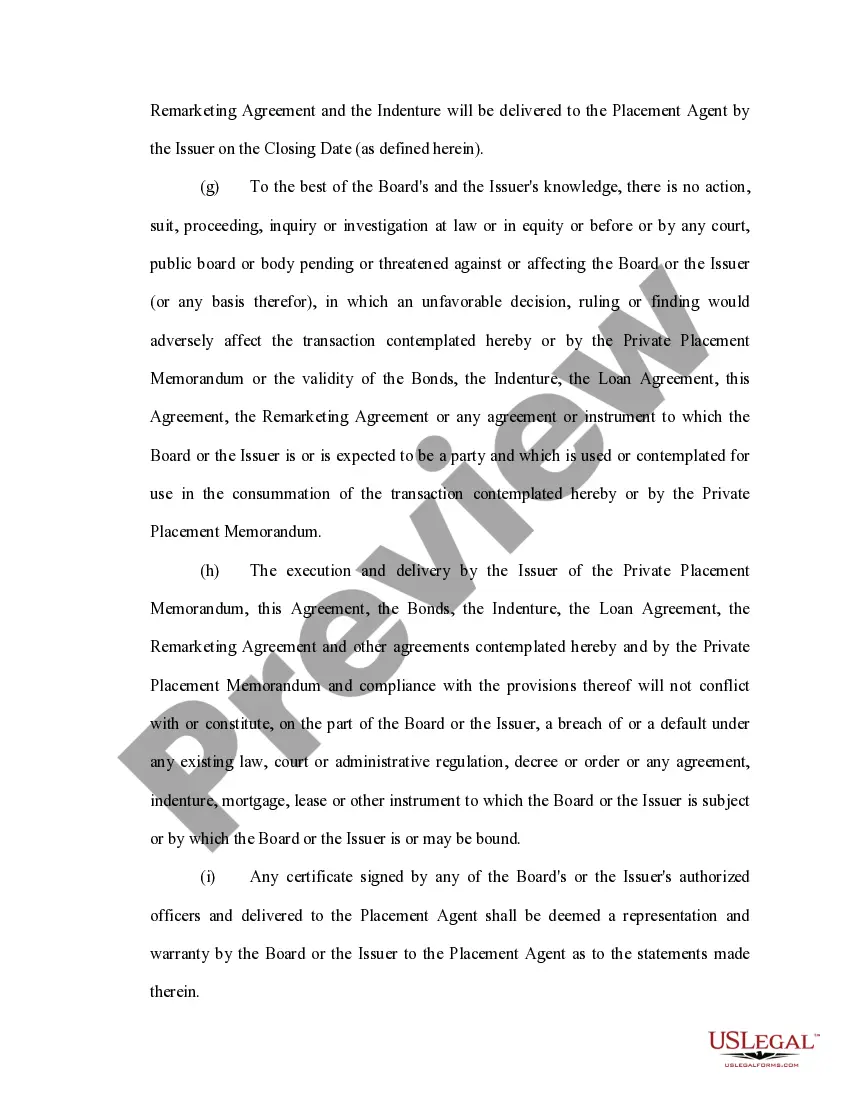
Free preview



Get your form ready online
Our built-in tools help you complete, sign, share, and store your documents in one place.
Built-in online Word editor
Make edits, fill in missing information, and update formatting in US Legal Forms—just like you would in MS Word.
Export easily
Download a copy, print it, send it by email, or mail it via USPS—whatever works best for your next step.
E-sign your document
Sign and collect signatures with our SignNow integration. Send to multiple recipients, set reminders, and more. Go Premium to unlock E-Sign.
Notarize online 24/7
If this form requires notarization, complete it online through a secure video call—no need to meet a notary in person or wait for an appointment.
Store your document securely
We protect your documents and personal data by following strict security and privacy standards.

Make edits, fill in missing information, and update formatting in US Legal Forms—just like you would in MS Word.

Download a copy, print it, send it by email, or mail it via USPS—whatever works best for your next step.

Sign and collect signatures with our SignNow integration. Send to multiple recipients, set reminders, and more. Go Premium to unlock E-Sign.

If this form requires notarization, complete it online through a secure video call—no need to meet a notary in person or wait for an appointment.

We protect your documents and personal data by following strict security and privacy standards.
Looking for another form?

How to fill out Bond Placement Agreement?
Are you currently in a situation where you require documents for both business or personal reasons every time.
There are many legal document templates available online, but locating ones you can trust isn’t straightforward.
US Legal Forms provides numerous template options, such as the West Virginia Bond placement agreement, which are designed to comply with state and federal regulations.
Choose the pricing plan you want, provide the required details to create your account, and complete the purchase using your PayPal or credit card.
Select a convenient document format and download your copy. Access all the document templates you have purchased in the My documents section. You can obtain an additional copy of the West Virginia Bond placement agreement anytime, if needed. Just select the desired form to download or print the document template. Utilize US Legal Forms, the most extensive collection of legal templates, to save time and avoid errors. The service offers well-crafted legal document templates that can be utilized for various purposes. Create an account on US Legal Forms and start simplifying your life.
- If you are already familiar with the US Legal Forms website and possess an account, simply Log In.
- Then, you can download the West Virginia Bond placement agreement template.
- If you do not have an account and want to start using US Legal Forms, follow these steps.
- Select the form you need and ensure it is for the correct city/state.
- Utilize the Preview button to review the form.
- Examine the details to confirm you have selected the right form.
- If the form isn’t what you’re looking for, use the Search field to locate the form that meets your needs and criteria.
- Once you find the correct form, click Acquire now.
Form popularity
FAQ
The 10% premium is required by West Virginia law. However, West Virginia law also dictates that a minimum of 3% of the bond be paid as down payment for the bondsman to post the bond. The remaining amount due can be paid in installments to the bondsman.
There are four ways in which a person may be released from custody: You can post 10% of the total amount through a bail bondsman. You can post cash for the full amount of the bond with the court. You can use real property (such as a home or a lot) with the court.
§62-1C-12. (a) When the condition of the bond has been satisfied or the forfeiture thereof has been set aside or remitted, the court or magistrate shall exonerate the surety and release any bail and, if the bail be in a form other than a recognizance, the deposit shall be returned to the person who made the same.
The 10% premium is required by West Virginia law. However, West Virginia law also dictates that a minimum of 3% of the bond be paid as down payment for the bondsman to post the bond. The remaining amount due can be paid in installments to the bondsman. West Virginia Bail Bonds elitebailbonds.us ? bail-bonds ? west-virgini... elitebailbonds.us ? bail-bonds ? west-virgini...
There are four ways in which a person may be released from custody: You can post 10% of the total amount through a bail bondsman. You can post cash for the full amount of the bond with the court. You can use real property (such as a home or a lot) with the court. morgantown and monongalia county bail and bonding companies sslawwv.com ? morgantown-criminal-defense ? m... sslawwv.com ? morgantown-criminal-defense ? m...
Depending on the type of contractor work performed, a bond may be required in the amount of $5,000 or more, but licensed contractors do not pay this full amount. The surety company providing the bond calculates the bond premium paid by the contractor as a percentage of the total bond to be secured.
Property Bonds: Property (e.g. land or home) may be used to post bail, provided that the net equity in the property meets or exceeds the amount of bail. To determine net equity, deduct any liens, mortgages, or deeds of trust, as well as ground rent, capitalized at 6%, from the assessed value of the property. Learn About Different Types of Bail Bonds in West Virginia billsbailbondswv.com ? types-of-bail-bonds billsbailbondswv.com ? types-of-bail-bonds
§62-1C-12. (a) When the condition of the bond has been satisfied or the forfeiture thereof has been set aside or remitted, the court or magistrate shall exonerate the surety and release any bail and, if the bail be in a form other than a recognizance, the deposit shall be returned to the person who made the same. chapter 62. criminal procedure. - West Virginia Code wvlegislature.gov ? wvcode ? code wvlegislature.gov ? wvcode ? code