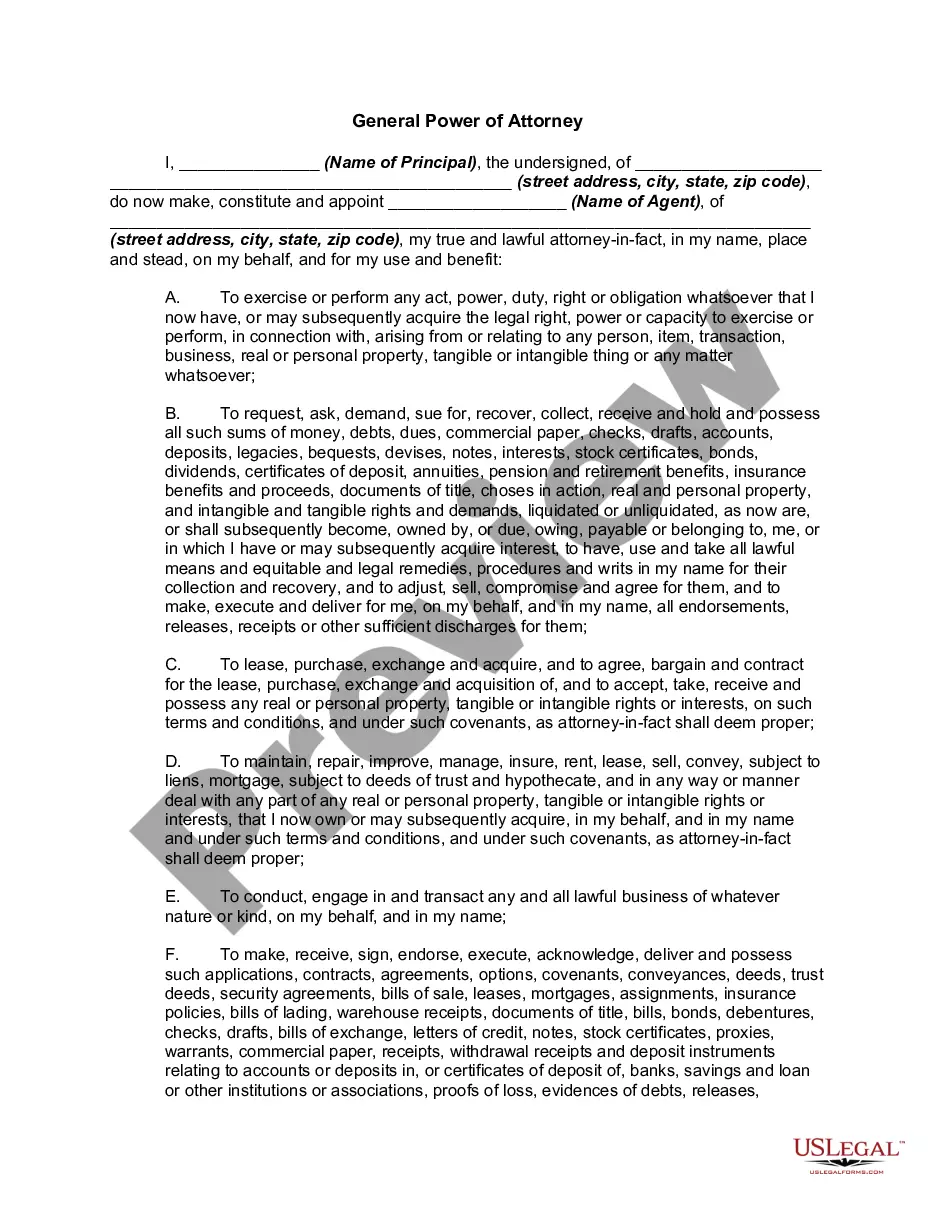
West Virginia Sale and Leaseback Agreement for Commercial Building
Description
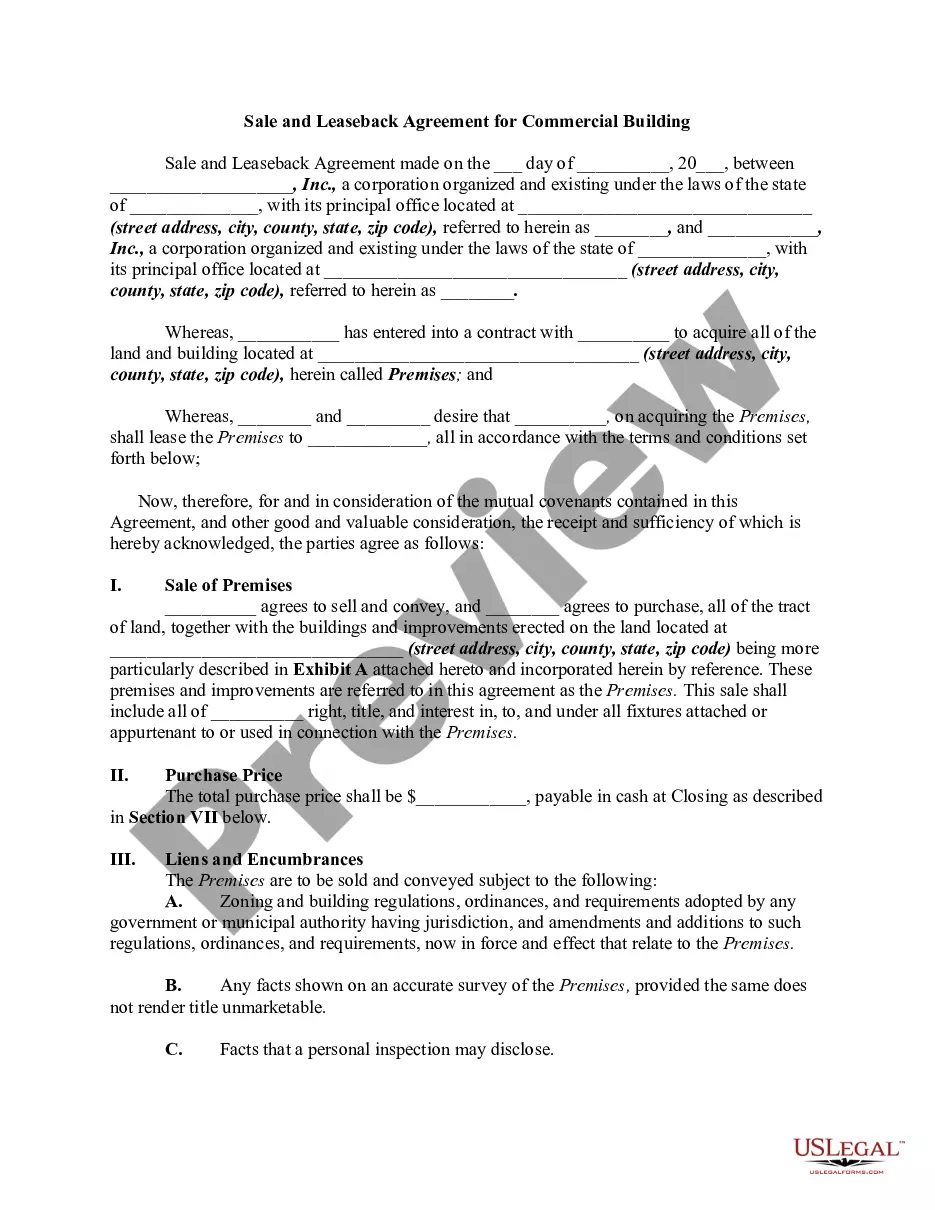
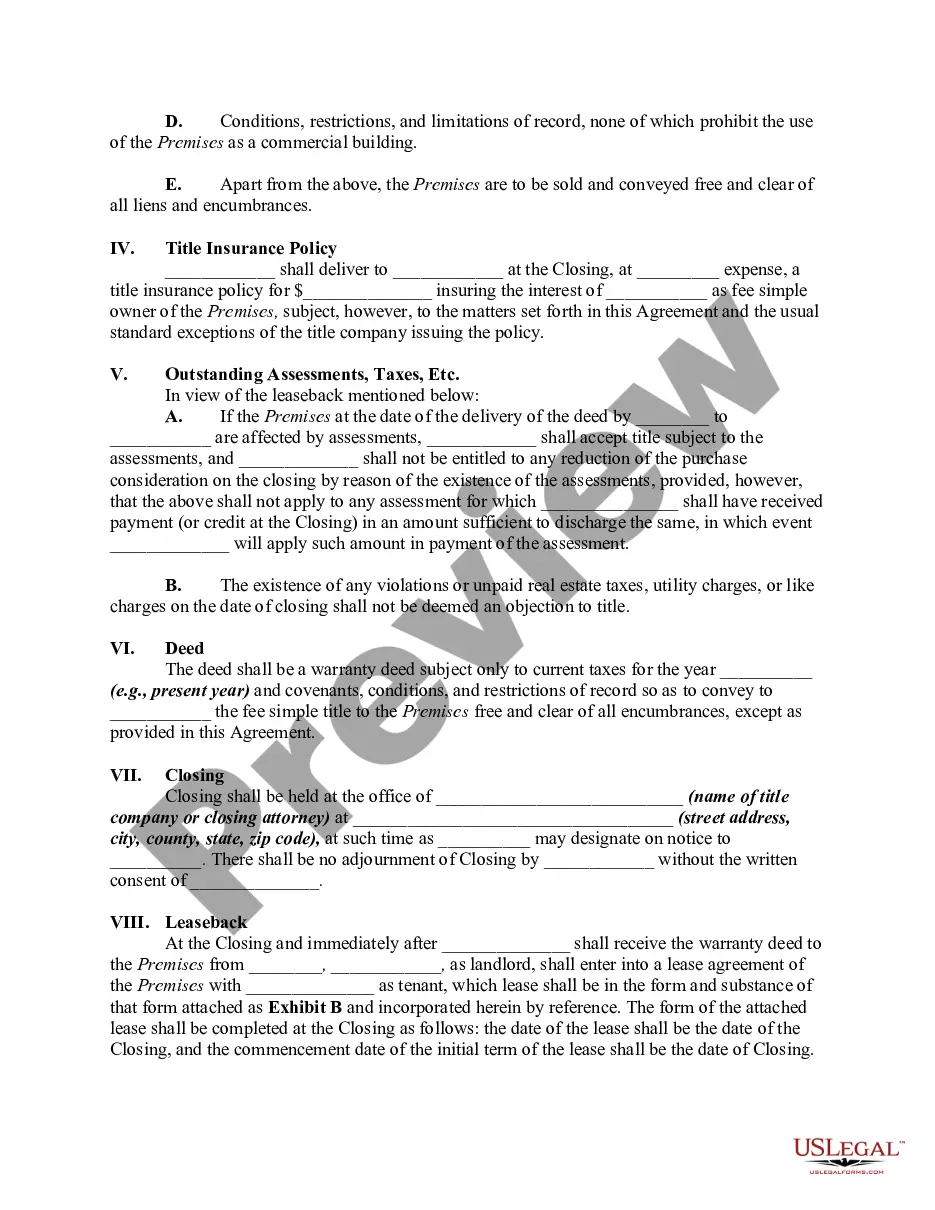
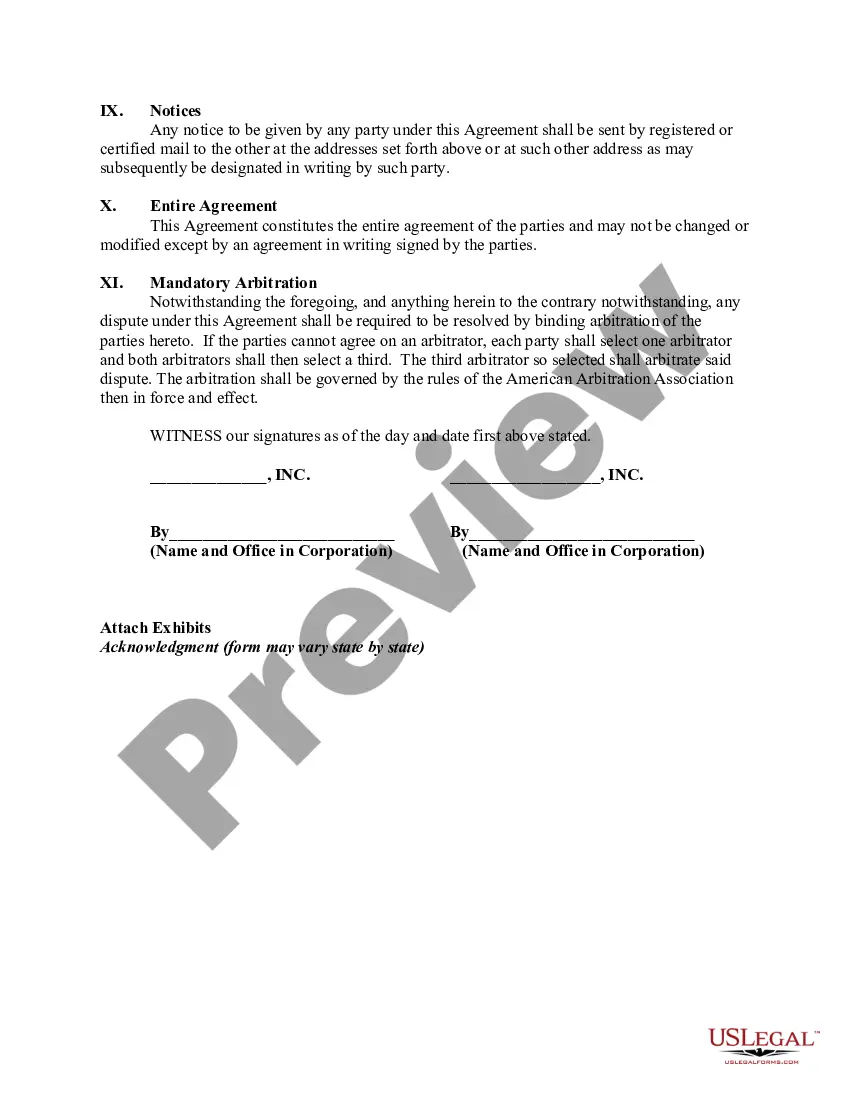
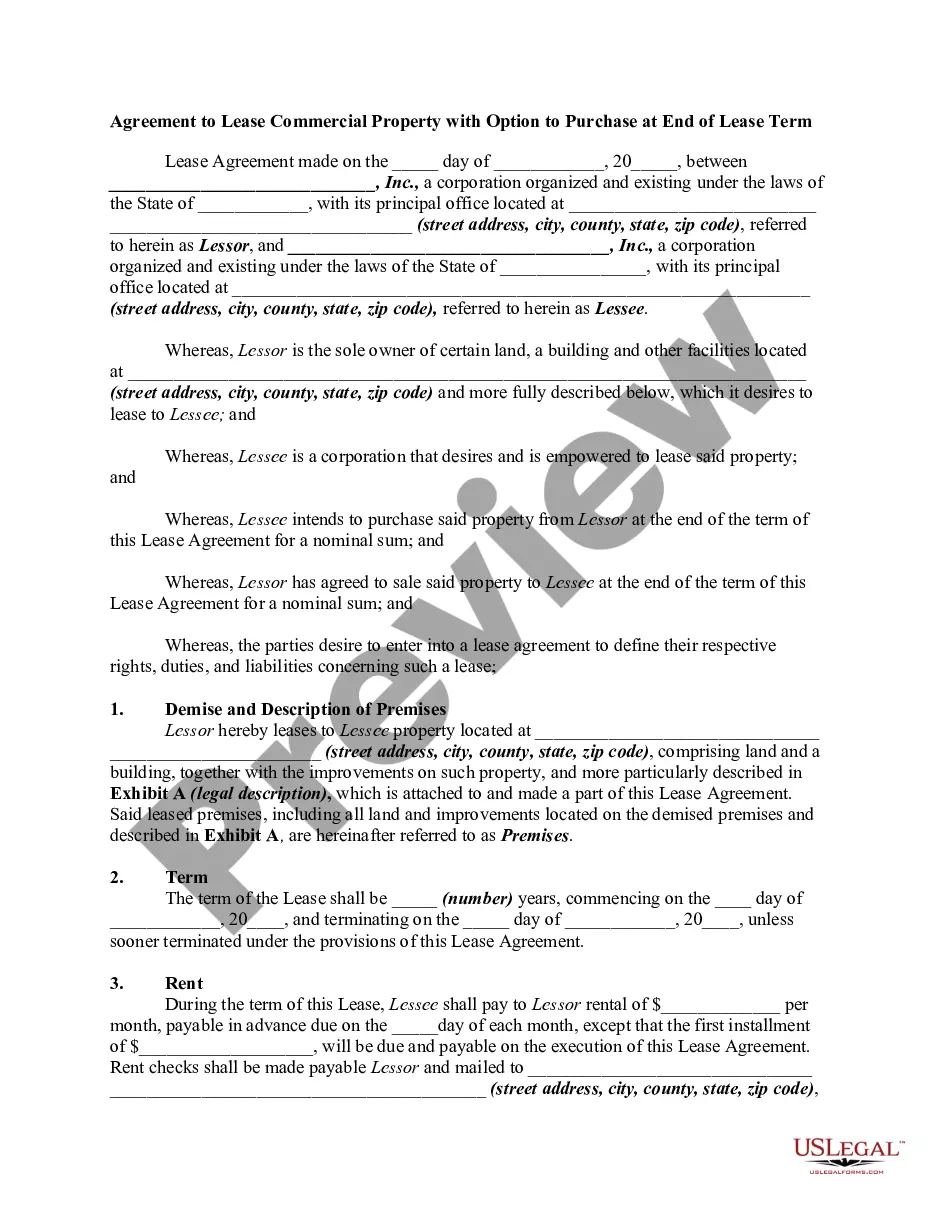
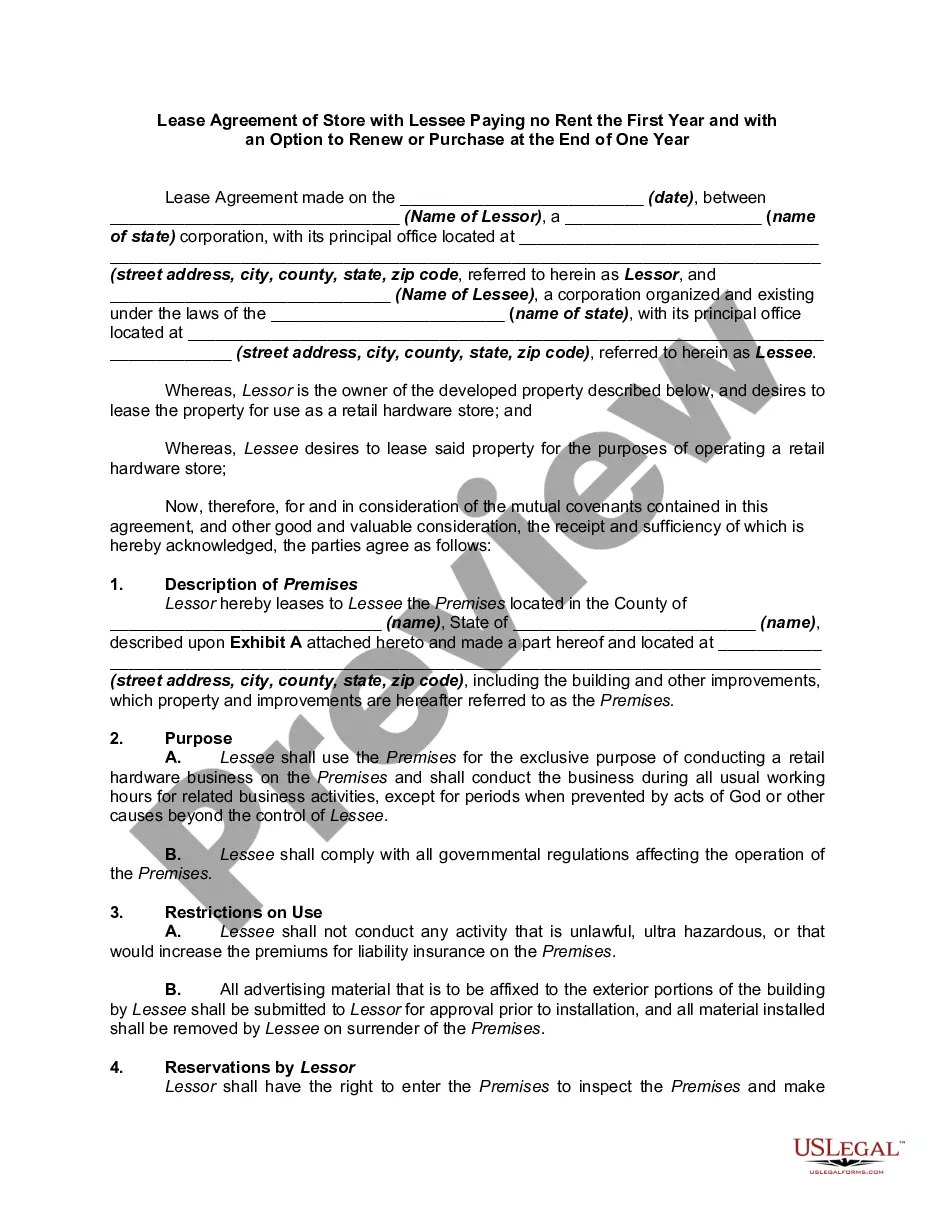
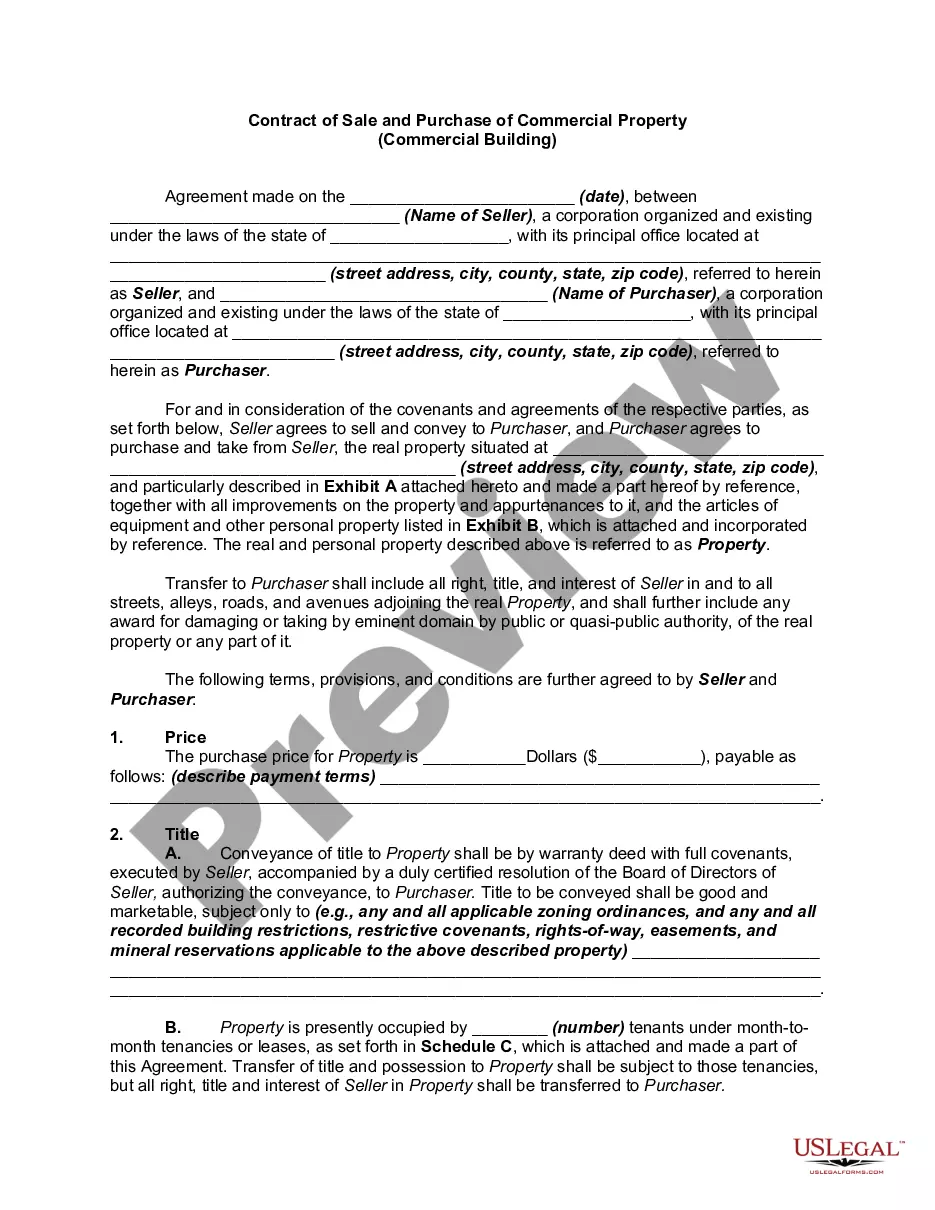
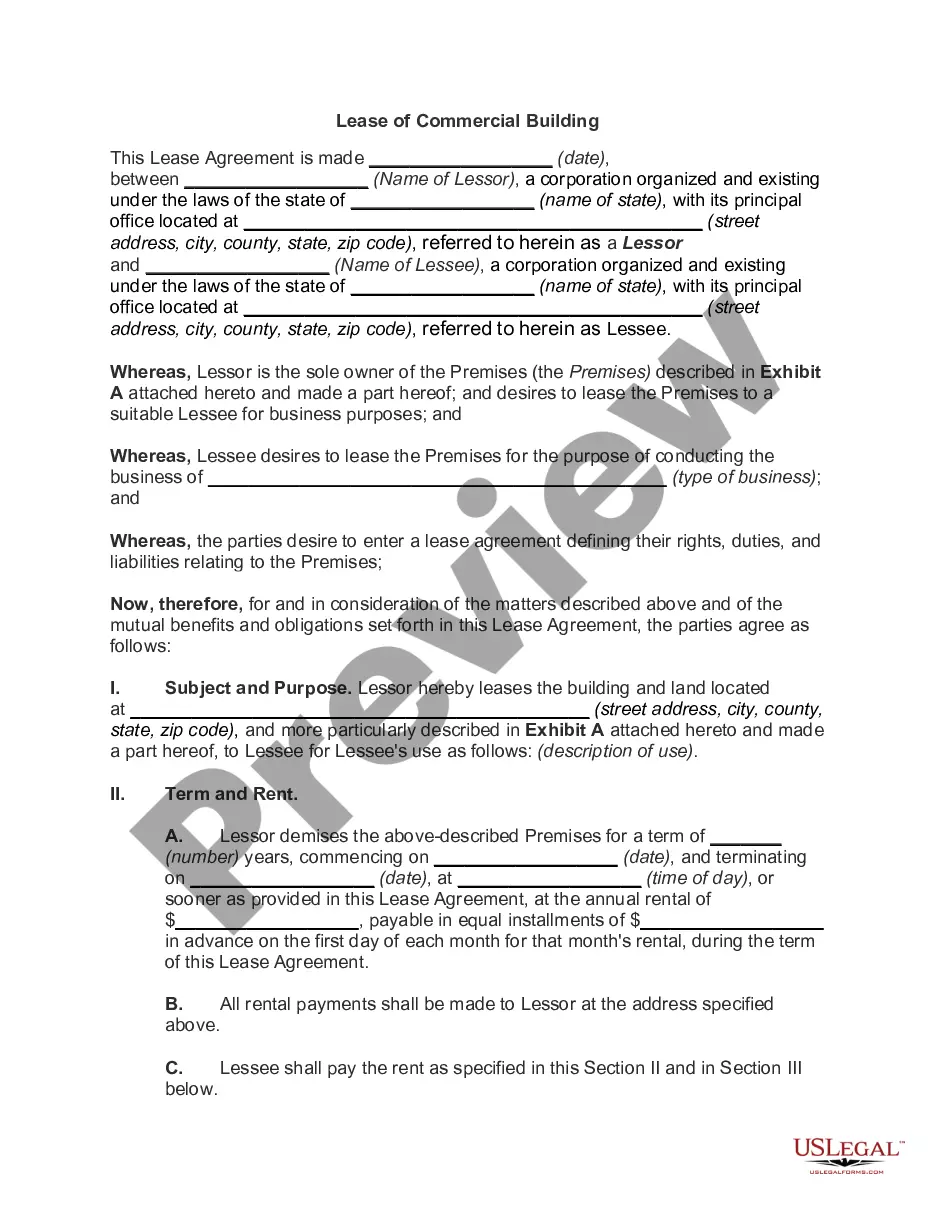
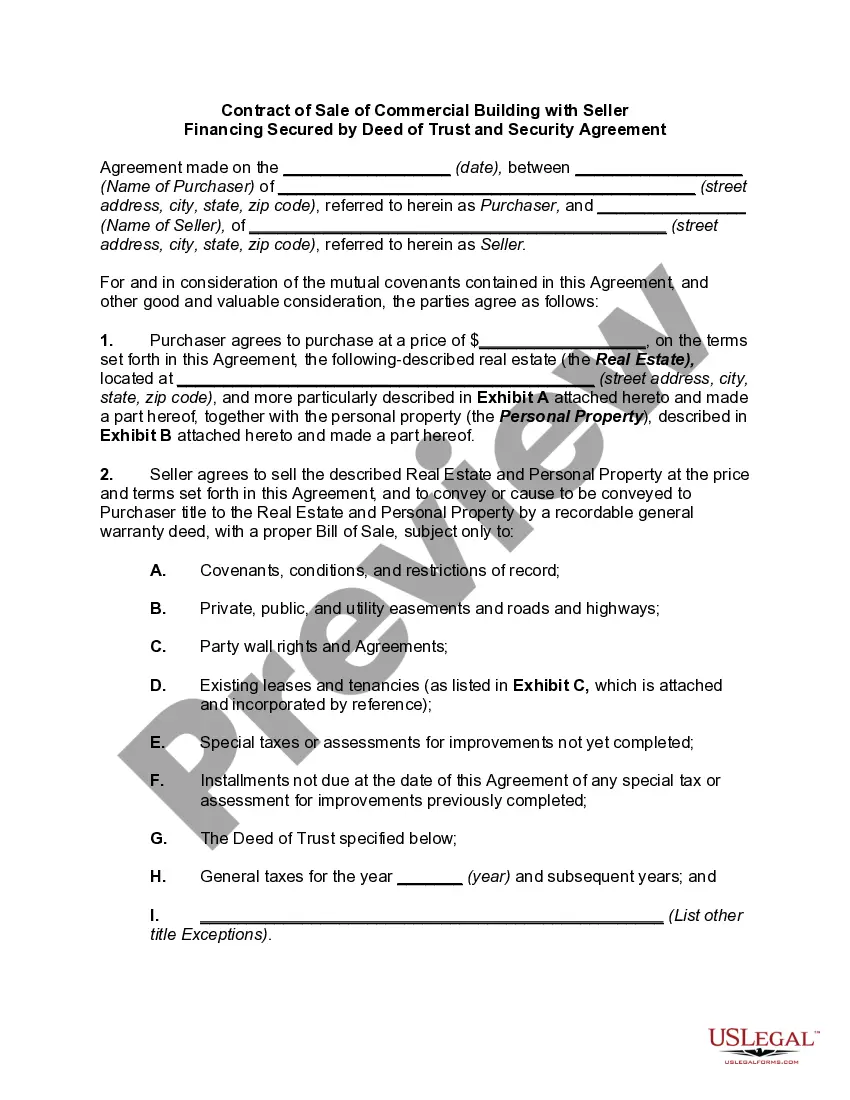


How to fill out Sale And Leaseback Agreement For Commercial Building?
If you need to obtain, download, or print authentic document formats, utilize US Legal Forms, the most extensive collection of official templates available online.
Leverage the website’s straightforward and user-friendly search feature to locate the documents you need.
Many templates for business and personal purposes are categorized by type and state, or keywords.
Step 4. Once you have found the form you need, click on the Get now button. Choose your preferred pricing plan and enter your details to register for an account.
Step 5. Complete the transaction. You can use your credit card or PayPal account to finalize the purchase.
- Utilize US Legal Forms to find the West Virginia Sale and Leaseback Agreement for Commercial Building in just a few clicks.
- If you are an existing US Legal Forms user, Log In to your account and click on the Download button to access the West Virginia Sale and Leaseback Agreement for Commercial Building.
- You can also access forms you previously downloaded in the My documents section of your account.
- If you are using US Legal Forms for the first time, follow the steps below.
- Step 1. Make sure you have selected the form for the appropriate city/state.
- Step 2. Use the Review feature to go through the contents of the form. Don’t forget to read the description.
- Step 3. If you are not satisfied with the form, utilize the Search field at the top of the page to discover alternative versions of the official form template.
Form popularity
FAQ
Sales and leaseback is a transaction involving the sale of an asset followed by leasing it back to the seller. This practice allows the original owner to liquidate capital while still having access to the asset for operations. In a West Virginia Sale and Leaseback Agreement for Commercial Building, this can be particularly useful for businesses looking to maintain their operational space without the burden of ownership. Such arrangements can be tailored to fit your specific financial goals.
Sale and leaseback refers to a financial transaction whereby one party sells an asset and immediately leases it back from the buyer. For example, a West Virginia commercial building owner sells their property to an investor and enters into a lease agreement to continue operating in the space. This arrangement offers financial flexibility and potential tax benefits. Utilizing a West Virginia Sale and Leaseback Agreement for Commercial Building can streamline this process effectively.
A common example of a sale and leaseback transaction might involve a manufacturing facility. For instance, the owner sells the building to a real estate investor while signing a long-term lease to continue operating in that space. Such transactions fall under the West Virginia Sale and Leaseback Agreement for Commercial Building, allowing businesses to stay in place while bridging financial gaps.
The process of executing a sale and leaseback typically starts with an evaluation of the property and its market value. Next, the business sells the property to an investor or a real estate firm, followed by negotiating a lease that suits both parties. In the framework of the West Virginia Sale and Leaseback Agreement for Commercial Building, this ensures businesses can maintain occupancy while reaping financial benefits.
While the West Virginia Sale and Leaseback Agreement for Commercial Building offers many advantages, it also has disadvantages. One significant drawback is the potential loss of property ownership and control, which may impact long-term business planning. Furthermore, the ongoing lease payments can become a financial burden if revenue decreases, reducing overall profitability.
When discussing the West Virginia Sale and Leaseback Agreement for Commercial Building, it's important to recognize two primary types: the absolute net lease and the modified net lease. An absolute net lease places all responsibilities for property expenses on the tenant, while a modified net lease allows the landlord to retain some obligations, such as roof repairs or maintenance costs. Understanding these distinctions can help you choose the right option for your business.
Leasebacks carry certain risks that businesses should consider. For one, they may become overly dependent on the lease for their operations, making them vulnerable to changing market conditions. Additionally, terms of the West Virginia Sale and Leaseback Agreement for Commercial Building can impose strict conditions, potentially affecting the tenant's operational freedom.
A failed sale and leaseback occurs when a proposed transaction does not successfully close or when the lease terms cannot be agreed upon. This may leave the seller without the anticipated liquidity benefits of the sale. To avoid this, parties involved should carefully review the terms and conditions of the West Virginia Sale and Leaseback Agreement for Commercial Building to ensure a smooth process.
The structure of sale and leaseback includes several integral components. First, the seller and buyer negotiate terms, followed by a sale of the property. After the sale, the seller remains as a tenant under a West Virginia Sale and Leaseback Agreement for Commercial Building, which governs how the property can be used in the future.
Despite its advantages, a sale and leaseback agreement may come with certain disadvantages. One concern is the potential loss of asset ownership, which could affect long-term financial stability. Furthermore, ongoing lease obligations may restrict operational flexibility. Carefully reviewing a West Virginia Sale and Leaseback Agreement for Commercial Building with legal support can help mitigate these risks.