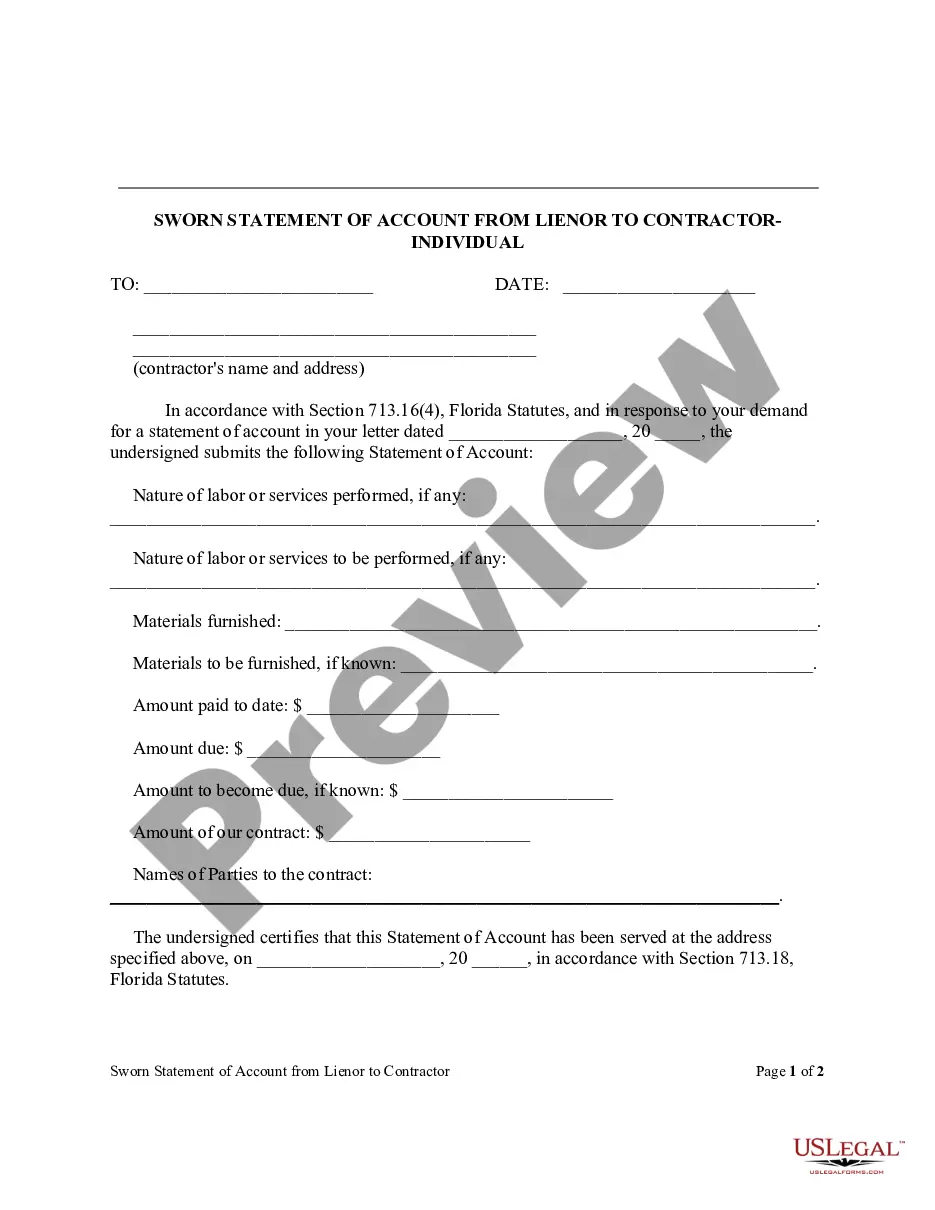
West Virginia Tenant's Maintenance Repair Request Form
Understanding this form
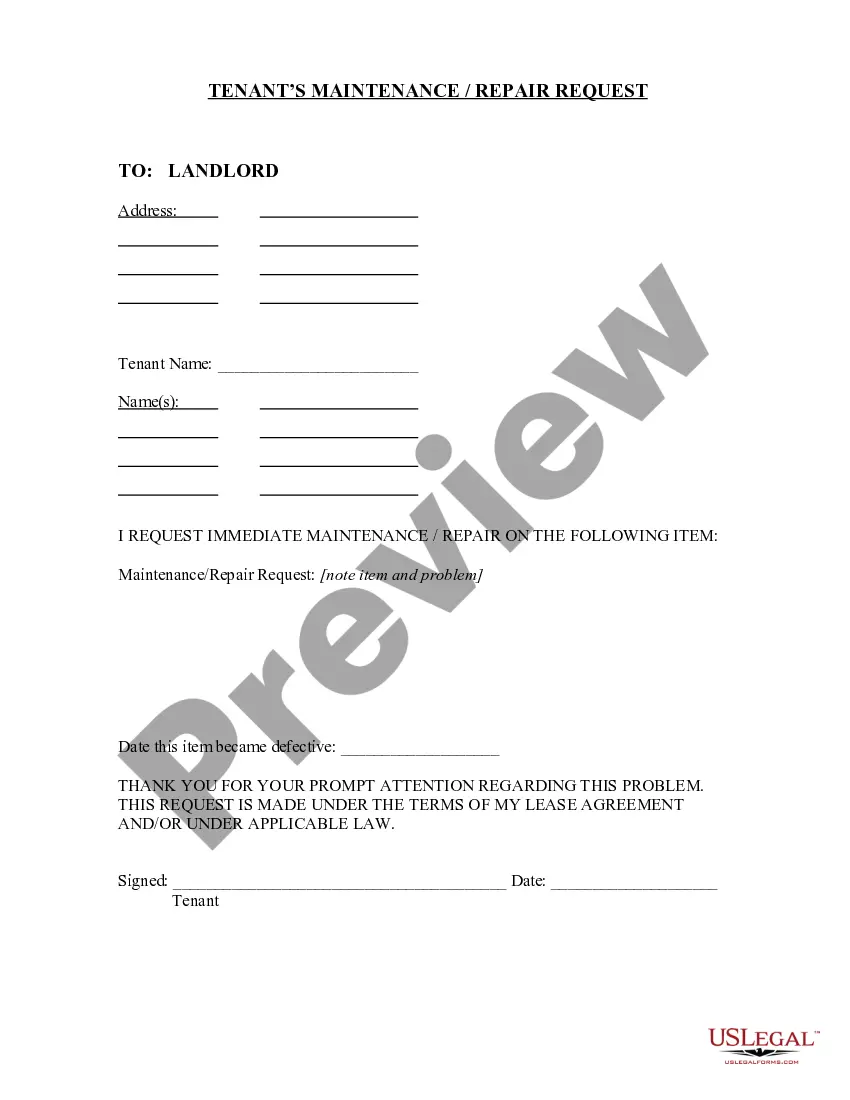
A Tenant's Maintenance Repair Request Form is designed for tenants who need to formally notify their landlord about required maintenance or repairs in their leased property. This form serves to document the tenant's request, ensuring compliance with applicable state laws and the terms of the lease agreement. It differs from regular maintenance requests by providing a legal notice that can protect the tenant's rights if the issue is not addressed.
Form components explained
- Request statement: Acknowledges the landlord's responsibility to address maintenance issues.
- Signature line: Provides space for the tenant to sign and date the request.
- Reference to lease agreement: Affirms that the request is made under the lease terms and applicable laws.
Situations where this form applies
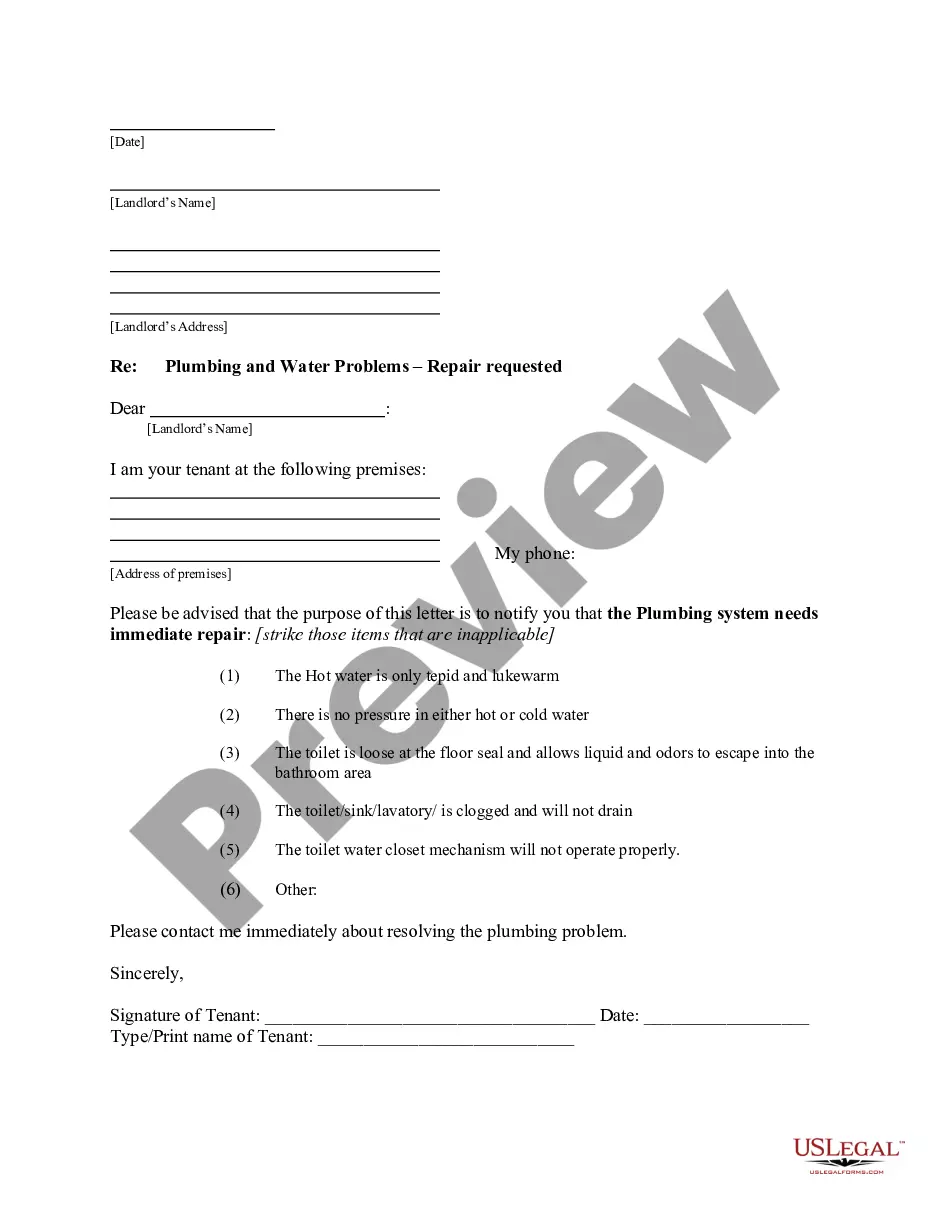
Use the Tenant's Maintenance Repair Request Form when you identify issues such as leaking pipes, broken appliances, electrical problems, or any necessary repairs in your rental unit that require landlord attention. This form is essential for documenting your request and establishing a timeline for repairs, especially if you need to escalate the matter legally later.
Who this form is for
- Tenants renting residential properties.
- Individuals looking to formally communicate repair needs to their landlord.
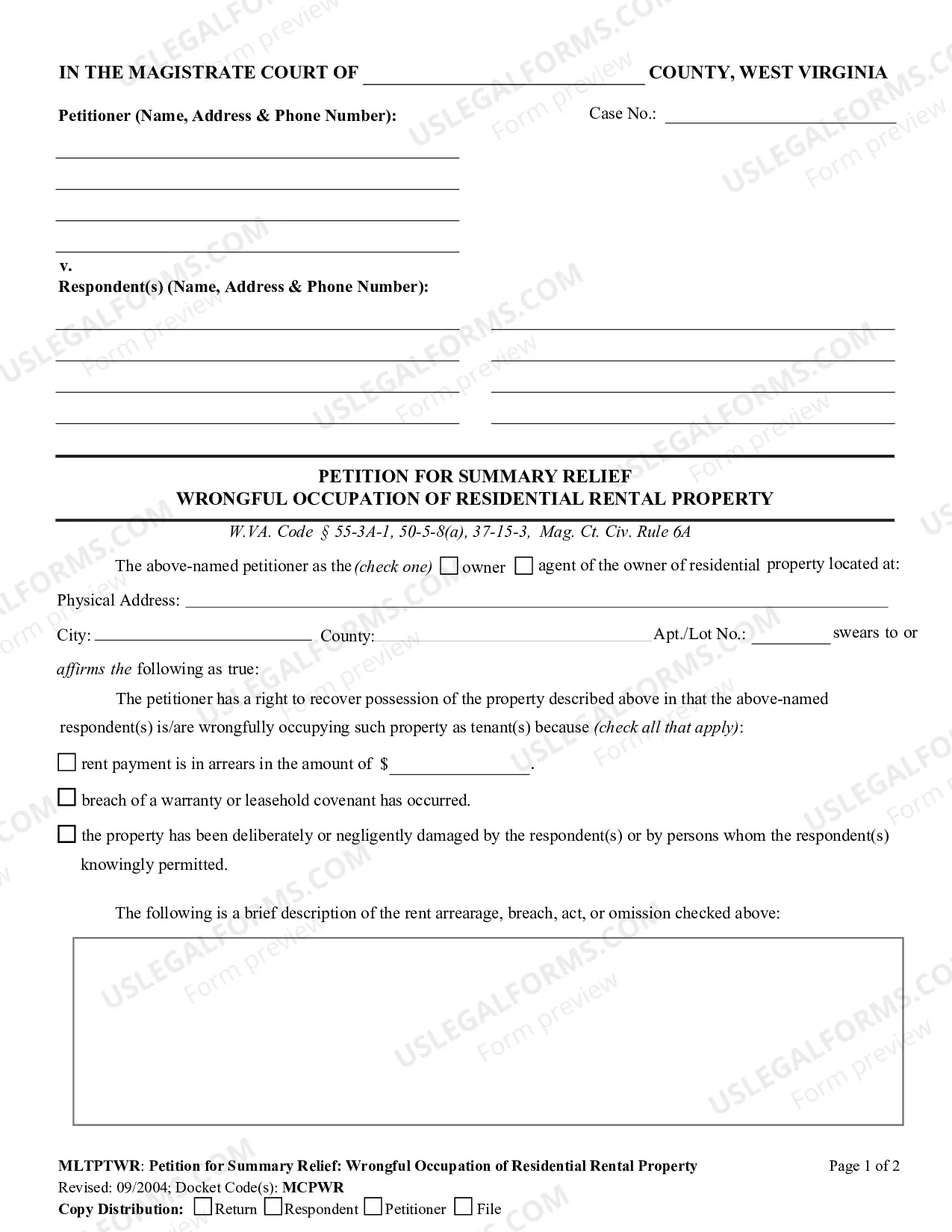
- Tenants needing documentation for potential legal disputes over unresolved maintenance issues.
Instructions for completing this form
- Identify yourself: Enter your name as the tenant in the designated spaces.
- Specify the property: Include details about the rented premises that need repairs.
- Describe the issue: Briefly summarize the maintenance or repair required.
- Sign and date: Provide your signature and the date to formalize the request.
Is notarization required?
This form does not typically require notarization unless specified by local law. It's advisable to check specific requirements in your jurisdiction.
Get your form ready online
Our built-in tools help you complete, sign, share, and store your documents in one place.
Make edits, fill in missing information, and update formatting in US Legal Forms—just like you would in MS Word.
Download a copy, print it, send it by email, or mail it via USPS—whatever works best for your next step.
Sign and collect signatures with our SignNow integration. Send to multiple recipients, set reminders, and more. Go Premium to unlock E-Sign.
If this form requires notarization, complete it online through a secure video call—no need to meet a notary in person or wait for an appointment.
We protect your documents and personal data by following strict security and privacy standards.

Make edits, fill in missing information, and update formatting in US Legal Forms—just like you would in MS Word.

Download a copy, print it, send it by email, or mail it via USPS—whatever works best for your next step.

Sign and collect signatures with our SignNow integration. Send to multiple recipients, set reminders, and more. Go Premium to unlock E-Sign.

If this form requires notarization, complete it online through a secure video call—no need to meet a notary in person or wait for an appointment.

We protect your documents and personal data by following strict security and privacy standards.
Typical mistakes to avoid
- Failing to include specific details about the repair issue.
- Not signing and dating the form, making it less formal.
- Using informal communication methods instead of the formal repair request.
Benefits of using this form online
- Convenience: Easily fill out and download the form from anywhere.
- Editability: Customize the form to your specific maintenance needs.
- Reliability: Ensure you have a legally compliant form recognized by your state.
Main things to remember
- The Tenant's Maintenance Repair Request Form formally notifies landlords of necessary repairs.
- Include all relevant details to ensure proper communication.
- Document your request for potential future disputes regarding maintenance issues.
Looking for another form?
Form popularity
FAQ
If the problem is an emergency, (such as no heat in winter, or no water), your landlord must fix it immediately. This means within hours, or at most a day or two. For other repairs, you should give a reasonable time, such as 10-15 days, to make the repairs needed.
Uninhabitable conditions can include dangerous ones, such as holes in the floor, unsafe or exposed wiring, or non-working air conditioning in dangerously hot summer months. Gross infestations of roaches, fleas or other pests are also uninhabitable conditions.
Landlords are required to make and pay for repairs for items under their responsibility. They must do so within 21 days after receiving a written request from tenants (read more).
Uninhabitable conditions can include dangerous ones, such as holes in the floor, unsafe or exposed wiring, or non-working air conditioning in dangerously hot summer months. Gross infestations of roaches, fleas or other pests are also uninhabitable conditions.
If the structure is unstable or there is a severe problem with damp in the property, it may be deemed uninhabitable.An issue which makes a property uninhabitable is whether there is a problem with the supply of hot and cold water, or whether there is an issue with drainage and lavatories.
As a renter in Virginia, you have legal protections under the Virginia Residential Landlord and Tenant Act (VRLTA) that include the right to: A fair application fee. A fair security deposit. A decent and safe place to live.
Tenants can all agree to withhold rent until the landlord makes repairs. A group of tenants can ask a judge to order the landlord to make repairs. If the landlord absolutely refuses to fix the bad conditions, tenants can ask a court to appoint a temporary landlord called a receiver in order to make repairs.
Property Needs to Meet Local Health and Building Codes. Visible Mold. Pests. Changing Locks. Heat, Electric, Hot and Cold Water. Structural Integrity and Weather Protected. Regularly Discarding Trash. Damage Caused by the Tenant or Their Guests.
Your landlord has to keep your home in a good condition and do repairs if you need them. They can't make you leave your home just for asking for repairs to be done - your landlord has to follow a proper eviction process if they want you to leave.