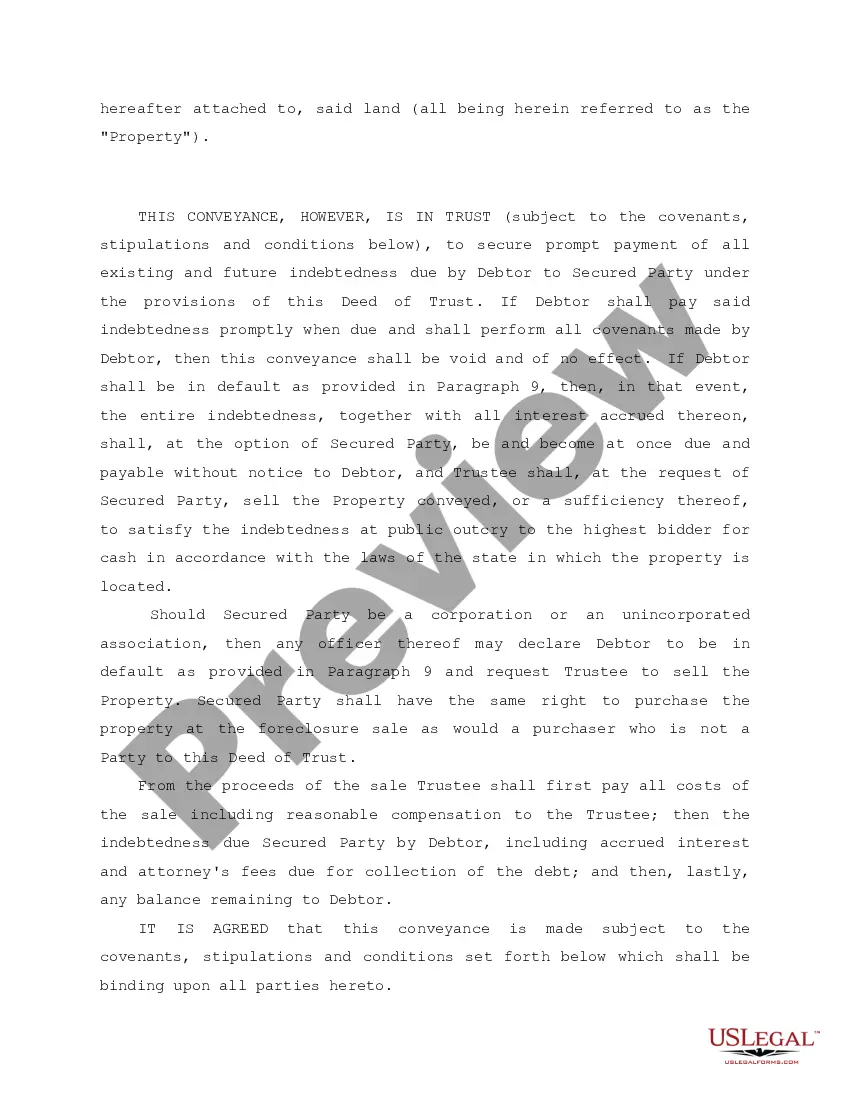
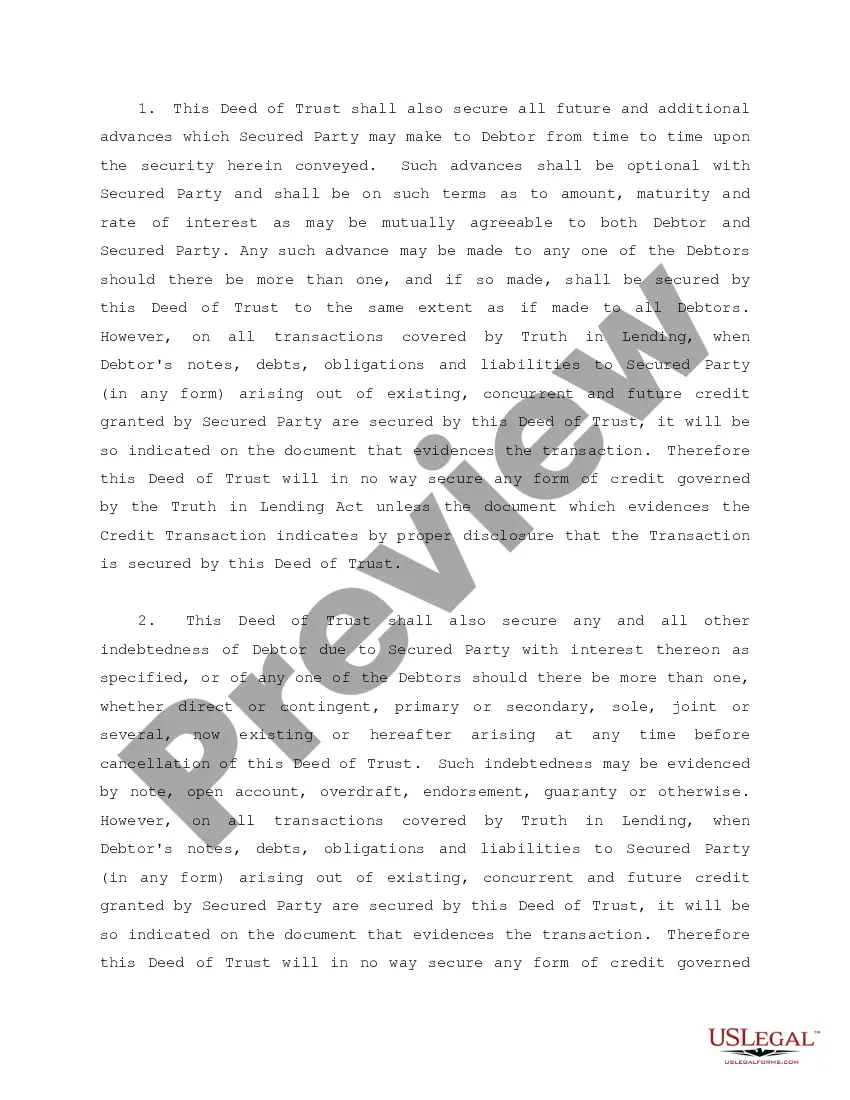
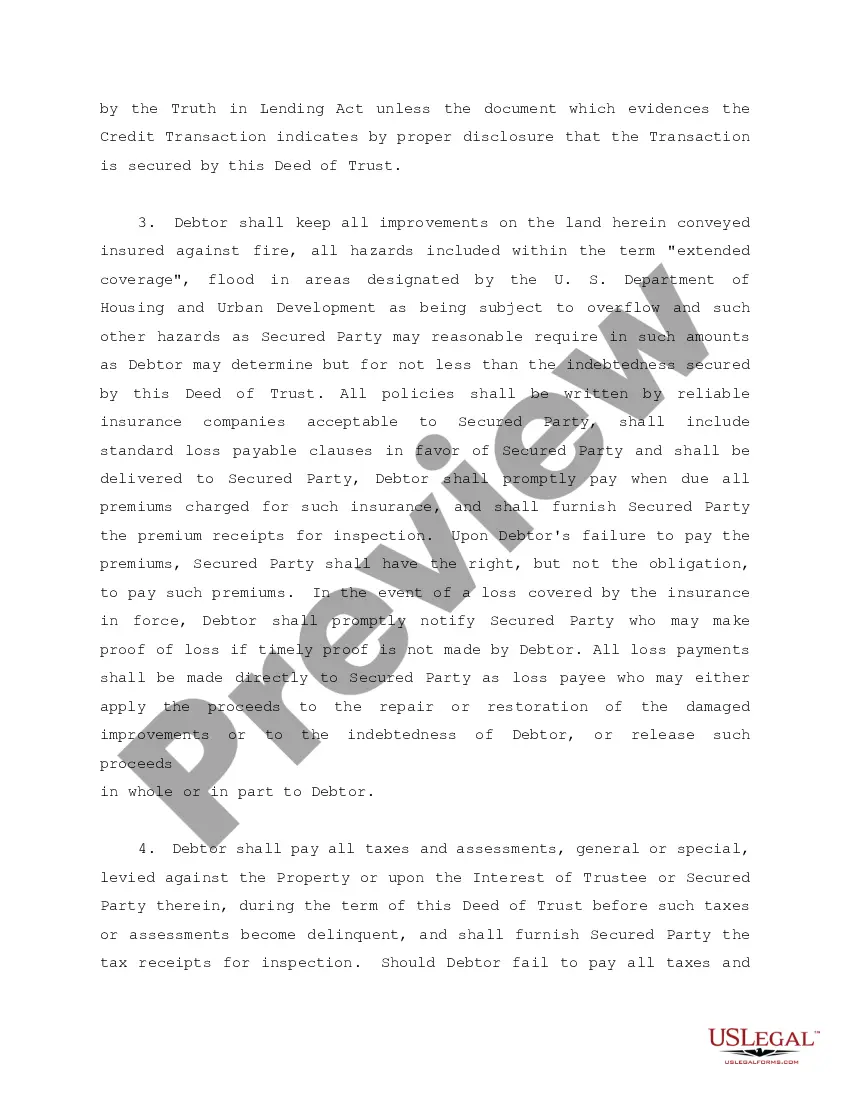
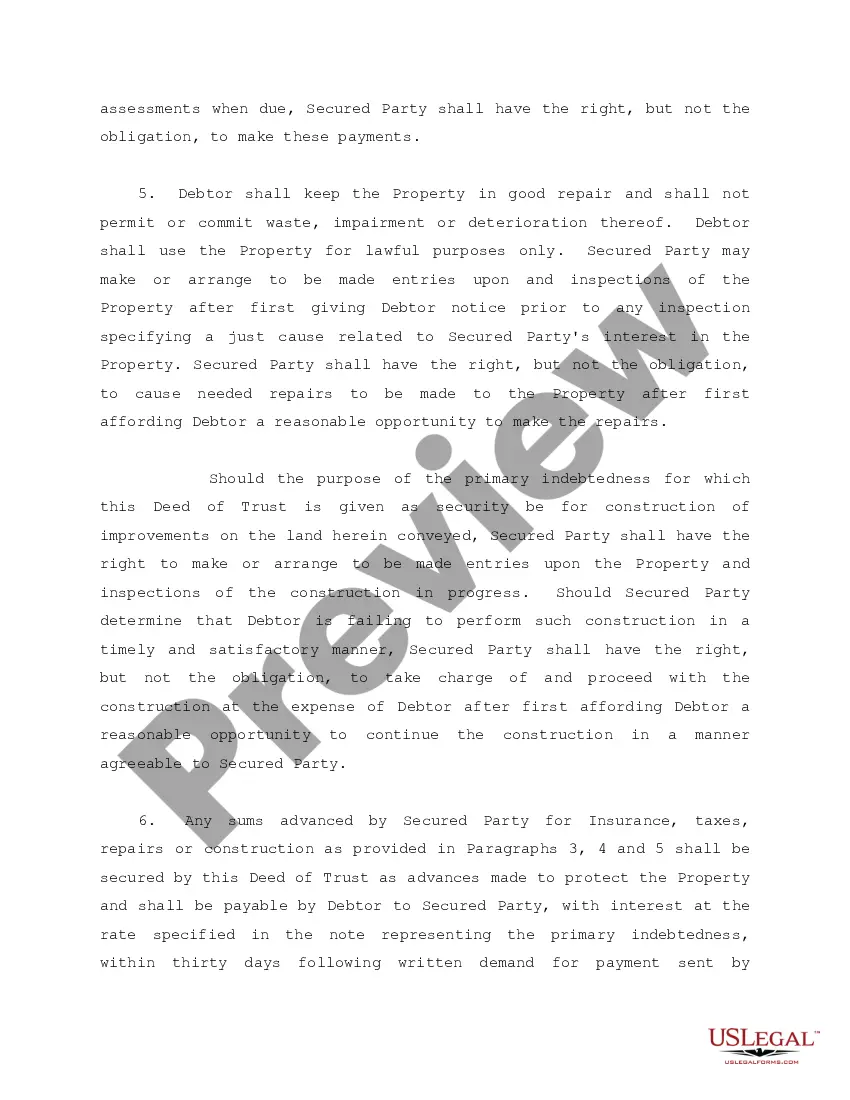
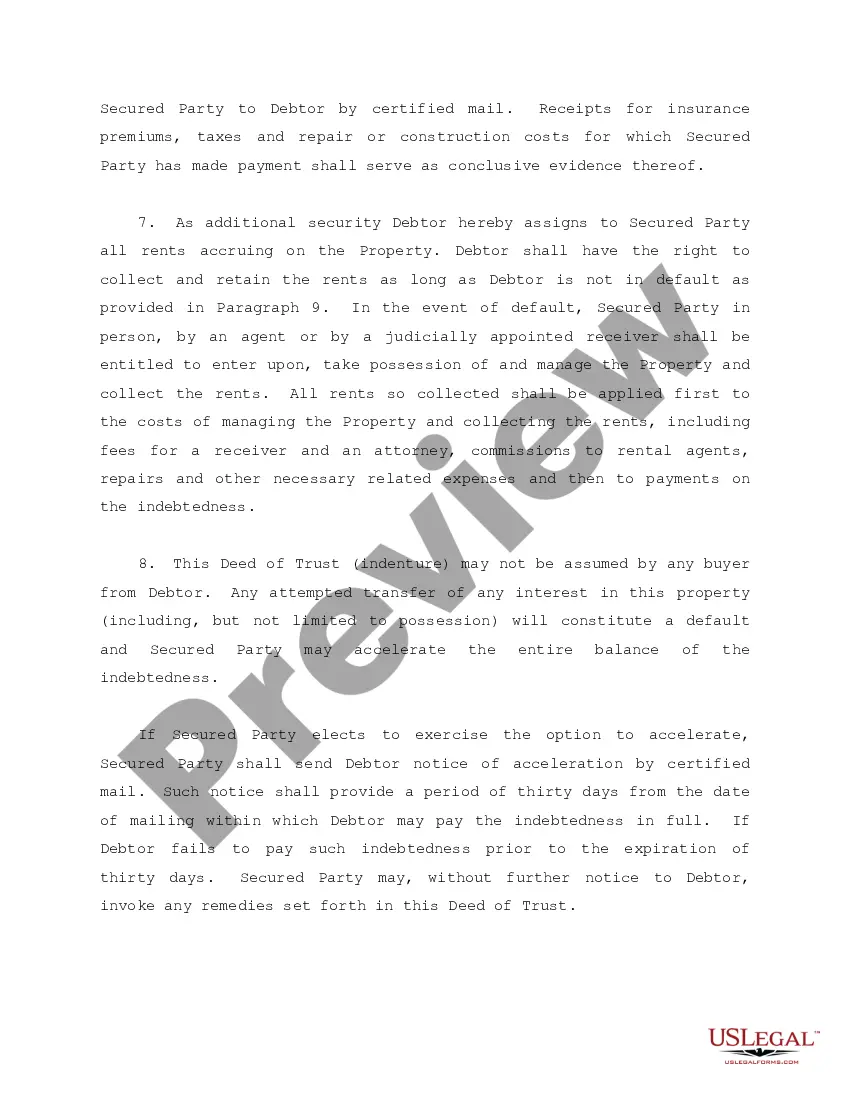
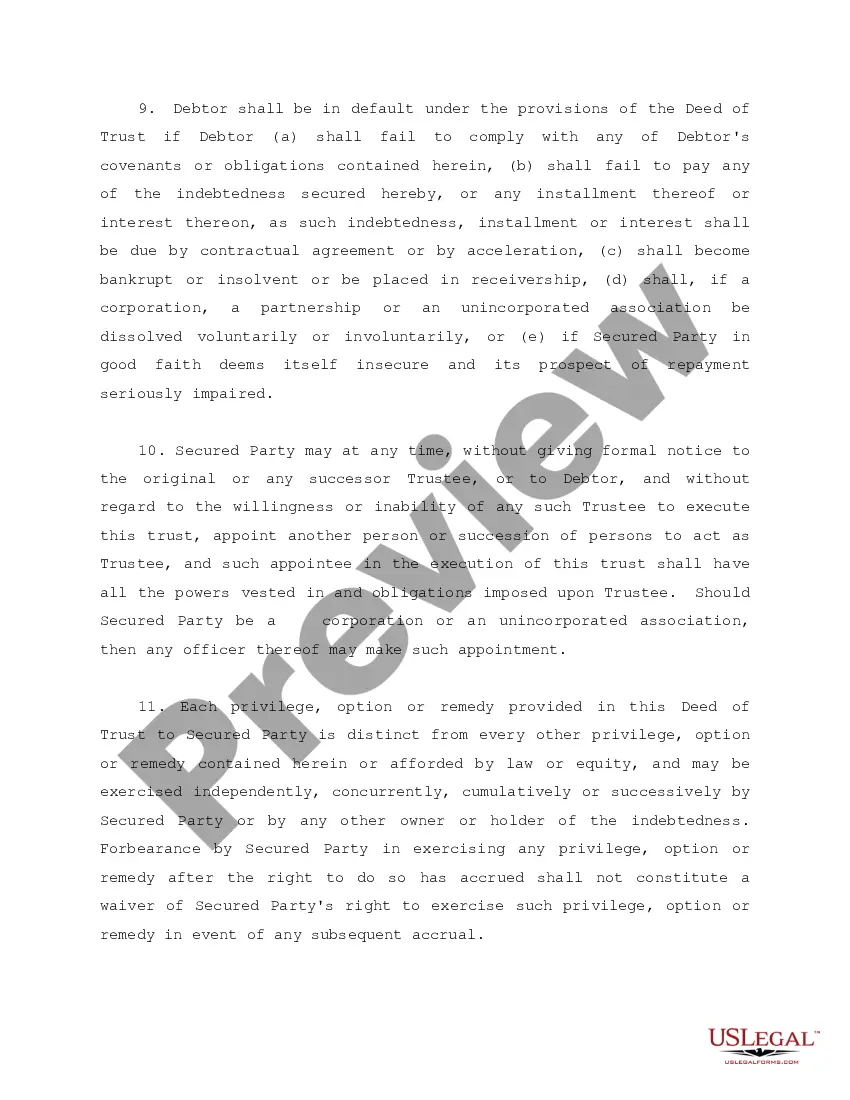
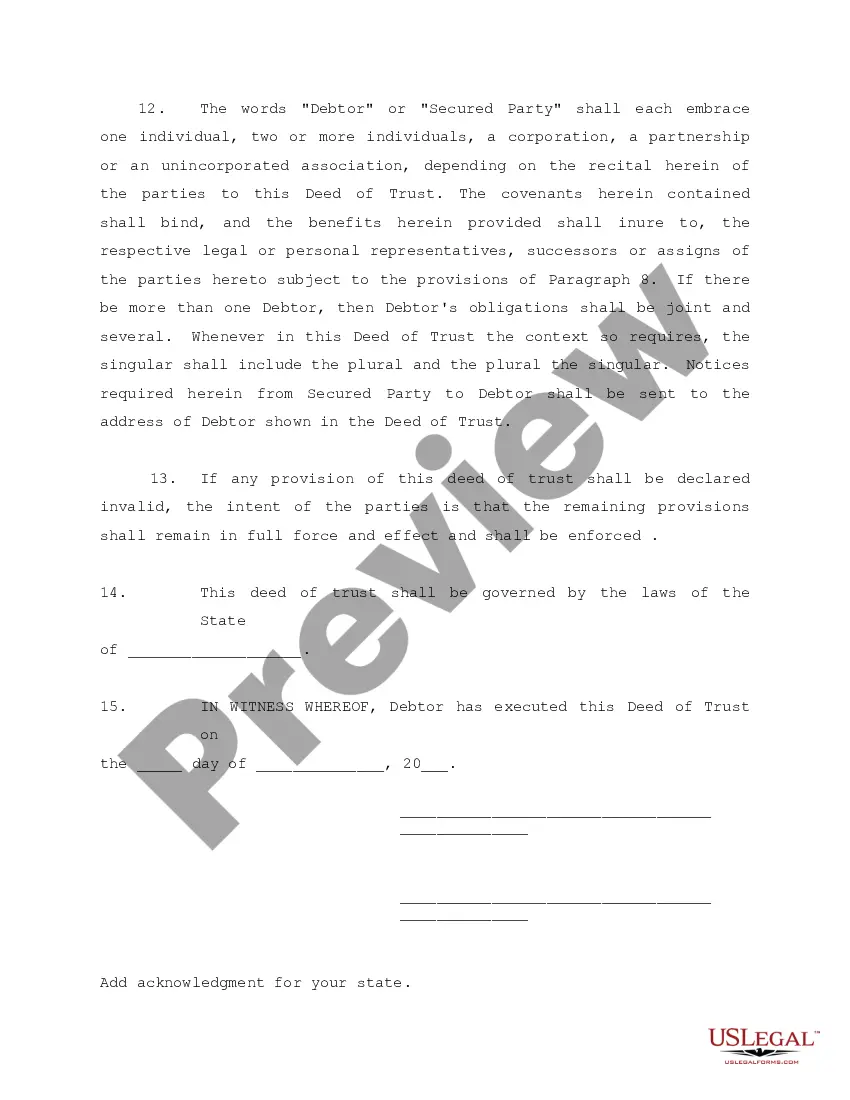
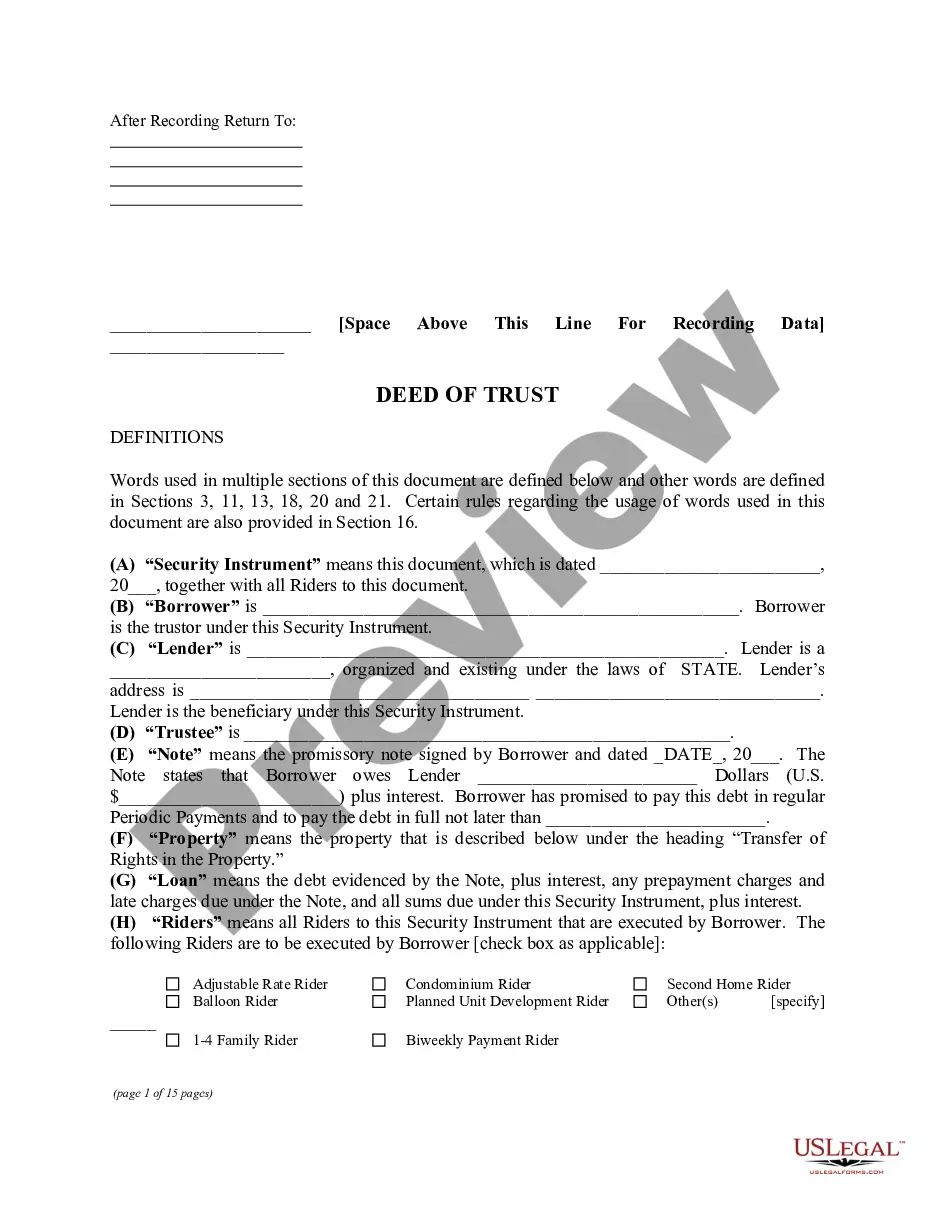
Debtor is obligated to pay the secured party attorneys fees. In consideration of the indebtedness, debtor conveys and warrants to trustee certain property described in the land deed of trust.
Wisconsin Land Deed of Trust
State:
Multi-State
Control #:
US-00181
Format:
Word;
Rich Text
744 downloads
Description
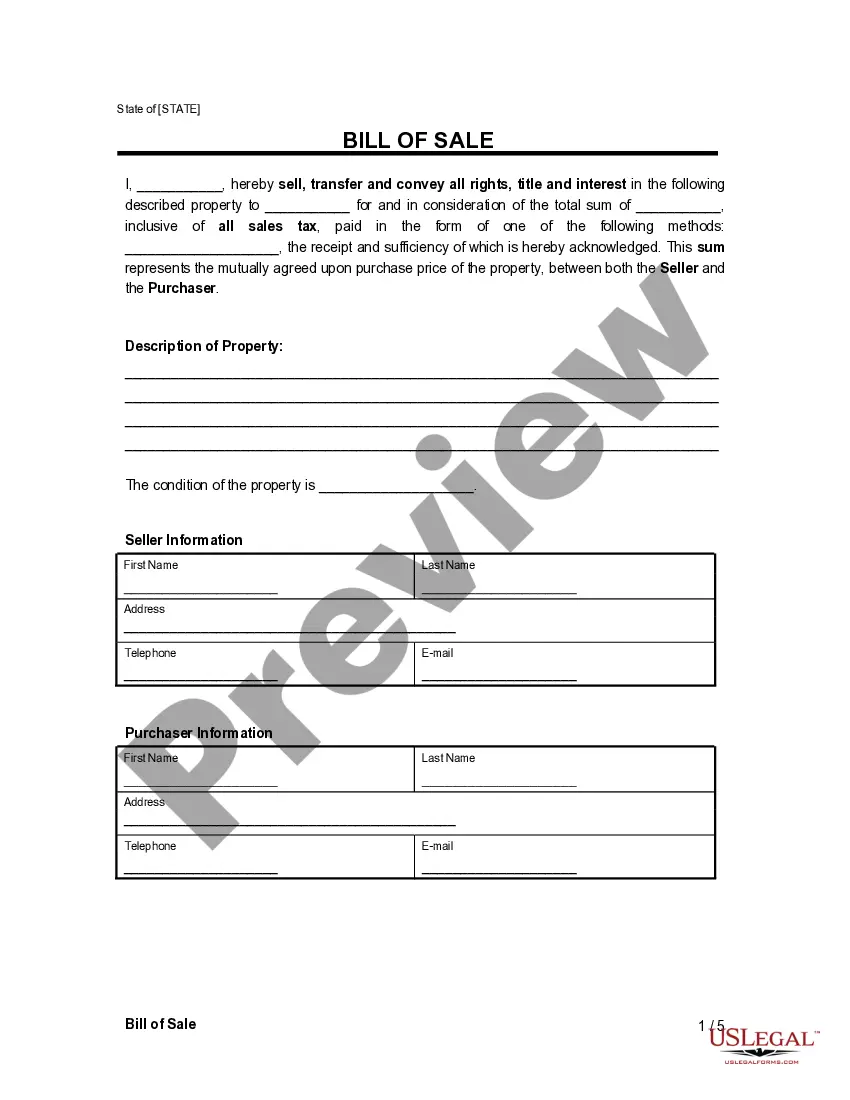
Free preview



Get your form ready online
Our built-in tools help you complete, sign, share, and store your documents in one place.
Built-in online Word editor
Make edits, fill in missing information, and update formatting in US Legal Forms—just like you would in MS Word.
Export easily
Download a copy, print it, send it by email, or mail it via USPS—whatever works best for your next step.
E-sign your document
Sign and collect signatures with our SignNow integration. Send to multiple recipients, set reminders, and more. Go Premium to unlock E-Sign.
Notarize online 24/7
If this form requires notarization, complete it online through a secure video call—no need to meet a notary in person or wait for an appointment.
Store your document securely
We protect your documents and personal data by following strict security and privacy standards.

Make edits, fill in missing information, and update formatting in US Legal Forms—just like you would in MS Word.

Download a copy, print it, send it by email, or mail it via USPS—whatever works best for your next step.

Sign and collect signatures with our SignNow integration. Send to multiple recipients, set reminders, and more. Go Premium to unlock E-Sign.

If this form requires notarization, complete it online through a secure video call—no need to meet a notary in person or wait for an appointment.

We protect your documents and personal data by following strict security and privacy standards.
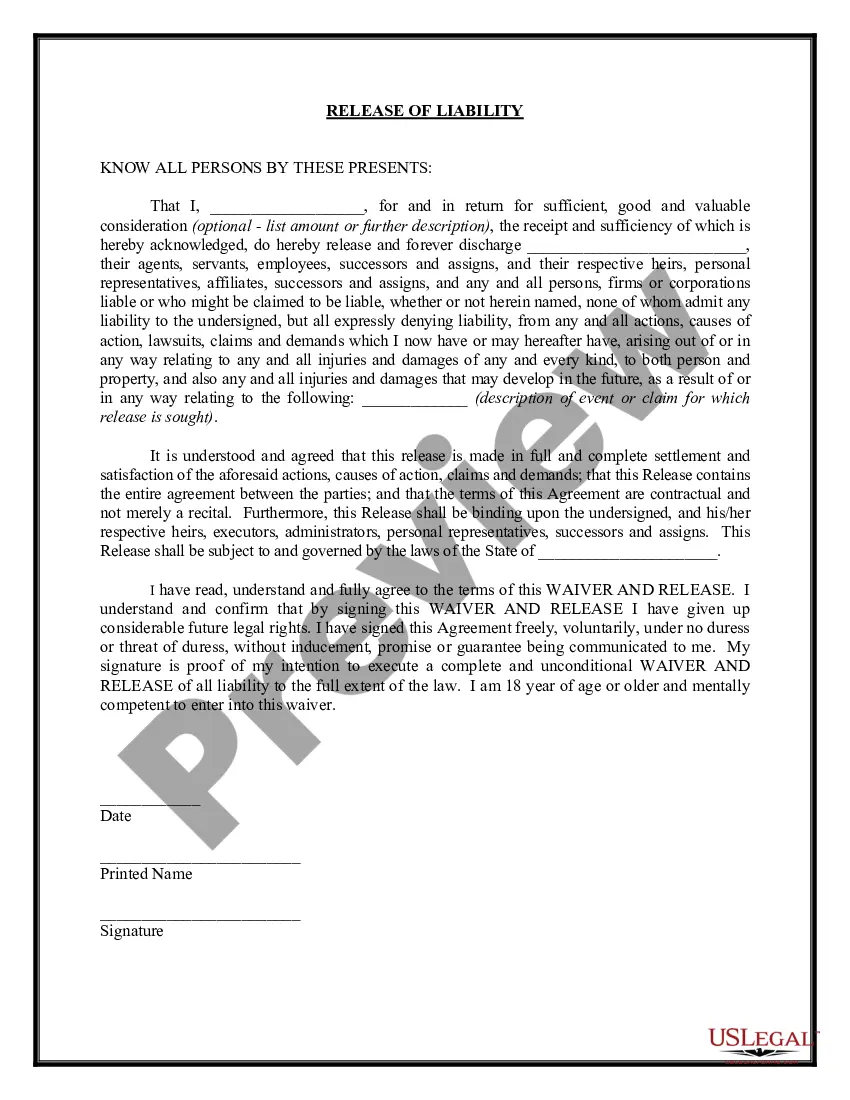
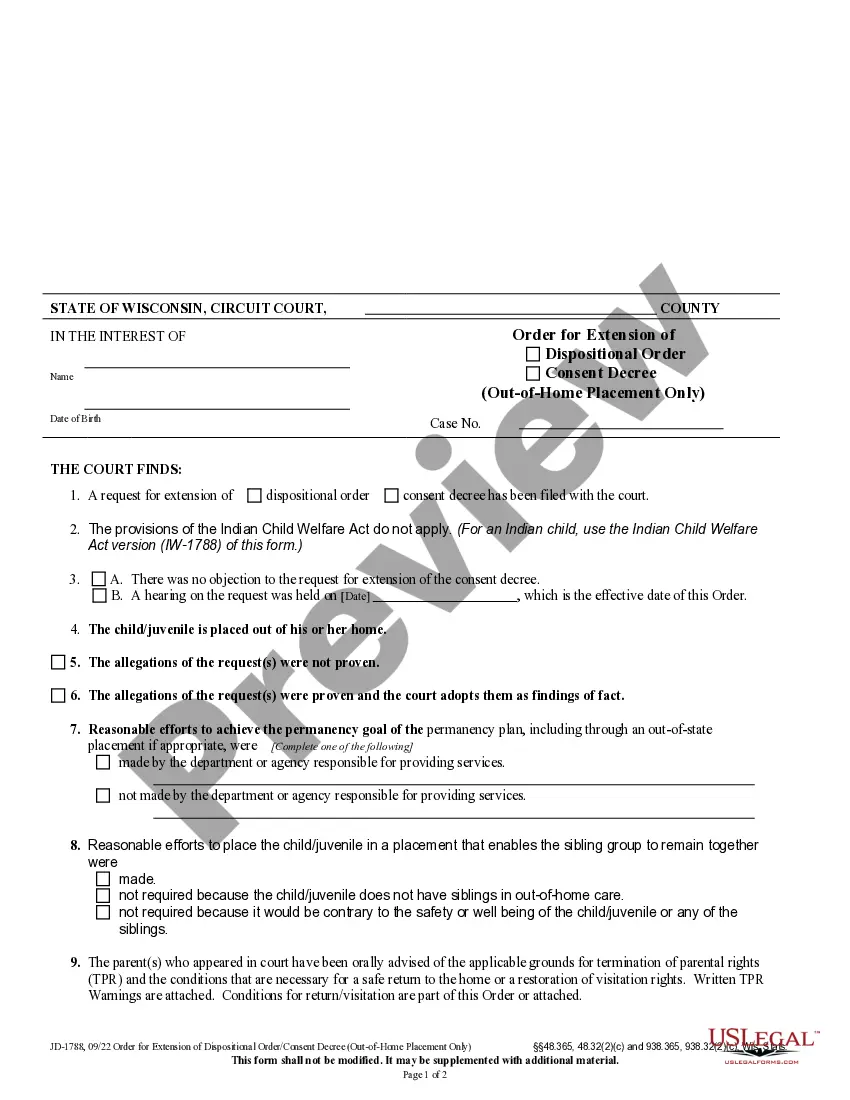
Looking for another form?
How to fill out Land Deed Of Trust?
US Legal Forms - one of the largest collections of legal documents in the USA - provides a variety of legal form templates that you can download or print.
By utilizing the website, you can access thousands of forms for business and personal purposes, organized by categories, states, or keywords. You can find the most recent versions of forms such as the Wisconsin Land Deed of Trust in moments.
If you possess a subscription, Log In to download the Wisconsin Land Deed of Trust from the US Legal Forms library. The Acquire button will appear on every form you view. You have access to all previously saved forms in the My documents section of your account.
Then, select the pricing plan you prefer and provide your credentials to register for the account. Complete the transaction. Use your Visa or Mastercard or PayPal account to finalize the payment.
Choose the format and download the form to your device. Make modifications. Fill out, edit, print, and sign the saved Wisconsin Land Deed of Trust. Each template you added to your account has no expiration date and is yours indefinitely. So, if you wish to download or print another copy, simply go to the My documents section and click on the form you need. Access the Wisconsin Land Deed of Trust with US Legal Forms, the most comprehensive library of legal document templates. Utilize thousands of specialized and state-specific templates that meet your business or personal needs and requirements.
- If you are using US Legal Forms for the first time, here are simple steps to help you get started:
- Ensure you have selected the correct form for your city/state.
- Click the Preview button to review the form's content.
- Check the form outline to confirm you have chosen the right one.
- If the form does not meet your requirements, utilize the Search box at the top of the screen to find one that does.
- If you are satisfied with the form, confirm your selection by clicking the Buy now button.
Form popularity
FAQ
To obtain a copy of a property deed in Wisconsin, visit the county register of deeds where the property is located. You can request a copy in person or online, depending on the county's services. Having the property address or parcel number handy can expedite the process. Additionally, uslegalforms offers resources to help you understand the necessary steps to retrieve your Wisconsin Land Deed of Trust.
To transfer property to a trust in Wisconsin, you need to complete a Wisconsin Land Deed of Trust. This document should clearly state the property details and the name of the trust. After preparing the deed, sign it in front of a notary public, then record it with your county register of deeds. This process ensures that your property is legally held in trust.
To place your property in a trust in Wisconsin, first, create a trust document outlining the trust's terms and beneficiaries. Next, you will need to transfer the property title into the trust's name, which often involves executing a deed. Ensure all documentation is properly completed and filed to reflect the change in ownership. US Legal Forms can provide you with the necessary forms and instructions for this process.
Yes, a Wisconsin Land Deed of Trust must be filed with the county register of deeds to be legally enforceable. Filing ensures that the trust is public record, protecting the rights of the beneficiaries. Always retain copies of the filed documents for your records. For assistance, consider using US Legal Forms to navigate the filing requirements.
Transferring a land deed in Wisconsin involves preparing a new deed that names the new owner and describes the property. You will need to complete the form accurately and have it signed in front of a notary. After signing, file the deed with the appropriate county register of deeds office. Utilizing US Legal Forms can simplify this process with user-friendly templates.
To create a Wisconsin Land Deed of Trust, you need to draft the document clearly stating the parties involved, the property details, and the terms of the trust. It’s important to include the names of the trustee and the beneficiaries. After drafting, you must sign the deed in front of a notary public to ensure its legality. Consider using platforms like US Legal Forms for templates and guidance.
When committing to a general warranty deed, the seller is promising there are no liens against the property, and if there were, the seller would compensate the buyer for those claims. Mainly for this reason, general warranty deeds are the most commonly used type of deed in real estate sales.
Real estate Obtain a new deed, prepared by an attorney, transferring the property from your name to the trust. Record the deed with the appropriate county recorder's office. Notify your mortgage lender and insurance company of the transfer.
Since a "Deed of Trust" replaces or serves as a mortgage where legal title to real property is placed with a Trustee (and is considered a conveyance), it needs a transfer return. If there is a default, the trustee would convey the property to the lender or successful bidder.
The main difference between a deed and a deed of trust is that a deed is a transfer of ownership, while a deed of trust is a security interest. A deed of trust is used to secure a loan, while a deed is used to transfer ownership of a property.