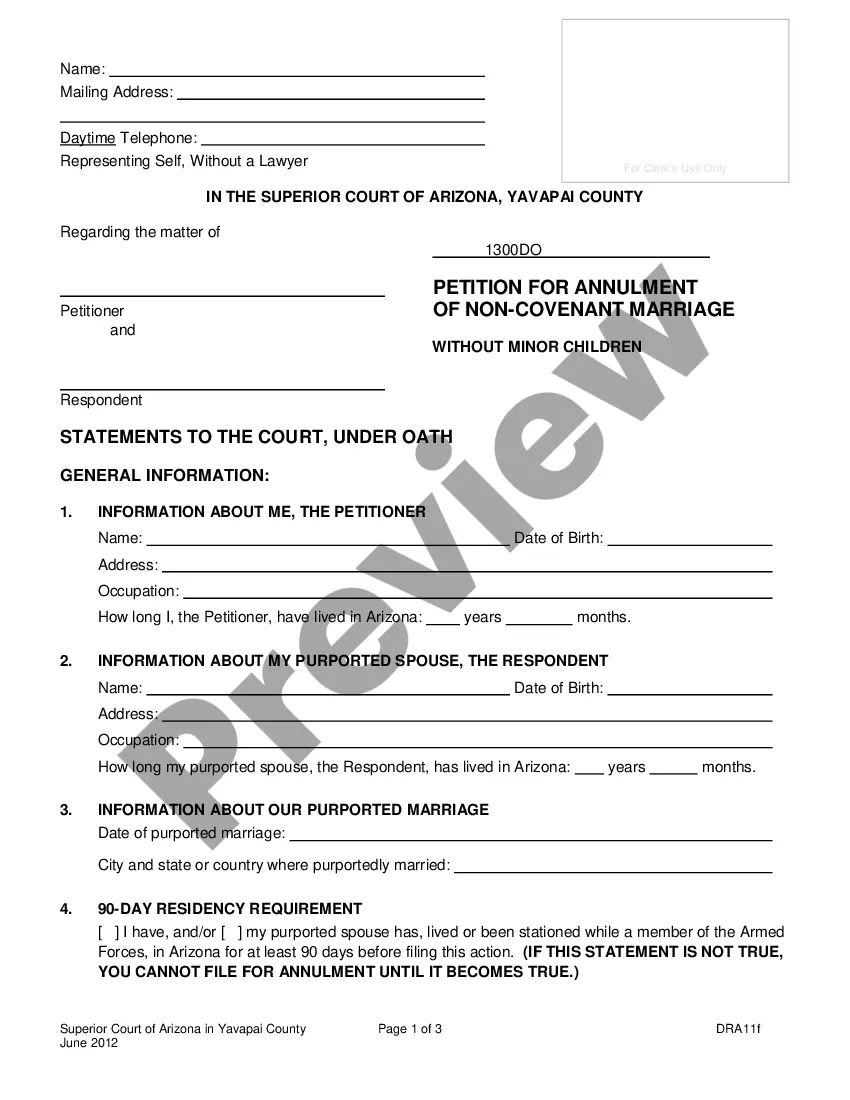
Wisconsin Loan Modification Agreement
What is this form?
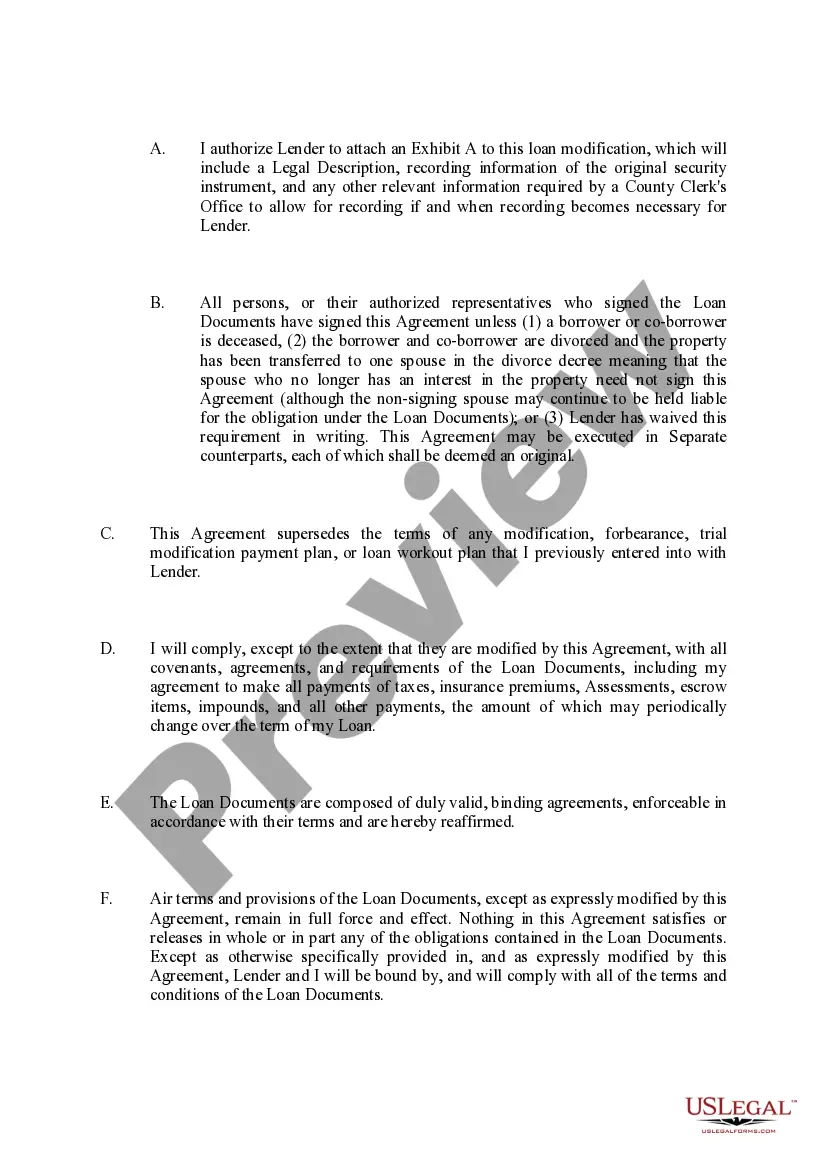
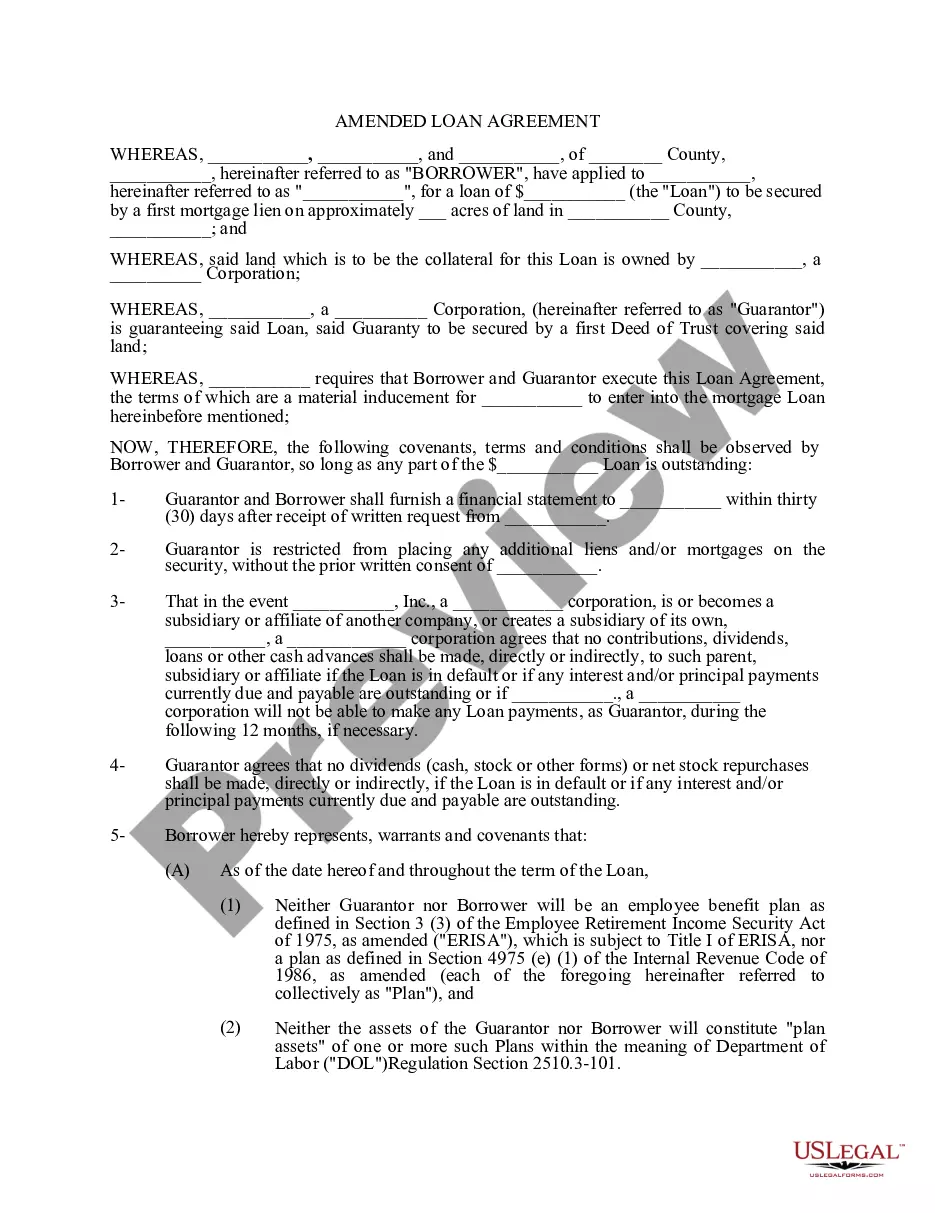
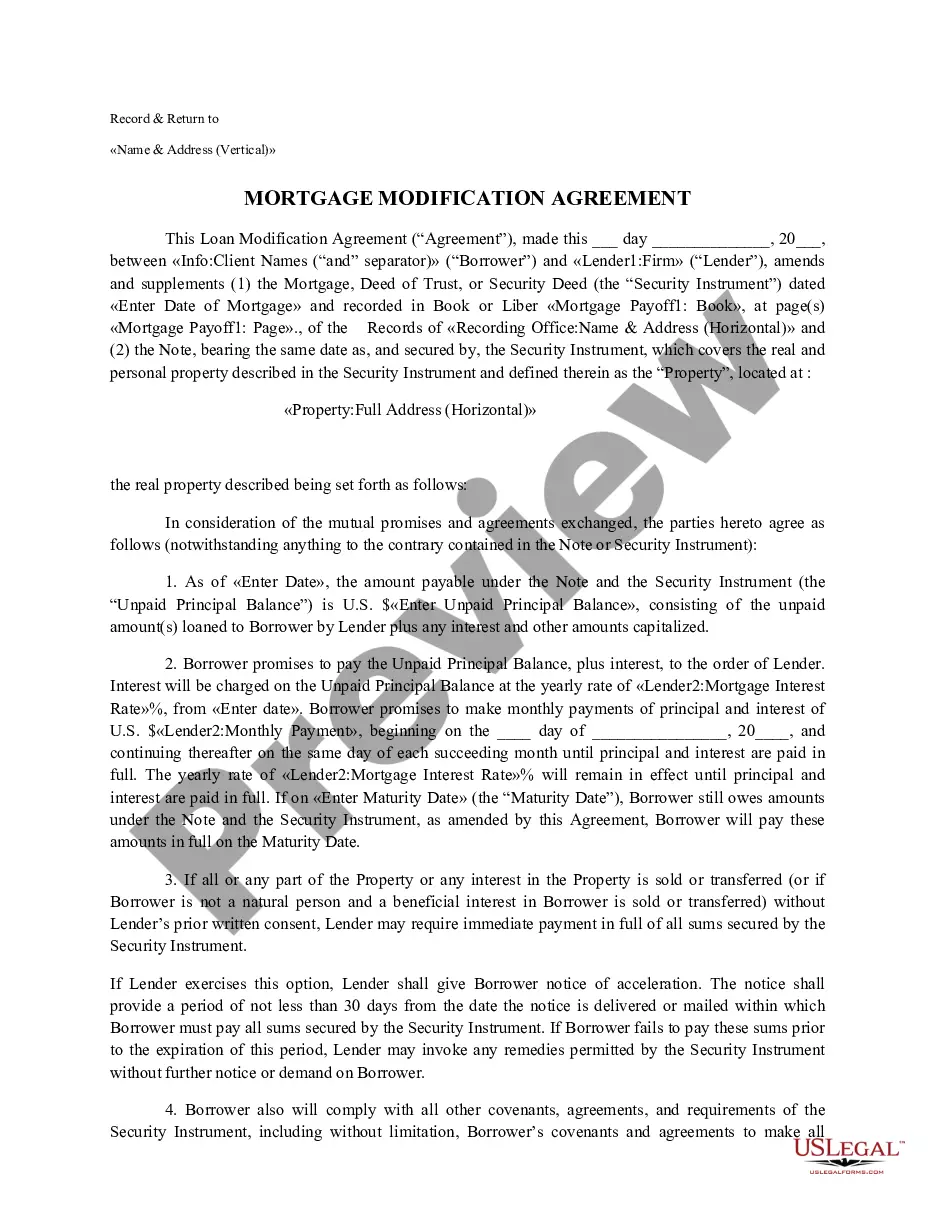
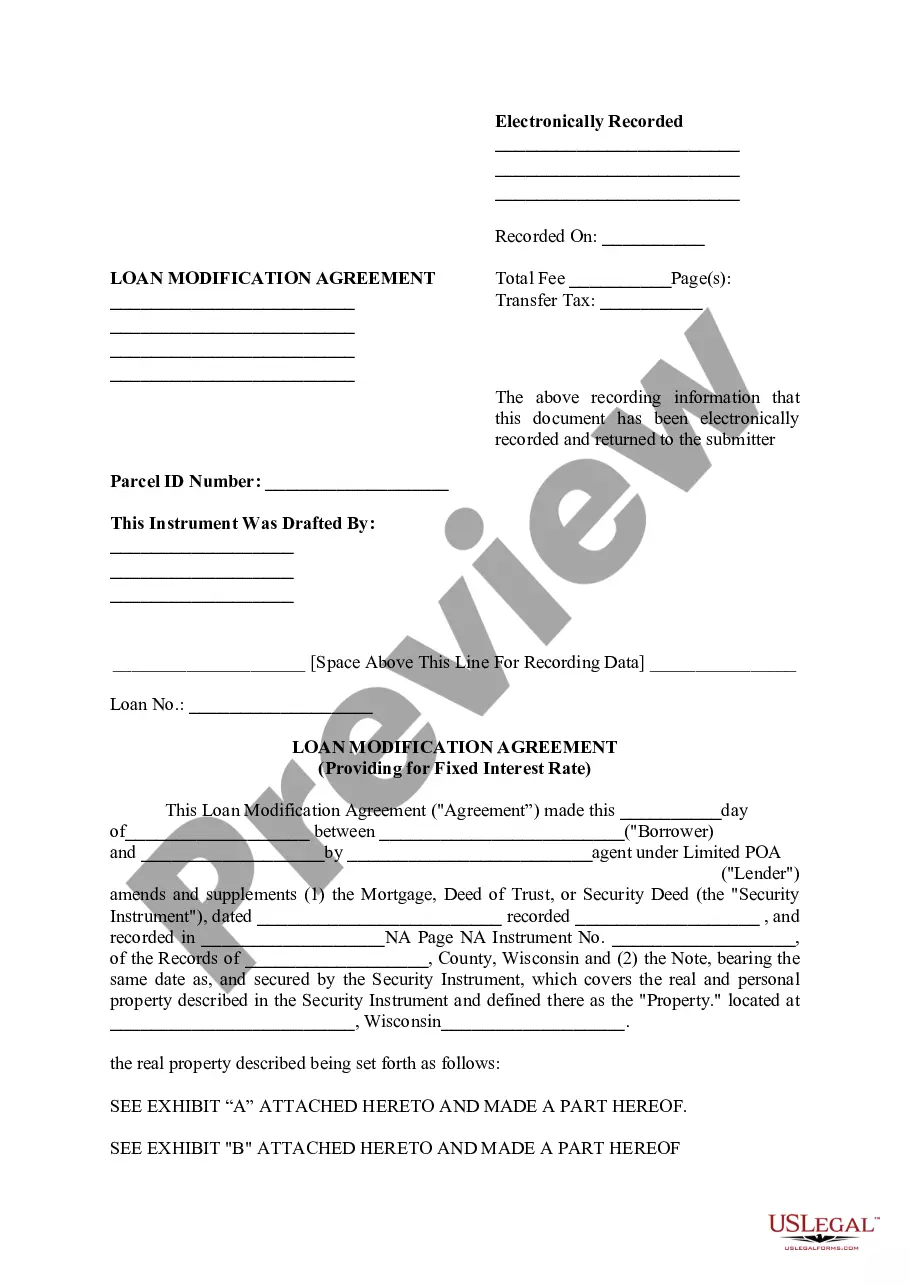
The Loan Modification Agreement is a legal document that allows borrowers and lenders to amend and enhance the original terms of a mortgage or loan. This modification can include changes to the loan's interest rate, term, or type, enabling borrowers to address financial difficulties without the need for foreclosure. Unlike a refinancing option, this agreement specifically alters existing loan conditions, making it easier for both parties to come to a mutually beneficial arrangement.
Key parts of this document
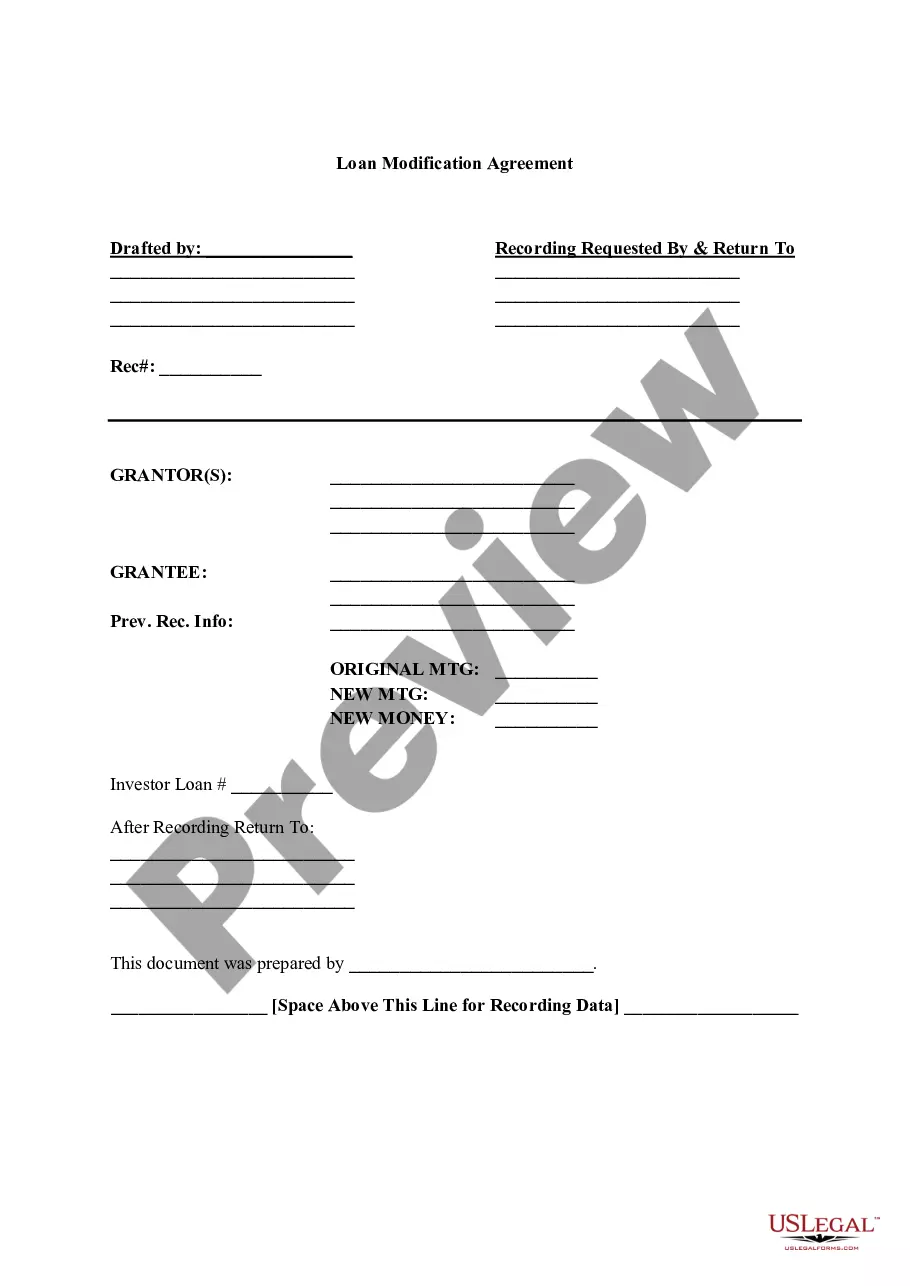
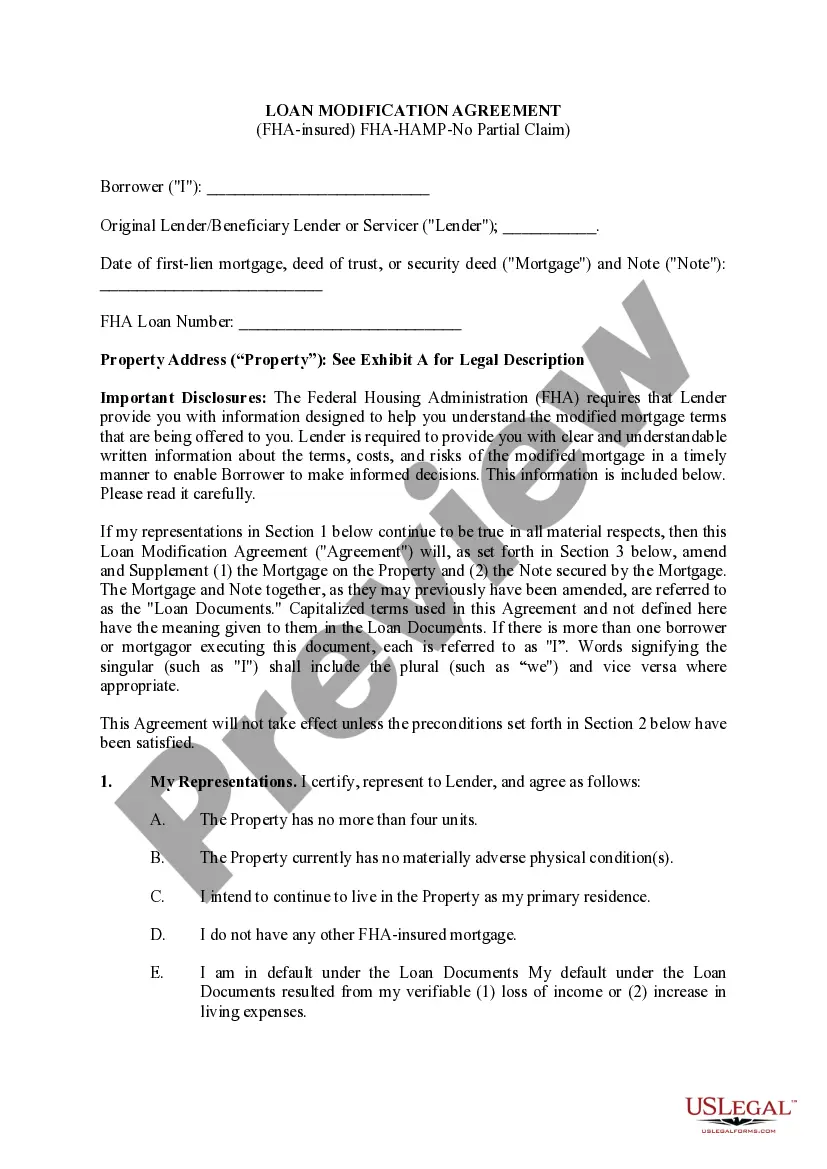
- Borrower and lender details: Identifies the parties involved in the loan modification.
- Property information: Includes the address and legal description of the property in question.
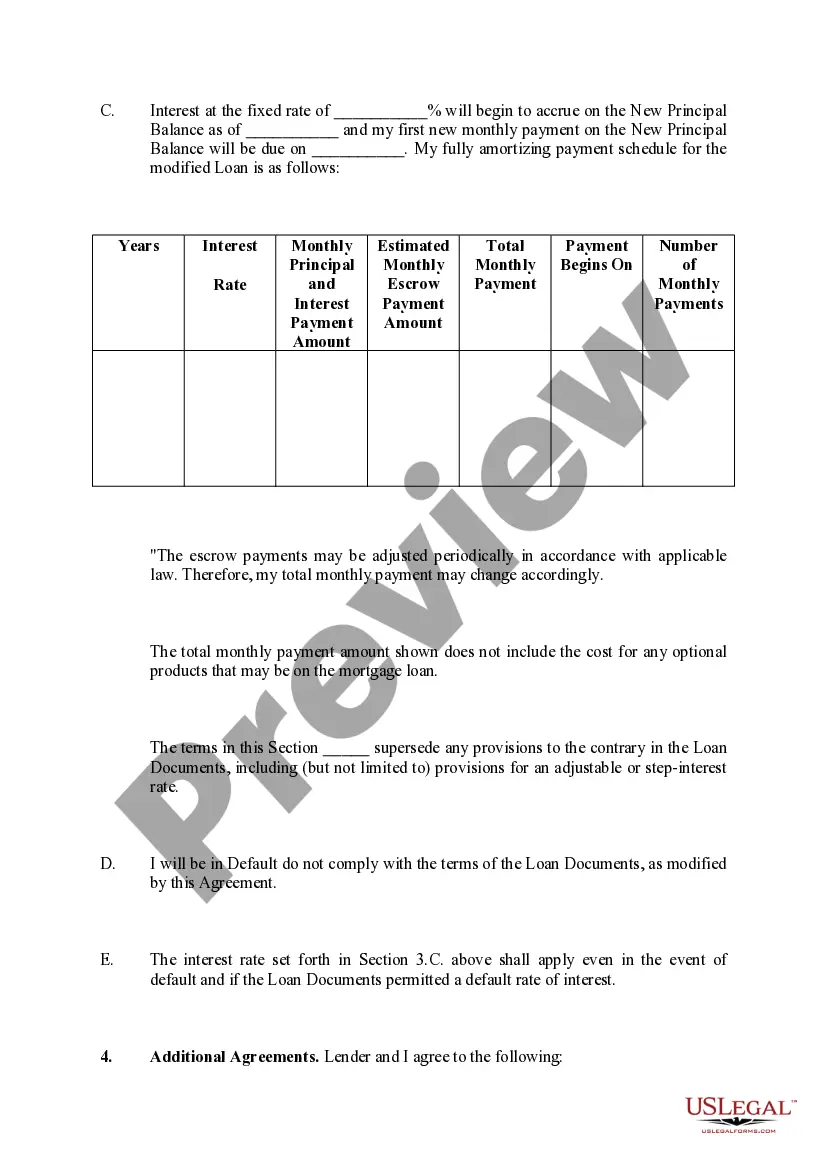
- Loan details: Specifies original and modified loan amounts, interest rates, and new maturity dates.
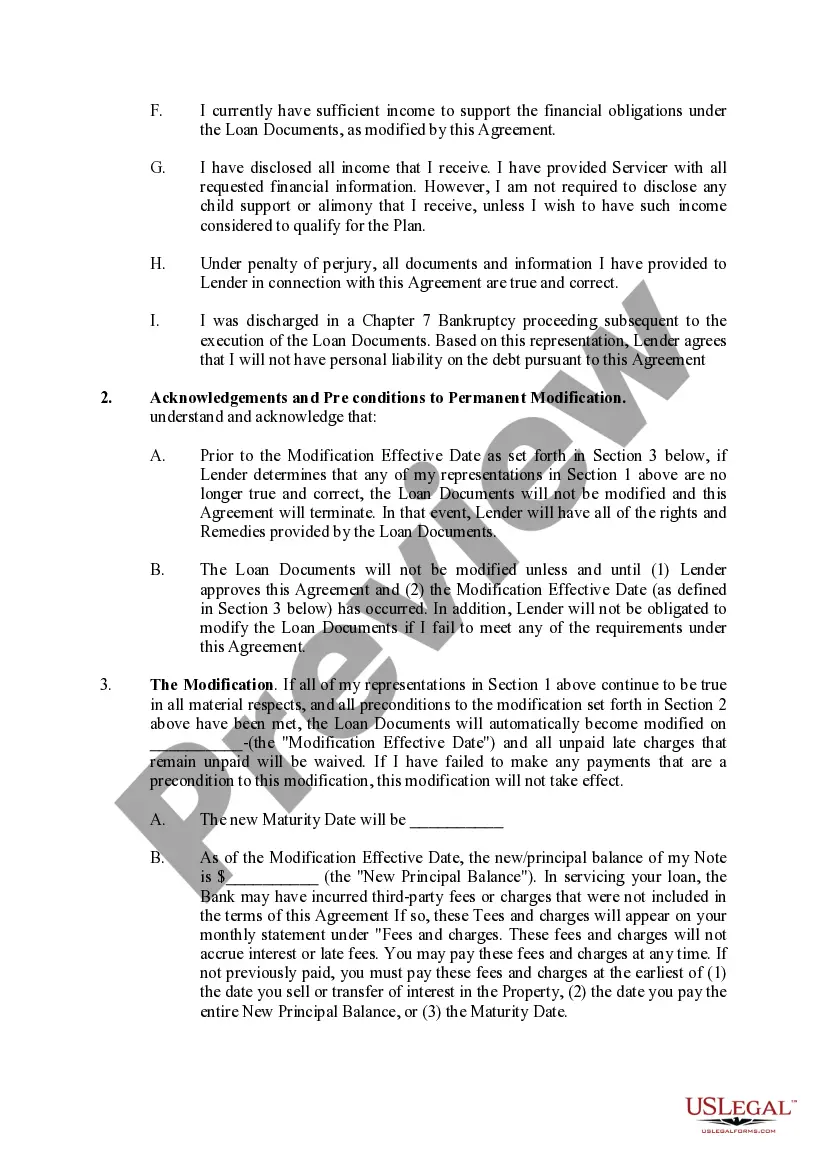
- Representations: Outlines borrowerâs certifications regarding their financial status and intentions.
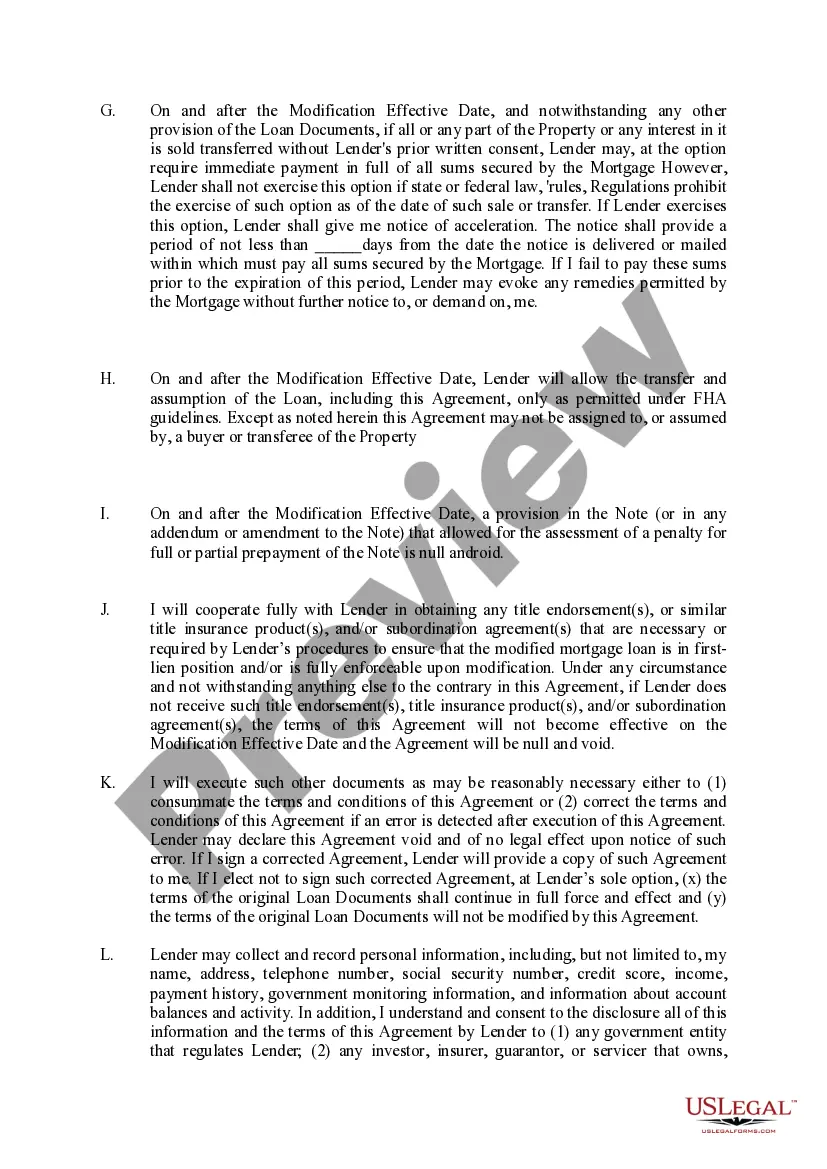
- Conditions for modification: States preconditions that must be met for the modification to take effect.
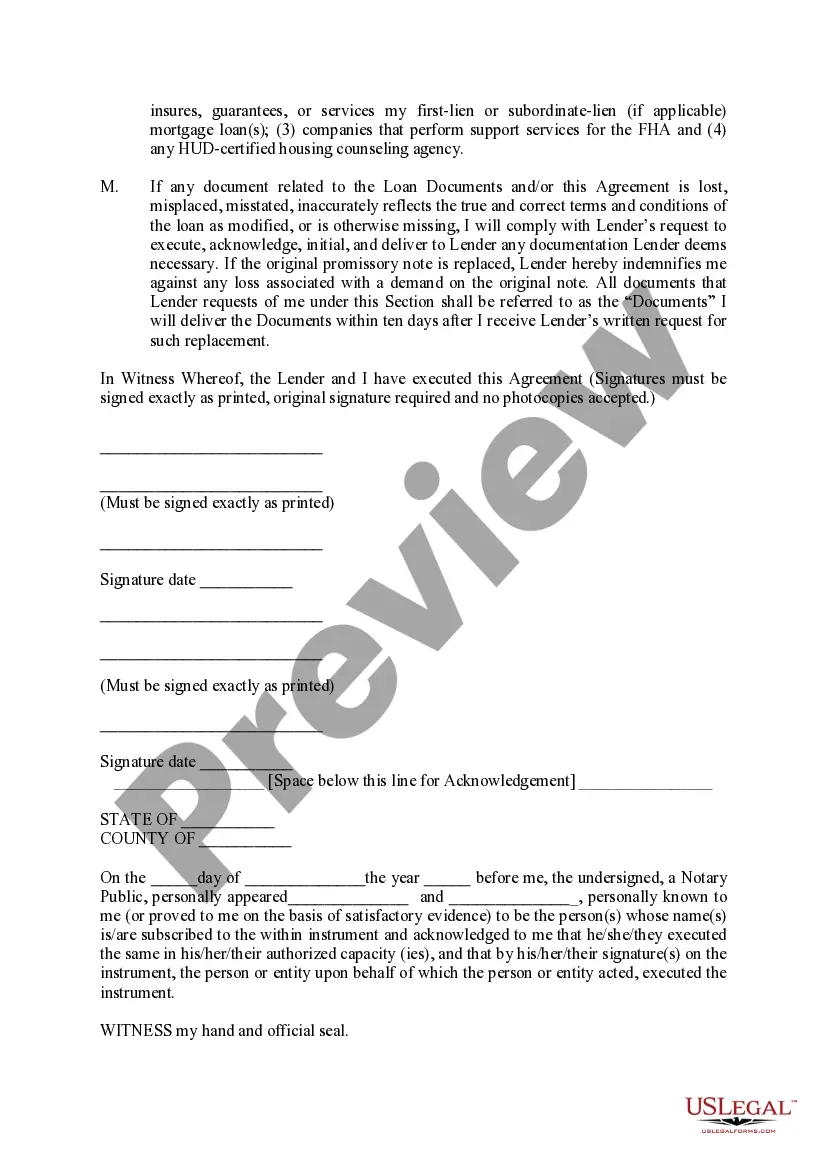
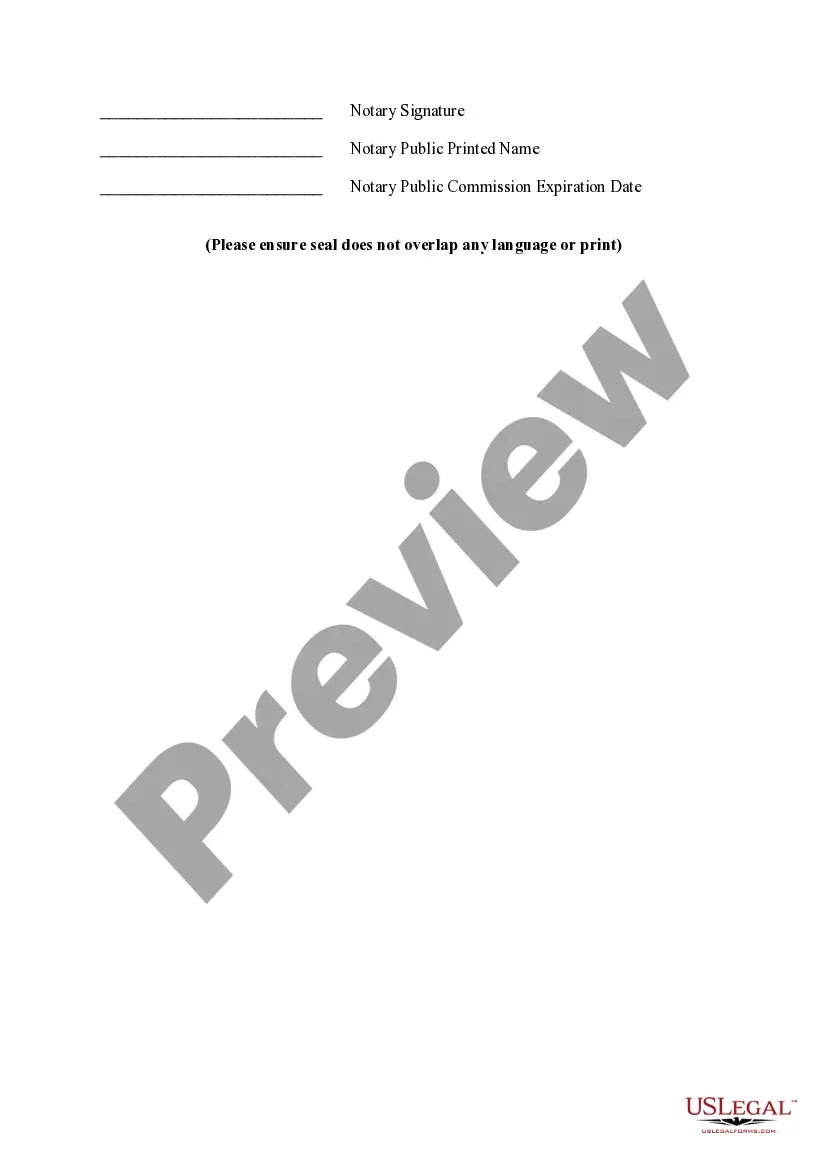
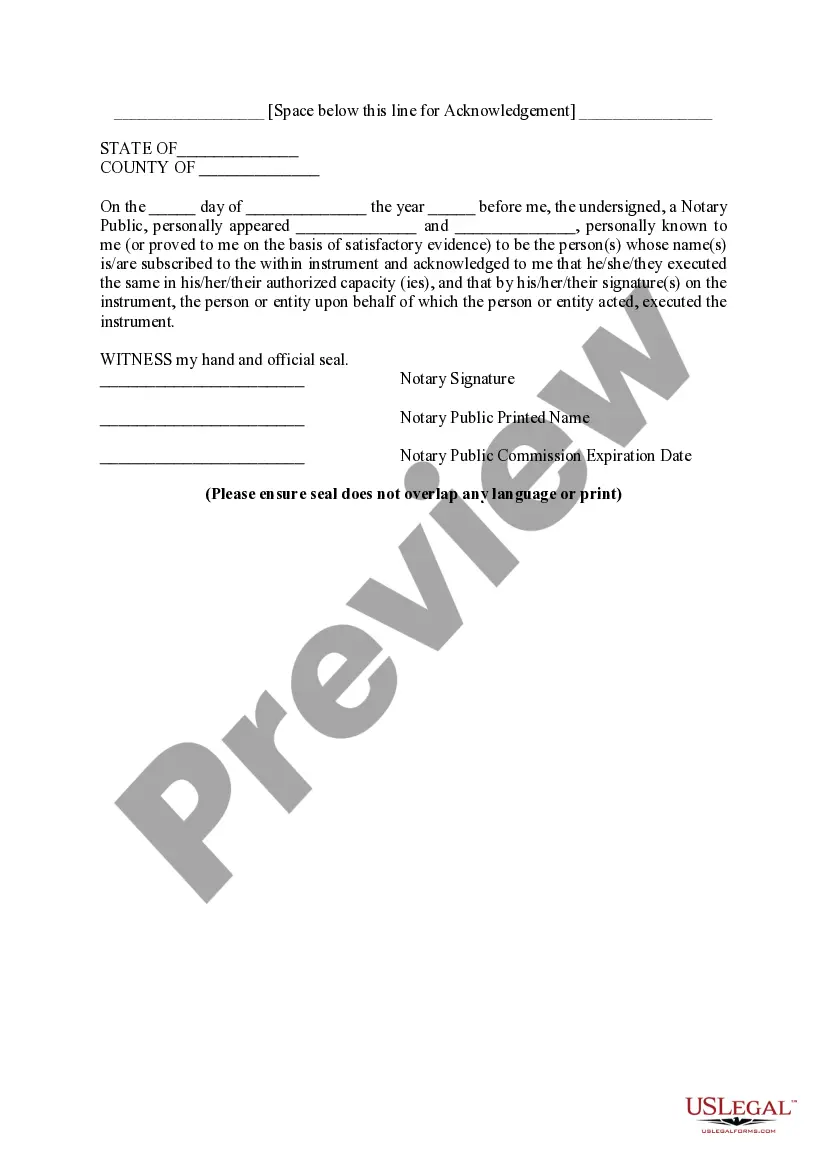
- Notary requirements: Includes provisions for notarization to validate the agreement.

Situations where this form applies
You should use the Loan Modification Agreement when you are facing financial difficulties and need to change the terms of your existing mortgage. This form is appropriate if you are unable to meet your current mortgage obligations due to loss of income or increased living expenses. By modifying your loan, you can potentially reduce your monthly payments or avoid foreclosure, making it a critical tool for managing your finances effectively.
Who needs this form
- Homeowners currently in default on their mortgage payments.
- Borrowers seeking to lower their interest rate on an existing loan.
- Individuals expecting to encounter financial hardship due to unforeseen circumstances.
- Anyone looking to extend the term of their loan to make payments more manageable.
- Those planning to continue residing in the property as their primary residence.
Completing this form step by step
- Identify the parties: Enter the names and addresses of the borrower(s) and lender.
- Specify the property: Include the property address and legal description as required.
- Fill in loan details: Input the original and new mortgage amounts, along with the new interest rates and maturity dates.
- Complete borrower representations: Ensure all required certifications in Section 1 are accurately addressed.
- Sign and date the agreement: All parties must sign to validate the document, and include notary acknowledgment if required.
Is notarization required?
Yes, this form must be notarized to be legally valid. This ensures that the signatures are authenticated and that all parties acknowledge their understanding of the agreement. US Legal Forms offers integrated online notarization services, providing secure video calls, legal equivalency, and no need for travel, making the process seamless.
Get your form ready online
Our built-in tools help you complete, sign, share, and store your documents in one place.
Make edits, fill in missing information, and update formatting in US Legal Forms—just like you would in MS Word.
Download a copy, print it, send it by email, or mail it via USPS—whatever works best for your next step.
Sign and collect signatures with our SignNow integration. Send to multiple recipients, set reminders, and more. Go Premium to unlock E-Sign.
If this form requires notarization, complete it online through a secure video call—no need to meet a notary in person or wait for an appointment.
We protect your documents and personal data by following strict security and privacy standards.

Make edits, fill in missing information, and update formatting in US Legal Forms—just like you would in MS Word.

Download a copy, print it, send it by email, or mail it via USPS—whatever works best for your next step.

Sign and collect signatures with our SignNow integration. Send to multiple recipients, set reminders, and more. Go Premium to unlock E-Sign.

If this form requires notarization, complete it online through a secure video call—no need to meet a notary in person or wait for an appointment.

We protect your documents and personal data by following strict security and privacy standards.
Avoid these common issues
- Failing to provide complete and accurate borrower representations, which can invalidate the agreement.
- Not including the correct property information, which can lead to legal complications.
- Neglecting to have the document notarized if required by state law.
- Overlooking the need for all parties to sign and date the agreement correctly.
- Misunderstanding the implications of modifications and their impact on payment schedules.
Why complete this form online
- Convenience: Easily download and complete the form from anywhere at any time.
- Editability: Customize the form to meet your specific needs and circumstances.
- Reliability: Access quality legal templates prepared by licensed attorneys, ensuring compliance with legal standards.
- Time-saving: Eliminate the hassle of visiting legal offices with a quick online process.
Looking for another form?
Form popularity
FAQ
A lender may agree to a loan modification during a settlement procedure or in the case of a potential foreclosure.A loan modification agreement is a long-term solution. A loan modification may involve a reduced interest rate, a longer period to repay, a different type of loan, or any combination of these.
You should contact the lender's loss and mitigation department to discuss the reason of you loan modification rejection. Possible reasons for a modification rejection include insufficient income, high debt-to-income ratio, missing documents, or delinquent credit history.
Be at least one regular mortgage payment behind or show that missing a payment is imminent. Provide evidence of significant financial hardship, for reasons such as:
Yes, probably. In California, a law called the Homeowner Bill of Rights (HBOR) generally gives borrowers the right to appeal a modification denial. Under HBOR, in most cases, if the servicer denies a borrower's application to modify a first lien loan, the borrower can appeal.
Some of the most common types of hardship are: job loss, pay reduction, underemployment, declining business revenue, death of a coborrower, illness, injury, and divorce.