Vermont Non-Disturbance and Attornment Agreement
Description
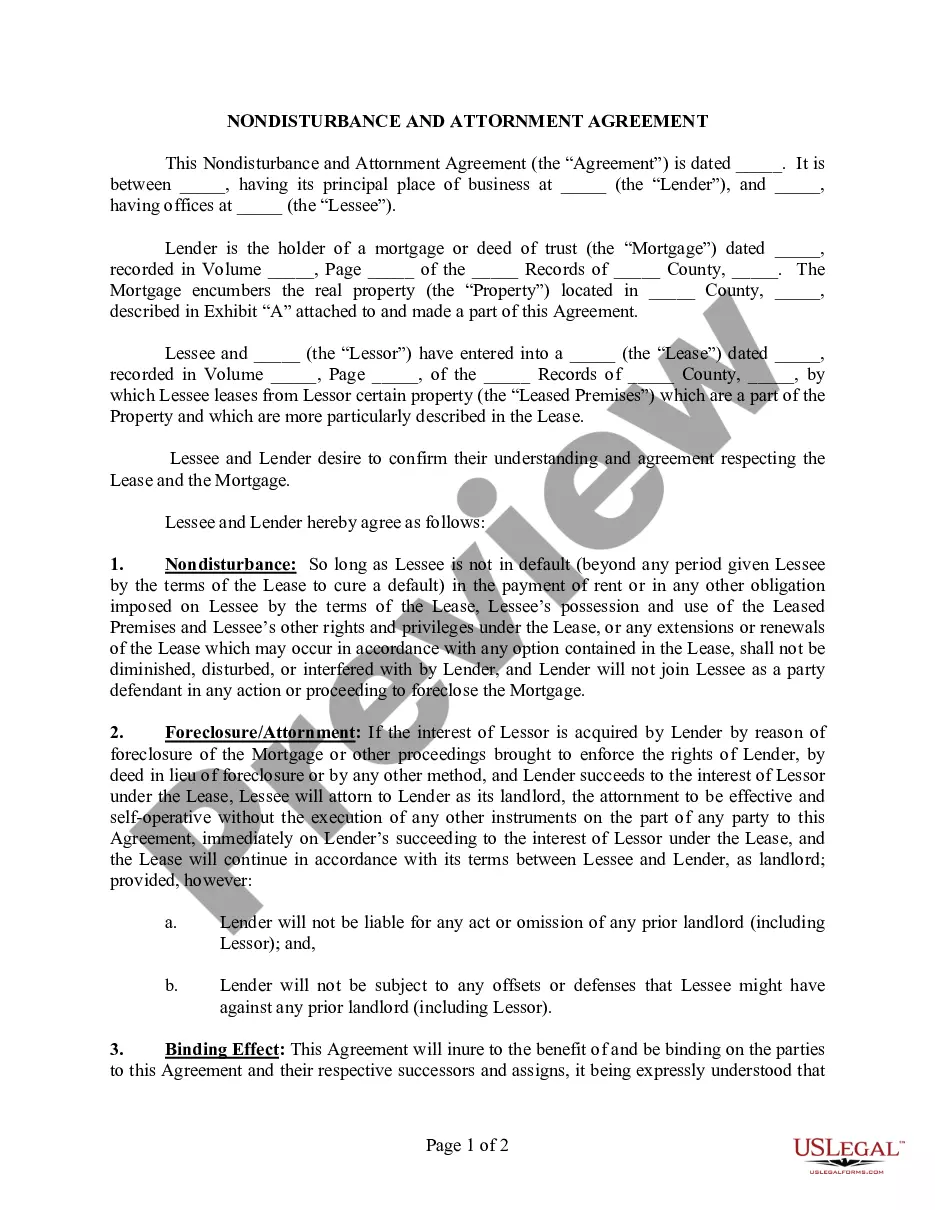
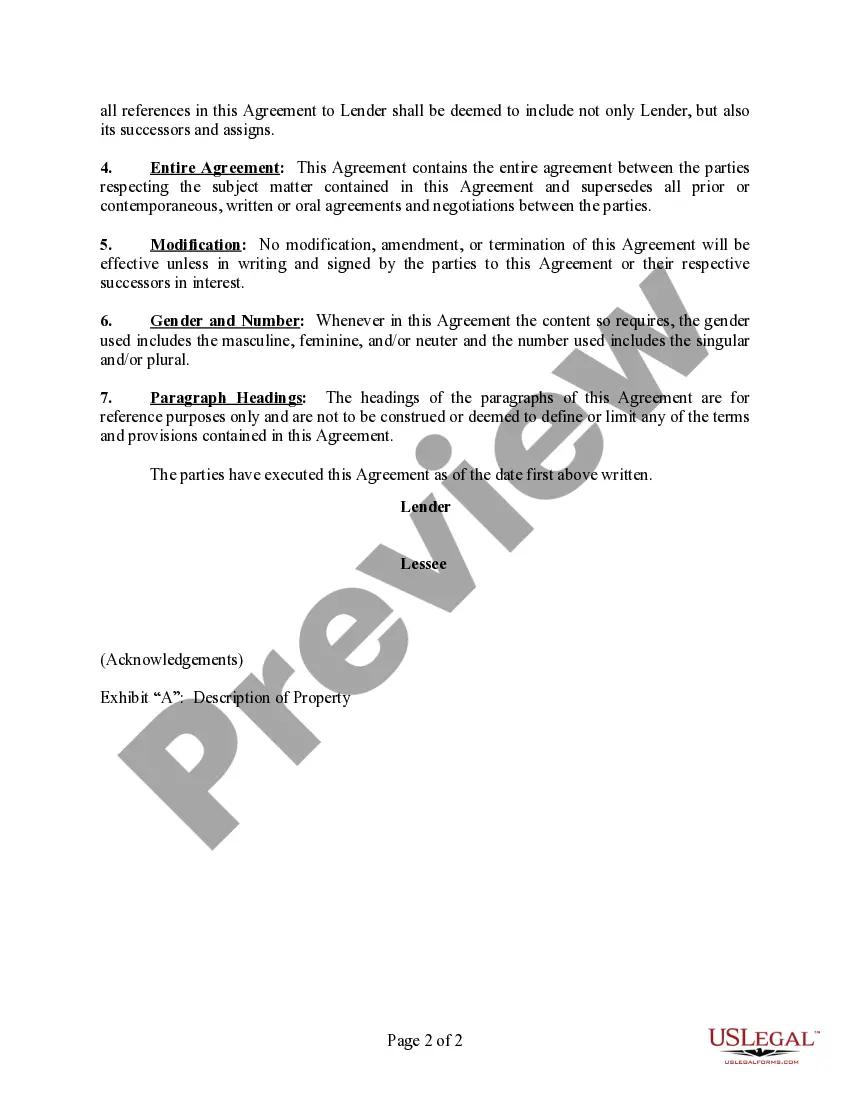
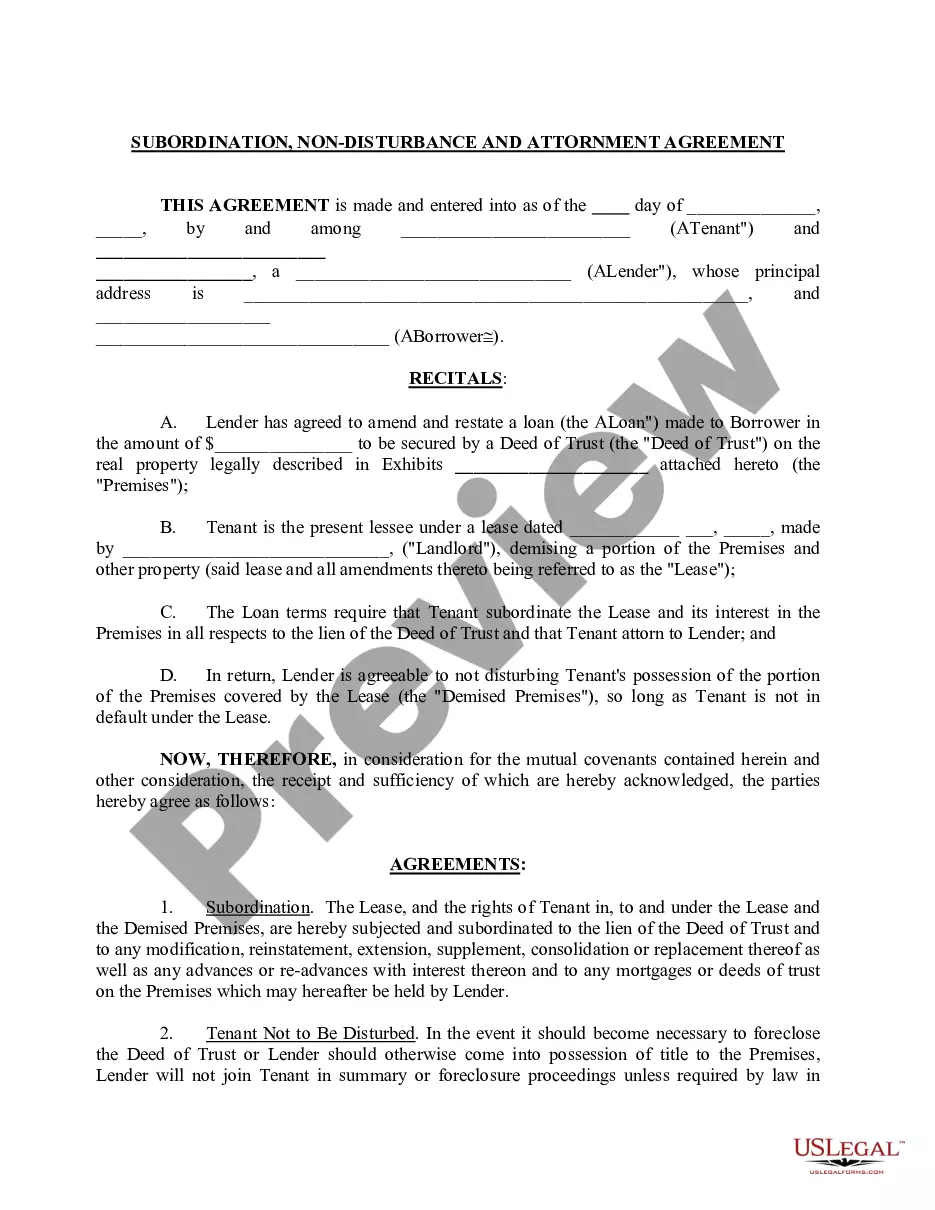
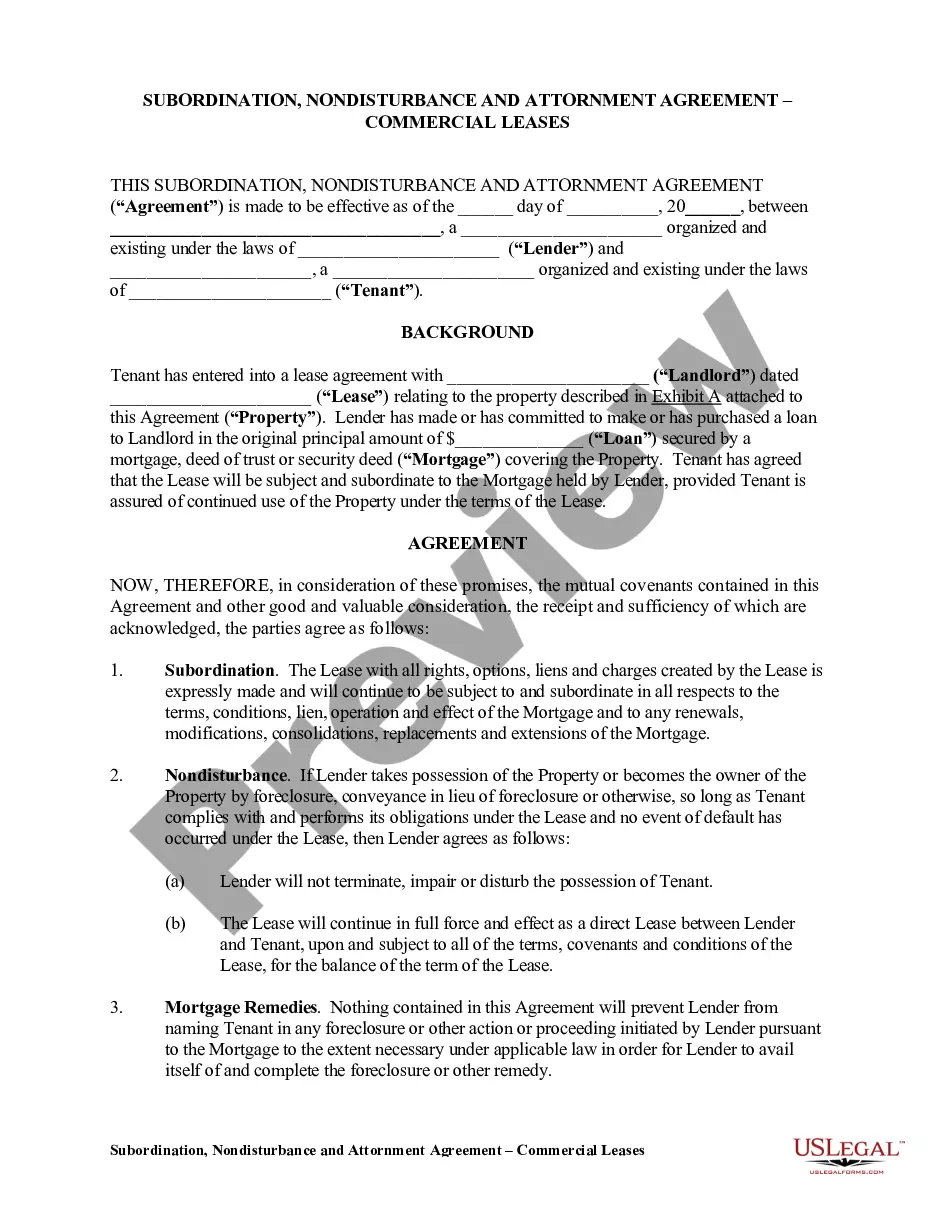
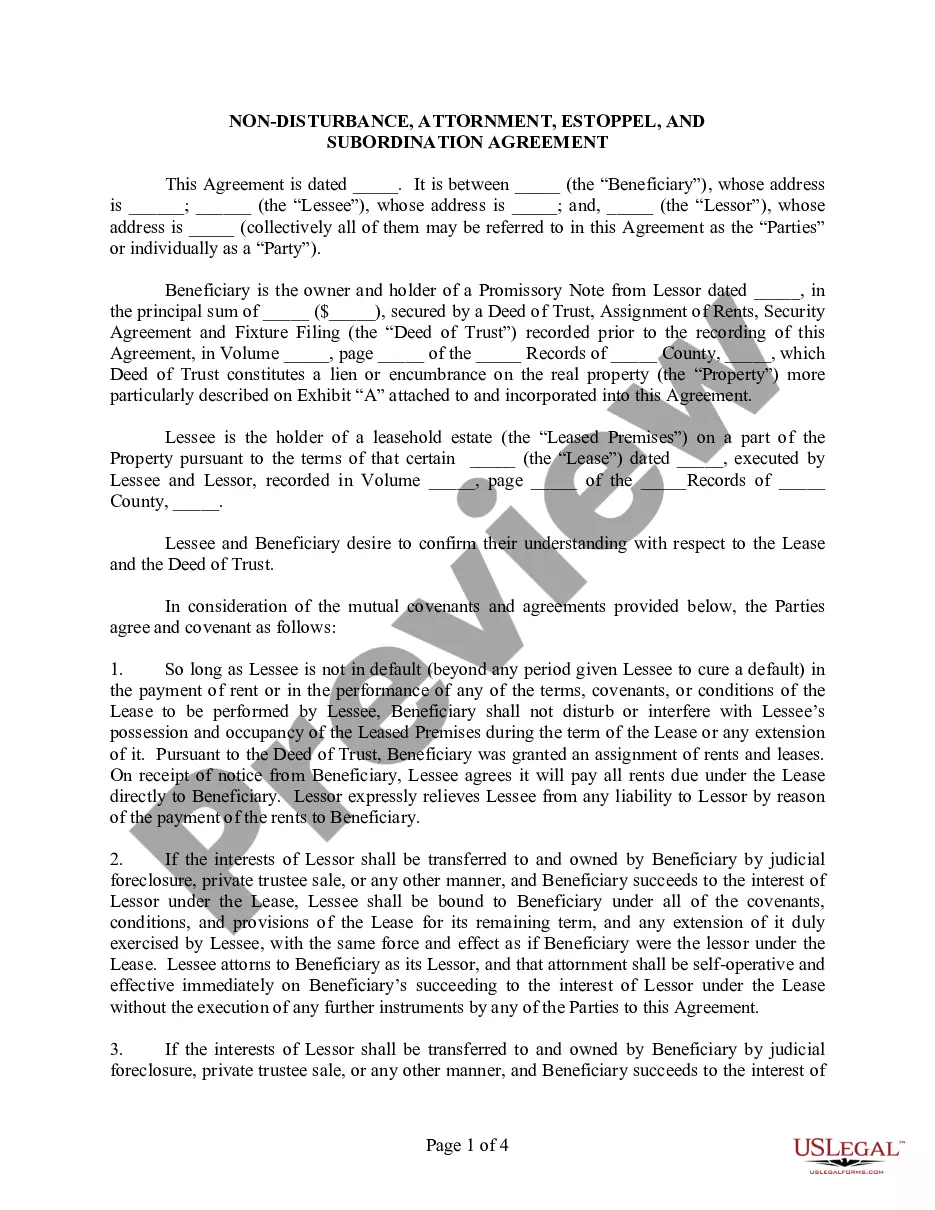
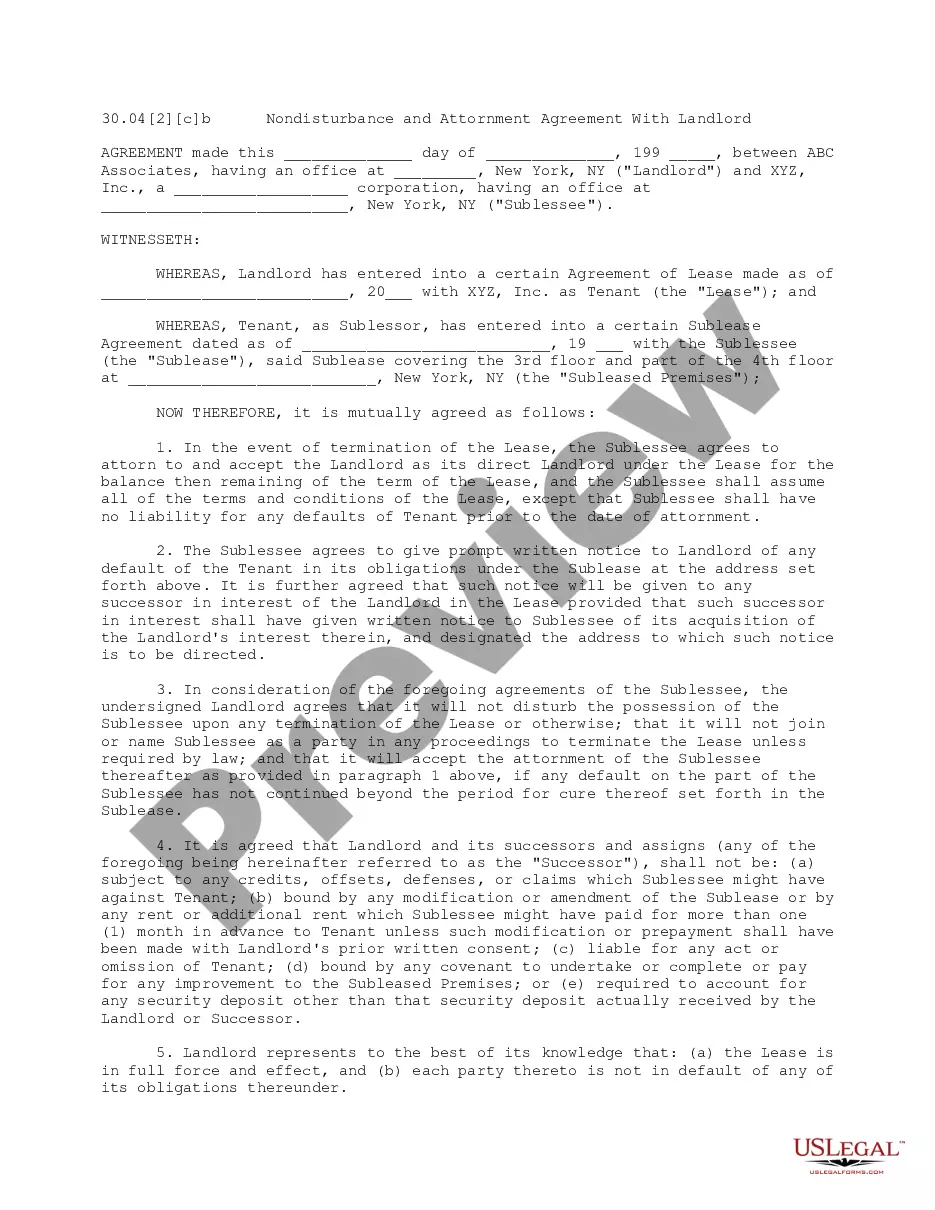

How to fill out Non-Disturbance And Attornment Agreement?
Choosing the right legal file design can be a battle. Naturally, there are plenty of templates available on the Internet, but how would you obtain the legal form you require? Use the US Legal Forms internet site. The services gives a large number of templates, like the Vermont Non-Disturbance and Attornment Agreement, that can be used for enterprise and personal requirements. All of the varieties are examined by professionals and fulfill state and federal requirements.
Should you be presently listed, log in to the bank account and then click the Acquire button to obtain the Vermont Non-Disturbance and Attornment Agreement. Utilize your bank account to search through the legal varieties you may have acquired previously. Check out the My Forms tab of your bank account and get one more backup of your file you require.
Should you be a brand new consumer of US Legal Forms, allow me to share straightforward guidelines so that you can comply with:
- Very first, ensure you have chosen the appropriate form for your area/area. You can look over the shape utilizing the Preview button and browse the shape information to make sure it is the best for you.
- In the event the form is not going to fulfill your expectations, use the Seach field to find the right form.
- Once you are certain the shape is acceptable, click on the Purchase now button to obtain the form.
- Opt for the pricing program you want and enter the needed info. Design your bank account and purchase your order making use of your PayPal bank account or charge card.
- Opt for the document structure and down load the legal file design to the device.
- Full, revise and printing and signal the attained Vermont Non-Disturbance and Attornment Agreement.
US Legal Forms will be the greatest collection of legal varieties in which you will find a variety of file templates. Use the service to down load professionally-created paperwork that comply with state requirements.
Form popularity
FAQ
A nondisturbance clause is a provision in a mortgage contract that ensures that a rental agreement between the tenant and the landlord will continue under any circumstances. This is done primarily to protect the renter from eviction by the mortgagor if the property is foreclosed upon by the lender.
A nondisturbance clause is a provision in a mortgage contract that ensures that a rental agreement between the tenant and the landlord will continue under any circumstances. This is done primarily to protect the renter from eviction by the mortgagor if the property is foreclosed upon by the lender.
An SNDA establishes lien priority between a landlord's lender and a tenant of commercial real property while preserving the tenant's rights in the leased premises if the landlord forecloses on the deed of trust or the mortgage.
disturbance clause is a provision in a mortgage contract that ensures that a rental agreement between the tenant and the landlord will continue under any circumstances. This is done primarily to protect the renter from eviction by the mortgagor if the property is foreclosed upon by the lender.
Lender will not join Tenant as a party in any Foreclosure (defined below) unless the joinder is necessary or desirable to pursue Lender's remedies under the Deed of Trust, and provided that such joinder shall not result in the termination of the Lease or disturb Tenant's possession of the Premises.
Just as an SNDA provides certainty to a tenant that a tenant may remain in its premises after a landlord has failed to perform under its loan, a recognition agreement provides assurance to a subtenant that it may continue to operate in its premises if its sublandlord defaults under its lease with the owner of the ...
SNDAs are routinely required in commercial real estate transactions by: Lenders as a condition precedent to its obligation to close a commercial real estate loan (see Lender's Closing Transaction Checklist for a Commercial Mortgage Loan: Drafting Note: Subordination, Non-Disturbance, and Attornment Agreements).
SDNA stands for Subordination Non-Disturbance and Attornment. It essentially guarantees that if the landlord defaults, neither the landlord nor the lender can cancel a tenant's lease.