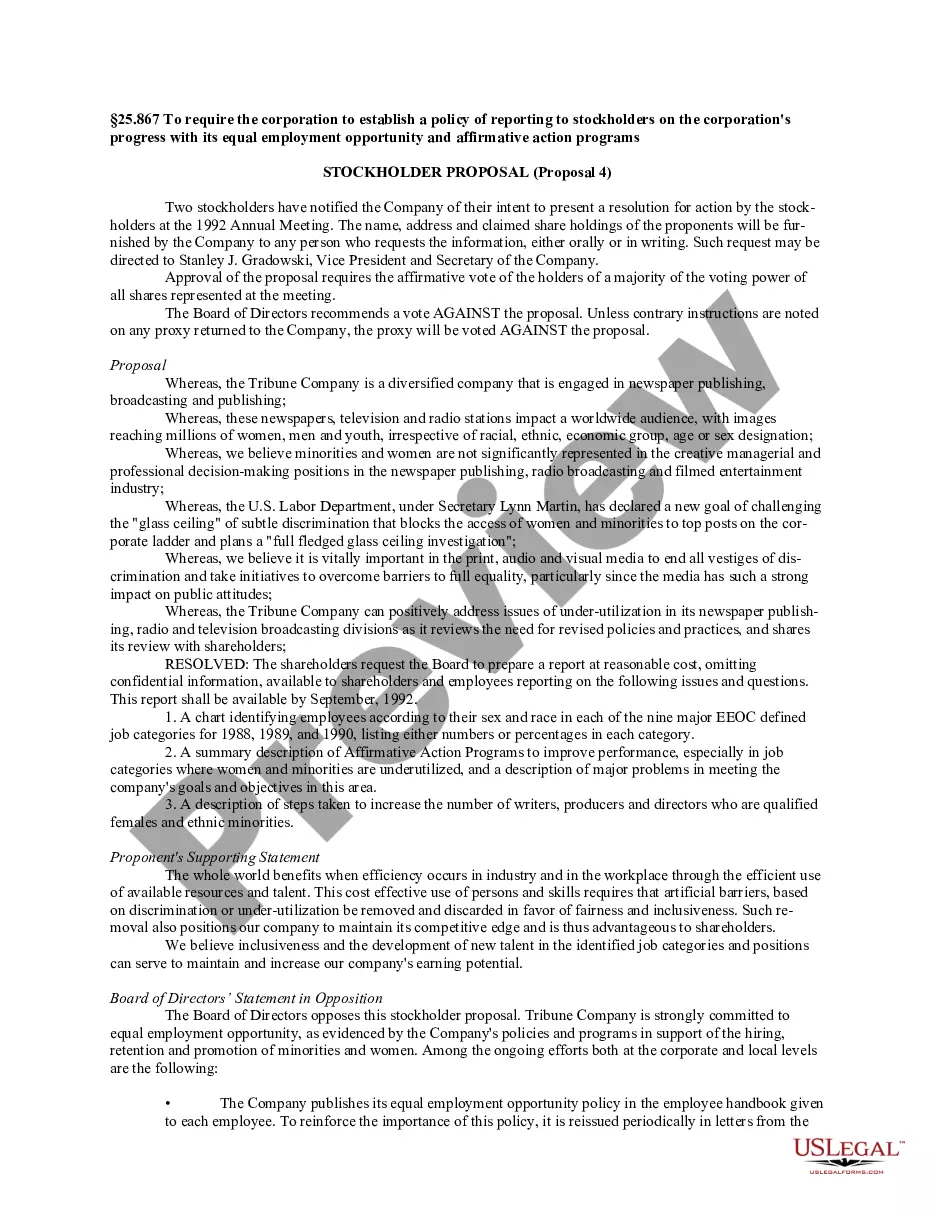
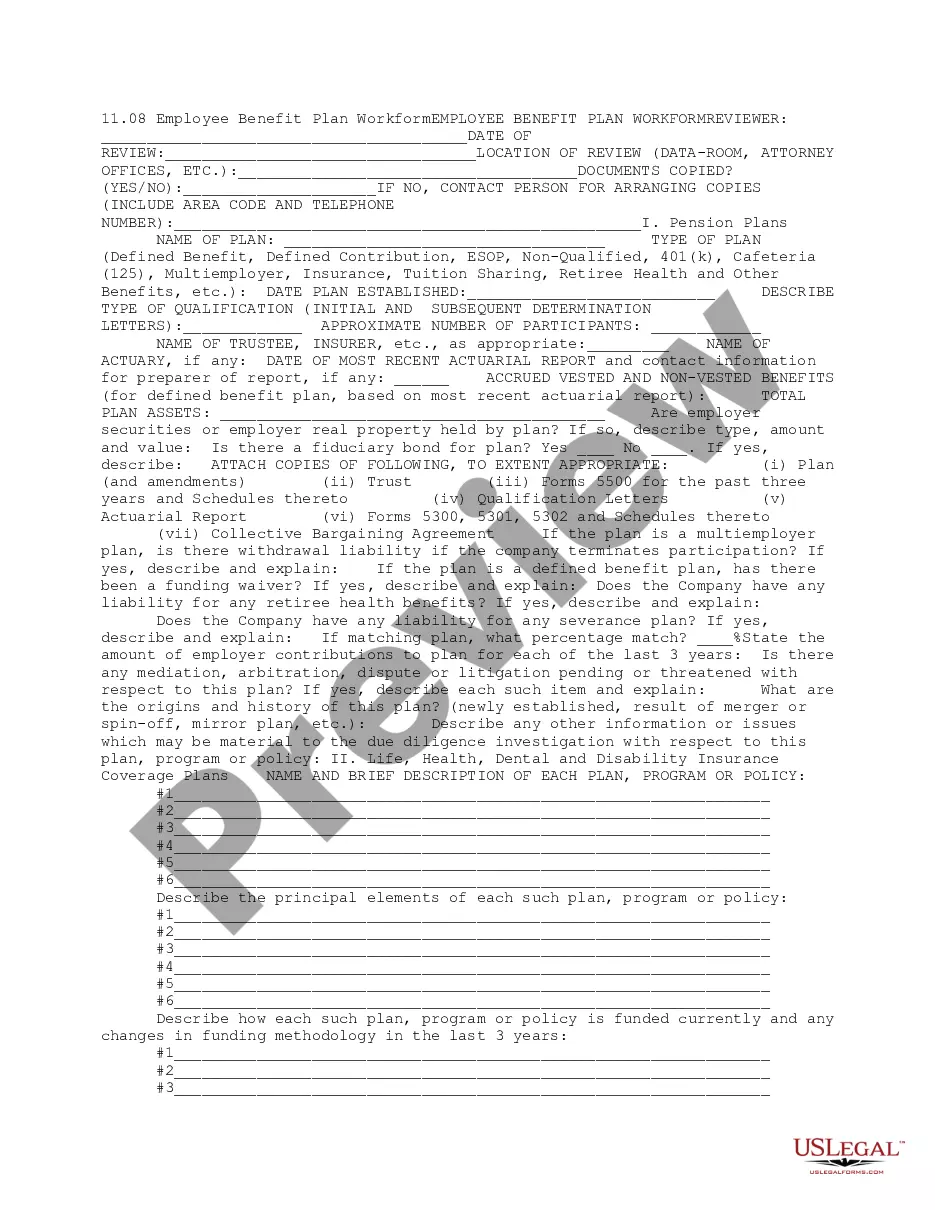
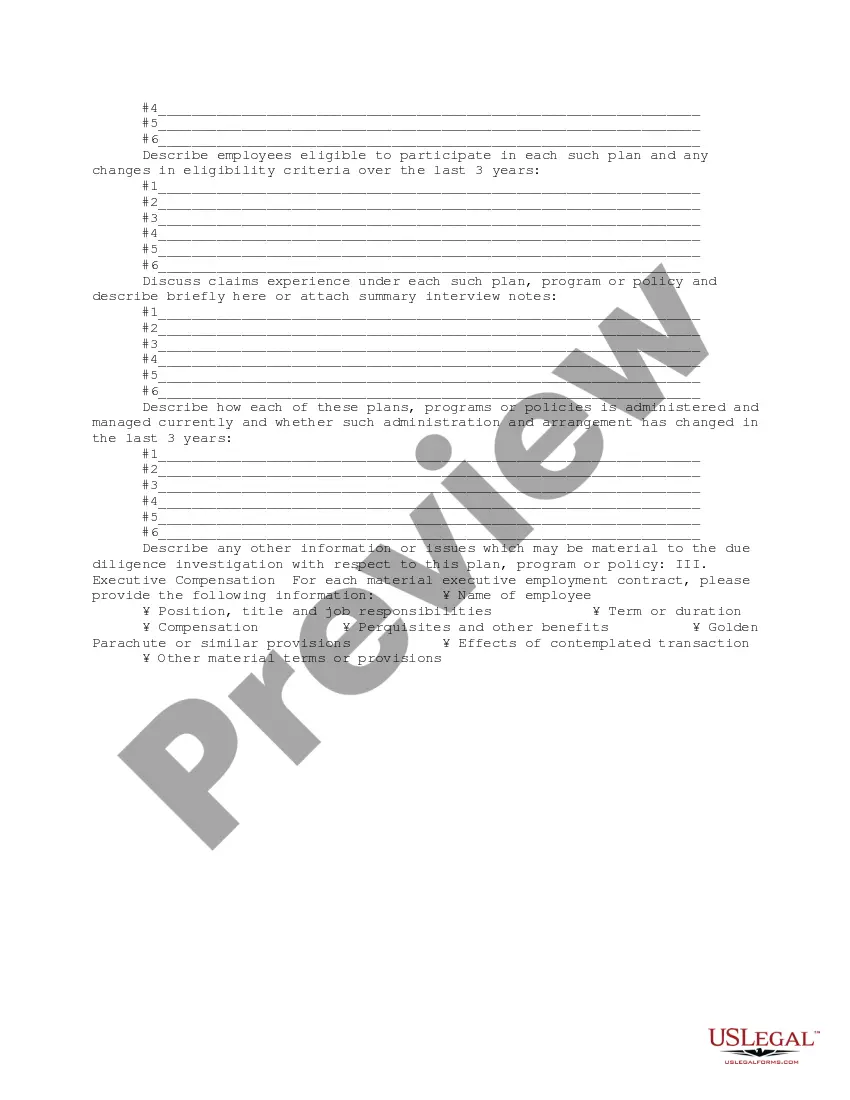
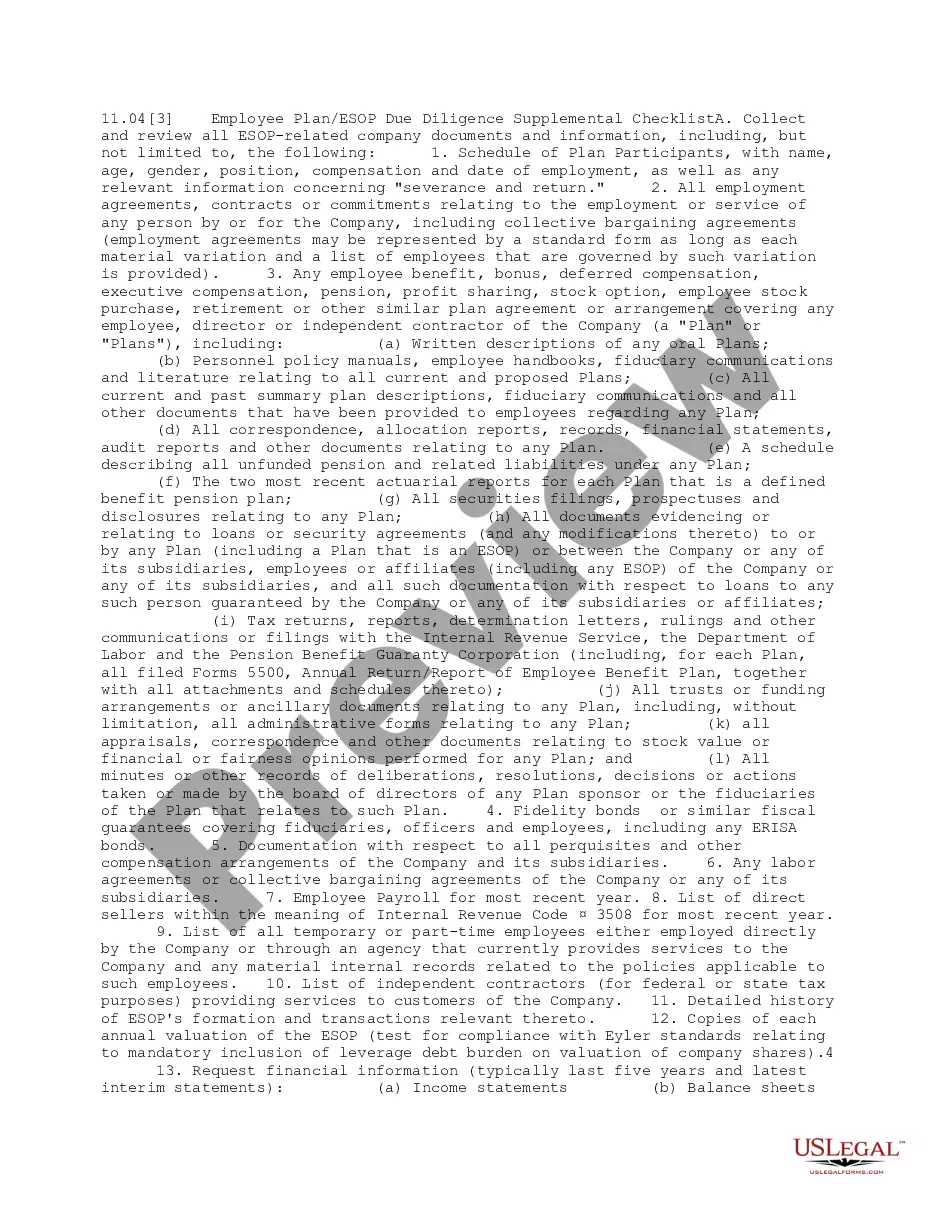
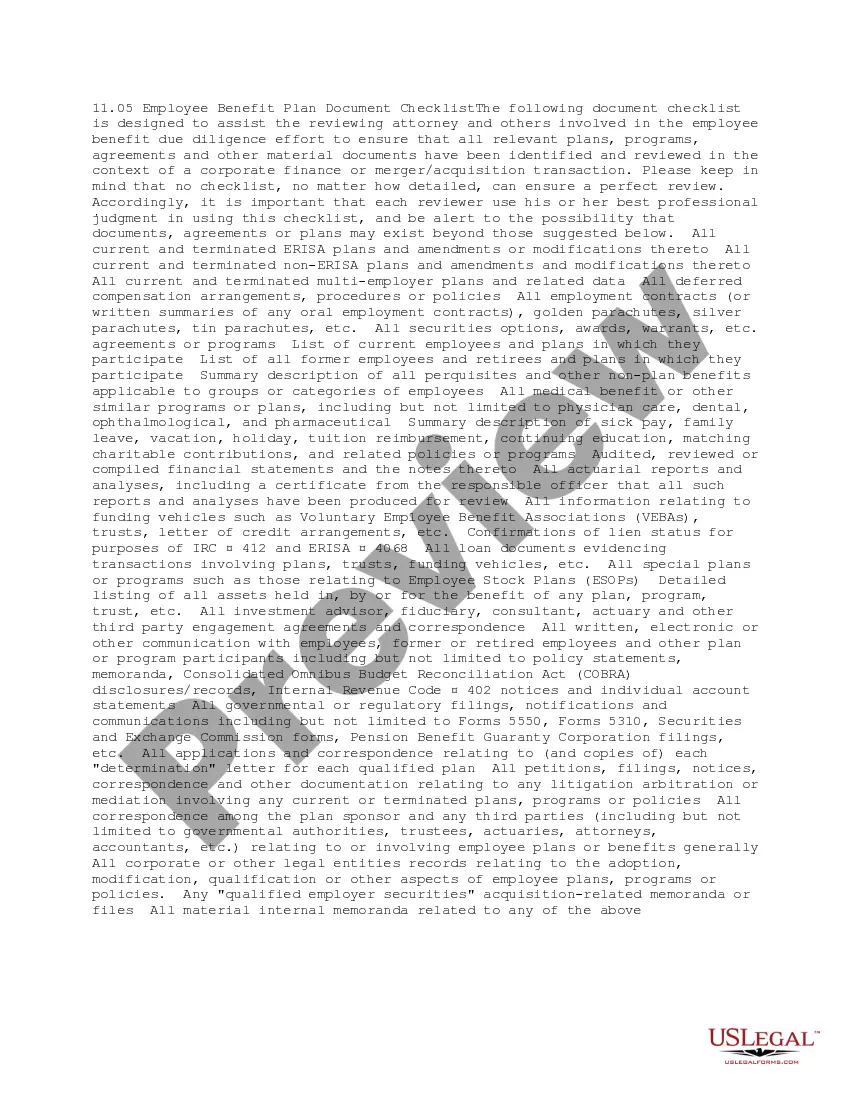
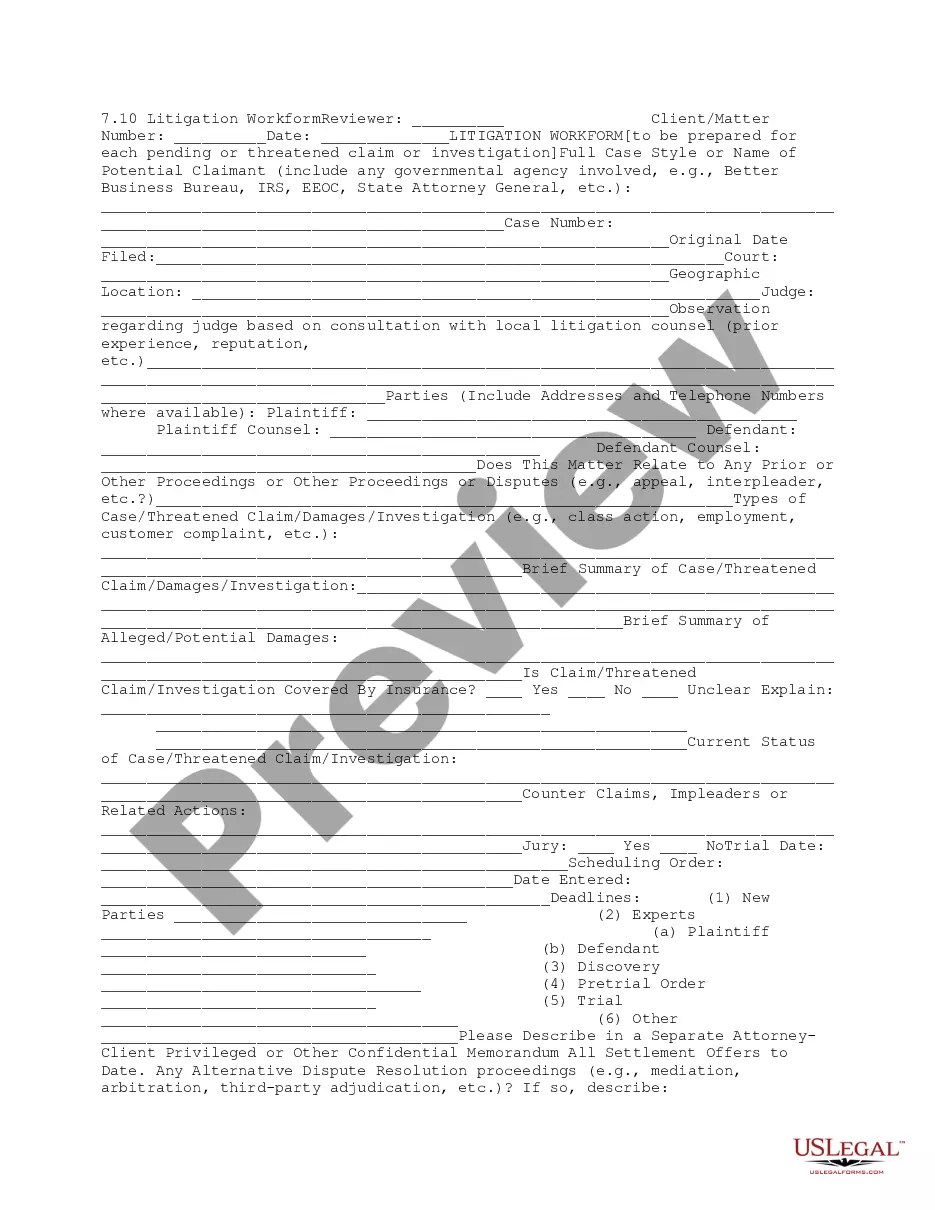
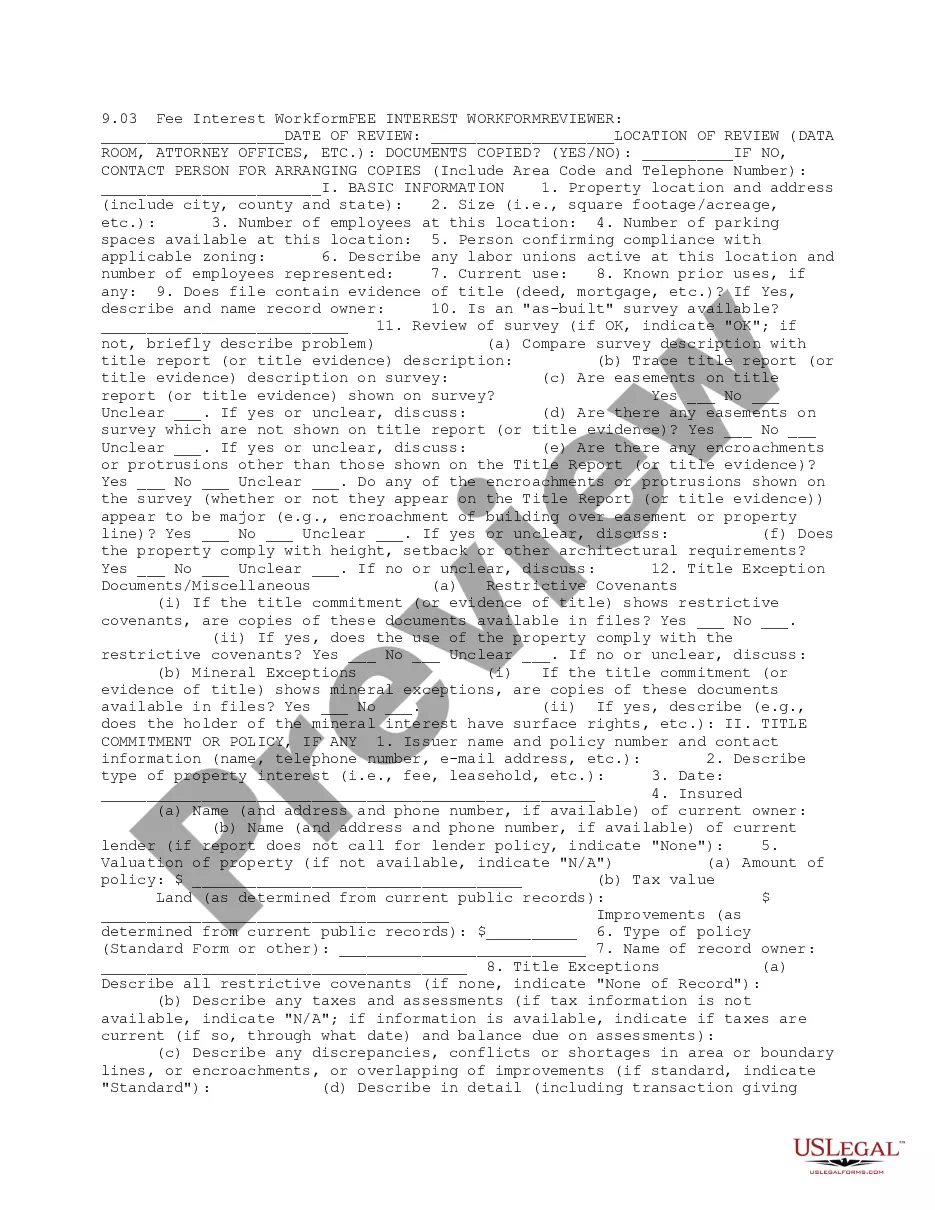
Vermont Employee Benefit Plan Workform
Description
Get your form ready online
Our built-in tools help you complete, sign, share, and store your documents in one place.
Make edits, fill in missing information, and update formatting in US Legal Forms—just like you would in MS Word.
Download a copy, print it, send it by email, or mail it via USPS—whatever works best for your next step.
Sign and collect signatures with our SignNow integration. Send to multiple recipients, set reminders, and more. Go Premium to unlock E-Sign.
If this form requires notarization, complete it online through a secure video call—no need to meet a notary in person or wait for an appointment.
We protect your documents and personal data by following strict security and privacy standards.

Make edits, fill in missing information, and update formatting in US Legal Forms—just like you would in MS Word.

Download a copy, print it, send it by email, or mail it via USPS—whatever works best for your next step.

Sign and collect signatures with our SignNow integration. Send to multiple recipients, set reminders, and more. Go Premium to unlock E-Sign.

If this form requires notarization, complete it online through a secure video call—no need to meet a notary in person or wait for an appointment.

We protect your documents and personal data by following strict security and privacy standards.
Looking for another form?

How to fill out Employee Benefit Plan Workform?
Finding the appropriate legal document template can be a challenge.
Clearly, there are numerous templates accessible online, but how can you get the legal form you need.
Utilize the US Legal Forms website. The platform provides a plethora of templates, including the Vermont Employee Benefit Plan Workform, suitable for both business and personal purposes.
You can preview the form using the Preview button and read the form description to confirm this is the right one for you. If the form does not meet your requirements, utilize the Search field to find the appropriate form. Когда вы убедитесь, что форма приемлема, нажмите кнопку Получить сейчас, чтобы получить форму. Выберите план оплаты, который вы хотите, и введите необходимые данные. Создайте свою учетную запись и оплатите транзакцию с помощью своего PayPal или Visa/Mastercard. Выберите формат файла и загрузите юридический шаблон документа на свое устройство. Заполните, измените, распечатайте и подпишите полученную форму Vermont Employee Benefit Plan Workform. US Legal Forms является крупнейшей библиотекой юридических форм, где вы можете найти различные шаблоны документов. Используйте этот сервис, чтобы загрузить правильно оформленные документы, соответствующие требованиям вашего штата.
- All templates are reviewed by experts and comply with state and federal regulations.
- If you are currently registered, Log In to your account and click on the Download button to obtain the Vermont Employee Benefit Plan Workform.
- Use your account to search for the legal forms you have previously purchased.
- Navigate to the My documents section of your account and download another copy of the document you need.
- If you are a new user of US Legal Forms, here are simple steps to follow.
- First, make sure you have selected the correct form for your city/state.
Form popularity
FAQ
Workers' compensation is indeed a requirement for most employers in Vermont. It acts as a safety net for employees, covering medical expenses and lost wages due to workplace injuries. If you're looking to understand your rights and responsibilities related to workers' comp, the Vermont Employee Benefit Plan Workform offers valuable insights and resources for a smoother experience.
The time it takes to receive unemployment benefits in Vermont can vary, but typically claims are processed within a few weeks. Promptly filing your claim and providing accurate information helps speed up the process. By utilizing the Vermont Employee Benefit Plan Workform, you can ensure your submission is complete, potentially reducing delays in receiving your benefits.
Yes, workers' compensation is required in Vermont for most employers. This insurance protects employees in the case of work-related injuries or illnesses. For those navigating this process, the Vermont Employee Benefit Plan Workform can provide essential information on how to manage claims effectively.
Filing weekly unemployment claims in Vermont involves a simple online process through the Vermont Department of Labor's website. You must provide your work history and any earnings from the previous week. Using the Vermont Employee Benefit Plan Workform can simplify this process, ensuring you don't miss any important steps and receive your benefits timely.
The maximum unemployment benefit in Vermont varies based on an individual's prior earnings. Generally, it offers a weekly benefit amount that helps support individuals during periods of unemployment. To ensure you receive the correct benefits, explore the Vermont Employee Benefit Plan Workform, which provides guidance on how to file and maximize your compensation.
Employee benefits plans consist of two parts: One part has mandated benefits, benefits that are required by law, and the other part consists of voluntary benefits, benefits which are offered by the employer out of the goodness of their hearts, so to speak.
Traditionally, most benefits used to fall under one of the four major types of employee benefits, namely:Medical insurance.Life insurance.Retirement plans.Disability insurance.
What types of employee benefits are considered an industry standard?Health insurance. Health insurance is one of the most popular employee benefits offered by employers.Family and medical leave (FMLA)Disability insurance.Retirement savings.Life insurance.Paid time off (PTO)
The most common types of employee benefits offered today are:Medical insurance.Life insurance.Disability insurance.Retirement contributions and pension plans.
Defined benefit plans provide a fixed, pre-established benefit for employees at retirement. Employees often value the fixed benefit provided by this type of plan. On the employer side, businesses can generally contribute (and therefore deduct) more each year than in defined contribution plans.