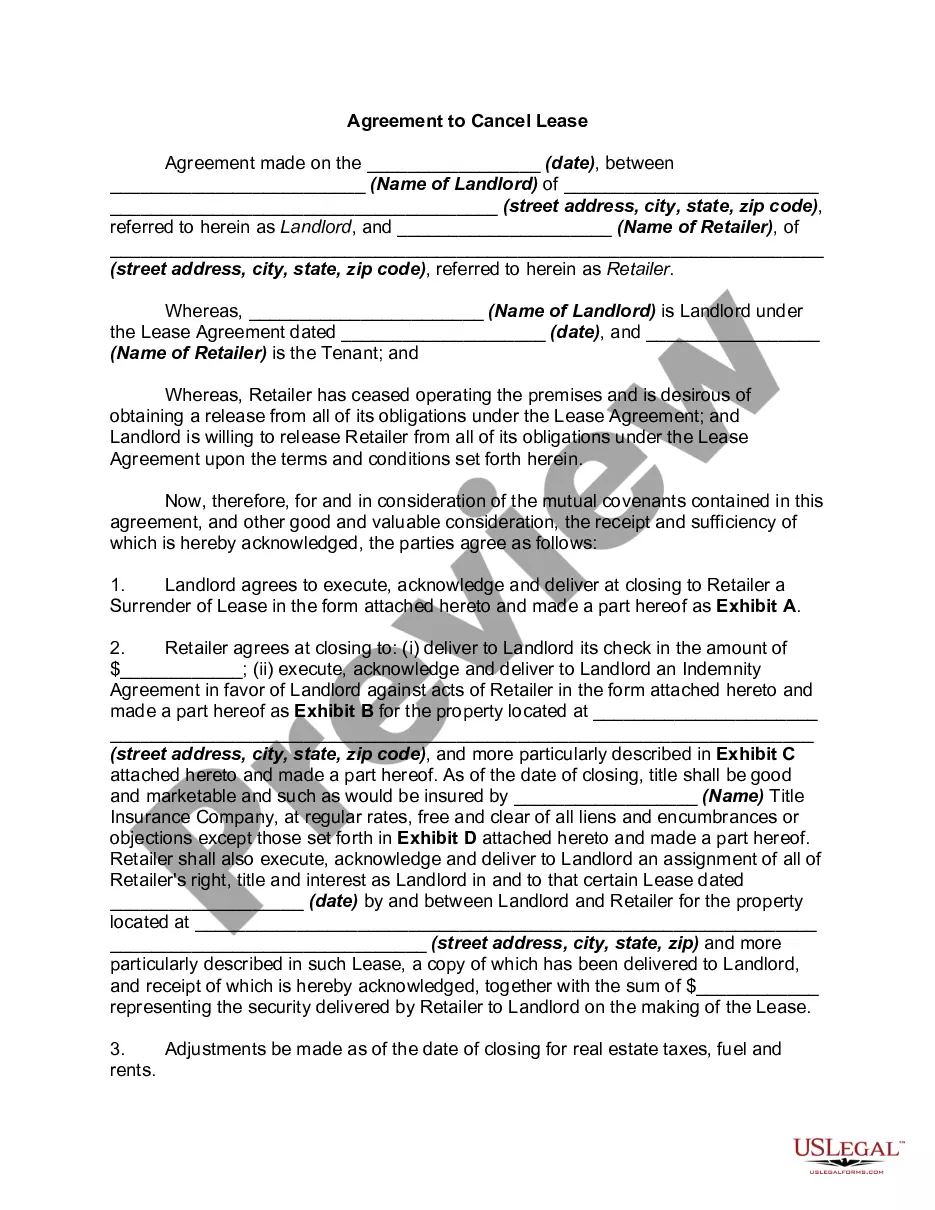
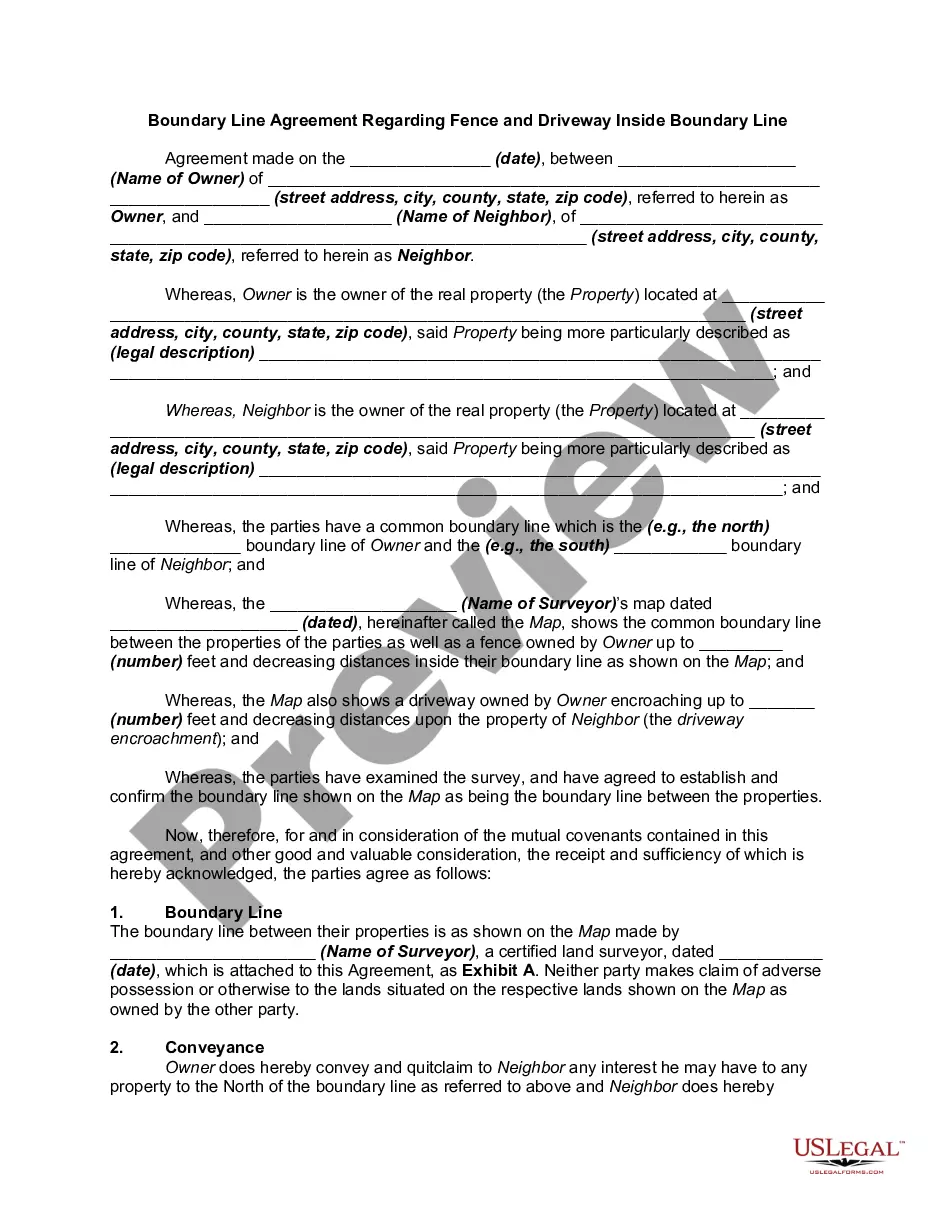
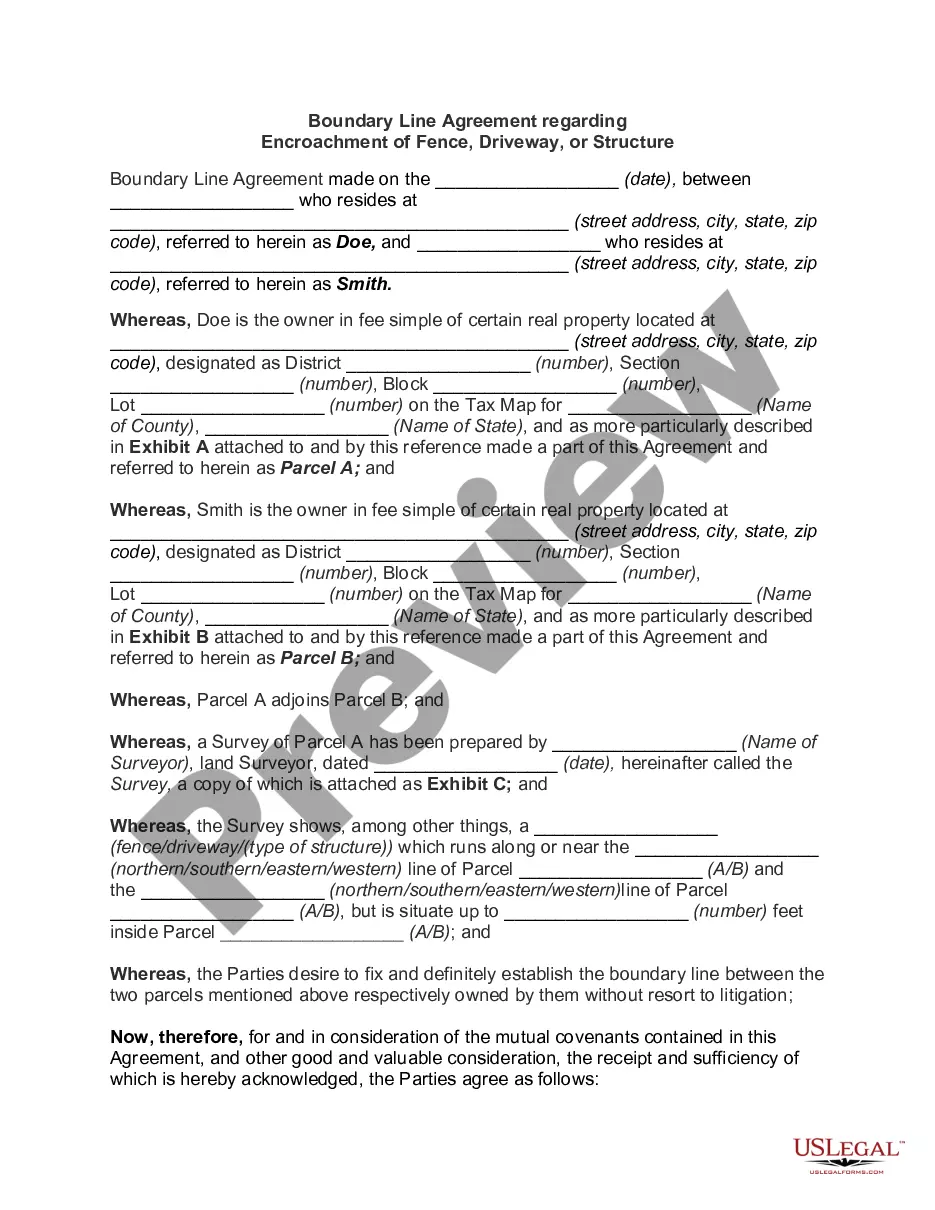
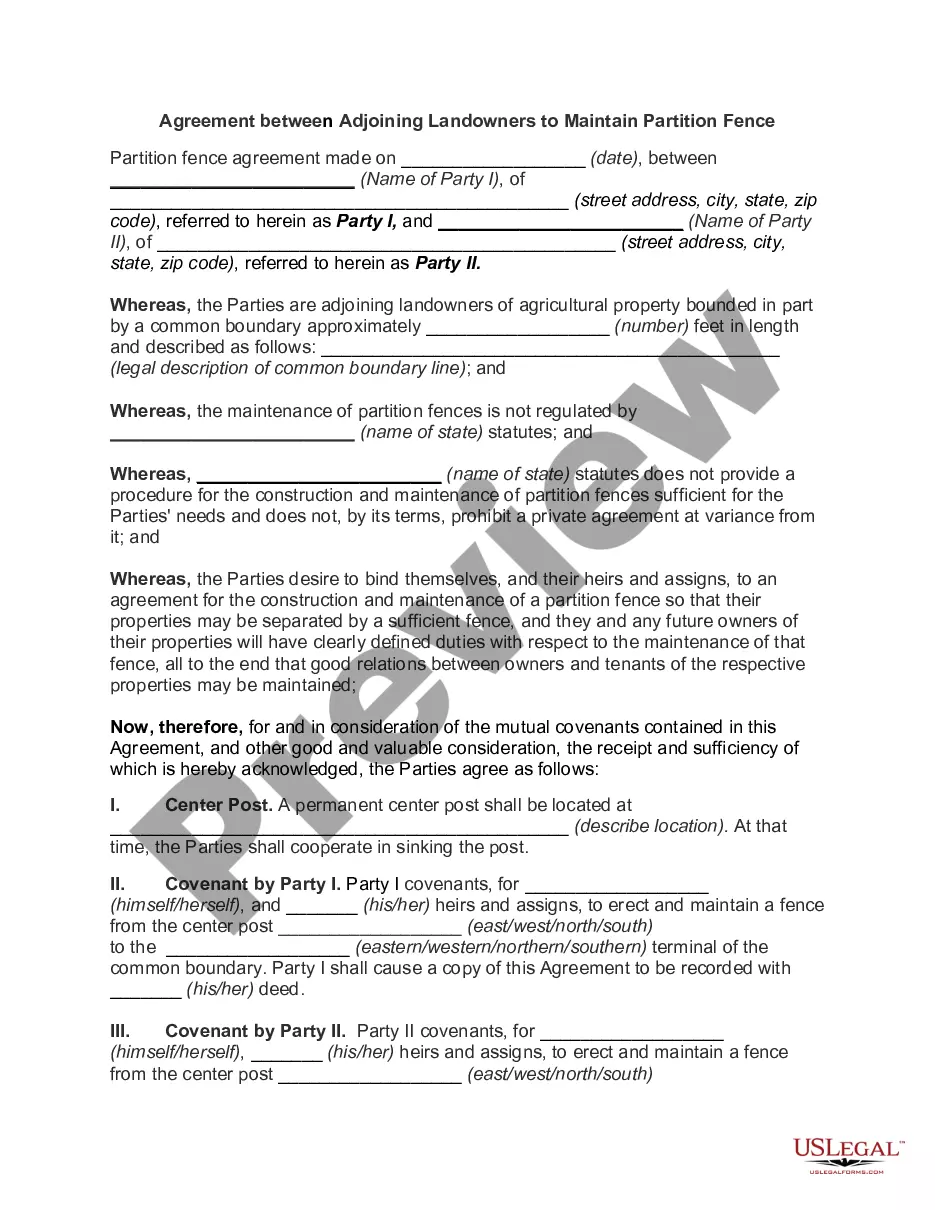
Vermont Fence Line Agreement
Description

Get your form ready online
Our built-in tools help you complete, sign, share, and store your documents in one place.
Make edits, fill in missing information, and update formatting in US Legal Forms—just like you would in MS Word.
Download a copy, print it, send it by email, or mail it via USPS—whatever works best for your next step.
Sign and collect signatures with our SignNow integration. Send to multiple recipients, set reminders, and more. Go Premium to unlock E-Sign.
If this form requires notarization, complete it online through a secure video call—no need to meet a notary in person or wait for an appointment.
We protect your documents and personal data by following strict security and privacy standards.

Make edits, fill in missing information, and update formatting in US Legal Forms—just like you would in MS Word.

Download a copy, print it, send it by email, or mail it via USPS—whatever works best for your next step.

Sign and collect signatures with our SignNow integration. Send to multiple recipients, set reminders, and more. Go Premium to unlock E-Sign.

If this form requires notarization, complete it online through a secure video call—no need to meet a notary in person or wait for an appointment.

We protect your documents and personal data by following strict security and privacy standards.
Looking for another form?


How to fill out Fence Line Agreement?
You can utilize the internet to search for the legal document template that adheres to the state and federal criteria you need.
US Legal Forms has a vast array of legal forms that are assessed by experts.
You can readily acquire or create the Vermont Fence Line Agreement through the service.
If you want to find an alternative version of the form, utilize the Search box to locate the template that meets your requirements.
- If you already have an account with US Legal Forms, you can Log In and click on the Download button.
- After that, you can complete, edit, print, or sign the Vermont Fence Line Agreement.
- Every legal document template you purchase is yours indefinitely.
- To obtain an additional copy of any purchased form, navigate to the My documents section and select the appropriate option.
- If you are visiting the US Legal Forms website for the first time, follow the simple instructions below.
- First, ensure you have chosen the correct document template for your selected county/city. Review the form description to confirm you have selected the right document.
- If available, use the Preview feature to review the document template as well.
Form popularity
FAQ
A boundary agreement outlines the specific property lines between neighboring properties. It serves to clarify ownership and can include terms related to maintenance, access, and future adjustments. A Vermont Fence Line Agreement can be an integral part of a boundary agreement, providing a framework for coexistence and helping neighbors resolve any potential issues amicably.
Harkening back to the actions of the Virginia General Assembly in October of 1862, ultimately county courts yielded to Boards of Supervisors to enact local law, but when the No-Fence Law was locally approved, it created an absolute duty of animal owners to fence in their animals to contain them and prevent them from
Customers having new fencing installed often ask us exactly where they should position their new fence. Getting it right avoids (potentially costly) disputes over encroachment in the future. As a rule of thumb, the outer face of the fence should be placed along the boundary. The posts should stand on your land.
Fence and Property Line Laws in Florida: Overview Under Florida law, adjoining landowners are under no legal obligation to erect fences dividing their land. If one landowner does decide to build a boundary fence, the adjoining landowner is not obligated to share in this expense unless it was agreed to in advance.
It's illegal for a Vermont resident to erect an "unnecessary fence" or other structure for the purpose of annoying a neighbor, obstructing their view, or denying them light or air. A person who violates this statute can't be fined in excess of $100.
Check Rules and Regulations Typically, fences are installed anywhere from 2 to 8 inches from a property line in most areas. Some areas might allow to go right up to a property line, especially if you live in an urban row house where every inch makes a difference!
How Close To The Property Line Can I Build? Fences are typically built between 2 and 8 inches from the line between properties. Some areas will allow the building of fences directly on the property line, but in this case, you'll have to cooperate with your neighbor and potentially share the cost of the fence.
If it's within their property boundary, your neighbour has every right to do whatever they want, including installing a fence.
The building distance limit depends on the structure you intend on building. It usually ranges between five to 15 feet. It is important to communicate property boundaries with your neighbor before beginning any permanent or semi-permanent projects, due to the risk of township or county penalties.
Boundary Fence RulesAdjoining landowners are obligated to build and maintain (at joint and equal expense) a division fence between their lands, unless one landowner decides to let their land lie open or the property owners agree otherwise between themselves.