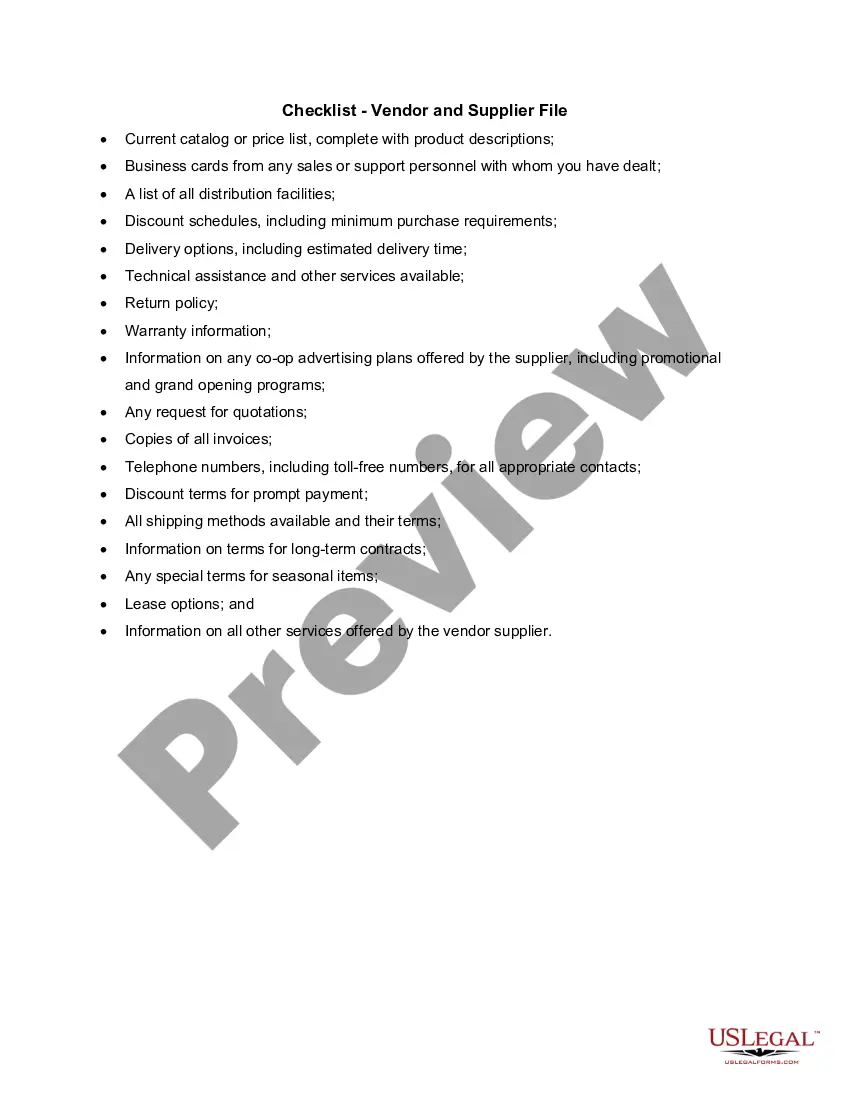
Vermont Checklist - Vendor and Supplier File
Description
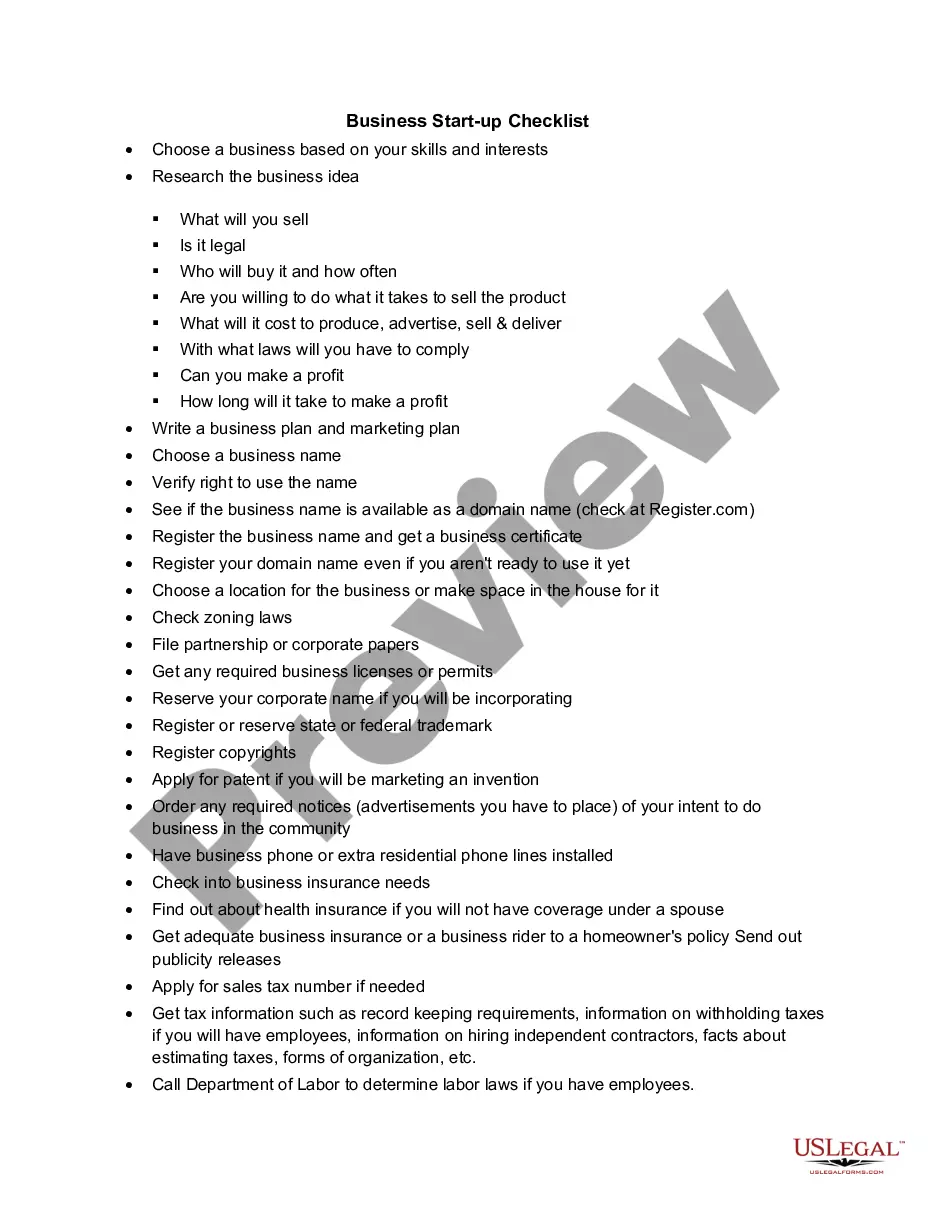
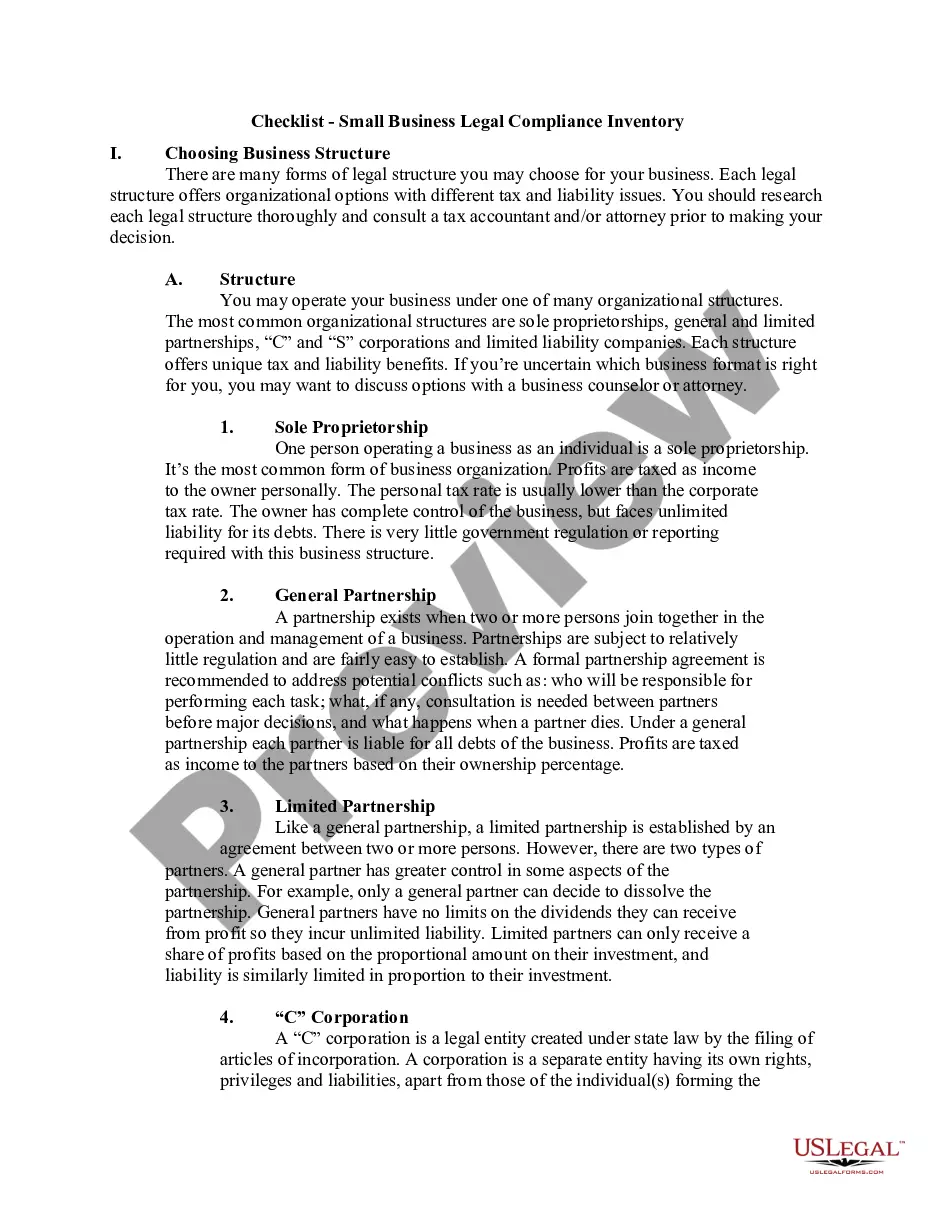
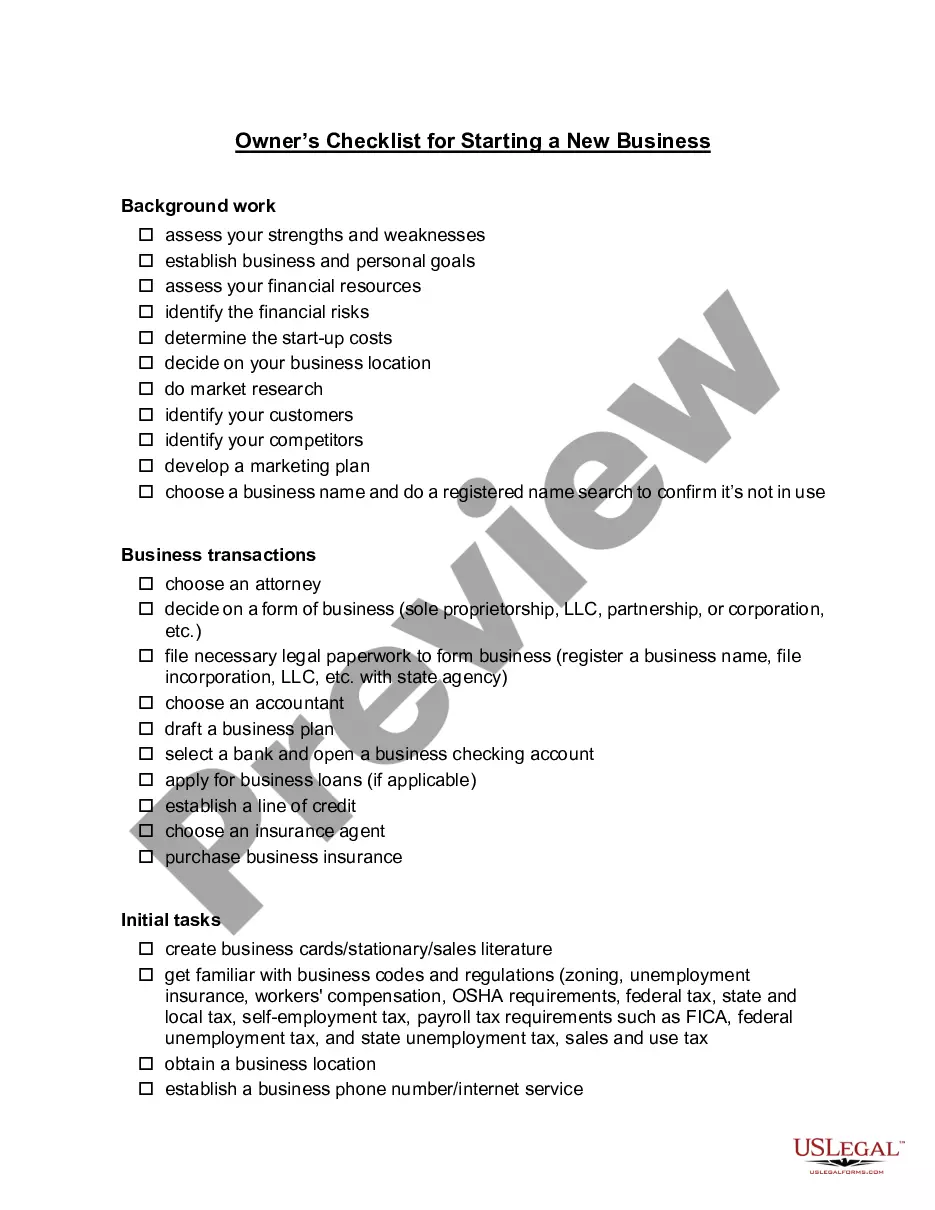
Get your form ready online
Our built-in tools help you complete, sign, share, and store your documents in one place.
Make edits, fill in missing information, and update formatting in US Legal Forms—just like you would in MS Word.
Download a copy, print it, send it by email, or mail it via USPS—whatever works best for your next step.
Sign and collect signatures with our SignNow integration. Send to multiple recipients, set reminders, and more. Go Premium to unlock E-Sign.
If this form requires notarization, complete it online through a secure video call—no need to meet a notary in person or wait for an appointment.
We protect your documents and personal data by following strict security and privacy standards.

Make edits, fill in missing information, and update formatting in US Legal Forms—just like you would in MS Word.

Download a copy, print it, send it by email, or mail it via USPS—whatever works best for your next step.

Sign and collect signatures with our SignNow integration. Send to multiple recipients, set reminders, and more. Go Premium to unlock E-Sign.

If this form requires notarization, complete it online through a secure video call—no need to meet a notary in person or wait for an appointment.

We protect your documents and personal data by following strict security and privacy standards.
Looking for another form?
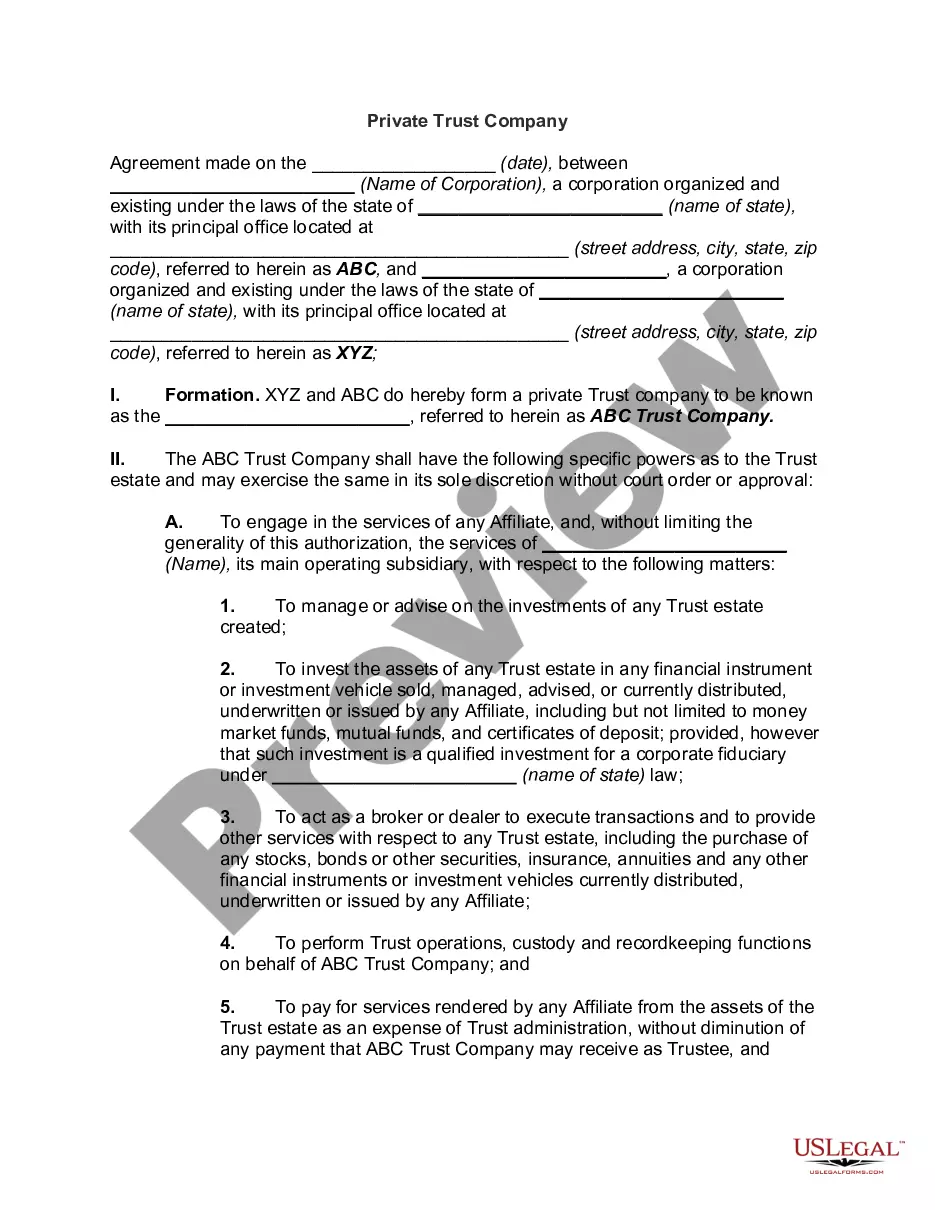

How to fill out Checklist - Vendor And Supplier File?
Are you presently in a circumstance where you need documents for either business or personal purposes nearly every day.
There are numerous legal document templates accessible online, but finding reliable ones isn't straightforward.
US Legal Forms provides a vast collection of form templates, including the Vermont Checklist - Vendor and Supplier File, which are designed to comply with federal and state regulations.
Once you find the correct form, click Get now.
Select the pricing plan you prefer, fill out the required information to create your account, and process your order using your PayPal or Visa or Mastercard.
- If you are already familiar with the US Legal Forms website and possess an account, merely sign in.
- Then, you can download the Vermont Checklist - Vendor and Supplier File template.
- If you do not have an account and wish to start using US Legal Forms, follow these steps.
- Locate the form you need and ensure it corresponds to the correct region/state.
- Use the Preview button to examine the form.
- Review the details to confirm that you have selected the correct form.
- If the form isn't what you're looking for, utilize the Search bar to find the form that fits your requirements.
Form popularity
FAQ
Jump to a section:Step 1: Know the Types of Vendor Risk.Step 2: Determine Risk Criteria.Step 3: Assess Each Product and Service.Step 4: Get Help from Experts.Step 5: Assess Every Vendor.Step 6: Separate Vendors by Risk Level.Step 7: Make a Risk Management Plan.Step 8: Stay Up to Date on Regulations.More items...?
A vendor audit is performed for a company that aims to attain an objective assessment of its contractors' or vendors' compliance to the terms, conditions and intent of the contracts and/or agreements between two entities.
How to Prepare for Your Vendor Compliance AuditsVerify Worker Classification.Document Vendor Management Processes and Data.Perform a Vendor Risk Assessment.Deploy Technology to Monitor Vendor Compliance.Conduct Compliance Audits.Organize a Vendor Audit Response Team.
Below, we take a closer look at the three elements that comprise human rights due diligence identify and assess, prevent and mitigate and account , quoting from the Guiding Principles.
A vendor audit checklist is used to ensure that the vendor's quality management system (QMS) meets business requirements and standards. This checklist can be used by vendors to document and report any non-compliance to quality standards.
An audit can look at a number of different issues, such as the organization's quality control, its costs vs. benefits, its cybersecurity protection, or other aspects. In the privacy context, third-party vendor risk management is becoming an area that businesses are enhancing.
Vendor Due Diligence ChecklistBasic Company Information.Third-Party Cybersecurity Risks.Operational Risk.Financial Information.Political and Reputational Risk.
The term audit checklist is used to describe a document that is created during the audit planning stage. This document is essentially a list of the tasks that must be completed as part of the audit.
Checklists help to ensure that an audit is conducted in a systematic and comprehensive manner and that adequate evidence is obtained. 6. Checklists can provide structure and continuity to an audit and can ensure that the audit scope is being followed.
8 effective vendor due diligence best practicesCollect business information.Review financial information.Note operational risks.Assess legal risk.Evaluate cybersecurity risk.Prioritize risk profiles.Continuously monitor vendor risk.Automate the questionnaire process.