Vermont Land Trust Agreement

State:
Multi-State
Control #:
US-02093BG
Format:
Word; 
Rich Text
Instant download

Description

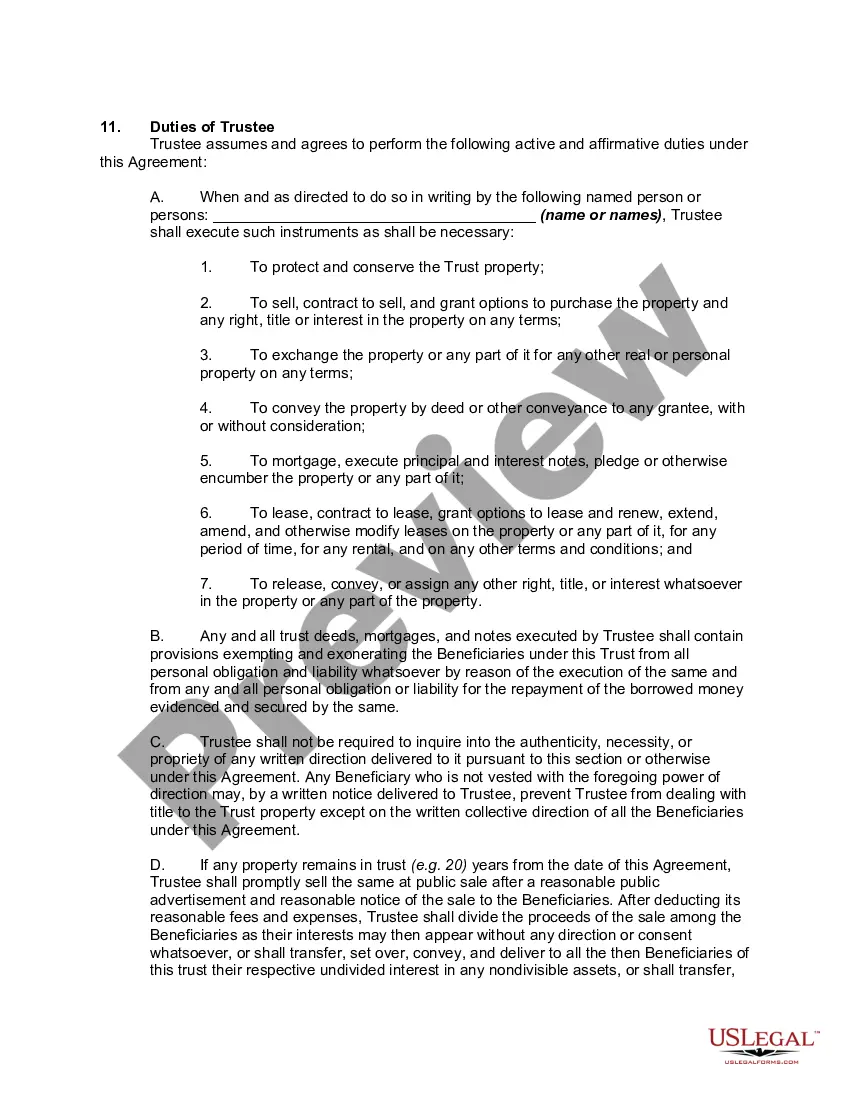
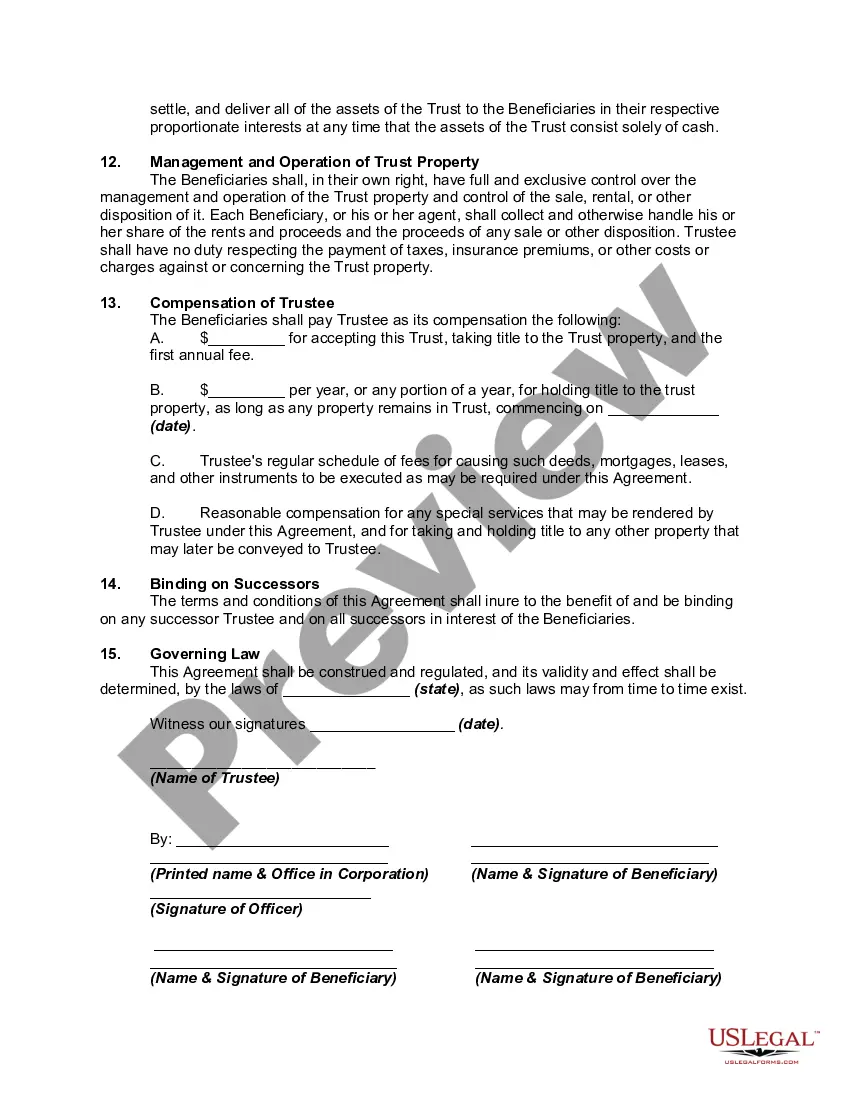
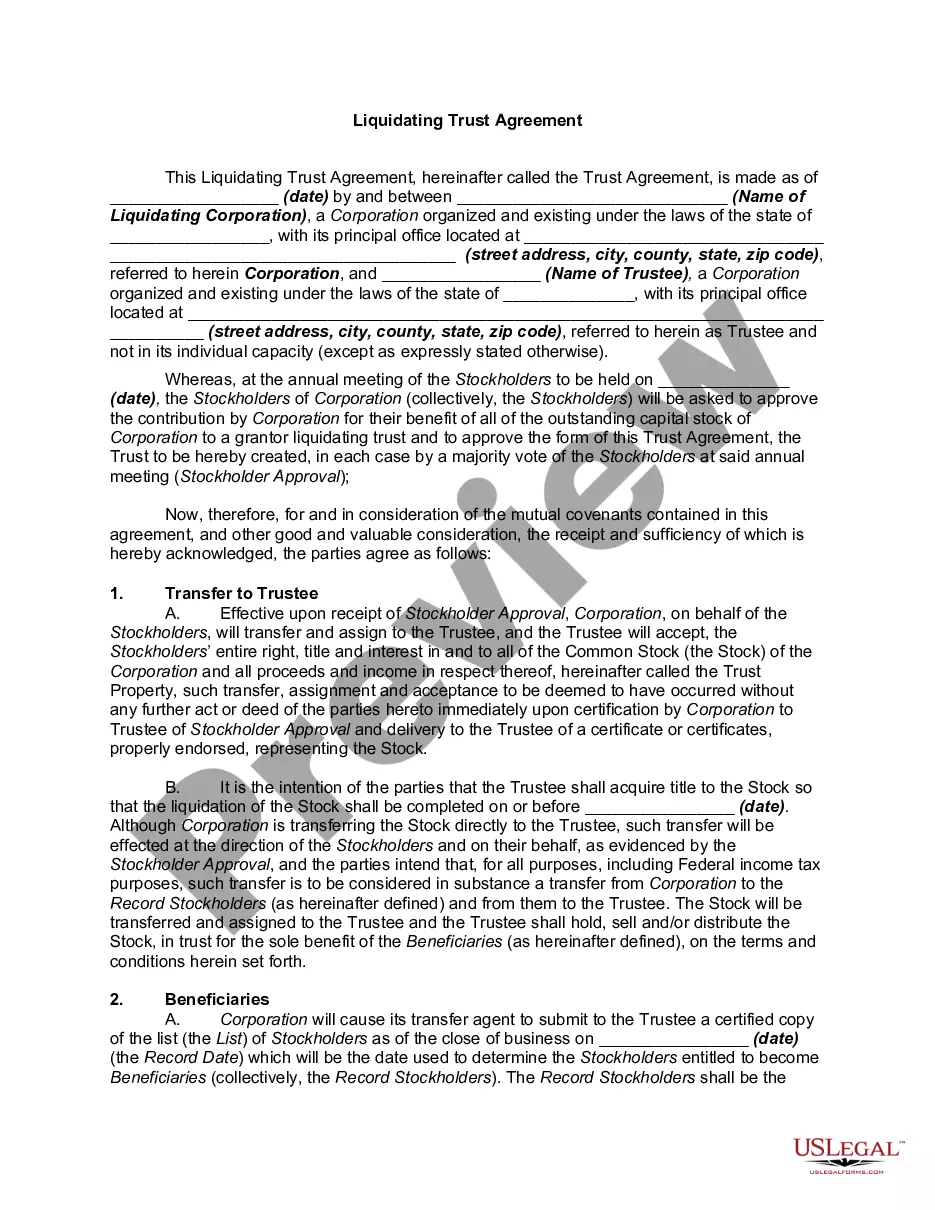
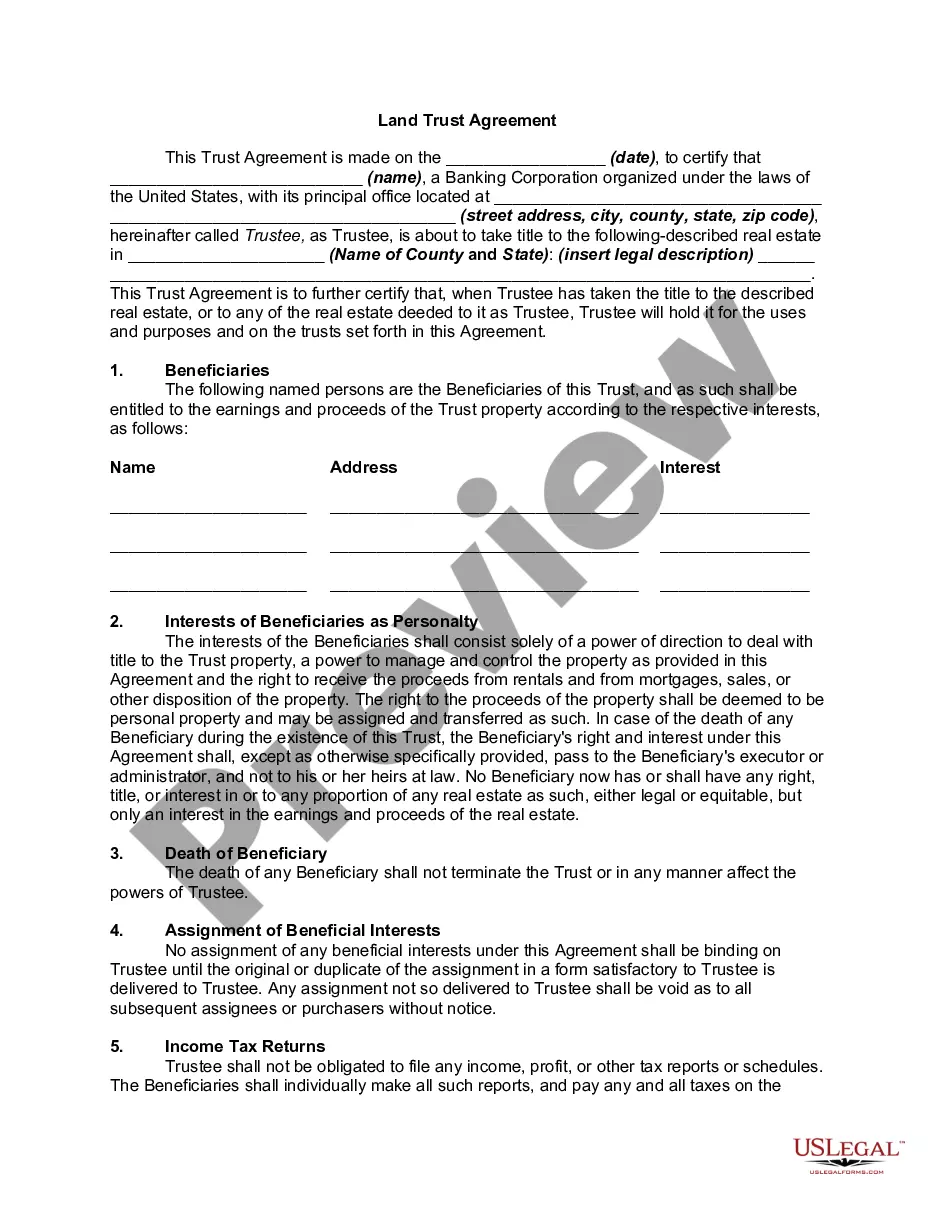
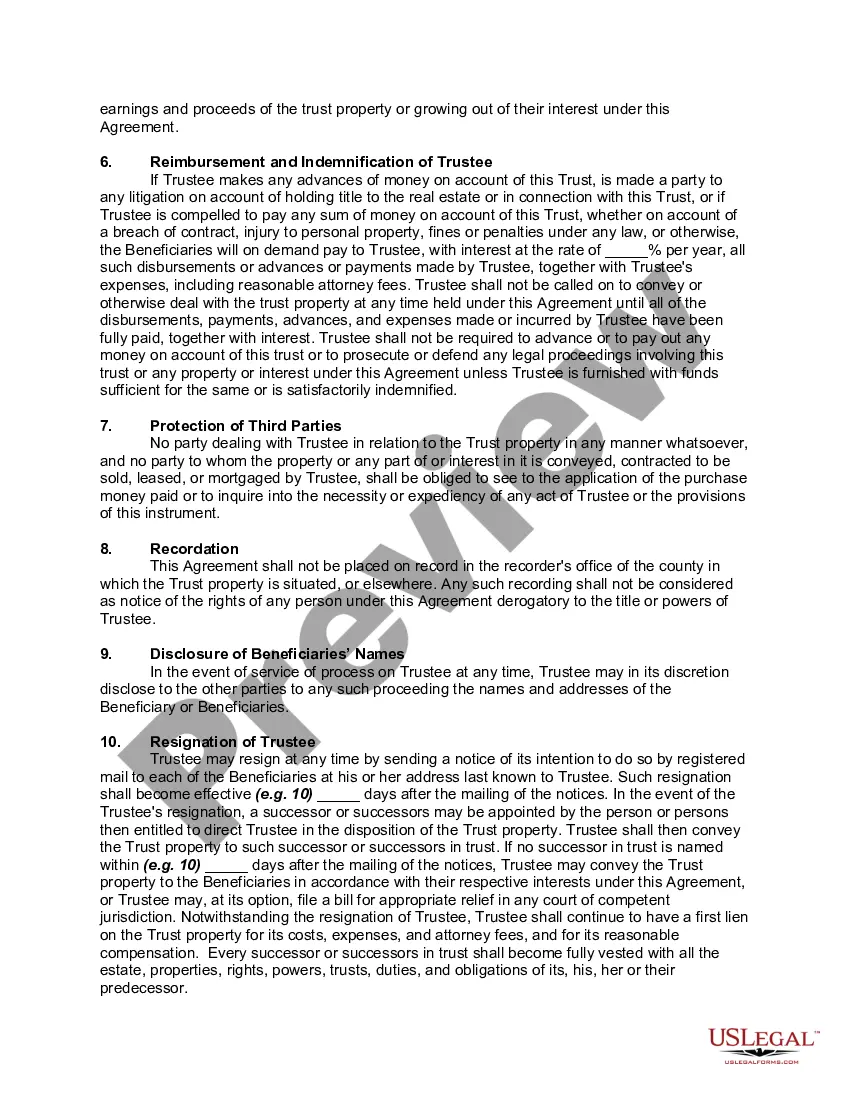
There are two basic instruments required to establish a land trust. One is a deed in trust conveying the real estate to a trustee. The other is a trust agreement defining the rights and duties of the trustee and the beneficiaries, which is mentioned in the deed of trust but is not recorded. The deed in trust should convey title to real property to a trustee and confer complete trust powers on the trustee so that the trustee can deal with third parties without reference to the trust agreement. Restrictions on the trustee's powers should be set forth in the trust agreement.


This form is a generic example that may be referred to when preparing such a form for your particular state. It is for illustrative purposes only. Local laws should be consulted to determine any specific requirements for such a form in a particular jurisdiction.
Free preview
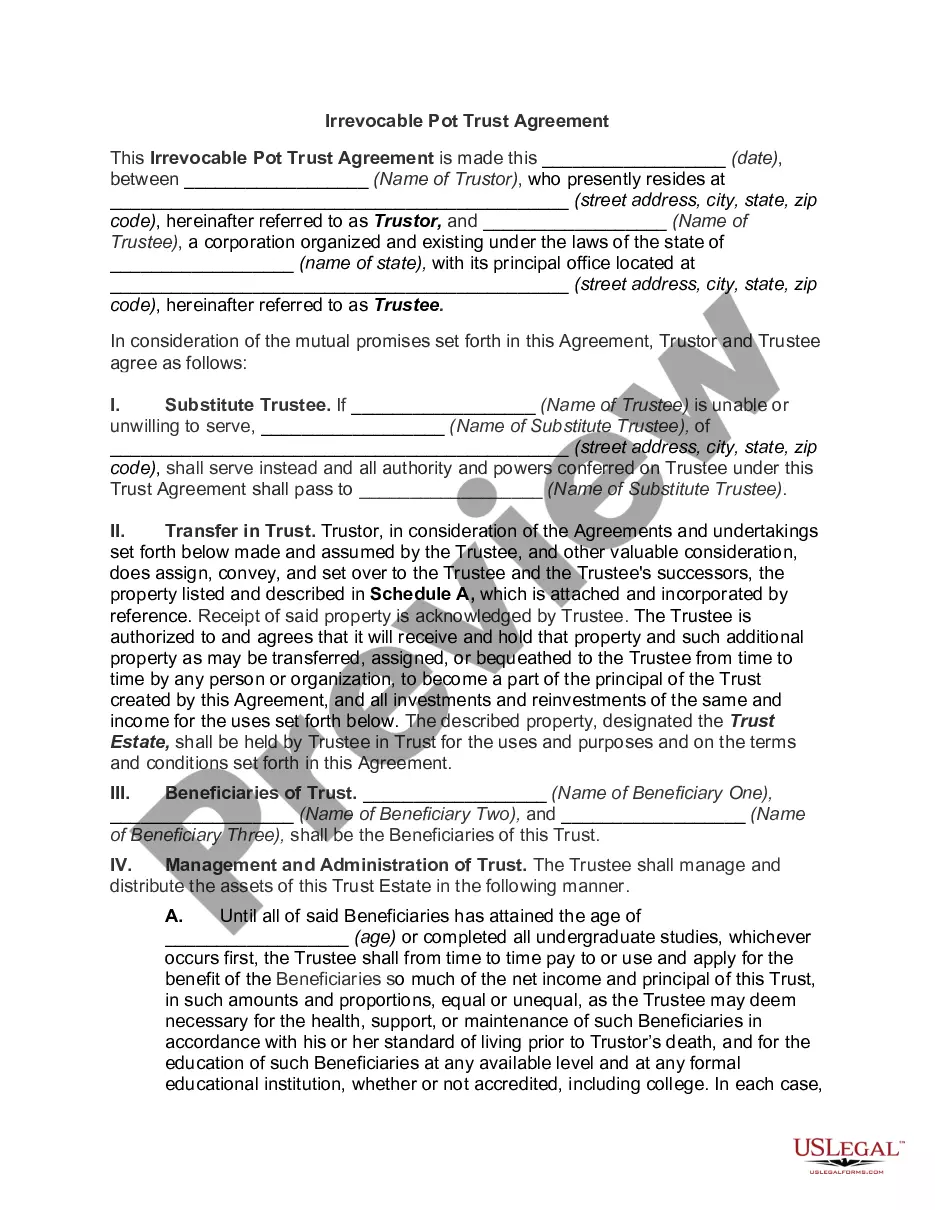
  • Preview Land Trust Agreement
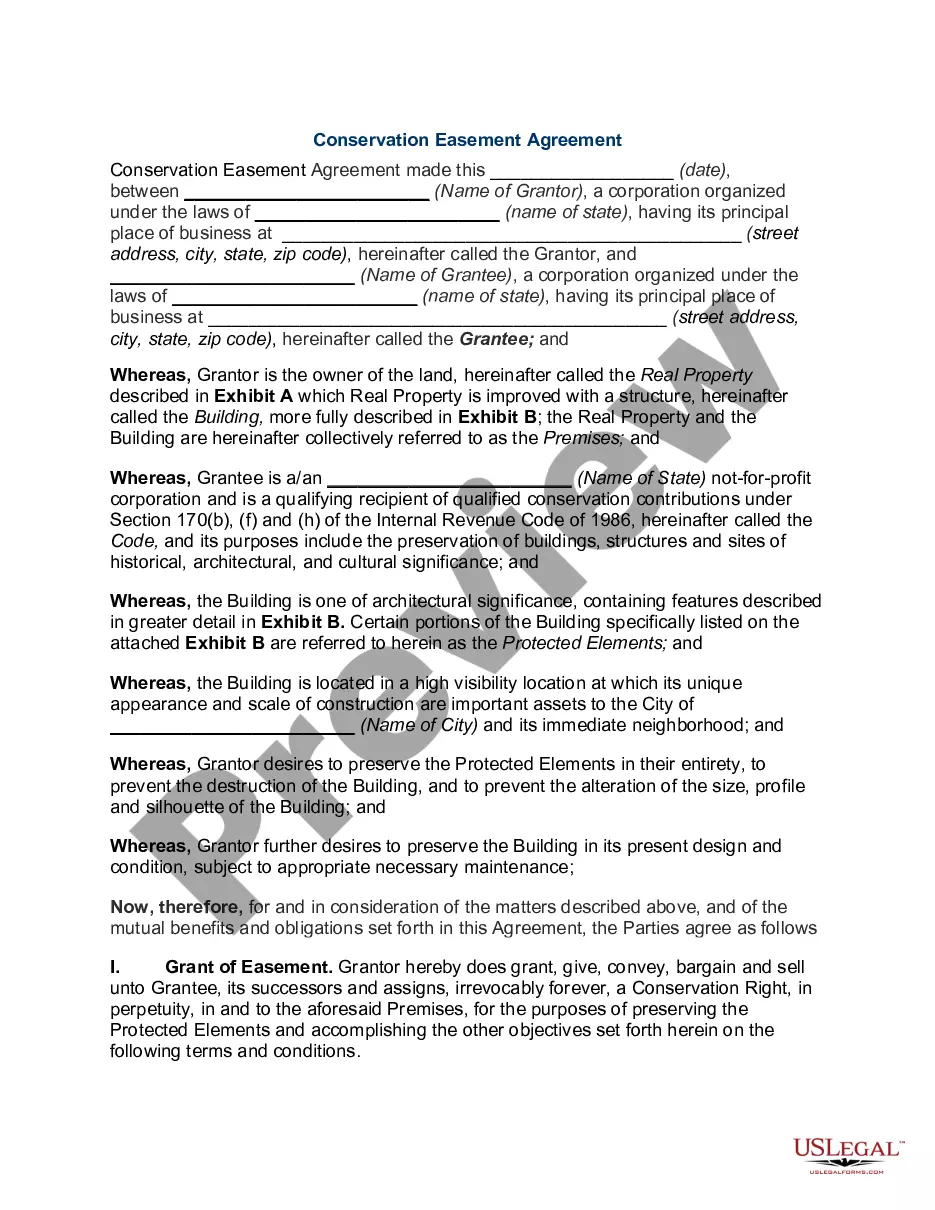
  • Preview Land Trust Agreement
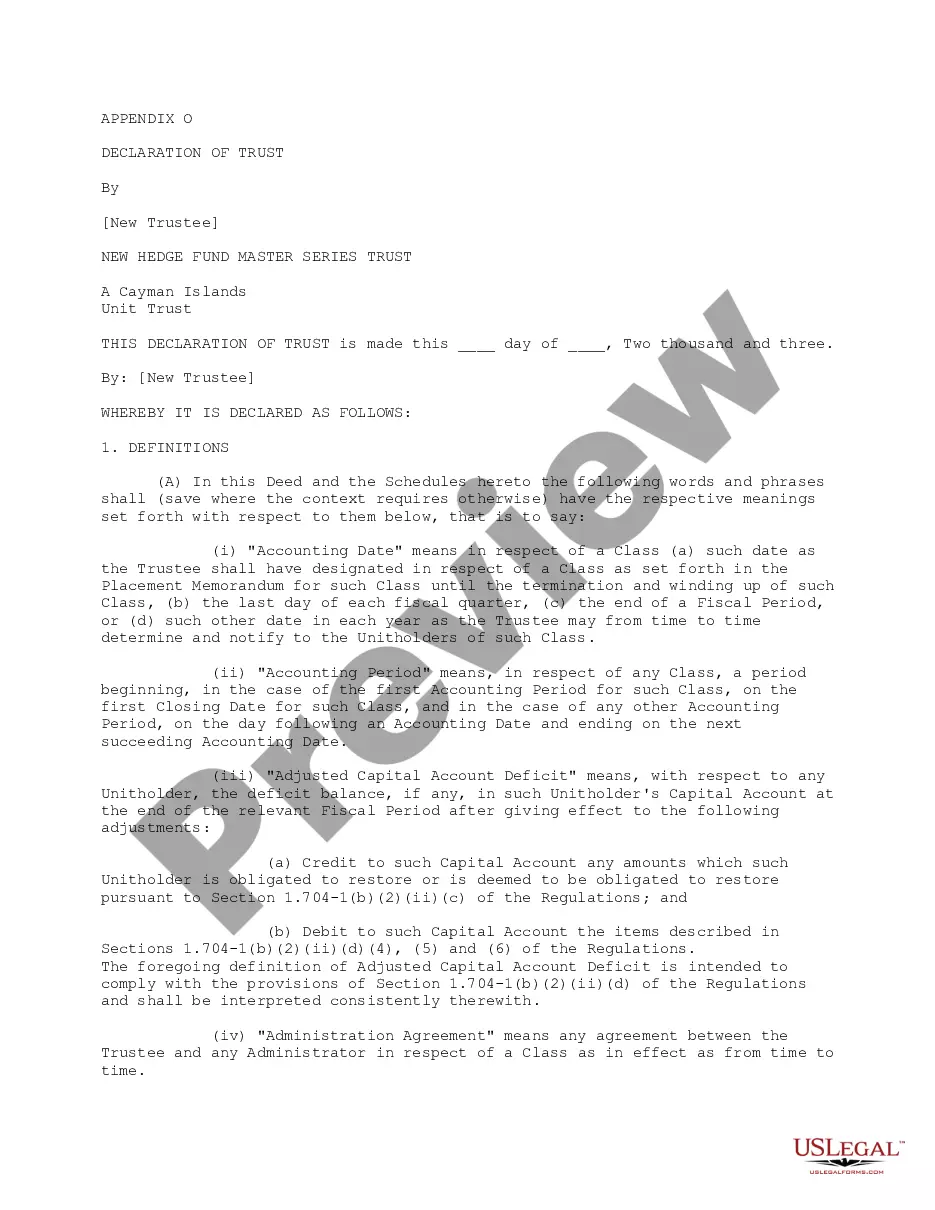
  • Preview Land Trust Agreement
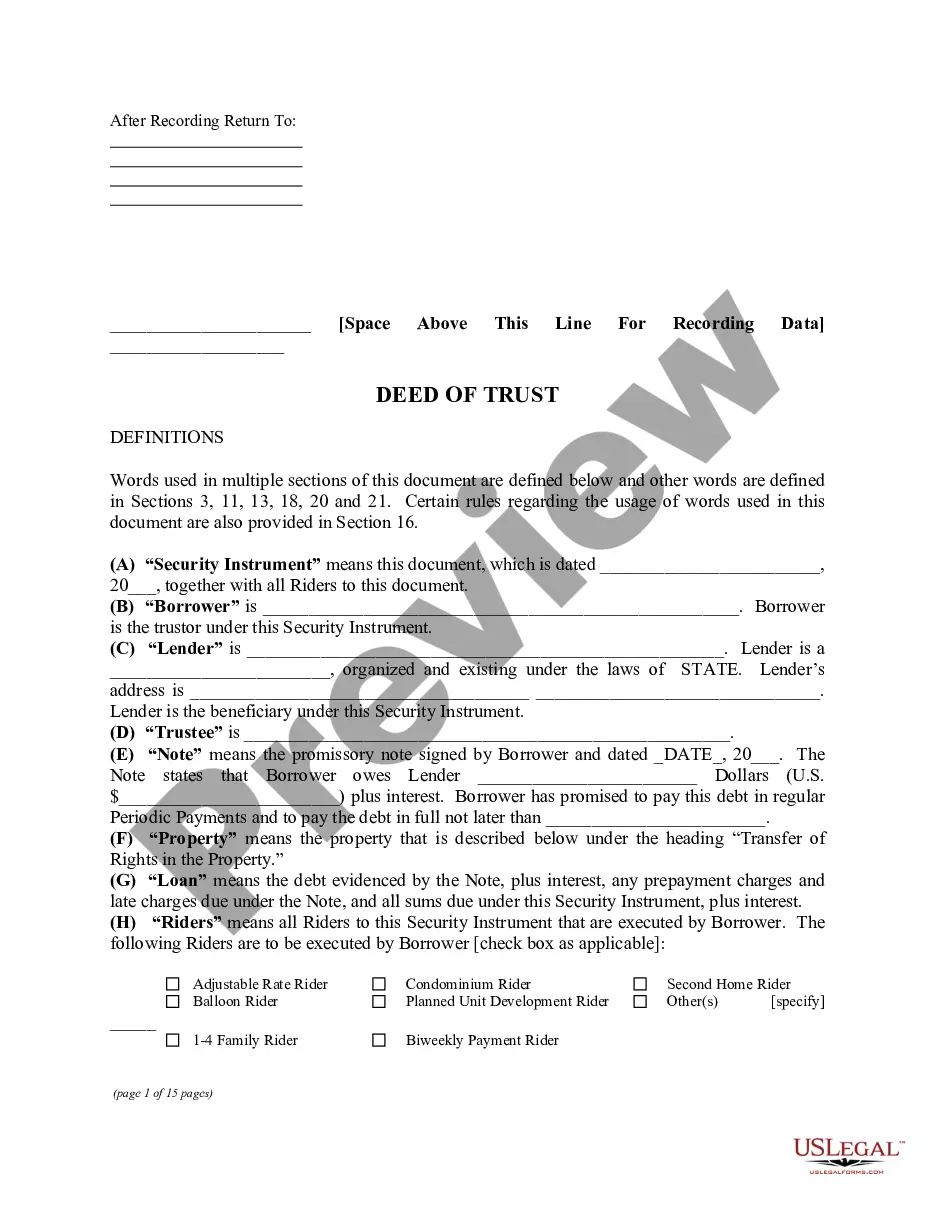
  • Preview Land Trust Agreement
  • Preview Land Trust Agreement

How to fill out Land Trust Agreement?

US Legal Forms - one of the largest collections of legal documents in the United States - offers a broad variety of legal form templates you can download or print.

By using the website, you can access thousands of forms for business and personal purposes, organized by categories, states, or keywords. You can find the latest versions of forms such as the Vermont Land Trust Agreement in no time.

If you hold a membership, Log In and download the Vermont Land Trust Agreement from the US Legal Forms library. The Download button will appear on each form you view. You can access all previously obtained forms in the My documents section of your account.

Select the format and download the form to your device.

Make modifications. Fill out, edit, print, and sign the downloaded Vermont Land Trust Agreement. Each template added to your account has no expiration date and belongs to you indefinitely. Therefore, if you wish to download or print another copy, simply navigate to the My documents section and click on the form you need. Access the Vermont Land Trust Agreement with US Legal Forms, the most comprehensive library of legal document templates. Utilize numerous professional and state-specific templates that meet your business or personal needs and requirements.

  1. To use US Legal Forms for the first time, here are some simple instructions to help you get started.
  2. Ensure you have selected the correct form for your city/region. Click the Preview button to review the form's content.
  3. Read the form description to confirm you have selected the appropriate form.
  4. If the form does not meet your needs, use the Search box at the top of the screen to find the one that does.
  5. Once satisfied with the form, confirm your selection by clicking the Buy now button. Then, choose the payment plan you prefer and provide your details to register for an account.
  6. Process the transaction. Utilize your credit card or PayPal account to complete the transaction.

Form popularity

FAQ

To use a land trust effectively, you first need to understand the Vermont Land Trust Agreement. This agreement allows you to designate the trust to manage and protect your land for conservation. You can work with a trusted organization or a legal expert to set up the agreement. By doing so, you create a framework that ensures your land will be preserved according to your wishes.

While a land trust offers many benefits, some challenges exist. For example, the restrictions set by a Vermont Land Trust Agreement may limit your ability to develop or sell the land as you wish. Additionally, some individuals may find the long-term commitments associated with land trusts to be a drawback, as these agreements often enforce specific land use practices.

The Farmland Access Program Vermont Land Trust helps individuals and families gain access to land for farming. This initiative supports both new and existing farmers by providing guidance and financial assistance. Ultimately, the Vermont Land Trust Agreement enables sustainable agriculture, promotes local food systems, and strengthens communities.

Cons of a land trust include the potential for decreased property value due to development restrictions imposed by the agreement. Owners may also feel limited in their rights to make changes to the land. Understanding the terms of a Vermont Land Trust Agreement is crucial to ensuring that the advantages of conservation align with your long-term property goals.

A trust generally refers to a fiduciary arrangement where one party holds property for the benefit of another. In contrast, a land trust is specifically designed to hold and manage real estate while protecting it from development. A Vermont Land Trust Agreement focuses on conservation, ensuring that land is used responsibly and remains protected for generations to come.

One disadvantage of a land trust may be the restrictions it imposes on land use and development. While these restrictions help preserve the land, they can limit a property owner's ability to make modifications or sell the land in the future. It's essential to carefully review a Vermont Land Trust Agreement to understand any potential limitations and weigh them against the benefits of conservation.

Typically, the property owner retains the responsibility for paying taxes on land held in a land trust. However, the presence of a Vermont Land Trust Agreement might qualify the property for certain tax benefits or deductions related to conservation efforts. Therefore, consulting a tax professional is advisable to understand the specific tax implications of a land trust.

If a property is in a land trust, it means that a legal arrangement exists to protect and conserve the land in question. This often entails limitations on how the land can be developed or changed, ensuring its preservation. Property held under a Vermont Land Trust Agreement typically allows the owner to retain rights while contributing to environmental sustainability.

A Vermont land trust operates by protecting land through conservation agreements, which benefit both the landowners and the environment. Under a Vermont Land Trust Agreement, landowners can restrict certain types of development while still maintaining ownership of their property. This arrangement helps ensure that land remains undeveloped or is used sustainably, preserving its natural resources for future generations.

People place land in a Vermont Land Trust Agreement to ensure that it is preserved according to their wishes. This decision can provide significant benefits, such as tax breaks and enhanced privacy. By using a trust, owners can maintain control over the land’s future use, making it a proactive approach to land management and conservation.

Trusted and secure by over 3 million people of the world’s leading companies

Vermont Land Trust Agreement