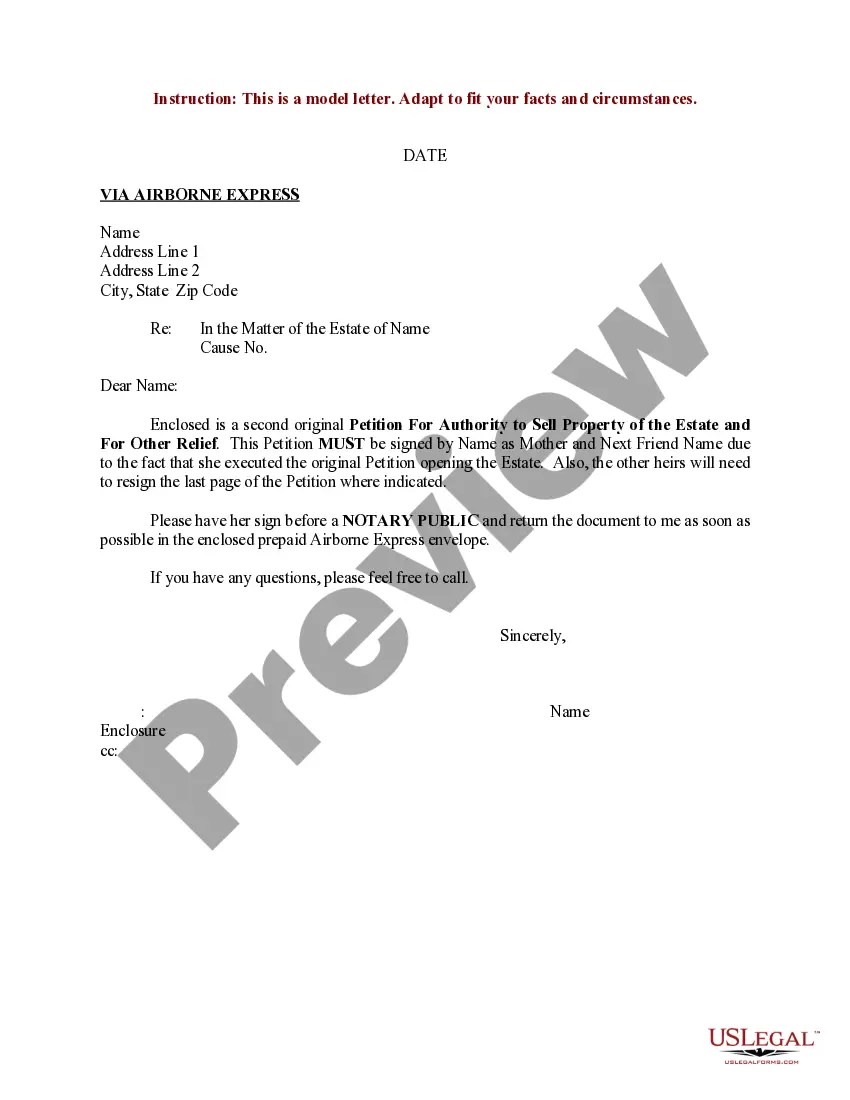
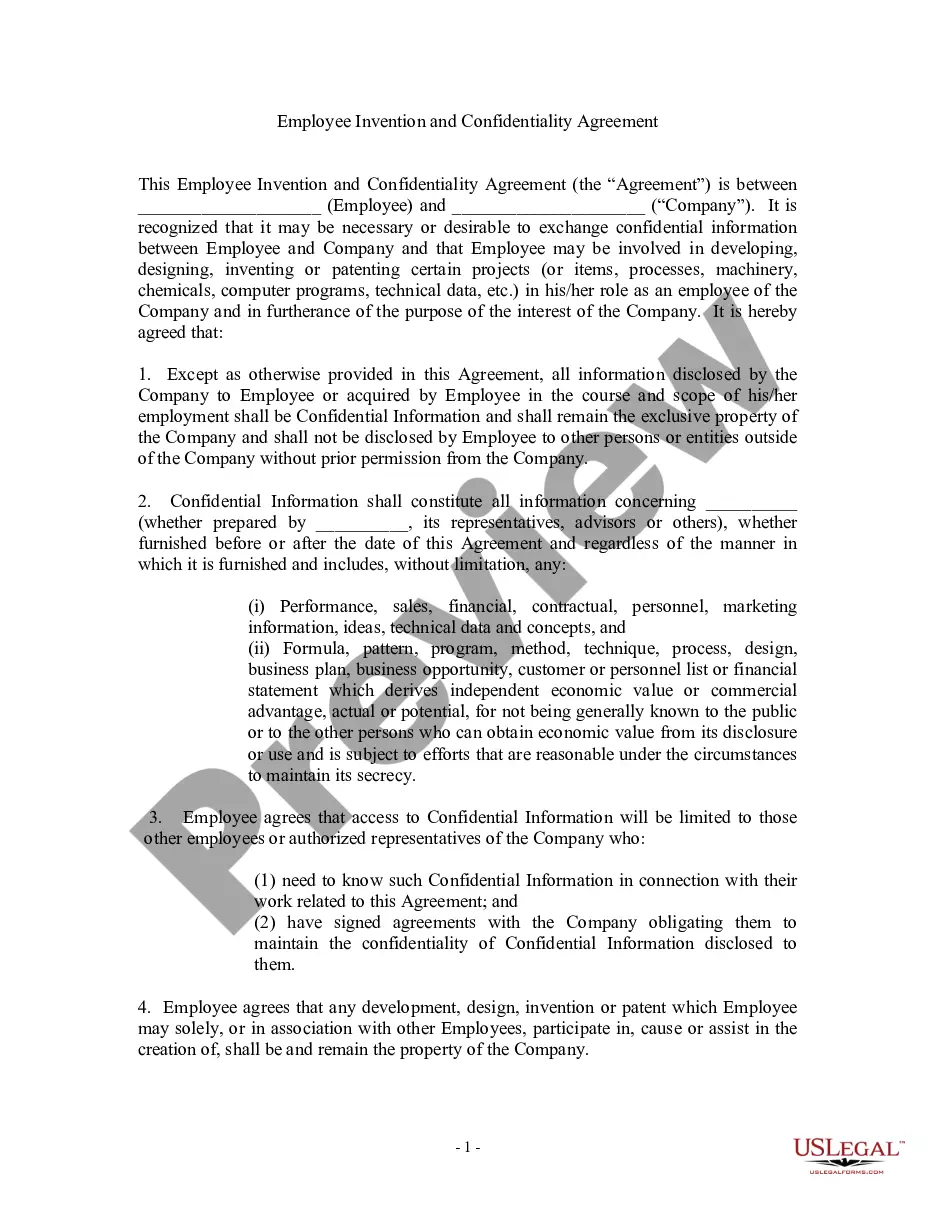
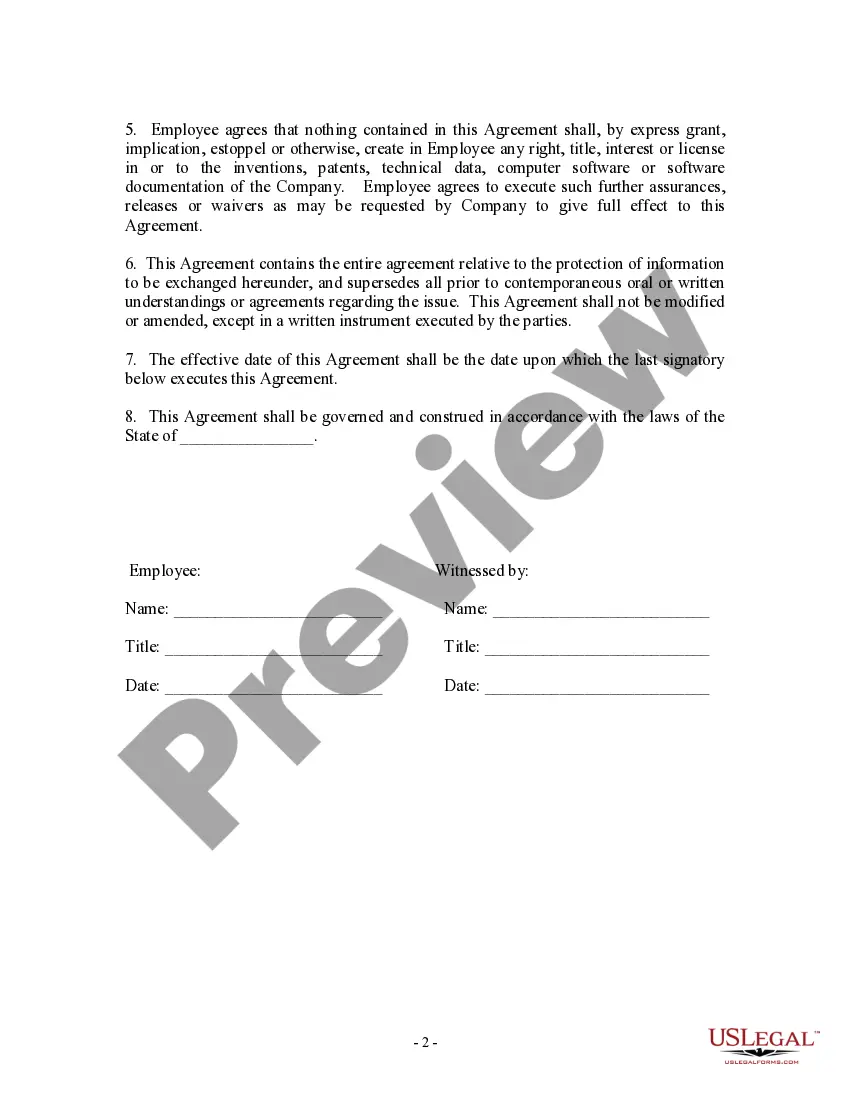
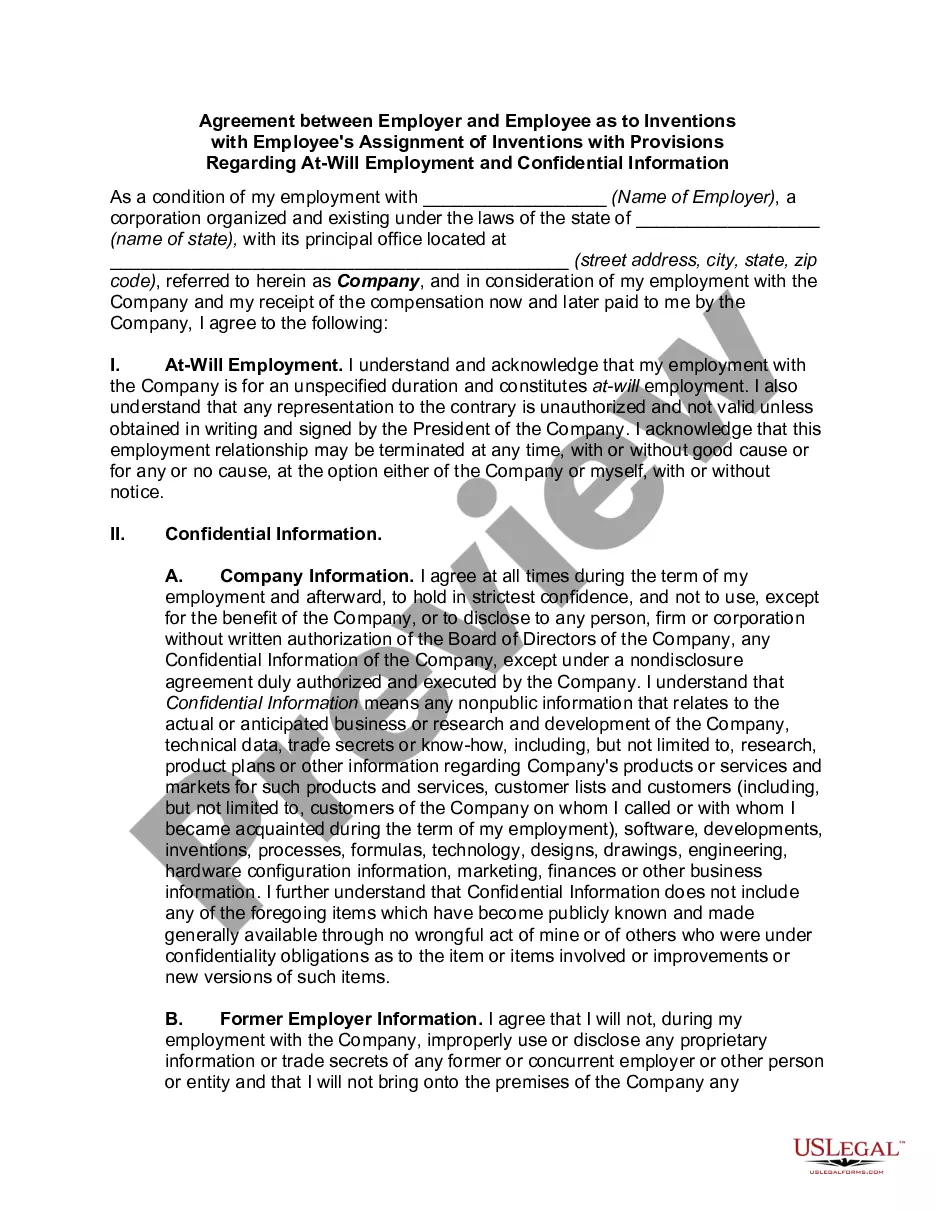
This form is for an employee invention and confidentiality agreement. For use by a company to retain ownership of any inventions, patents, etc, developed by an employee in the course of employment. Adapt to fit your circumstances.
Vermont Employee Invention Agreement
Instant download
Description
Free preview
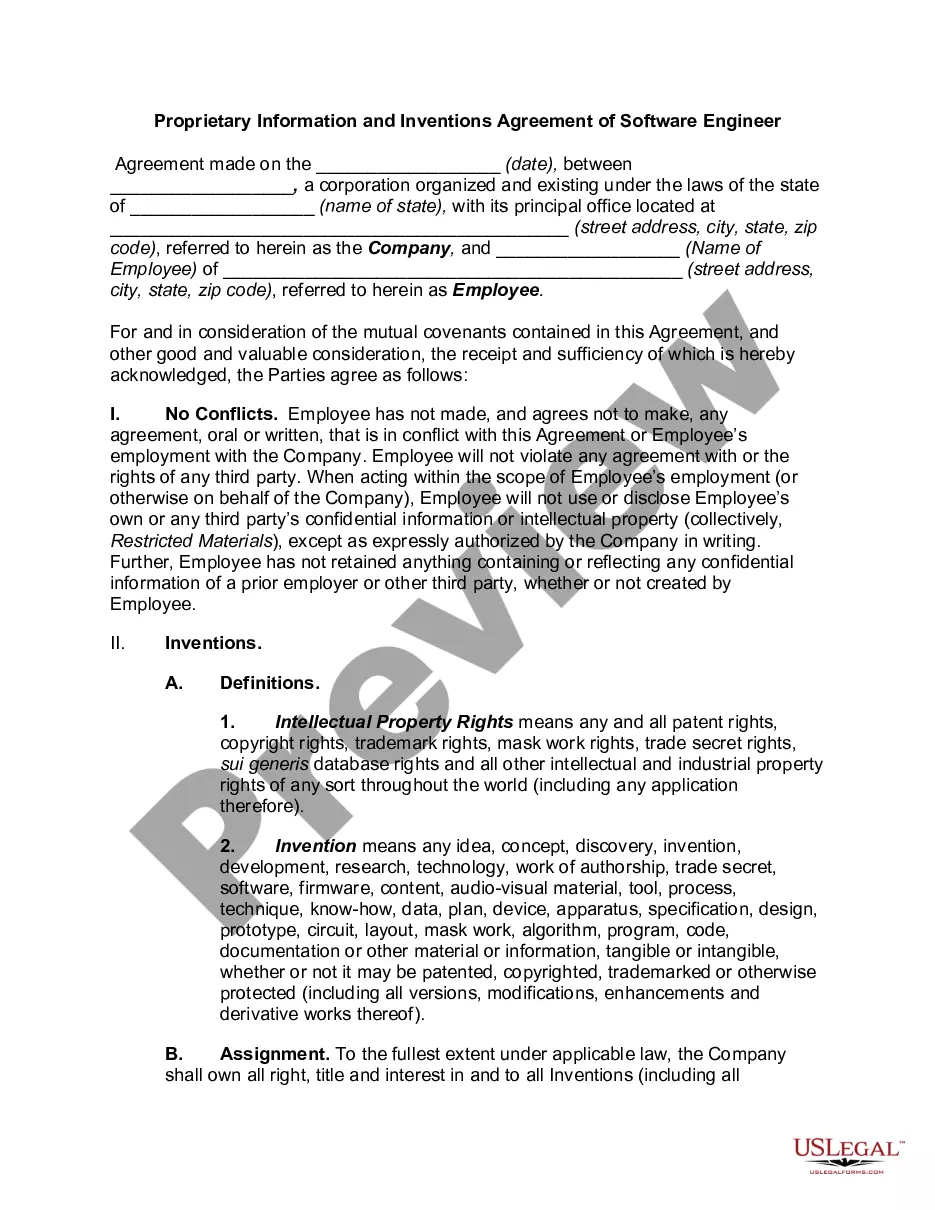
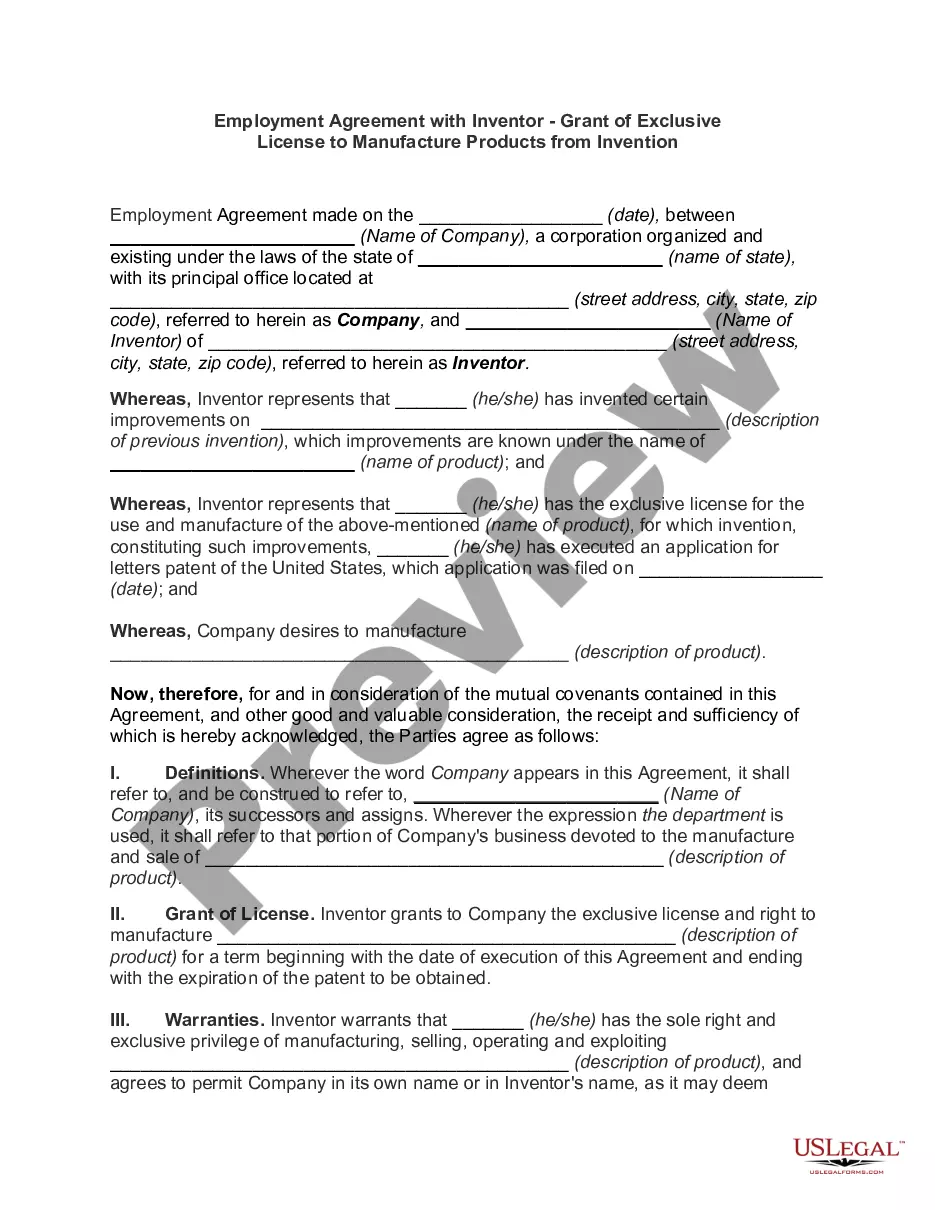
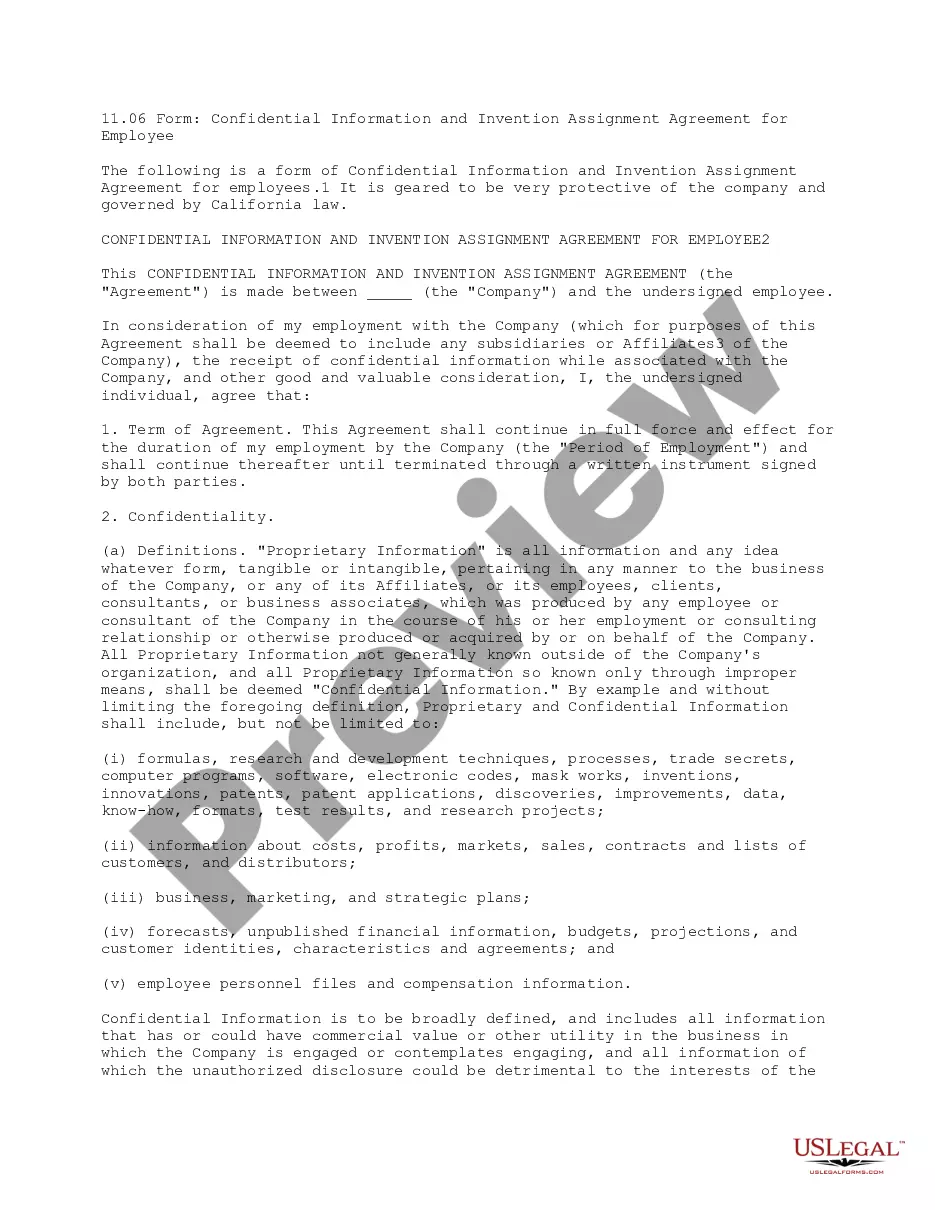
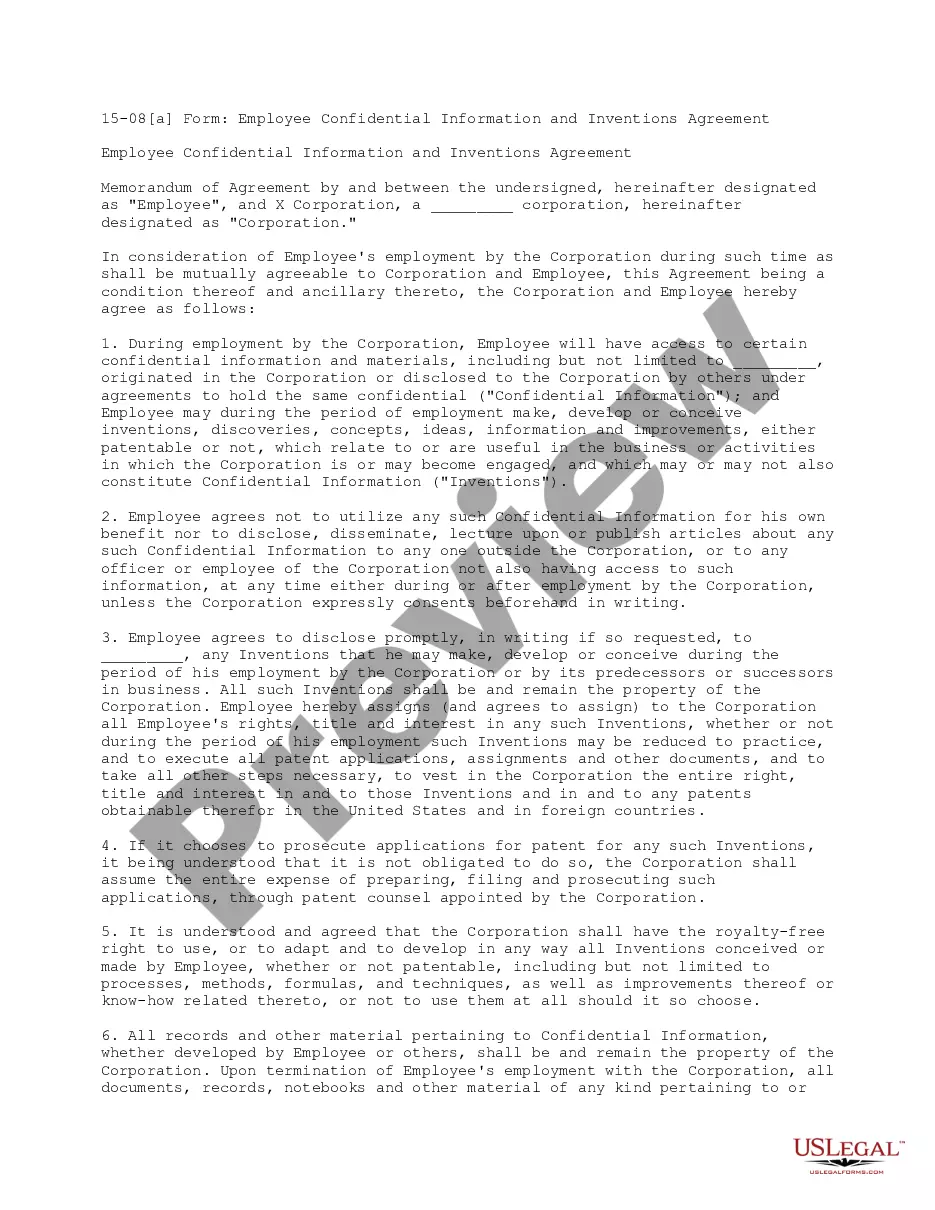
Get your form ready online
Our built-in tools help you complete, sign, share, and store your documents in one place.
Built-in online Word editor
Make edits, fill in missing information, and update formatting in US Legal Forms—just like you would in MS Word.
Export easily
Download a copy, print it, send it by email, or mail it via USPS—whatever works best for your next step.
E-sign your document
Sign and collect signatures with our SignNow integration. Send to multiple recipients, set reminders, and more. Go Premium to unlock E-Sign.
Notarize online 24/7
If this form requires notarization, complete it online through a secure video call—no need to meet a notary in person or wait for an appointment.
Store your document securely
We protect your documents and personal data by following strict security and privacy standards.

Make edits, fill in missing information, and update formatting in US Legal Forms—just like you would in MS Word.

Download a copy, print it, send it by email, or mail it via USPS—whatever works best for your next step.

Sign and collect signatures with our SignNow integration. Send to multiple recipients, set reminders, and more. Go Premium to unlock E-Sign.

If this form requires notarization, complete it online through a secure video call—no need to meet a notary in person or wait for an appointment.

We protect your documents and personal data by following strict security and privacy standards.
Looking for another form?
How to fill out Employee Invention Agreement?
Locating the correct valid documents template can be somewhat challenging.
Naturally, there are numerous designs accessible online, but how can you discover the authentic format you require.
Utilize the US Legal Forms website.
First, ensure you have selected the correct document for your state/region. You can review the form using the Preview button and read the form summary to confirm this is indeed the right one for you.
- The service provides thousands of templates, including the Vermont Employee Invention Agreement, which can be utilized for business and personal purposes.
- All of the documents are reviewed by experts and comply with state and federal regulations.
- If you are already registered, sign in to your account and click the Download button to retrieve the Vermont Employee Invention Agreement.
- Use your account to access the legitimate forms you have previously obtained.
- Visit the My documents tab in your account to download another version of the document you need.
- If you are a new user of US Legal Forms, here are simple instructions for you to follow.
Form popularity
FAQ
The Piia agreement, or Vermont Employee Invention Agreement, is a contract that specifies the ownership of inventions created by employees during their employment. This agreement ensures that any inventions developed by an employee related to their work are owned by the employer. By clearly outlining these terms, the Vermont Employee Invention Agreement helps prevent potential disputes over intellectual property. You can find tailored solutions for this agreement on the US Legal Forms platform, which simplifies the process of creating such contracts.
A confidentiality and invention agreement is a contract that outlines the terms regarding the protection of sensitive information and the ownership of inventions made by an employee. This type of agreement ensures that an employee does not disclose confidential information and that intellectual property created during work is assigned to the employer. This is a key component of a Vermont Employee Invention Agreement, promoting innovation while protecting business secrets.
A CIAA agreement, or confidentiality and invention assignment agreement, is a legal document where an employee agrees to protect confidential information and assign any inventions created during employment to their employer. This kind of agreement safeguards both the employee's and employer's interests. In the context of a Vermont Employee Invention Agreement, it clarifies the terms regarding ownership and confidentiality.
To execute a confidentiality and invention assignment agreement means you have officially signed a document that outlines your responsibilities regarding confidential information and the ownership of any inventions. This agreement protects both you and the employer. Within a Vermont Employee Invention Agreement, it ensures that any ideas you conceive during your employment rightfully belong to the company.
A confidentiality and invention assignment agreement with Amazon means that you agree to keep Amazon's proprietary information confidential and assign any inventions you create to them. This type of agreement helps maintain Amazon's competitive edge. Under a Vermont Employee Invention Agreement, your innovative contributions are legally recognized as belonging to the company, enhancing clarity and trust.
Executing a confidentiality and invention assignment agreement with your company means you have legally agreed to protect company secrets and assign any inventions you create during your employment to the company. This agreement is essential for safeguarding intellectual property. In the realm of a Vermont Employee Invention Agreement, it establishes clear ownership of any innovations you may develop while working.
When you execute a confidentiality agreement, you formally agree to protect sensitive information shared between parties. This means you commit to not disclosing confidential information without permission. In the context of a Vermont Employee Invention Agreement, this ensures that both you and your employer can collaborate safely without fear of sensitive ideas being leaked.
The assignment agreement and transfer agreement serve distinct but similar purposes in the realm of intellectual property. An assignment agreement explicitly assigns rights of an invention from the employee to the employer, detailing the scope of ownership. In contrast, a transfer agreement may refer to the broader act of moving rights or titles of various types of property, not just inventions. Understanding these differences is essential for both employees and employers when using a Vermont Employee Invention Agreement, ensuring clarity in ownership rights.
The purpose of the assignment agreement is to transfer the ownership of intellectual property from the employee to the employer. This agreement clearly outlines what is considered an invention and when it belongs to the company, ensuring the employer secures their interests. A well-drafted Vermont Employee Invention Agreement offers protection for both parties while fostering a collaborative environment for innovation. It also provides confidence to employees, knowing their contributions will be respected and valued.
The consent to assignment of employment agreement is a legal document that allows an employer to claim ownership of inventions developed by employees during their tenure. This agreement is crucial for protecting intellectual property generated within the workplace. By establishing clear terms, the Vermont Employee Invention Agreement helps prevent disputes over who owns the rights to new ideas and innovations. Employees sign this agreement to ensure they understand their rights and obligations regarding their creations.