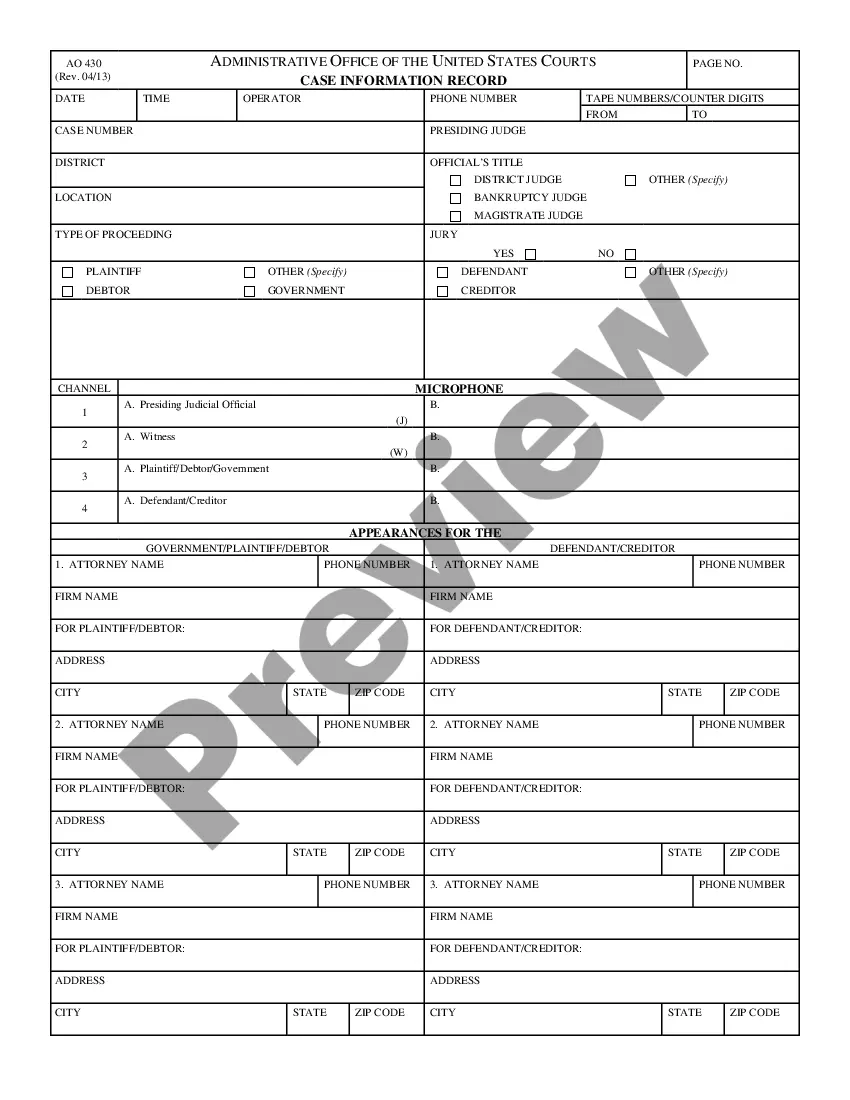
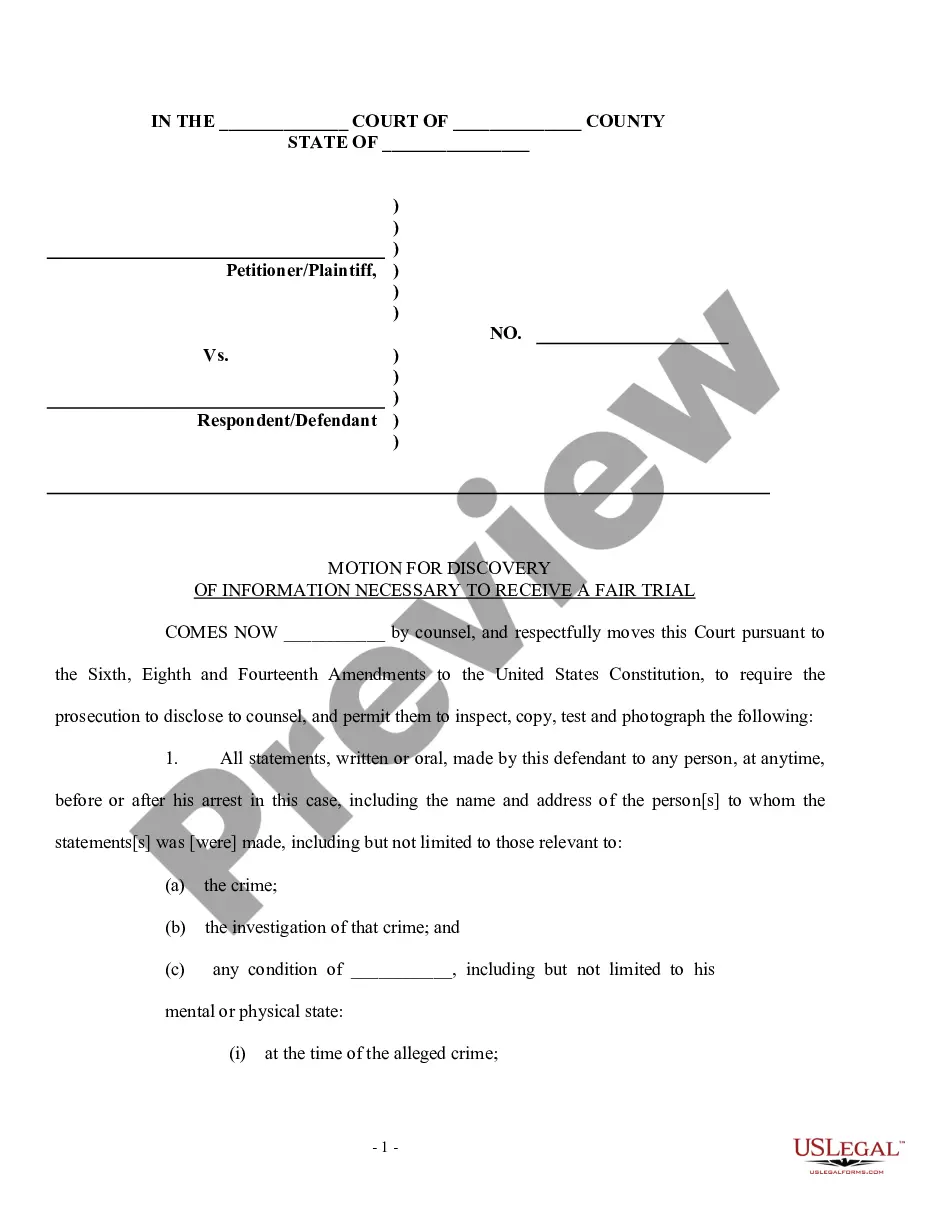
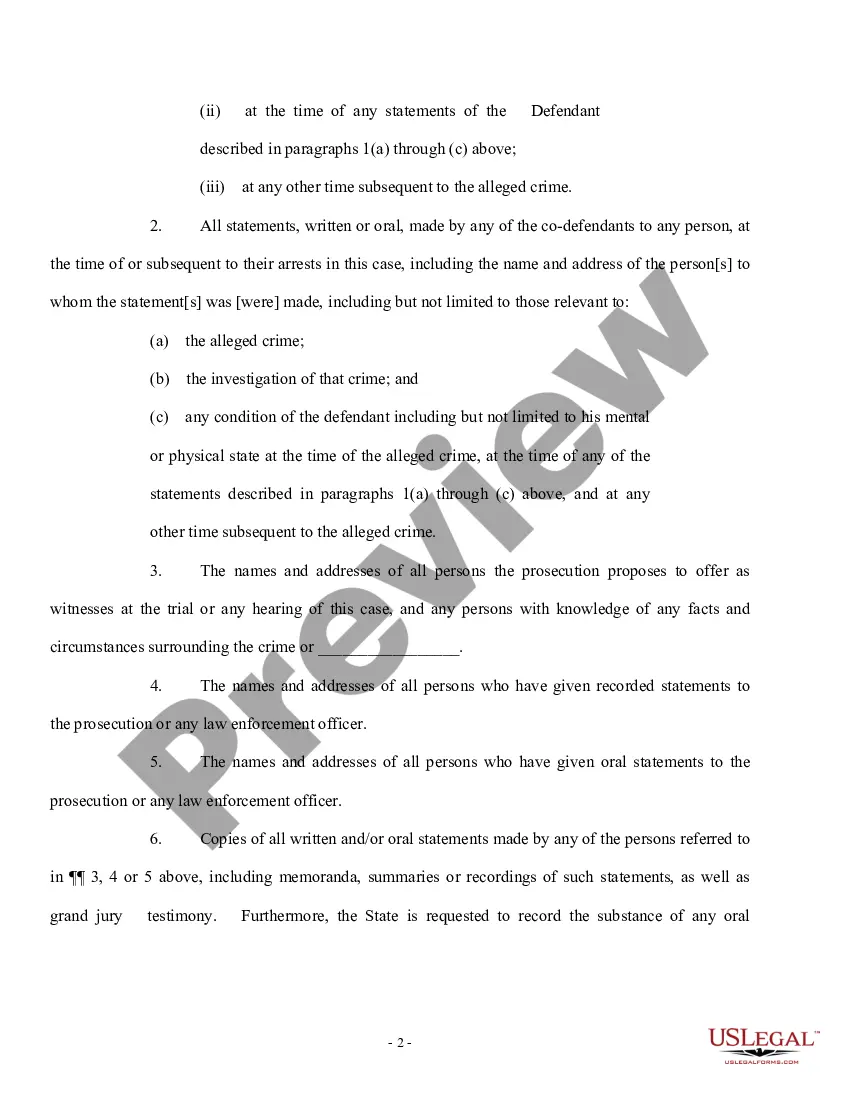
This form is a Motion for Discovery of Information Necessary to Receive a Fair Trial. Defendant's counsel requests that the prosecution disclose, and permit an inspection of all statements, written or oral, made by the defendant to any person, at anytime, before or after his arrest, including the name and address of the person(s) to whom the statement(s)were made.
Vermont Motion for Discovery of Information Necessary to Receive a Fair Trial
Instant download
Description
Free preview
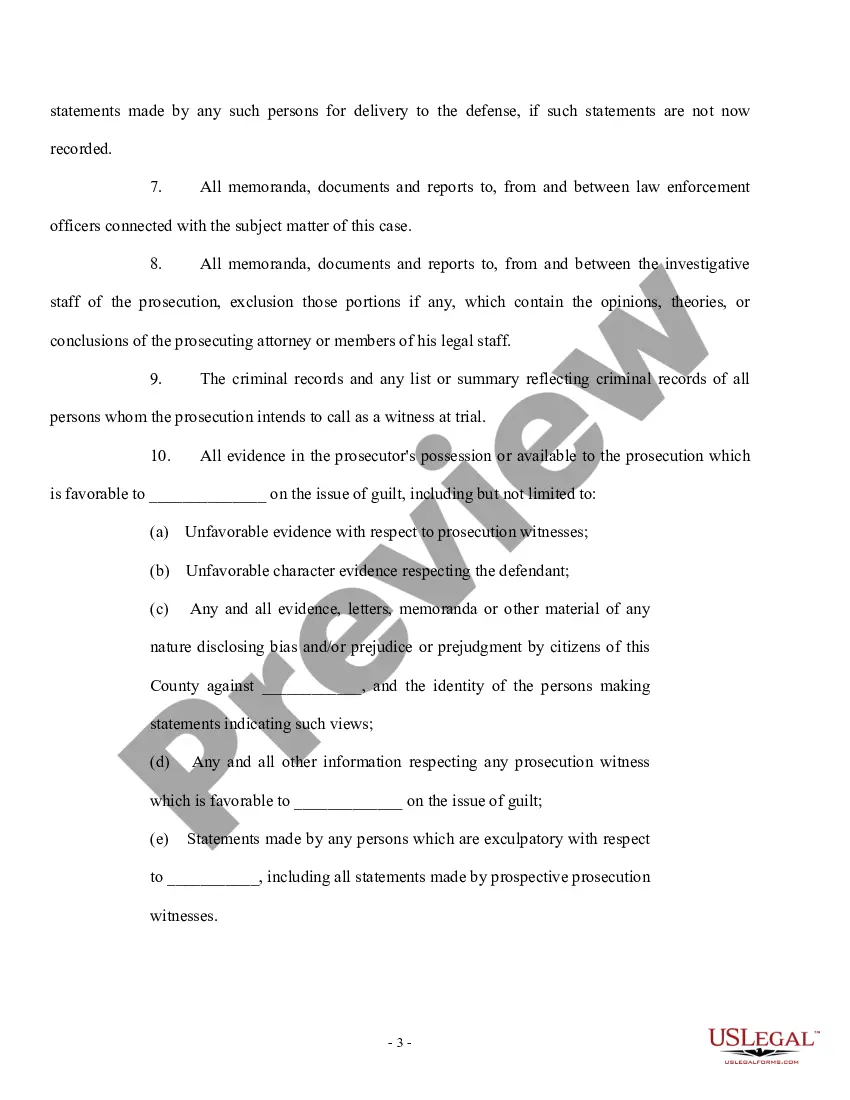
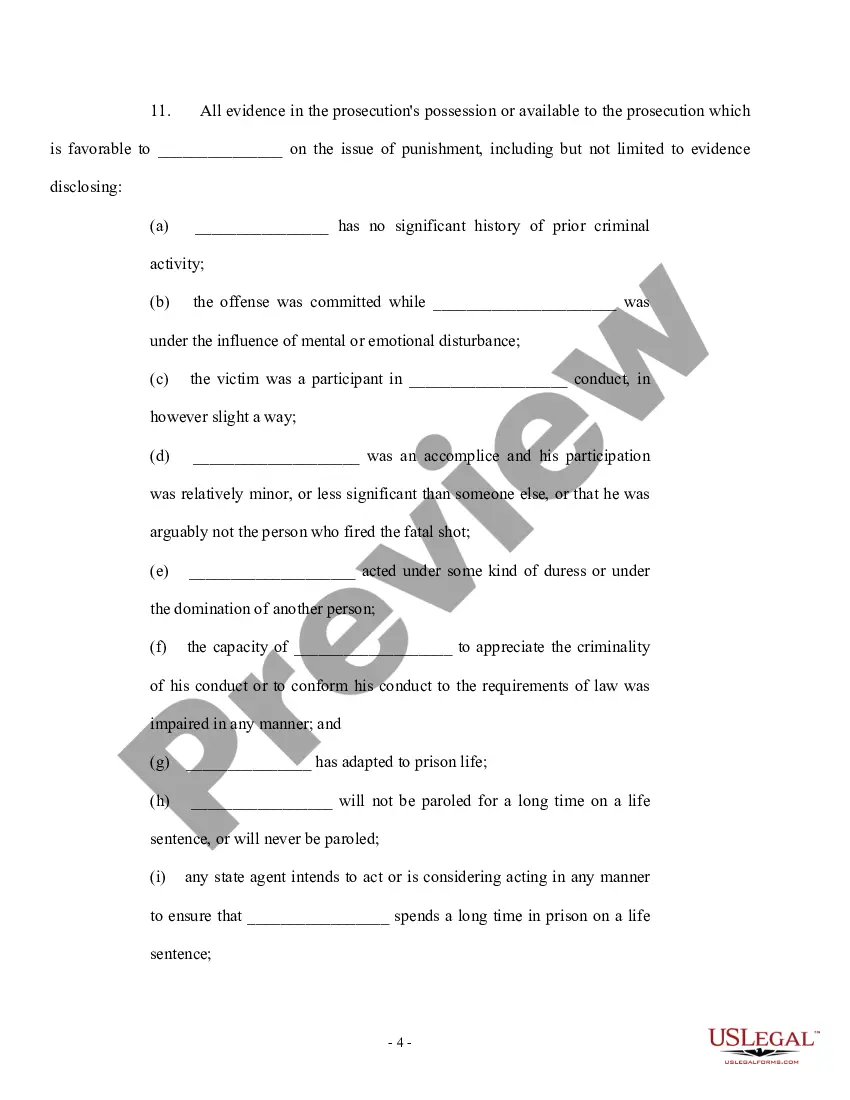
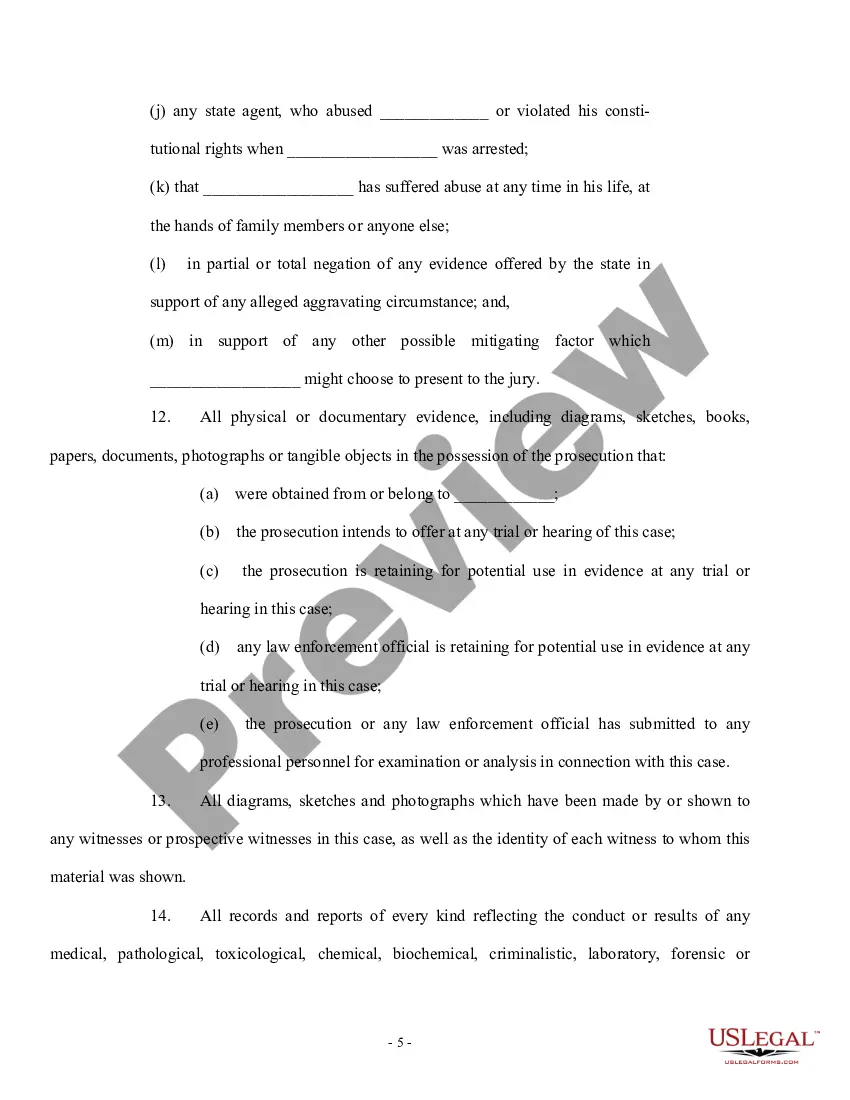
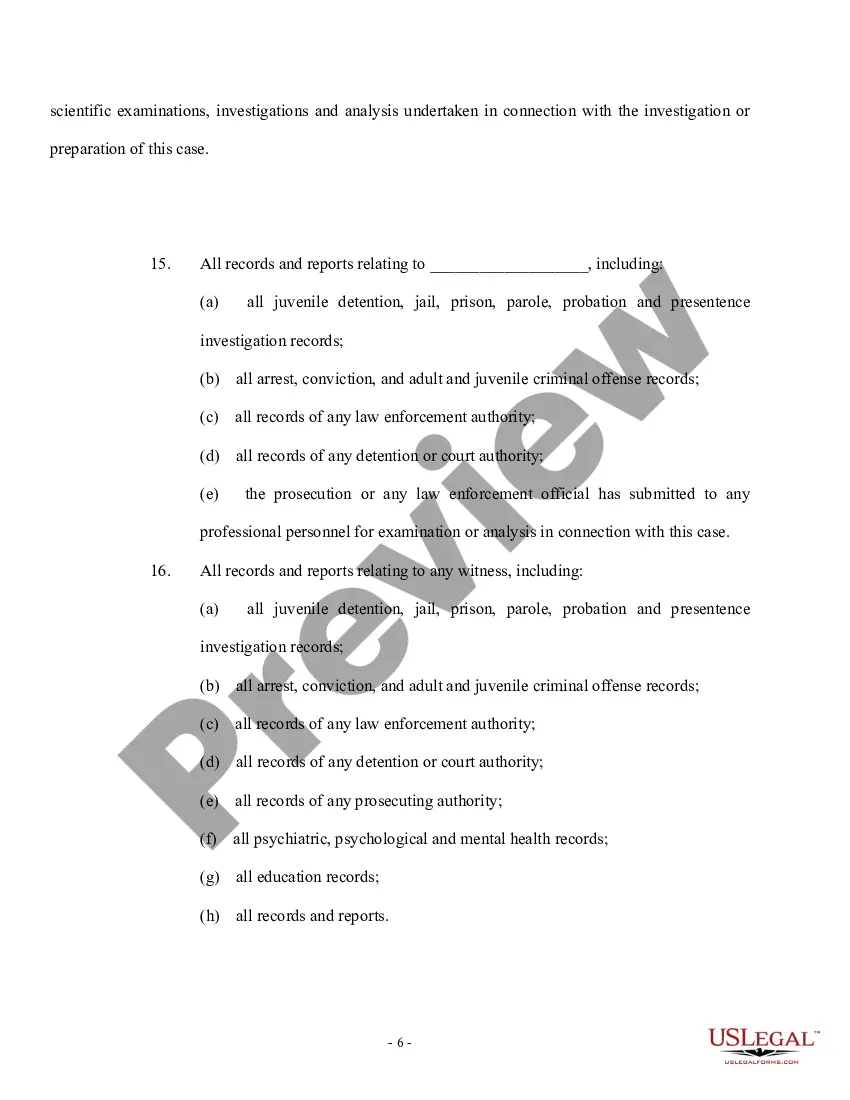
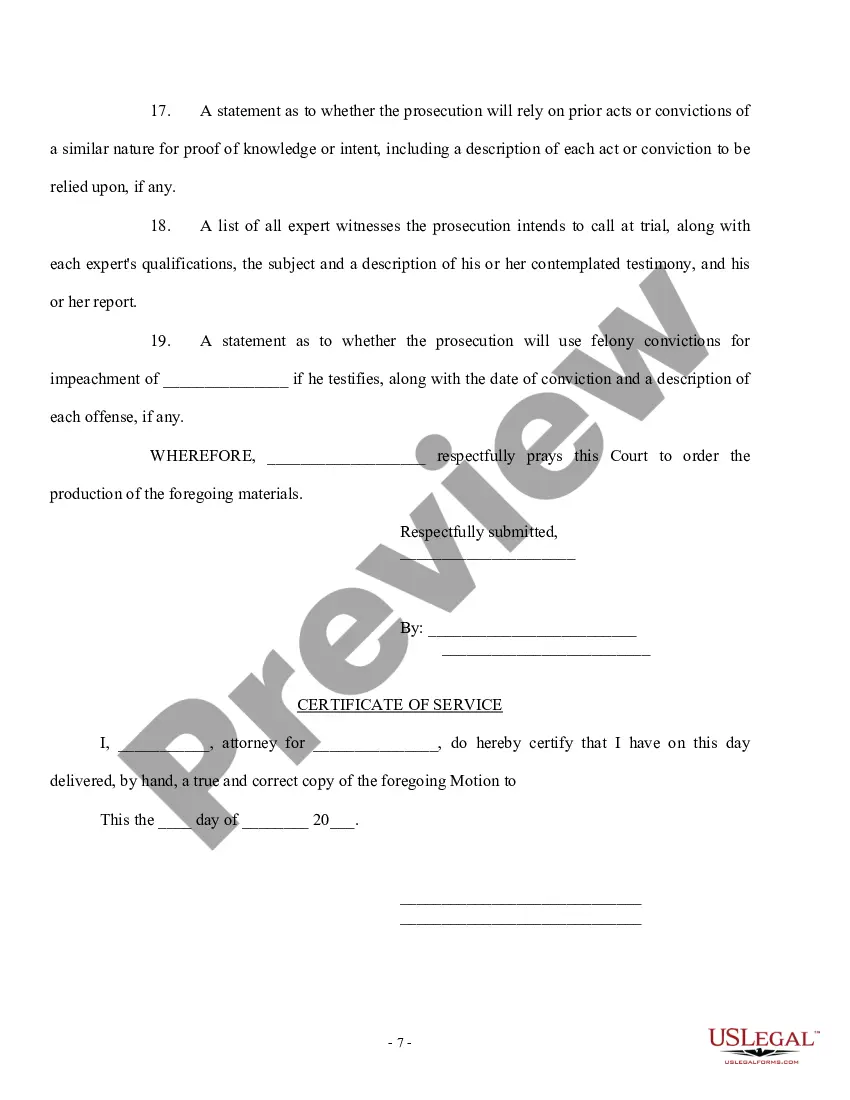
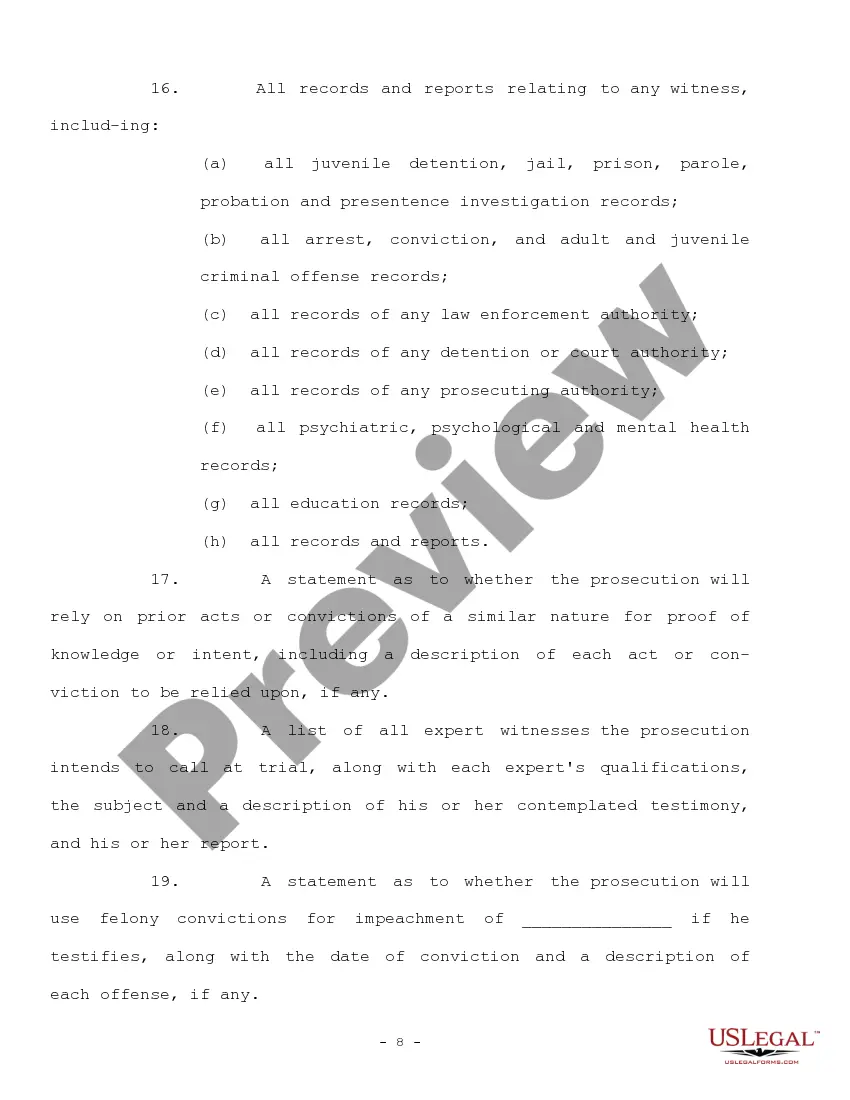
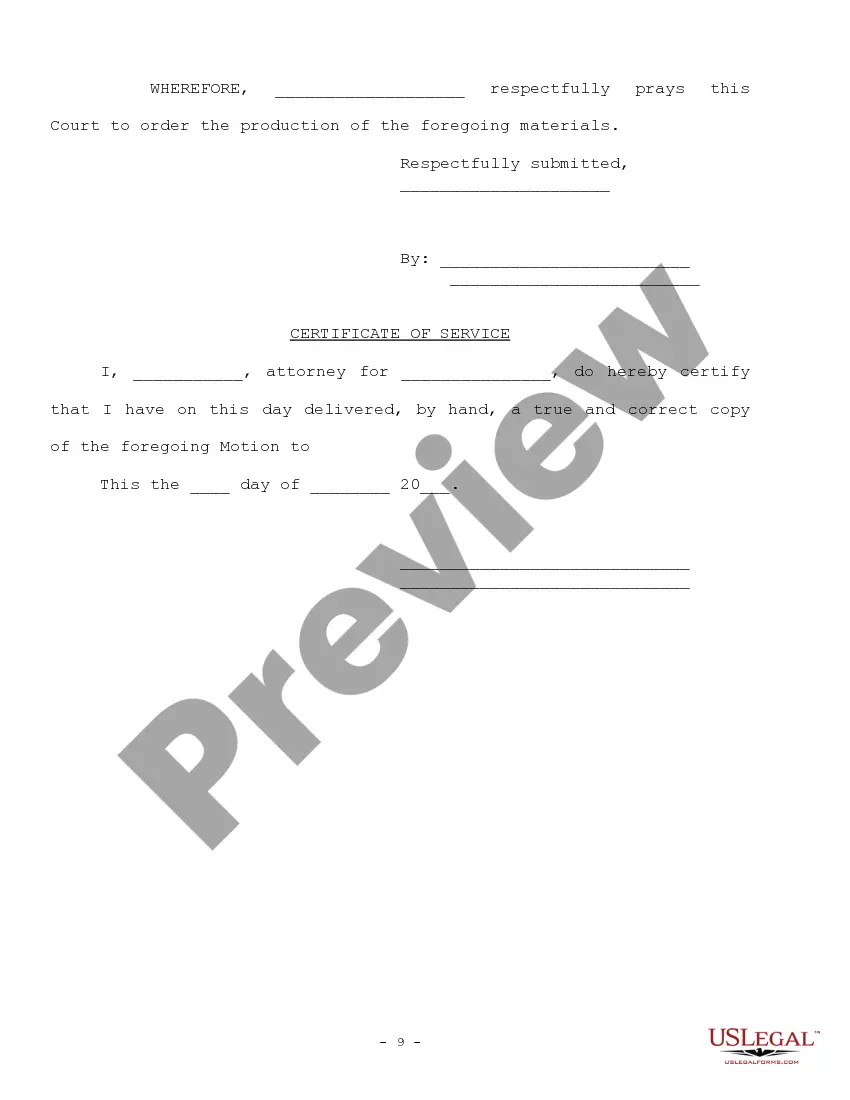
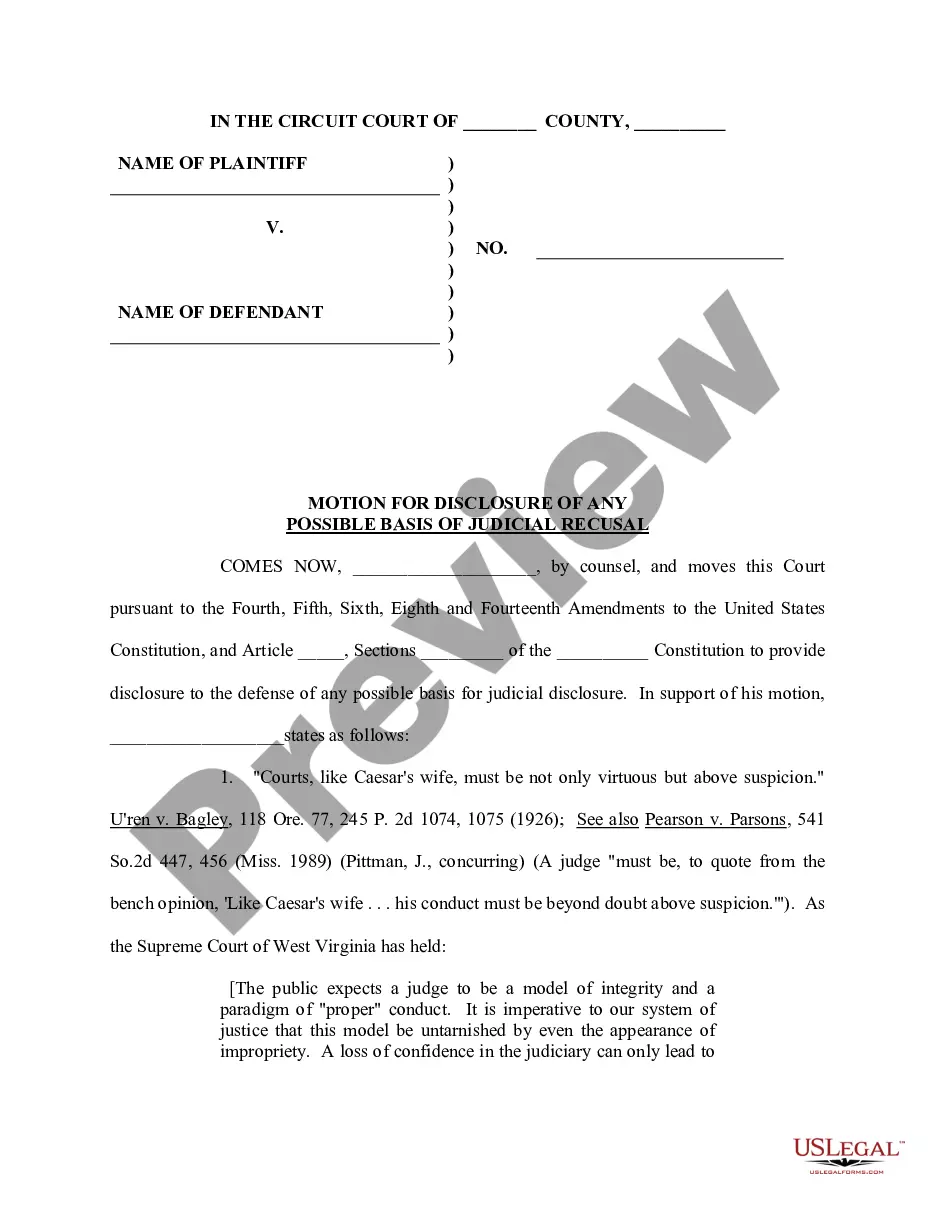
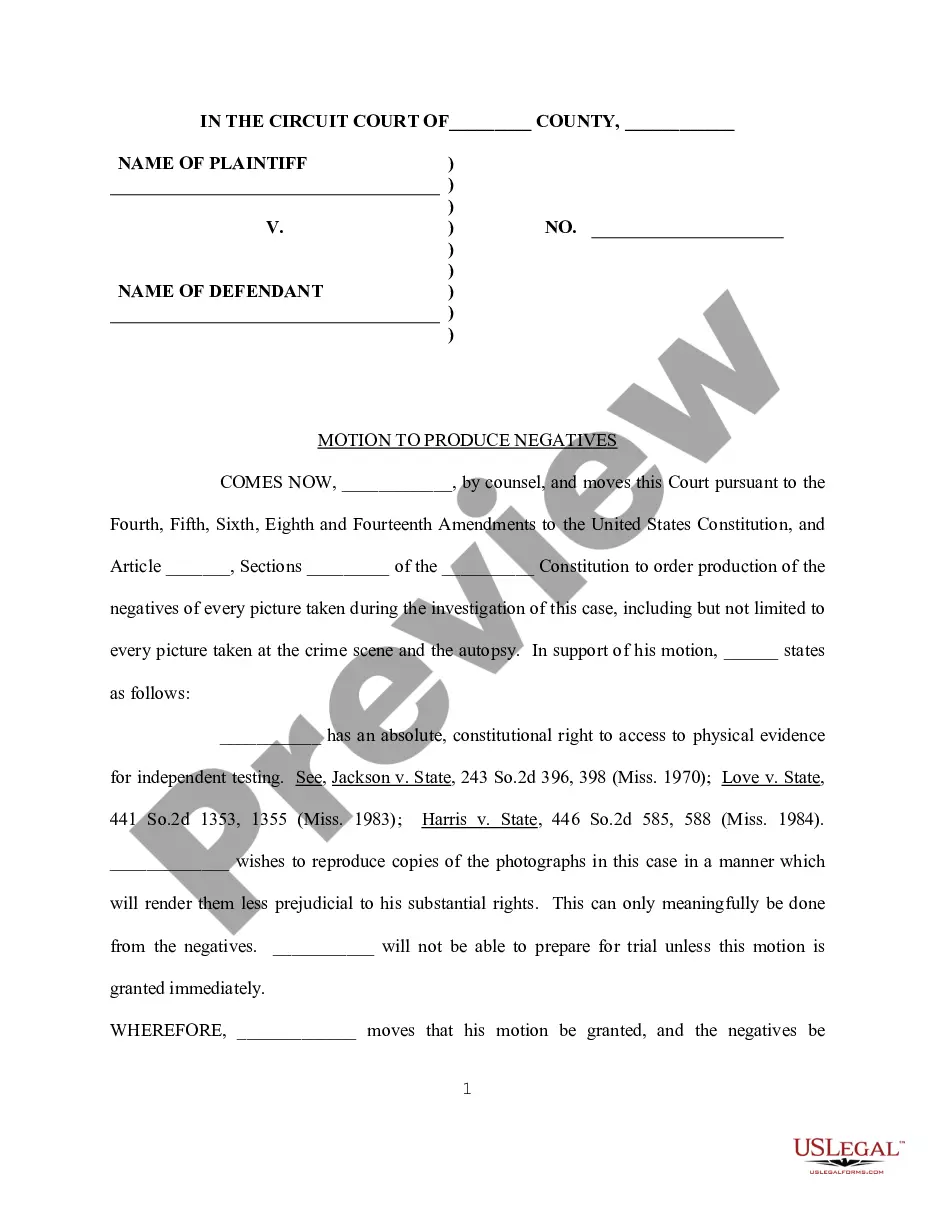
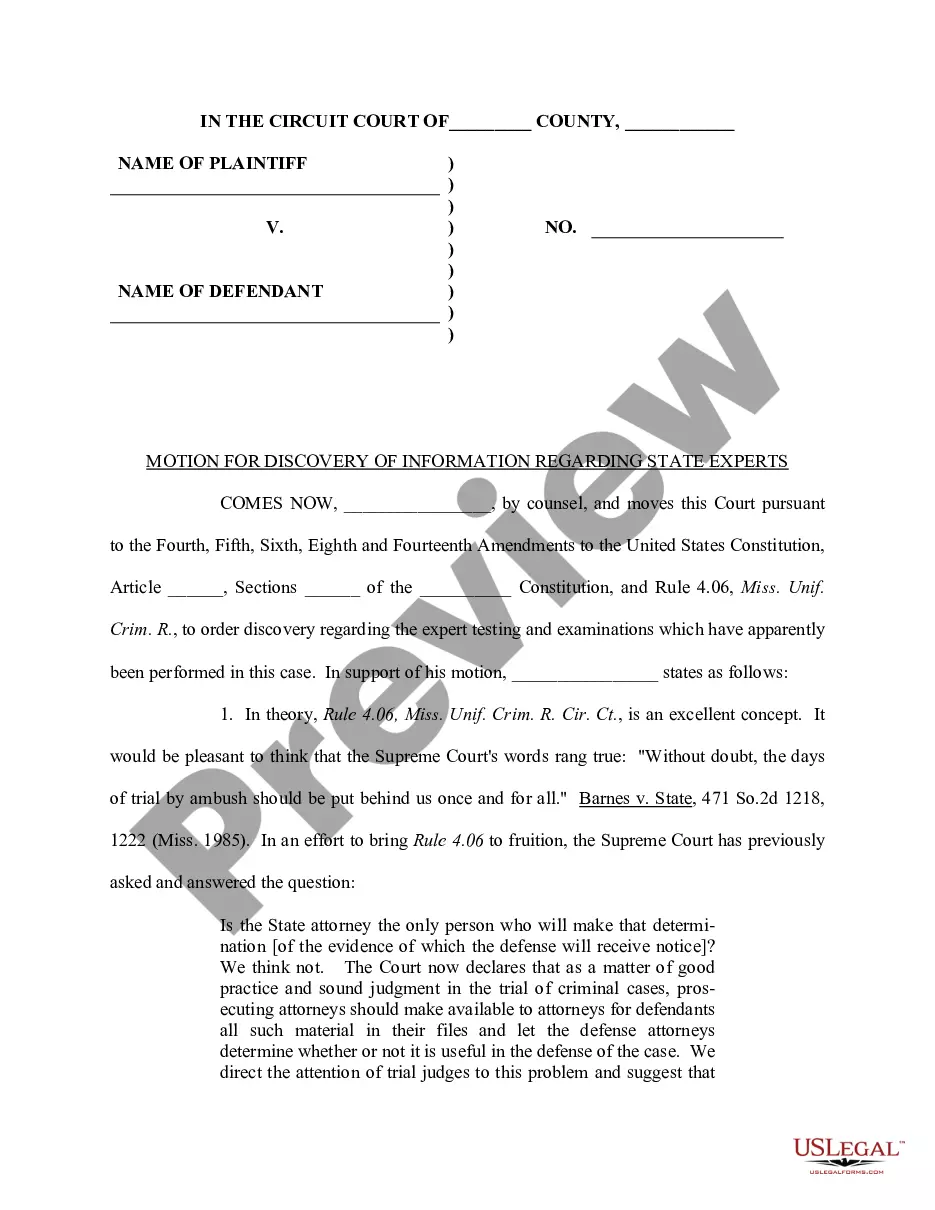
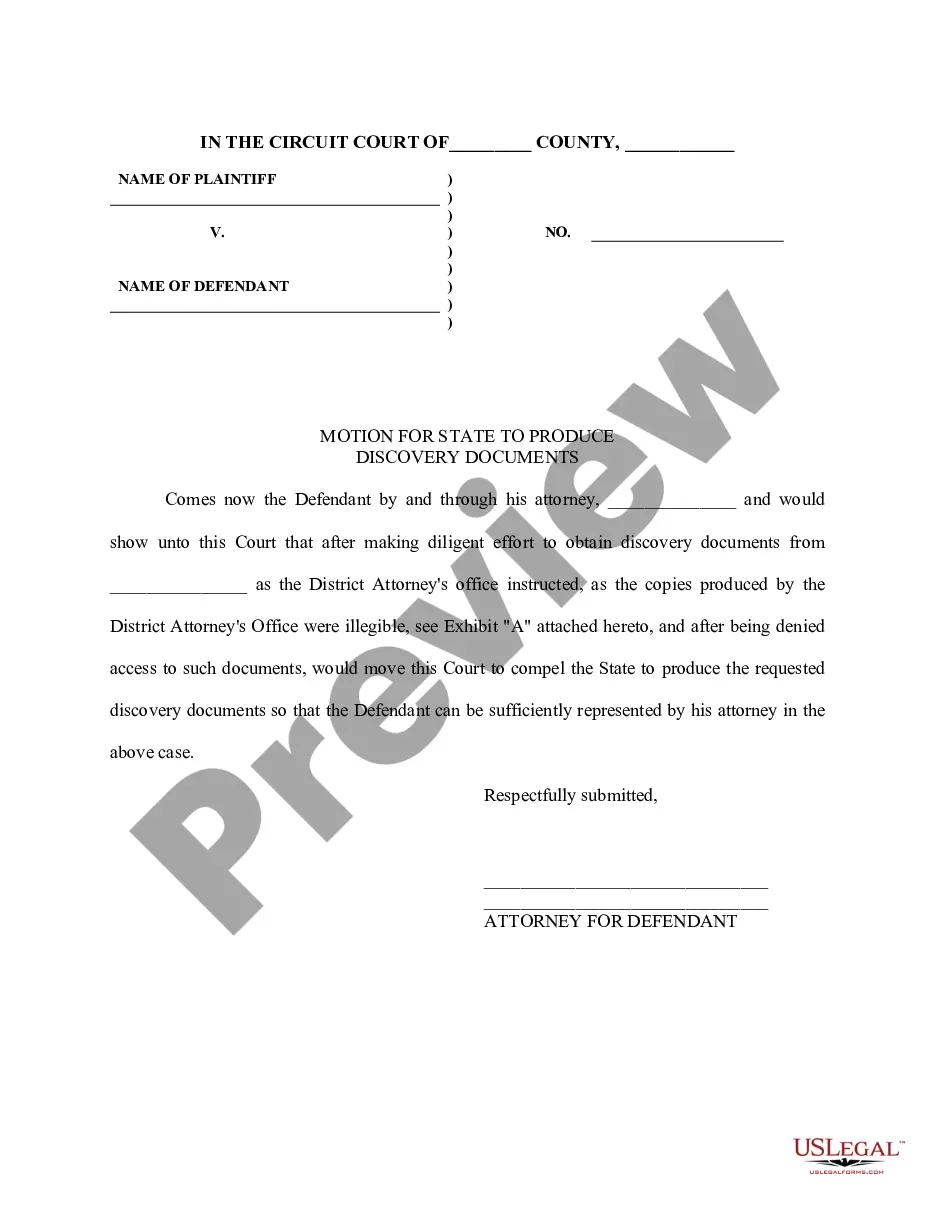
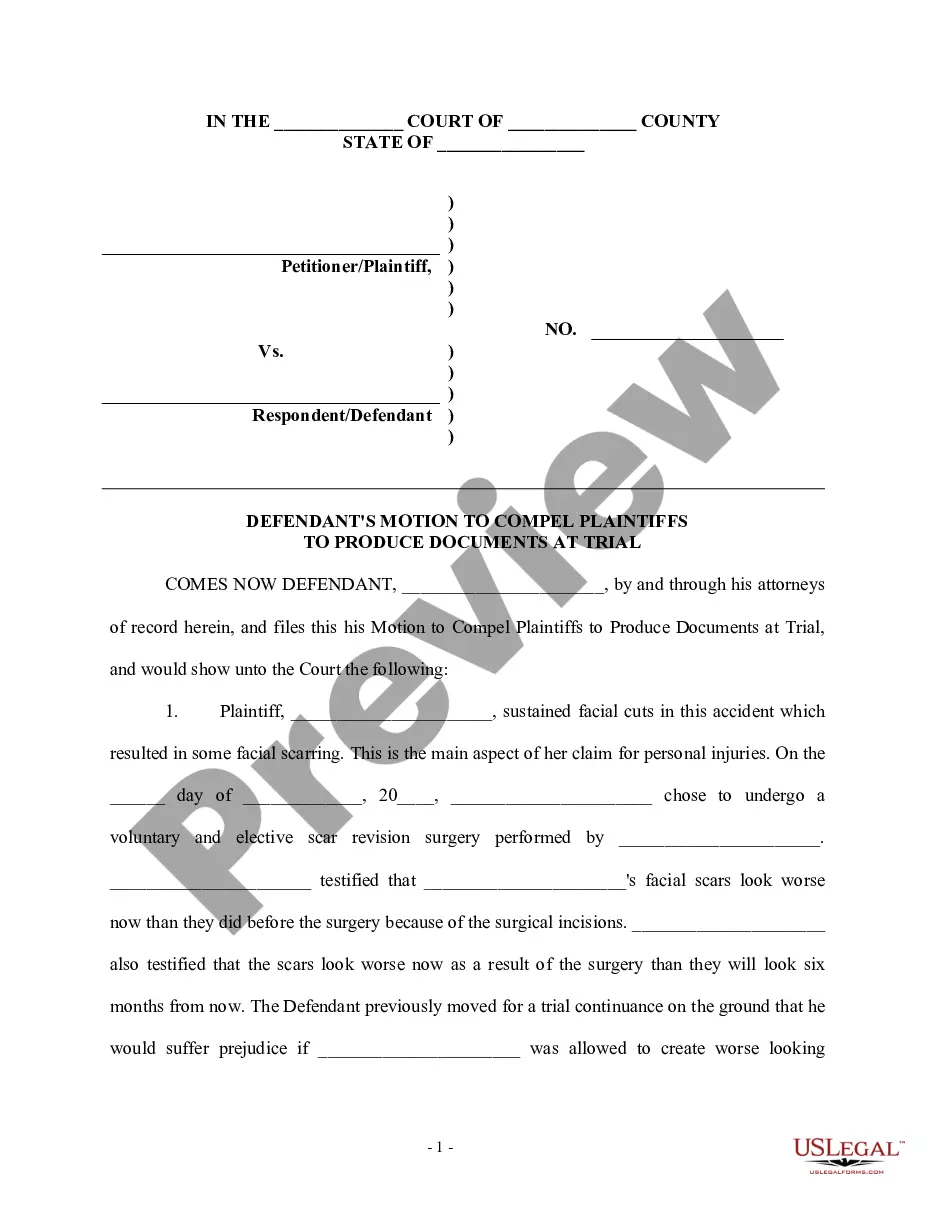
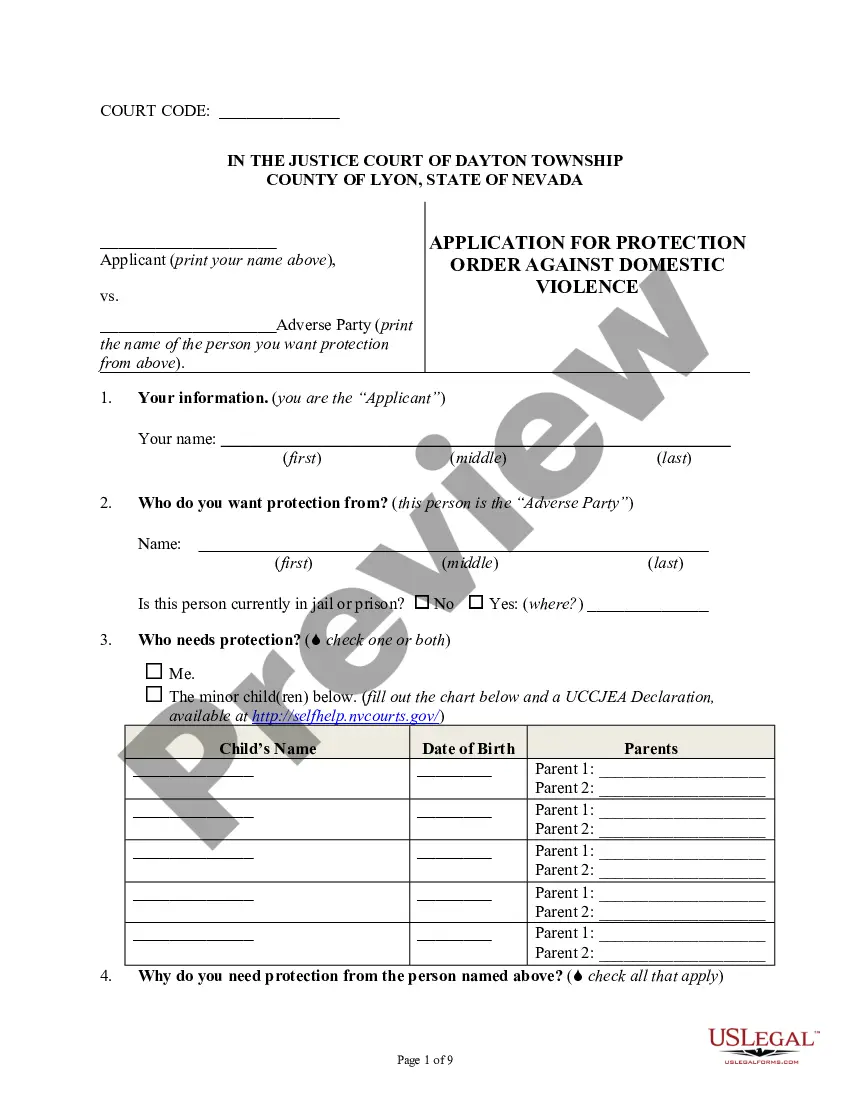
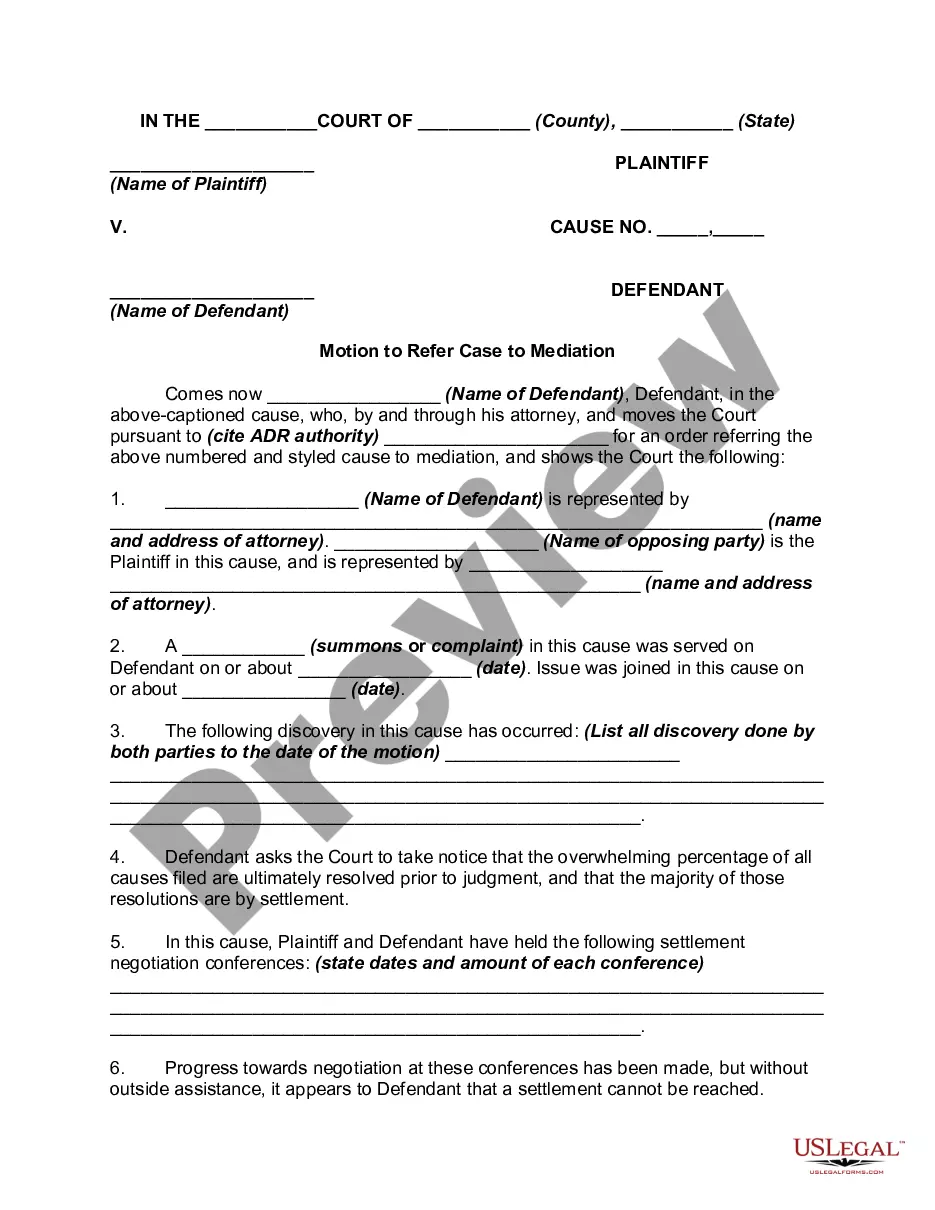

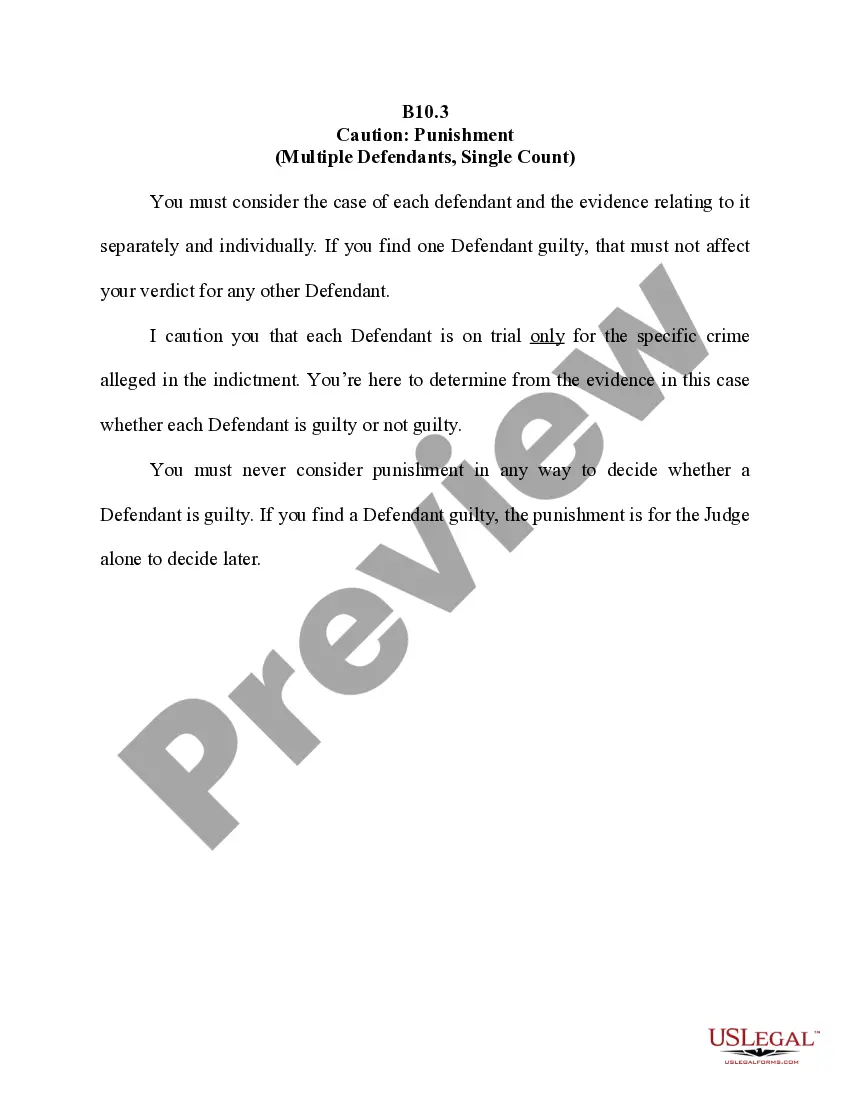
How to fill out Motion For Discovery Of Information Necessary To Receive A Fair Trial?
If you wish to be thorough, acquire, or produce legal document templates, utilize US Legal Forms, the largest collection of legal forms available online. Take advantage of the website's straightforward and convenient search to find the documents you need. A range of templates for commercial and personal purposes are organized by categories and states, or keywords. Use US Legal Forms to locate the Vermont Motion for Discovery of Information Necessary to Obtain a Fair Trial in just a few clicks.
If you are already a US Legal Forms user, sign in to your account and click the Download button to acquire the Vermont Motion for Discovery of Information Necessary to Obtain a Fair Trial. You can also access forms you have previously downloaded from the My documents section of your account.
If you are using US Legal Forms for the first time, follow the instructions below: Step 1. Ensure you have selected the form for the correct city/state. Step 2. Use the Preview option to review the form’s content. Remember to read the description. Step 3. If you are not satisfied with the form, use the Search box at the top of the screen to find alternative versions of the legal form format. Step 4. After finding the form you need, click the Get now button. Choose the pricing plan you prefer and enter your details to register for an account. Step 5. Complete the transaction. You can use your credit card or PayPal account to finalize the transaction. Step 6. Select the format of the legal form and download it to your device. Step 7. Complete, modify, and print or sign the Vermont Motion for Discovery of Information Necessary to Obtain a Fair Trial.
- Each legal document template you receive is yours forever.
- You will have access to every form you downloaded with your account.
- Click on the My documents section and choose a form to print or download again.
- Complete and download, and print the Vermont Motion for Discovery of Information Necessary to Obtain a Fair Trial with US Legal Forms.
- There are millions of professional and state-specific forms you can use for your business or personal needs.
Form popularity
FAQ
The court on motion of a defendant may grant a new trial to the defendent if required in the interests of justice. If trial was by the court without a jury the court on motion of a defendant for a new trial may vacate the judgment if entered, take additional testimony and direct the entry of a new judgment.
What Is a Motion for Discovery? You or your lawyer may file a motion for discovery to request that the state produce evidence it plans to introduce at trial. Your lawyer needs to know the type of evidence the state will use against you at trial so that they can properly prepare for your case.
A discovery plan is a document setting out the parties' agreement about all aspects of the discovery process, including written and oral discoveries.
Discovery is the formal process by which the parties to a case in court exchange information about the case. This includes information about the witnesses and evidence to be presented at trial. Its purpose is to make the parties aware of the evidence which may be presented at trial.
Rule 26 - Evidence [Effective October 2, 2023] (a) Form. In all trials the testimony of witnesses shall be taken orally in open court, unless otherwise provided by these rules, the Vermont Rules of Evidence, or other rules adopted by the Supreme Court. (b) Examination of Witnesses.
On motion to compel discovery or for a protective order, the party from whom discovery is sought must show that the information is not reasonably accessible because of undue burden or cost.
Examination for discovery is one of procedures established by the rules of court (known as ?Rules of Civil Procedure?) for helping each party find out about the other side's case in the lawsuit. It is hoped that this will promote settlement of differences and save expensive trial time.
The purpose of discovery is to ensure both parties have access to all facts surrounding their dispute so they can make informed decisions during trial proceedings. Discovery helps lawyers gather evidence that supports their client's case, allowing them to better prepare for trial and settle out of court if necessary.