Vermont Landlord Agreement to allow Tenant Alterations to Premises
What this document covers
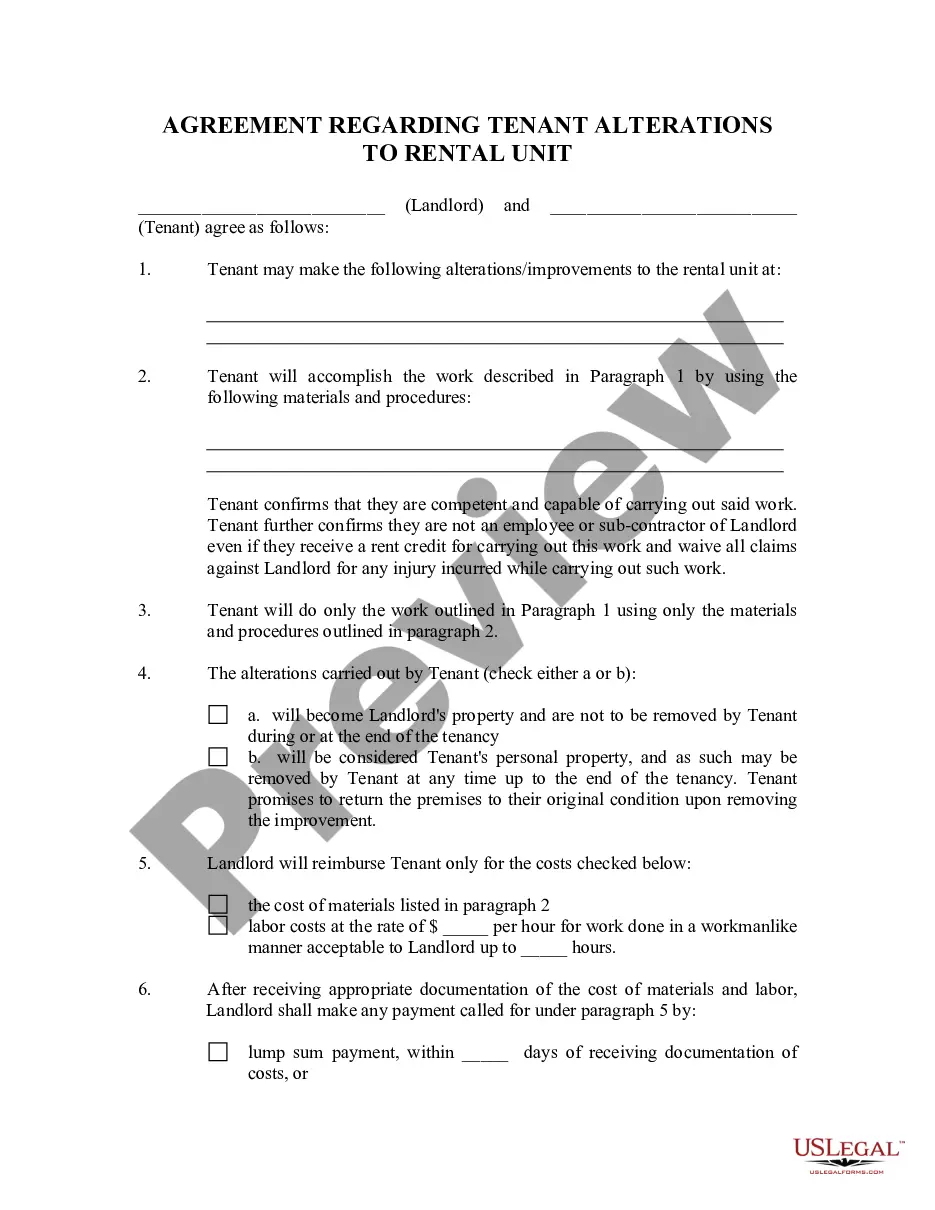
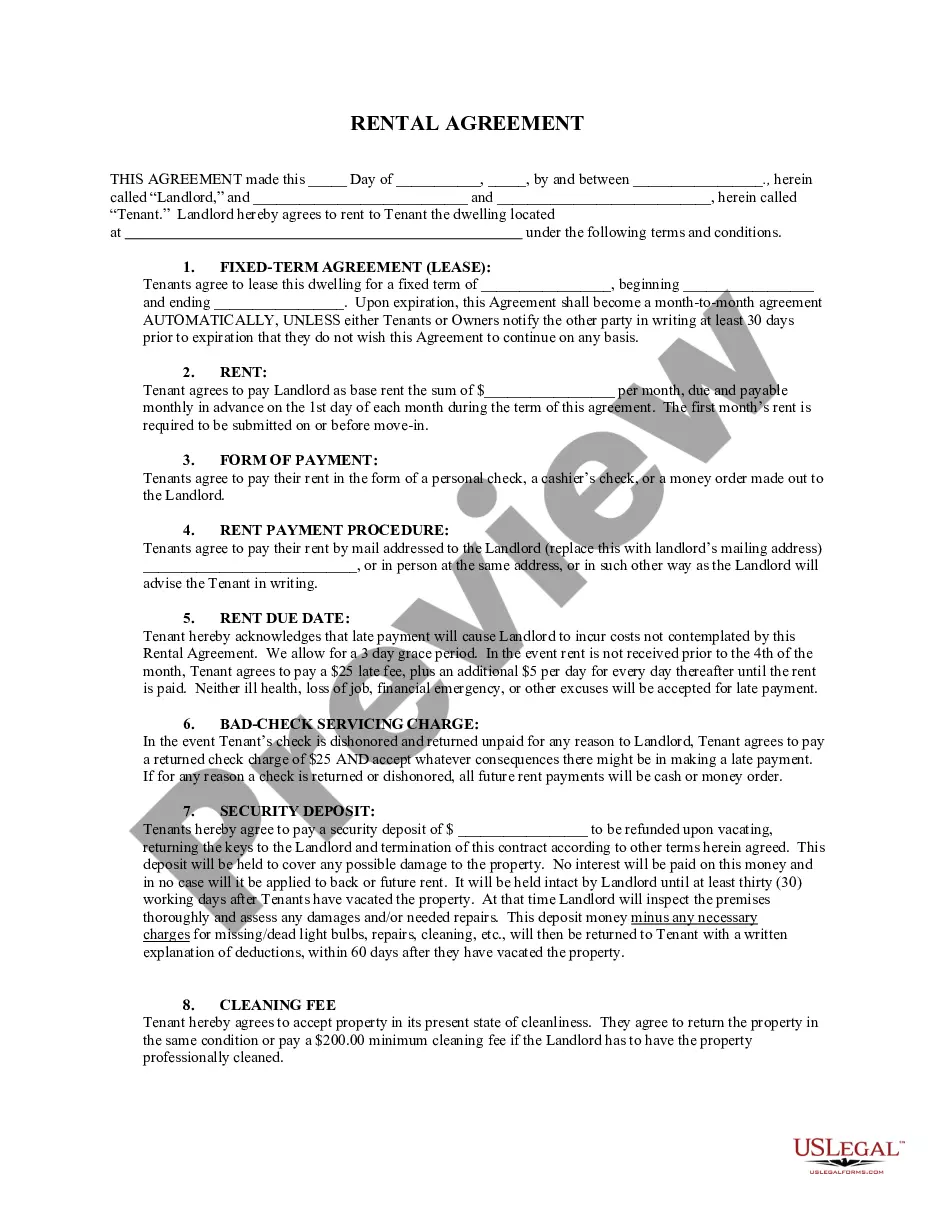
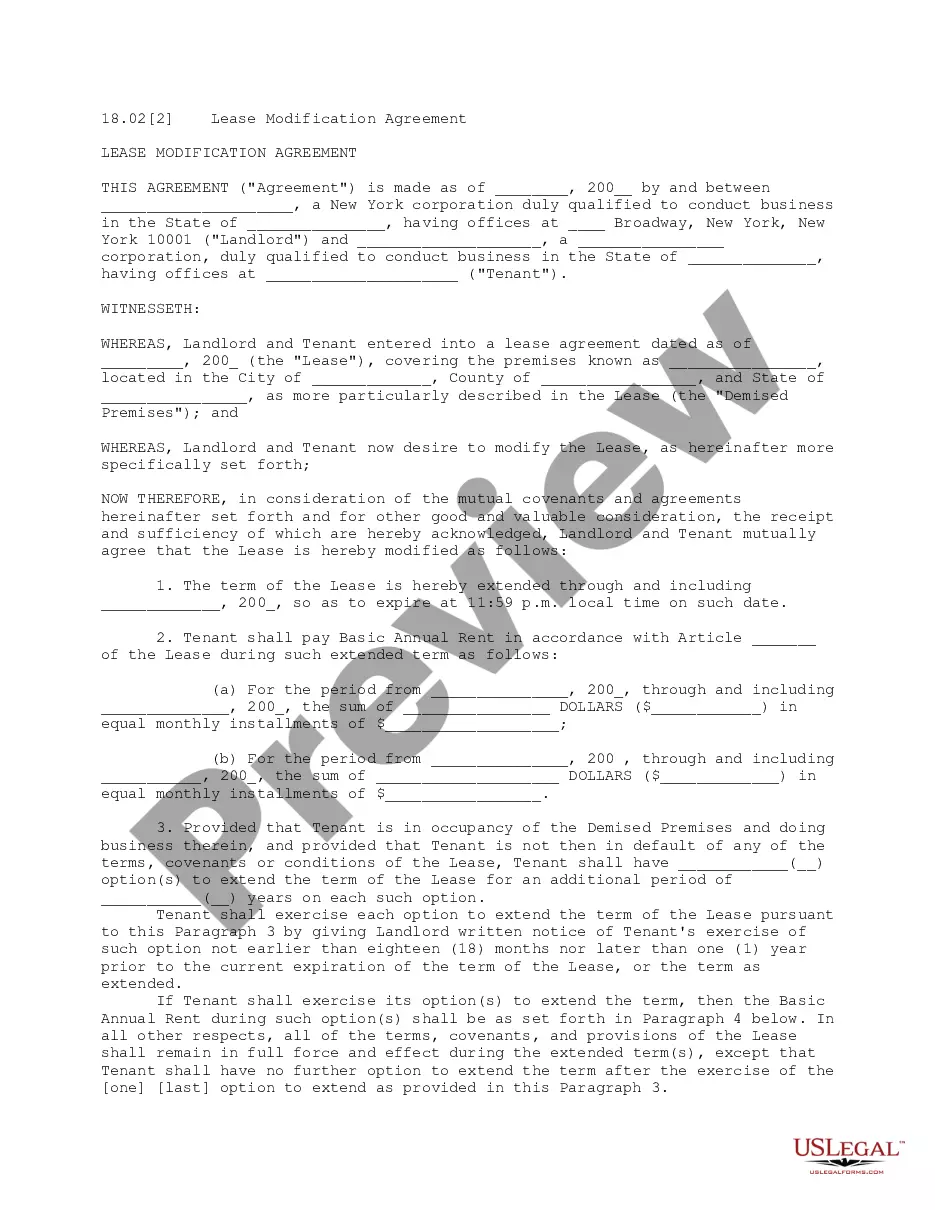
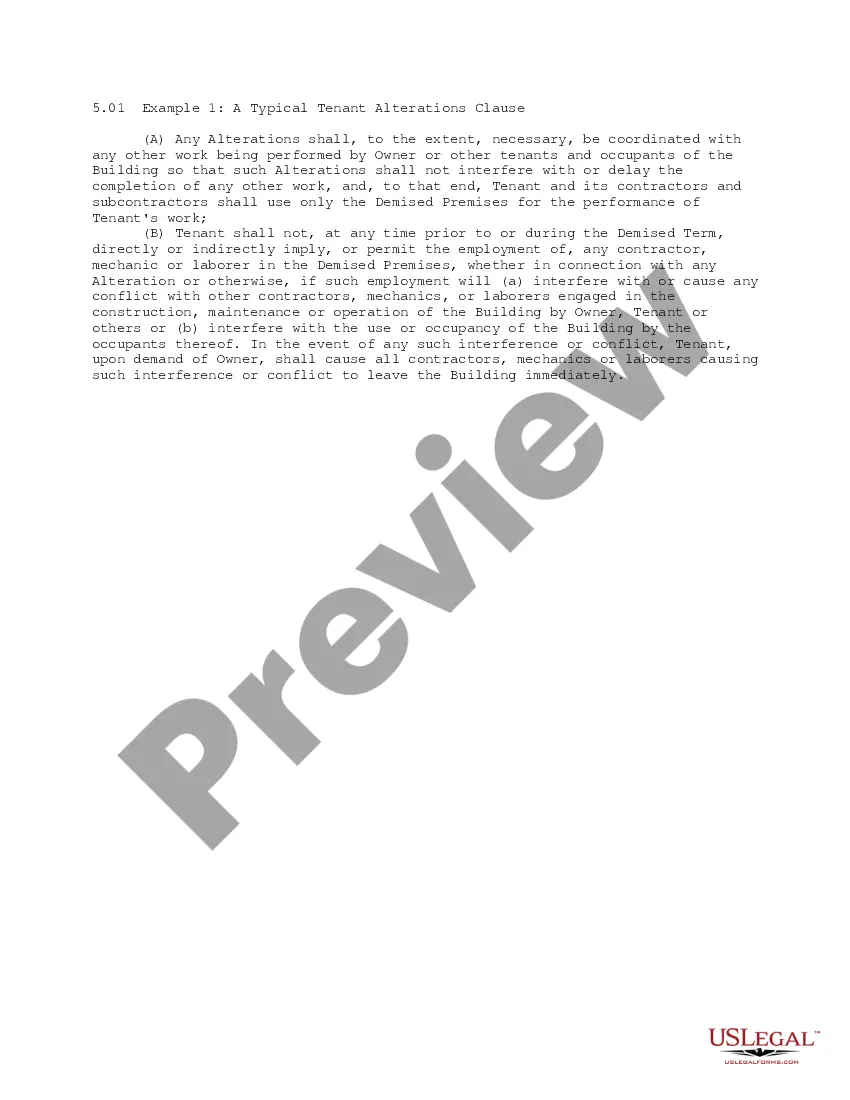
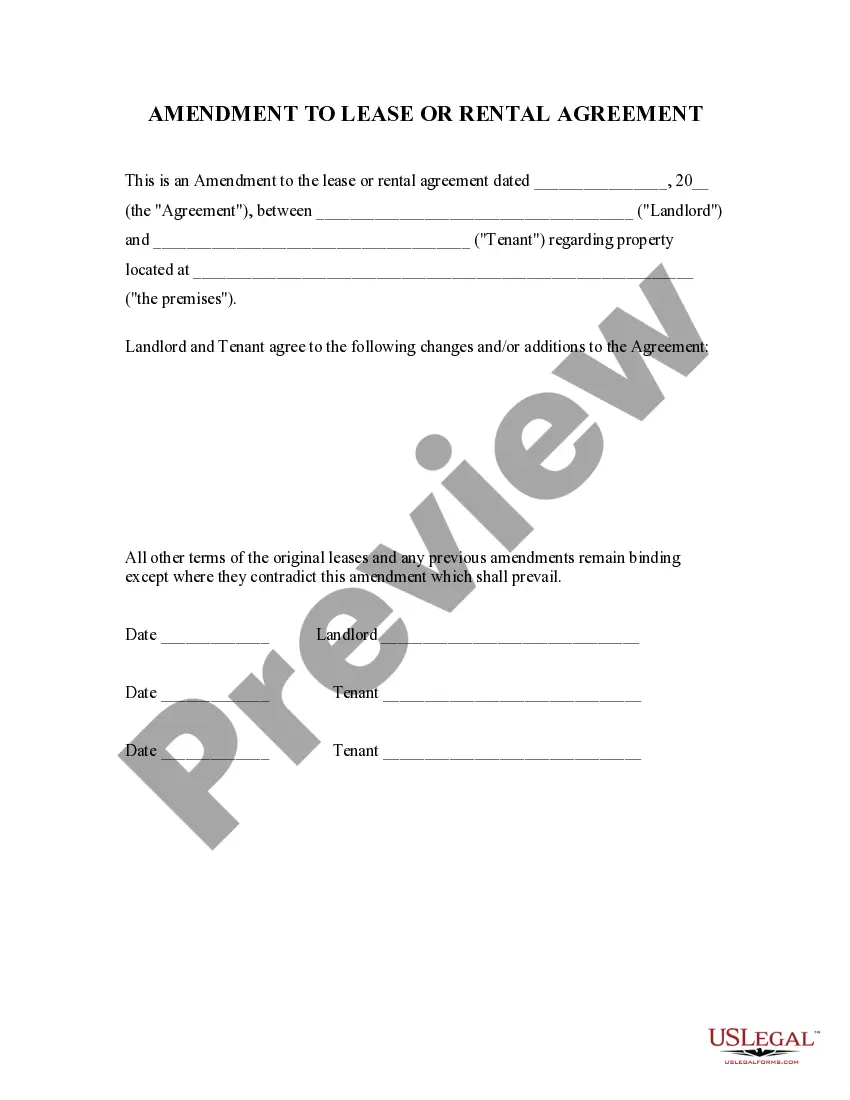
The Landlord Agreement to allow Tenant Alterations to Premises is a legal contract between a landlord and tenant that outlines the terms and conditions for alterations the tenant wishes to make to the rental property. This agreement helps clarify responsibility for costs, ownership of alterations, and the condition of the premises upon lease termination, differentiating it from other rental agreements.
Main sections of this form
- Identification of the landlord and tenant.
- Details of the proposed alterations or improvements.
- Clarification of ownership of alterations: whether they remain with the landlord or belong to the tenant.
- Agreement on reimbursement for costs incurred by the tenant.
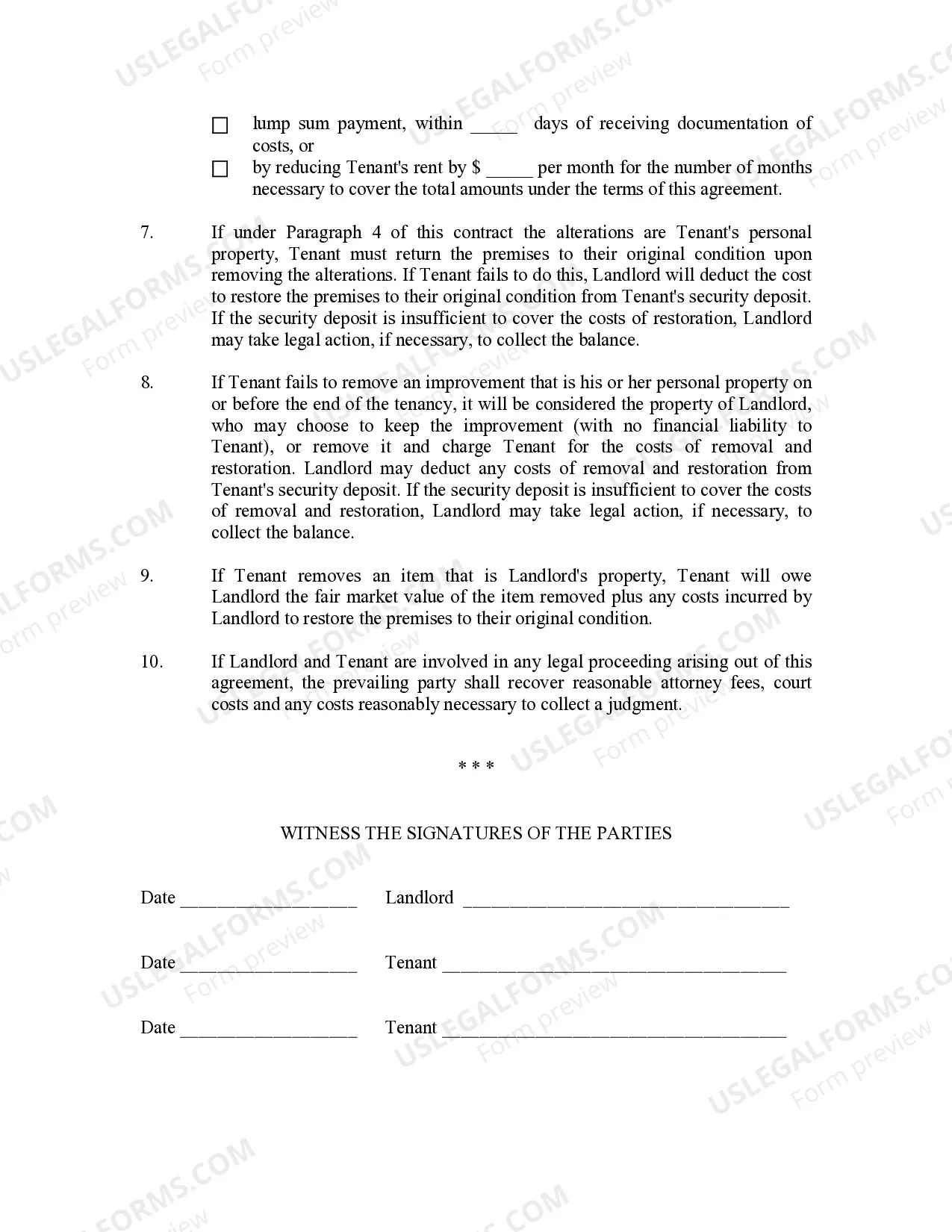
- Provisions for restoration of the premises upon lease termination.
- Consequences of failing to remove personal property or restore the premises.
When this form is needed
This agreement is used when a tenant desires to make alterations to a rental unit, such as renovations or improvements, and needs official permission from the landlord. It's essential in situations where clarity on costs and property rights is needed to prevent future disputes or misunderstandings regarding the alterations made.
Who can use this document
- Landlords who wish to permit alterations that tenants want to make to rental units.
- Tenants who plan to make improvements or modifications to their leased premises.
- Property managers overseeing rental agreements that involve tenant alterations.
Instructions for completing this form
- Identify and enter the names of the landlord and tenant at the beginning of the form.
- Clearly describe the alterations or improvements to be made by the tenant.
- Specify the ownership status of the alterations and any agreements for removal.
- Outline cost reimbursement terms, including maximum labor costs and payment methods.
- Ensure all parties sign and date the agreement to validate it.
Does this form need to be notarized?
Notarization is not commonly needed for this form. However, certain documents or local rules may make it necessary. Our notarization service, powered by Notarize, allows you to finalize it securely online anytime, day or night.
Get your form ready online
Our built-in tools help you complete, sign, share, and store your documents in one place.
Make edits, fill in missing information, and update formatting in US Legal Forms—just like you would in MS Word.
Download a copy, print it, send it by email, or mail it via USPS—whatever works best for your next step.
Sign and collect signatures with our SignNow integration. Send to multiple recipients, set reminders, and more. Go Premium to unlock E-Sign.
If this form requires notarization, complete it online through a secure video call—no need to meet a notary in person or wait for an appointment.
We protect your documents and personal data by following strict security and privacy standards.

Make edits, fill in missing information, and update formatting in US Legal Forms—just like you would in MS Word.

Download a copy, print it, send it by email, or mail it via USPS—whatever works best for your next step.

Sign and collect signatures with our SignNow integration. Send to multiple recipients, set reminders, and more. Go Premium to unlock E-Sign.

If this form requires notarization, complete it online through a secure video call—no need to meet a notary in person or wait for an appointment.

We protect your documents and personal data by following strict security and privacy standards.
Mistakes to watch out for
- Failing to clearly outline the specifics of the alterations.
- Ineffective communication about who is responsible for the costs.
- Not including a clause about restoration of the premises.
- Neglecting to have all parties sign the agreement.
Why use this form online
- Convenient access and immediate download.
- Editable format allows for customization to fit specific situations.
- Drafted by licensed attorneys, ensuring legal reliability.
- Access to integrated online tools and resources for further assistance.
Looking for another form?
Form popularity
FAQ
TENANTS CAN BE EVICTED THROUGH A LEGAL COURT PROCCESS AT ANY TIME OF THE YEAR. THERE IS NO PROHIBITION ON WINTER EVICTIONS. BASIC RESPONSIBILITIES OF TENANTS UNDER VERMONT LAW 2022 Pay rent on time.
Notice to Tenants. Before an unlawful detainer lawsuit begins, the landlord must give the tenants a written notice. Tenants Don't Move. Tenant Response to the Lawsuit. Follow the Law.
Under Vermont state law if a landlord is terminating a tenancy for none of the reasons explained above or for no given reason (called a termination for no cause in legal language), and the tenant is renting by the month, the tenant is entitled to at least 60 days written notice, or 21 days written notice if renting
In an eviction process for nonpayment of rent the landlord must begin by providing the tenant with a written termination notice giving the tenant at least 14 days to pay in full or to leave. The notice must specifically state how much rent is due.
Fundamental responsibilities of landlords include: providing and maintaining the property in a clean and reasonable standard; giving proper receipts and maintaining records of all transactions pertaining to the tenancy; paying council rates and taxes; maintaining locks to ensure the property's security; and lodging the
The process eviction literally can take anywhere between 14 days to 6-8 months, typically. I know, not the most useful answer! But the reality of how long an eviction will take is dependent on the circumstances; mostly what it boils down to is how wilful your tenant is.
To start a case, you must file a complaint with the court. In that complaint, you can ask for an eviction order. You must file your complaint no more than 60 days after the end date listed in your notice to the tenant. You will be the plaintiff and the tenant will be the defendant.