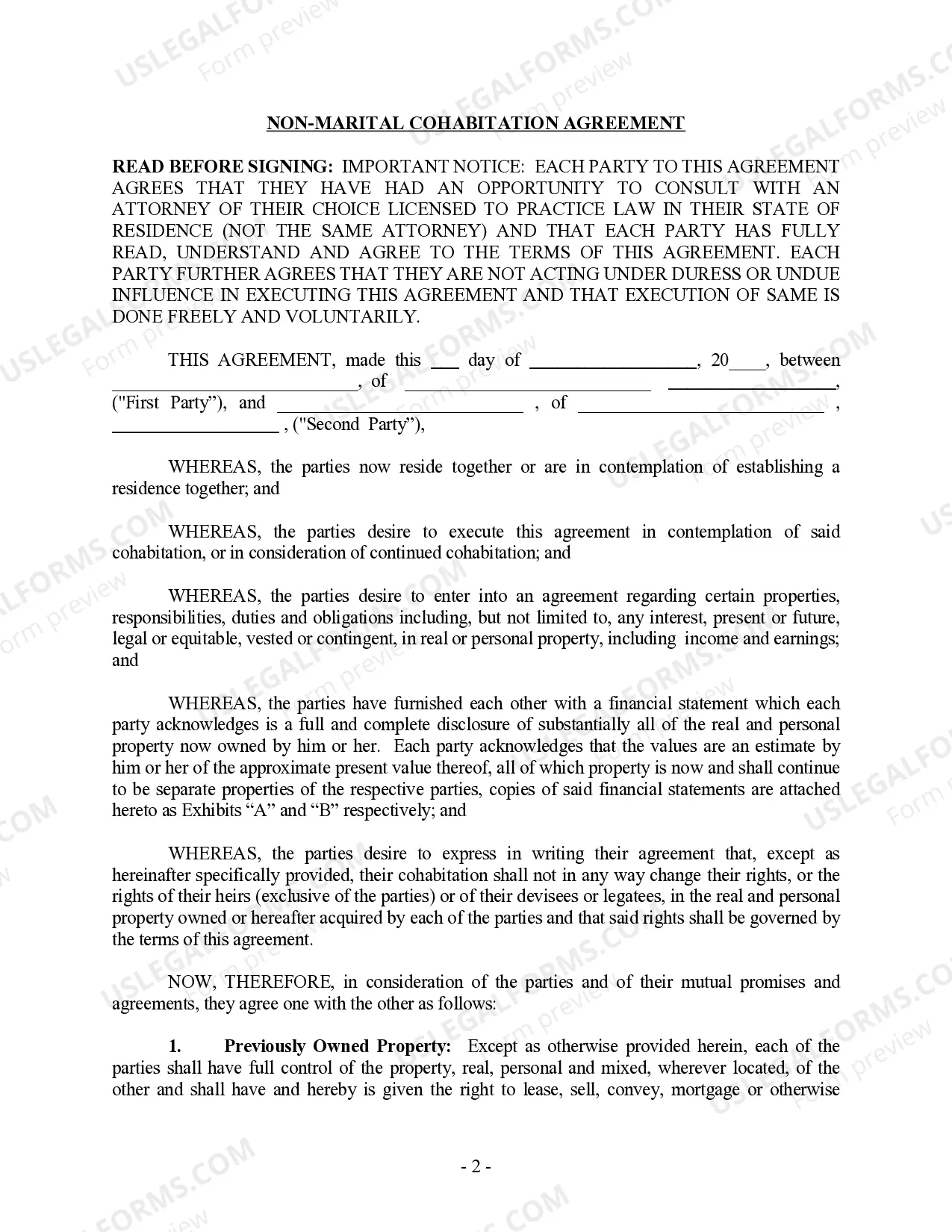
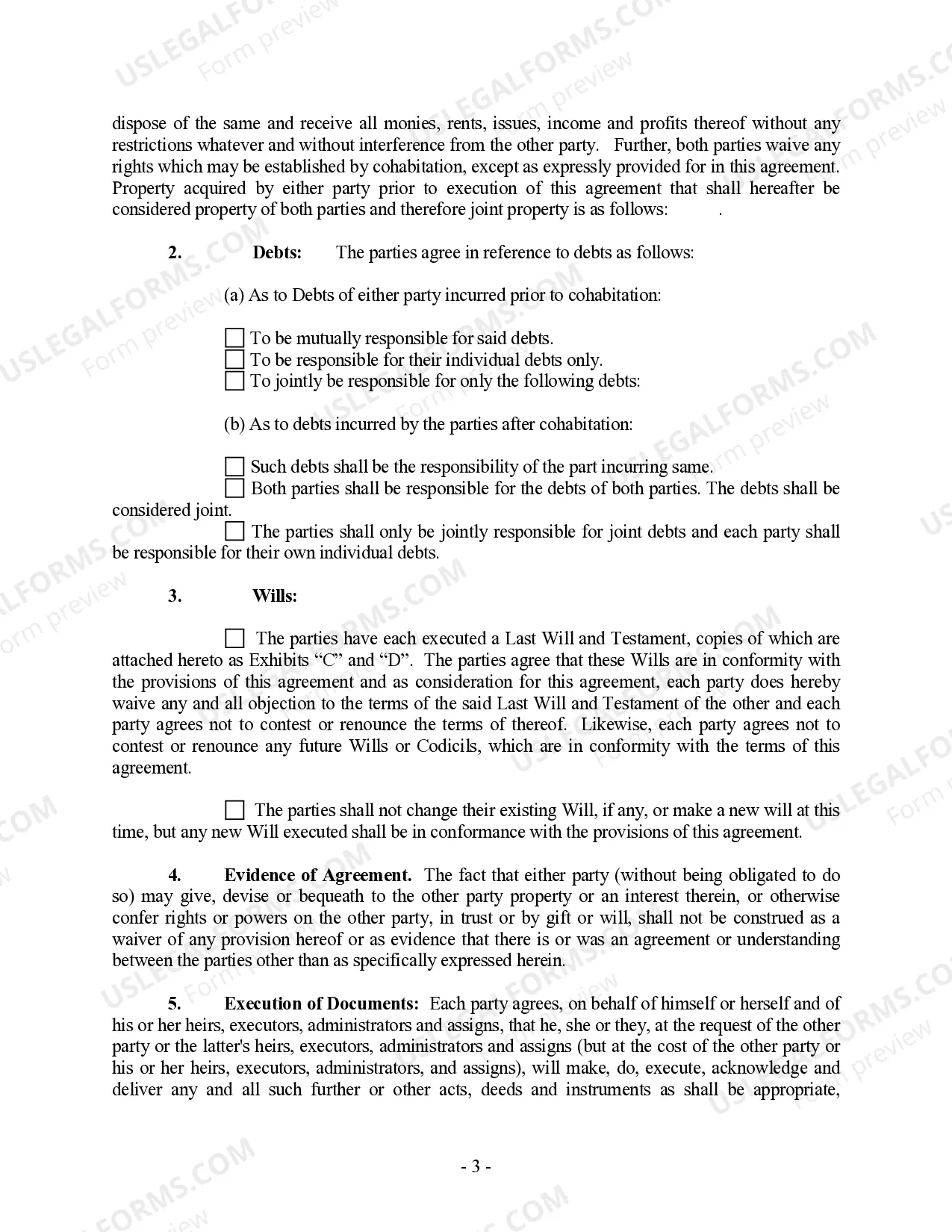
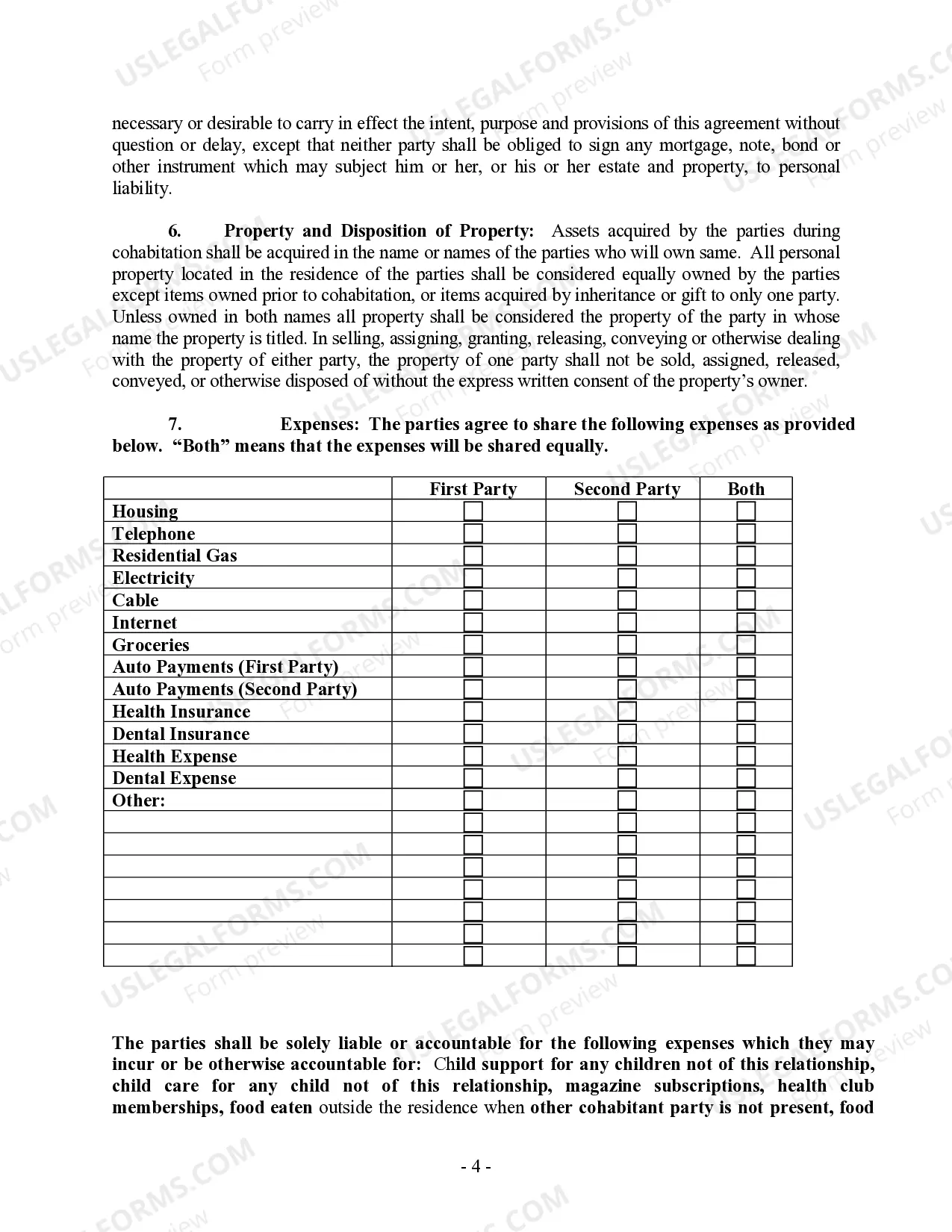
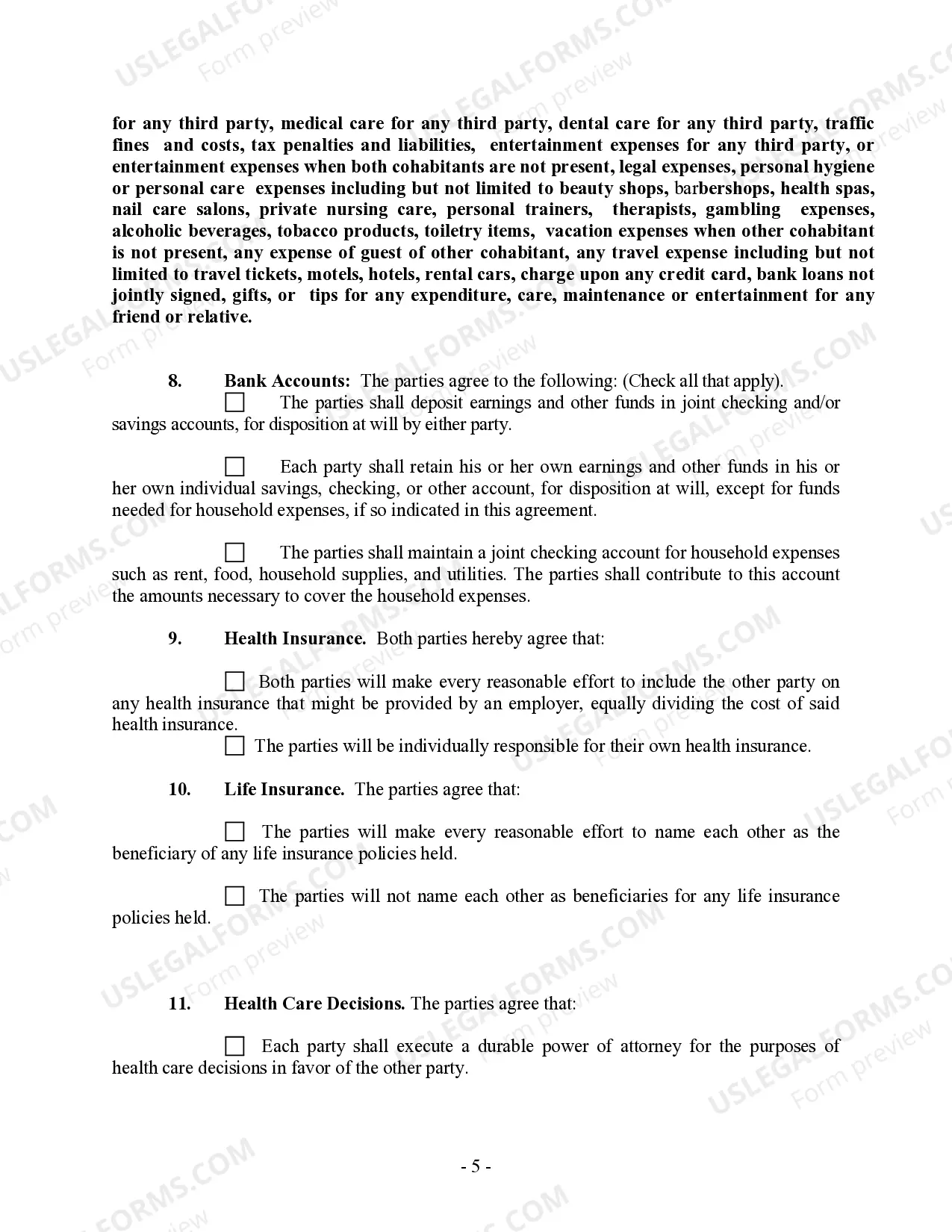
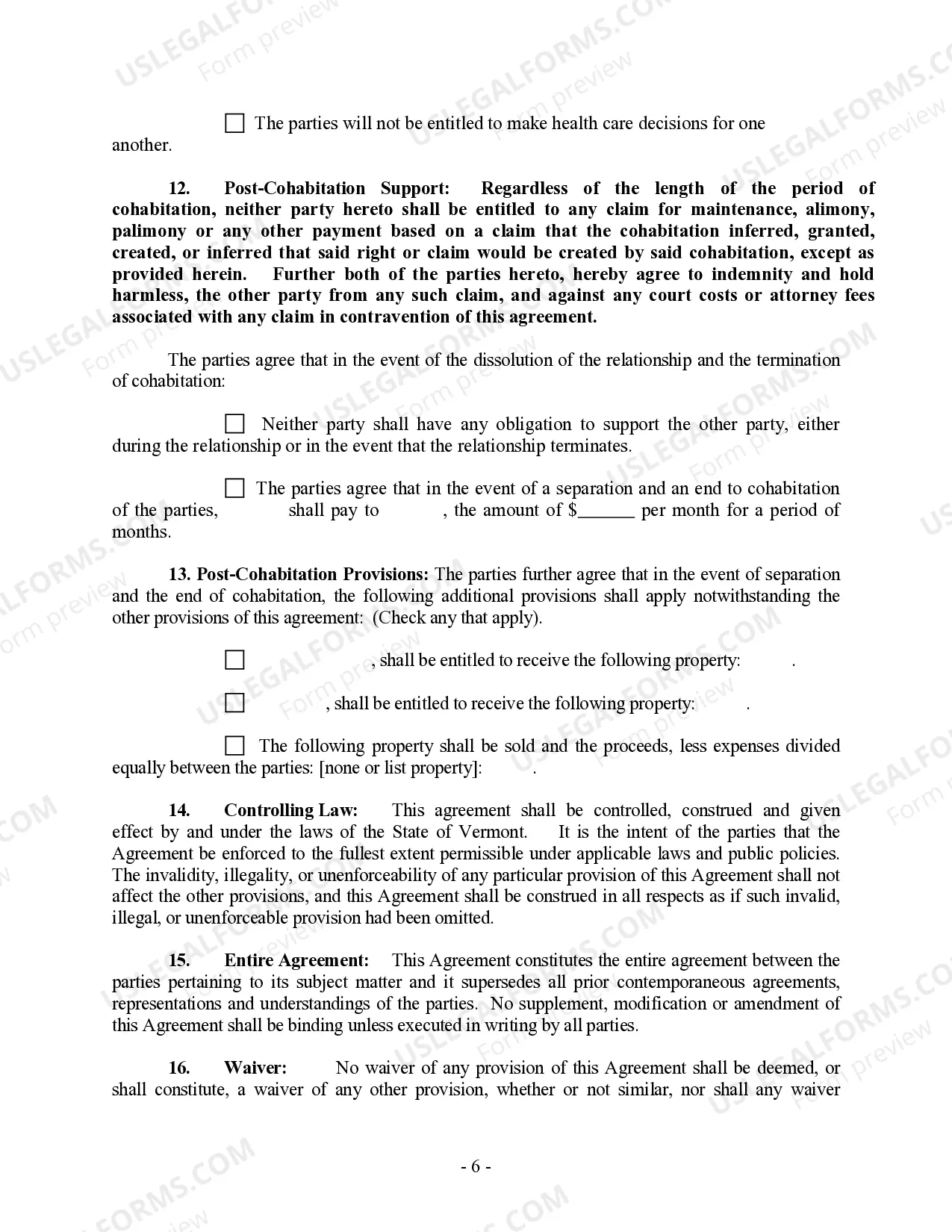
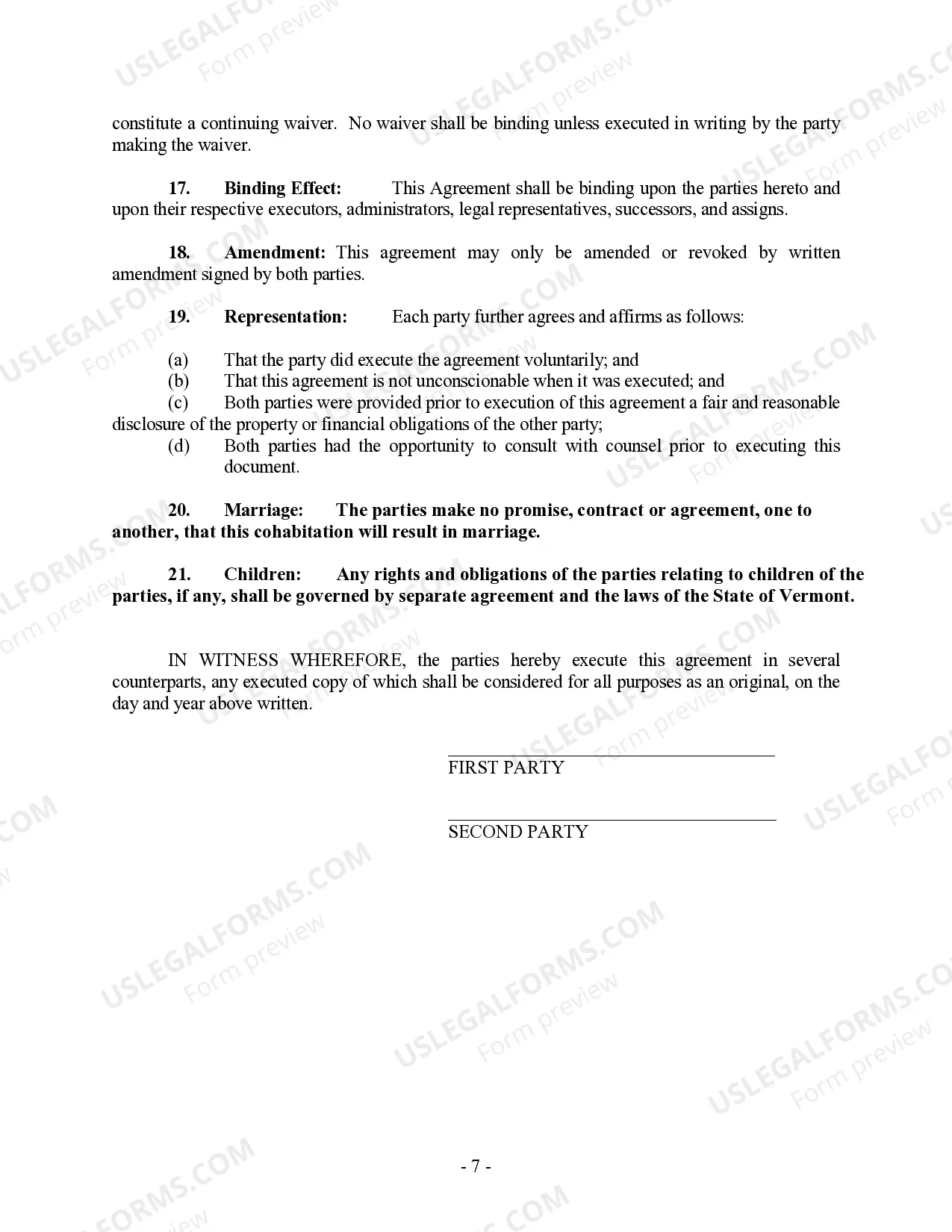
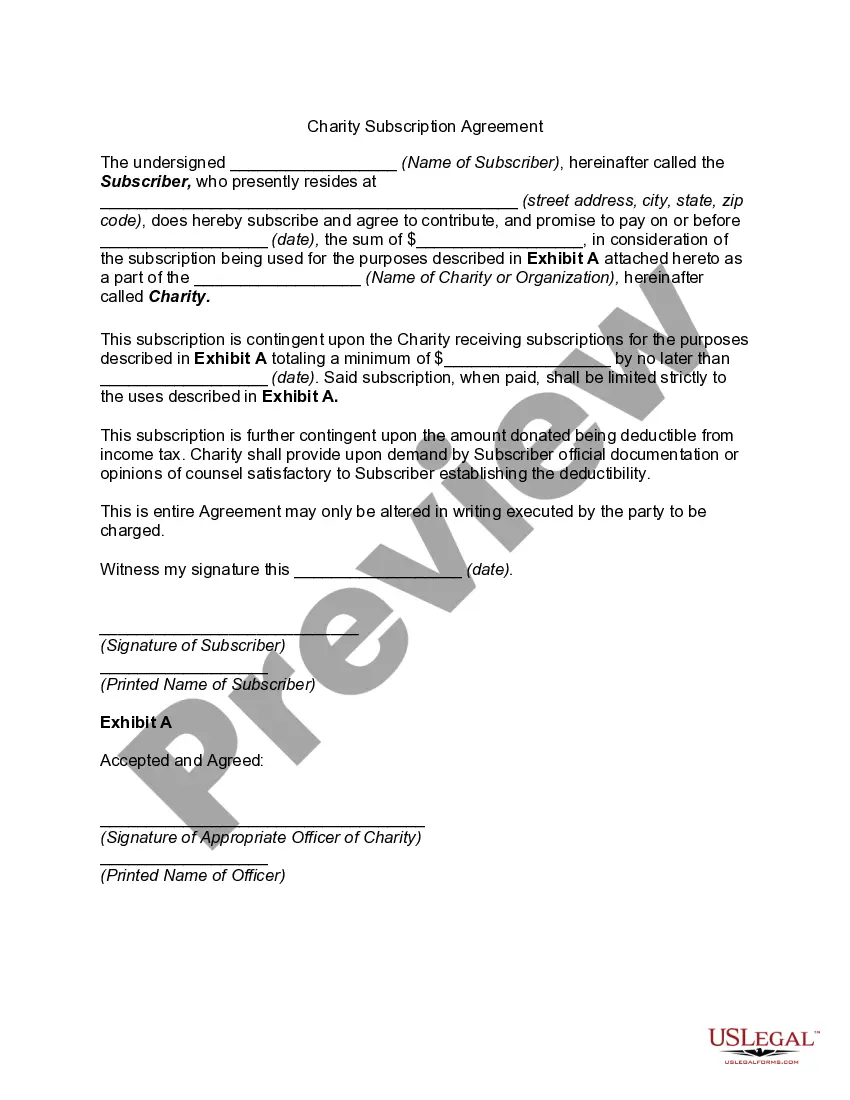
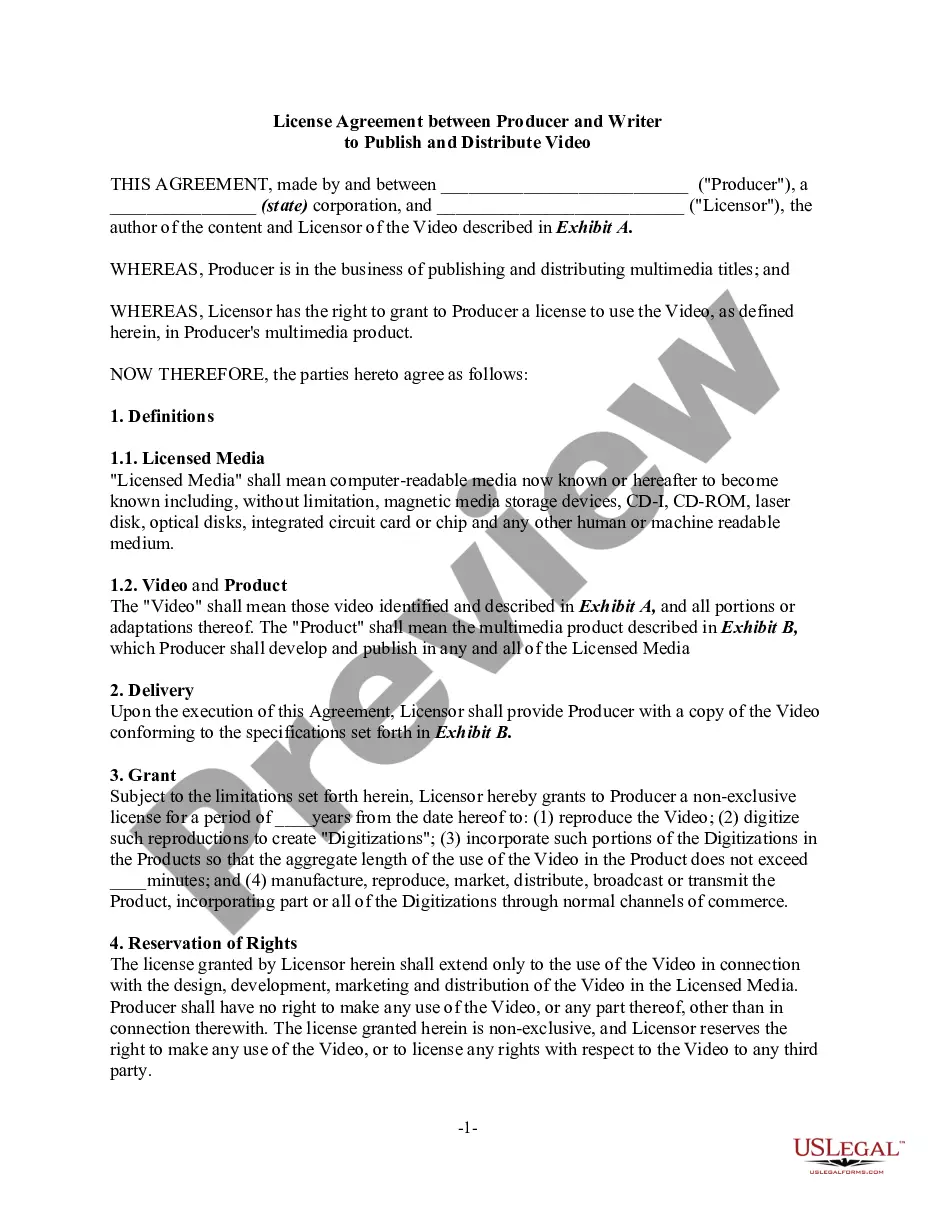
The Non-Marital Cohabitation Living Together Agreement is a legal document designed for couples who choose to live together without being married. This agreement clarifies the expectations of each party regarding financial responsibilities, property ownership, and what happens if the relationship ends. Unlike marriage contracts, this agreement specifically caters to those in a cohabitation arrangement, helping to prevent disputes by clearly outlining each partnerâs rights and responsibilities.
This form is essential when two individuals decide to live together in a non-marital relationship, especially when assets or debts are involved. It is particularly useful in scenarios where the parties want to ensure their rights regarding property and financial responsibilities are clearly defined to prevent misunderstandings or legal disputes in the future.
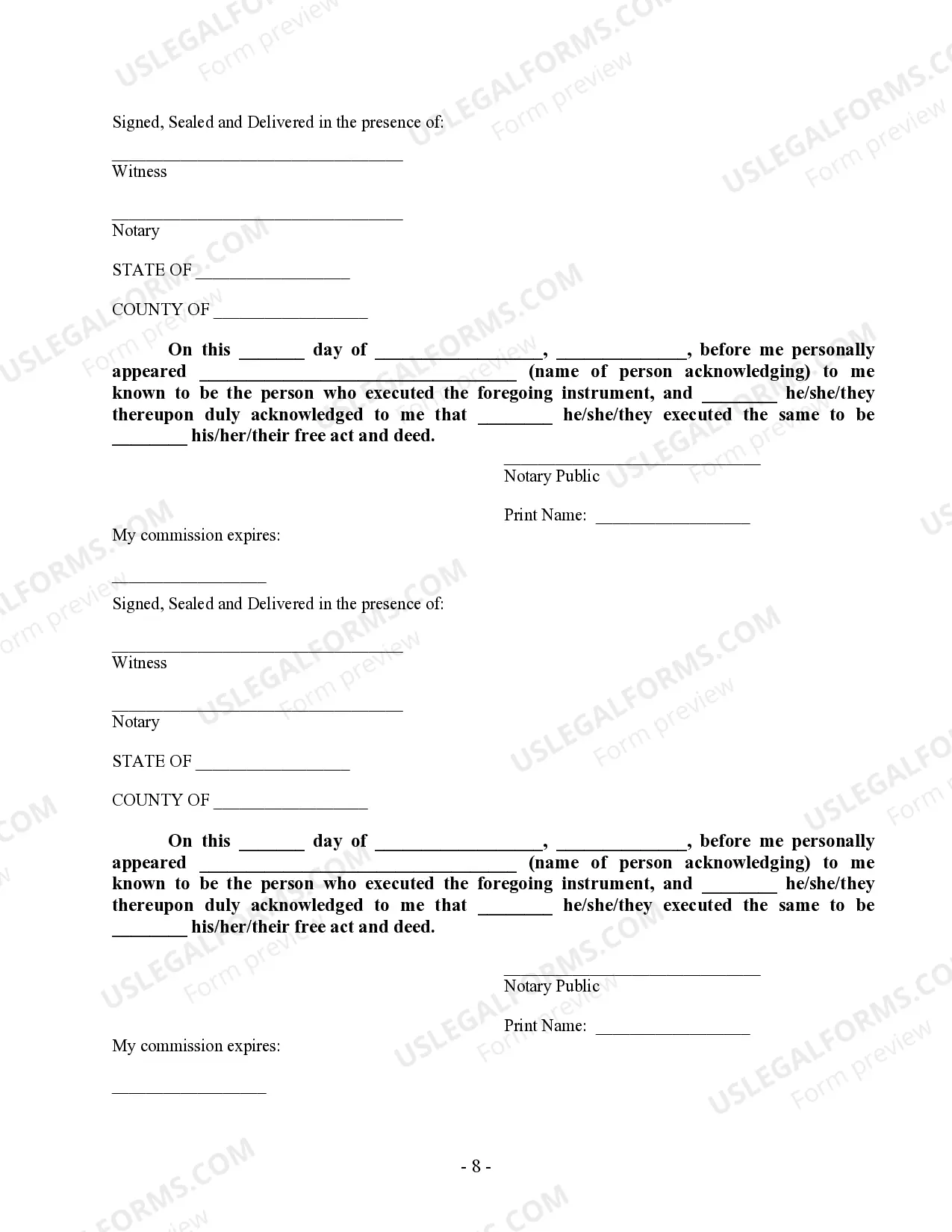
Yes, this form must be notarized to be legally valid. Having a notary public witness the signing adds an extra layer of authenticity and can help in the enforcement of the agreement if disputes arise.
Our built-in tools help you complete, sign, share, and store your documents in one place.
Make edits, fill in missing information, and update formatting in US Legal Forms—just like you would in MS Word.
Download a copy, print it, send it by email, or mail it via USPS—whatever works best for your next step.
Sign and collect signatures with our SignNow integration. Send to multiple recipients, set reminders, and more. Go Premium to unlock E-Sign.
If this form requires notarization, complete it online through a secure video call—no need to meet a notary in person or wait for an appointment.
We protect your documents and personal data by following strict security and privacy standards.

Make edits, fill in missing information, and update formatting in US Legal Forms—just like you would in MS Word.

Download a copy, print it, send it by email, or mail it via USPS—whatever works best for your next step.

Sign and collect signatures with our SignNow integration. Send to multiple recipients, set reminders, and more. Go Premium to unlock E-Sign.

If this form requires notarization, complete it online through a secure video call—no need to meet a notary in person or wait for an appointment.

We protect your documents and personal data by following strict security and privacy standards.
In general, unmarried couples can't claim ownership of each other's property in the event of a breakup. This applies to big investments (such as a house) and smaller items (such as furniture). Gifts made during the relationship remain the property of the recipient.
If you rent your home, you may not have an automatic right to stay if you separate from your partner.If the tenancy is in your sole name, or jointly with your partner, you are entitled to stay.
Cohabitation is an arrangement where two people are not married but live together.
Cohabitation and Marriage Agreements can be reviewed and overturned by the court in certain circumstances, such as where the agreement is objectively unreasonable, or if the agreement was entered into through undue influence, duress or coercion.
Legal Rules that Govern Property Rights of Unmarried Couples Each unmarried partner is presumed to own his or her own property and debts unless you've deliberately combined your assets--for example, by opening a joint account or putting both names on a deed to your home.
Whether you've been living together for 1 year, 10 years or even 50 years, if you're not married, you have no automatic legal right over your partner's assets.Often someone will move into a property that their partner already owns, or it may be that one person can't afford to contribute to the purchase of a new house.
Cohabitation Agreement Requirements The majority of states now recognizes these cohabitation agreements, though many require that the agreement be in writing and signed by the parties.Only a small number of recent cases have held that contracts between unmarried cohabitants are unenforceable.
Some couples choose not to enter into a marriage or legally recognized domestic partnership but choose to enter into a cohabitation agreement instead. Oftentimes, these agreements are made orally and difficult to enforce after the relationship has ended.