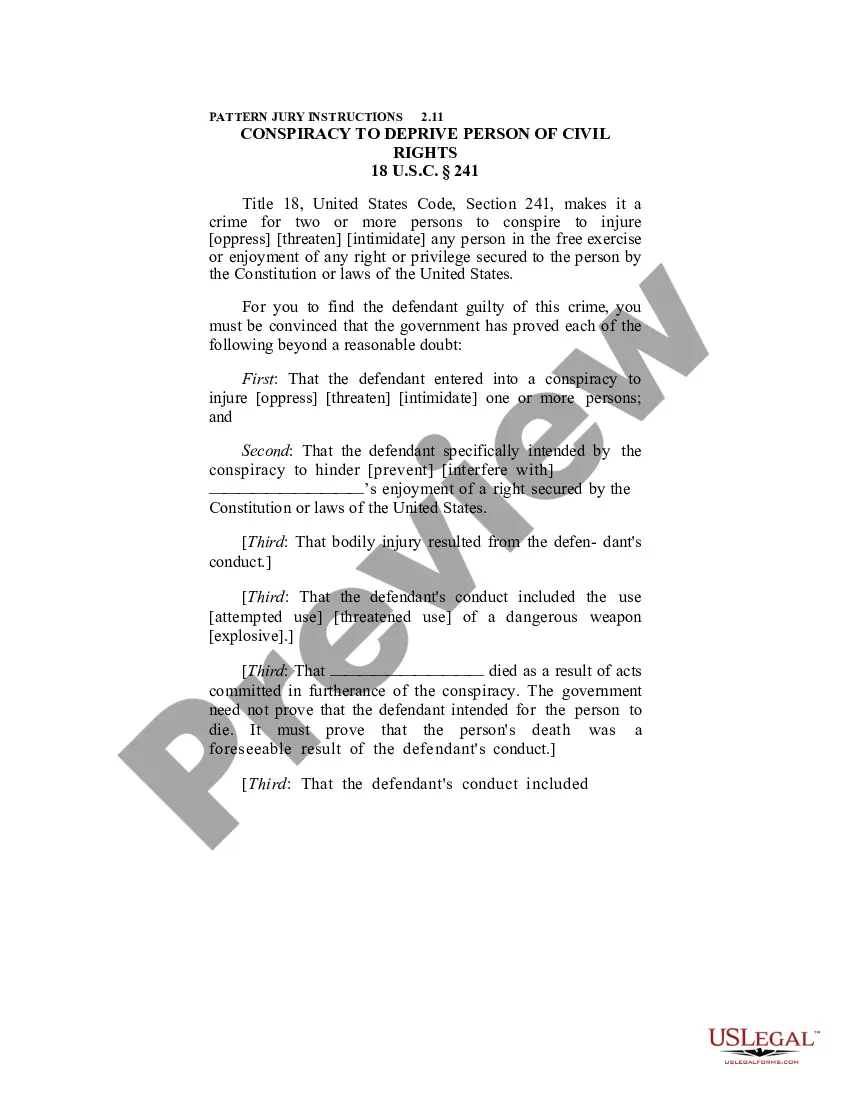
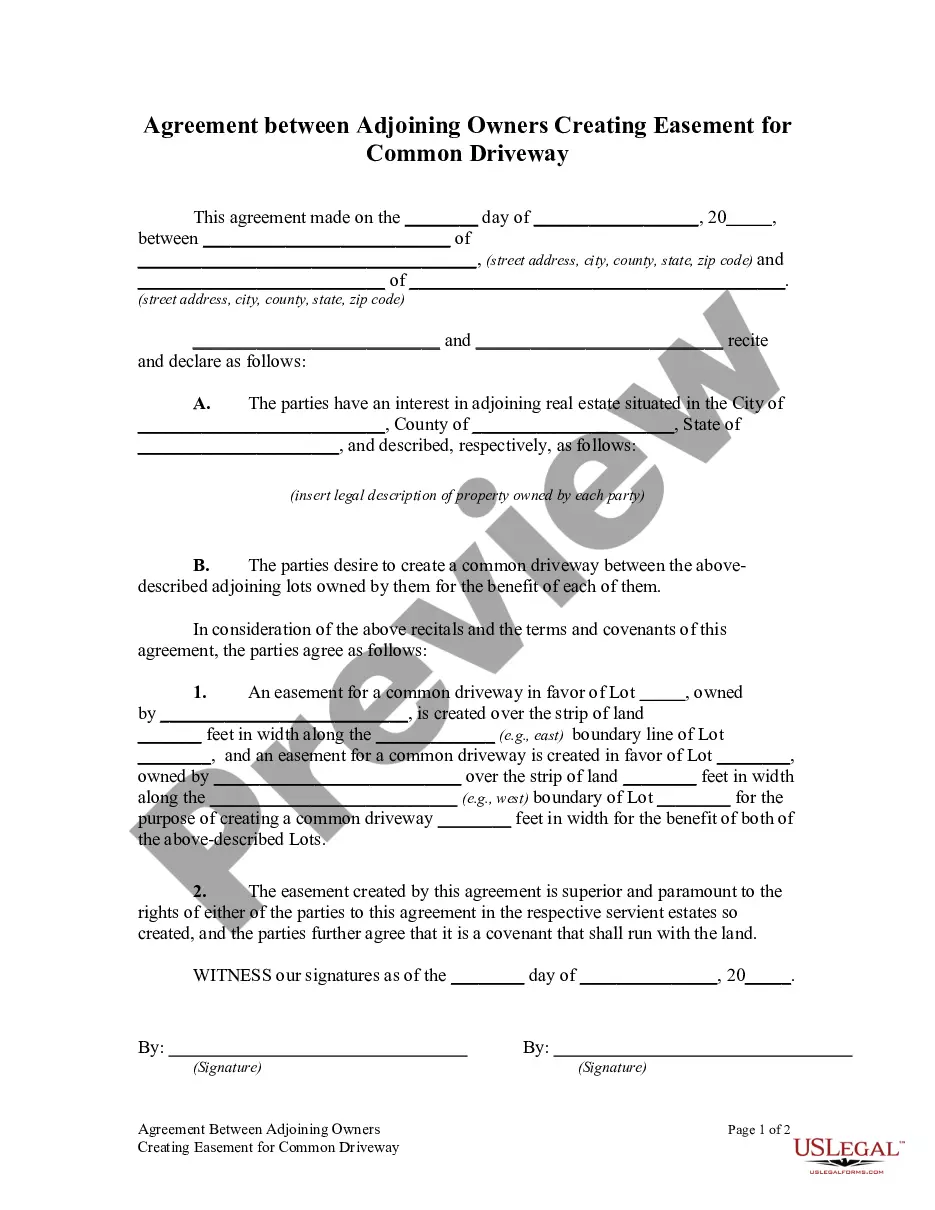
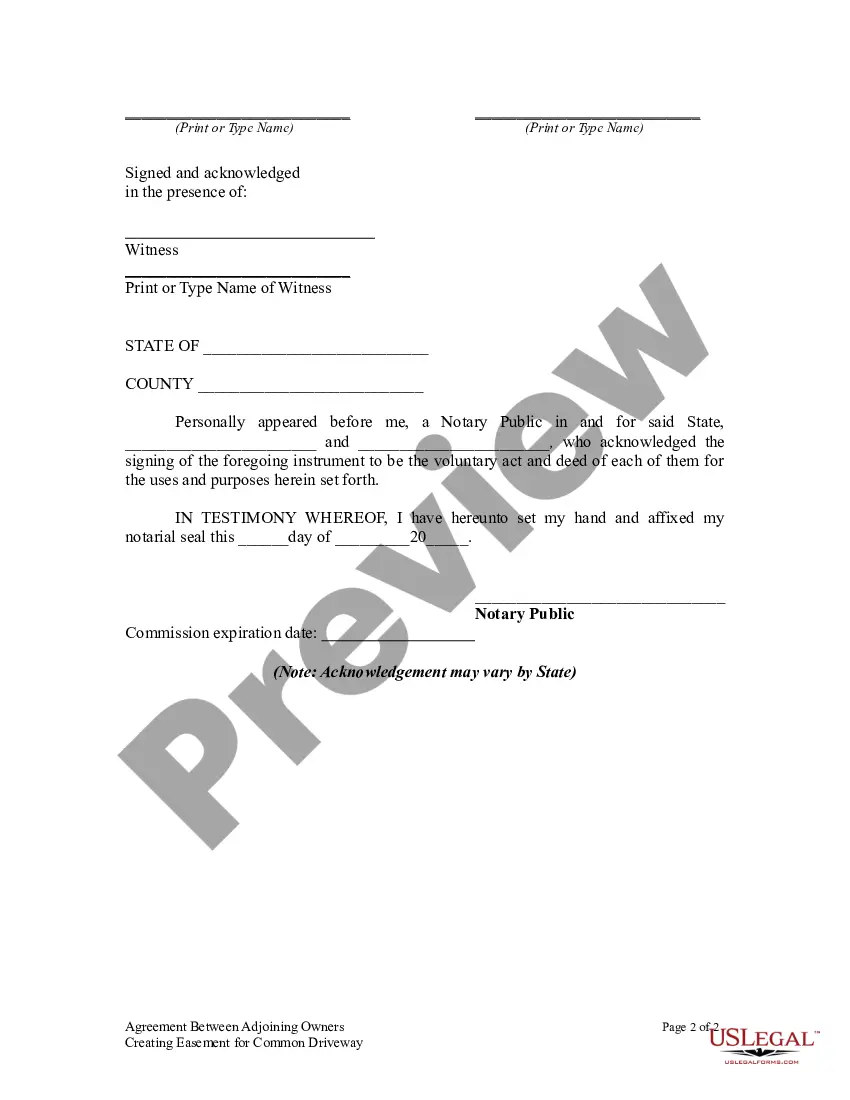
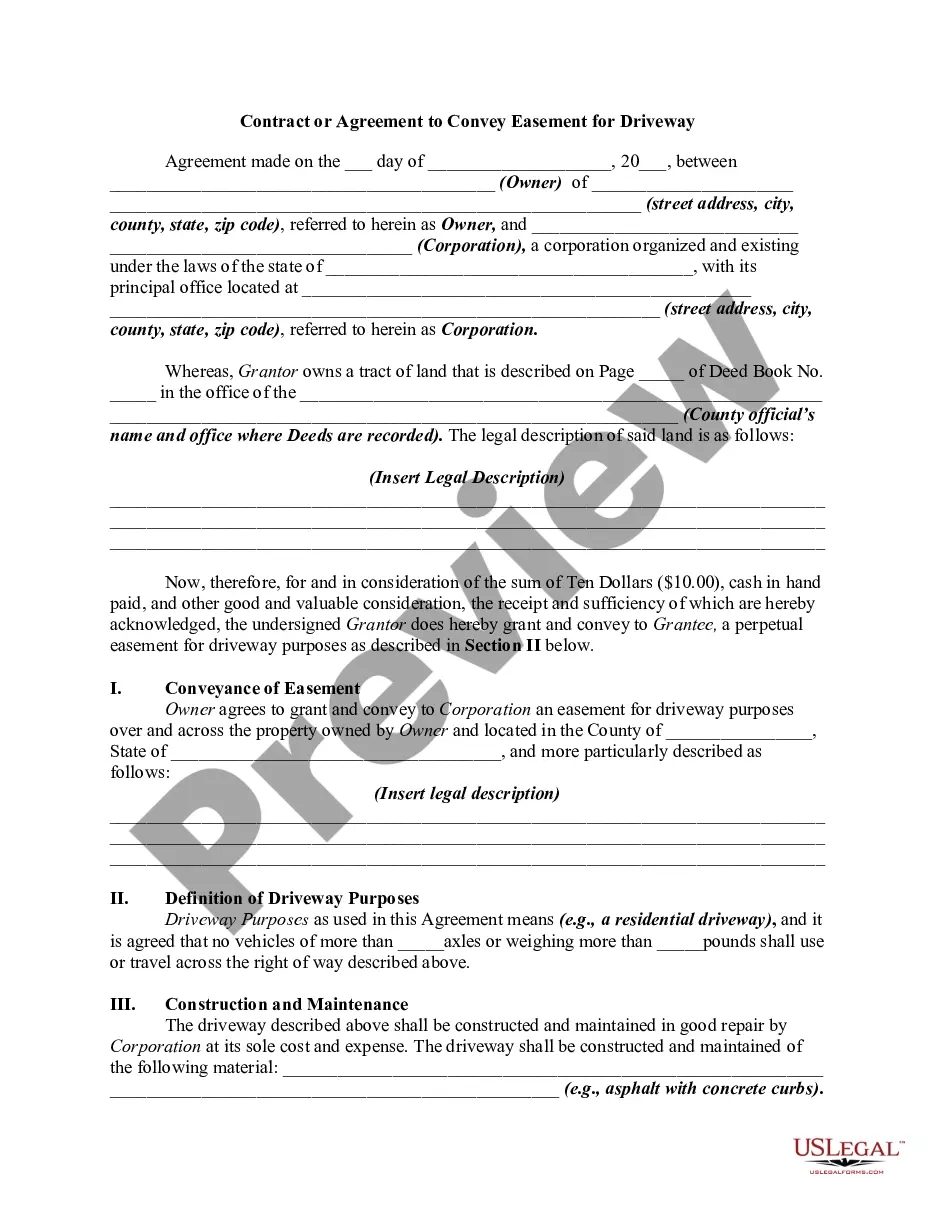
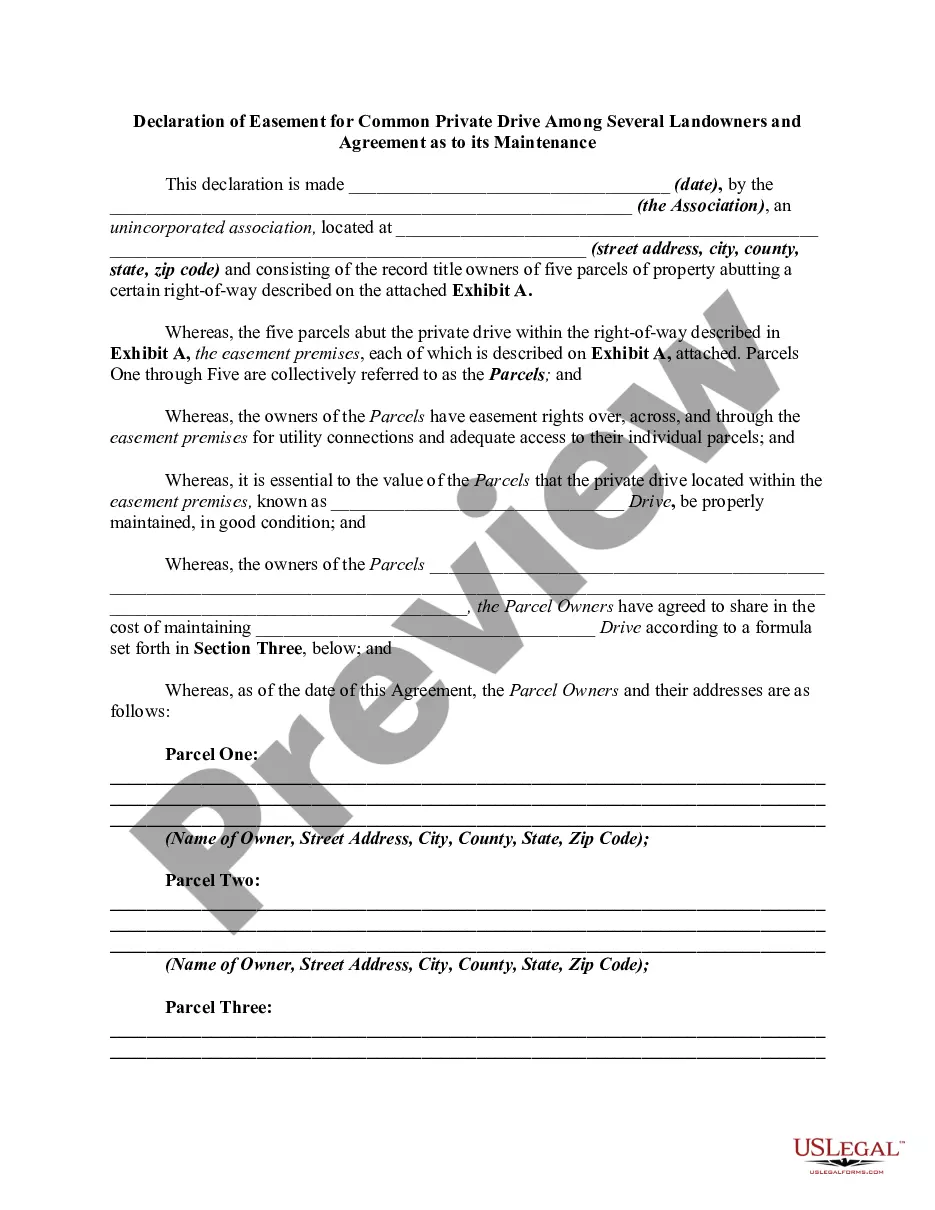
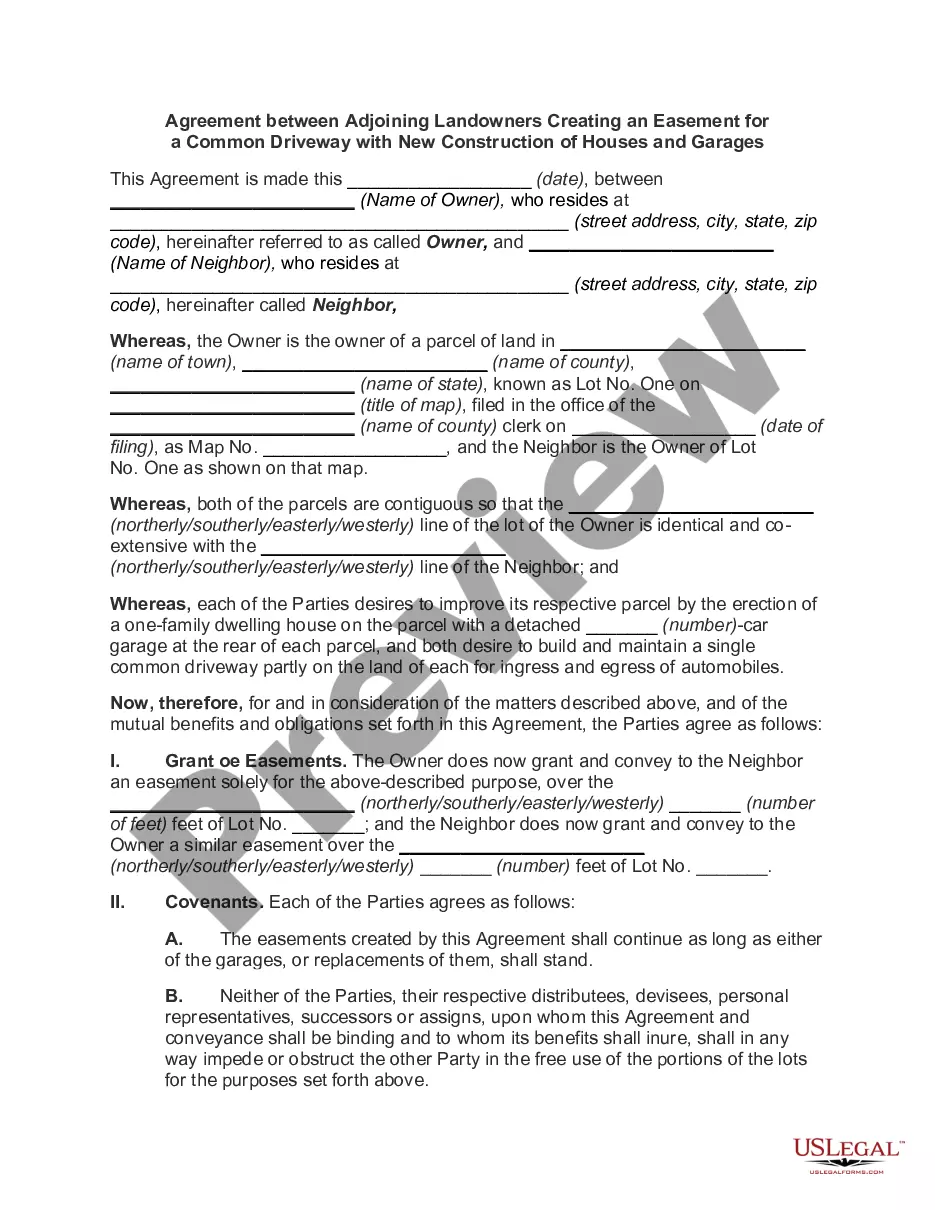
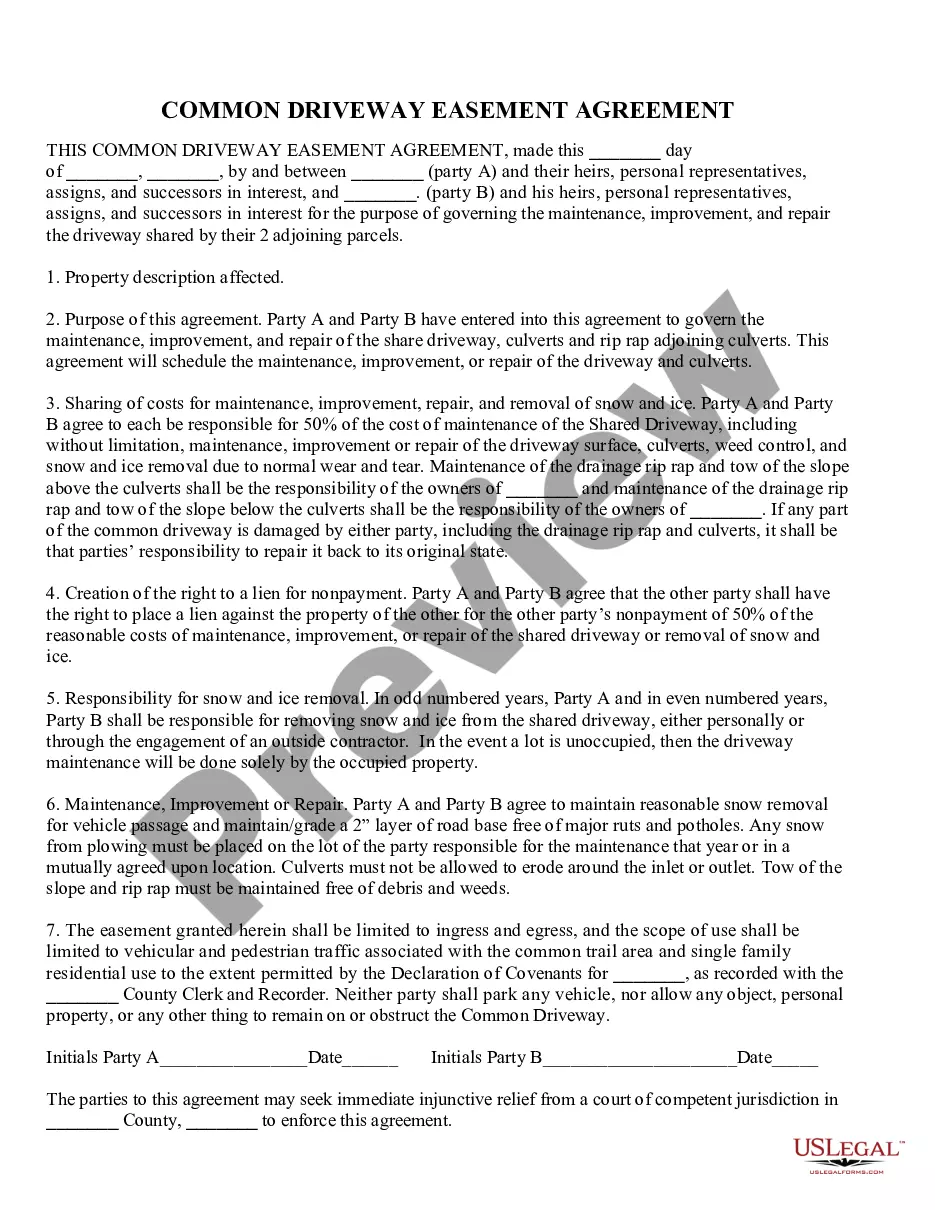
Virgin Islands Agreement between Adjoining Owners Creating Easement for Common Driveway
Description
Get your form ready online
Our built-in tools help you complete, sign, share, and store your documents in one place.
Make edits, fill in missing information, and update formatting in US Legal Forms—just like you would in MS Word.
Download a copy, print it, send it by email, or mail it via USPS—whatever works best for your next step.
Sign and collect signatures with our SignNow integration. Send to multiple recipients, set reminders, and more. Go Premium to unlock E-Sign.
If this form requires notarization, complete it online through a secure video call—no need to meet a notary in person or wait for an appointment.
We protect your documents and personal data by following strict security and privacy standards.

Make edits, fill in missing information, and update formatting in US Legal Forms—just like you would in MS Word.

Download a copy, print it, send it by email, or mail it via USPS—whatever works best for your next step.

Sign and collect signatures with our SignNow integration. Send to multiple recipients, set reminders, and more. Go Premium to unlock E-Sign.

If this form requires notarization, complete it online through a secure video call—no need to meet a notary in person or wait for an appointment.

We protect your documents and personal data by following strict security and privacy standards.
Looking for another form?



How to fill out Agreement Between Adjoining Owners Creating Easement For Common Driveway?
If you desire to finalize, obtain, or print authentic document templates, utilize US Legal Forms, the largest assortment of authentic forms, which can be accessed online.
Employ the site's simple and convenient search to locate the documents you require.
An array of templates for business and personal applications are categorized by types and states, or keywords. Use US Legal Forms to find the Virgin Islands Agreement between Adjoining Owners Creating Easement for Common Driveway with just a few clicks.
Every legal document template you acquire is yours permanently. You have access to each type you downloaded within your account. Visit the My documents section and select a form to print or download again.
Compete and obtain, and print the Virgin Islands Agreement between Adjoining Owners Creating Easement for Common Driveway with US Legal Forms. There are numerous professional and state-specific forms you can utilize for your business or personal needs.
- When you are already a US Legal Forms user, Log In to your account and click on the Acquire button to obtain the Virgin Islands Agreement between Adjoining Owners Creating Easement for Common Driveway.
- You can also access forms you previously downloaded within the My documents tab of your account.
- If you are using US Legal Forms for the first time, follow the instructions below.
- Step 1. Ensure you have selected the form for the correct city/state.
- Step 2. Use the Review option to browse the form's content. Don't forget to check the details.
- Step 3. If you are not satisfied with the type, use the Lookup field at the top of the screen to discover other versions of your legal form template.
- Step 4. After locating the form you need, click the Get now button. Choose the pricing plan you prefer and enter your details to register for an account.
- Step 5. Process the payment. You can use your credit card or PayPal account to complete the transaction.
- Step 6. Select the format of your legal form and download it to your device.
- Step 7. Complete, modify, and print or sign the Virgin Islands Agreement between Adjoining Owners Creating Easement for Common Driveway.
Form popularity
FAQ
Shared driveways in New York are governed by statutory law, case/decisional law and local municipal zoning requirements. Section 335-a of the New York Real Property Law provides an easement of necessity for landlocked parcels without public access.
Driveways in excess of 500 feet (152 400 mm) in length and less than 20 feet (6096 mm) in width shall be provided with turnouts along the driveway that are a minimum 20 feet in width for a length of 50 feet (15 240 mm) in length.
Homeowners can build a small wall or fence down the driveway to separate it if ownership is shared equally and the boundary line is in the middle. They just need to make sure the other home can still use it properly.
Never block or allow your visitors to block the shared driveway, and make it impossible for your neighbour to use it. If you wish to a gate, wall or fence anywhere along the perimeter or at either end of the shared driveway, you should gain permission from your neighbour.
?An easement is an interest in land created by grant or agreement, express or implied, which confers a right upon the owner thereof to some profit, benefit or dominion, or lawful use out of or over the estate of another.? Huyck v. Andrews, 113 N.Y.