Virginia Letter Informing Debt Collector of False or Misleading Misrepresentations in Collection Activities - Using False Representation or Deceptive Means to Collect a Debt - Asserting that the Debt Collector Cannot Accept Partial Payments When They Can

State:
Multi-State
Control #:
US-DCPA-19.20BG
Format:
Word; 
Rich Text
Instant download

Description

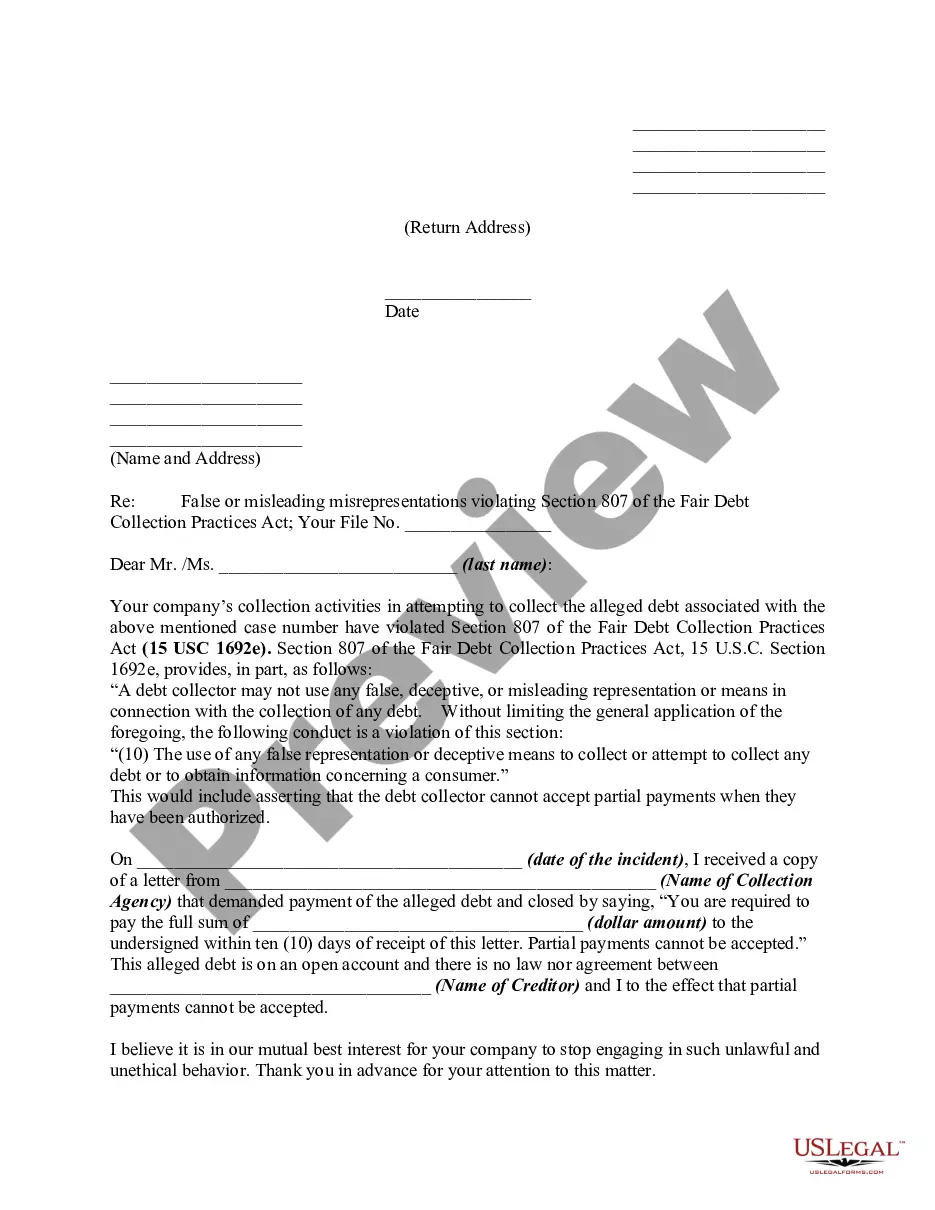
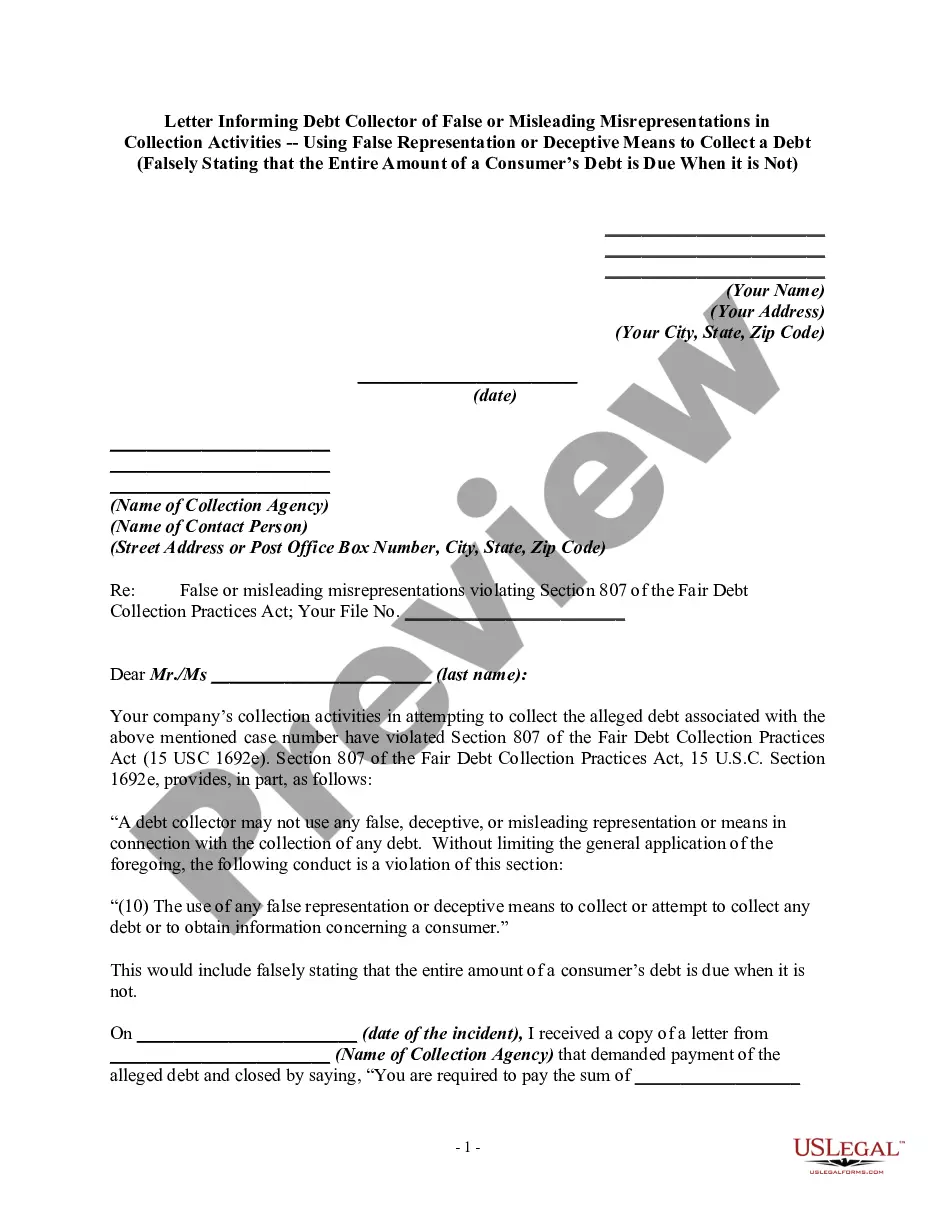
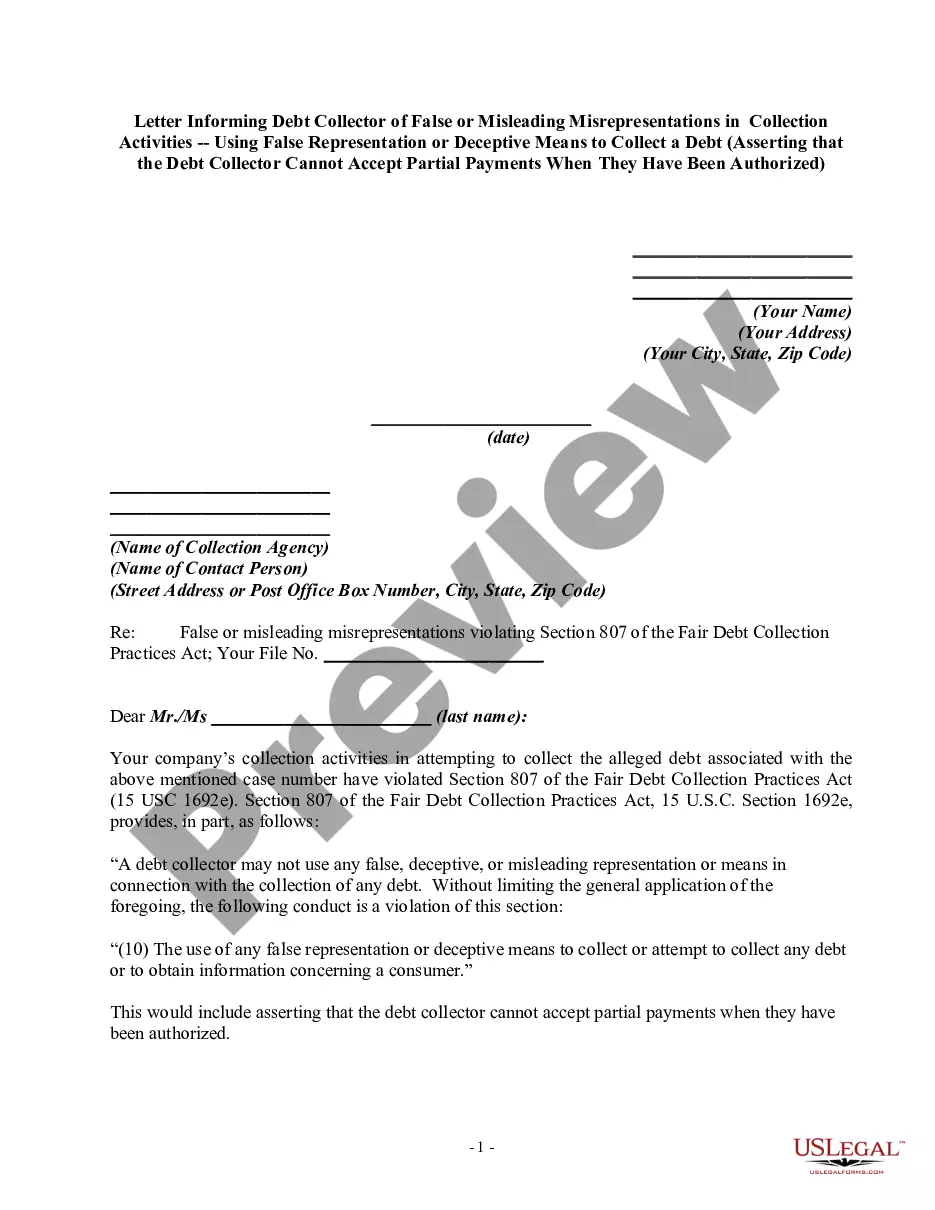
Section 807 of the Fair Debt Collection Practices Act, 15 U.S.C. Section 1692e, provides, in part, as follows: "A debt collector may not use any false, deceptive, or misleading representation or means in connection with the collection of any debt. Without limiting the general application of the foregoing, the following conduct is a violation of this section:


"(10) The use of any false representation or deceptive means to collect or attempt to collect any debt or to obtain information concerning a consumer."


This would include asserting that the debt collector cannot accept partial payments when they have been authorized.
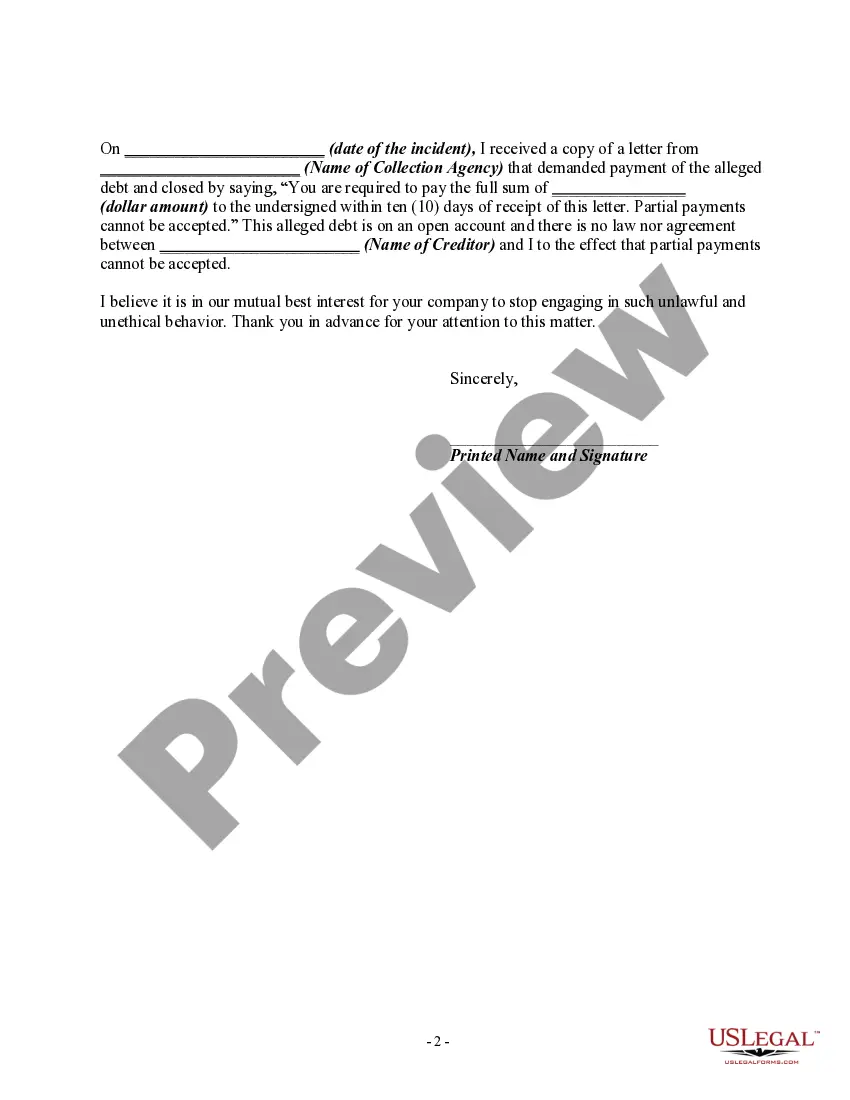
Free preview
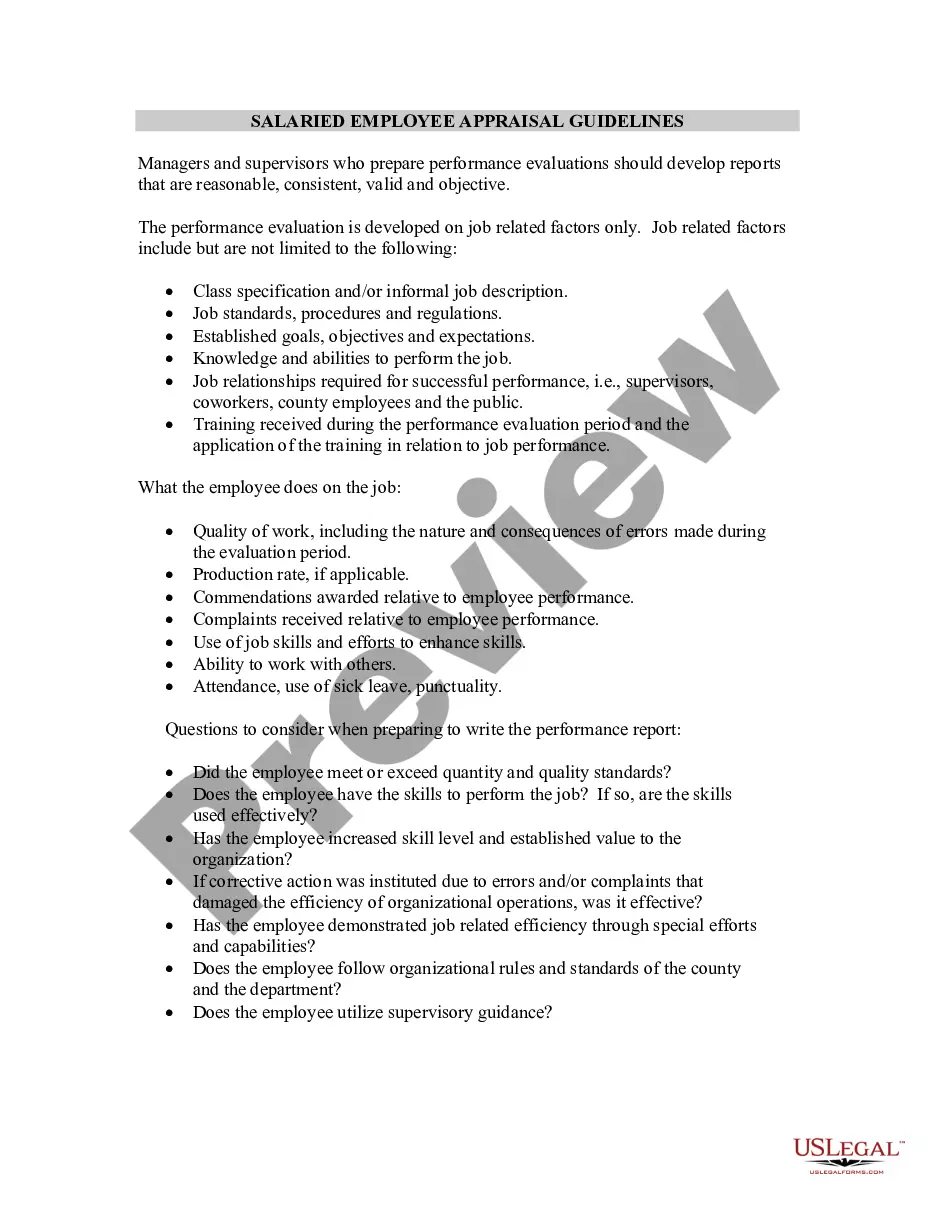
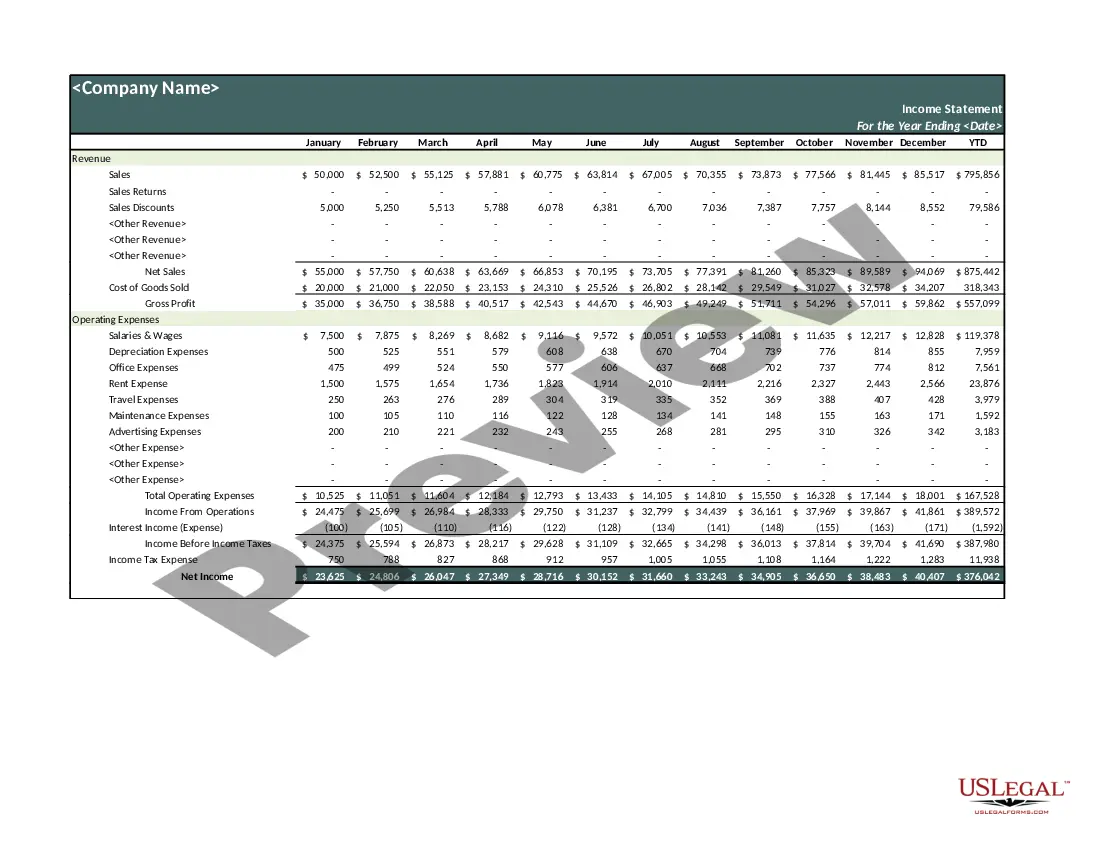
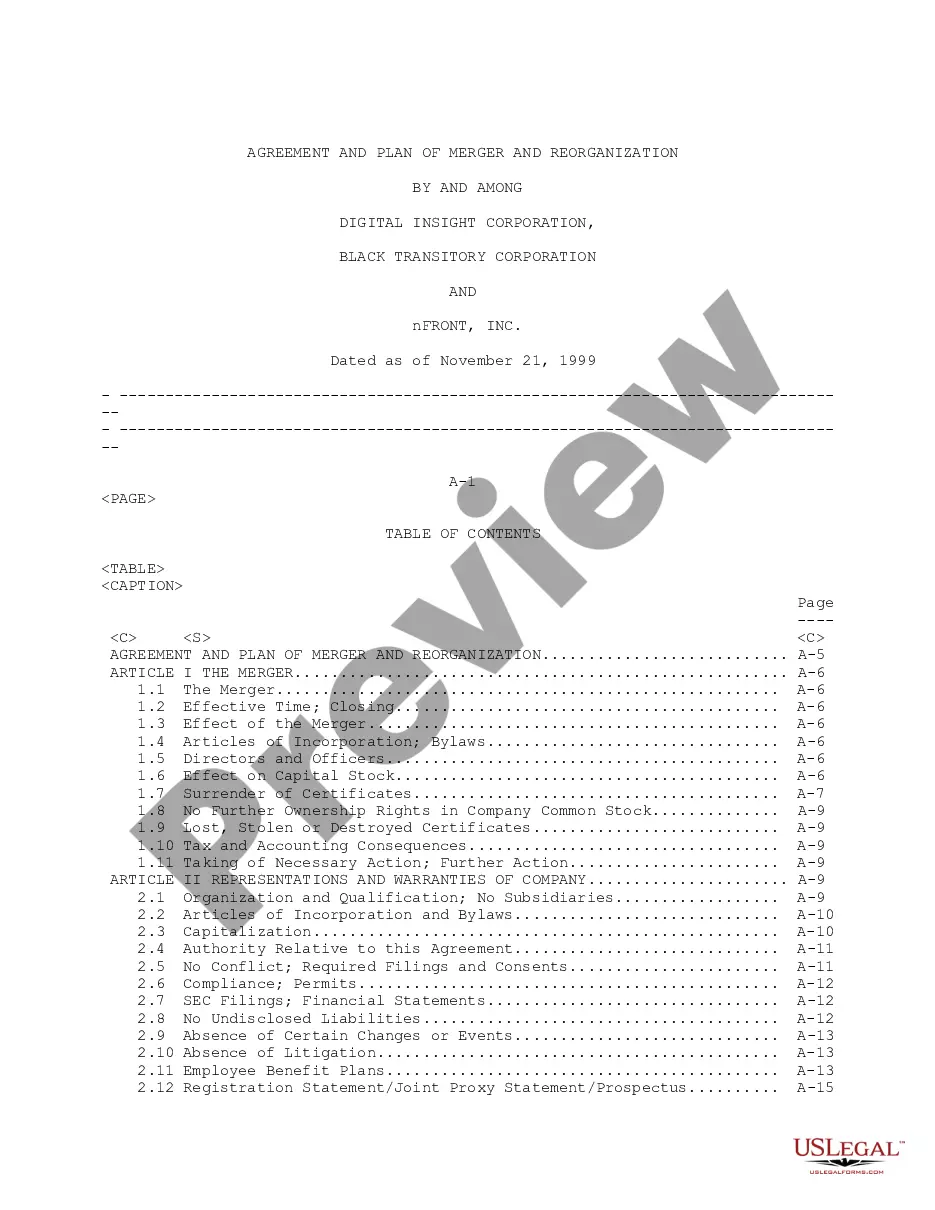
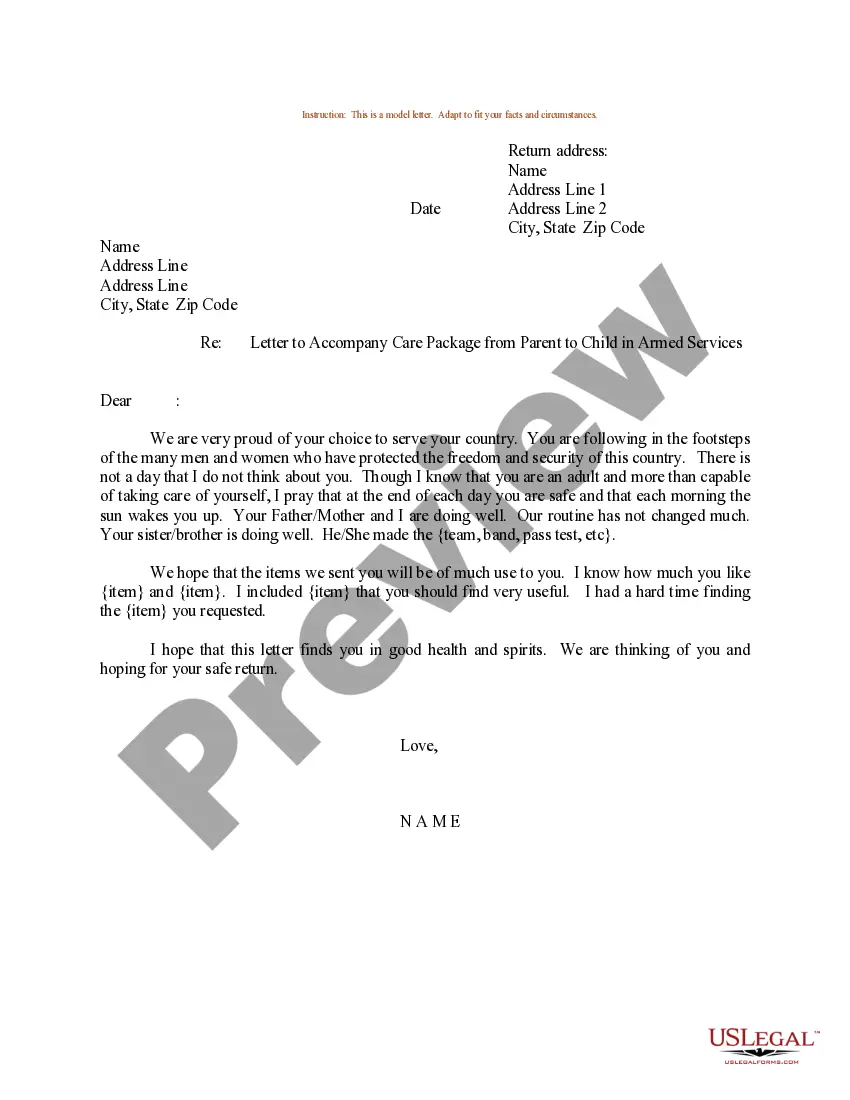
  • Preview Letter Informing Debt Collector of False or Misleading Misrepresentations in Collection Activities - Using False Representation or Deceptive Means to Collect a Debt - Asserting that the Debt Collector Cannot Accept Partial Payments When They Can
  • Preview Letter Informing Debt Collector of False or Misleading Misrepresentations in Collection Activities - Using False Representation or Deceptive Means to Collect a Debt - Asserting that the Debt Collector Cannot Accept Partial Payments When They Can

Related forms

form-preview
Virginia Letter Informing Debt Collector of False or Misleading Misrepresentations in Collection Activities

Virginia Letter Informing Debt Collector of False or Misleading Misrepresentations in Collection Activities

View this form
form-preview
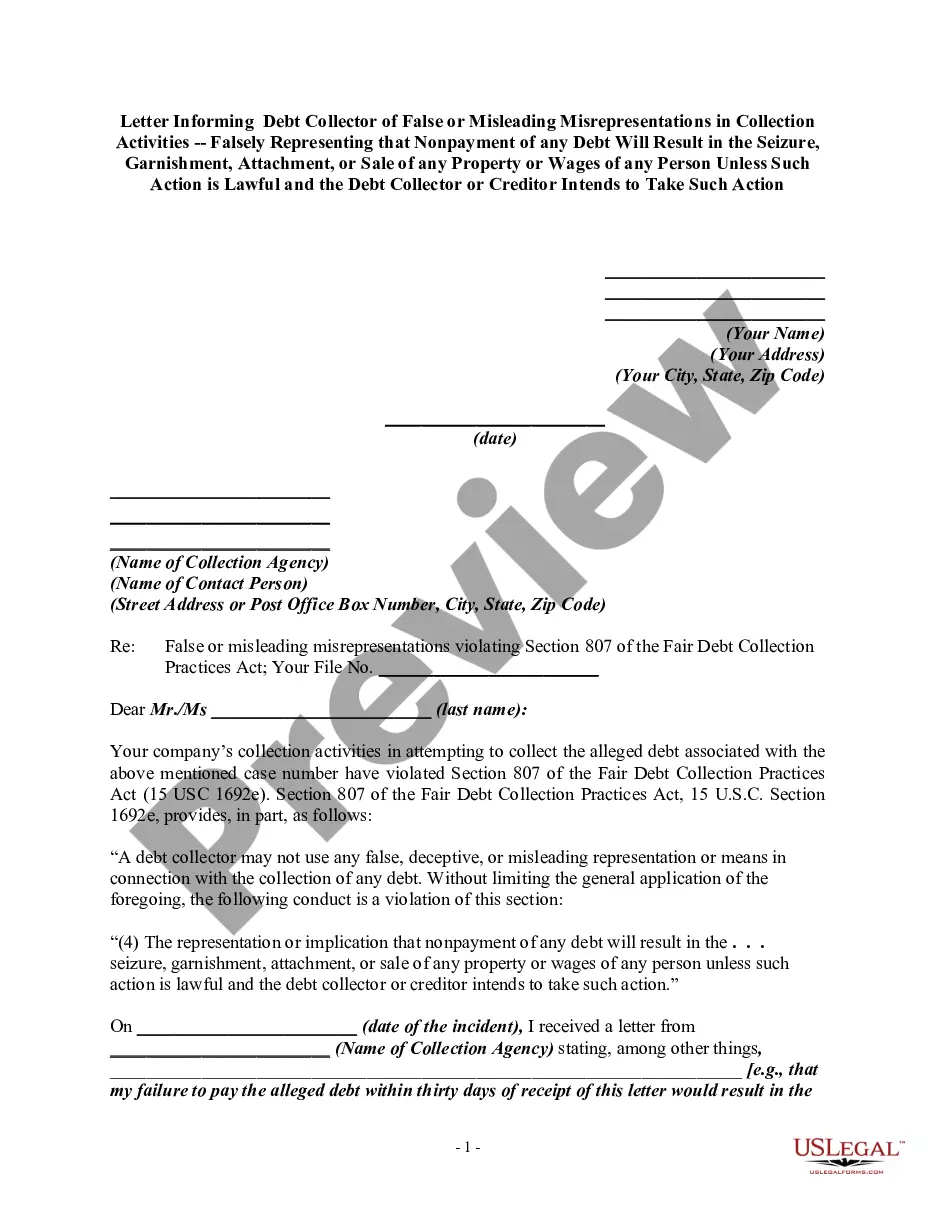
Virginia Letter Informing Debt Collector of False or Misleading Misrepresentations in Collection Activities - Falsely Representing that Nonpayment of any Debt Will Result in the Seizure, Garnishment, Attachment, or Sale of any Property or Wages

Virginia Letter Informing Debt Collector of False or Misleading Misrepresentations in Collection Activities - Falsely Representing that Nonpayment of any Debt Will Result in the Seizure, Garnishment, Attachment, or Sale of any Property or Wages

View this form
form-preview
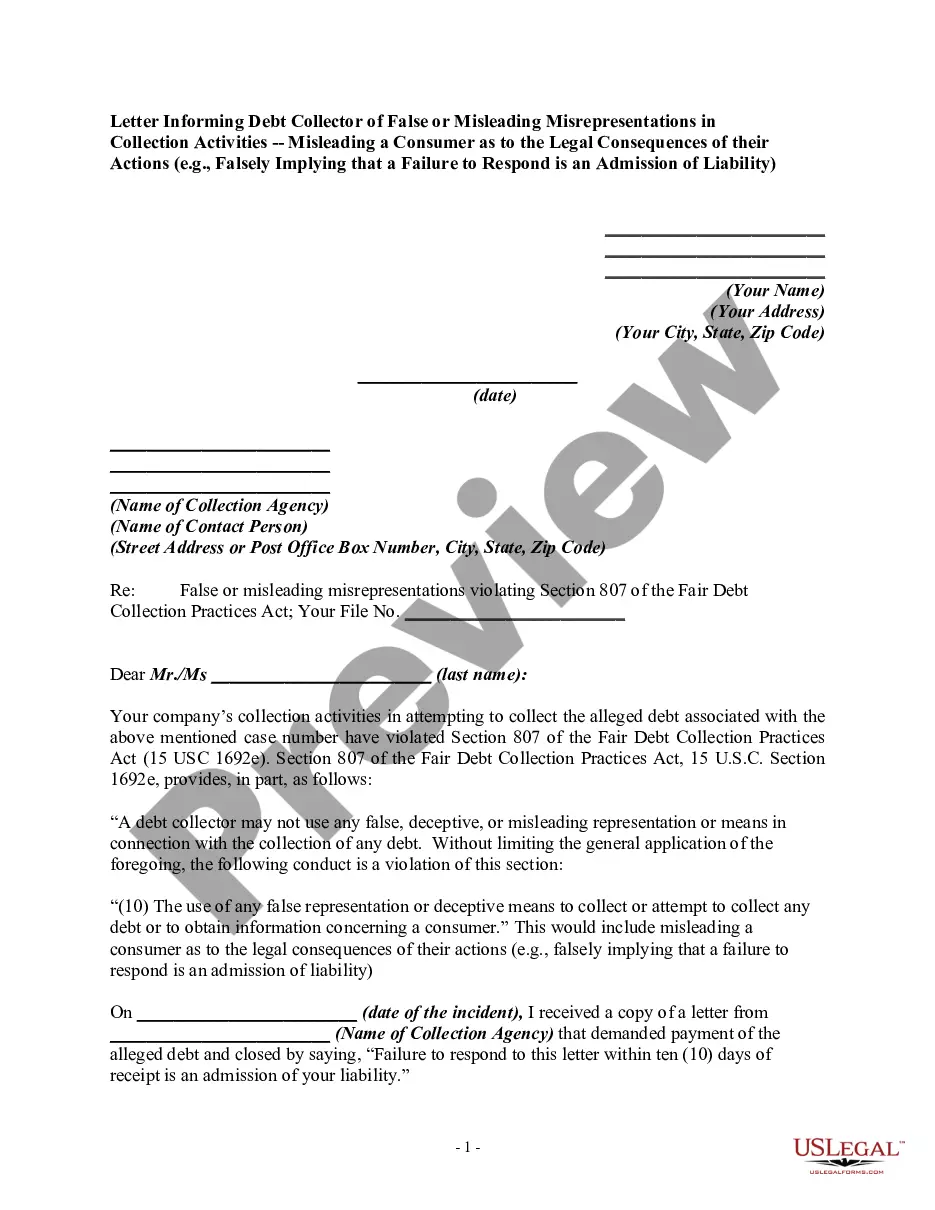
Virginia Letter Informing Debt Collector of False or Misleading Misrepresentations in Collection Activities - Misleading a Consumer as to the Legal Consequences of their Actions - e.g., Falsely Implying that a Failure to Respond is an Admission of Liability

Virginia Letter Informing Debt Collector of False or Misleading Misrepresentations in Collection Activities - Misleading a Consumer as to the Legal Consequences of their Actions - e.g., Falsely Implying that a Failure to Respond is an Admission of Liability

View this form
form-preview
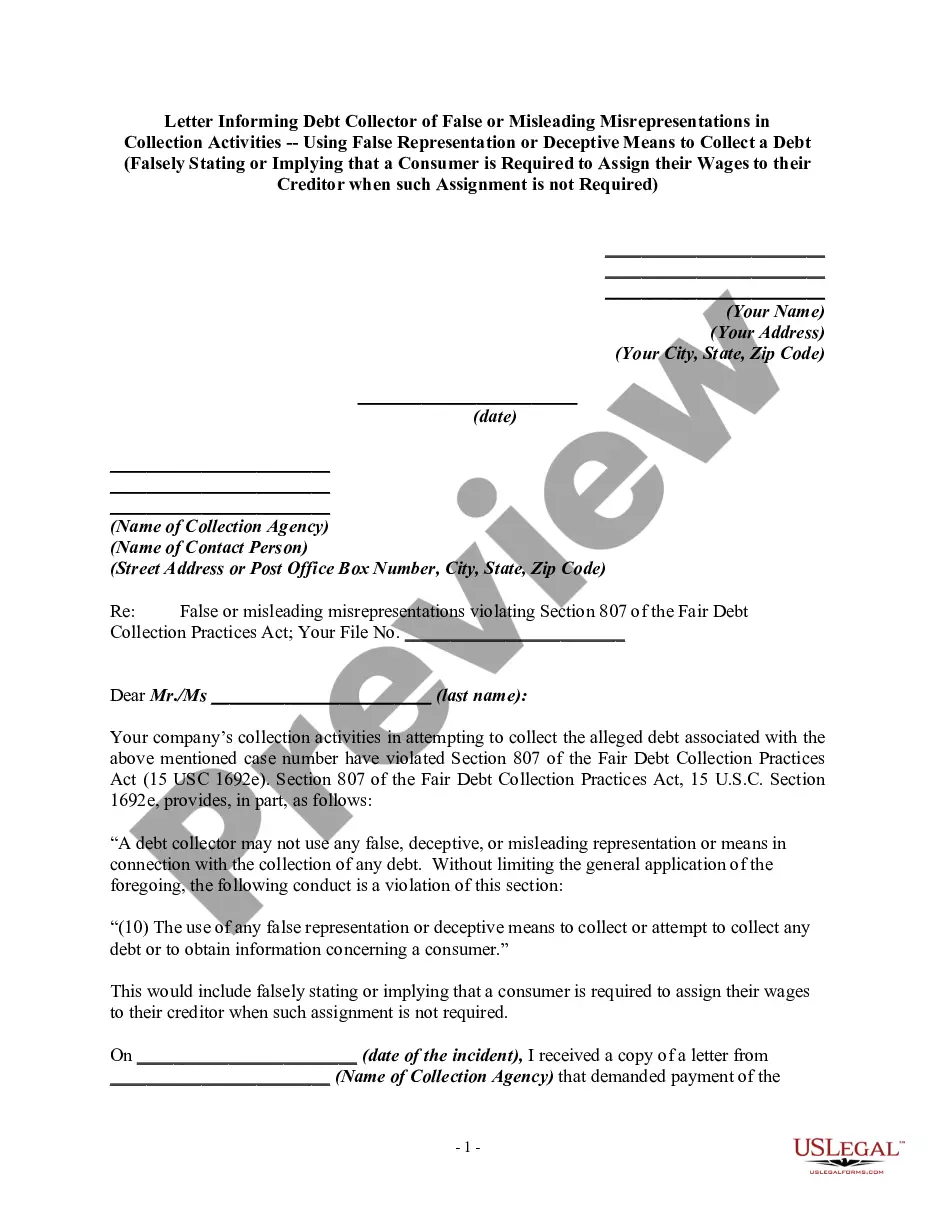
Virginia Letter Informing Debt Collector of False or Misleading Misrepresentations in Collection Activities - Using False Representation or Deceptive Means to Collect a Debt

Virginia Letter Informing Debt Collector of False or Misleading Misrepresentations in Collection Activities - Using False Representation or Deceptive Means to Collect a Debt

View this form
form-preview
Virginia Letter Informing Debt Collector of False or Misleading Misrepresentations in Collection Activities - Using False Representation or Deceptive Means to Collect a Debt - Falsely Stating that the Entire Amount of a Consumer's Debt is Due When it is Not

Virginia Letter Informing Debt Collector of False or Misleading Misrepresentations in Collection Activities - Using False Representation or Deceptive Means to Collect a Debt - Falsely Stating that the Entire Amount of a Consumer's Debt is Due When it is Not

View this form

How to fill out Letter Informing Debt Collector Of False Or Misleading Misrepresentations In Collection Activities - Using False Representation Or Deceptive Means To Collect A Debt - Asserting That The Debt Collector Cannot Accept Partial Payments When They Can?

If you wish to be thorough, obtain, or create legal document templates, utilize US Legal Forms, the largest collection of legal forms available online.

Take advantage of the site’s straightforward and user-friendly search to find the documents you require.

Numerous templates for business and personal use are organized by categories and states, or keywords.

Step 4. Once you have found the form you need, click the Get now button. Choose the pricing plan you prefer and enter your details to register for an account.

Step 5. Proceed with the payment. You can use your credit card or PayPal account to complete the transaction.

  1. Use US Legal Forms to acquire the Virginia Letter Informing Debt Collector of False or Misleading Misrepresentations in Collection Activities - Utilizing False Representation or Deceptive Means to Collect a Debt - Claiming that the Debt Collector Cannot Accept Partial Payments When They Actually Can with just a few clicks.
  2. If you are a current US Legal Forms customer, Log In to your account and click the Download button to get the Virginia Letter Informing Debt Collector of False or Misleading Misrepresentations in Collection Activities - Utilizing False Representation or Deceptive Means to Collect a Debt - Claiming that the Debt Collector Cannot Accept Partial Payments When They Actually Can.
  3. You can also access forms you previously downloaded in the My documents section of your account.
  4. If you are using US Legal Forms for the first time, follow the steps outlined below.
  5. Step 1. Ensure that you have selected the form for the correct city/state.
  6. Step 2. Use the Review option to examine the form’s content. Be sure to read the description.
  7. Step 3. If you are not satisfied with the form, utilize the Search field at the top of the screen to find other versions of the legal form template.

Form popularity

FAQ

You can file your dispute through the credit bureaus' website, over the phone or by mail. The easiest and fastest way is to do it online. Whichever route you go, you will have to provide personal information, a description of the information that needs to be corrected, and documentation to back your claim.

To remove the collection account from your credit report early, you can ask a company for a goodwill deletion, but there's no guarantee you'll receive forgiveness. If you have a collection account on your report that's inaccurate or incomplete, dispute it with each credit bureau that lists it on your credit report.

If you have inaccurate or incomplete collection accounts on your credit report, the Fair Credit Reporting Act gives you the power to dispute this information directly with the credit bureaus or creditor. You can send a dispute using the dispute form on each credit bureau's website.

You can file your dispute through the credit bureaus' website, over the phone or by mail. The easiest and fastest way is to do it online. Whichever route you go, you will have to provide personal information, a description of the information that needs to be corrected, and documentation to back your claim.

The debt dispute letter should include your personal identifying information; verification of the amount of debt owed; the name of the creditor for the debt; and a request the debt not be reported to credit reporting agencies until the matter is resolved or have it removed from the report, if it already has been

If you doubt that you owe a debt, or that the amount owed is not accurate, your best recourse is to send a debt dispute letter to the collection agency asking that the debt be validated.

List all the erroneous collection accounts on your credit reports and write down as much information as possible about each item. Write a dispute letter and send it to each credit bureau. Include information about each of the disputed itemsaccount numbers, listed amounts and creditor names.

Yes, you may be able to sue a debt collector or a debt collection agency if it engages in abusive, deceptive, or unfair behavior. A debt collector is generally someone who buys a debt from a creditor who, for whatever reason, has been unable to collect from a consumer.

(1) The false representation or implication that the debt collector is vouched for, bonded by, or affiliated with the United States or any State, including the use of any badge, uniform, or facsimile thereof.

Under the Fair Credit Reporting Act (FCRA) (15 U.S.C. § 1681 and following), you may sue a credit reporting agency for negligent or willful noncompliance with the law within two years after you discover the harmful behavior or within five years after the harmful behavior occurs, whichever is sooner.

Trusted and secure by over 3 million people of the world’s leading companies

Virginia Letter Informing Debt Collector of False or Misleading Misrepresentations in Collection Activities - Using False Representation or Deceptive Means to Collect a Debt - Asserting that the Debt Collector Cannot Accept Partial Payments When They Can