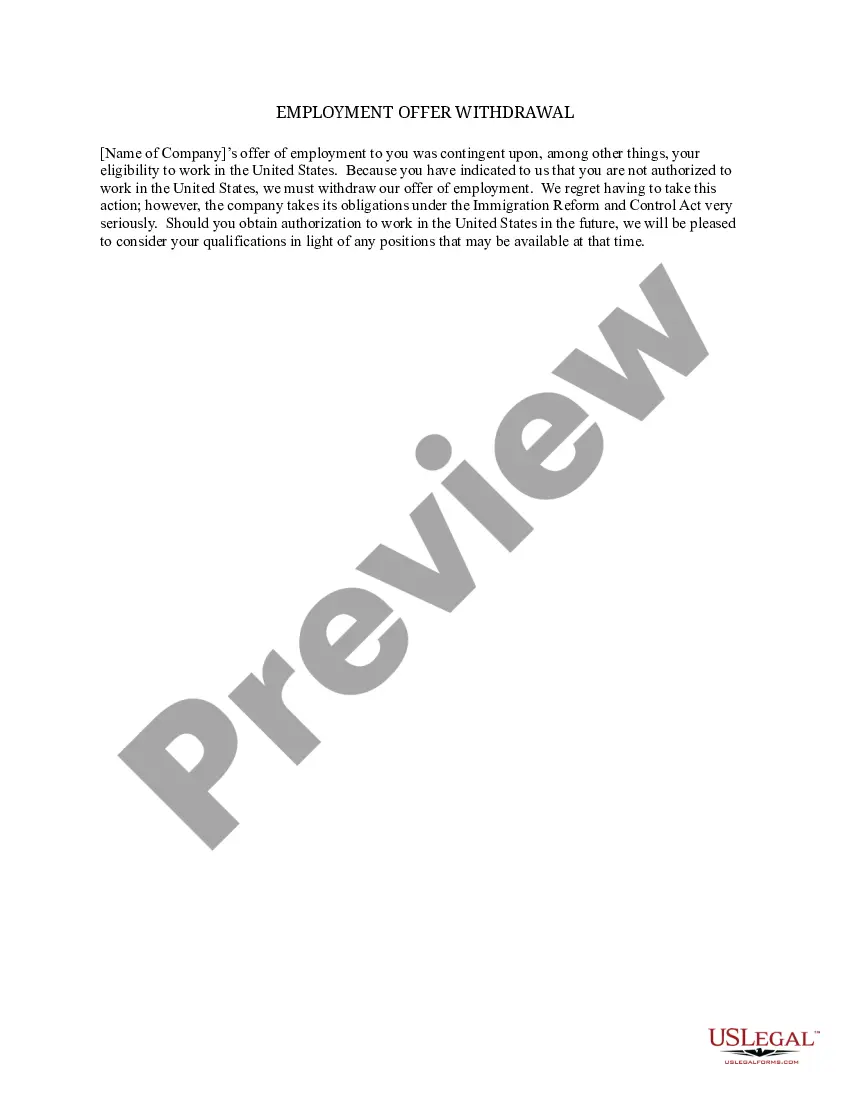
Virginia Employment Offer Withdrawal
Description
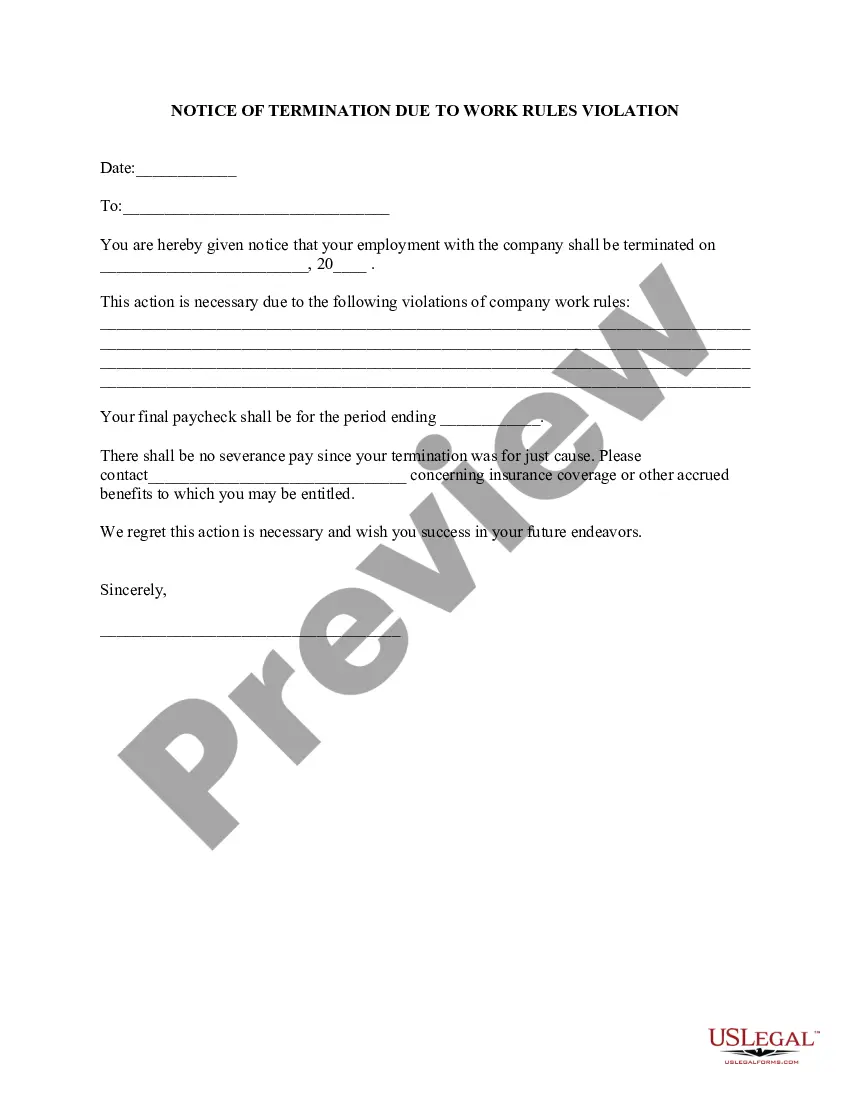
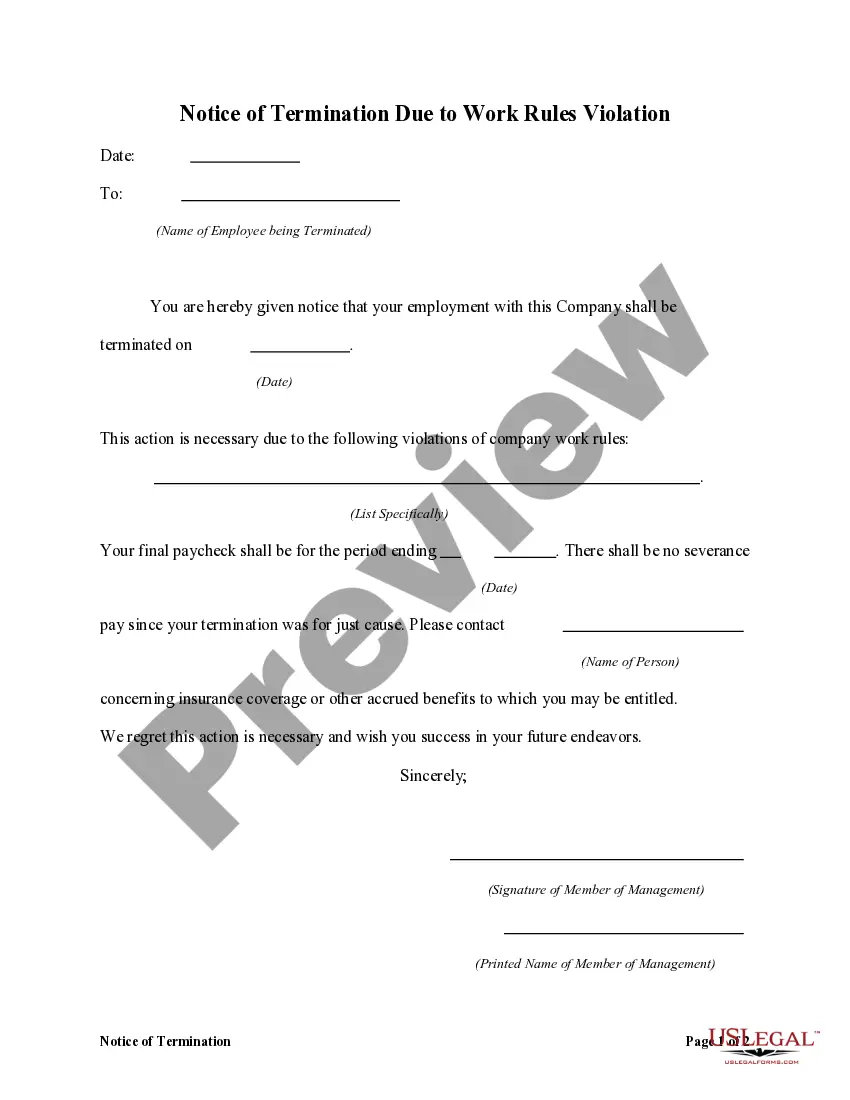
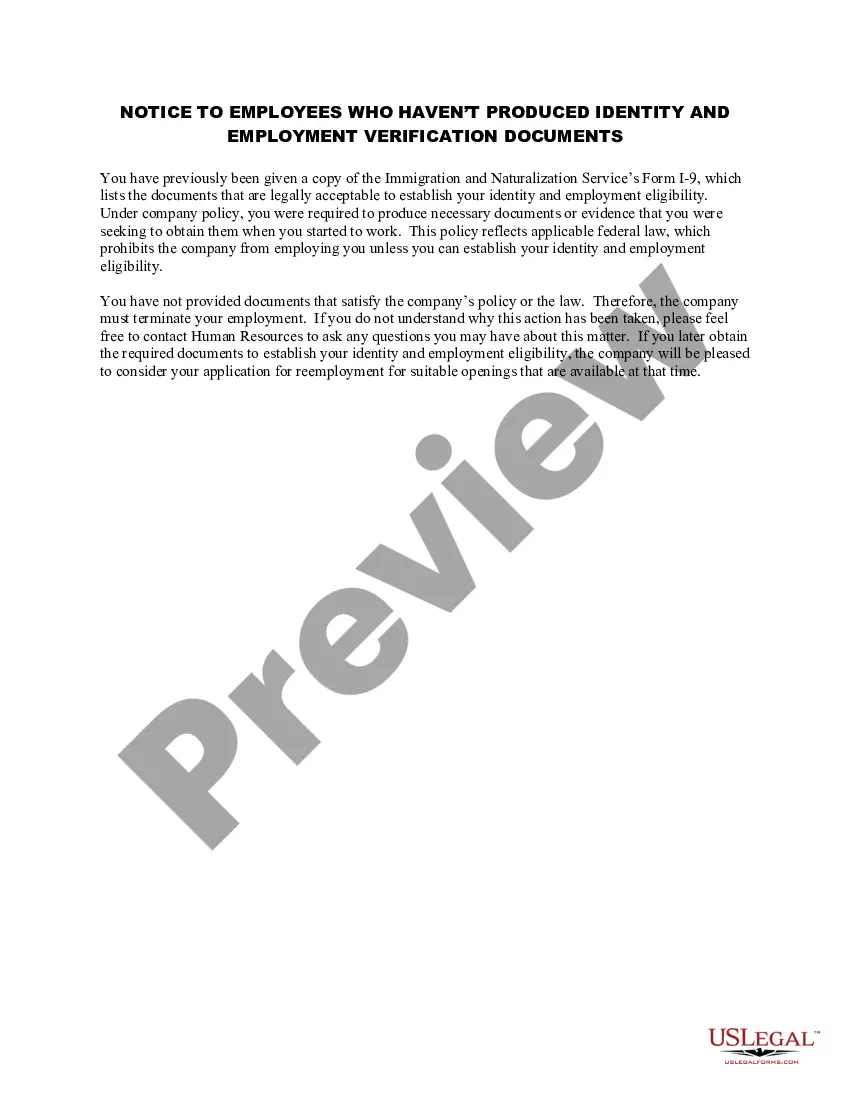
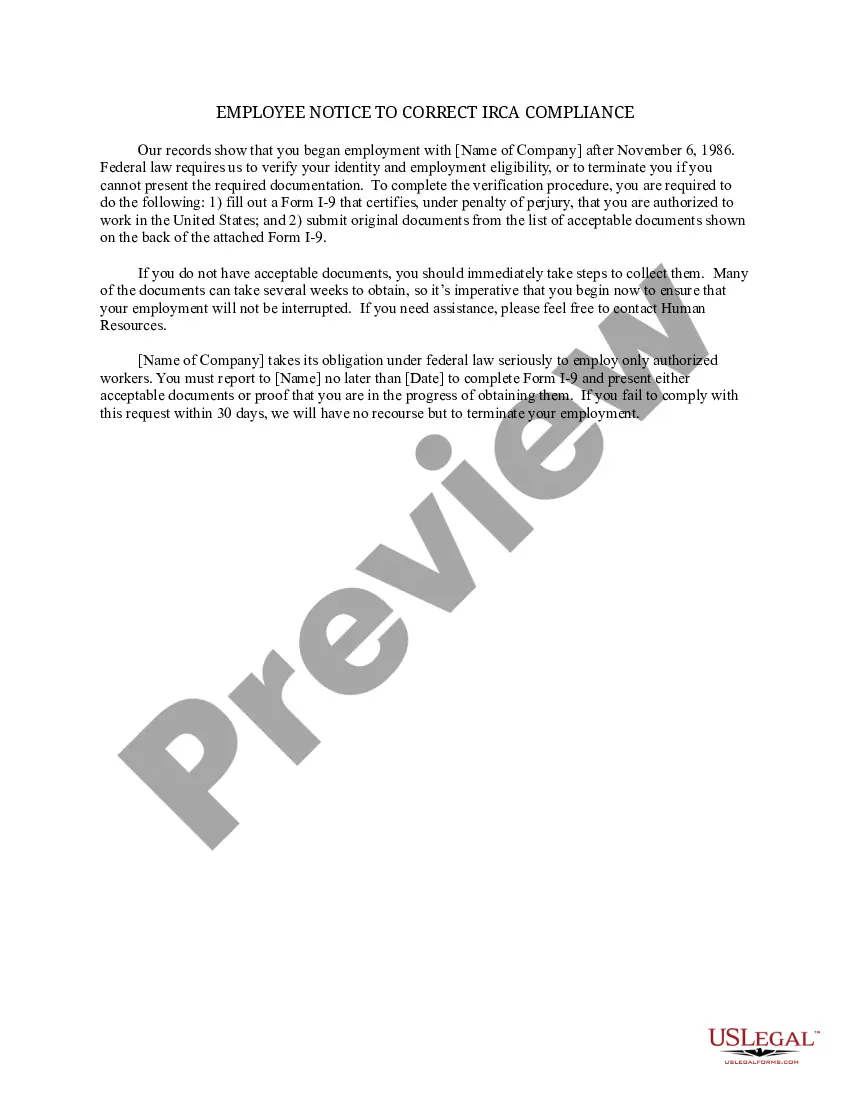
Get your form ready online
Our built-in tools help you complete, sign, share, and store your documents in one place.
Make edits, fill in missing information, and update formatting in US Legal Forms—just like you would in MS Word.
Download a copy, print it, send it by email, or mail it via USPS—whatever works best for your next step.
Sign and collect signatures with our SignNow integration. Send to multiple recipients, set reminders, and more. Go Premium to unlock E-Sign.
If this form requires notarization, complete it online through a secure video call—no need to meet a notary in person or wait for an appointment.
We protect your documents and personal data by following strict security and privacy standards.

Make edits, fill in missing information, and update formatting in US Legal Forms—just like you would in MS Word.

Download a copy, print it, send it by email, or mail it via USPS—whatever works best for your next step.

Sign and collect signatures with our SignNow integration. Send to multiple recipients, set reminders, and more. Go Premium to unlock E-Sign.

If this form requires notarization, complete it online through a secure video call—no need to meet a notary in person or wait for an appointment.

We protect your documents and personal data by following strict security and privacy standards.
Looking for another form?
How to fill out Employment Offer Withdrawal?
US Legal Forms - one of the largest collections of legal templates in the United States - offers a variety of legal document templates that you can download or print. By using the site, you can access thousands of forms for business and personal purposes, organized by categories, states, or keywords.
You can find the most recent versions of forms like the Virginia Employment Offer Withdrawal in just seconds.
If you already have an account, Log In and download the Virginia Employment Offer Withdrawal from the US Legal Forms library. The Download button will appear on every form you view. You can access all previously saved forms in the My documents section of your profile.
Complete the transaction using your credit card or PayPal account.
Choose the format and download the form to your device. Edit the form. Fill out, modify, and print, then sign the saved Virginia Employment Offer Withdrawal.
Every template you added to your account has no expiration date and is yours indefinitely. So, if you wish to download or print another version, simply go to the My documents section and click on the form you want.
Access the Virginia Employment Offer Withdrawal with US Legal Forms, the most extensive collection of legal document templates. Utilize thousands of specialized and state-specific templates that meet your business or personal needs and requirements.
- Ensure you have selected the correct form for your city/state.
- Click the Preview button to review the form's content.
- Check the form description to confirm you have selected the right one.
- If the form does not meet your needs, use the Search field at the top of the screen to find one that does.
- Once you are satisfied with the form, confirm your choice by clicking the Purchase now button.
- Then, select your preferred pricing plan and provide your details to register for an account.
Form popularity
FAQ
Can you back out of the job offer? Yes. Technically, anyone can turn down a job offer, back out of a job already started, or renege on an acceptance at any point. Most states operate with what is called at will employment. This means the employee and the employer are not in a binding contract.
An employee will be required to provide evidence showing losses or damages due to the job offer rescinded. This can be relocation expenses or lost income if they had to quit their previous jobs to pursue the current one on offer. If you believe that you have a strong case against the employer, file a lawsuit.
Employers can rescind job offers for almost any reason unless that reason is discriminatory, e.g., based on disability, gender, race, etc. There can be legal consequences for employers for revoking an offer. In some cases, employees may be able to sue for damages if they can prove they've suffered losses as a result.
This is because a legally binding contract now exists between the partiesyourself and the staff member. But it does mean they can't just decline the job offer after signing your employment contract. Instead, they'll have to terminate the contract as it's identified as legal.
The General Rule: Contracts Are Effective When Signed Unless a contract contains a specific rescission clause that grants the right for a party to cancel the contract within a certain amount of time, a party cannot back out of a contract once they have agreed and signed it.
Yes, but there could be legal consequences, so an attorney's advice should always be sought before rescinding the offer. Even if an employer has stated on all offers that employment is at will and can be terminated at any time, there is the concept of the employer making a "promise" of a job.
What to do if a job offer has been rescindedAsk for feedback. You can reach out to the hiring manager to express your disappointment in the situation and request more details on why they withdrew your offer.Look for actionable critiques.Consider whether the withdrawal was fair and valid.Start submitting applications.
Yes, but there could be legal consequences, so an attorney's advice should always be sought before rescinding the offer. Even if an employer has stated on all offers that employment is at will and can be terminated at any time, there is the concept of the employer making a "promise" of a job.
Even if there is no formal written contractual document exchanged between parties, the promise of employment is often what provides the means to sue the company for any rescinded offer.
How to Turn Down a Job Offer You AcceptedThink it through carefully. Before rejecting the job offer, be 100% certain you do not want (or cannot take) the job.Read your contract.Don't wait.Be honest, but tactful.Be concise.Express gratitude.Know your bottom line.Choose the right form of communication.More items...?