Virginia Consultant Confidentiality and Nondisclosure Agreement Covering Trademarks, Trade Secrets, Computer Programs, Data Bases, Developmental or Experimental Work and other Confidential Information
Description
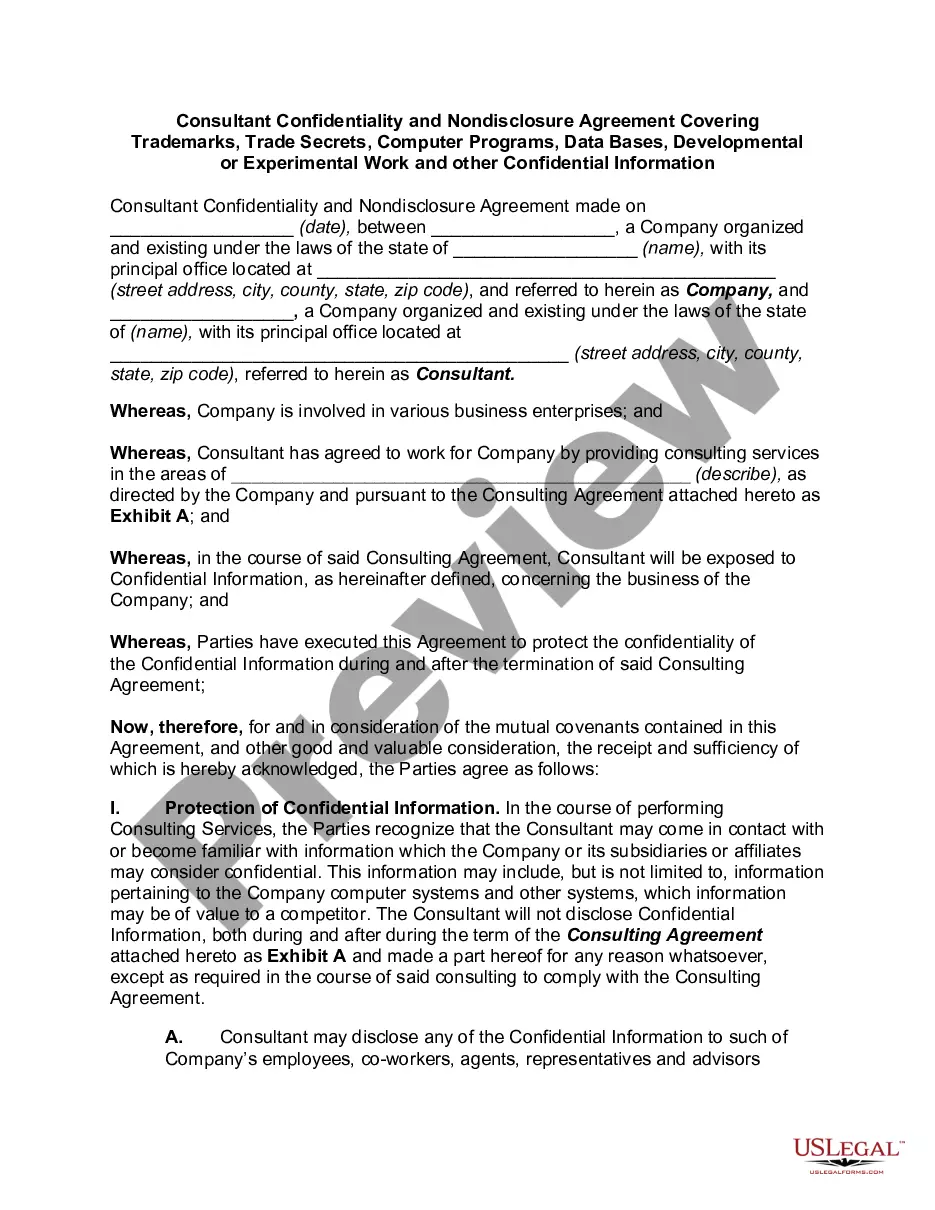
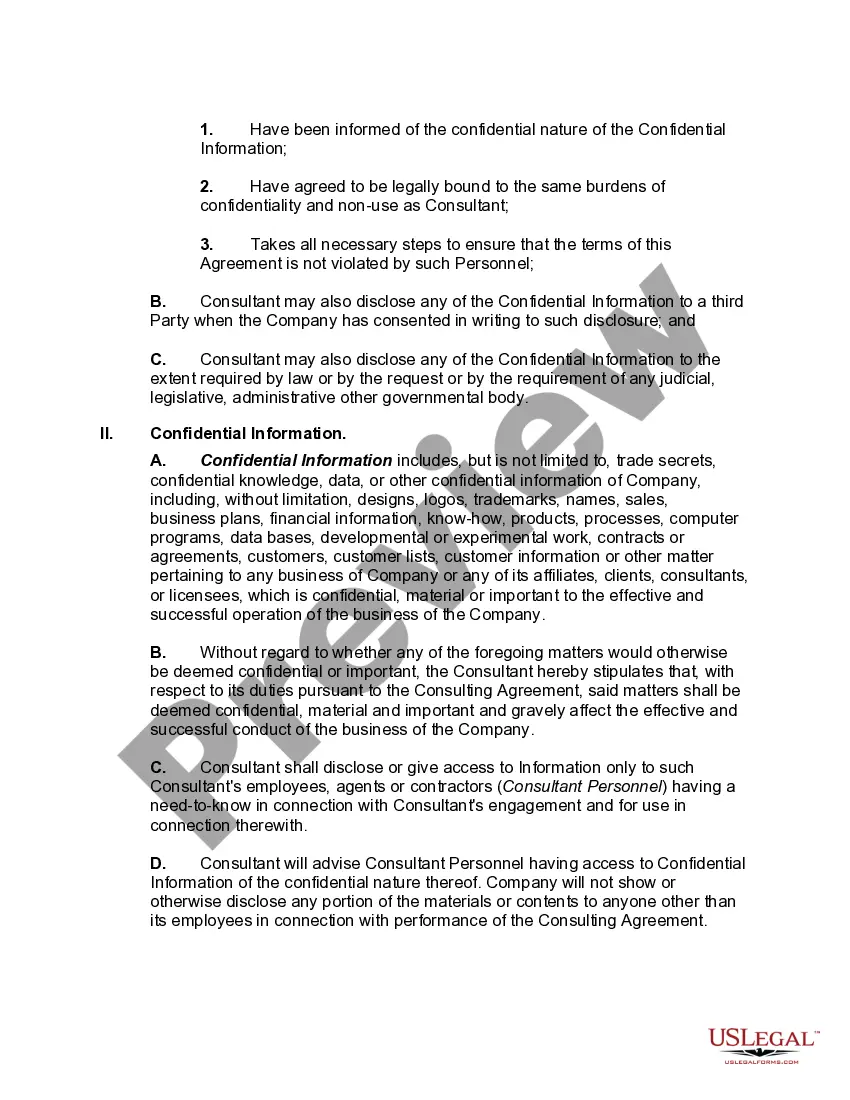
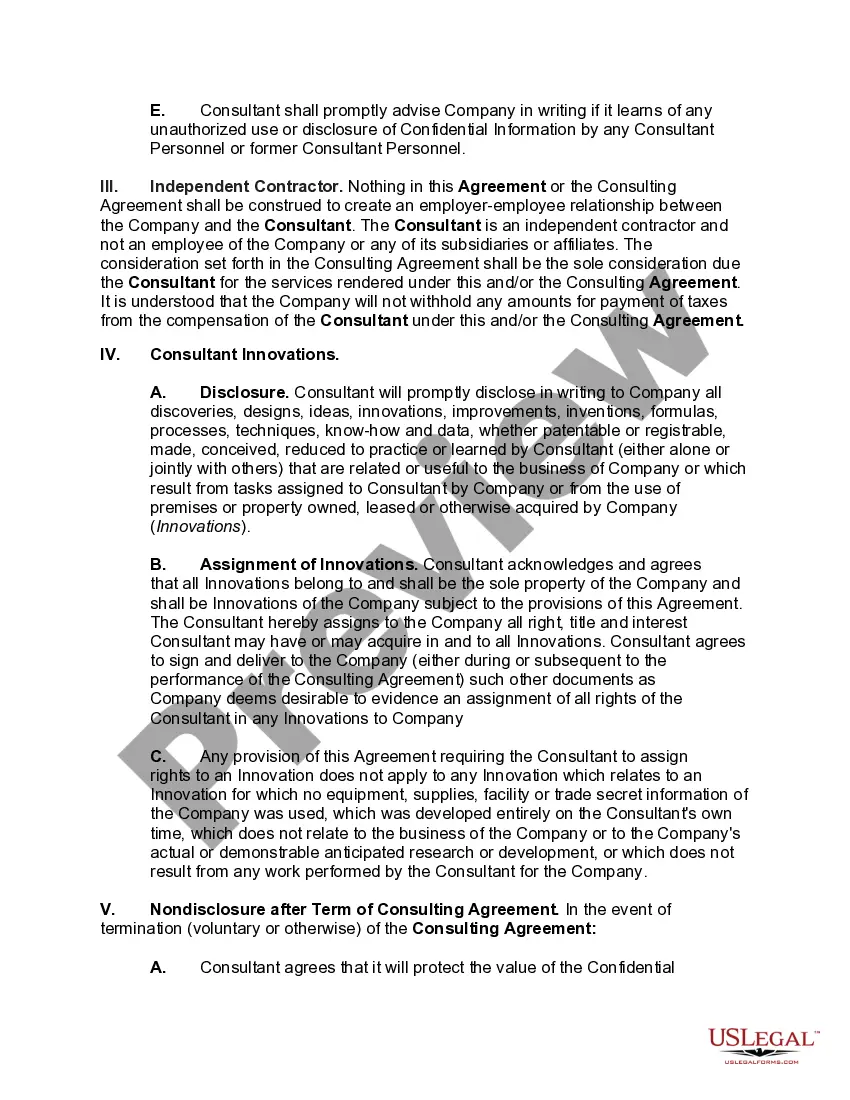
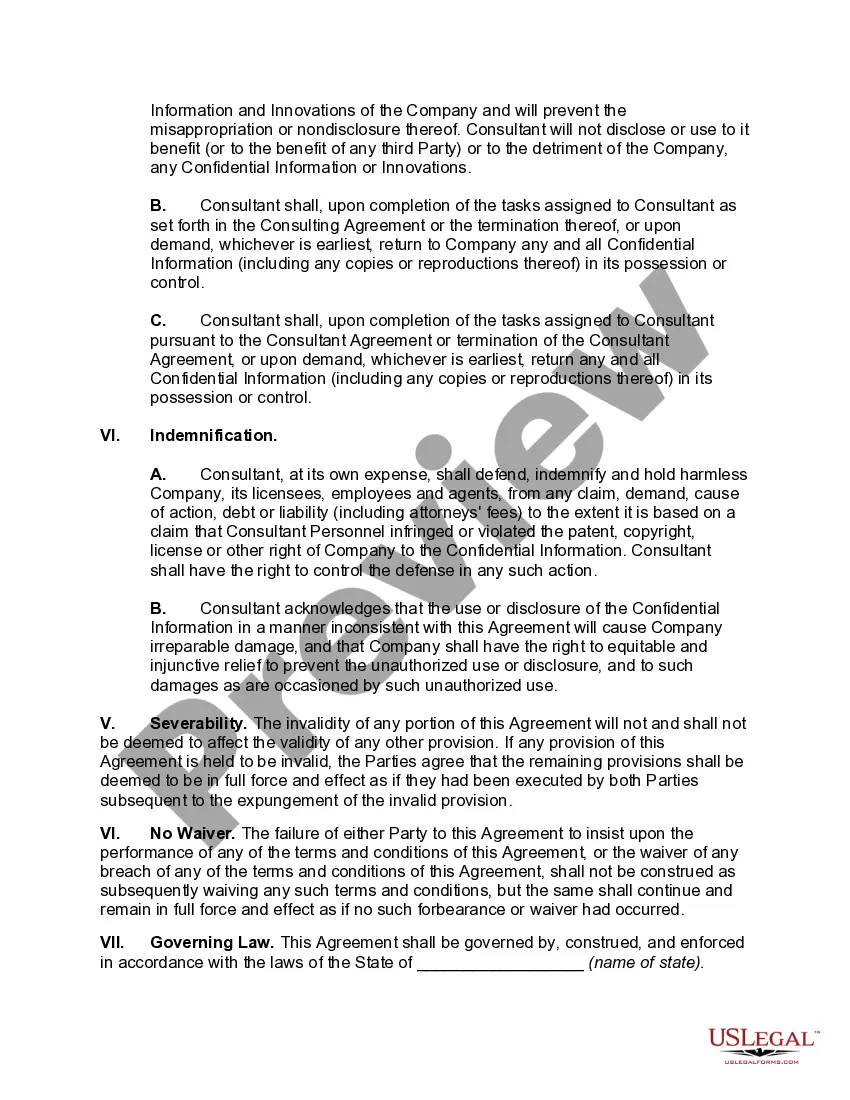
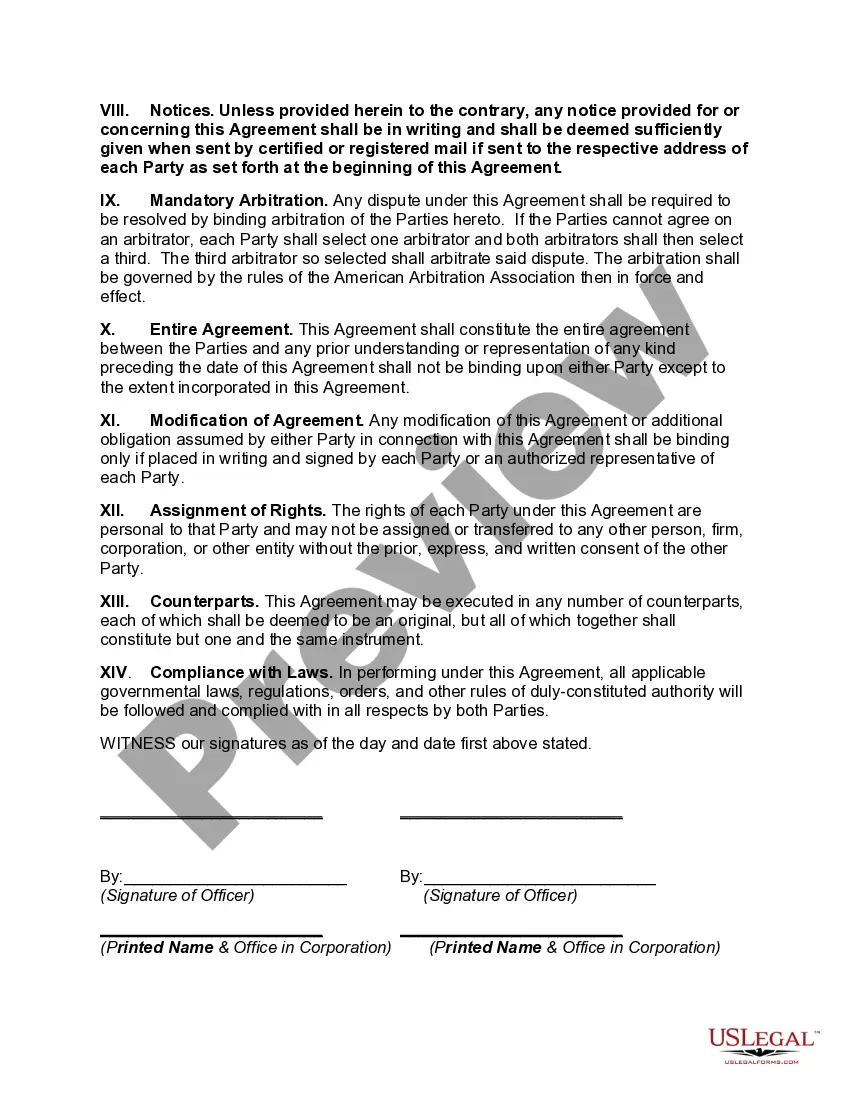
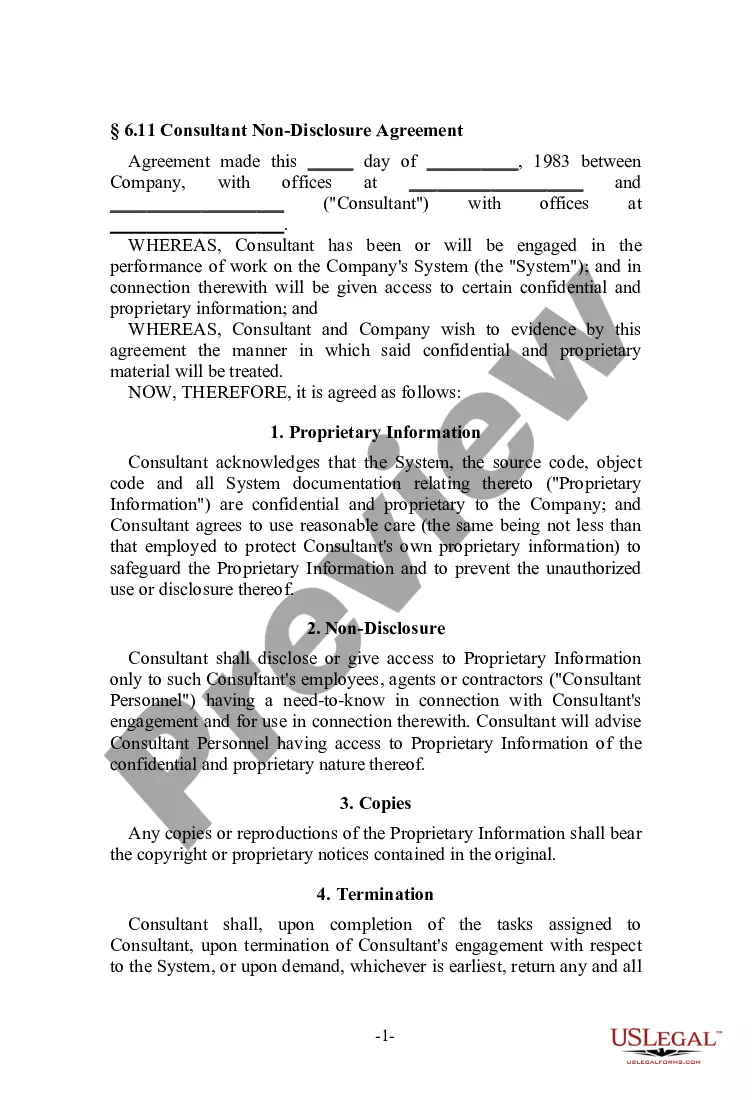
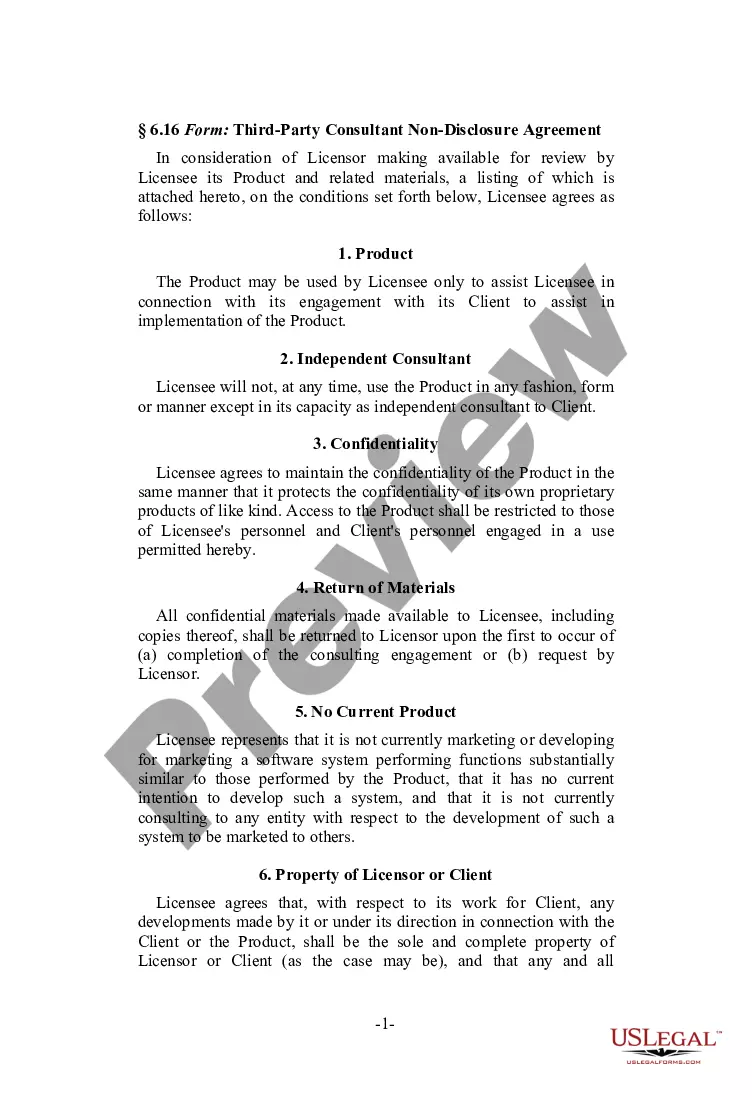
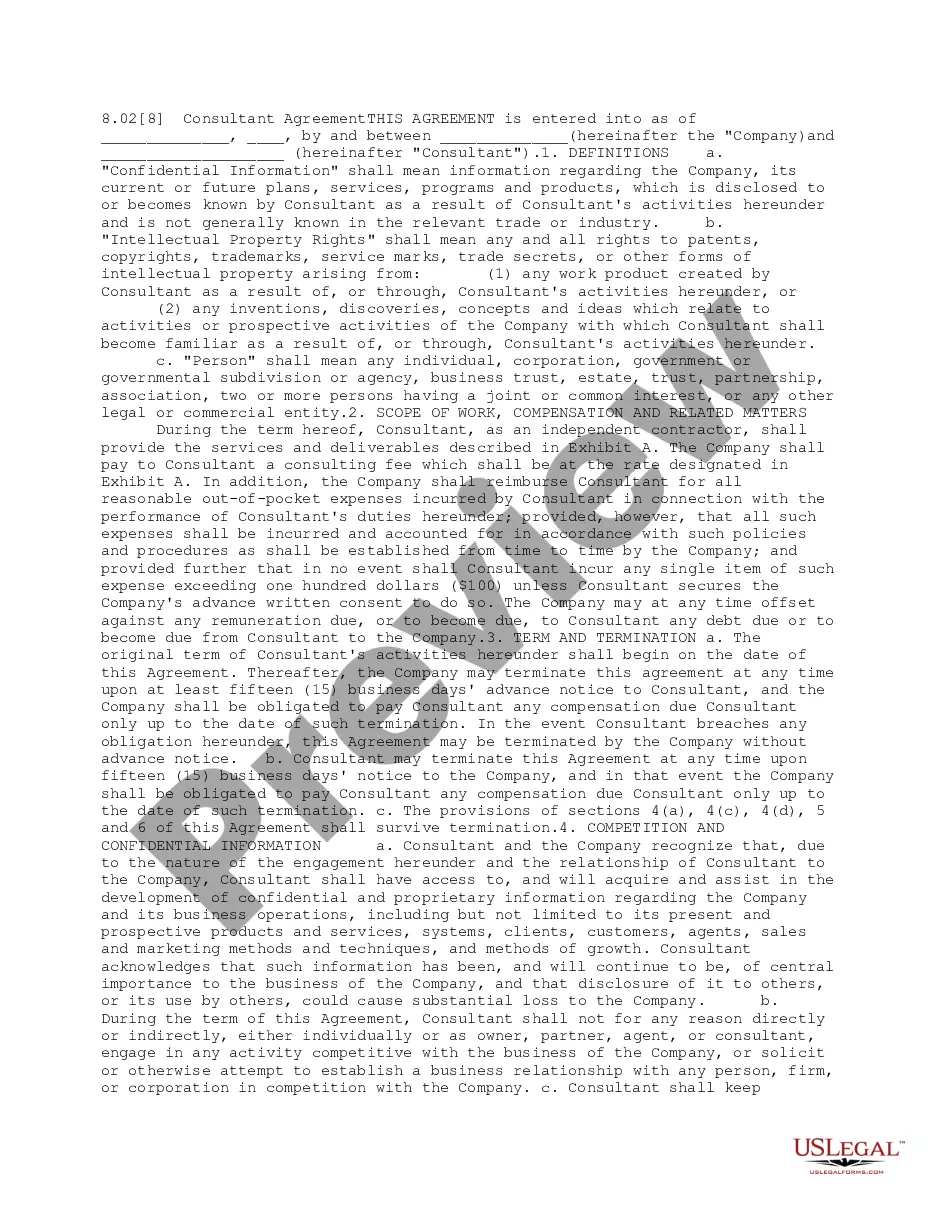
Get your form ready online
Our built-in tools help you complete, sign, share, and store your documents in one place.
Make edits, fill in missing information, and update formatting in US Legal Forms—just like you would in MS Word.
Download a copy, print it, send it by email, or mail it via USPS—whatever works best for your next step.
Sign and collect signatures with our SignNow integration. Send to multiple recipients, set reminders, and more. Go Premium to unlock E-Sign.
If this form requires notarization, complete it online through a secure video call—no need to meet a notary in person or wait for an appointment.
We protect your documents and personal data by following strict security and privacy standards.

Make edits, fill in missing information, and update formatting in US Legal Forms—just like you would in MS Word.

Download a copy, print it, send it by email, or mail it via USPS—whatever works best for your next step.

Sign and collect signatures with our SignNow integration. Send to multiple recipients, set reminders, and more. Go Premium to unlock E-Sign.

If this form requires notarization, complete it online through a secure video call—no need to meet a notary in person or wait for an appointment.

We protect your documents and personal data by following strict security and privacy standards.
Looking for another form?

How to fill out Consultant Confidentiality And Nondisclosure Agreement Covering Trademarks, Trade Secrets, Computer Programs, Data Bases, Developmental Or Experimental Work And Other Confidential Information?
You may spend numerous hours online attempting to locate the valid document template that meets the federal and state requirements you are looking for.
US Legal Forms provides thousands of valid documents that have been evaluated by experts.
It is easy to download or print the Virginia Consultant Confidentiality and Nondisclosure Agreement Covering Trademarks, Trade Secrets, Computer Programs, Data Bases, Developmental or Experimental Work and other Confidential Information from the site.
If available, utilize the Preview button to browse through the document template as well.
- If you possess a US Legal Forms account, you can sign in and click the Acquire button.
- After that, you can complete, modify, print, or sign the Virginia Consultant Confidentiality and Nondisclosure Agreement Covering Trademarks, Trade Secrets, Computer Programs, Data Bases, Developmental or Experimental Work and other Confidential Information.
- Each valid document template you acquire is yours to keep indefinitely.
- To obtain another version of a purchased document, go to the My documents tab and click the corresponding button.
- If you are using the US Legal Forms site for the first time, follow the simple instructions below.
- First, verify that you have selected the correct document template for the region/city that you choose.
- Read the form description to ensure that you have selected the correct template.
Form popularity
FAQ
Non-disclosure agreements are used when the obligation to keep information secret is unilateral, while confidentiality agreements are used when multiple parties have to keep the multilateral exchange of secrets confidential.
Most of the mandatory exceptions to confidentiality are well known and understood. They include reporting child, elder and dependent adult abuse, and the so-called "duty to protect." However, there are other, lesserknown exceptions also required by law. Each will be presented in turn.
The NDA ensures your secrets remain secret, and if they do not you have legal recourse against the person or entity that disclosed them. When an NDA is violated, you can ask the court to enjoin the party responsible from infringing or misappropriating your trade secrets, and you can sue for any resulting damages.
Typical exceptions to the definition of confidential information include (i) information publicly known or in the public domain prior to the time of disclosure, (ii) information publicly known and made generally available after disclosure through no action or inaction of the recipient, (ii) information already in the
disclosure agreement is a legally binding contract that establishes a confidential relationship. The party or parties signing the agreement agree that sensitive information they may obtain will not be made available to any others. An NDA may also be referred to as a confidentiality agreement.
The Key Elements of Non-Disclosure AgreementsIdentification of the parties.Definition of what is deemed to be confidential.The scope of the confidentiality obligation by the receiving party.The exclusions from confidential treatment.The term of the agreement.
Exceptions to Confidentiality ObligationsExceptions to Confidentiality Obligations.Exceptions to Confidential Information.General Confidentiality.Cooperation; Confidentiality.Duration of Confidentiality.Noncompetition and Confidentiality.Access to Information; Confidentiality.Waiver of Confidentiality.More items...
Nonetheless, an NDA may provide broader protection than trade secret laws because it can cover proprietary and non-public information that does not meet the definition of a trade secret. "Trade secrets are defined by statute, but terms such as confidential and proprietary information are defined by the contract.
Some of the exception clauses are: Information that is in the public domain. Information that the disclosing party disclosed before signing the agreement. Information received by the receiving party from a third party, wherein the third party was not obliged to keep the information confidential.