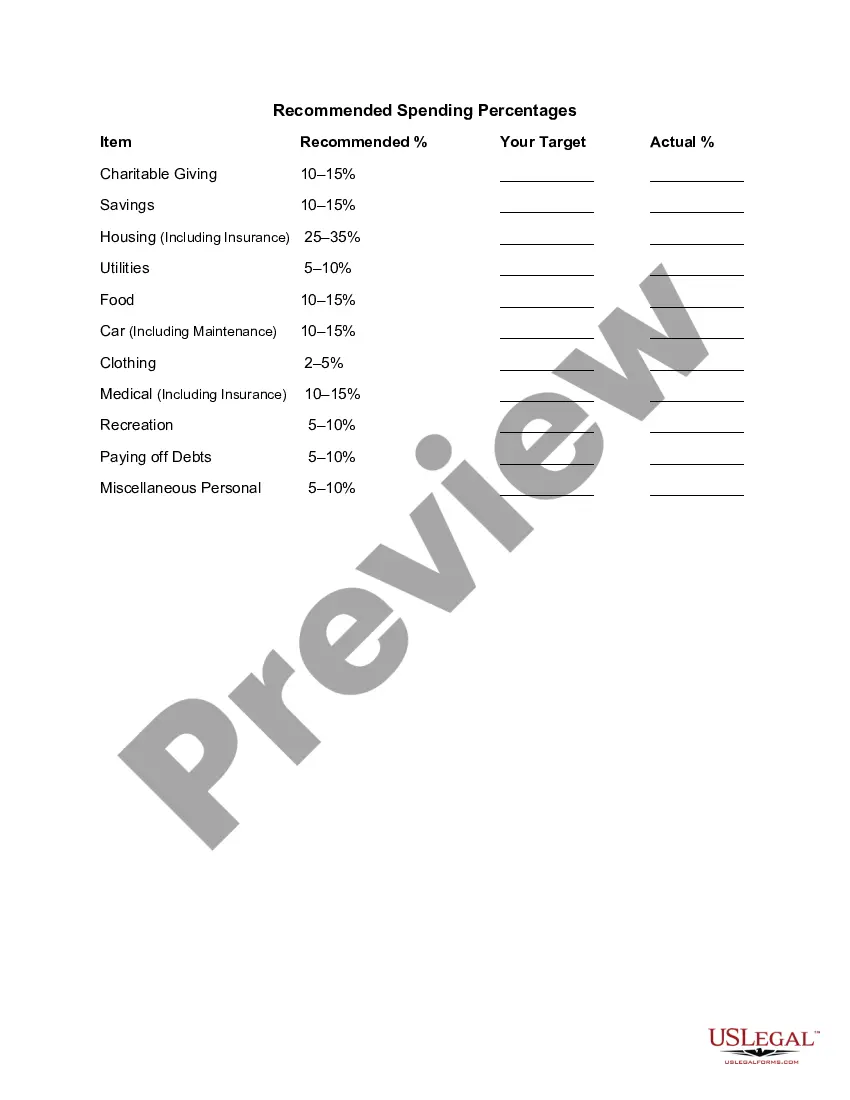
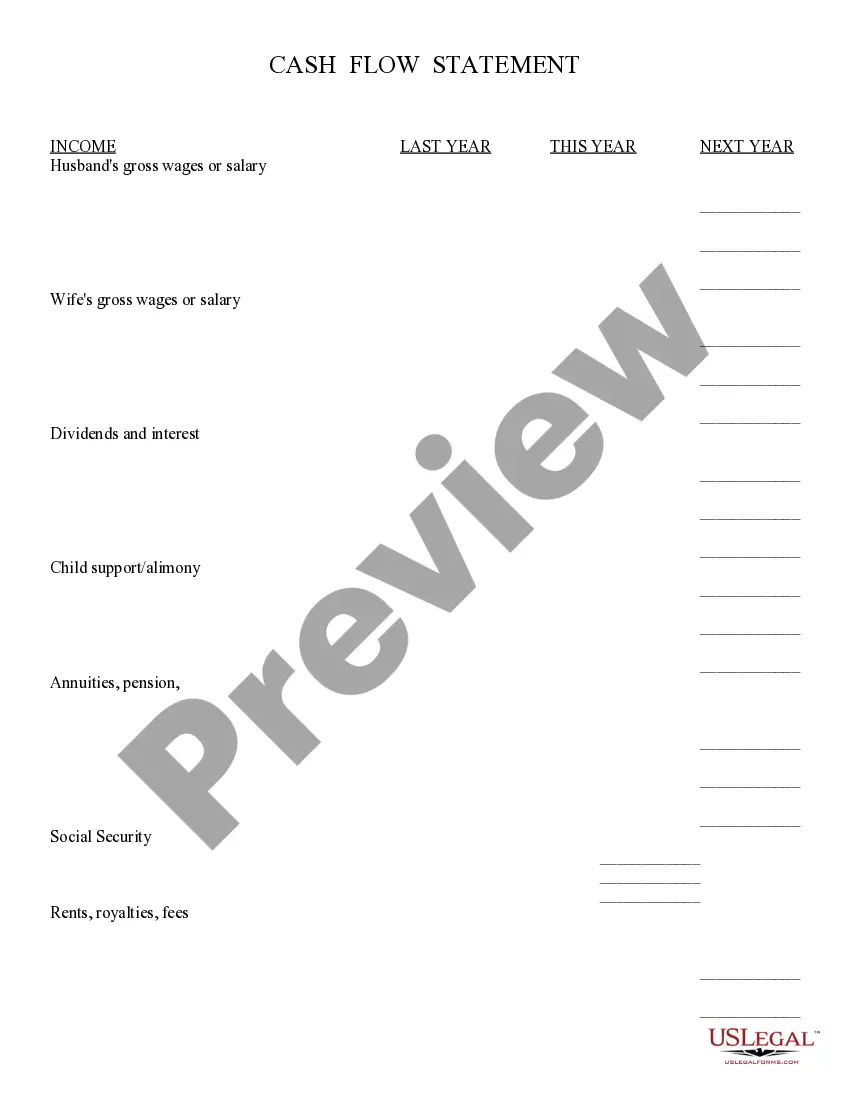
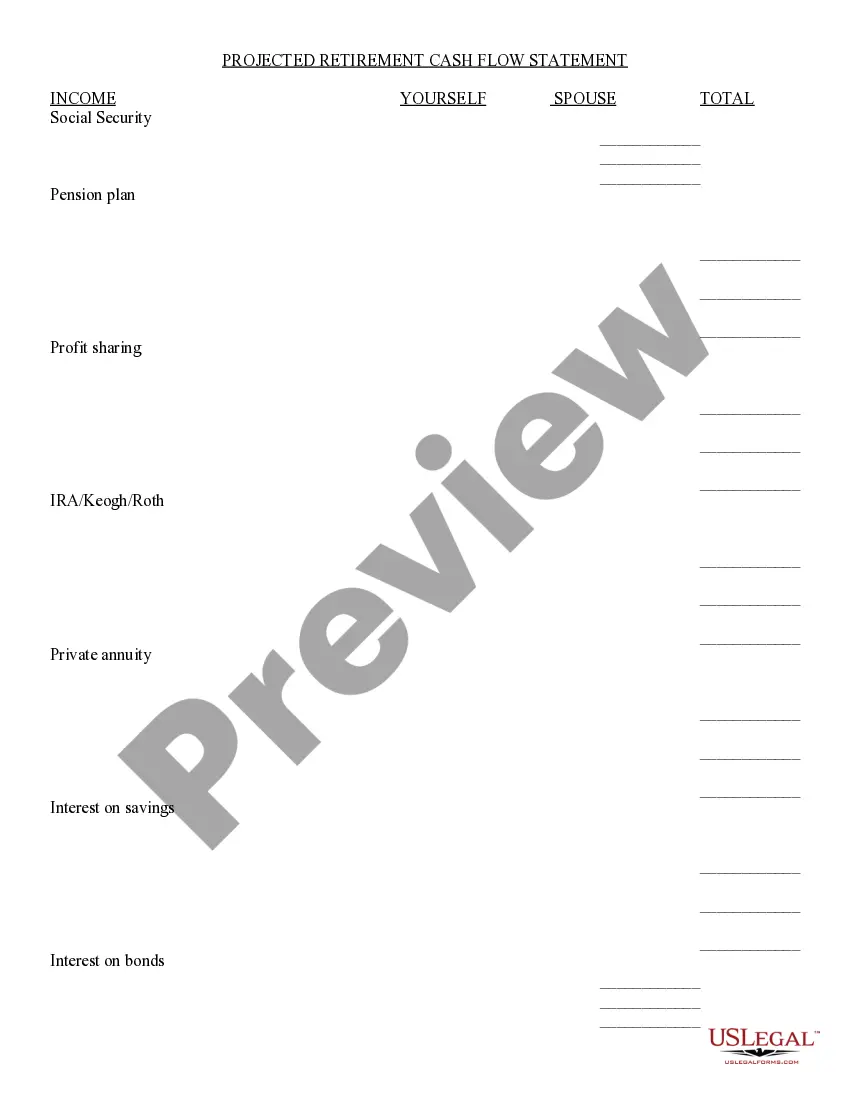
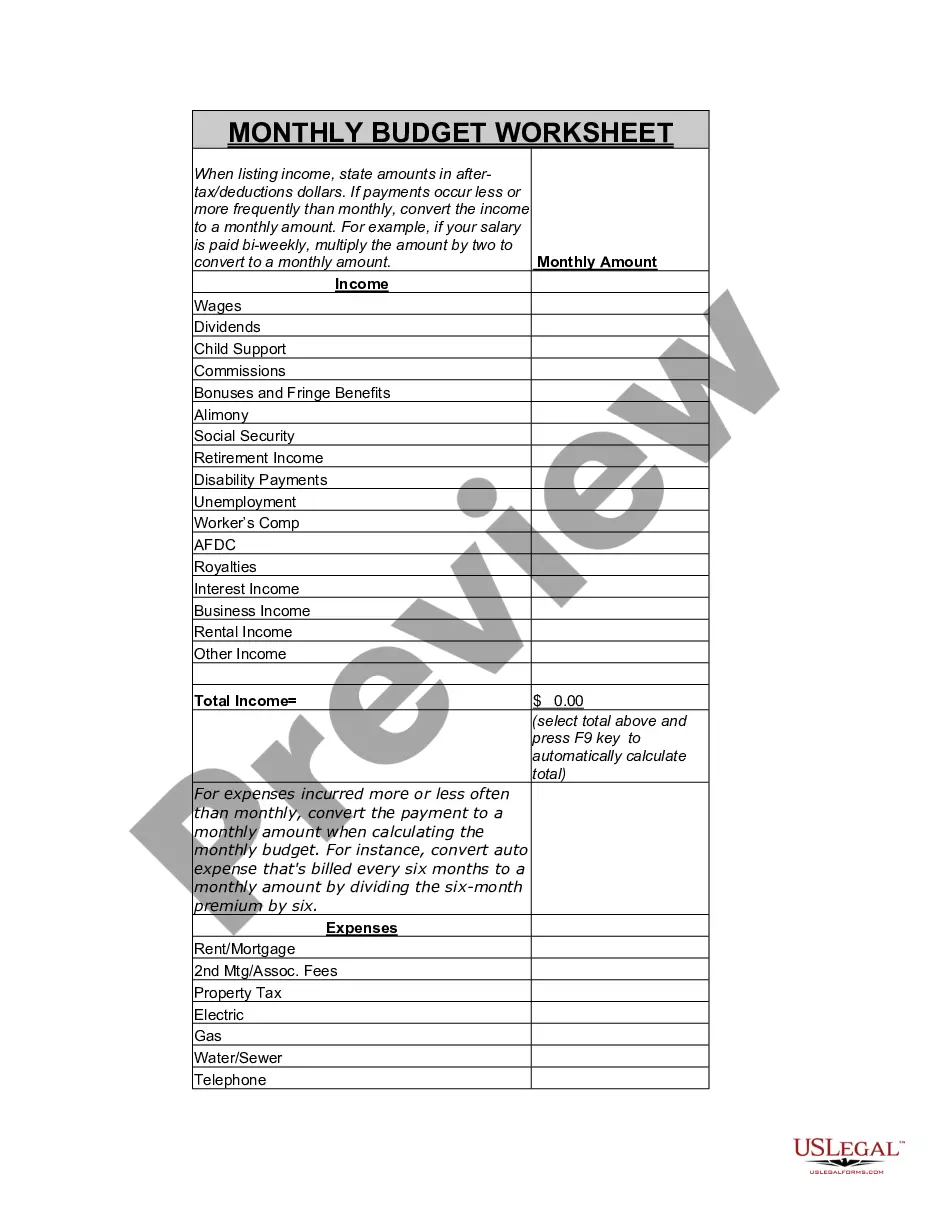
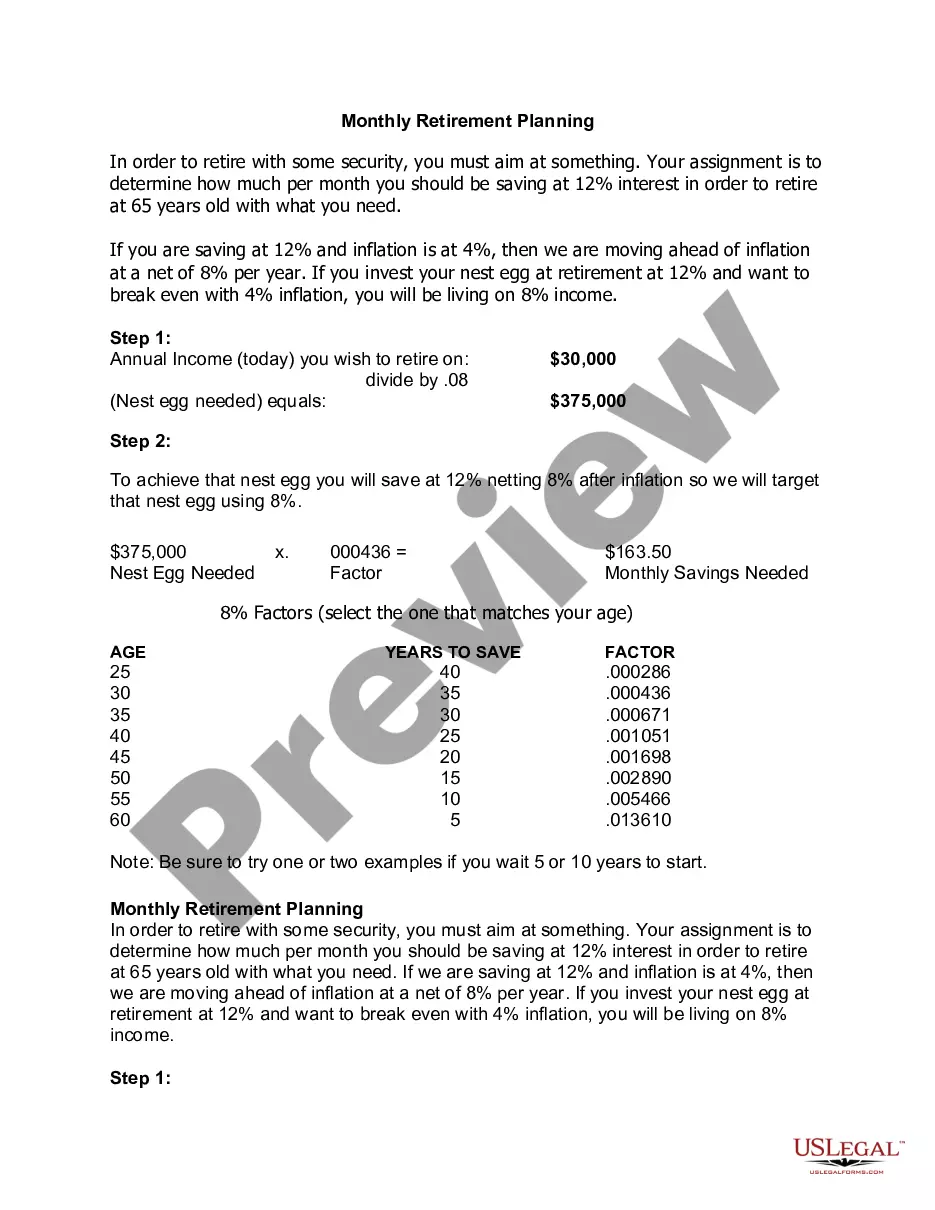
Virginia Recommended Spending Percentages
Description
Get your form ready online
Our built-in tools help you complete, sign, share, and store your documents in one place.
Make edits, fill in missing information, and update formatting in US Legal Forms—just like you would in MS Word.
Download a copy, print it, send it by email, or mail it via USPS—whatever works best for your next step.
Sign and collect signatures with our SignNow integration. Send to multiple recipients, set reminders, and more. Go Premium to unlock E-Sign.
If this form requires notarization, complete it online through a secure video call—no need to meet a notary in person or wait for an appointment.
We protect your documents and personal data by following strict security and privacy standards.

Make edits, fill in missing information, and update formatting in US Legal Forms—just like you would in MS Word.

Download a copy, print it, send it by email, or mail it via USPS—whatever works best for your next step.

Sign and collect signatures with our SignNow integration. Send to multiple recipients, set reminders, and more. Go Premium to unlock E-Sign.

If this form requires notarization, complete it online through a secure video call—no need to meet a notary in person or wait for an appointment.

We protect your documents and personal data by following strict security and privacy standards.
Looking for another form?

How to fill out Recommended Spending Percentages?
Are you in a situation where you frequently need files for both professional or personal purposes.
There are numerous reliable document templates available on the web, but finding versions you can trust is not easy.
US Legal Forms offers thousands of document templates, like the Virginia Recommended Spending Percentages, that are crafted to meet federal and state requirements.
When you find the appropriate form, click Get now.
Choose the pricing plan you prefer, fill in the necessary information to create your account, and process the payment with your PayPal or credit card.
- If you are already familiar with the US Legal Forms website and have an account, simply Log In.
- Then, you can download the Virginia Recommended Spending Percentages template.
- If you do not have an account and wish to use US Legal Forms, follow these steps.
- Select the form you need, ensuring it is for the correct city/county.
- Use the Preview button to review the document.
- Check the description to confirm that you have selected the correct form.
- If the form isn’t what you are looking for, use the Search function to find the document that meets your needs.
Form popularity
FAQ
Virginia's state government budget is divided into an operating budget and a capital budget. The operating budget includes expenses to run the daily activities of government. The capital budget includes the one-time costs of building, improving, or repairing government facilities.
Military spending accounts for 44 percent of federal spending in Virginia.
The largest section of local spending is for education. To read an article by the U.S. Census Bureau related to state and local government expenditures and their revenues visit State and Local Government Spending Grows Faster Than Revenue.
Revenues come mainly from tax collections, licensing fees, federal aid, and returns on investments. Expenditures generally include spending on government salaries, infrastructure, education, public pensions, public assistance, corrections, Medicaid, and transportation.
The largest category of state spending is education. State governments have primary responsibility for elementary and secondary education.
The two largest sources are the individual income tax and the sales and use tax. Other major revenue sources are corporate income taxes, wills, suits, deeds, and contract fees, and taxes on insurance company premiums.
Virginia's largest spending areas per capita were elementary and secondary education ($2,157) and public welfare ($1,658). The Census Bureau includes most Medicaid spending in public welfare but also allocates some of it to public hospitals.
Health, housing, food, and transportation account for a majority of personal spending. However, for many categories, the amount spent varies by income level.
The two largest sources are the individual income tax and the sales and use tax. Other major revenue sources are corporate income taxes, wills, suits, deeds, and contract fees, and taxes on insurance company premiums.
General fund revenues can primarily be attributed to five major revenue sources. The two largest sources are the individual income tax and the sales and use tax. Other major revenue sources are corporate income taxes, wills, suits, deeds, and contract fees, and taxes on insurance company premiums.