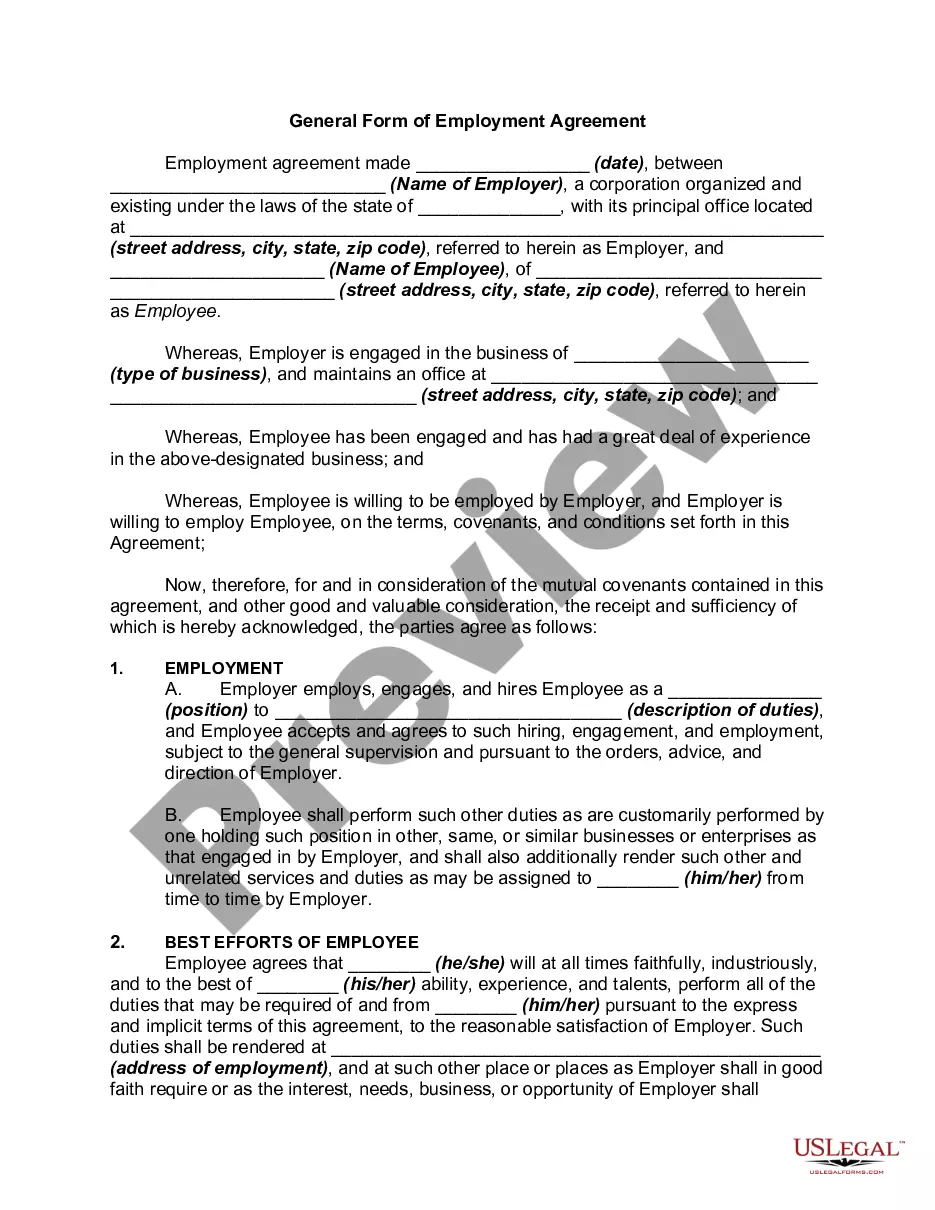
Virginia Special Needs Irrevocable Trust Agreement for Benefit of Disabled Child of Trustor
Description

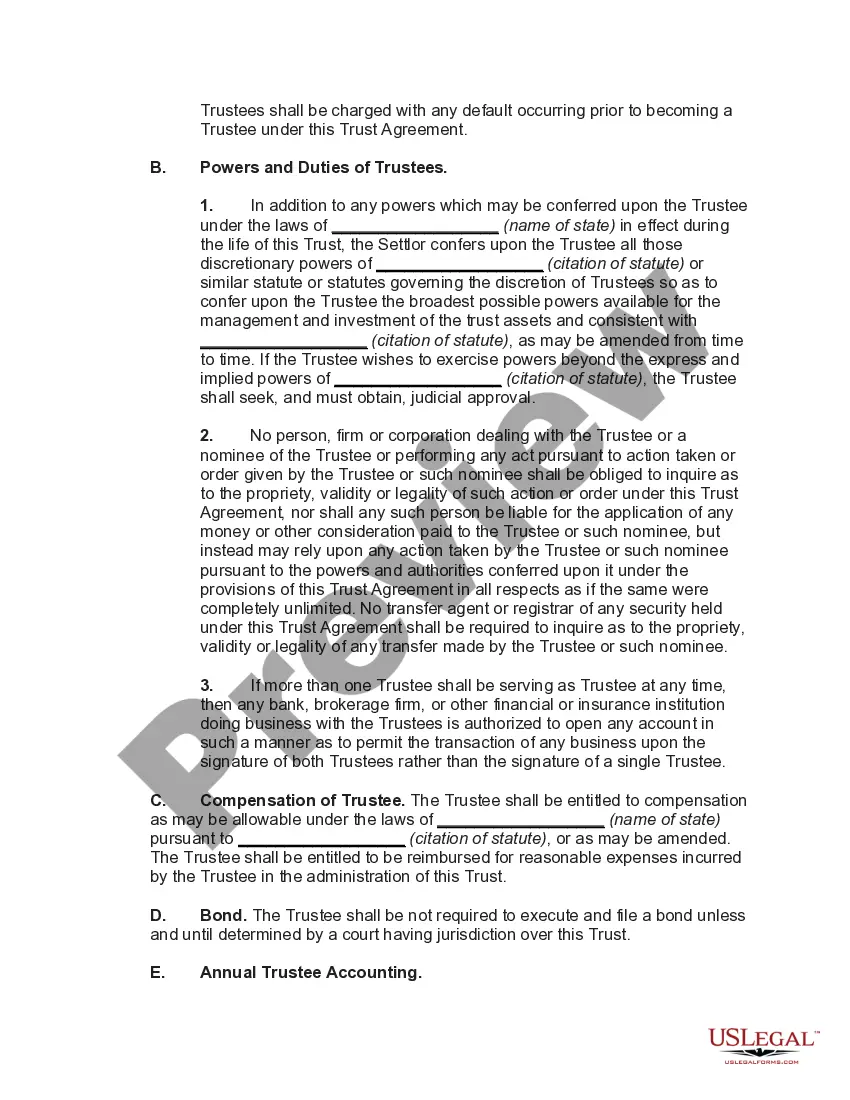
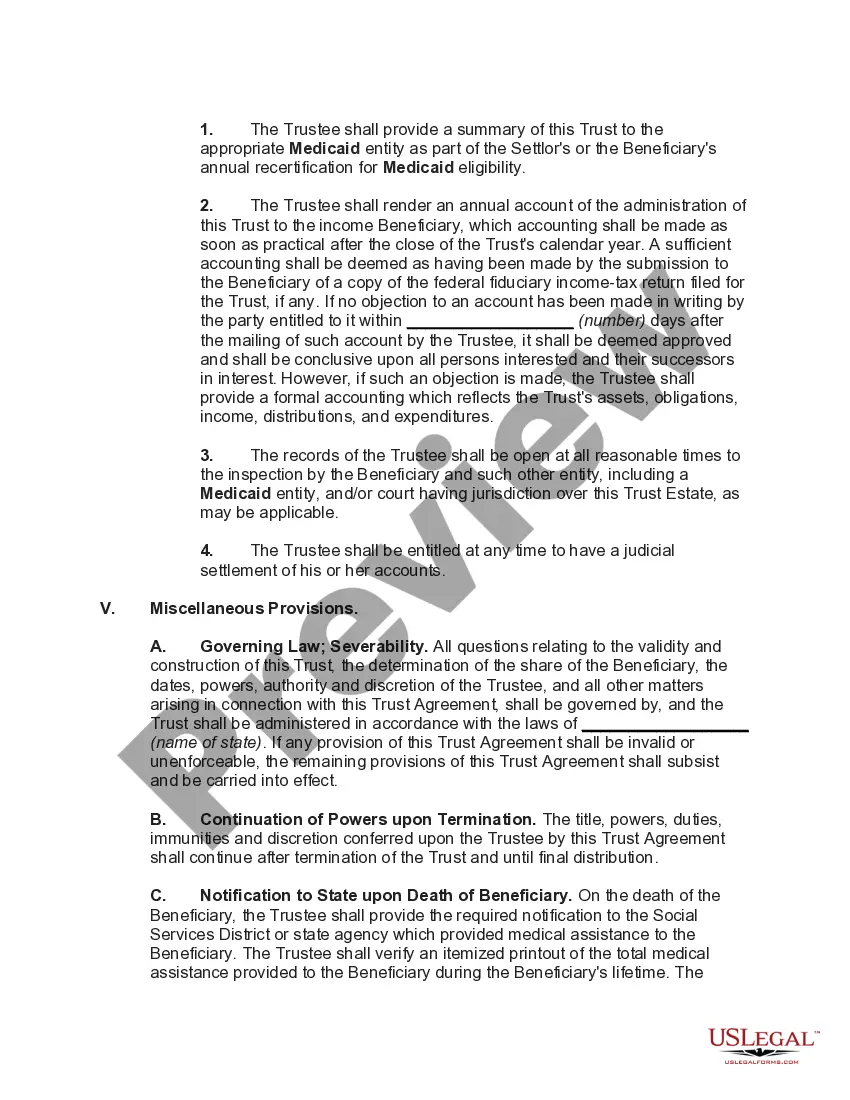
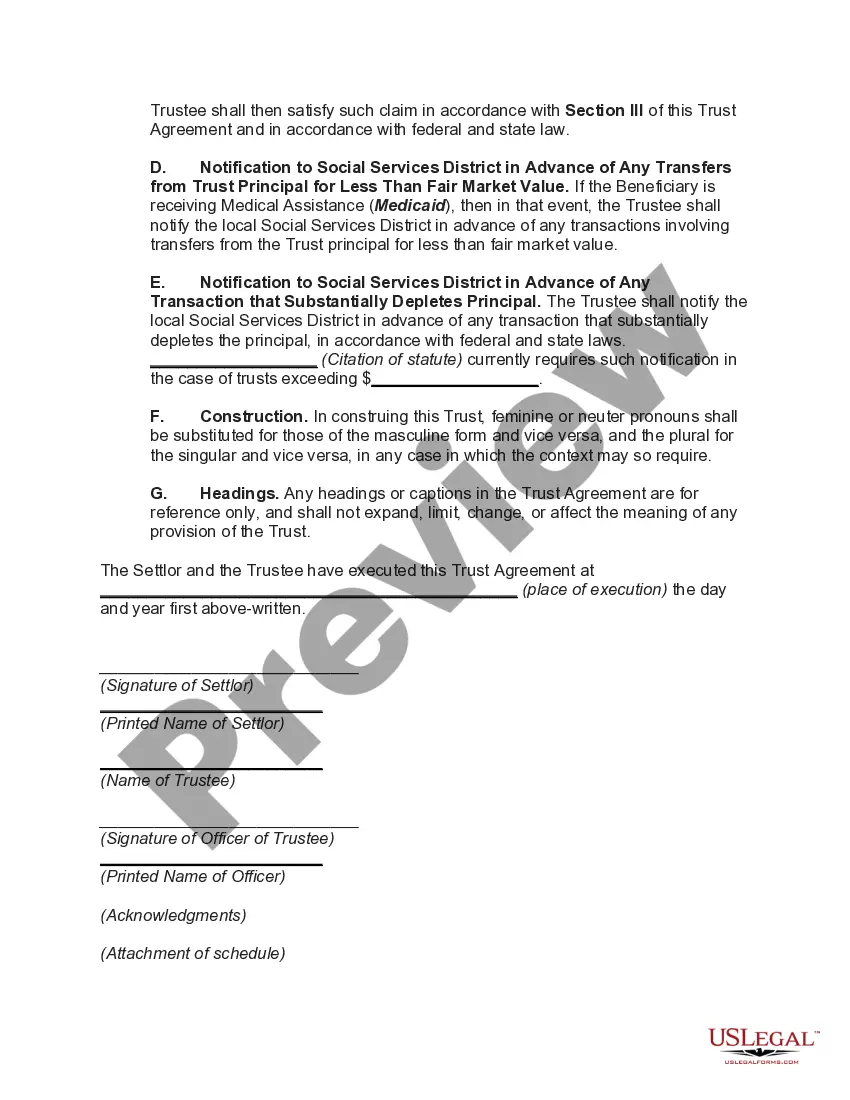
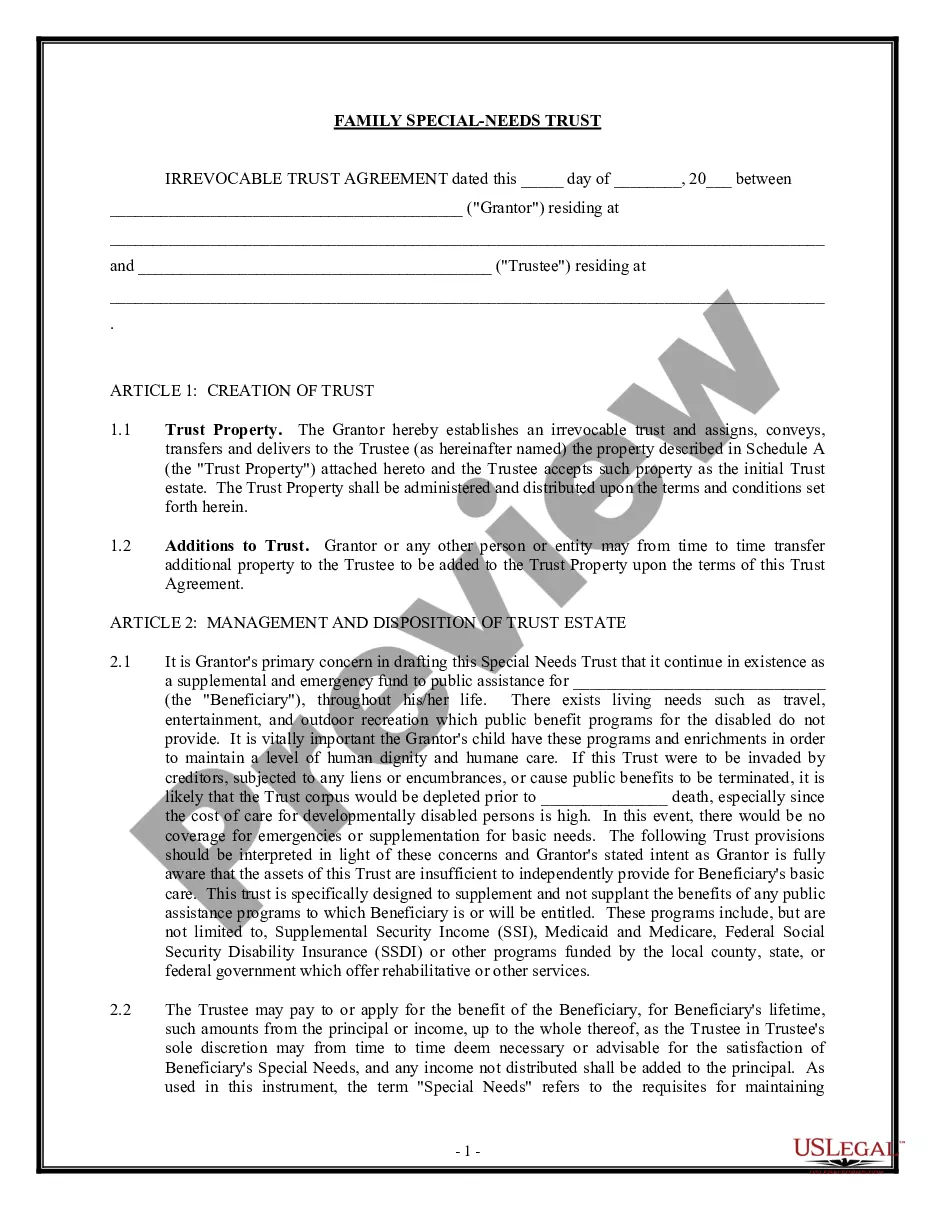

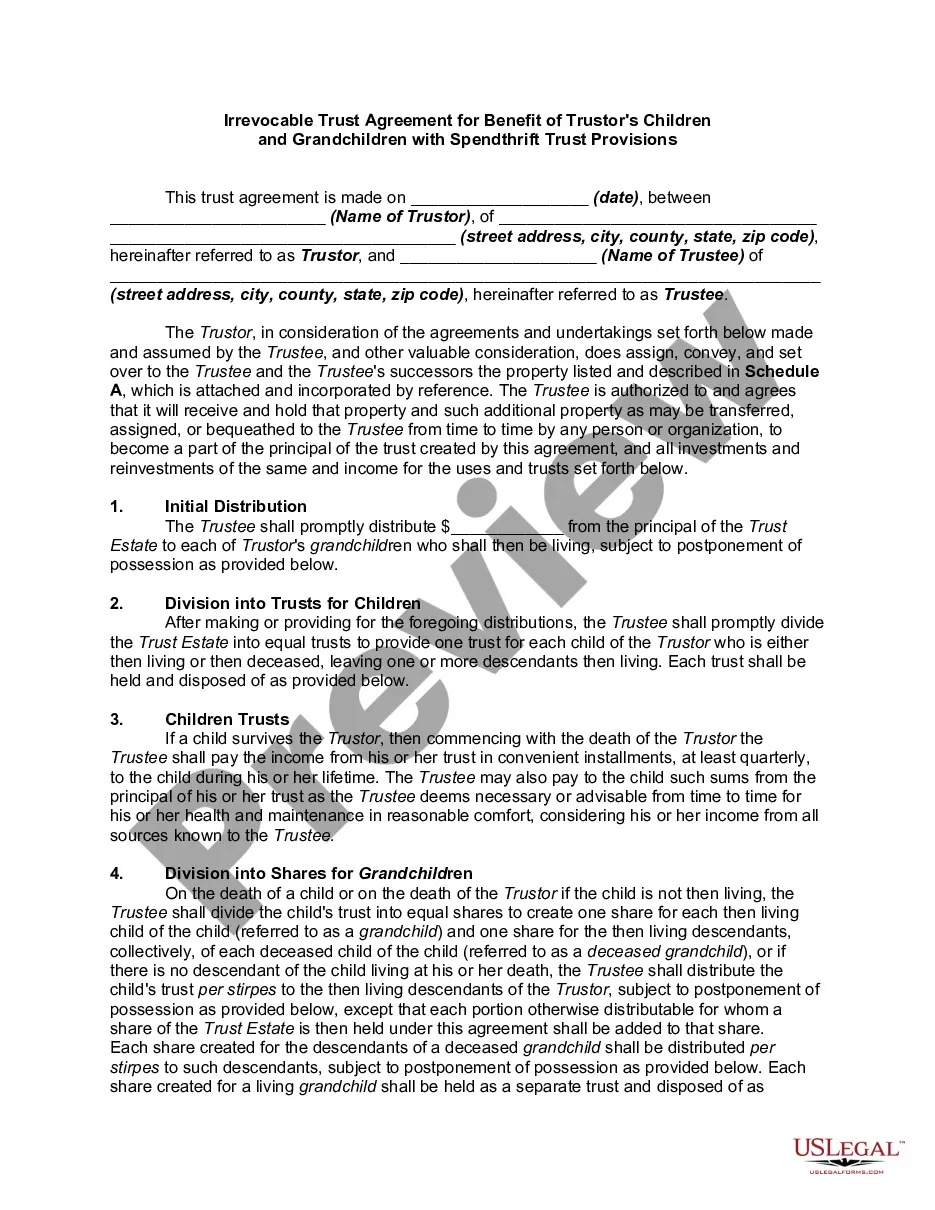
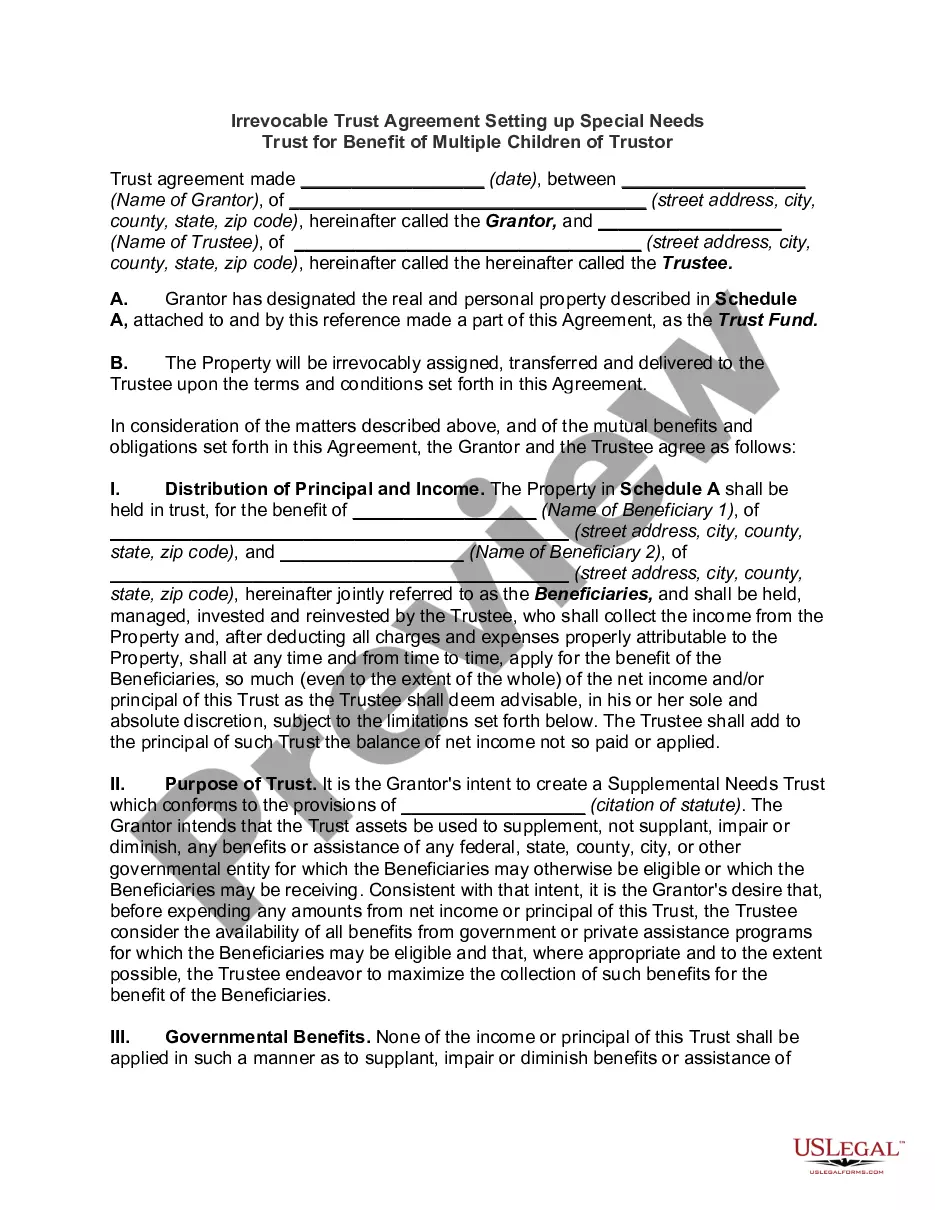
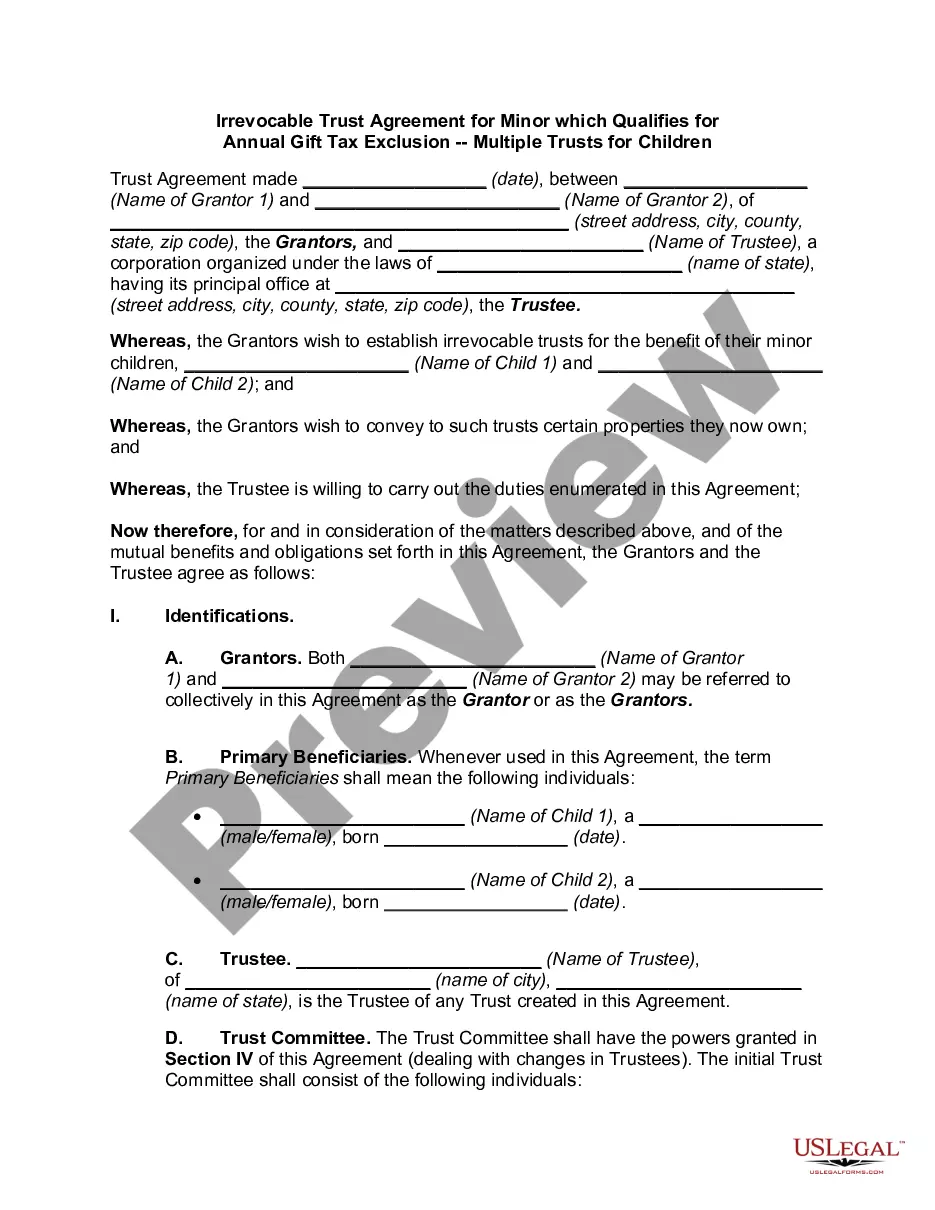
Get your form ready online
Our built-in tools help you complete, sign, share, and store your documents in one place.
Make edits, fill in missing information, and update formatting in US Legal Forms—just like you would in MS Word.
Download a copy, print it, send it by email, or mail it via USPS—whatever works best for your next step.
Sign and collect signatures with our SignNow integration. Send to multiple recipients, set reminders, and more. Go Premium to unlock E-Sign.
If this form requires notarization, complete it online through a secure video call—no need to meet a notary in person or wait for an appointment.
We protect your documents and personal data by following strict security and privacy standards.

Make edits, fill in missing information, and update formatting in US Legal Forms—just like you would in MS Word.

Download a copy, print it, send it by email, or mail it via USPS—whatever works best for your next step.

Sign and collect signatures with our SignNow integration. Send to multiple recipients, set reminders, and more. Go Premium to unlock E-Sign.

If this form requires notarization, complete it online through a secure video call—no need to meet a notary in person or wait for an appointment.

We protect your documents and personal data by following strict security and privacy standards.
Looking for another form?







How to fill out Special Needs Irrevocable Trust Agreement For Benefit Of Disabled Child Of Trustor?
You might spend hours online trying to locate the legal document template that meets the federal and state criteria you require.
US Legal Forms offers thousands of legal documents that can be examined by experts.
It is easy to download or print the Virginia Special Needs Irrevocable Trust Agreement for the Benefit of Disabled Child of Trustor from our platform.
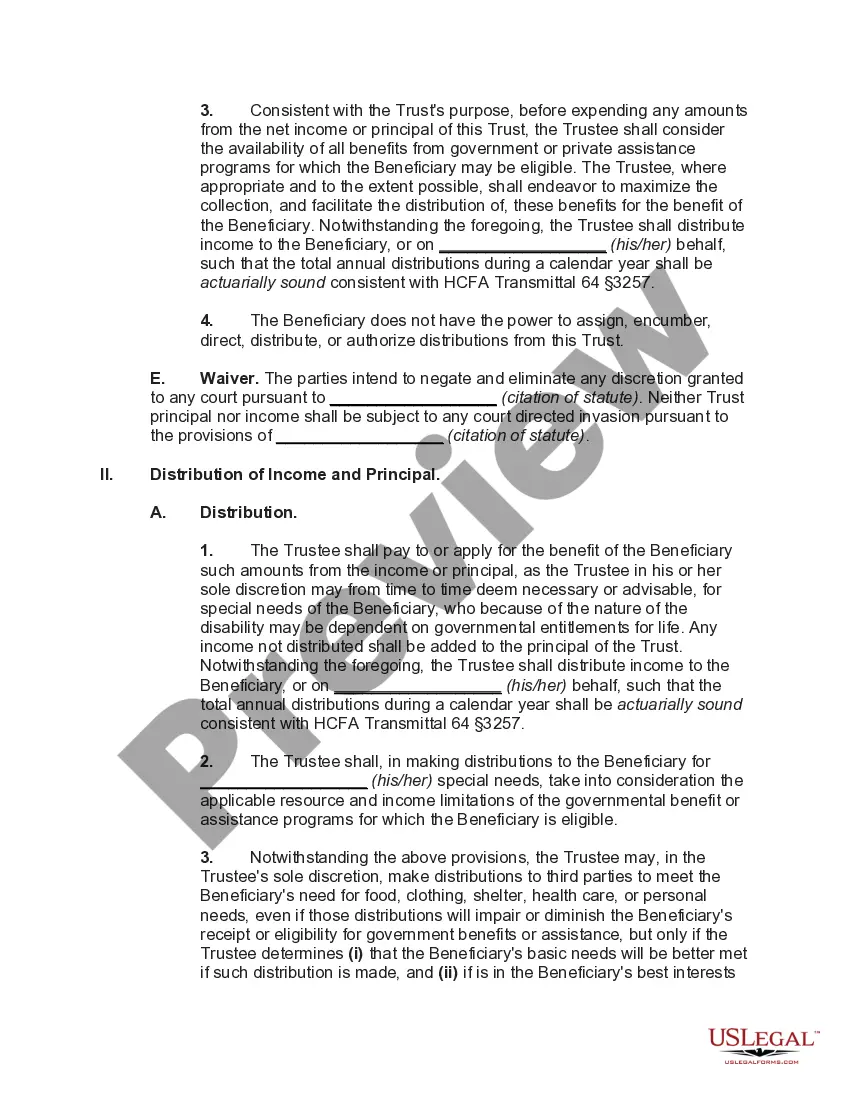
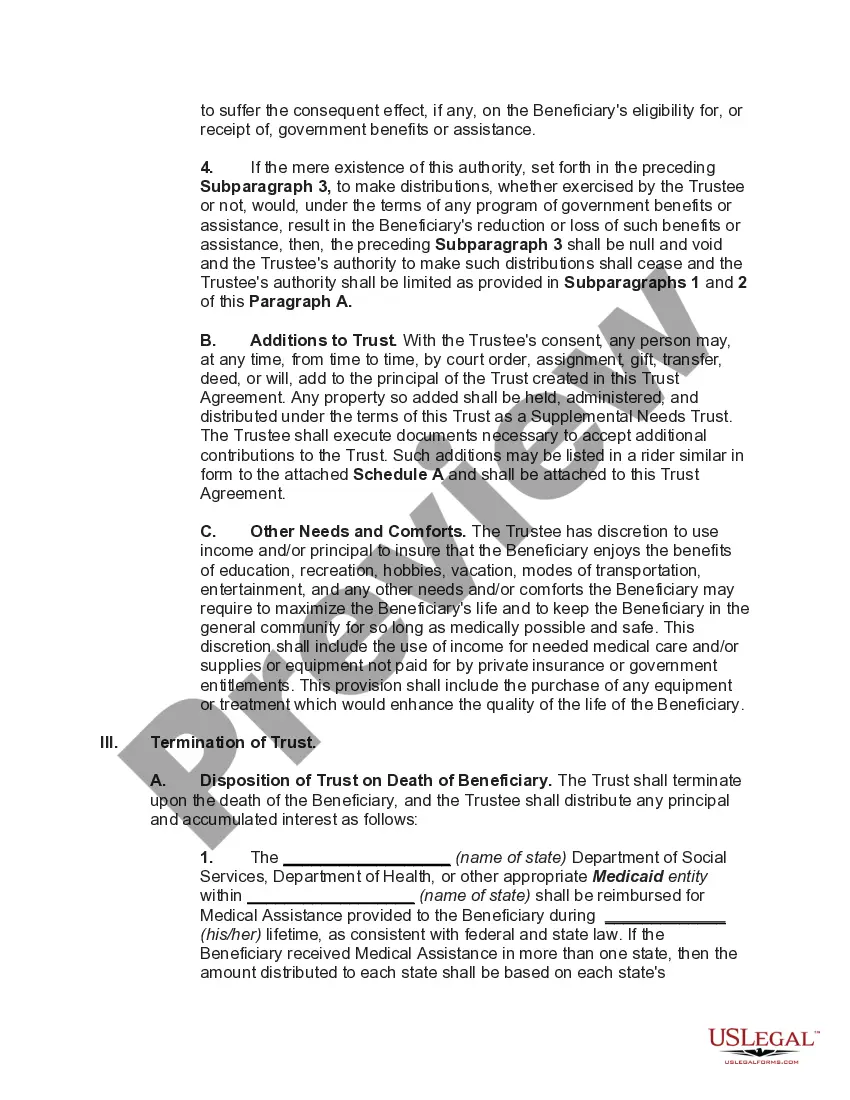
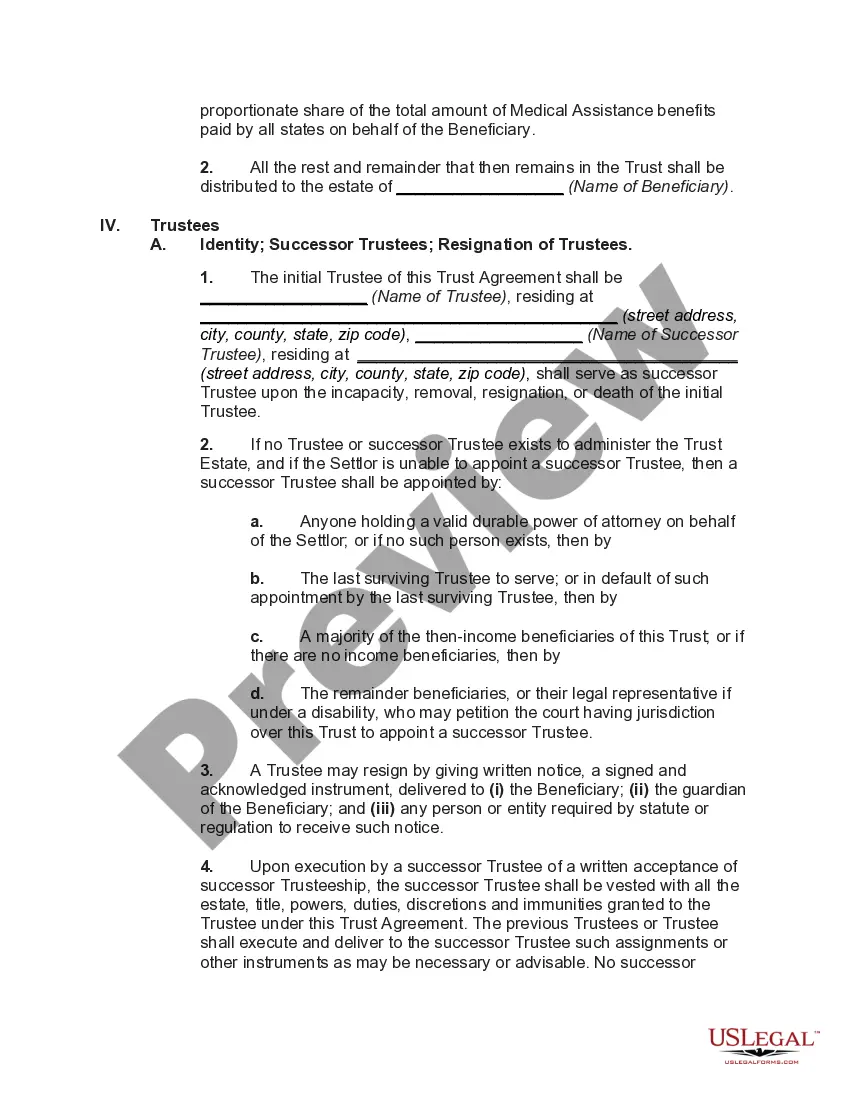
Check the form description to confirm you have selected the accurate form. If available, use the Preview button to review the document template as well.
- If you already possess a US Legal Forms account, you can Log In and then click the Obtain button.
- Afterward, you can complete, modify, print, or sign the Virginia Special Needs Irrevocable Trust Agreement for Benefit of Disabled Child of Trustor.
- Every legal document template you purchase is yours forever.
- To obtain another copy of any purchased form, visit the My documents section and click the corresponding button.
- If you are using the US Legal Forms website for the first time, follow these straightforward instructions.
- First, ensure that you have chosen the correct document template for the region/city of your preference.
Form popularity
FAQ
Special Needs Guides SSDI is not a needs-based benefit. If you are on that program for two years, you will also qualify for Medicare. Because SSDI is not needs-based, a special needs trust is not necessary to qualify for it.
Trusts considered to be qualified disability trusts are entitled to the same personal exemption allowed to all individual taxpayers when filing a tax return. The personal exemption in 2012 is $3,800.
The money simply replaces state-funding benefits and services until their fund drops below the excluded capital level, when they go back on to means-tested benefits. A Vulnerable Beneficiary Trust or Disabled Person's Trust can be a way of ringfencing the windfall so that means-tested benefits are not affected.
Money paid directly to you from the trust reduces your SSI benefit. Money paid directly to someone to provide you with food or shelter reduces your SSI benefit but only up to a certain limit.
Funds held in a properly drafted special needs trust will not affect a Supplemental Security Income (SSI) or Medicaid recipient's benefits. But problems can develop when funds come out of a special needs trust.
Generally, the following disbursements would impact SSI benefits: food, mortgage (principal and interest), rent, real estate taxes, gas, electricity, water, sewer, homeowner's insurance, and cash payments to the beneficiary.
Disadvantages to SNTCost. Annual fees and a high cost to set up a SNT can make it financially difficult to create a SNT The yearly costs to manage the trust can be high.Lack of independence.Medicaid payback.
Some of the benefits of utilizing an SNT include asset management and maximizing and maintaining government benefits (including Medicaid and Supplemental Security Income). Some possible negatives of utilizing an SNT include lack of control and difficulty or inability to identify an appropriate Trustee.
A special needs trust is a legal arrangement that lets a physically or mentally ill person, or someone chronically disabled, have access to funding without potentially losing the benefits provided by public assistance programs.