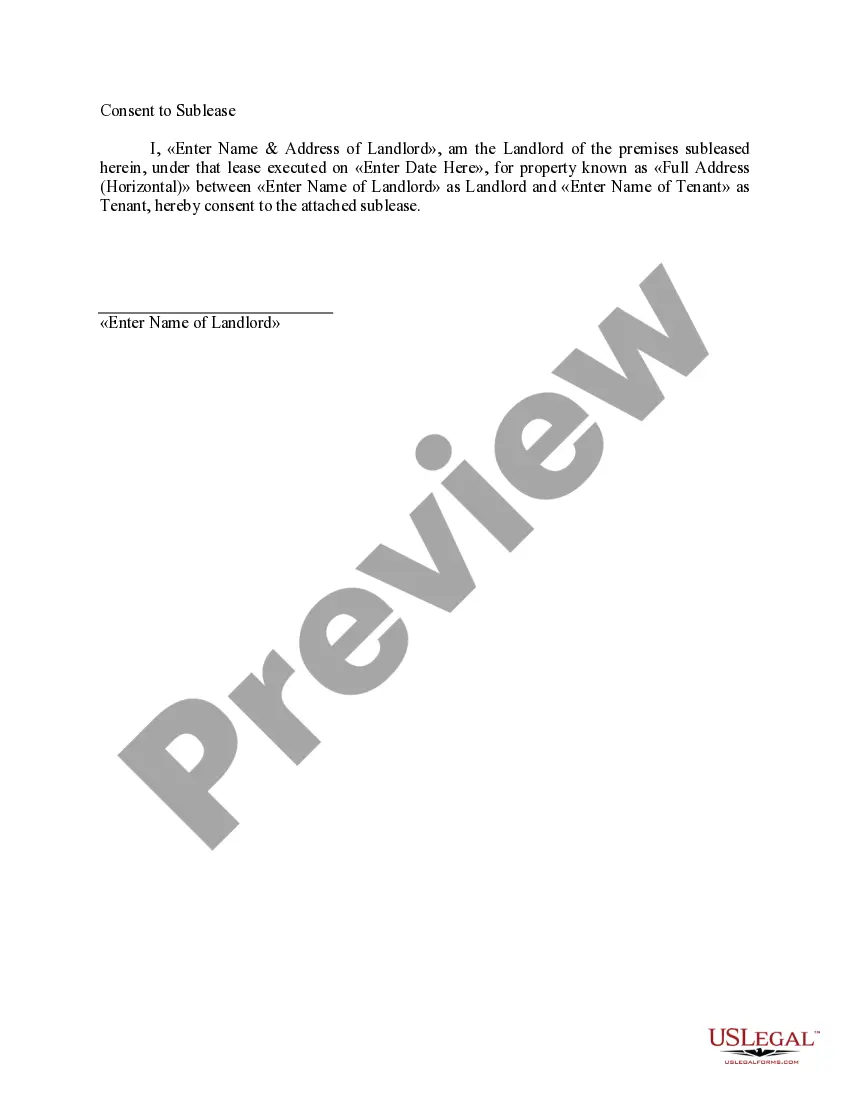
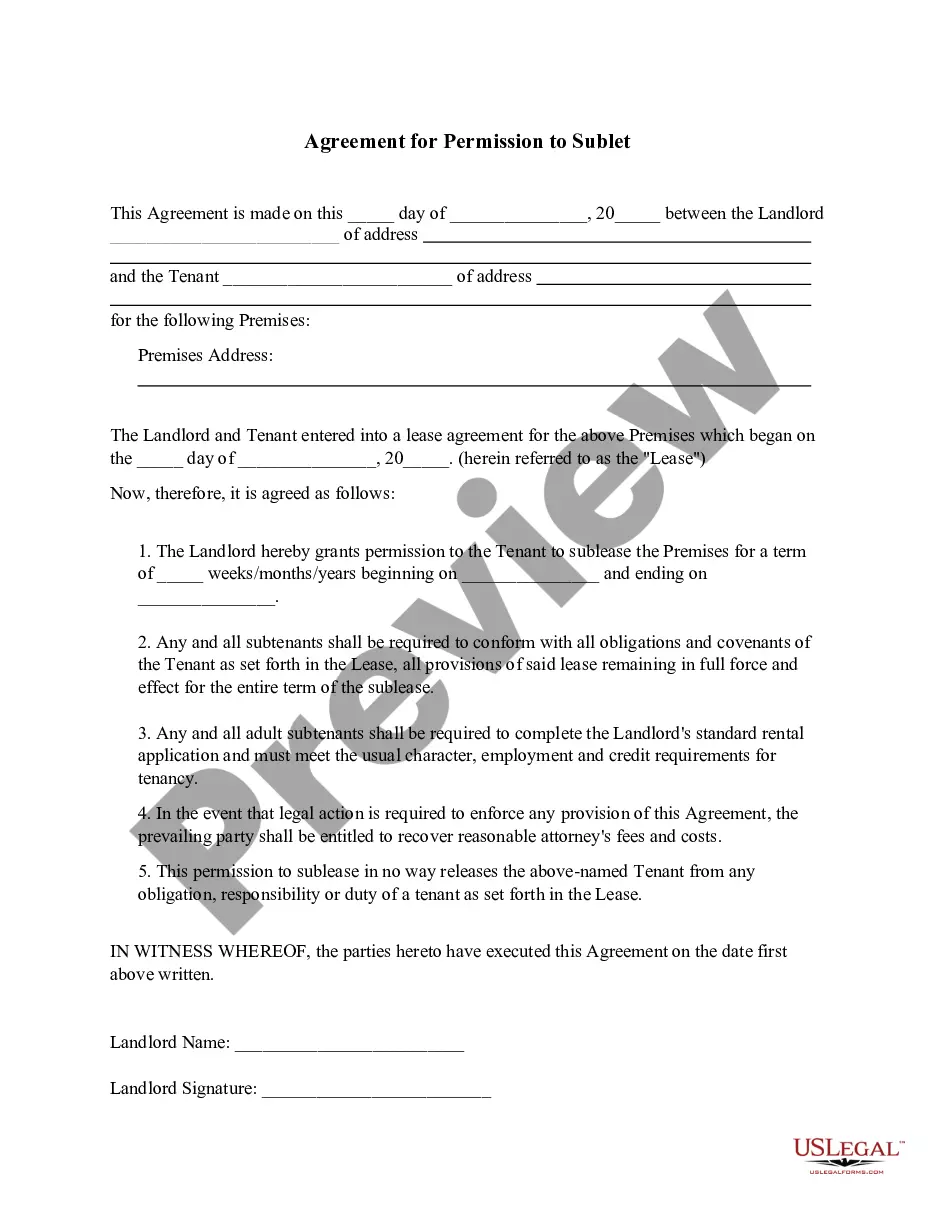
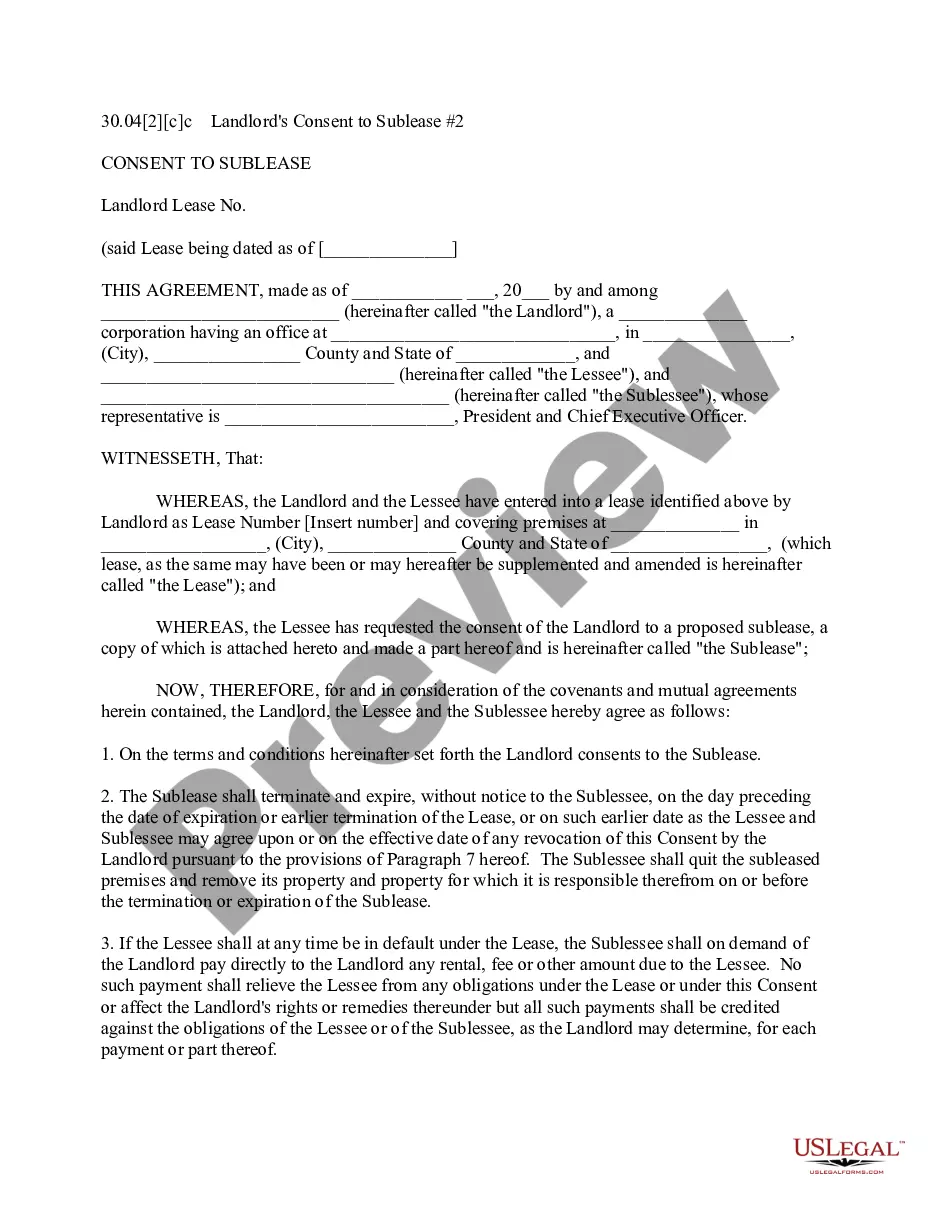
Virginia Supplemental Agreement Granting Consent to Sublessee Regarding Use of Leased Property
Description
Get your form ready online
Our built-in tools help you complete, sign, share, and store your documents in one place.
Make edits, fill in missing information, and update formatting in US Legal Forms—just like you would in MS Word.
Download a copy, print it, send it by email, or mail it via USPS—whatever works best for your next step.
Sign and collect signatures with our SignNow integration. Send to multiple recipients, set reminders, and more. Go Premium to unlock E-Sign.
If this form requires notarization, complete it online through a secure video call—no need to meet a notary in person or wait for an appointment.
We protect your documents and personal data by following strict security and privacy standards.

Make edits, fill in missing information, and update formatting in US Legal Forms—just like you would in MS Word.

Download a copy, print it, send it by email, or mail it via USPS—whatever works best for your next step.

Sign and collect signatures with our SignNow integration. Send to multiple recipients, set reminders, and more. Go Premium to unlock E-Sign.

If this form requires notarization, complete it online through a secure video call—no need to meet a notary in person or wait for an appointment.

We protect your documents and personal data by following strict security and privacy standards.
Looking for another form?



How to fill out Supplemental Agreement Granting Consent To Sublessee Regarding Use Of Leased Property?
You may spend time online searching for the valid document template that fits the state and federal requirements you desire.
US Legal Forms offers a vast array of valid forms that have been evaluated by experts.
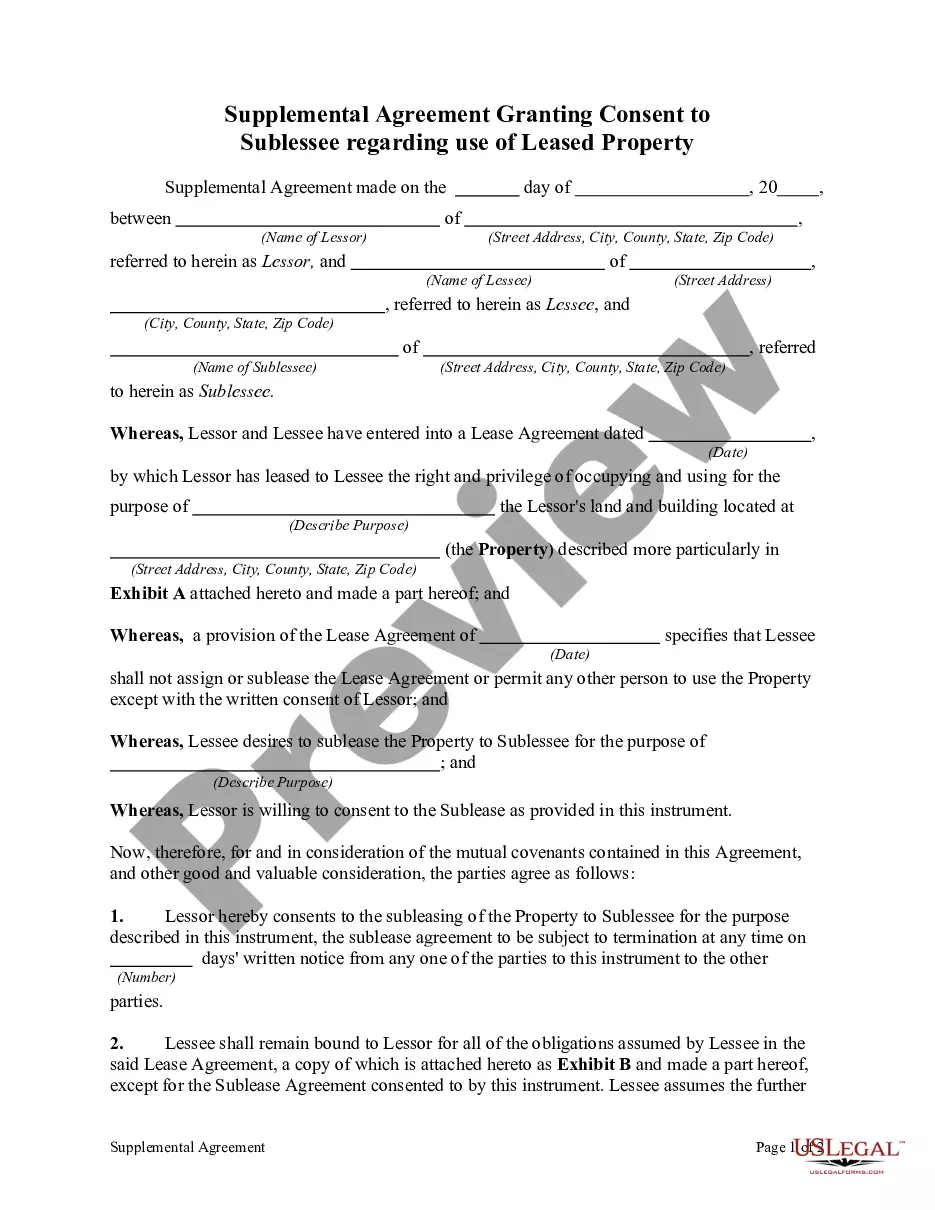
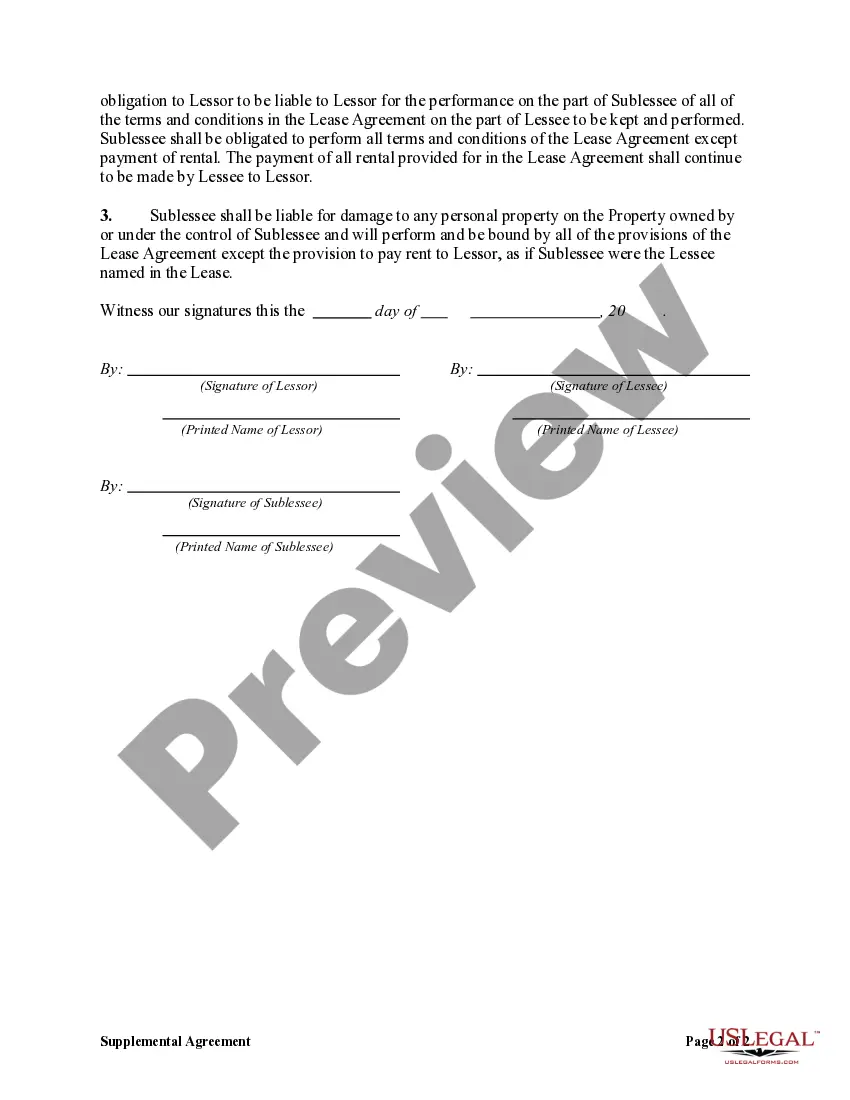
You can download or print the Virginia Supplemental Agreement Granting Consent to Sublessee Regarding Use of Leased Property from our service.
If you need to find another variation of the form, use the Search field to locate the template that meets your needs and requirements.
- If you already have a US Legal Forms account, you can Log In and click on the Acquire button.
- Then, you can complete, modify, print, or sign the Virginia Supplemental Agreement Granting Consent to Sublessee Regarding Use of Leased Property.
- Every valid document template you purchase is yours permanently.
- To obtain another copy of any purchased form, go to the My documents tab and click on the relevant button.
- If you are visiting the US Legal Forms site for the first time, follow the simple instructions below.
- First, ensure that you've selected the correct document template for the state/city of your choice.
- Read the form description to confirm you have chosen the right form.
- If available, use the Preview button to browse through the document template as well.
Form popularity
FAQ
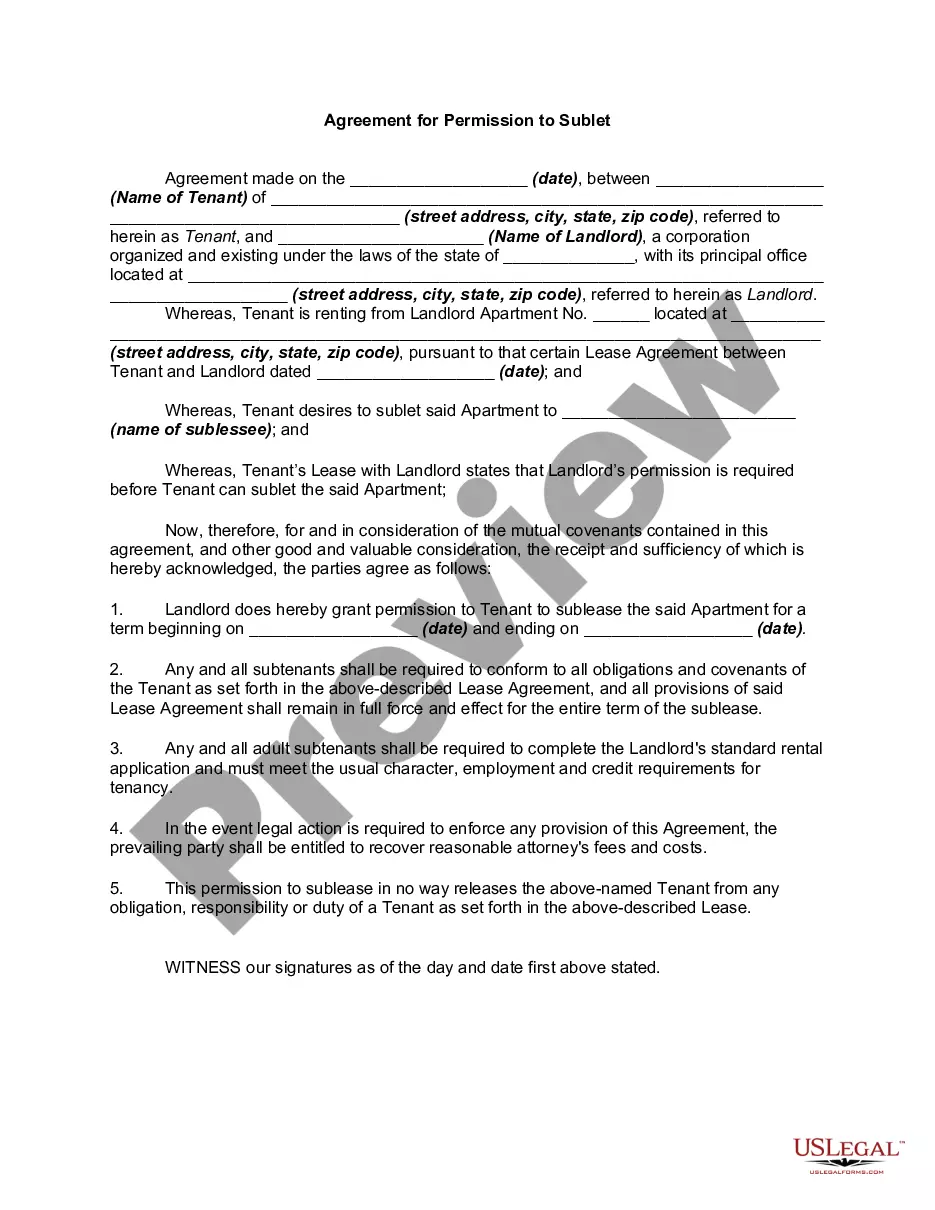
A sublease consent form allows a current tenant under a lease to document a landlord's approval of subletting the property the tenant is renting to a subtenant.
A consent to let agreement (also known as a 'lease permission period') allows you to alter the conditions of your residential mortgage agreement for a short period of time and rent out some or all your home.
You can sublet part of your home with your landlord's written permission. If you sublet part of your home without permission, you are in breach of your tenancy agreement. Your landlord can't unreasonably withhold their consent to a request to sublet part of your home.
There is no difference in meaning between the two. Consent to let tends to be short-term or for a fixed period.
Consent to let is a formal, written agreement between you and your mortgage lender, giving you permission to rent out your home or part of your home for a short period of time. It's the only way you can legally let your home without switching to a buy-to-let mortgage.
If the lease is silent on assignments, the tenant is free to assign without the landlord's consent.
If you don't apply for 'consent to let', your lender could ask you to immediately repay your loan in full. You would have to declare this to other potential lenders who then might not be keen to lend you the money.
Most tenants need their landlord's permission before they can sublet all or part of their home. Many tenancy agreements contain a term on this, so you should always check your agreement first. If you do need permission, get it in writing.
In Virginia, subleasing will be governed solely by what is in the rental agreement. However, if the lease states that the landlord must approve sublease, then the landlord must respond to the tenant within 10 days of the tenant's request for the sublease.
The Bottom Line: According to the Virginia Landlord-Tenant Handbook, you are allowed to sublet as long as your lease does not specifically forbid it. You should always obtain written approval from your landlord prior to subletting.