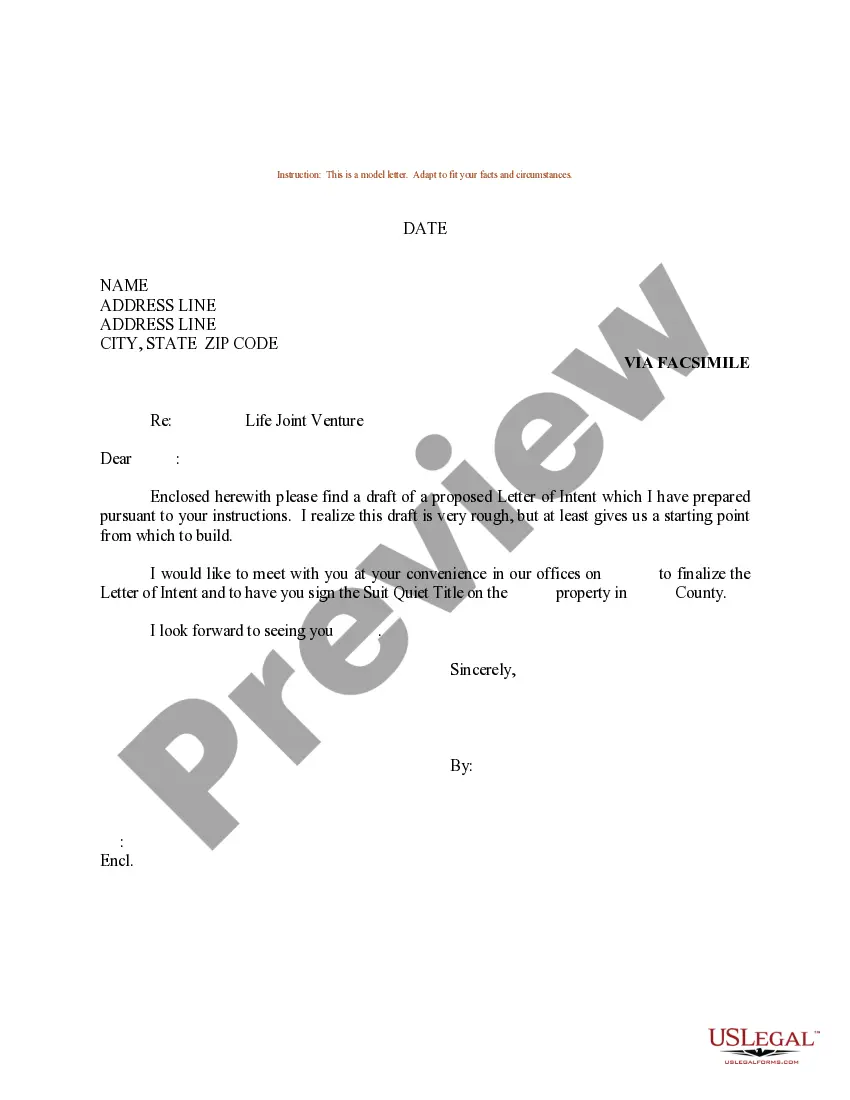
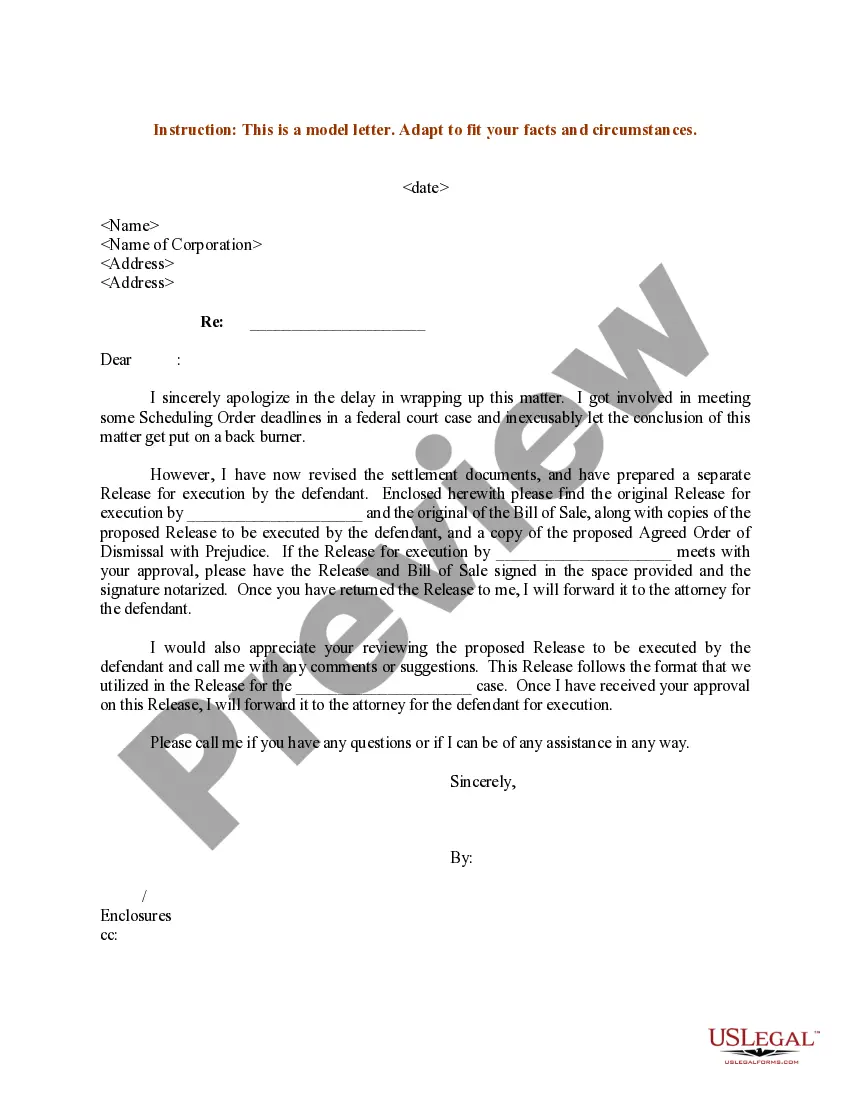
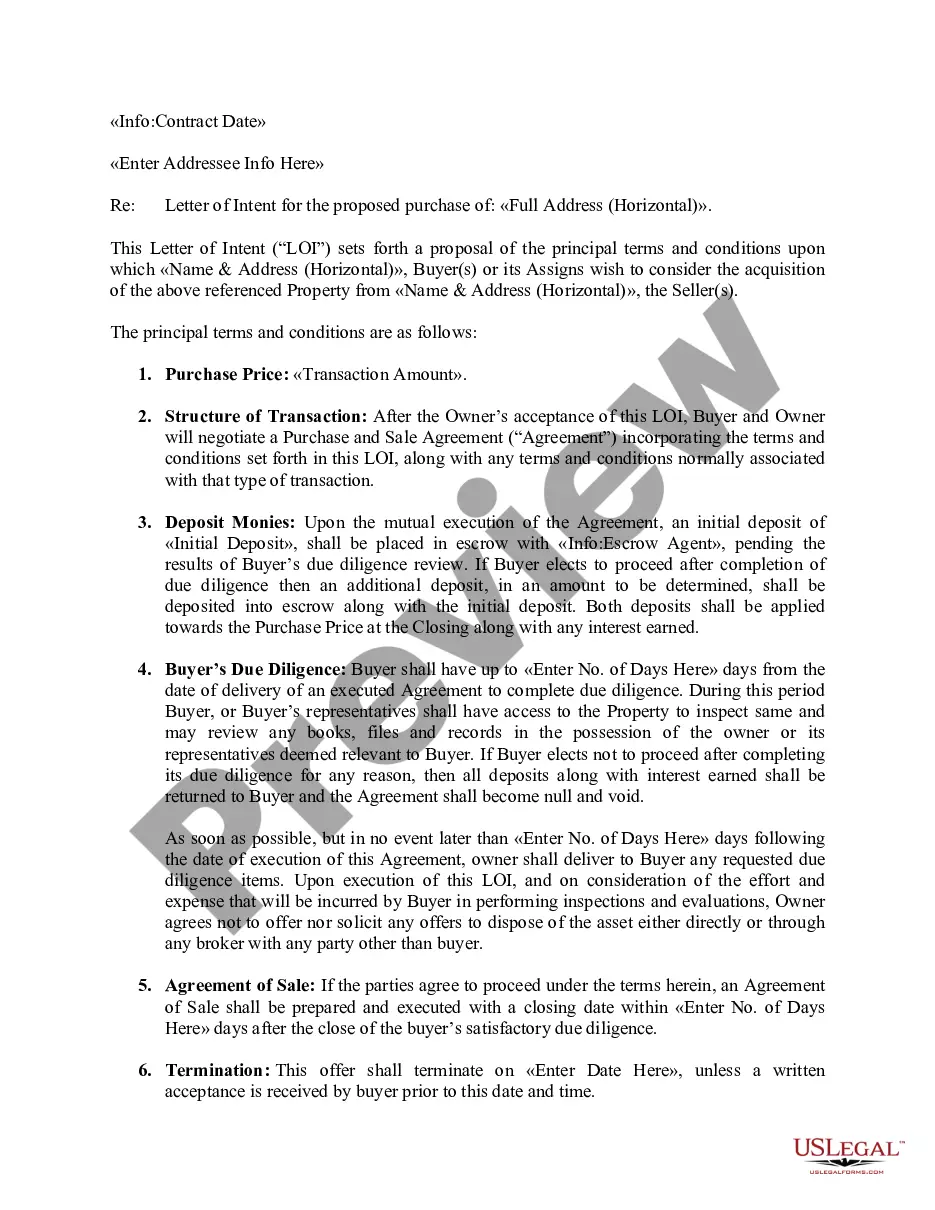
Virginia Sample Letter for Draft of a Proposed Letter of Intent
Description
Get your form ready online
Our built-in tools help you complete, sign, share, and store your documents in one place.
Make edits, fill in missing information, and update formatting in US Legal Forms—just like you would in MS Word.
Download a copy, print it, send it by email, or mail it via USPS—whatever works best for your next step.
Sign and collect signatures with our SignNow integration. Send to multiple recipients, set reminders, and more. Go Premium to unlock E-Sign.
If this form requires notarization, complete it online through a secure video call—no need to meet a notary in person or wait for an appointment.
We protect your documents and personal data by following strict security and privacy standards.

Make edits, fill in missing information, and update formatting in US Legal Forms—just like you would in MS Word.

Download a copy, print it, send it by email, or mail it via USPS—whatever works best for your next step.

Sign and collect signatures with our SignNow integration. Send to multiple recipients, set reminders, and more. Go Premium to unlock E-Sign.

If this form requires notarization, complete it online through a secure video call—no need to meet a notary in person or wait for an appointment.

We protect your documents and personal data by following strict security and privacy standards.
Looking for another form?


How to fill out Sample Letter For Draft Of A Proposed Letter Of Intent?
It is feasible to spend hours online looking for the valid document template that meets the state and federal criteria you require. US Legal Forms provides thousands of valid forms that have been reviewed by experts.
You can easily retrieve or create the Virginia Sample Letter for Draft of a Proposed Letter of Intent from their service. If you already possess a US Legal Forms account, you may Log In and click on the Download button. After that, you can complete, modify, create, or sign the Virginia Sample Letter for Draft of a Proposed Letter of Intent.
Every valid document template you purchase is yours indefinitely. To have an additional backup of a purchased form, visit the My documents tab and click on the corresponding button. If this is your first time using the US Legal Forms site, follow the simple instructions below: First, ensure that you have chosen the correct document template for the state/city you select. Review the form description to confirm you have chosen the right form. If available, utilize the Review button to check the document template as well. If you wish to find another version of the form, use the Lookup field to locate the template that meets your needs and specifications.
- Once you have found the template you desire, simply click Get now to proceed.
- Select the pricing plan you prefer, enter your details, and register for an account on US Legal Forms.
- Complete the purchase process. You can use your credit card or PayPal account to pay for the valid document.
- Choose the file format of the document and download it to your device.
- Make changes to your document if necessary. You can complete, modify, and sign the Virginia Sample Letter for Draft of a Proposed Letter of Intent.
- Download and create thousands of document layouts using the US Legal Forms website, which offers the largest selection of valid forms.
- Utilize professional and state-specific templates to address your business or personal needs.
Form popularity
FAQ
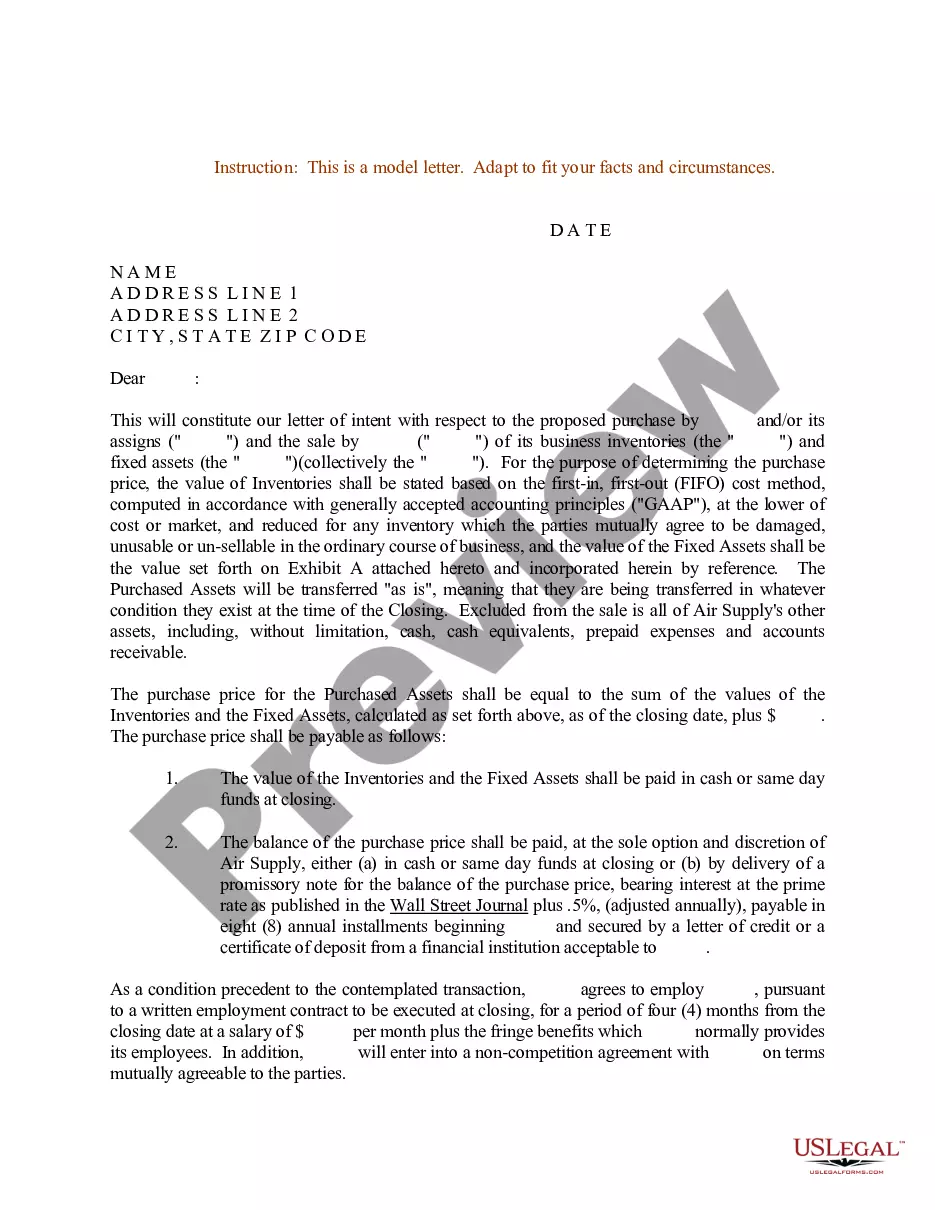
A letter of intent (LOI) is a document written in business letter format that declares your intent to do a specific thing. It's usually, but not always, nonbinding, and it states a preliminary commitment by one party to do business with another party.
Components of a LOI Opening Paragraph: Your summary statement. ... Statement of Need: The "why" of the project. ( ... Project Activity: The "what" and "how" of the project. ( ... Outcomes (1?2 paragraphs; before or after the Project Activity) ... Credentials (1?2 paragraphs) ... Budget (1?2 paragraphs) ... Closing (1 paragraph) ... Signature.
Similar to a cover letter or letter of interest, a letter of intent follows a business letter format. It should be a few paragraphs that introduce you as a candidate, outline your intentions, and encourage the reader to follow up.
A letter of intent is generally not binding since it's basically a description of the deal process. It is, in effect, an agreement to agree. Thus, either party can cancel the letter at any time.
The LOI must be concise yet engaging. Use your words smartly. Avoid jargon, adjectives, flowery subjective statements that are not supported by facts. Write a logical, persuasive argument emphasizing how this project can help solve a significant problem or void in the knowledge base.
A court relies on two factors when determining if a letter of intent is binding: written expressions of intent present in the letter and demonstrative actions taken by both parties after the letter of intent is signed. If the letter is treated as a contract, it could be ruled binding.
Limitations of a letter of intent Letters of intent are not legally binding, and don't extend full legal protection to contractual parties. However, if not stated clearly, they can become legally binding, might not always be desirable?especially if the agreement is still pending approval by both parties.
While a letter of intent is not a legal document and need not be notarized, it is wise to discuss what it should include with a well-informed estate planning attorney before you begin.