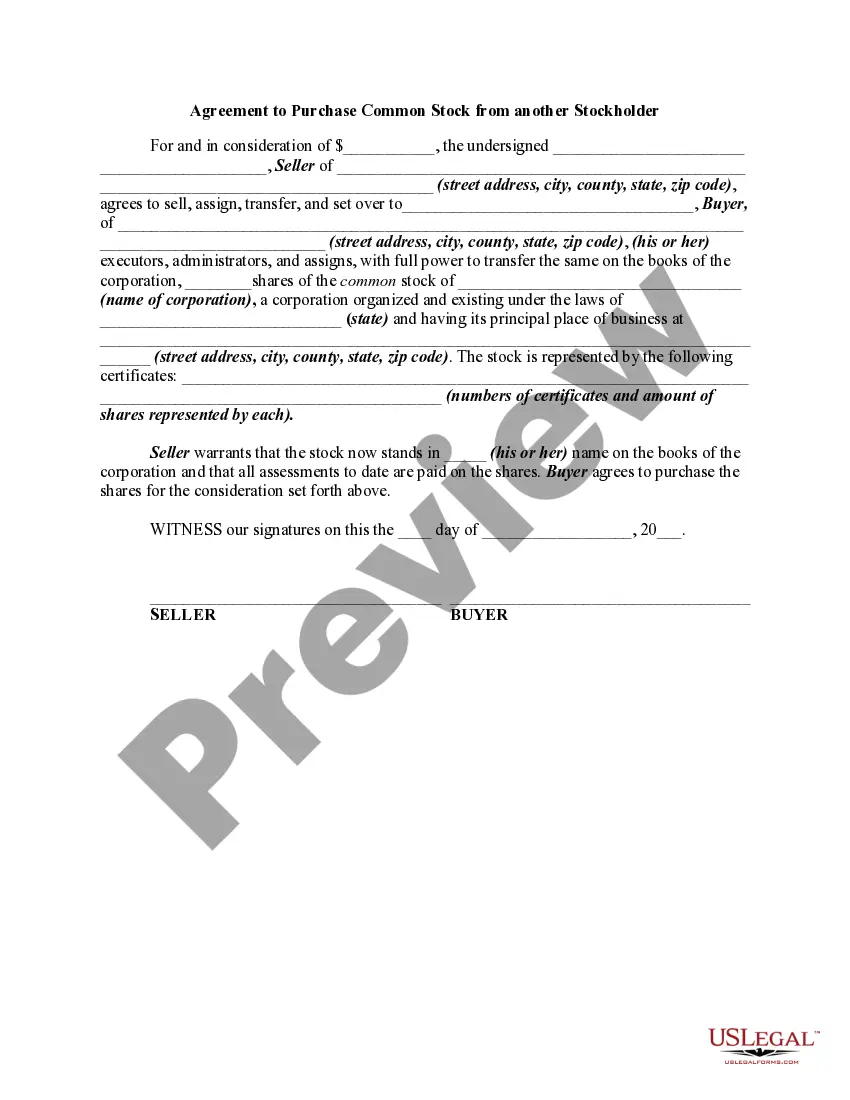
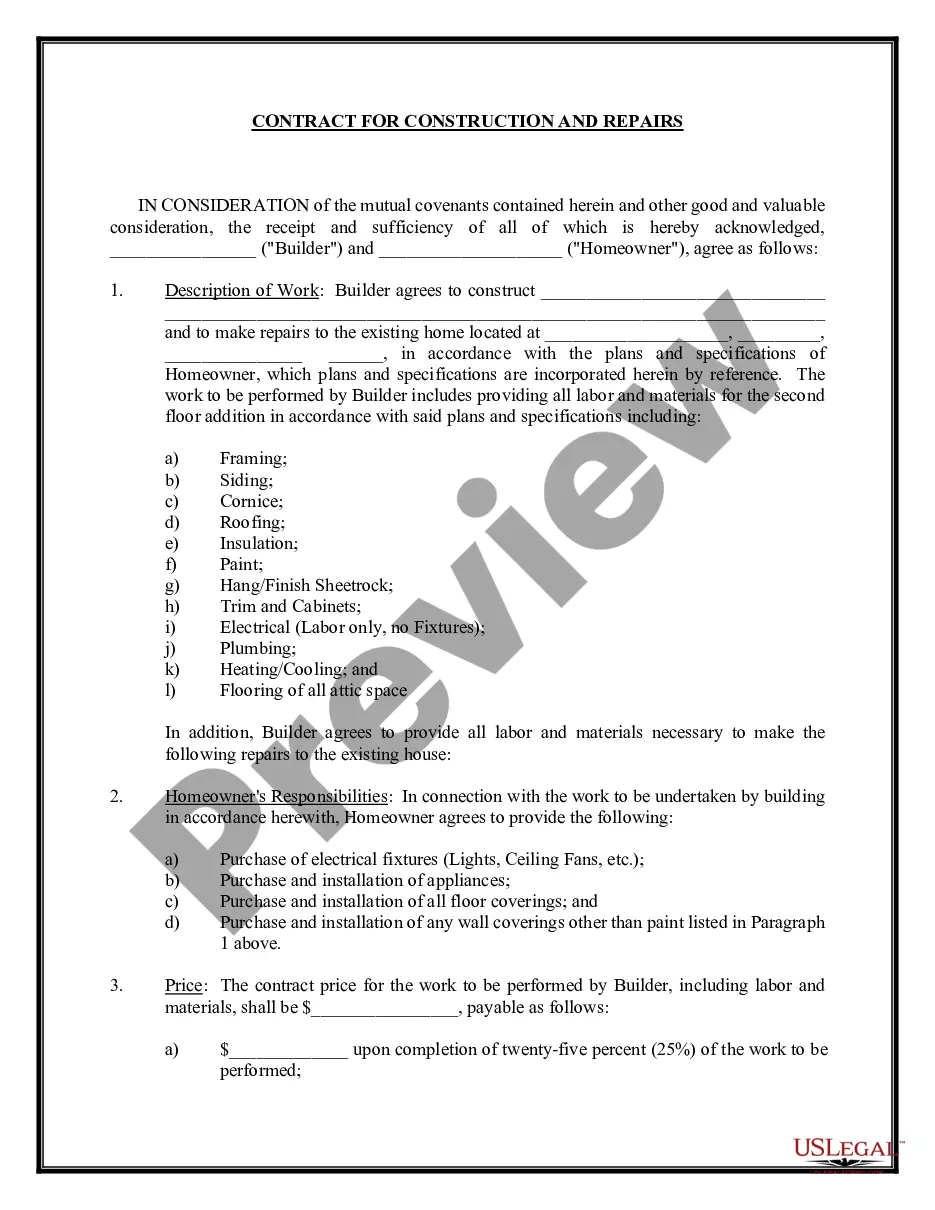
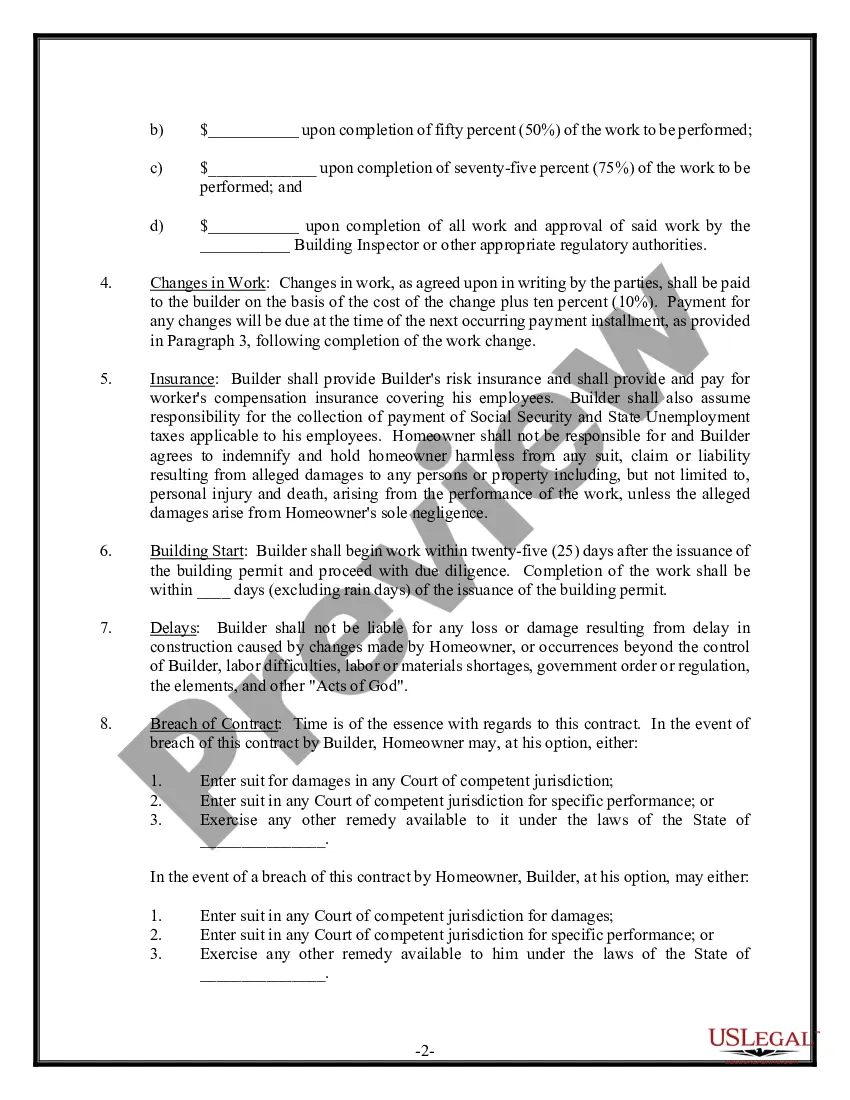
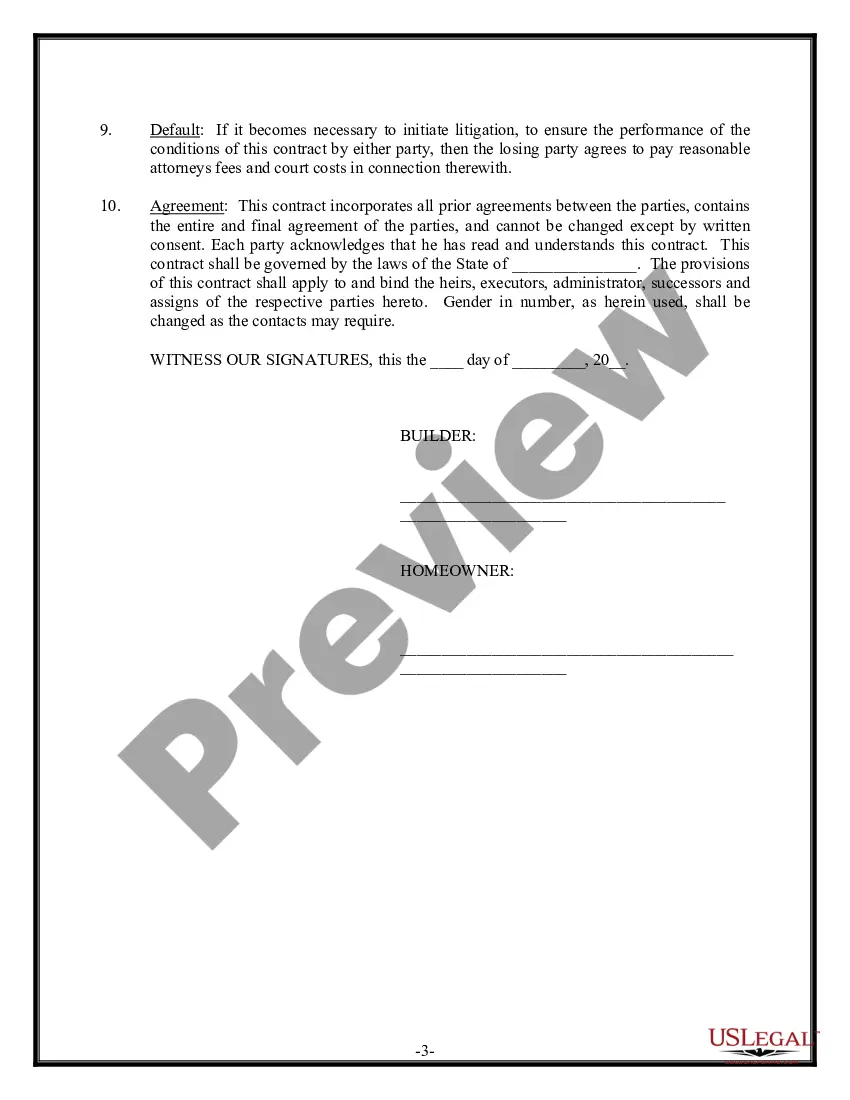
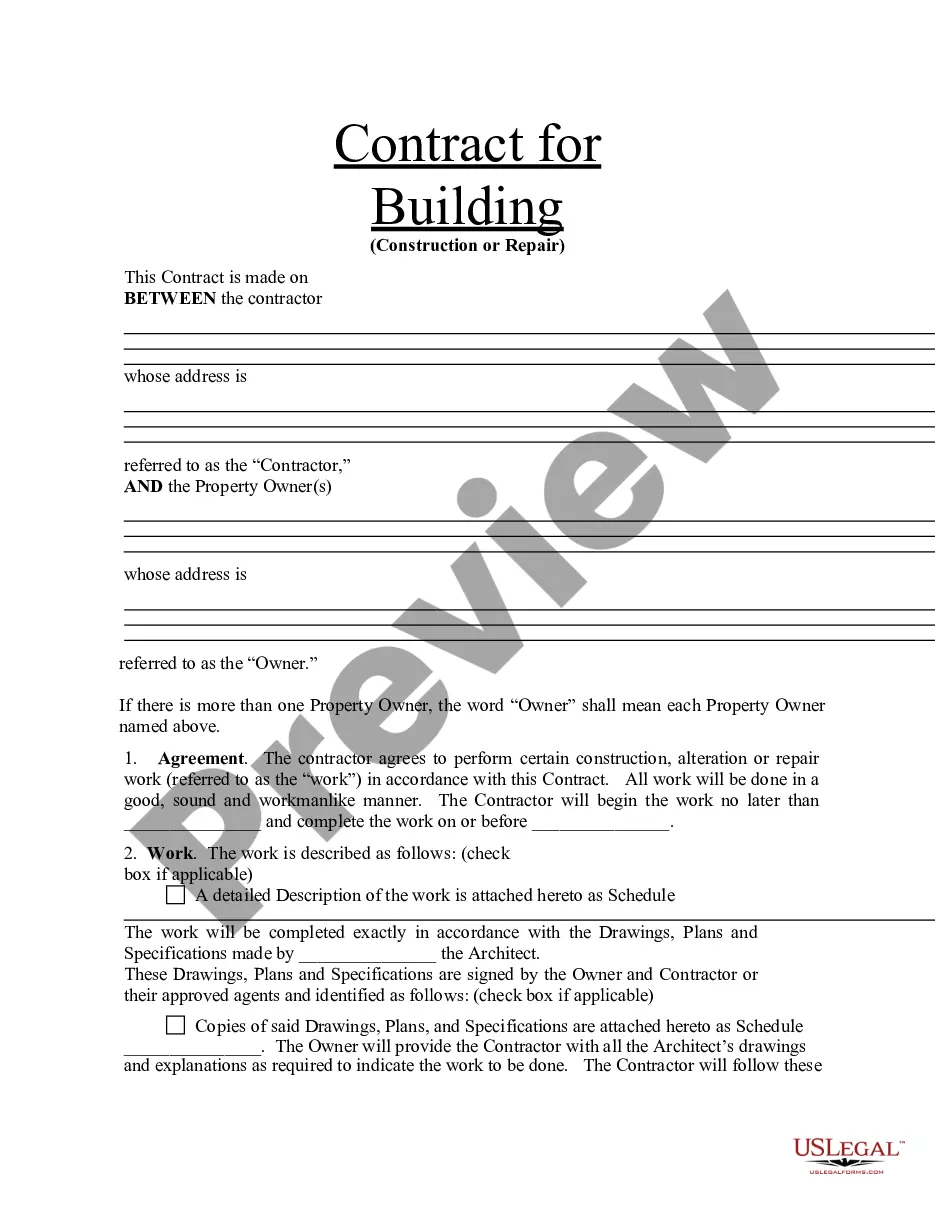
Virginia Construction Contract for Repairs
Description
Get your form ready online
Our built-in tools help you complete, sign, share, and store your documents in one place.
Make edits, fill in missing information, and update formatting in US Legal Forms—just like you would in MS Word.
Download a copy, print it, send it by email, or mail it via USPS—whatever works best for your next step.
Sign and collect signatures with our SignNow integration. Send to multiple recipients, set reminders, and more. Go Premium to unlock E-Sign.
If this form requires notarization, complete it online through a secure video call—no need to meet a notary in person or wait for an appointment.
We protect your documents and personal data by following strict security and privacy standards.

Make edits, fill in missing information, and update formatting in US Legal Forms—just like you would in MS Word.

Download a copy, print it, send it by email, or mail it via USPS—whatever works best for your next step.

Sign and collect signatures with our SignNow integration. Send to multiple recipients, set reminders, and more. Go Premium to unlock E-Sign.

If this form requires notarization, complete it online through a secure video call—no need to meet a notary in person or wait for an appointment.

We protect your documents and personal data by following strict security and privacy standards.
Looking for another form?


How to fill out Construction Contract For Repairs?
If you wish to finalize, acquire, or create sanctioned document templates, utilize US Legal Forms, the largest repository of legal documents accessible online.
Take advantage of the site's straightforward and user-friendly search to find the documents you require.
Numerous templates for commercial and personal purposes are organized by categories and jurisdictions, or keywords.
Step 4. After you have found the form you need, click the Get now button. Choose the pricing plan you prefer and provide your details to create an account.
Step 5. Complete the transaction. You can use your Visa or MasterCard or PayPal account to finalize the purchase.
- Utilize US Legal Forms to obtain the Virginia Construction Contract for Repairs in just a couple of clicks.
- If you are already a US Legal Forms user, sign in to your account and then click the Download button to find the Virginia Construction Contract for Repairs.
- You can also access documents you previously saved from the My documents tab in your account.
- If you are using US Legal Forms for the first time, follow the instructions below.
- Step 1. Ensure you have selected the form for your specific city/region.
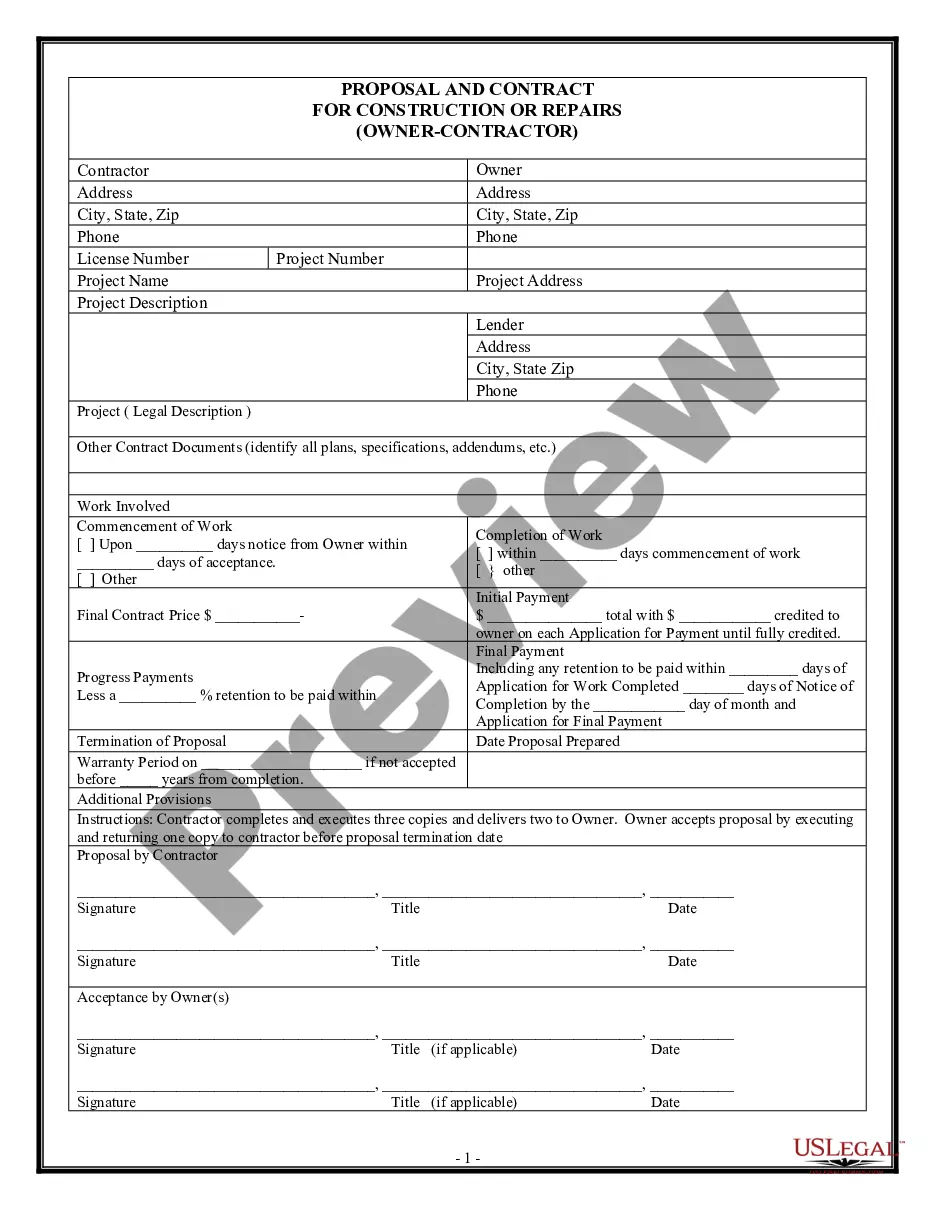
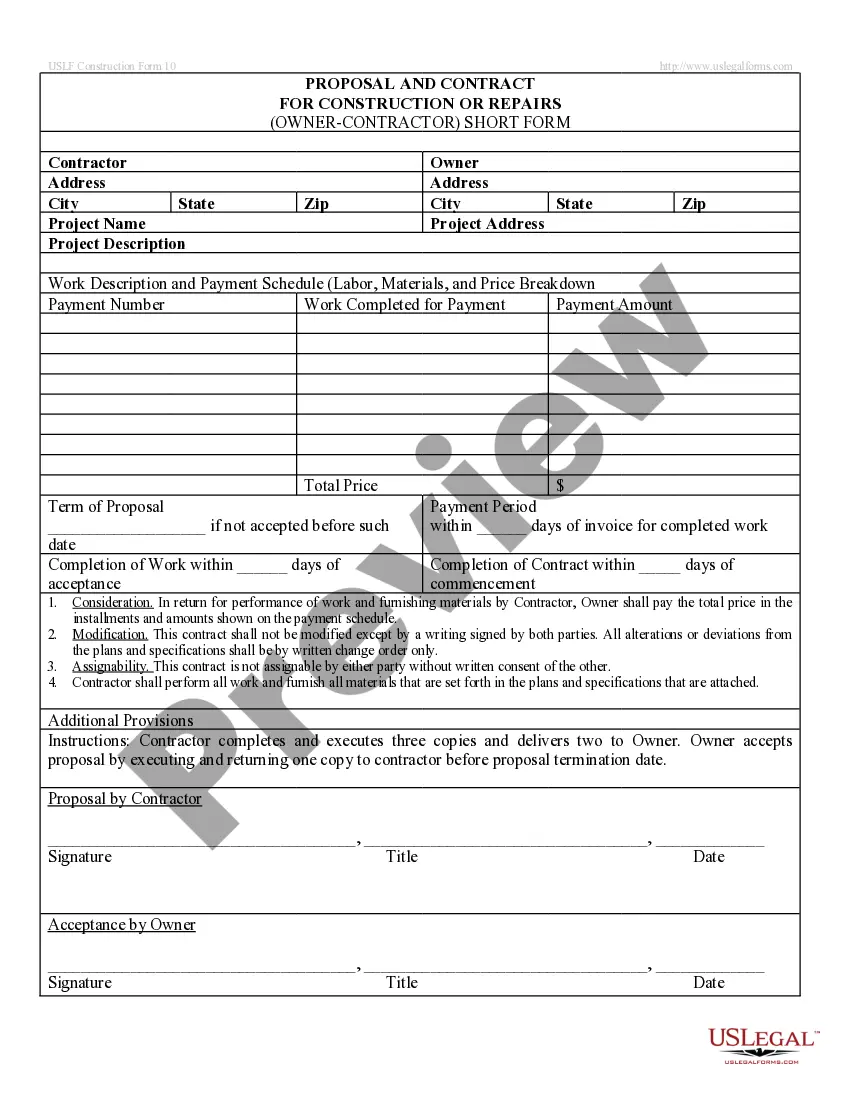
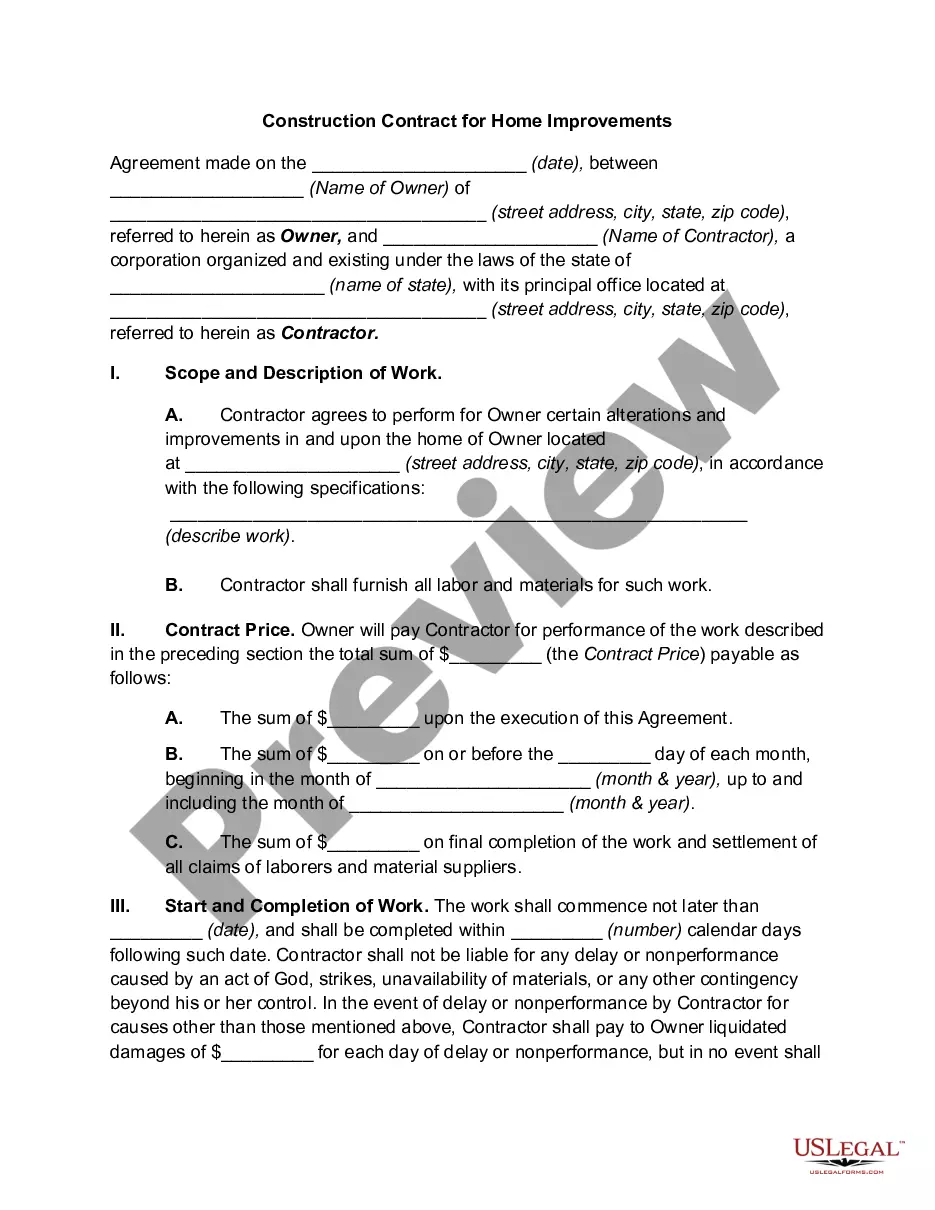
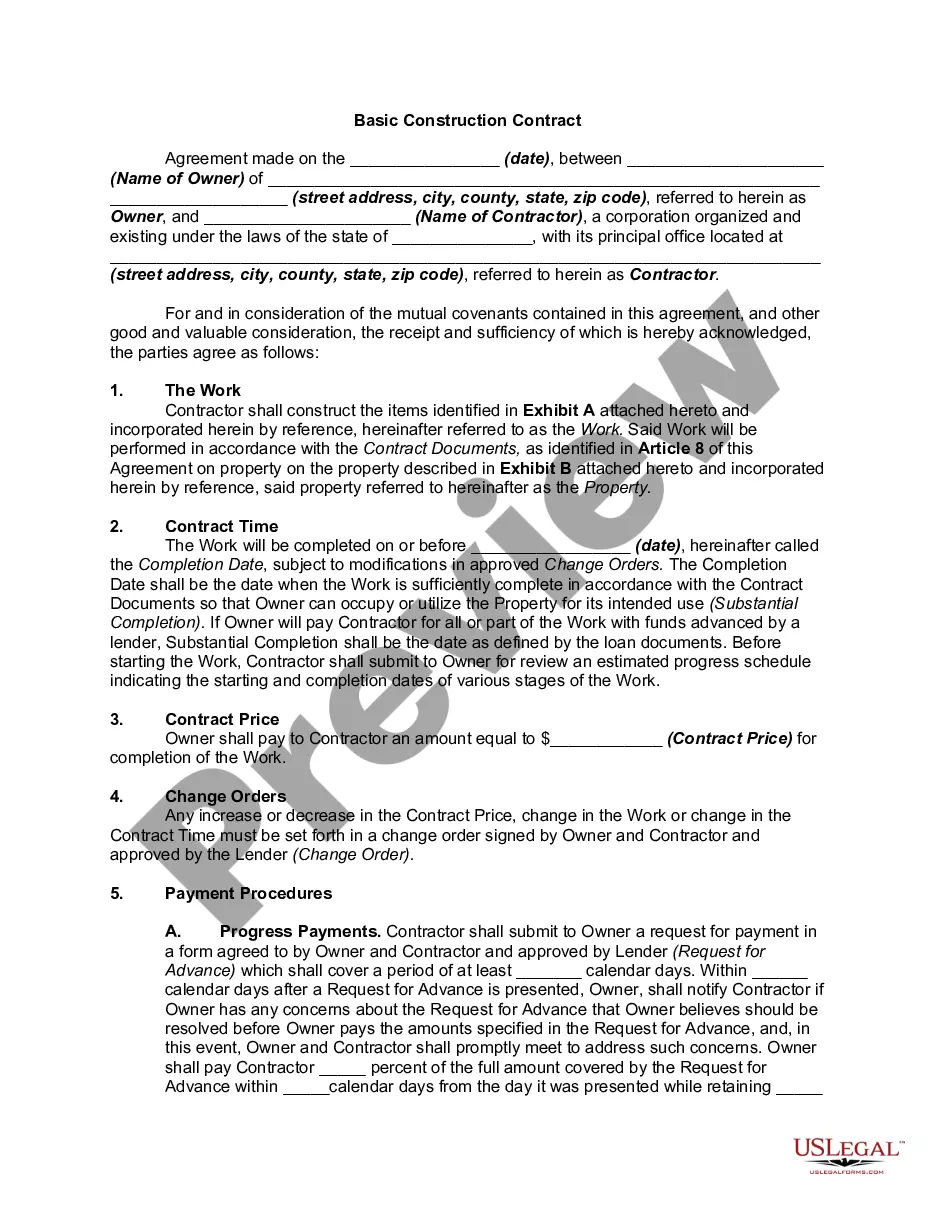
- Step 2. Take advantage of the Preview option to review the form’s content. Don’t forget to read the summary.
- Step 3. If you are not satisfied with the form, utilize the Search area at the top of the screen to find other versions of the legal document template.
Form popularity
FAQ
As the homeowner who is commissioning the project, it's reasonable to withhold at least 10% as your final payment. Avoid paying in full upfront, and definitely avoid paying anything before the contractor has evaluated the project in person.
A reputable contractor should be able to front the costs of most supplies without a large sum of money from you. A good rule of thumb is an initial deposit of no more than 10% down or $1,000, whichever is less.
Payment Schedule In Your Contract Before any work begins, a contractor will ask a homeowner to secure the job with a down payment. It shouldn't be more than 10-20 percent of the total cost of the job. Homeowners should never pay a contractor more than 10-20% before they've even stepped foot in their home.
Not just in California, but in any state, if you agree to pay a contractor everything up front, you've made a major mistake. Progress Payment Schedules: Contractors do not have to wait for the entire job to end before being paid.
Fixed price construction contracts, also commonly referred to as lump sum or stipulated sum contracts, are the most common types of construction contracts. As its name suggests, under a fixed price contract a contractor agrees to construct a project for a fixed or agreed upon price.
Va. Code Ann. §55-70.1(B). The implied warranty of workmanship and habitability runs for one year after the transfer of title or the buyer's taking possession, whichever occurs first and a buyer has two years from the date of the breach in which to bring an action for breach of warranty.
Who will pay for the repair and damages of the Contractor? 4. What if the Contractor fails to repair and pay claims? The Owner may repair the same and pay the claims, and deduct the entire cost of such repairs and claims from the payments due the Contractor.
Types of contractsFixed-price contract.Cost-reimbursement contract.Cost-plus contract.Time and materials contract.Unit price contract.Bilateral contract.Unilateral contract.Implied contract.More items...?4 Sept 2020
The 4 Different Types of Construction ContractsLump Sum Contract. A lump sum contract sets one determined price for all work done for the project.Unit Price Contract.Cost Plus Contract.Time and Materials Contract.
Avoid paying in cash. Contractors cannot ask for a deposit of more than 10 percent of the total cost of the job or $1,000, whichever is less. (This applies to any home improvement project, including swimming pools.) Stick to your schedule of payments and don't let payments get ahead of the completed work.