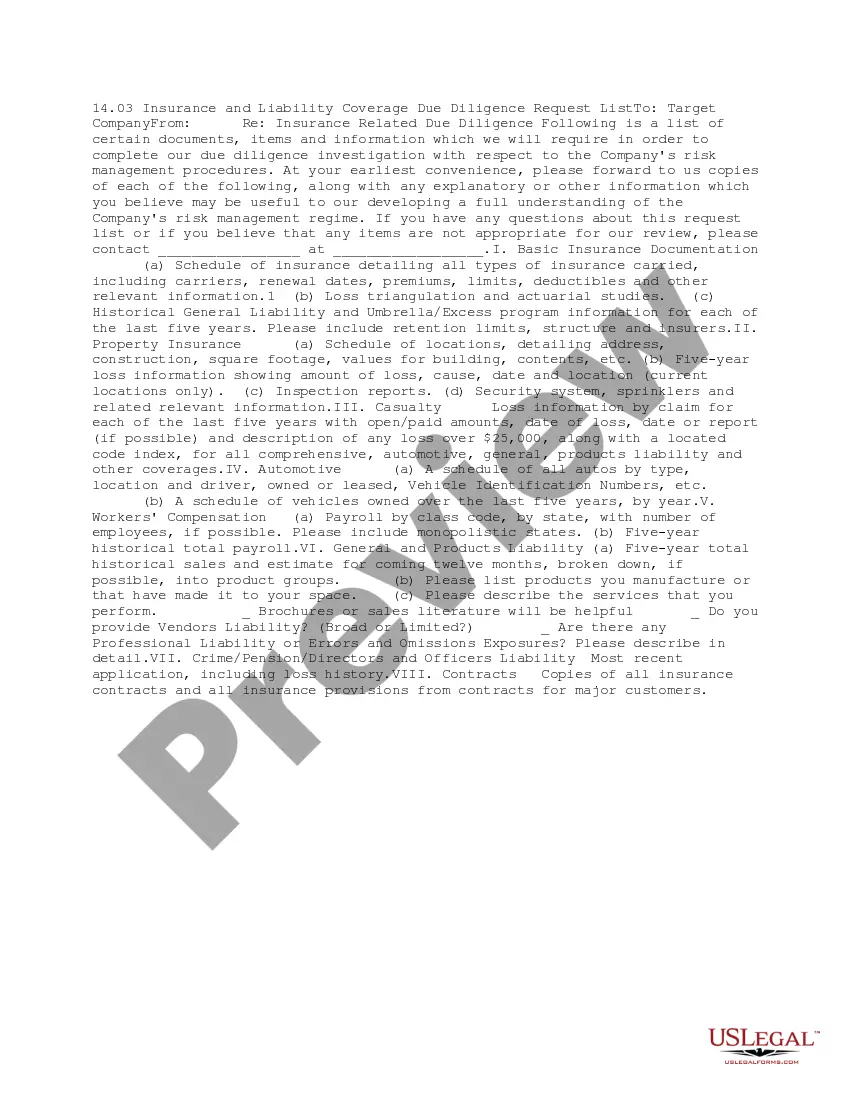
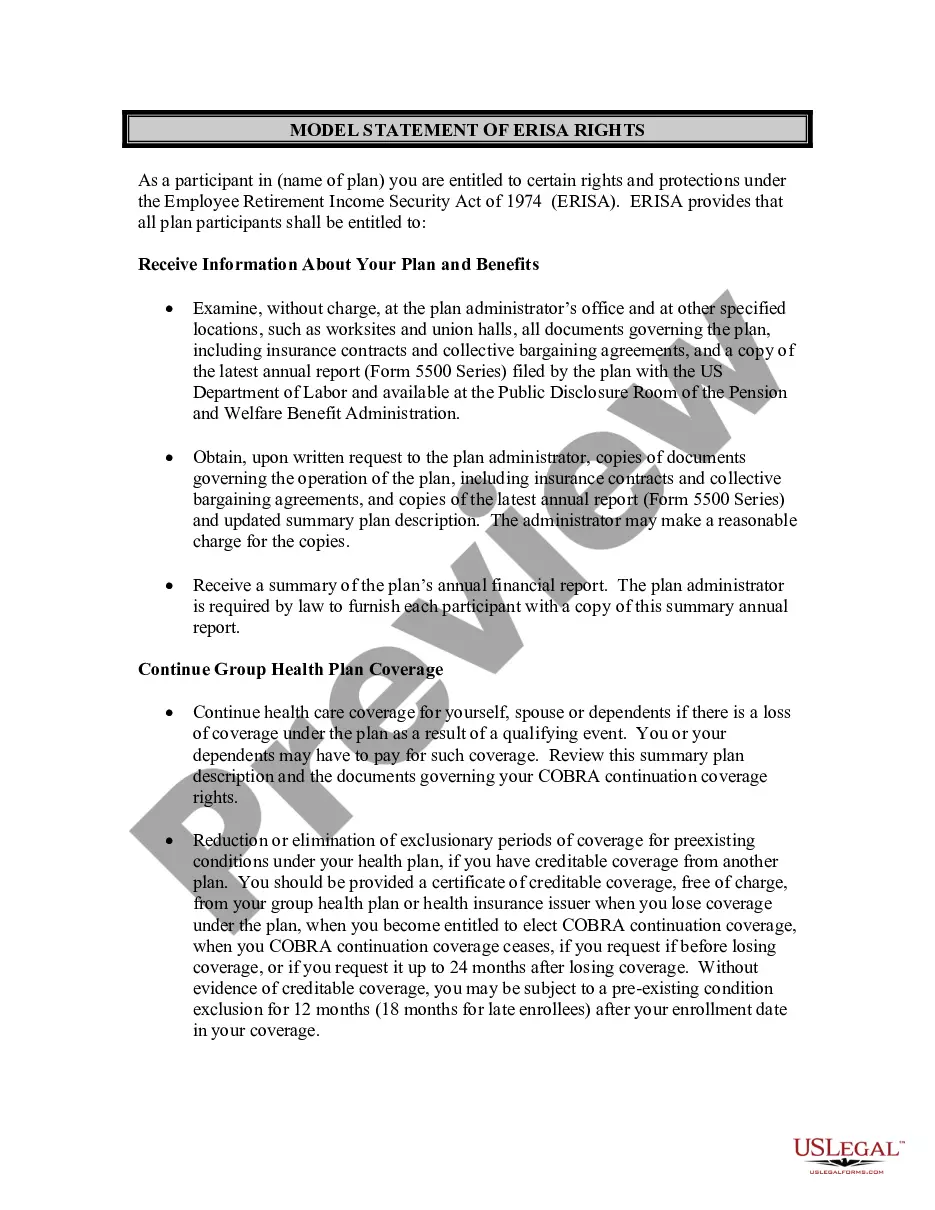
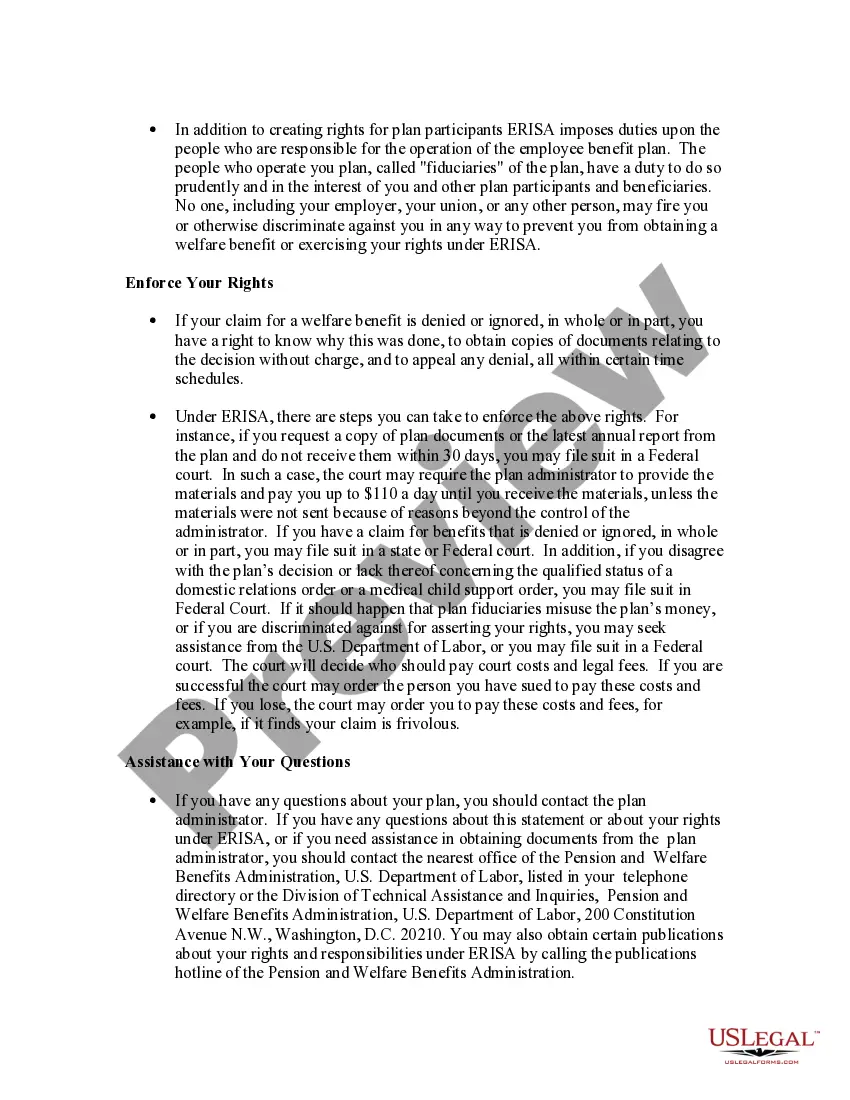
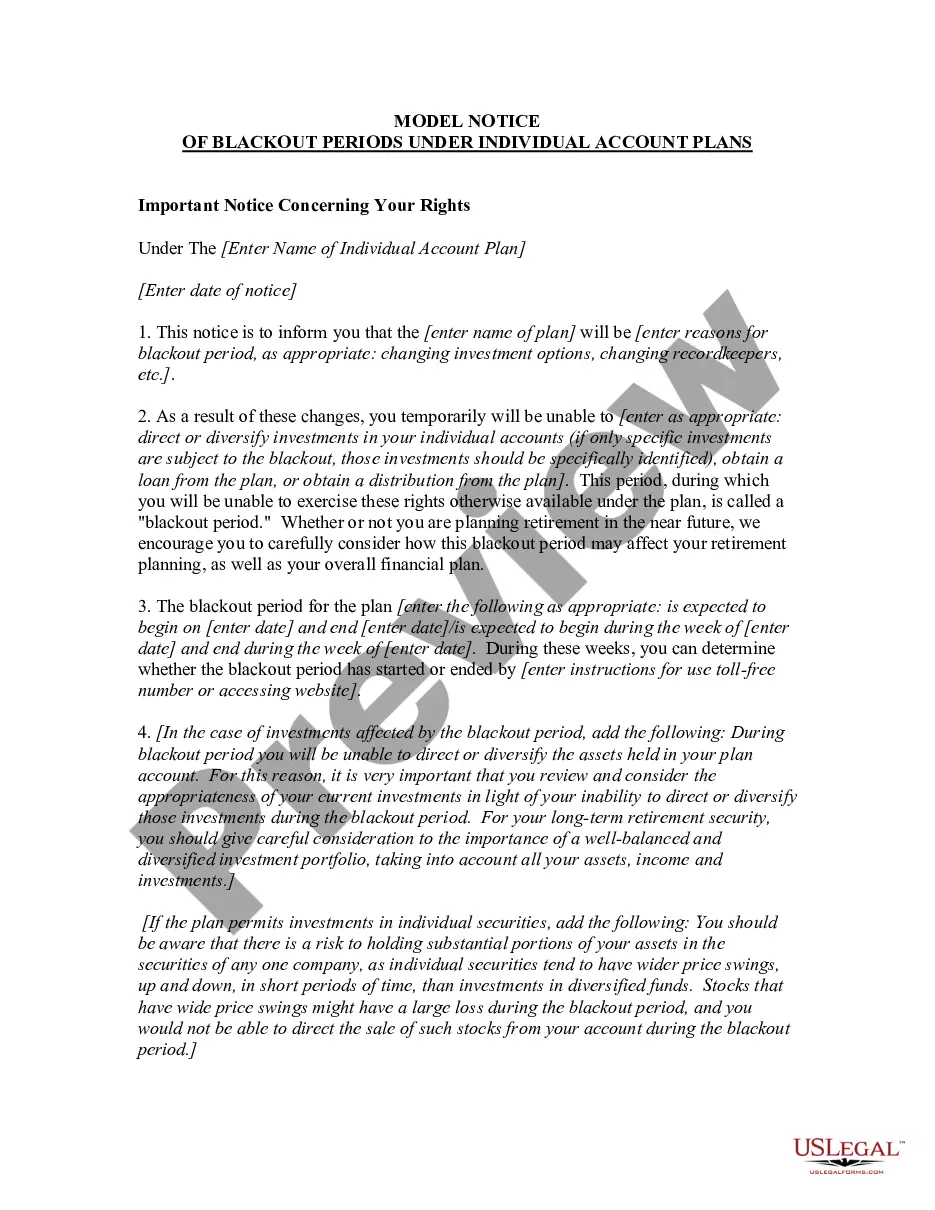
Utah Model Statement of ERISA Rights
Description
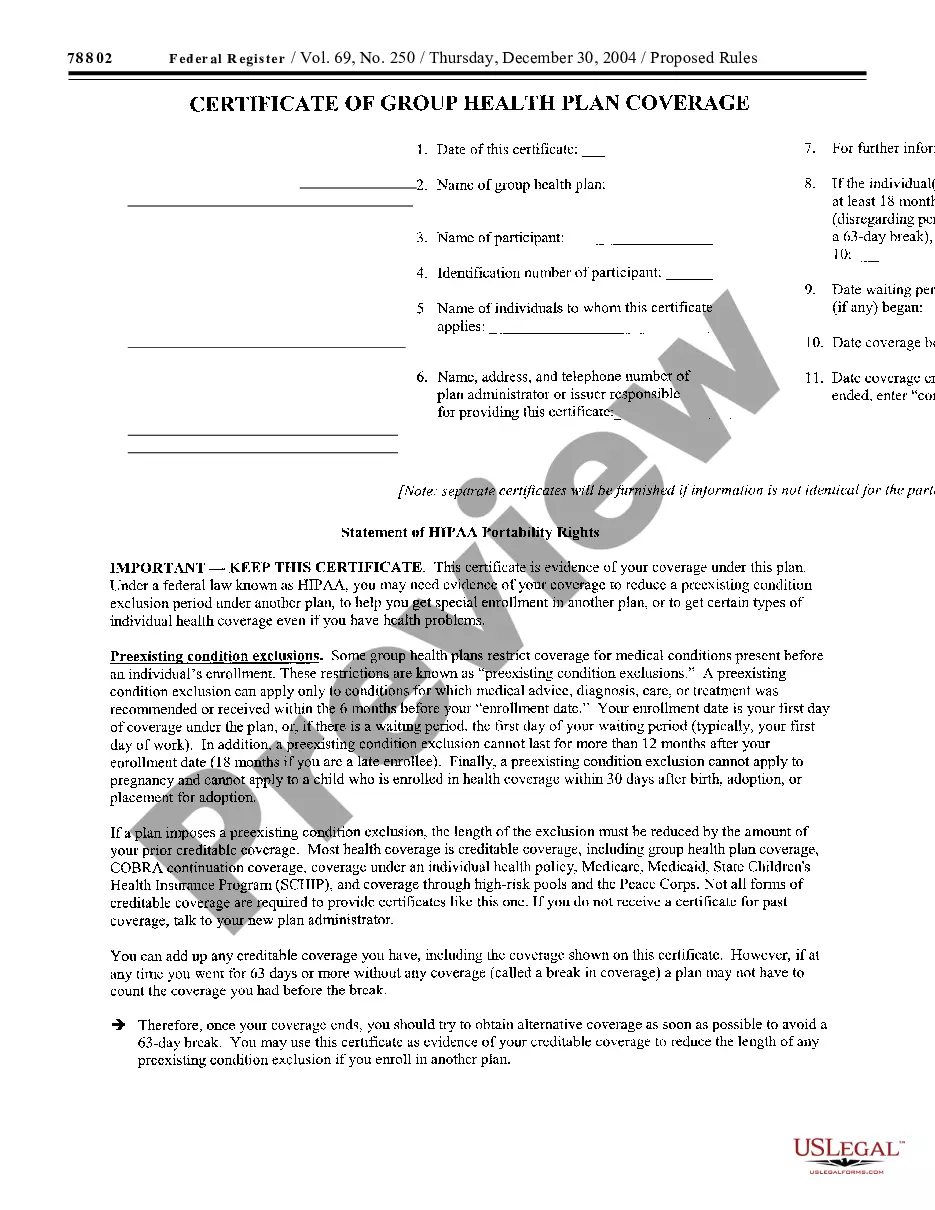
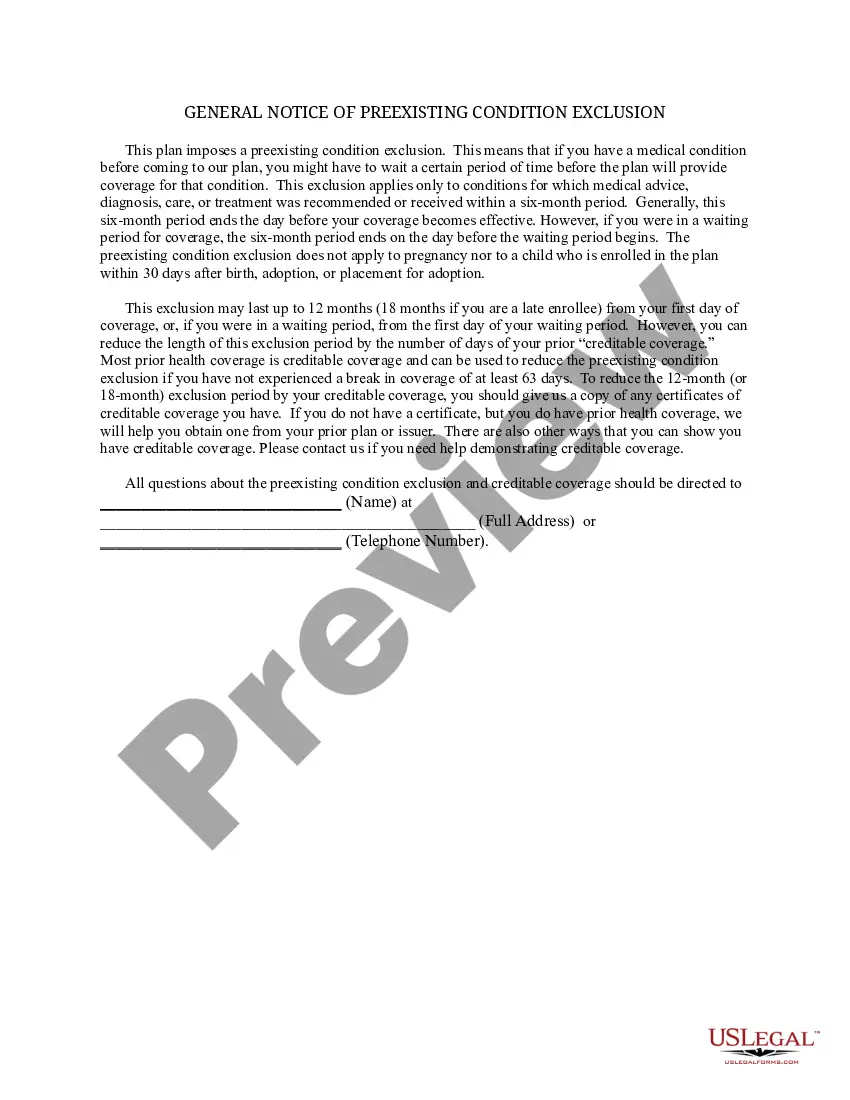
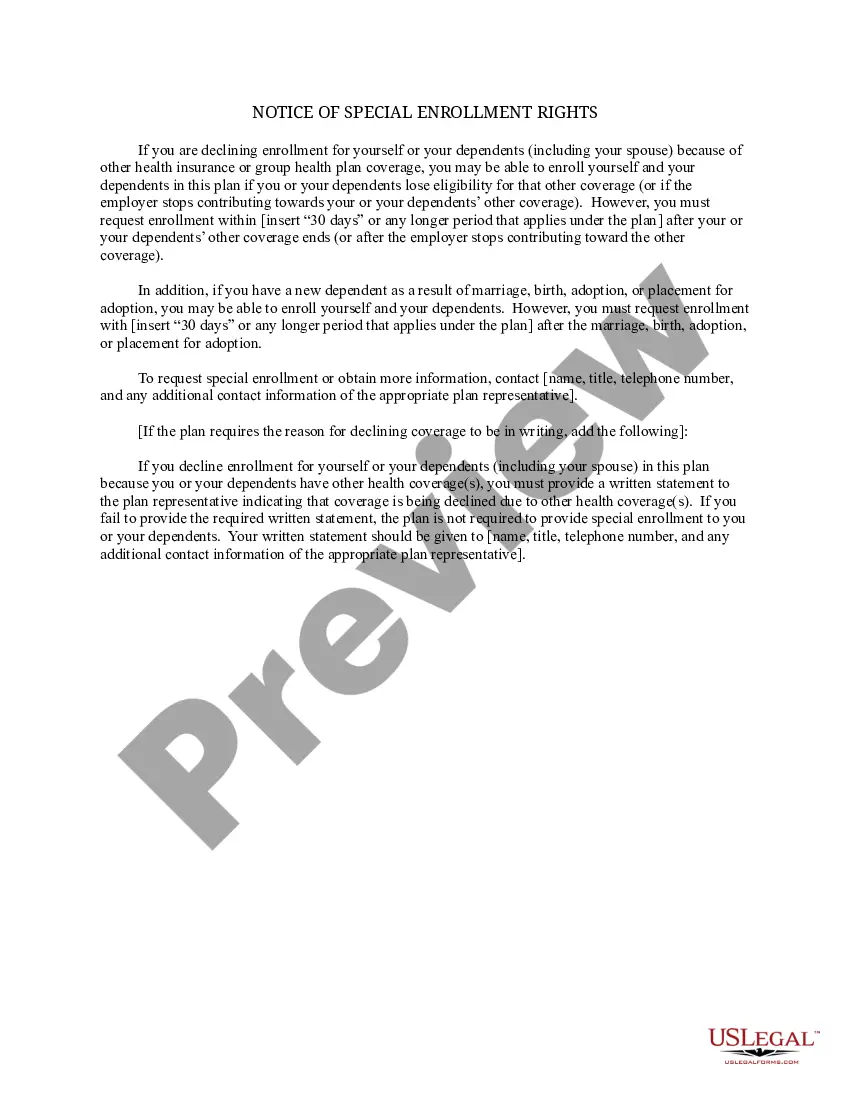
Get your form ready online
Our built-in tools help you complete, sign, share, and store your documents in one place.
Make edits, fill in missing information, and update formatting in US Legal Forms—just like you would in MS Word.
Download a copy, print it, send it by email, or mail it via USPS—whatever works best for your next step.
Sign and collect signatures with our SignNow integration. Send to multiple recipients, set reminders, and more. Go Premium to unlock E-Sign.
If this form requires notarization, complete it online through a secure video call—no need to meet a notary in person or wait for an appointment.
We protect your documents and personal data by following strict security and privacy standards.

Make edits, fill in missing information, and update formatting in US Legal Forms—just like you would in MS Word.

Download a copy, print it, send it by email, or mail it via USPS—whatever works best for your next step.

Sign and collect signatures with our SignNow integration. Send to multiple recipients, set reminders, and more. Go Premium to unlock E-Sign.

If this form requires notarization, complete it online through a secure video call—no need to meet a notary in person or wait for an appointment.

We protect your documents and personal data by following strict security and privacy standards.
Looking for another form?




How to fill out Model Statement Of ERISA Rights?
Have you found yourself in a situation where you require documents for either business or personal purposes almost constantly.
There are many legal document templates available online, but finding reliable versions can be challenging.
US Legal Forms offers a vast array of forms, such as the Utah Model Statement of ERISA Rights, which can be tailored to satisfy both federal and state requirements.
Choose a convenient file format and download your document.
Access all document templates you have purchased in the My documents section. You can acquire an additional copy of the Utah Model Statement of ERISA Rights whenever necessary. Just click on the required form to download or print the document template.
- If you are already familiar with the US Legal Forms website and have an account, simply Log In.
- Then, you can download the Utah Model Statement of ERISA Rights template.
- If you do not have an account and wish to start using US Legal Forms, follow these steps.
- 1. Locate the form you need and ensure it applies to the correct city/region.
- 2. Use the Preview button to examine the form.
- 3. Read the description to confirm you have selected the right form.
- 4. If the form does not meet your requirements, use the Search field to find a form that fits your needs.
- 5. Once you find the correct form, click Acquire now.
- 6. Select the pricing option you desire, complete the necessary information to create your account, and pay for the order using PayPal or a credit card.
Form popularity
FAQ
Under ERISA, anyone who exercises discretionary authority over plan assets or plan management has a fiduciary duty toward the plan's participants. As a result, fiduciaries must run the plan solely for the benefit of its participants, and failure to do so is an ERISA violation.
ERISA requires plans to provide participants with plan information including important information about plan features and funding; sets minimum standards for participation, vesting, benefit accrual and funding; provides fiduciary responsibilities for those who manage and control plan assets; requires plans to
ERISA requires a formal written plan document, a summary plan description (SPD), and a summary of benefits & coverage (SBC). Each of these requirements is discussed in more detail below. A formal plan document is required for every ERISA plan.
ERISA only applies to private companies, so benefits offered by public employers at all levelslocal, state, and federalare exempt from these regulations.
In general, ERISA does not cover group health plans established or maintained by governmental entities, churches for their employees, or plans which are maintained solely to comply with applicable workers compensation, unemployment, or disability laws.
ERISA prohibits fiduciaries from misusing funds and also sets minimum standards for participation, vesting, benefit accrual, and funding of retirement plans. It also grants retirement plan participants the right to sue for benefits and breaches of fiduciary duty.
The Employee Retirement Income Security Act of 1974 (ERISA) is a federal law that sets minimum standards for most voluntarily established retirement and health plans in private industry to provide protection for individuals in these plans.
ERISA requires plans to provide participants with plan information including important information about plan features and funding; sets minimum standards for participation, vesting, benefit accrual and funding; provides fiduciary responsibilities for those who manage and control plan assets; requires plans to
The Employee Retirement Income Security Act of 1974 (ERISA) is a federal law that sets minimum standards for most voluntarily established retirement and health plans in private industry to provide protection for individuals in these plans.
2 ERISA does not apply to plans administered by federal, state, or local governments. It does not apply to plans established solely to meet state workers' compensation, unemployment compensation, or disability insurance laws.