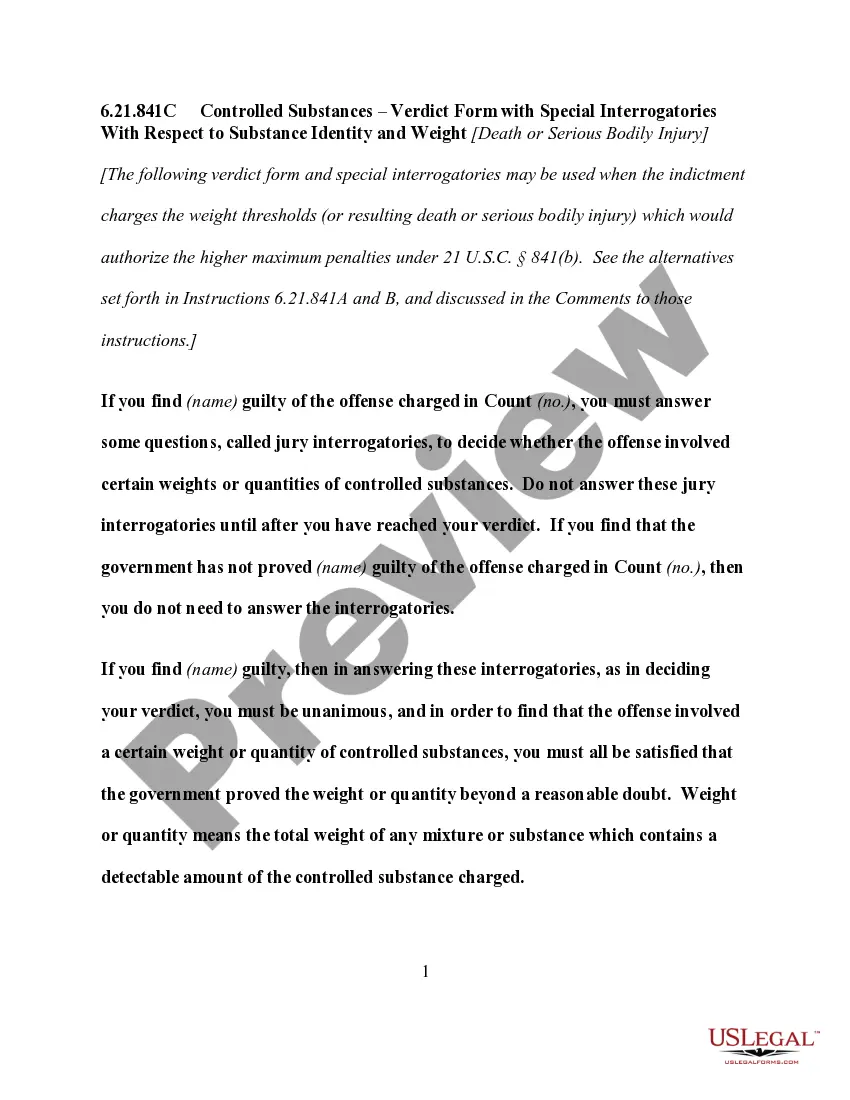
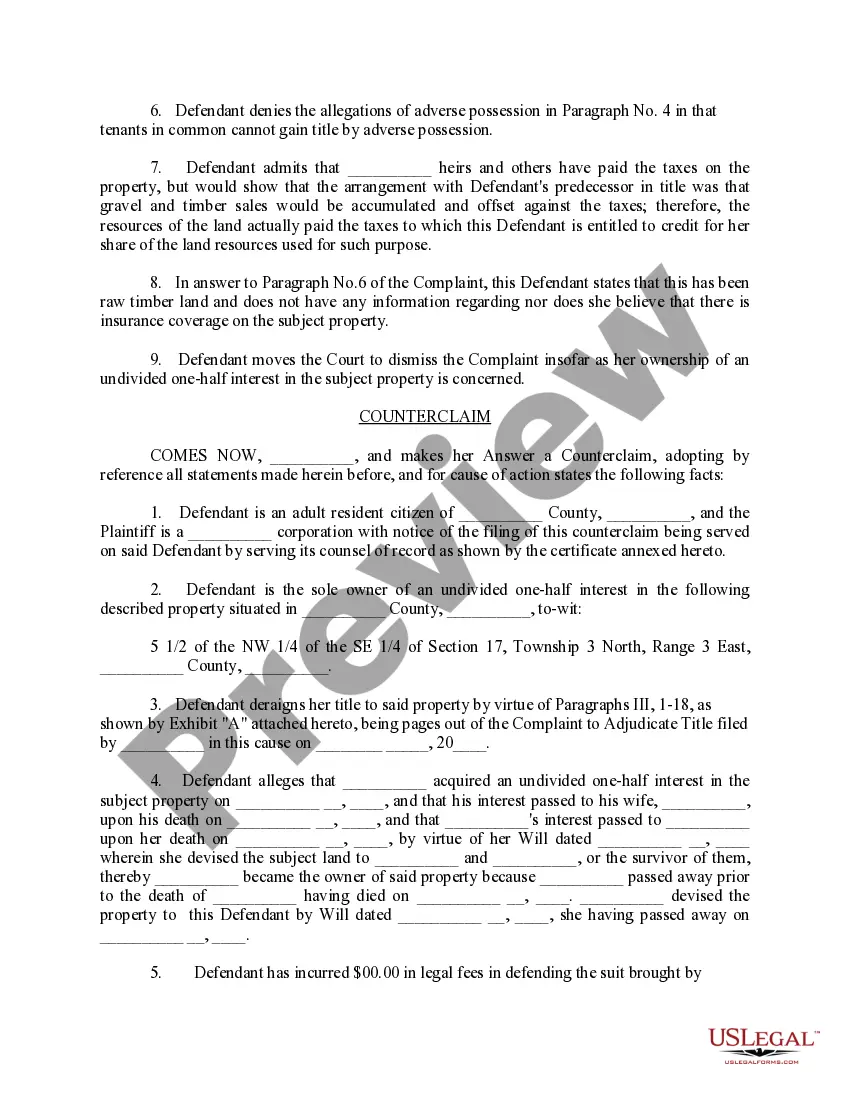
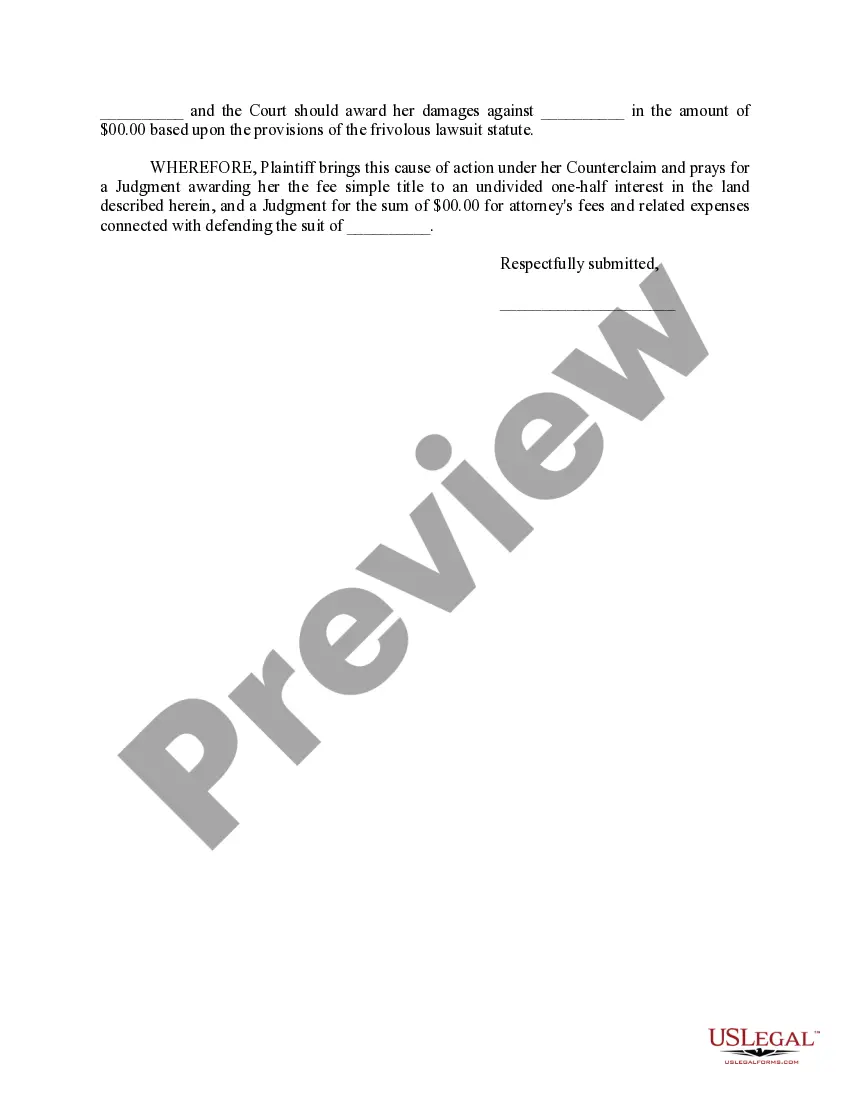
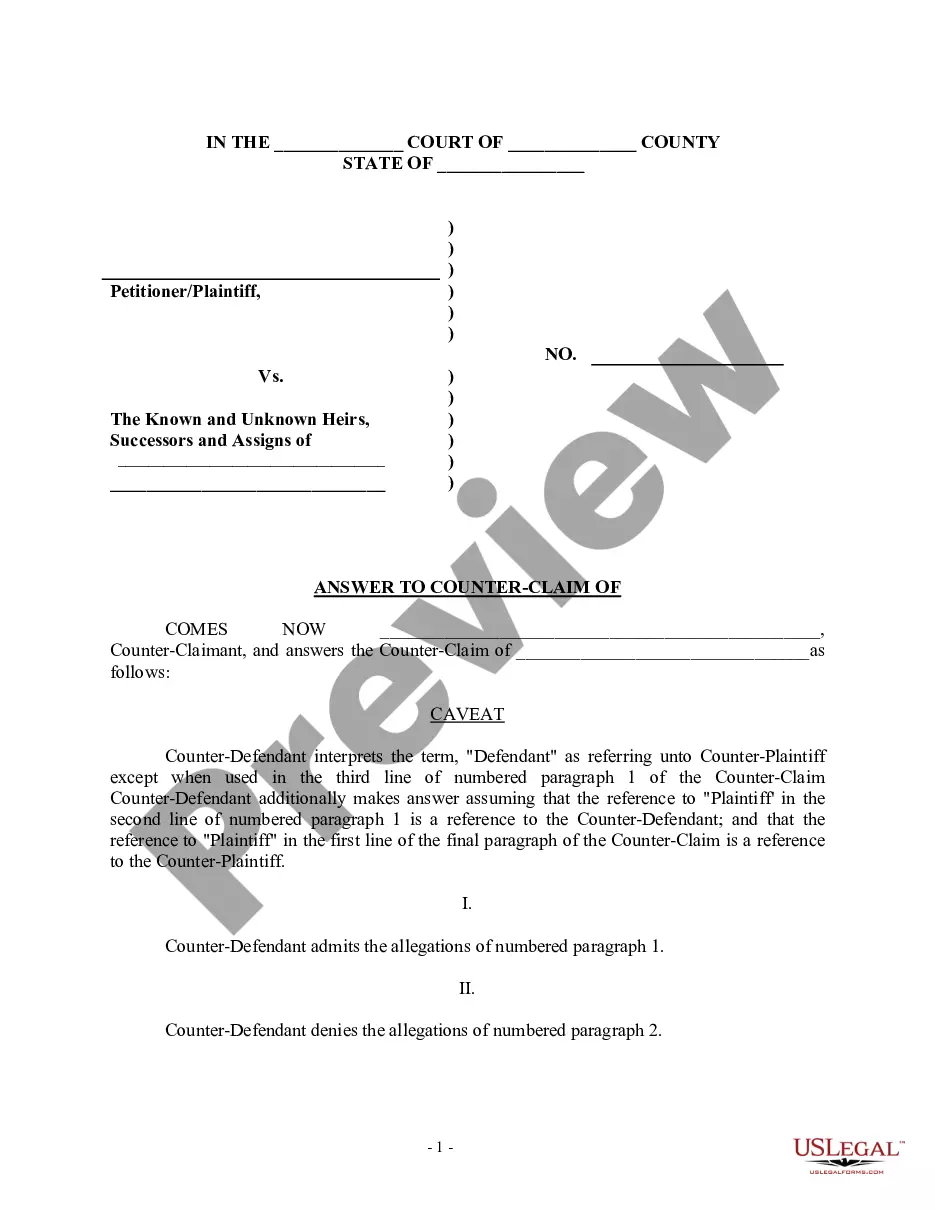
Utah Answer and Counterclaim to Confirm Title
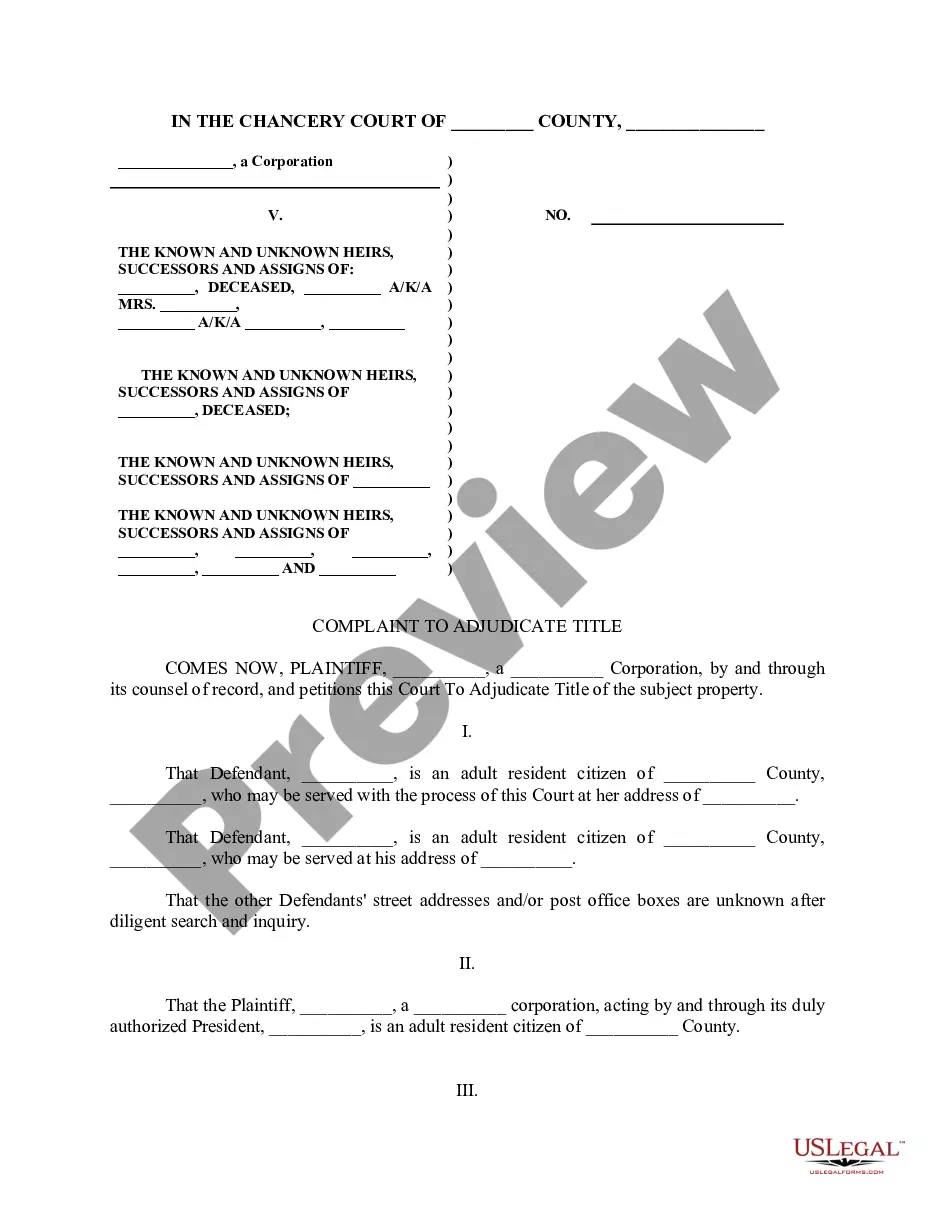
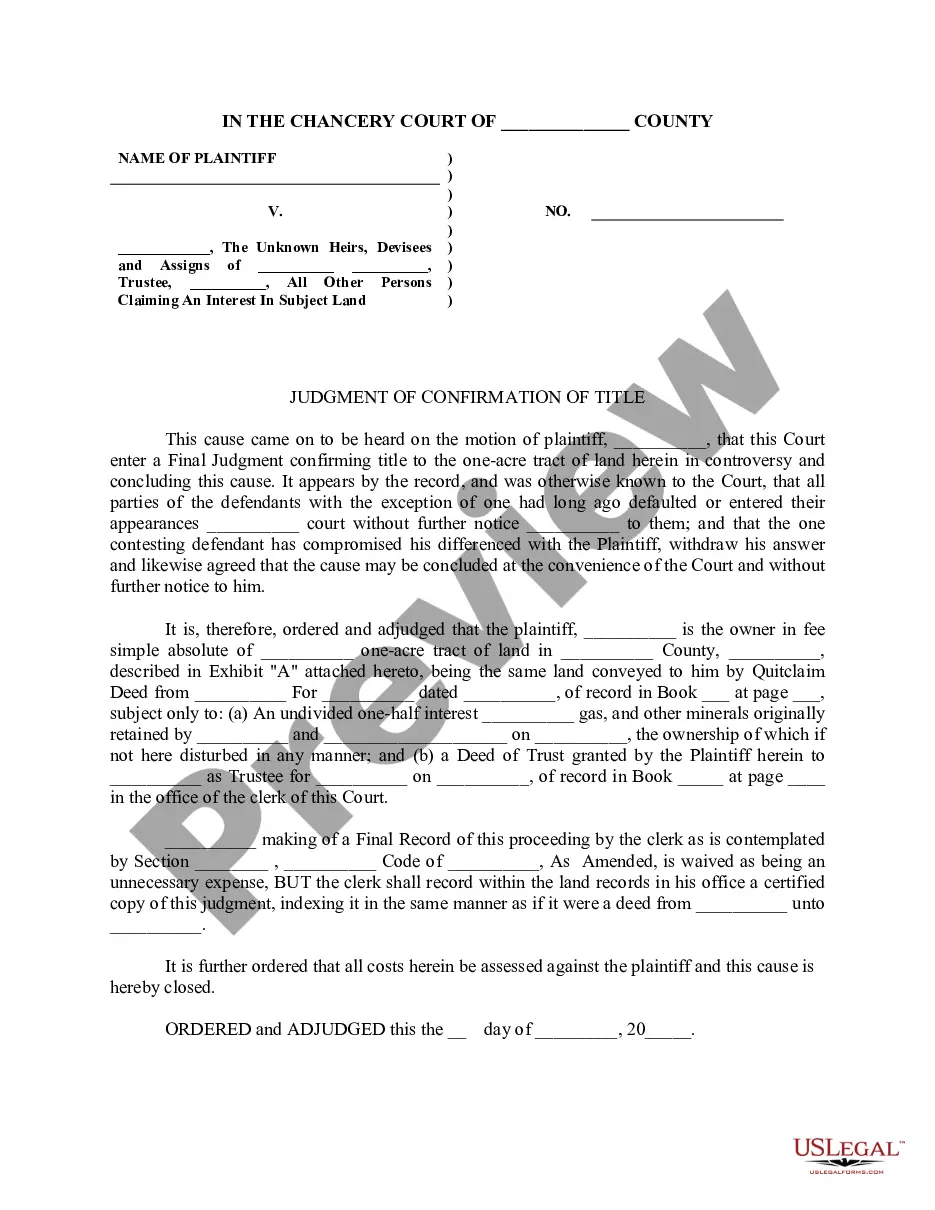
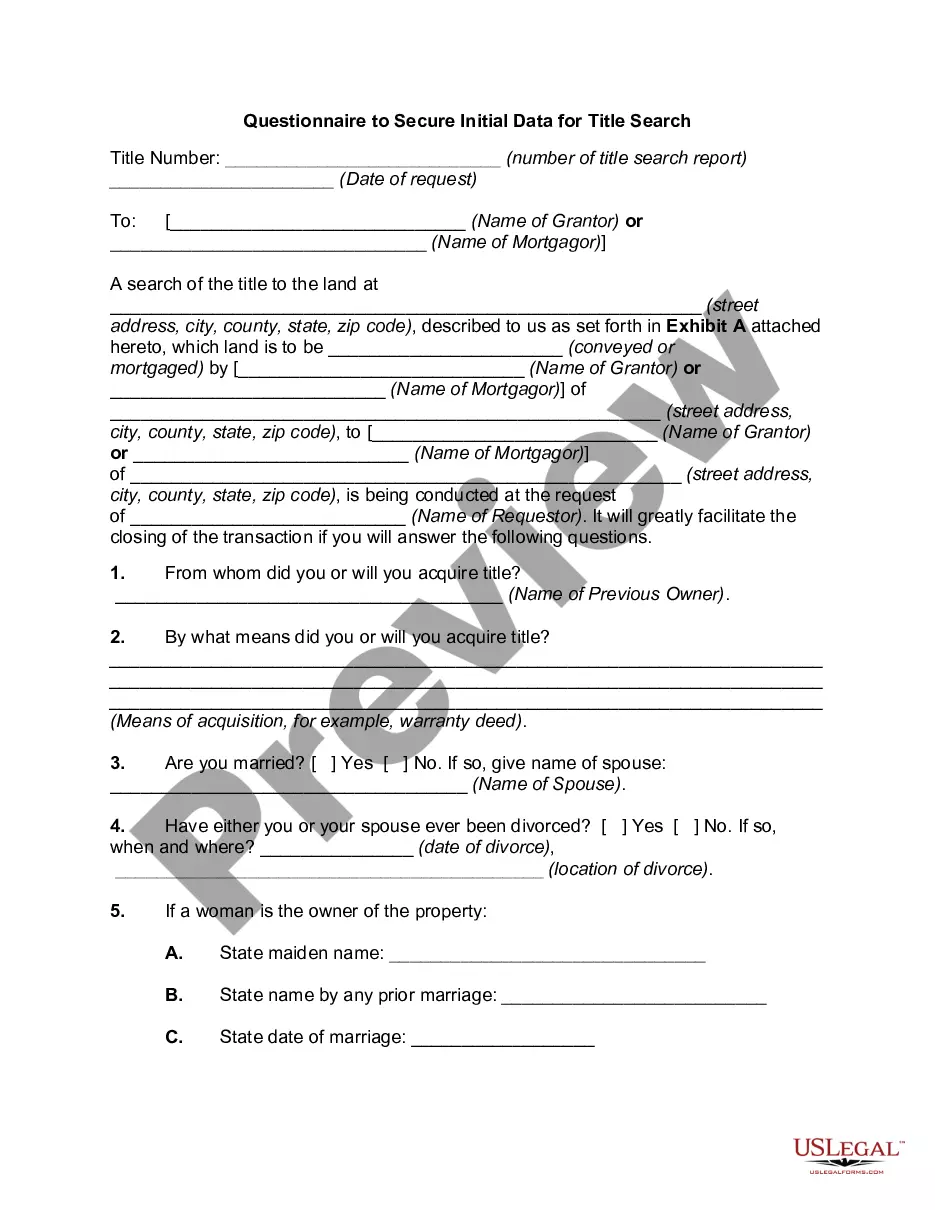
Description
Get your form ready online
Our built-in tools help you complete, sign, share, and store your documents in one place.
Make edits, fill in missing information, and update formatting in US Legal Forms—just like you would in MS Word.
Download a copy, print it, send it by email, or mail it via USPS—whatever works best for your next step.
Sign and collect signatures with our SignNow integration. Send to multiple recipients, set reminders, and more. Go Premium to unlock E-Sign.
If this form requires notarization, complete it online through a secure video call—no need to meet a notary in person or wait for an appointment.
We protect your documents and personal data by following strict security and privacy standards.

Make edits, fill in missing information, and update formatting in US Legal Forms—just like you would in MS Word.

Download a copy, print it, send it by email, or mail it via USPS—whatever works best for your next step.

Sign and collect signatures with our SignNow integration. Send to multiple recipients, set reminders, and more. Go Premium to unlock E-Sign.

If this form requires notarization, complete it online through a secure video call—no need to meet a notary in person or wait for an appointment.

We protect your documents and personal data by following strict security and privacy standards.
Looking for another form?


How to fill out Answer And Counterclaim To Confirm Title?
It is feasible to spend multiple hours online searching for the legal document template that meets the federal and state standards you desire. US Legal Forms provides thousands of legal templates that are reviewed by experts.
You can easily obtain or print the Utah Answer and Counterclaim to Confirm Title from the service. If you already have a US Legal Forms account, you may Log In and click on the Download button. After that, you may complete, modify, print, or sign the Utah Answer and Counterclaim to Confirm Title.
Every legal document template you purchase is yours permanently. To obtain another copy of any purchased document, visit the My documents tab and click on the corresponding button.
Complete the transaction. You can use your credit card or PayPal account to pay for the legal document. Choose the format of the document and download it to your device. Make modifications to your document if necessary. You can complete, modify, sign, and print the Utah Answer and Counterclaim to Confirm Title. Download and print thousands of document templates using the US Legal Forms website, which offers the largest selection of legal forms. Utilize professional and state-specific templates to meet your business or personal needs.
- If you are using the US Legal Forms website for the first time, follow the simple instructions below.
- First, ensure that you have selected the correct document template for the area/city of your choice.
- Review the document description to confirm you have selected the appropriate form.
- If available, utilize the Preview button to review the document template as well.
- If you want to find another version of the document, use the Search field to find the template that suits you and your needs.
- Once you have located the template you want, click on Acquire now to proceed.
- Select the pricing plan you wish to choose, enter your information, and register for your account on US Legal Forms.
Form popularity
FAQ
Rule 12 - Motions (a) Motions. An application to the court for an order shall be by motion, which, unless made during a trial or hearing, shall be in writing and in ance with this rule. A motion shall state succinctly and with particularity the grounds upon which it is made and the relief sought.
A party must state in simple, short and plain terms any defenses to each claim asserted and must admit or deny the statements in the claim. A party without knowledge or information sufficient to form a belief about the truth of a statement must so state, and this has the effect of a denial.
The court shall grant summary judgment if the moving party shows that there is no genuine dispute as to any material fact and the moving party is entitled to judgment as a matter of law. The court should state on the record the reasons for granting or denying the motion.
Upon application of either party and a showing of good cause, the court may allow up to a seven day continuance of the hearing to allow for preparation, including notification to any victims. The court may allow more than seven days with the consent of the defendant.
(a)(1) must state as a counterclaim any claim that-at the time of its service-the pleader has against an opposing party if the claim: (a)(1)(A) arises out of the transaction or occurrence that is the subject matter of the opposing party's claim; and (a)(1)(B) does not require adding another party over whom the court ...
Under the Rule 56 of the Utah Rules of Civil Procedure, a motion for summary judgment is appropriate when there are no genuine issues of material fact.
(a)(1) Consistent with the Rules of Professional Conduct, an attorney may not withdraw as counsel of record in criminal cases without the approval of the court. (a)(2) A motion to withdraw as an attorney in a criminal case shall be made in open court with the defendant present unless otherwise ordered by the court.
The court shall grant summary judgment if the moving party shows that there is no genuine dispute as to any material fact and the moving party is entitled to judgment as a matter of law. The court should state on the record the reasons for granting or denying the motion.
A request for an order must be made by motion. The motion must be in writing unless made during a hearing or trial, must state the relief requested, and must state the grounds for the relief requested. Except for the following, a motion must be made in ance with this rule.
Rule 55 of the Utah Rules of Civil Procedure governs the procedures for obtaining a default in a Utah civil action and the entry of a default judgment against a party. Under Utah law, a court clerk may enter a default against a defendant who fails to answer a complaint within the required time period.