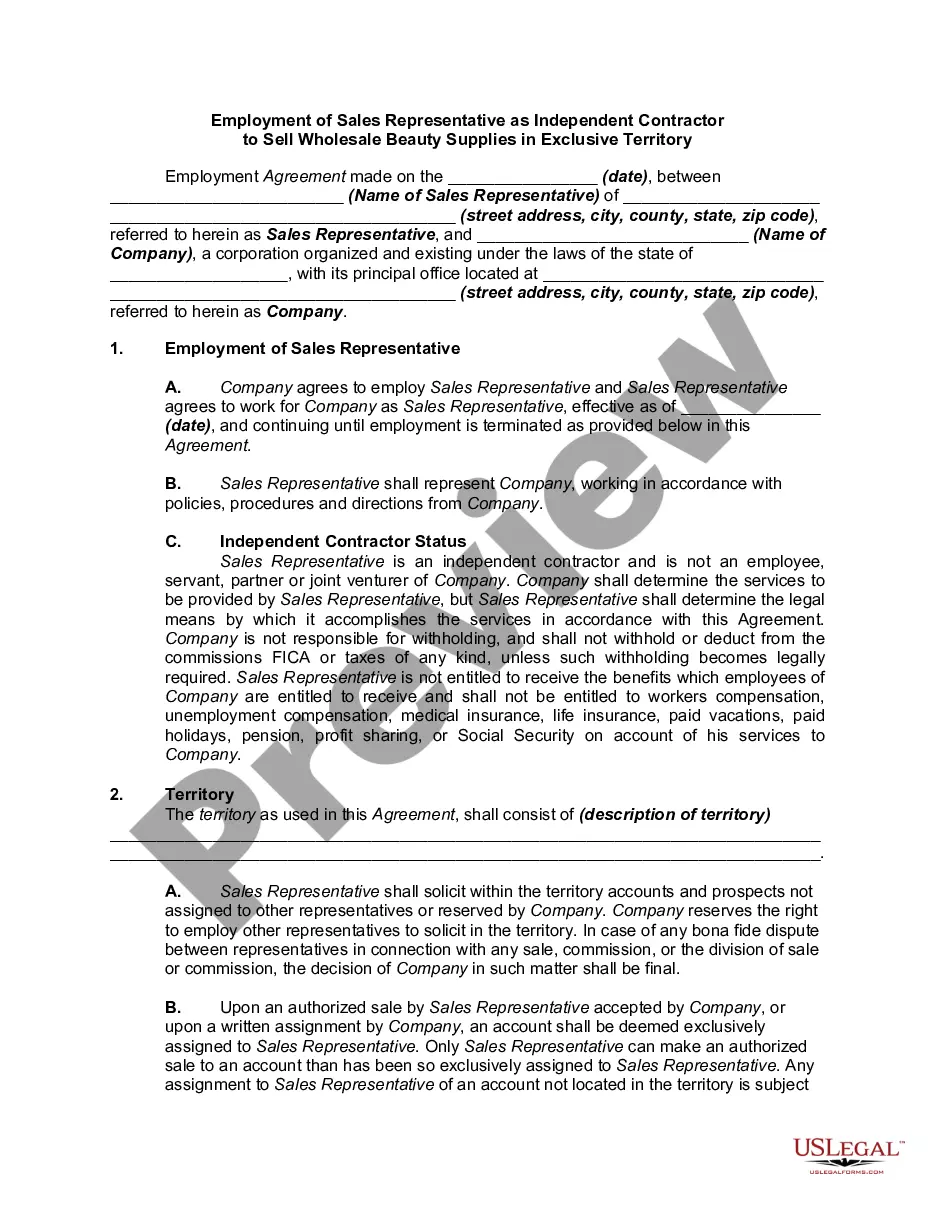
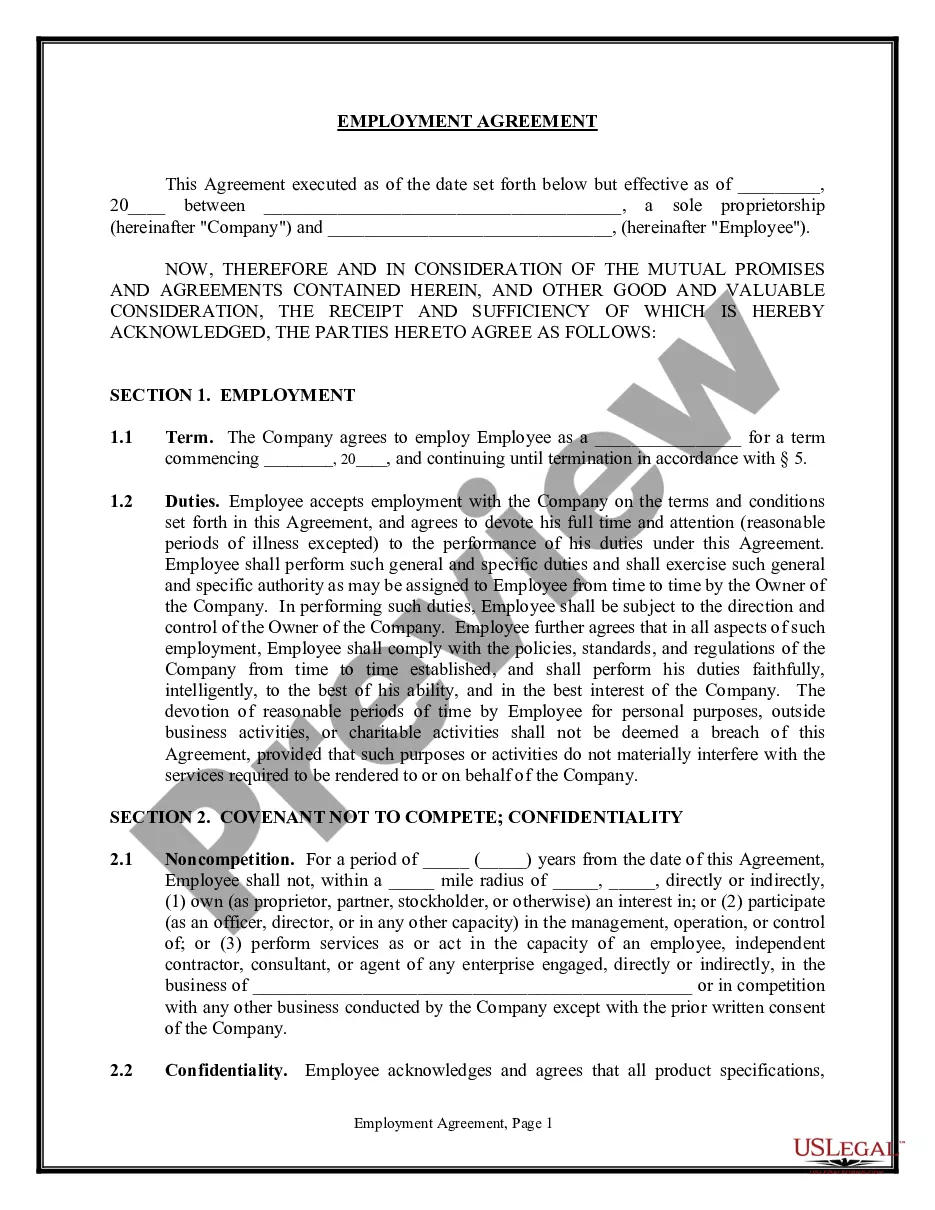
Utah Deferred Compensation Agreement - Long Form
Description


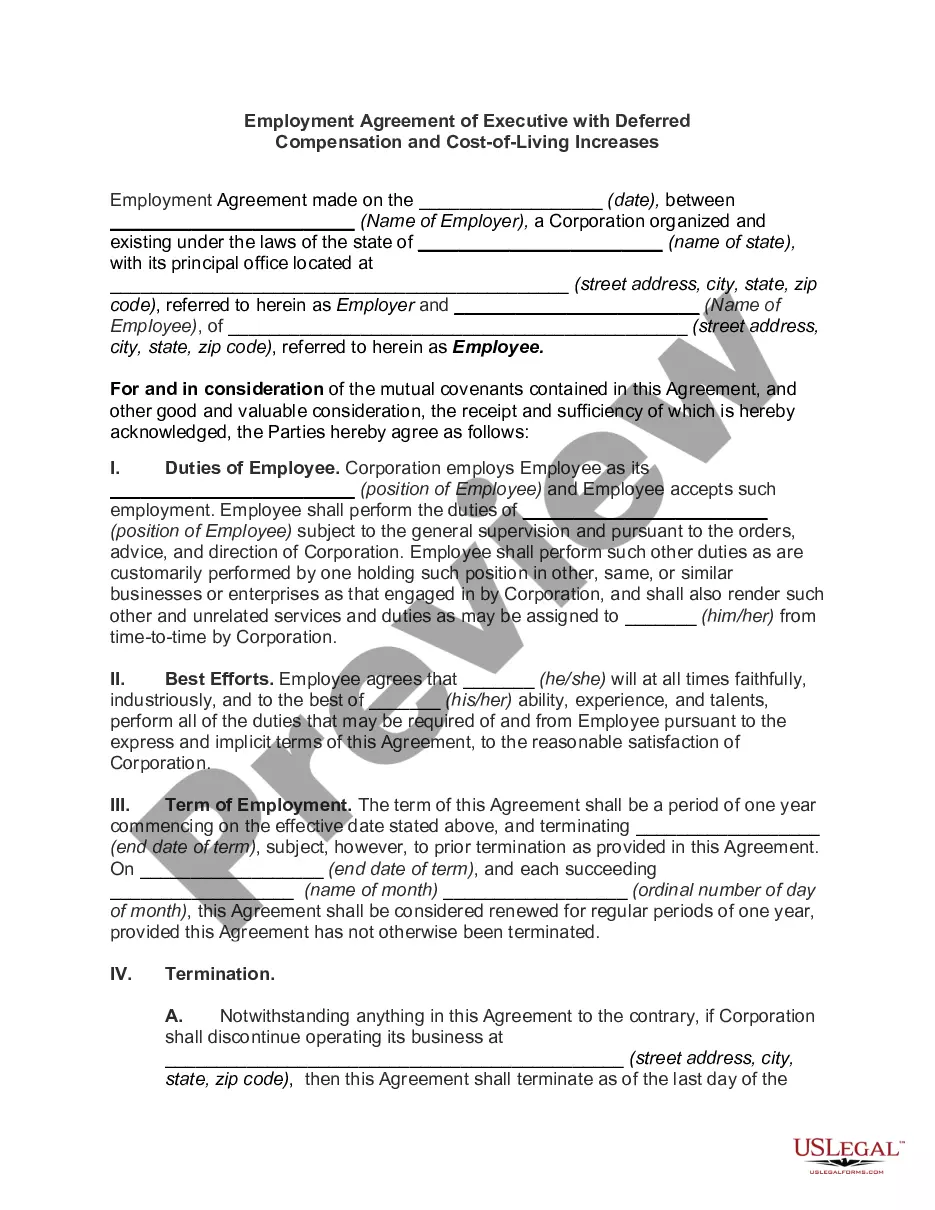
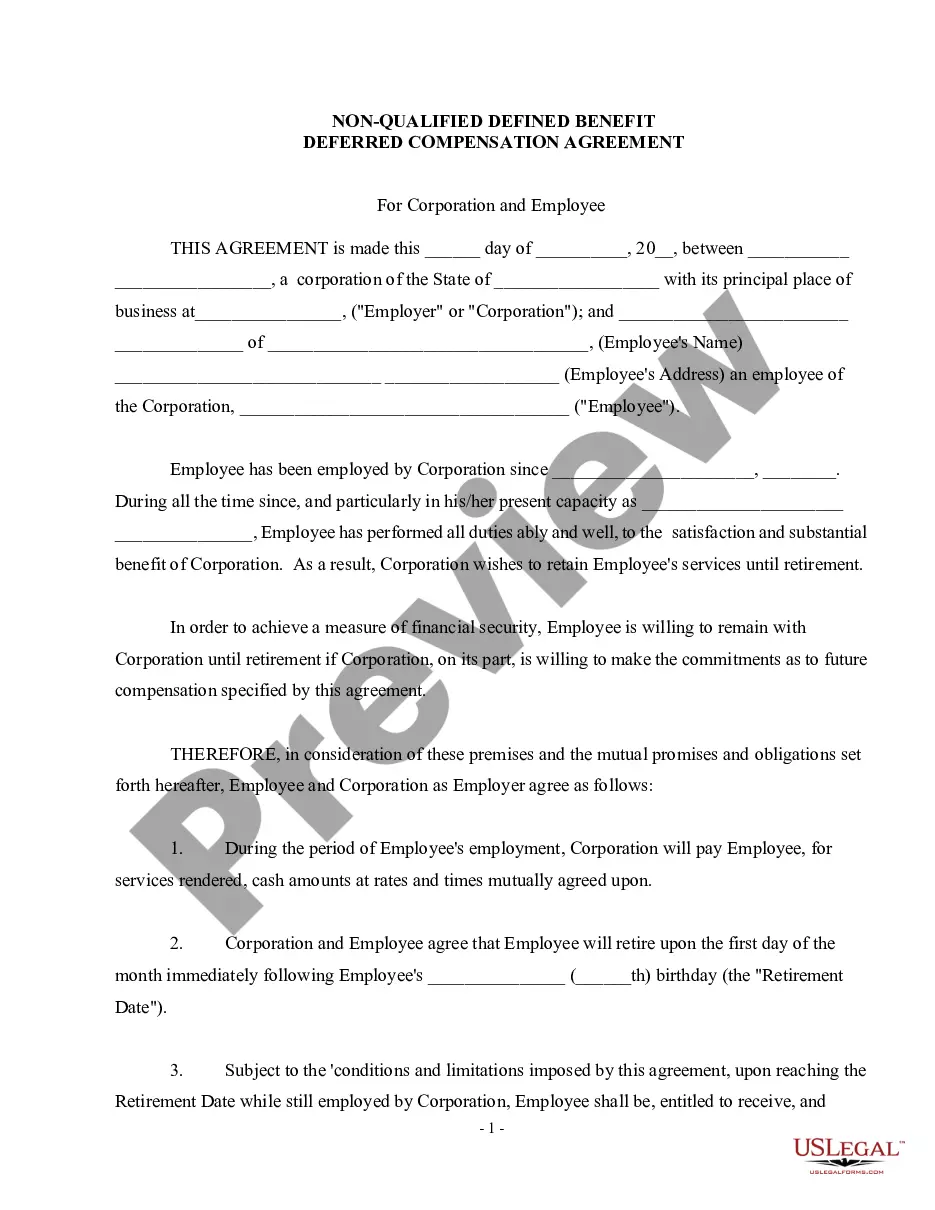
Get your form ready online
Our built-in tools help you complete, sign, share, and store your documents in one place.
Make edits, fill in missing information, and update formatting in US Legal Forms—just like you would in MS Word.
Download a copy, print it, send it by email, or mail it via USPS—whatever works best for your next step.
Sign and collect signatures with our SignNow integration. Send to multiple recipients, set reminders, and more. Go Premium to unlock E-Sign.
If this form requires notarization, complete it online through a secure video call—no need to meet a notary in person or wait for an appointment.
We protect your documents and personal data by following strict security and privacy standards.

Make edits, fill in missing information, and update formatting in US Legal Forms—just like you would in MS Word.

Download a copy, print it, send it by email, or mail it via USPS—whatever works best for your next step.

Sign and collect signatures with our SignNow integration. Send to multiple recipients, set reminders, and more. Go Premium to unlock E-Sign.

If this form requires notarization, complete it online through a secure video call—no need to meet a notary in person or wait for an appointment.

We protect your documents and personal data by following strict security and privacy standards.
Looking for another form?



How to fill out Deferred Compensation Agreement - Long Form?
Are you currently in a situation where you need documents for both professional or personal reasons almost all the time.
There are many authorized document templates available online, but finding reliable ones isn't easy.
US Legal Forms offers a wide range of document templates, including the Utah Deferred Compensation Agreement - Long Form, which can be tailored to comply with federal and state regulations.
Choose the pricing plan you prefer, fill in the required information to create your account, and pay for the order using your PayPal or credit card.
Select a convenient document format and download your copy.
- If you are familiar with the US Legal Forms website and have an account, simply sign in.
- After that, you can download the Utah Deferred Compensation Agreement - Long Form template.
- If you do not have an account and wish to start using US Legal Forms, follow these instructions.
- Locate the form you need and ensure it is for the correct city/county.
- Use the Preview button to review the form.
- Read the description to ensure you have selected the right form.
- If the form isn't what you're looking for, utilize the Search field to find the form that meets your needs and specifications.
- Once you find the correct form, click Buy now.
Form popularity
FAQ
Examples of deferred compensation include retirement, pension, deferred savings and stock-option plans offered by employers. In many cases, you do not pay any taxes on the deferred income until you receive it as payment. Deferred compensation plans come in two types qualified and non-qualified.
A deferred compensation plan withholds a portion of an employee's pay until a specified date, usually retirement. The lump sum owed to an employee in this type of plan is paid out on that date. Examples of deferred compensation plans include pensions, 401(k) retirement plans, and employee stock options.
To set up a NQDC plan, you'll have to: Put the plan in writing: Think of it as a contract with your employee. Be sure to include the deferred amount and when your business will pay it. Decide on the timing: You'll need to choose the events that trigger when your business will pay an employee's deferred income.
A deferred compensation plan allows a portion of an employee's compensation to be paid at a later date, usually to reduce income taxes. Because taxes on this income are deferred until it is paid out, these plans can be attractive to high earners.
A deferred comp plan is most beneficial when you're able to reduce both your present and future tax rates by deferring your income. Unfortunately, it's challenging to project future tax rates. This takes analysis, projections, and assumptions.
Deferred compensation is a portion of an employee's compensation that is set aside to be paid at a later date. In most cases, taxes on this income are deferred until it is paid out. Forms of deferred compensation include retirement plans, pension plans, and stock-option plans.
Elective deferral limit The amount you can defer (including pre-tax and Roth contributions) to all your plans (not including 457(b) plans) is $20,500 in 2022 ($19,500 in 2020 and in 2021; $19,000 in 2019).
How does deferred compensation work? Your company will designate an amount you may defer and for how long you may defer that amountusually five years, 10 years or until you retire.
The Part-time, Seasonal, and Temporary (PST) Employees Retirement Program is a mandatory retirement savings program created by federal law for State employees and California State University employees who are not covered by a retirement system or Social Security.
To help manage the risk, Mr. Reeves suggested limiting deferred compensation to no more than 10 percent of overall assets, including other retirement accounts, taxable investments and even emergency cash funds. Typically, employees must choose how much to defer and when they would like to receive the payout.