Business Plan Template for Clothing Brand
Overview of this form
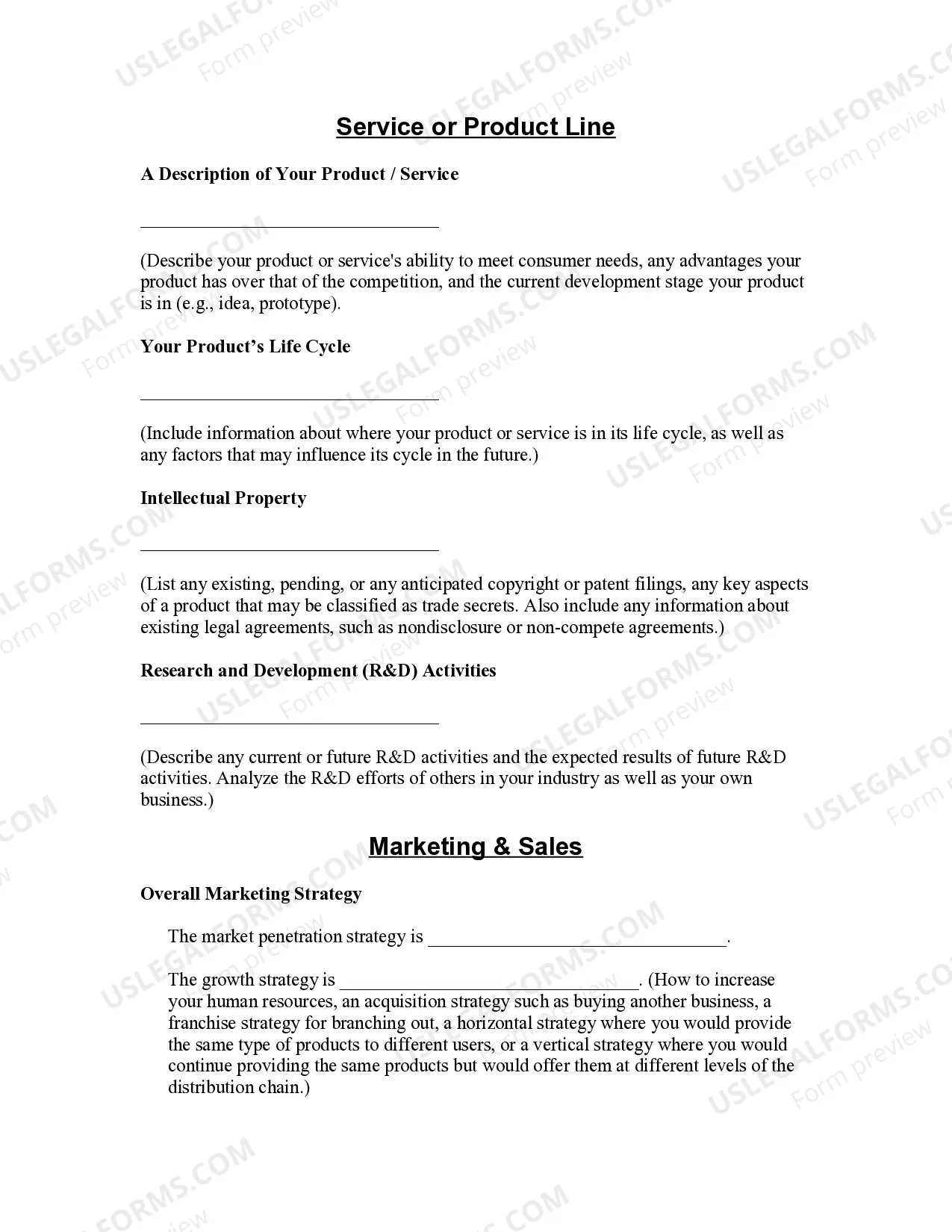
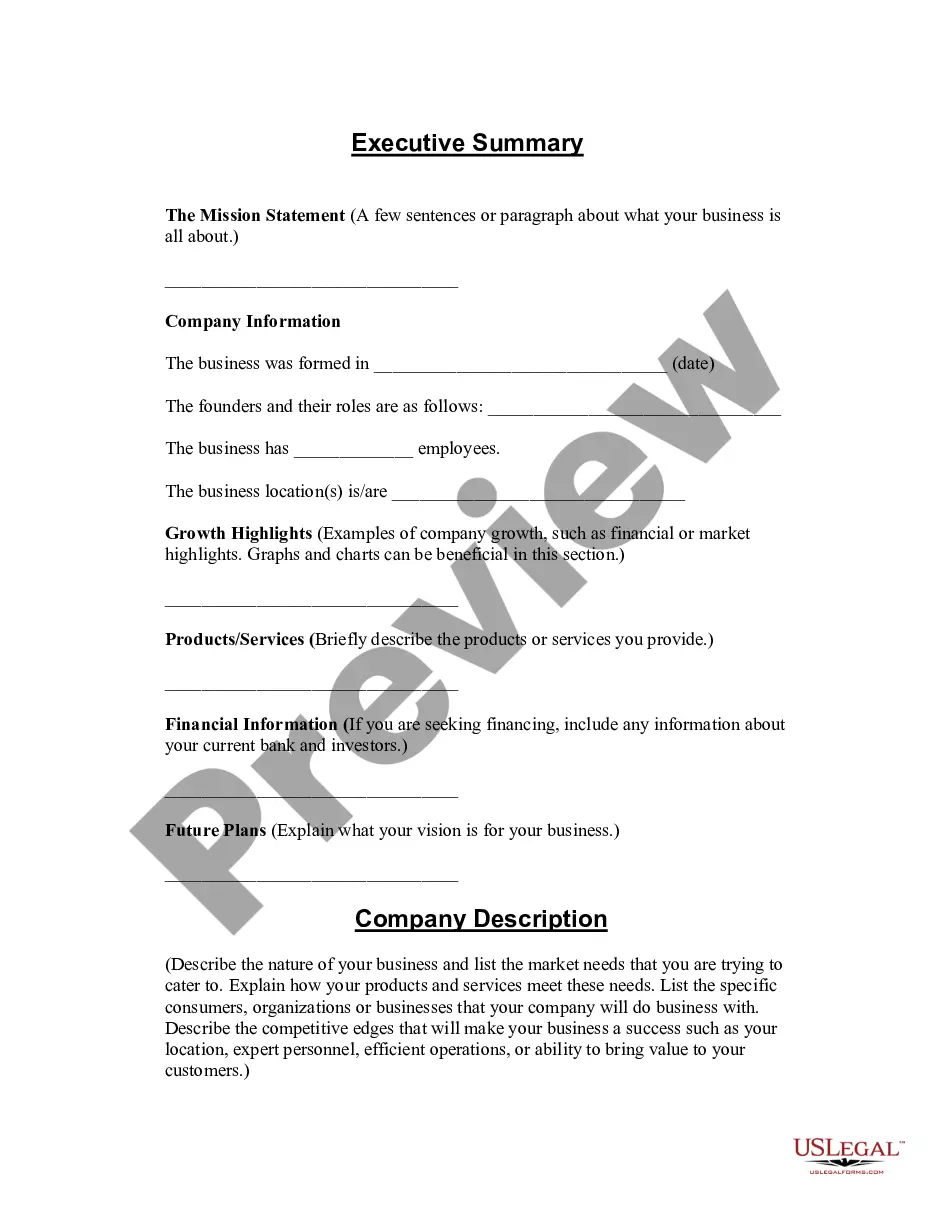
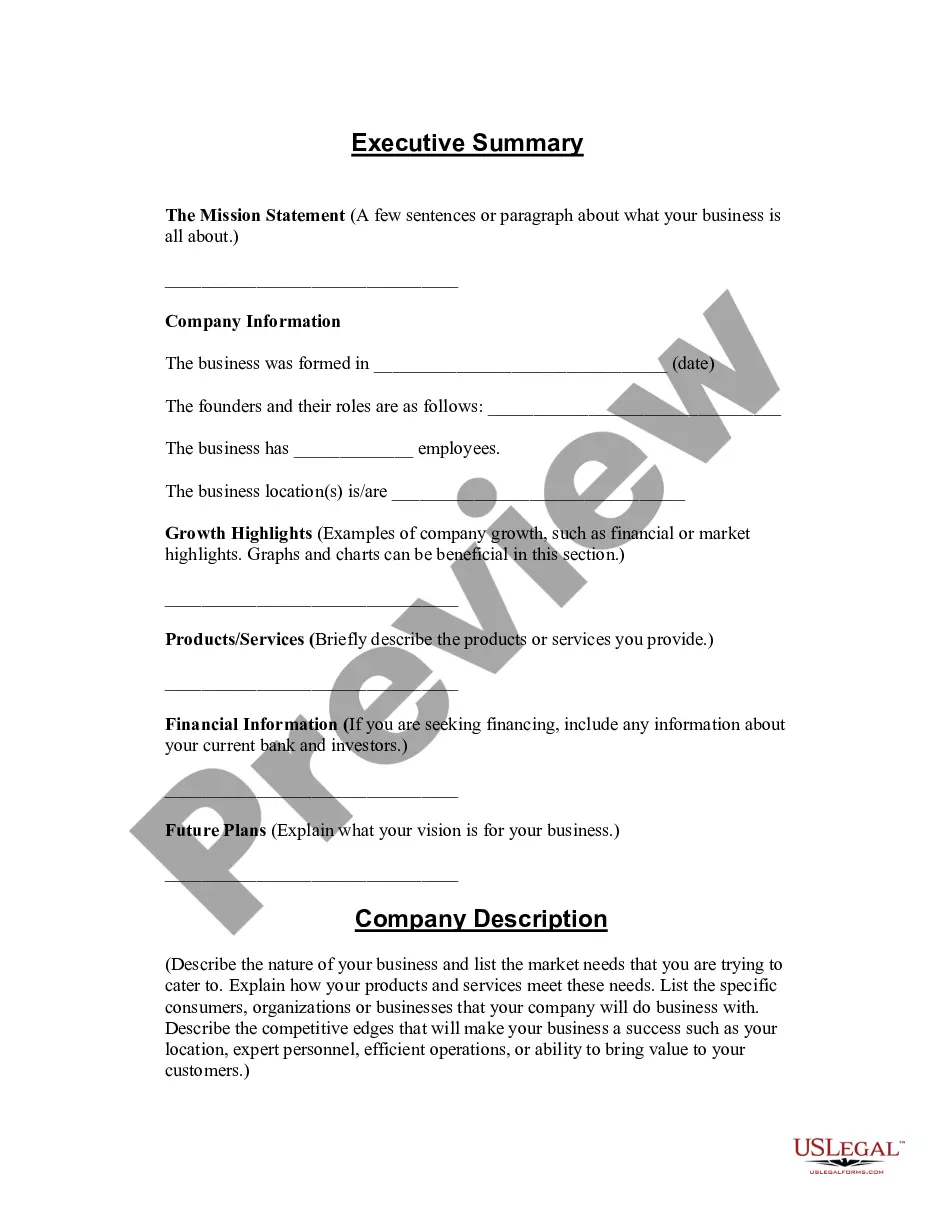
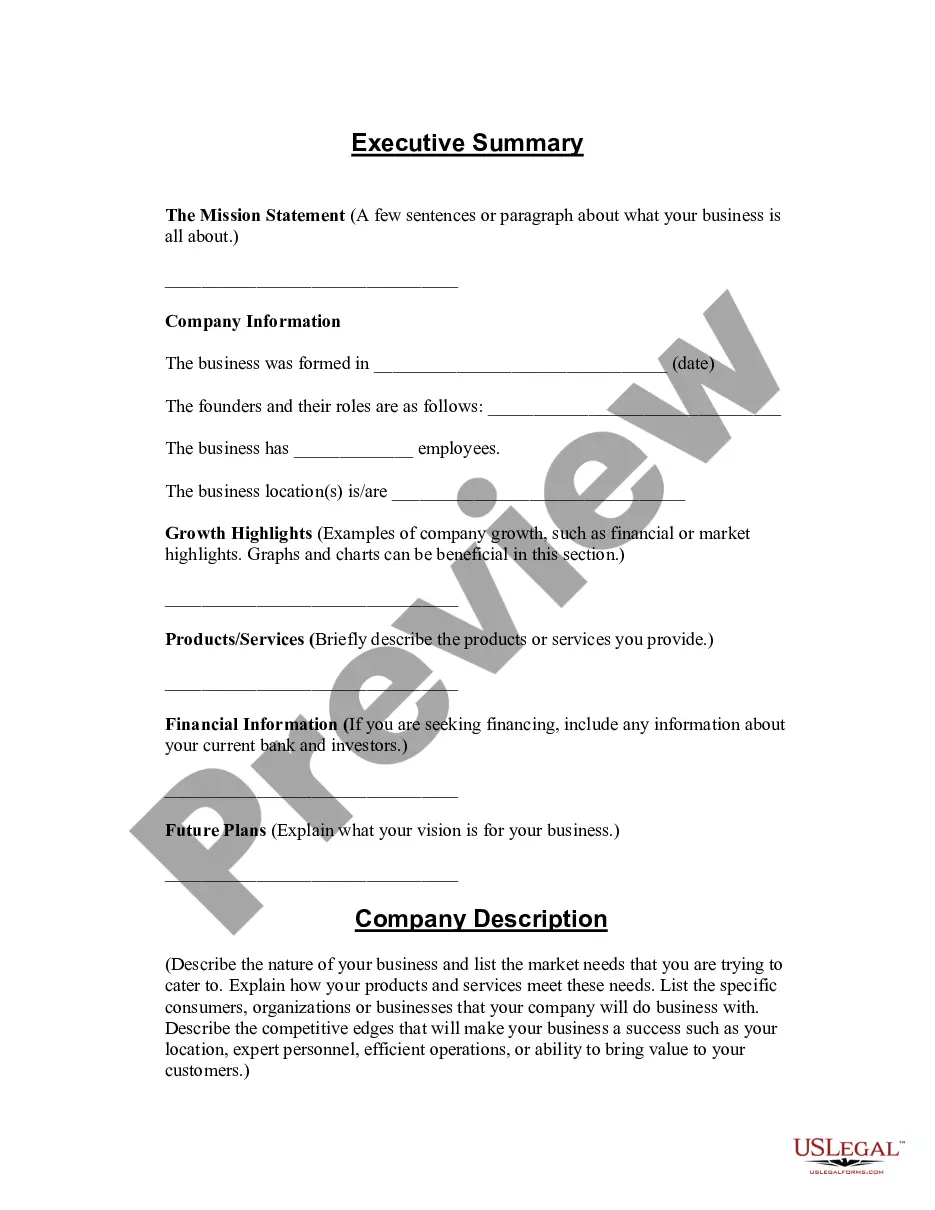
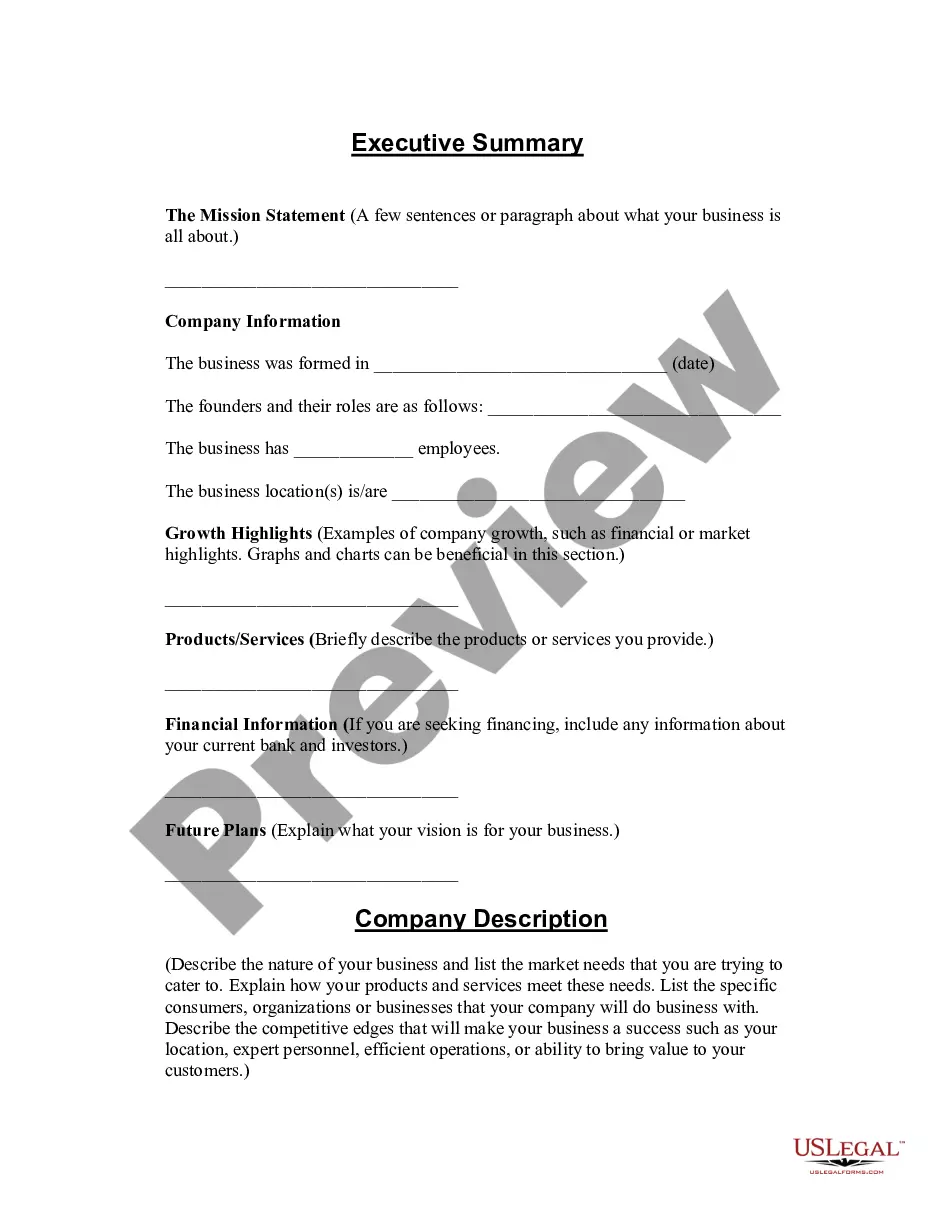
The Business Plan Template for Clothing Brand is a structured document designed to guide founders in outlining their business concepts, strategies, and financial needs. This form differs from generic business plans by offering specific sections tailored for the clothing industry, including detailed market analysis, competition assessments, and financial projections that are crucial for securing funding and attracting investors.
Key parts of this document
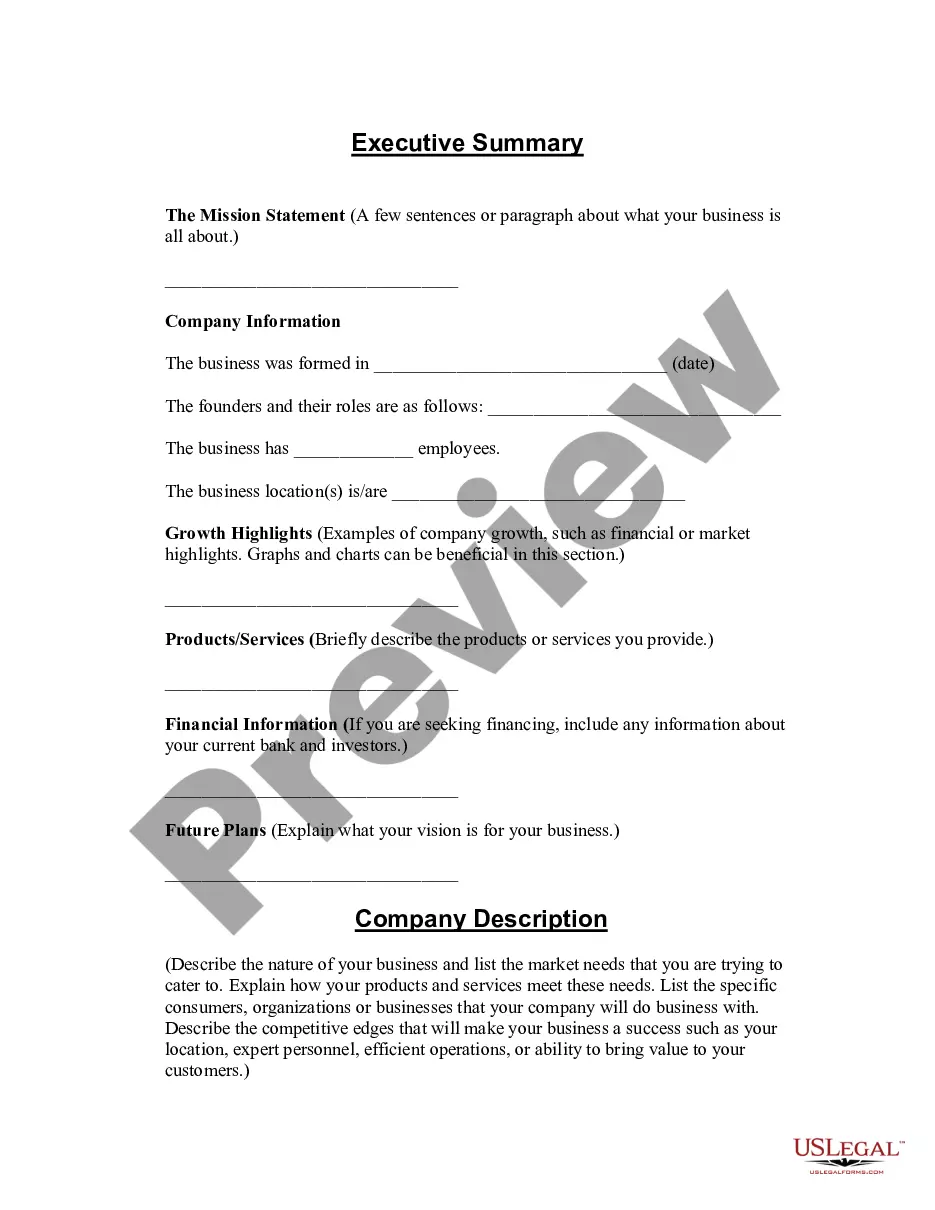
- Mission Statement: A brief introduction to your business philosophy.
- Company Information: Founders, formation date, and employee details.
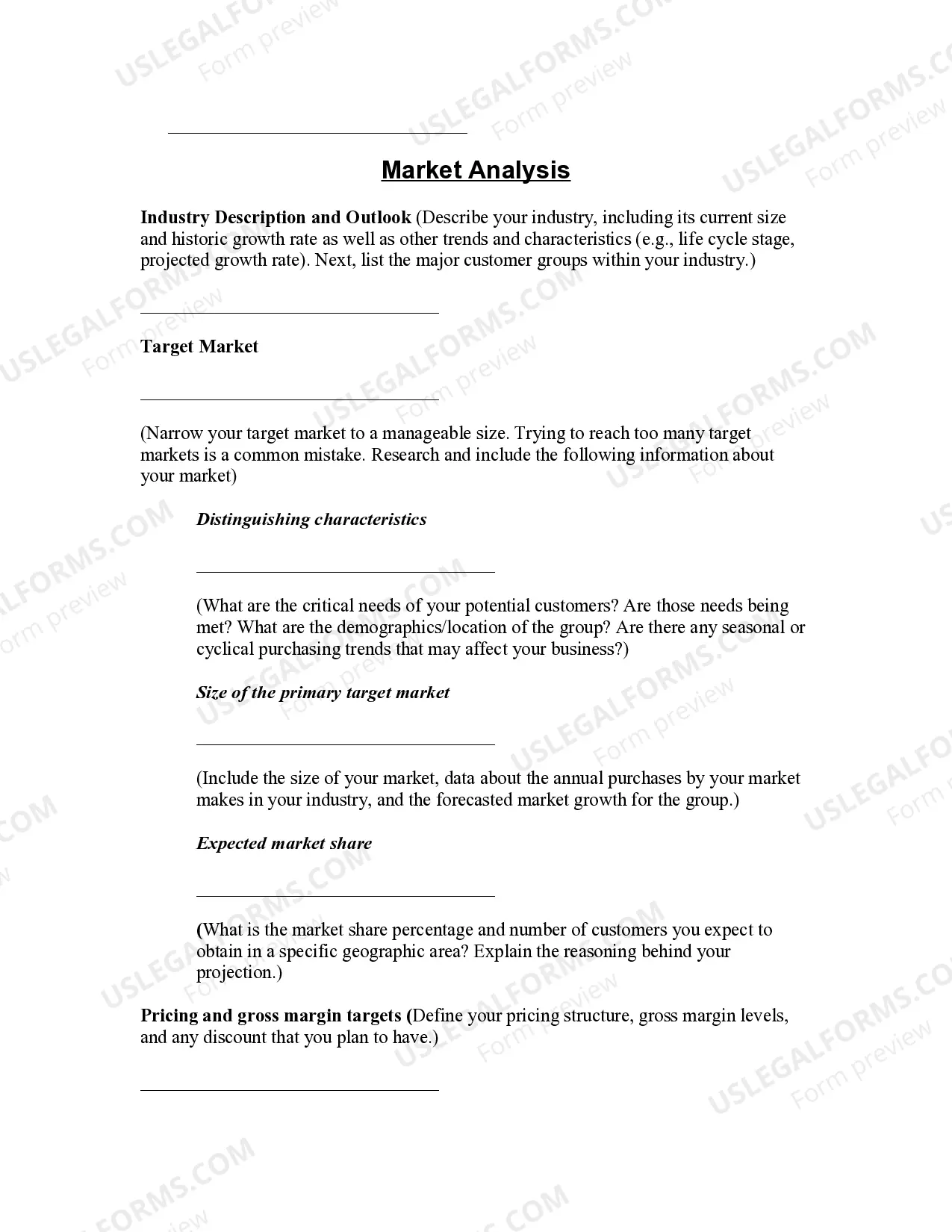
- Market Analysis: Insights into industry trends and customer demographics.
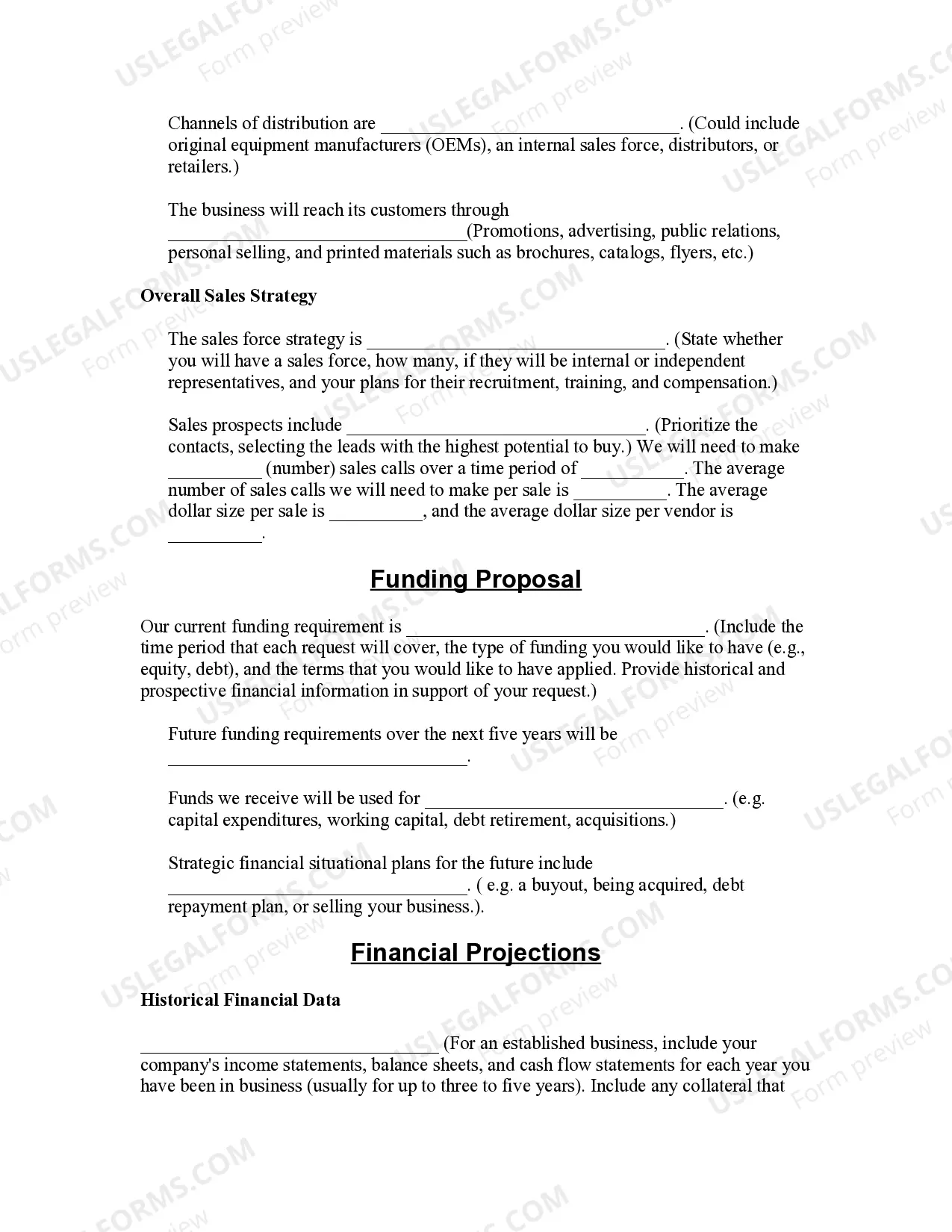
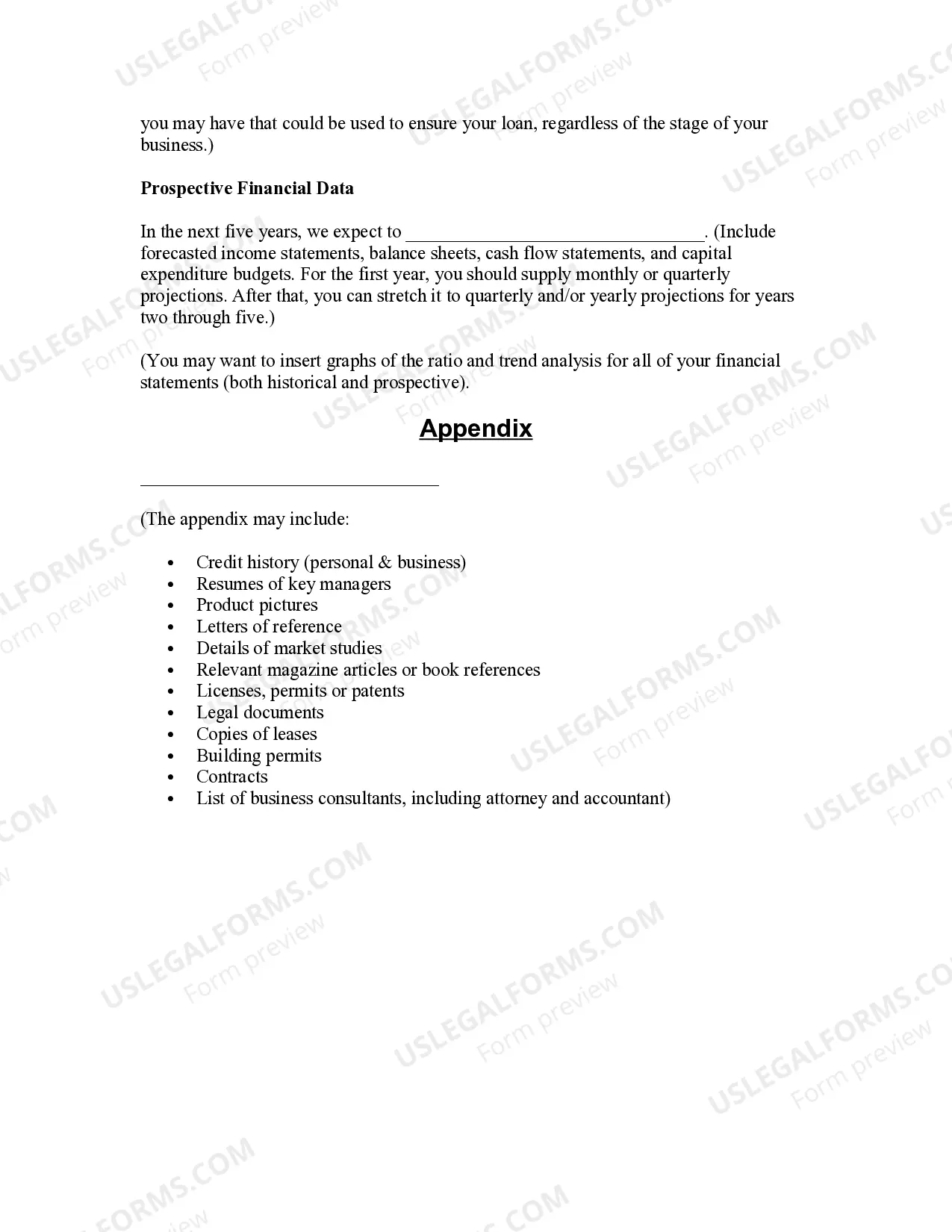
- Financial Projections: Detailed forecasts for income and expenses over the next five years.
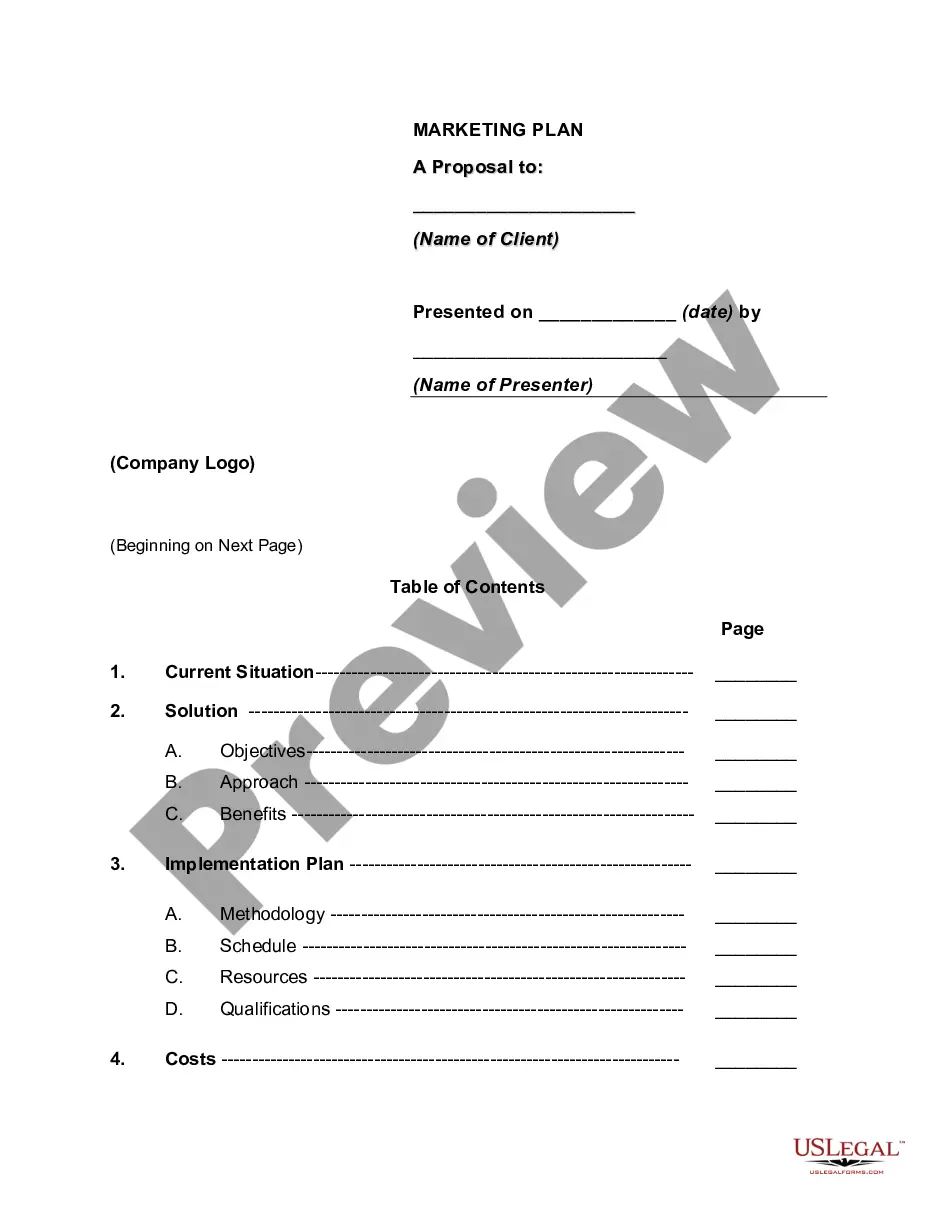
- Marketing Strategy: Plans for promoting products and reaching target customers.
- Funding Proposal: Requirements and intended uses for required funding.
Situations where this form applies
This form is ideal for entrepreneurs who are starting a clothing brand and need to develop a comprehensive business plan. It is particularly useful when seeking funding from banks, investors, or grants, providing a clear framework to present your business model and growth strategies.
Who can use this document
- Startups: New clothing brands looking to formalize their business strategy.
- Entrepreneurs: Individuals seeking funding or partnerships for their clothing line.
- Business students: Those studying entrepreneurship and business planning.
- Existing businesses: Established clothing brands wanting to explore new growth opportunities.
Instructions for completing this form
- Begin with your Mission Statement to clarify your brand's core purpose.
- Fill in the Company Information, including the founding date, roles of founders, and employee count.
- Conduct a thorough Market Analysis, outlining industry trends and your target market characteristics.
- Develop Financial Projections projecting income and expenses over the next five years.
- Articulate your Marketing and Sales strategies that will attract and retain customers.
- Draft a Funding Proposal that clearly states your funding needs and how the funds will be utilized.
Notarization requirements for this form
This form does not typically require notarization unless specified by local law.
Get your form ready online
Our built-in tools help you complete, sign, share, and store your documents in one place.
Make edits, fill in missing information, and update formatting in US Legal Forms—just like you would in MS Word.
Download a copy, print it, send it by email, or mail it via USPS—whatever works best for your next step.
Sign and collect signatures with our SignNow integration. Send to multiple recipients, set reminders, and more. Go Premium to unlock E-Sign.
If this form requires notarization, complete it online through a secure video call—no need to meet a notary in person or wait for an appointment.
We protect your documents and personal data by following strict security and privacy standards.

Make edits, fill in missing information, and update formatting in US Legal Forms—just like you would in MS Word.

Download a copy, print it, send it by email, or mail it via USPS—whatever works best for your next step.

Sign and collect signatures with our SignNow integration. Send to multiple recipients, set reminders, and more. Go Premium to unlock E-Sign.

If this form requires notarization, complete it online through a secure video call—no need to meet a notary in person or wait for an appointment.

We protect your documents and personal data by following strict security and privacy standards.
Typical mistakes to avoid
- Not specifying a well-defined target market.
- Overlooking detailed financial projections.
- Failing to address potential competition adequately.
- Neglecting to update the plan as business conditions change.
Advantages of online completion
- Convenience: Obtain the document instantly without the need for in-person appointments.
- Editability: Customize the template to fit your specific business needs.
- Reliability: Access a form designed by licensed attorneys, ensuring it meets legal requirements.
What to keep in mind
- The Business Plan Template for Clothing Brand is essential for outlining business strategies and financial needs.
- Proper use of this form can enhance your chances of securing funding.
- Adjust the template to meet specific state regulations when applicable.
Looking for another form?
Form popularity
FAQ
Identify a need in the market. Develop a business plan. Identify your target audience. Start designing. Find a clothing manufacturer. Choose a brand name, logo, and market profile. Choose a price point for your items. Begin the marketing process.
Step 1: Write an Executive Summary. Step 2: Write a Business Description. Step 3: Market and Competitive Analysis. Step 4: Operational Structure. Step 5: Product Description. Step 6: Raise Capital. Step 7: Financial Analysis and Projections. Step 8: Appendix.
If you're new to writing a business plan, The Balance's template is one of the most user-friendly options you'll find. This template is the most helpful one on the list in my opinion because it's such a comprehensive and well written guide and helps you through every section.
Executive summary. Briefly tell your reader what your company is and why it will be successful. Company description. Market analysis. Organization and management. Service or product line. Marketing and sales. Funding request. Financial projections.
Executive summary. Briefly tell your reader what your company is and why it will be successful. Company description. Market analysis. Organization and management. Service or product line. Marketing and sales. Funding request. Financial projections.
Make sure your company has a clear objective. Identify your target market. Analyze your competition. Budget accordingly. Identify your goals and financial projections. Clearly define the power structure. Discuss your marketing plan. Keep it short and professional.
Write a business plan. Find your niche. Understand your market. Register your business. Design and source the clothes for your line. Partner with a manufacturer. Price your products. Decide where to sell your clothes.
For small batch clothing production, you can already jump start with $500. If you are thinking of a medium sized clothing company then $1,500 up to $5,000 should be sufficient enough. However, if you are thinking of a major clothing business then $20,000 to $50,000 is a perfect investment amount.